One Delay Can Cost Your Entire Cruise
A quick coverage check now protects you from the problems no one sees coming.
Short Excerpt
- Cruise weather can change quickly, but region, season, ocean currents, and storm patterns give you useful clues about what to expect.
- Warm destinations can still bring rain, wind, rough seas, or tropical systems, while Alaska and Northern Europe require preparation for cooler and wetter conditions.
- Packing layers, planning for itinerary changes, and knowing how ships respond to bad weather can make unpredictable conditions much easier to handle.
Quick Take
- Match your expectations to the region and season rather than assuming warm destinations always mean perfect weather.
- Caribbean cruises are generally drier from December through April, while summer and fall bring more rain and tropical-weather risk.
- Alaska cruises require layers and rain protection even during the summer sailing season.
- Wind, fog, storms, and ocean currents can affect comfort, visibility, outdoor activities, and port schedules.
- Cruise ships can change course, adjust speed, skip ports, or move activities indoors when conditions deteriorate.
What Cruise Weather Really Means for Your Days at Sea and in Port
Cruise weather is more than the temperature shown in a forecast.
Your experience can be shaped by wind, wave height, humidity, rainfall, visibility, ocean currents, and the location of larger weather systems hundreds of miles away.
A Caribbean sailing may deliver long stretches of sunshine followed by a fast-moving afternoon shower, while an Alaska itinerary can alternate between bright skies, cold rain, fog, and surprisingly mild afternoons.
Open-ocean crossings can feel different again because stronger winds and larger swells may create more noticeable ship movement even when skies remain clear.
Season is one of the strongest indicators of what you are likely to encounter.
Winter and early spring generally bring drier conditions to much of the Caribbean, while summer and fall increase humidity, rainfall, and the possibility of tropical systems.
Mediterranean summers are usually warmer and drier, while Northern European itineraries can remain cool, windy, or rainy even during the main cruise season.
Your packing strategy should account for those variations instead of relying on the average temperature at one port.
Light layers work well in warm regions where evenings at sea can feel cooler, while waterproof outer layers become far more important in Alaska, Northern Europe, and other destinations where rain is common.
Bad weather also does not necessarily mean your cruise stops.
Captains and shoreside teams monitor developing conditions and can change speed, alter course, substitute ports, delay arrival, or keep passengers away from exposed outdoor areas when necessary.
Understanding those possibilities before sailing makes a weather change easier to treat as part of cruise travel rather than an unexpected failure of the vacation.
1. Choose the Right Season to Dodge Dangerous Cruise Weather
Cruising offers the chance to explore exotic destinations, but each region’s seasonal weather can significantly impact your experience.
Understanding the best seasons for your preferred destination is key for maximizing your enjoyment.
Here’s a closer look at popular cruise regions and their seasonal weather patterns.
Caribbean Forecasts: Sun, Storms, and Smart Packing
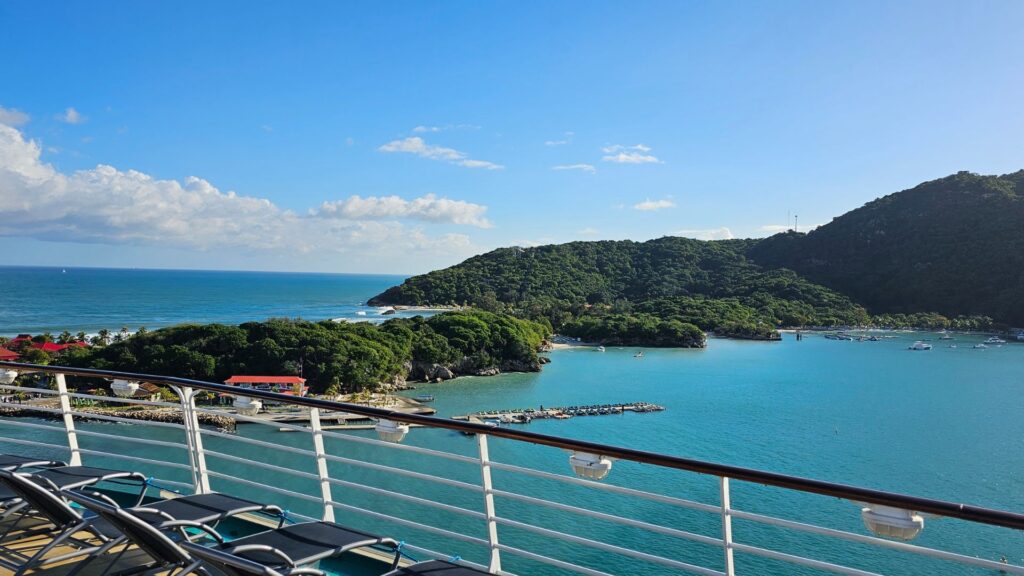
The Caribbean is known for its stunning beaches, turquoise waters, and consistent warmth.
But the region also has a rainy season that coincides with hurricane season, so timing is essential.
- Ideal Cruising Months: From December to May, the Caribbean enjoys dry, sunny weather.
Temperatures hover around 75°F to 85°F, perfect for beach days, water activities, and comfortable exploration.
- Hurricane Season: June to November is hurricane season, with peak storm activity from August to October.
Cruises are still popular during these months but may reroute to avoid storms, so flexibility is key.
- Humidity Levels: Year-round humidity means it can feel warmer than the actual temperature.
Even in the dry season, prepare for sticky heat with light, breathable clothing, and stay hydrated.
Unlock Your Dream Cruise with Exclusive Online Deals!
Alaska Cruise Prep: Fog, Wildlife, and Cold-Weather Gear
Alaskan cruises are unique for their landscapes and wildlife, but the weather varies widely, with chilly temperatures, rain, and even snow on certain itineraries.
- Best Season for Alaskan Cruises: Late May to early September offers the best balance of mild weather and wildlife activity, with temperatures ranging from 50°F to 70°F.
The mid-summer months of June to August are warmest and busiest.
- Frequent Rain and Fog: Rain is a common occurrence in Alaska, even during summer.
Foggy mornings and misty skies add to the charm but also mean packing waterproof layers and being prepared for visibility changes.
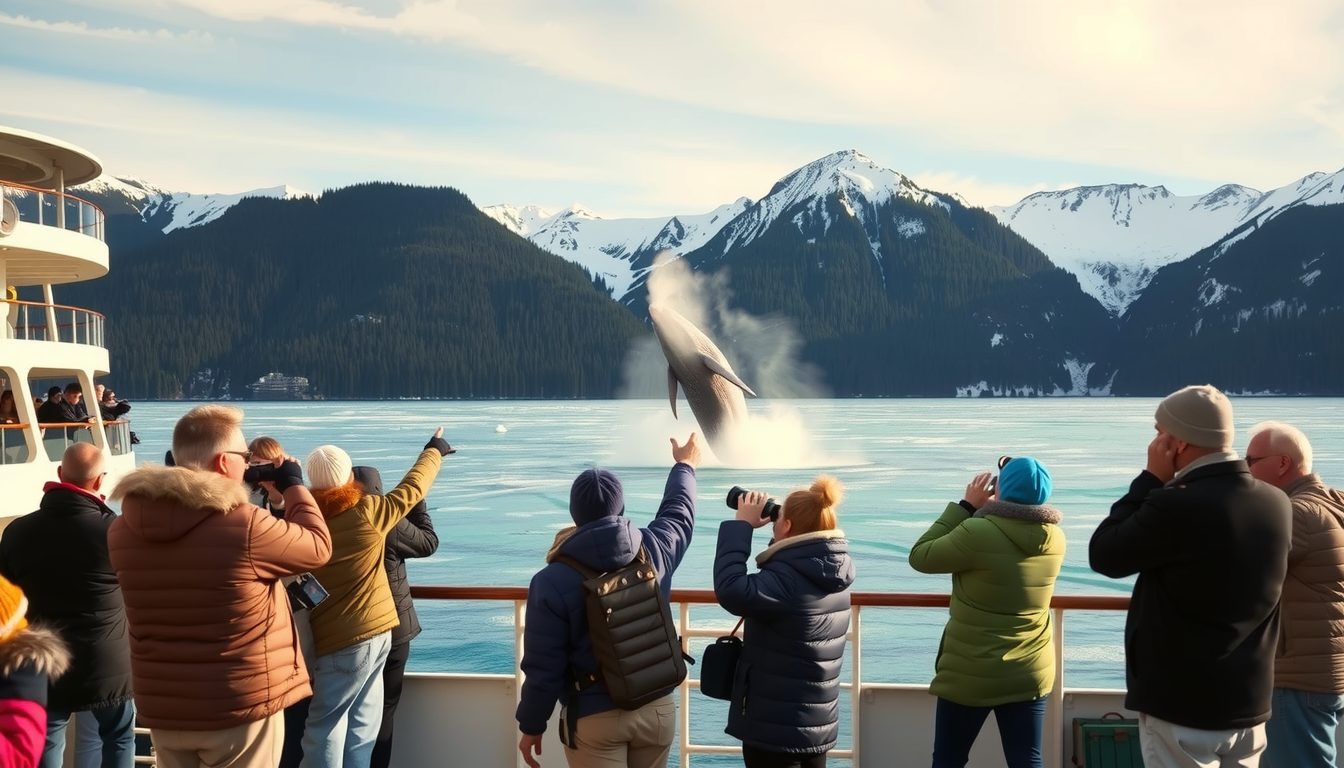
- Optimal Wildlife Viewing: The peak for wildlife viewing, especially for whale watching, is from mid-June to August.
Early-season cruises in May and late-season trips in September provide more solitude but may be colder.
Mediterranean Heatwaves: When to Sail and What to Pack
Mediterranean cruises cover regions from Southern Europe to North Africa, with a variety of landscapes and climates.
The Mediterranean climate is typically warm and dry in the summer and milder in spring and fall.
- Best Months to Cruise the Mediterranean: April to June and September to October are ideal for comfortable sightseeing temperatures, around 60°F to 75°F.
These shoulder seasons are less crowded and less expensive than peak summer months.
- High Summer Heat: July and August can be very hot, especially in Greece, Italy, and other southern regions.
Temperatures can soar past 90°F, making beach excursions enjoyable but potentially uncomfortable for all-day walking tours.
- Crowd Levels: Summer is peak season for tourists, so if you prefer fewer crowds and milder weather, the spring and fall months offer an excellent compromise.
Asia & South Pacific: Monsoons, Humidity, and Packing Smarts
The lush, tropical landscapes of Asia and the South Pacific offer scenic beauty but come with variable weather, including intense rain during the monsoon season.
- Ideal Season: December to April offers warm, relatively dry weather, ideal for outdoor excursions, water sports, and sightseeing.
Temperatures generally range from 75°F to 90°F.
- Monsoon Season: May to October is monsoon season, which brings heavy rain and high humidity.
Showers are often short but intense, making quick-dry clothing and rain gear essential.
- Humidity Challenges: High humidity persists even outside the monsoon season, so choose moisture-wicking fabrics, sunscreen, and plenty of water.
Bug spray is also a good idea for jungle or nature excursions.
2. Pack Smart for Any Cruise Climate with Proven Essentials
Packing for a cruise can be tricky.
Limited cabin space means packing efficiently without leaving out any essentials.
Here’s a thorough guide on what to pack for different climates to ensure you’re ready for anything.

Grab Your Ticket to Paradise with These Deals!
Warm-Weather Packing: Stay Cool, Protected, and Hydrated
A cruise to a sunny, tropical destination requires light, breathable clothing and strong sun protection.
Here’s what to bring to keep cool and avoid sunburn.
- Breathable Clothing: Opt for light, moisture-wicking fabrics like cotton, linen, or quick-dry synthetic materials.
These help regulate body temperature and dry quickly if you sweat.
- SPF 50+ Sunscreen: Ocean water reflects sunlight, increasing UV exposure.
A high-SPF, water-resistant sunscreen is essential, especially if you’re spending time in the pool or on the beach.
Reapply every two hours or more often if you’re swimming.
- Wide-Brimmed Hat and UV-Protective Sunglasses: A wide-brimmed hat shields your face, neck, and shoulders from sunburn, while polarized sunglasses reduce glare and protect your eyes from UV rays.
- Swimwear and Rash Guards: Pack at least two swimsuits, so one can dry while you wear the other.
If you’ll be snorkeling or engaging in water sports, consider a rash guard for added sun protection.
- Refillable Water Bottle: Staying hydrated is critical in warm climates. Bring a large, refillable water bottle to avoid dehydration.
Some bottles even have built-in filters if you’re visiting remote areas.
Cold-Weather Packing: Layer for Comfort and Adventure
Cold-weather cruising, such as in Alaska or the Baltic Sea, requires a strategic approach to layering.
Each layer serves a purpose, from trapping body heat to blocking wind and rain.
- Thermal Base Layers: Look for materials like merino wool or synthetic thermals for your base layer, which should fit snugly to trap heat.
These layers are perfect for days spent outdoors on excursions.
- Middle Layer for Insulation: Fleece jackets, wool sweaters, or down vests are excellent for insulating body heat.
Down jackets are compressible and can be packed easily without taking up much space.
- Waterproof and Windproof Jacket: A high-quality outer layer with waterproof and windproof features is essential for chilly, rainy days.
Look for breathable materials to prevent overheating during active excursions.
- Accessories (Gloves, Hat, and Scarf): Small but effective, gloves, a beanie, and a scarf will keep you warm, especially during early mornings or evening excursions.
- Insulated, Waterproof Boots: For cold-weather excursions, invest in waterproof, insulated boots.
These protect your feet from cold, wet conditions and ensure a comfortable experience on glacier walks or nature hikes.
Click for Exclusive Offers on Top Cruise Lines!
Rainy-Day Packing: Gear That Keeps You Dry and Moving
Rain is always a possibility at sea, especially in tropical or temperate regions, so a few rainy-day essentials can keep you comfortable.
- Compact Rain Jacket or Poncho: A lightweight, packable rain jacket or poncho is a lifesaver for surprise showers.
Choose a breathable option with ventilation to avoid feeling overheated.
- Quick-Dry Clothing: Synthetic fabrics like nylon or polyester dry faster than cotton.
Quick-dry pants, shirts, and socks are ideal for rainy weather.
- Waterproof Bag for Electronics: Use a waterproof pouch or dry bag to protect your phone, camera, and other electronics from water damage.
- Waterproof Footwear or Sandals: In rain-prone areas, waterproof shoes or sandals prevent wet socks and blisters.
Look for options with good traction if you’re planning to explore wet terrain.
3. Stay Comfortable Onboard by Mastering Cruise Temperature Swings
Cruise ships are designed for comfort, but temperature fluctuations can still surprise you, especially when moving between indoor and outdoor areas.
Here’s how to keep comfortable no matter what the weather throws your way.
Hot Weather Onboard: Stay Cool Without Missing Out
Hot, sunny weather on deck is perfect for sunbathing, but it also requires a few strategies to stay cool and hydrated.
- Find Shaded Areas: Cruise ships typically have shaded cabanas, lounge chairs with umbrellas, and even indoor lounges with expansive ocean views.
Spend some time in these areas to avoid prolonged sun exposure.
- Use Cooling Products: Handheld fans, cooling towels, and mist sprays are great for beating the heat on hot days.
Many cooling towels are designed to stay cold for hours after being soaked in water.
- Dress Light: Choose loose, light-colored clothing to stay cool, and consider moisture-wicking fabrics to manage sweat and stay comfortable as you move around the ship.

Experience Luxury Cruises at Unbeatable Prices Today!
Cool Evenings at Sea: What to Wear When the Breeze Hits
Even on warm-weather cruises, evenings on deck can get chilly due to the ocean breeze.
Layering up helps you enjoy outdoor events or stargazing without discomfort.
- Bring a Sweater, Jacket, or Wrap: Light jackets, fleece sweaters, or cozy shawls work well for evenings.
They’re easy to carry and can be layered over lighter clothing.
- Outdoor Blankets or Shawls: Some cruise lines provide blankets for stargazing areas or outdoor lounges.
Check if your ship offers these, or bring a lightweight wrap for extra warmth.
- Layered Clothing for Evening Excursions: If you’re going ashore for a nighttime activity, layer up to stay comfortable during temperature changes.
4. Beat Seasickness Fast with Cruise-Proven Motion Hacks
Rough seas and unexpected weather can make the ship sway, causing discomfort for first-time cruisers who are sensitive to motion.
Here’s how to minimize seasickness and enjoy your time on board.
Picking the Right Cabin for Stability
- Midship Cabins on Lower Decks: These are closest to the ship’s center of gravity, minimizing motion.
Lower decks experience less vertical movement, which can help with seasickness.
- Avoid Bow and Stern Cabins: The front and back of the ship feel the most motion in choppy seas.
Opting for a midship cabin gives you the most stable position on the vessel.
Seasickness Remedies and Tips
- Over-the-Counter Medications: Common seasickness remedies include Dramamine or Bonine.
Take a dose before boarding if you know you’re prone to motion sickness.
- Acupressure Wristbands: Sea Bands apply pressure to an acupressure point on your wrist, which can reduce nausea without medication.
They’re a great drug-free option.
- Natural Remedies (Ginger and Peppermint): Ginger tea, candies, and even ginger tablets can soothe nausea.
Peppermint is also helpful; try peppermint tea or essential oils.
- Stay Above Deck and Focus on the Horizon: Fresh air and a clear view of the horizon can help your body stabilize, reducing nausea.
5. Turn Rainy Cruise Days into Fun with Indoor Adventures
Rain doesn’t have to ruin your plans.
Many cruise ships offer plenty of indoor entertainment to keep you busy during showers or rough seas.
- Catch a Show or Movie: Cruise ships often have impressive theaters featuring live performances, including Broadway-style shows, comedy acts, and live music.
Some ships also screen recent movies in their theaters.
- Visit the Spa: Treat yourself to a massage, facial, or spa day.
Many ships have luxurious spa facilities with various treatments, saunas, and hot tubs, perfect for a rainy day.
- Explore Art Galleries and Shops: Many ships have small art galleries, where you can view and even purchase artwork.
The onboard shops offer a mix of high-end brands, duty-free items, and unique souvenirs.
- Cooking and Mixology Classes: Many cruise lines offer cooking demonstrations or cocktail-making classes.
Learning to make regional dishes or signature cocktails adds a fun, educational twist to your day.
6. Pack the Ultimate Cruise Day Bag for Any Weather Surprise
Excursions are one of the best parts of cruising, and being prepared for the weather ensures you have a smooth, enjoyable experience.
Checking Weather Forecasts
- Real-Time Weather Apps: Download reliable weather apps like AccuWeather, MyRadar, or Windy to stay updated on port forecasts.
Accurate, real-time updates help you adjust your plans if the forecast changes.
- Listen to Ship Announcements: Cruise ships provide daily weather updates for port stops.
Pay attention to these as they may include essential information on specific excursion conditions.
Packing a Versatile Day Bag
- Essentials Like Sunscreen and Water: A small bottle of sunscreen, a hat, and a refillable water bottle are essentials to protect against the elements.
- Waterproof Bag or Pouch: Use a waterproof bag to keep valuables, such as your phone, camera, and travel documents, safe from unexpected rain or splash zones.
- Ziplock Bags for Wet Items: Ziplock bags are lightweight and perfect for storing wet clothes or swimsuits after a beach excursion.
They also prevent damp clothes from getting the rest of your bag wet.
7. Use These Cruise Weather Apps to Outsmart Any Forecast
Staying informed on the weather is easier than ever with apps designed to give real-time weather information.
Here are a few that can help you prepare each day.
- MyRadar: This app offers real-time radar and allows you to track rain or storms as they approach.
MyRadar is particularly useful for planning around rainy days in port.
- Windy: Windy shows wind patterns and sea conditions, which can be helpful for motion-sensitive travelers.
It provides detailed maps that allow you to anticipate changes in sea conditions.
- AccuWeather: Known for its detailed forecasts and weather alerts, AccuWeather is a comprehensive option for checking port weather each morning.
The hourly forecast feature is useful for planning your day.
8. Beat Cruise Humidity and Stay Fresh for Every Photo
Cruising in tropical regions means handling high temperatures and humidity.
Here’s how to stay comfortable without letting the heat drain your energy.
Dressing for Humidity
- Moisture-Wicking, Breathable Fabrics: Fabrics like cotton, linen, and certain synthetic blends help regulate your body temperature by wicking away moisture.
Avoid heavy fabrics that trap heat.
- Portable Cooling Tools: A handheld fan, a cooling towel, or a misting spray can provide quick relief in humid weather.
Cooling towels are especially effective as they stay cold for hours.
- Hydrate Frequently: Dehydration is common in high humidity. Bring a large water bottle with you on excursions and refill often.
Some reusable bottles even come with filters for use in remote areas.
Managing Hair and Skin in Humid Climates
- Anti-Frizz and Humidity-Resistant Hair Products: Look for products with anti-humidity features to prevent frizz.
Leave-in conditioners and serums work well to keep hair manageable.
- Light Skincare: Humidity can lead to excess oil production, so opt for lightweight skincare products.
A gentle cleanser and a water-based moisturizer help keep your skin feeling fresh.
9. Stay Safe at Sea with Cruise Weather Emergency Tactics
While weather-related emergencies are rare, it’s smart to be prepared for sudden changes, especially at sea.
- Follow Safety Drills: All cruise lines conduct a safety drill at the start of each voyage.
This drill covers critical information, including life jacket locations, emergency exits, and evacuation procedures.
- Pay Attention to Captain’s Announcements: The captain provides updates if weather conditions affect the itinerary.
Follow any instructions provided to ensure your safety and stay informed about reroutes or schedule adjustments.
- Consider Travel Insurance: Travel insurance that covers weather-related interruptions, cancellations, and delays adds peace of mind.
Choose a plan with a “cancel for any reason” clause for flexibility if weather impacts your plans.
10. Weather-Proof Your Cruise with Expert Final Prep Steps
A few extra tips can go a long way in ensuring your cruise experience is smooth and enjoyable, no matter what weather comes your way.
- Expect the Unexpected: Weather changes quickly at sea, so stay flexible and ready to adapt.
- Stay Hydrated: Dehydration happens easily, especially in warm and cold climates.
Carry a refillable water bottle and drink water throughout the day.
- Organize with Packing Cubes: Packing cubes or small bags allow you to separate clothing by climate or type, keeping your suitcase organized and your cabin tidy.
- Enjoy Every Moment: Each day at sea offers something unique, whether it’s a clear, starry night or a misty morning.
Embrace the experience, come rain or shine, and savor the adventure.
By following these detailed cruise weather tips and knowing how to prepare for cruise weather across various climates, you’ll be ready to embrace every moment of your journey.
FAQ – How Can You Prepare for Changing Weather Before and During a Cruise?
What Kind of Weather Can You Experience at Sea?
Conditions can range from bright sunshine and light breezes to fog, heavy rain, strong winds, and rough seas.
Weather can also change more quickly over open water than many travelers expect.
Your route, season, ocean currents, and nearby weather systems all influence what develops around the ship.
That is why a cruise can include several completely different weather patterns during the same itinerary.How Does the Time of Year Affect Cruise Weather?
Season determines much of the temperature, rainfall, wind, and storm activity you are likely to encounter.
Caribbean winters are typically warmer and drier, while summer and fall bring greater humidity, more frequent rain, and increased tropical-weather activity.
Mediterranean summers generally offer warmer and more stable conditions, while shoulder seasons can be cooler and more variable.
Northern destinations such as Alaska and Scandinavia have shorter cruise seasons because colder conditions dominate for much of the year.Which Cruise Regions Have the Most Predictable Weather?
No cruise region guarantees consistent weather, but some seasons produce more reliable patterns than others.
The Caribbean is generally drier during winter and early spring, while the Mediterranean usually experiences long periods of warm, dry weather during summer.
Alaska’s main cruise season from late spring through early fall offers the mildest available conditions, although rain and fog remain common.
Choosing the right season improves your odds, but short-term weather changes are always possible.Why Can the Ocean Feel Rough Even When the Weather Looks Good?
Visible weather above the ship is only part of what determines sea conditions.
Distant storms, strong winds, changing currents, and long-period ocean swells can create noticeable motion even under clear skies.
Open-ocean routes usually expose ships to more wave activity than protected coastal waters.
Modern stabilizers can reduce some movement, but they cannot eliminate every roll or pitch when seas become active.What Happens When a Cruise Ship Encounters Bad Weather?
The ship’s bridge and shoreside operations teams monitor weather forecasts and changing sea conditions continuously.
Captains can alter speed or course to avoid the worst part of a storm whenever conditions and routing allow.
Outdoor decks, pools, dining areas, and recreational attractions may close temporarily if high winds or rough seas create safety concerns.
Severe conditions can also lead to delayed arrivals, additional sea time, or changes to the planned itinerary.Can Weather Cause a Cruise Ship to Skip a Port?
Yes.
High winds, rough seas, poor visibility, unsafe harbor conditions, tropical storms, and other weather problems can make entering or leaving a port unsafe.
The cruise line may delay arrival, substitute another destination, or turn the scheduled port day into a sea day.
These decisions can be disappointing, but maintaining the original itinerary is secondary when conditions make a port call unsafe.What Should You Pack for Unpredictable Cruise Weather?
Layers provide the most flexibility because temperatures can change between ports, sea days, indoor areas, and evenings on deck.
Warm-weather itineraries still benefit from a light sweater or jacket, especially when wind picks up after sunset.
Alaska, Northern Europe, and other cooler destinations call for waterproof outerwear, warmer midlayers, and footwear that can handle rain.
Sunscreen, sunglasses, and a hat also remain useful because overcast or cool conditions do not eliminate sun exposure.What Is Caribbean Cruise Weather Like During Winter?
December through April generally brings some of the Caribbean’s most comfortable cruise weather.
Daytime temperatures are commonly warm without the extreme humidity associated with the wetter part of the year.
Rain can still occur, but showers are often shorter and tropical-storm activity is far lower than during hurricane season.
That combination makes winter and early spring popular periods for travelers prioritizing warm weather and generally favorable sea conditions.What Should You Expect from Alaska Cruise Weather?
Alaska cruise weather can change substantially during a single day.
Summer daytime temperatures are often cool to mild, with rain, mist, and fog common along many itineraries.
Long daylight hours give passengers more time to enjoy scenery even when conditions vary.
Packing waterproof layers and clothing that can be added or removed is more useful than preparing for one specific temperature.Does Wind Affect Activities on a Cruise Ship?
Yes, particularly on exposed upper decks.
Strong winds can make pool areas uncomfortable and may cause the crew to restrict access to certain decks or temporarily close attractions.
Outdoor dining, sports areas, waterslides, and similar activities can also be affected when conditions become unsafe.
Indoor entertainment normally continues, giving passengers alternatives when weather limits time outside.Should You Worry About Rain on a Caribbean Cruise?
Occasional rain is normal in tropical destinations and does not necessarily mean your port day will be ruined.
Showers can develop quickly and disappear just as fast, especially during warmer and wetter months.
Packing a compact rain layer and protecting electronics gives you more flexibility when brief downpours develop.
A forecast showing rain also does not always mean continuous rain throughout the entire day.How Can You Prepare for Rough Seas Before Your Cruise?
Consider the season and route when choosing your sailing, especially if you already know that ship movement bothers you.
A cabin closer to the ship’s center and on a lower deck generally experiences less motion than cabins positioned higher or near the bow or stern.
Bring your preferred seasickness remedy and take action early rather than waiting until symptoms become severe.
Guest Services on many ships may also provide basic motion-sickness medication, although you should follow the medication instructions and avoid alcohol when appropriate.
Plan Your Next Cruise!

Sail in Style: Oceania Cruises’ Culinary Excellence, Cultural Immersion, and Refined Luxury
One Delay Can Cost Your Entire Cruise A quick coverage check now protects you from the problems no one sees coming….

Discover Regent Seven Seas Cruises: Opulent Suites, Gourmet Dining, and Exclusive Destinations
One Delay Can Cost Your Entire Cruise A quick coverage check now protects you from the problems no one sees coming….

Unlock Seabourn’s World: Yacht‑Like Luxury, Exclusive Destinations, And Unmatched Comfort
One Delay Can Cost Your Entire Cruise A quick coverage check now protects you from the problems no one sees coming….

Discover Silversea Cruises: Ultra‑Luxury Voyages to the World’s Most Exclusive Destinations
One Delay Can Cost Your Entire Cruise A quick coverage check now protects you from the problems no one sees coming….