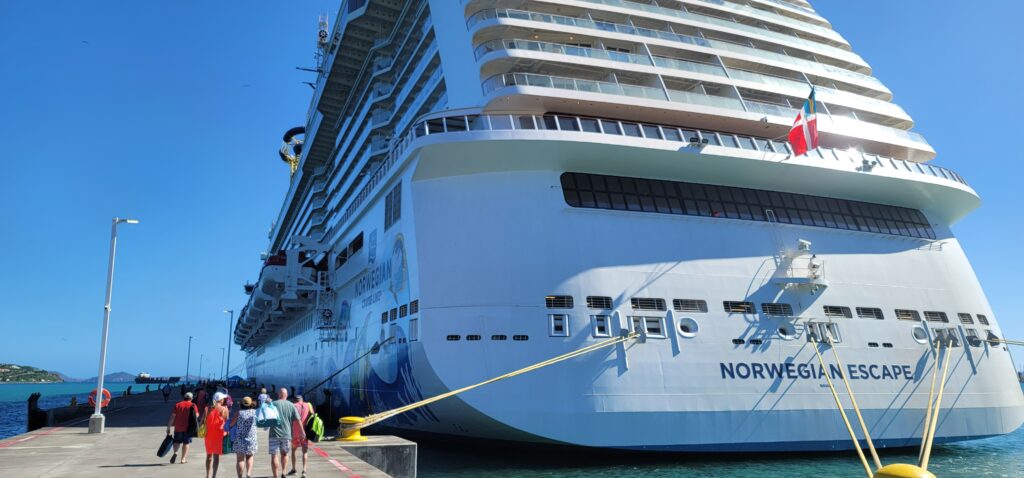

One Delay Can Cost Your Entire Cruise
A quick coverage check now protects you from the problems no one sees coming.
Short Excerpt
- Shipping luggage ahead can make embarkation easier by removing heavy bags from airports, transfers, hotels, and the cruise terminal.
- The biggest risks are delivery timing, cruise-line acceptance rules, labeling mistakes, and the added cost per bag.
- Families, travelers with mobility concerns, and passengers taking longer cruises may benefit most when the service is planned carefully.
Quick Take
- Confirm your cruise line and terminal will accept shipped luggage before booking a delivery service.
- Build in extra delivery time rather than aiming for arrival on embarkation day.
- Label every bag with your name, booking number, ship name, and embarkation information.
- Keep medications, travel documents, valuables, and first-day essentials in your carry-on.
- Compare the shipping cost against airline baggage fees, convenience, and the consequences of a delayed bag.
Ship Your Cruise Luggage Ahead Without Creating a Bigger Embarkation Problem
Shipping luggage ahead can remove one of the most physically demanding parts of getting to a cruise.
Instead of dragging large suitcases through airports, hotel lobbies, rideshares, shuttles, and crowded terminals, you can travel with a much smaller carry-on and let a luggage-shipping company handle the bulk of your bags.
That convenience can be especially valuable for families managing several suitcases, travelers with mobility limitations, passengers taking extended cruises, and anyone adding hotel stays or sightseeing before embarkation.
The tradeoff is that luggage shipping requires more coordination than simply handing a suitcase to an airline or cruise-terminal porter.
You need to know exactly where the bag is being delivered, when the terminal will accept it, how your cruise line handles pre-shipped luggage, and what information must appear on the label.
Timing deserves particular attention because a suitcase that reaches the port after your ship departs creates a much larger problem than a bag that arrives late at a hotel.
Building a reasonable delivery buffer gives you more protection against weather, carrier delays, routing problems, and missed delivery windows.
Your carry-on also becomes more important when your checked luggage is traveling separately.
Keep passports, identification, cruise documents, medications, electronics, valuables, a change of clothes, and anything you would need during your first day aboard with you rather than putting those items in a shipped suitcase.
Cost can range widely depending on distance, bag size, weight, destination, and provider, so convenience should be weighed against the total expense.
For the right traveler, shipping luggage ahead can make the journey to the ship substantially easier.
The key is treating it as a planned logistics service rather than assuming your bags will simply appear at your cabin without additional preparation.
Skip Airport Chaos: Ship Luggage Directly to Your Cruise Cabin
Traveling to a cruise port can sometimes involve multiple stops, flights, or tight schedules.
The hassle of maneuvering through busy airports, juggling transportation arrangements, or rushing to board a shuttle while managing bulky suitcases can turn what should be an exciting journey into a stressful ordeal.
Shipping your luggage directly to the cruise ship takes this worry out of the equation and offers a host of benefits:
- Save Time and Effort: Imagine arriving at the port and walking onto the ship without having to wrangle heavy suitcases.
Shipping your luggage frees you to enjoy the travel experience rather than struggling with your bags.
This is especially helpful for those with mobility challenges or families juggling multiple suitcases.
- Ensure Smooth Check-In: Cruise check-ins can be chaotic, especially during peak boarding times.
Pre-delivered luggage ensures you can breeze through the process without waiting in line to drop off bags or handle last-minute issues.
You’ll feel more relaxed and ready to start your vacation.
- Avoid Airline Hassles: Airlines are notorious for losing or delaying checked baggage.
By shipping your luggage, you avoid these risks altogether, knowing your belongings are safely en route to the cruise port.
Plus, this eliminates the anxiety of waiting at baggage claim or dealing with misplaced items.
- Pack Without Worrying About Weight: Airlines impose strict weight limits, often with hefty fees for overweight baggage.
When you ship your luggage, you can pack everything you need without stressing over extra charges or limitations.
Bring extra outfits, gear for excursions, or even personal items like travel pillows without a second thought.
- Travel Light During Layovers: If your journey to the cruise port includes flights or hotel stays, traveling light makes the entire trip far more comfortable.
Without suitcases slowing you down, layovers, sightseeing, or overnight stays become more enjoyable.
Imagine roaming freely through a city without being bogged down by heavy bags.
- Focus on the Fun: Whether it’s exploring the departure city before the cruise or soaking in the excitement of embarkation day, shipping your luggage lets you focus on the adventure ahead.
It’s all about starting your vacation stress-free.
In essence, shipping your luggage transforms a potentially stressful part of travel into a seamless, hassle-free experience.
By eliminating the burdens of carrying and managing your bags, you can start your vacation feeling relaxed and ready to enjoy every moment.
Unlock Your Dream Cruise with Exclusive Online Deals!

Unlock a Smoother Boarding: How Cruise Luggage Shipping Works
Shipping your luggage to a cruise ship typically involves using a third-party service or working directly with the cruise line if they offer the option.
Here’s how the process generally works:
- Choose a Shipping Service: Companies like Luggage Forward, LugLess, or ShipGo specialize in luggage shipping to cruise ports.
Research these providers to find the best fit for your needs, comparing reviews, prices, and delivery options.
Some services even offer perks like insurance or guaranteed delivery windows.
- Book the Service: Provide details such as your cruise ship name, departure date, and port address.
You’ll typically need to schedule the delivery to align with the ship’s embarkation day.
It’s wise to book early to secure the best rates and ensure timely delivery.
- Prepare Your Luggage: Pack your bags securely and attach the shipping labels provided by the company.
Use durable luggage tags and consider wrapping fragile items in protective layers.
Confirm that your bags comply with both the shipping company’s and cruise line’s guidelines.
- Track Your Shipment: Most services offer tracking so you can monitor your luggage’s journey to the port.
This feature provides peace of mind, allowing you to stay informed every step of the way.
- Receive Your Luggage Onboard: Once delivered to the port, cruise line staff will handle your bags and ensure they reach your cabin.
All you need to do is settle into your room and start enjoying your vacation.
Know Before You Go: Cruise Line Rules for Shipped Luggage
Each cruise line has unique policies and processes for handling luggage deliveries, and understanding these can help ensure a smooth experience.
Here’s a closer look at some of the top cruise lines:

Grab Your Ticket to Paradise with These Deals!
Carnival Cruise Line
Carnival allows passengers to ship luggage to the port, but it doesn’t offer direct coordination with shipping services.
That said, third-party companies like Luggage Forward can deliver your bags to the terminal.
Once there, Carnival staff takes over to ensure your luggage reaches your cabin.
For passengers who enjoy seamless travel, this hands-off approach is perfect.
However, it’s important to label your bags clearly with all necessary details, including your name, booking number, and ship name, to avoid any confusion.
Royal Caribbean
Royal Caribbean offers flexibility when it comes to luggage delivery.
Passengers can use third-party shipping services to send bags directly to the port.
To avoid any last-minute hiccups, it’s crucial that the luggage arrives on the same day as embarkation.
Royal Caribbean’s customer service team is always ready to assist with precise delivery instructions, including where the luggage should be dropped off at the terminal.
This level of support makes the process easier, especially for first-time cruisers.
Norwegian Cruise Line (NCL)
Norwegian Cruise Line welcomes pre-delivered luggage but advises passengers to work with reputable shipping companies to prevent delays.
Their staff emphasizes the importance of detailed labeling, including your booking number and ship name, to ensure your luggage is correctly routed.
For those traveling with kids or managing multiple suitcases, this service can significantly simplify embarkation.
Click for Exclusive Offers on Top Cruise Lines!

Disney Cruise Line
Disney Cruise Line is known for its family-friendly services, and luggage shipping is no exception.
Parents traveling with children often find pre-delivering luggage to be a lifesaver, as it allows them to focus on their kids rather than their bags.
Disney’s guest services team is available to help you coordinate delivery and ensure that your belongings are waiting for you onboard.
The magic starts even before you set foot on the ship!
MSC Cruises
MSC Cruises encourages passengers to travel light but understands that shipping luggage can be a necessity for some travelers.
While MSC doesn’t directly facilitate the process, they accept luggage deliveries from recognized providers.
To avoid any mix-ups, passengers should verify the shipping address for their specific departure port and ensure their bags arrive in sync with embarkation schedules.
Make It Effortless: Expert Tips for Shipping Luggage to Your Cruise
To ensure a smooth experience, keep these tips in mind:
- Double-Check Port Addresses: Verify the exact shipping address for your cruise terminal.
Each port may have specific receiving docks for luggage.
- Label Everything Clearly: Include your name, booking number, ship name, and embarkation date on every piece of luggage.
- Ship Early: Schedule delivery a day or two before embarkation to account for any unexpected delays.
- Confirm Cruise Line Policies: Call your cruise line to confirm their procedures for receiving shipped luggage.
- Insure Your Luggage: Consider purchasing insurance for added peace of mind.
What It Really Costs to Ship Luggage to Your Cruise Port
The cost of shipping luggage to a cruise port depends on factors such as the size of your luggage, shipping distance, and provider.
Prices typically range from $50 to $300 per bag.
While it may seem expensive, the convenience and stress relief can make it worthwhile.

Experience Luxury Cruises at Unbeatable Prices Today!
Travel Light, Stress Less: Why Cruise Luggage Shipping Works
- Convenience: Travel hands-free and focus on enjoying your journey to the port.
- Reliability: Established services specialize in ensuring your luggage arrives safely and on time.
- Peace of Mind: Avoid the worry of misplacing luggage during transit.
What Could Go Wrong with Cruise Luggage Shipping
- Cost: Shipping luggage can be pricey, especially for international cruises.
- Timing Issues: If your luggage is delayed, it might not make it to the ship before departure.
- Complexity: Coordinating shipping schedules with embarkation can require extra planning.
Should You Ship Your Bags Ahead? Cruise Traveler Decision Guide
Shipping luggage directly to the cruise ship is an excellent option for travelers looking to simplify their journey.
It’s particularly helpful for families, passengers with mobility challenges, or those taking extended cruises requiring more baggage.
By researching providers, understanding cruise line policies, and planning ahead, you can make luggage shipping a hassle-free part of your cruise experience.
With your bags taken care of, you’ll have more time to relax and enjoy your vacation from the moment you arrive at the port.
FAQ – Should You Ship Your Luggage Ahead Before Your Cruise?
Can You Ship Luggage Directly to a Cruise Ship?
Yes, but the process normally involves sending the bags to an approved cruise-terminal receiving point rather than literally shipping them to a moving vessel.
A third-party luggage service can transport the bags to the departure port, where terminal or cruise-line staff may take over once the luggage has been accepted.
Exact procedures differ by cruise line, ship, and departure terminal.
Confirm the delivery instructions before shipping anything because a terminal that does not accept advance deliveries could leave your luggage stranded.Which Companies Ship Luggage to Cruise Ports?
Luggage Forward, ShipGo, and LugLess are among the services travelers may encounter when researching luggage delivery.
Available destinations, cruise-port support, tracking, insurance options, delivery guarantees, and pricing can differ considerably among providers.
Do not choose solely on the lowest quoted price.
Look closely at the delivery commitment, baggage restrictions, claims process, tracking options, and what happens if the suitcase does not arrive before embarkation.Do Cruise Lines Accept Luggage Shipped Ahead?
Some major cruise lines can accommodate luggage delivered through approved third-party arrangements, but policies are not identical across companies or terminals.
Carnival, Royal Caribbean, Norwegian Cruise Line, Disney Cruise Line, and MSC Cruises may all involve different procedures for receiving and routing shipped bags.
Port-specific rules can matter just as much as the cruise-line policy.
Contact the cruise line before booking the shipment and verify the exact receiving address, acceptable arrival window, labeling requirements, and any restrictions for your sailing.How Early Should You Ship Your Luggage Before a Cruise?
Give your luggage enough time to arrive before embarkation rather than planning around a last-minute delivery.
A one- or two-day buffer may work for some domestic shipments, but longer routes, international shipping, weather risks, weekends, holidays, and customs can justify additional time.
The shipping provider’s guaranteed arrival date should also be checked against the terminal’s receiving schedule.
Earlier is usually safer as long as the port or designated receiving location can properly hold the bags until your sailing.How Much Does It Cost to Ship Luggage to a Cruise Port?
The cost can vary substantially based on the provider, destination, bag dimensions, weight, shipping speed, and distance traveled.
A broad range of roughly $50 to $300 per bag may be possible, although individual quotes can fall outside that range.
Compare that price with airline checked-bag charges, overweight fees, rideshare logistics, and the value you place on traveling without large suitcases.
Shipping becomes easier to justify when convenience solves a genuine travel problem rather than simply replacing a bag you could comfortably check yourself.What Information Should You Put on Cruise Luggage Being Shipped Ahead?
Clear identification is essential because the bag must move through the shipping network and then through cruise-terminal handling.
Include your full name, ship name, booking or reservation number, embarkation date, and any other information specifically requested by the cruise line or shipping company.
Use durable tags and make sure the required shipping label is firmly attached.
Placing a second copy of your identifying information inside the suitcase can provide additional protection if an exterior tag becomes damaged or detached.What Should You Keep with You Instead of Shipping in Your Suitcase?
Keep anything essential to boarding the ship or getting through the first day in your carry-on.
That includes passports or identification, cruise documents, medications, money, credit cards, valuables, electronics, chargers, and a change of clothes.
Swimwear and basic toiletries can also be useful if you want to enjoy the ship before checked luggage reaches your cabin.
Anything irreplaceable or urgently needed should stay with you rather than traveling separately in a shipped bag.Is Shipping Cruise Luggage Worth It for Families?
It can be particularly useful when parents are already managing children, strollers, carry-ons, transportation, and multiple suitcases.
Removing several large bags from the trip to the port can make airports, hotel changes, and embarkation substantially easier.
The value increases when the family is taking a longer cruise or adding a pre-cruise stay that would otherwise require repeatedly moving luggage.
Compare the total shipping expense with the convenience gained before deciding whether it makes sense for your family.Is Cruise Luggage Shipping Helpful for Travelers With Mobility Challenges?
Yes, reducing the number and weight of bags you must personally handle can simplify several difficult points in the journey.
Airports, hotel transfers, transportation hubs, shuttle loading, and cruise terminals can all become easier when large suitcases are already on their way to the port.
The service does not eliminate the need to carry essential medications, documents, and personal items.
Travelers using mobility equipment should also verify baggage and equipment arrangements separately because specialized devices may have different handling requirements.What Can Go Wrong When You Ship Luggage to a Cruise?
The biggest risk is a delay that prevents the suitcase from reaching the terminal before the ship departs.
Incorrect addresses, poor labeling, weather interruptions, carrier problems, customs delays, or misunderstandings about a terminal’s receiving procedures can all create complications.
Shipping can also become expensive, particularly when several bags or international routes are involved.
Tracking the shipment, using an appropriate delivery buffer, verifying cruise-line instructions, and keeping essential items with you reduces the consequences if something goes wrong.Should You Insure Luggage Shipped to a Cruise Port?
Coverage can be worth considering when the replacement value of your belongings is significant or the shipping provider’s standard liability is limited.
Before purchasing additional protection, determine what the shipping company’s existing coverage actually includes and how claims are valued.
Some policies may reimburse only limited amounts or exclude particular valuables.
Expensive jewelry, important electronics, medications, travel documents, and irreplaceable belongings are better kept with you regardless of the insurance available.How Can You Decide Whether Shipping Your Cruise Luggage Is Worth the Cost?
Start with the actual problem you are trying to solve.
Shipping makes more sense when heavy bags would complicate flights, mobility, family travel, hotel stays, long transfers, or an extended cruise requiring additional luggage.
The benefit may be smaller when you have one manageable suitcase, a direct trip to the port, and inexpensive airline baggage.
Compare convenience, risk, shipping price, airline fees, delivery reliability, and how difficult handling the luggage yourself would realistically be before making the decision.
Plan Your Next Cruise!

Sail Into Freestyle Freedom: Norwegian Cruise Line for Adventure Thrills, Gourmet Dining, and Destination‑Rich Voyages
One Delay Can Cost Your Entire Cruise A quick coverage check now protects you from the problems no one sees coming….

Experience the Ultimate Vacation with Carnival Cruise Line’s Fun Ships, World‑Class Entertainment, and Relaxation
One Delay Can Cost Your Entire Cruise A quick coverage check now protects you from the problems no one sees coming….

Experience the Perfect Blend of Disney Magic, Luxury Cruising, and Family Adventure at Sea
One Delay Can Cost Your Entire Cruise A quick coverage check now protects you from the problems no one sees coming….

Sail Smart: Discover The Real Cost of Luxury Cruises and Maximize Your Travel Value
One Delay Can Cost Your Entire Cruise A quick coverage check now protects you from the problems no one sees coming….
Explore More
The Secrets of Cruise Ships: Rules, Safety, and How They Really Work at Sea

Wildlife Cruises That Deliver Galápagos, Antarctica, Alaska, Amazon, and Arctic Encounters

Transform Your Island Day: Book a Private Cruise Cabana with Premium Perks