One Delay Can Cost Your Entire Cruise
A quick coverage check now protects you from the problems no one sees coming.
Short Excerpt
- Cruise ship stability during rough weather depends on far more than stabilizers alone, with navigation, forecasting, engineering, and crew preparation all working together.
- Captains can change speed, heading, and even the itinerary before worsening seas create unnecessary discomfort.
- Much of the work that keeps a cruise feeling normal happens quietly on the bridge, below deck, and at land-based operations centers.
Quick Take
- Cruise lines begin monitoring weather and wave patterns before the ship ever leaves port.
- Stabilizers reduce rolling, while captains can adjust speed and heading to improve how the ship moves through swells.
- Engineering, housekeeping, dining, and entertainment teams all adapt when rough seas affect normal operations.
- Land-based command centers coordinate with ports and maritime authorities when routes or docking plans need to change.
- Clear crew communication helps passengers understand that noticeable movement does not automatically mean the ship is unsafe.
How Cruise Ships Stay Stable When Rough Seas Begin
When the ocean churns and winds rise, cruise ships remain remarkably steady—and that calm is no accident.
Behind the scenes, captains and crews use advanced technology, strategic planning, and decades of expertise to keep every passenger safe and comfortable.
Understanding these systems turns worry into confidence, letting you enjoy your voyage even when nature tests the horizon.
Cruise lines have mastered the art of navigating nature’s unpredictability.
From the first hint of a tropical depression to the final docking at a sunlit port, every storm-season voyage is guided by trained professionals who know the ocean intimately.
Their goal isn’t just safety — it’s ensuring you can relax, even when nature shows its power.
This is your insider’s view into how cruise lines anticipate rough seas, how captains make real-time choices, and how crews maintain comfort so you never feel the chaos unfolding beyond the horizon.
How Cruise Lines Prepare Before You Board to Guarantee Stability
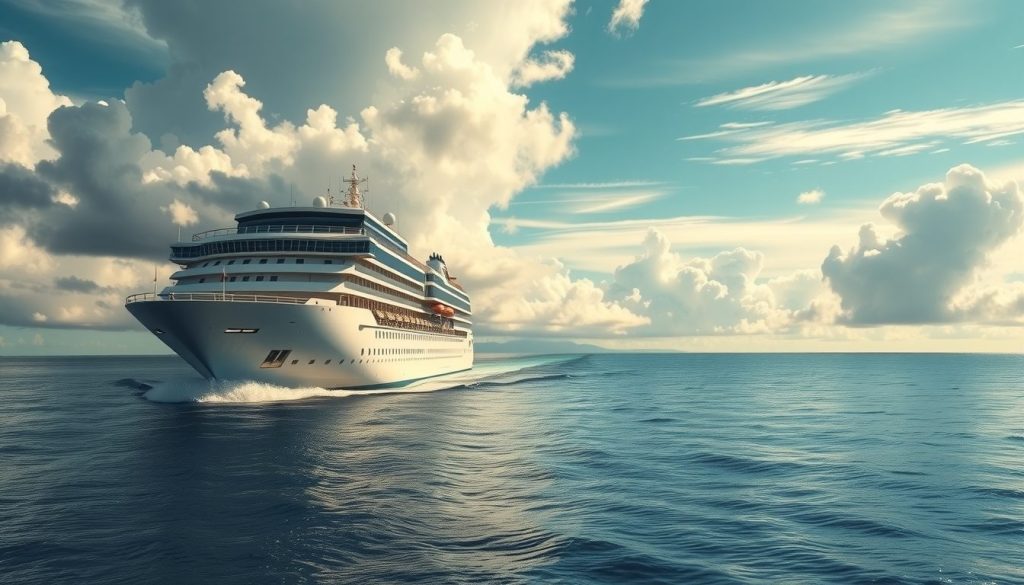
Before your cruise ever sails, the planning begins.
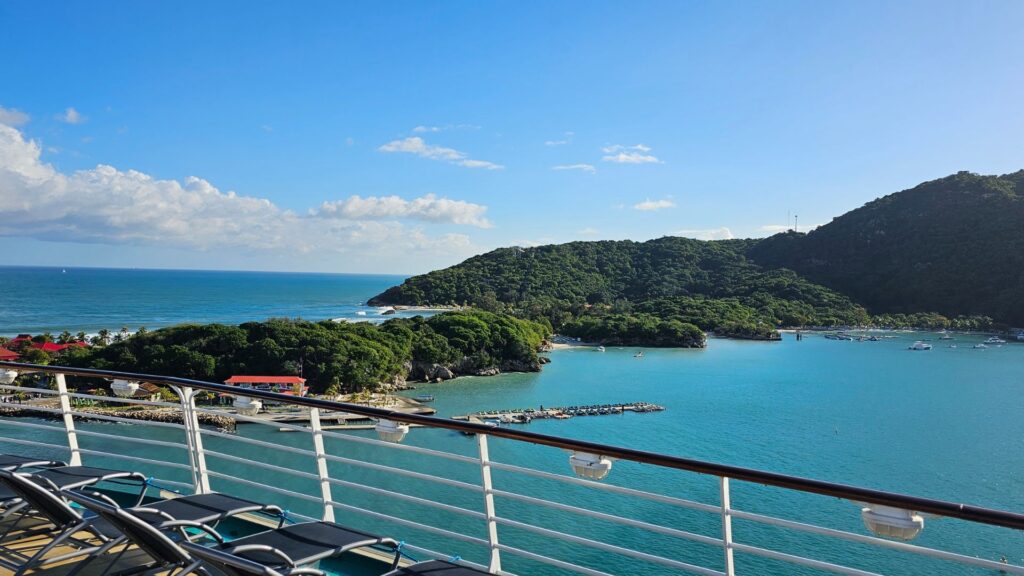
Maritime operations teams study months of meteorological data to build itineraries that maximize good weather windows.
Storm-tracking algorithms, wave-pattern models, and port access reports all inform where and when each ship will sail.
Unlock Your Dream Cruise with Exclusive Online Deals!
These aren’t routine calculations; they’re the foundation of the industry’s safety culture.
Cruise lines invest heavily in private meteorology services that go far beyond public forecasts.
Their analysts monitor wind direction, barometric pressure, and ocean currents across thousands of miles.
When risk zones emerge — such as during the heart of hurricane season — routes are subtly adjusted or reversed.
These decisions often happen long before passengers even pack their bags, ensuring smoother conditions and higher stability throughout the trip.
Pro Tips for Passengers:
- Book during flexible seasons. Early spring and late fall offer calmer seas but still deliver warm destinations.
- Trust the itinerary changes. They’re data-driven, not arbitrary.
- Remember the unseen work. Teams on land watch weather 24/7 so you don’t have to.
When a Storm Develops Mid-Voyage: How Cruise Lines Keep You Safe
Despite extensive planning, the sea can change in hours.
When a tropical disturbance begins to form mid-voyage, every cruise line activates its response network.
The ship’s bridge officers receive continuous updates from both onboard meteorologists and the company’s land-based command centers.
Forecasts, satellite imagery, and wave-height models are analyzed in real time.
From these inputs, captains determine whether to outrun, sidestep, or slow down to avoid the worst conditions.
At times, this means rerouting hundreds of miles off the original path — even swapping ports entirely.

Grab Your Ticket to Paradise with These Deals!
The goal isn’t to maintain schedules at all costs; it’s to guarantee that passengers remain comfortable and safe.
For travelers, these changes may seem sudden, but they’re the result of careful coordination between dozens of professionals who understand both weather science and human psychology.
Safety Insights:
- Course adjustments happen early. Captains act before conditions turn severe.
- Land support never sleeps. Global control rooms track every ship around the clock.
- Passenger comfort defines success. Safety decisions prioritize smooth sailing, not punctuality.
Inside the Bridge: Calm Decisions That Keep Cruises Secure
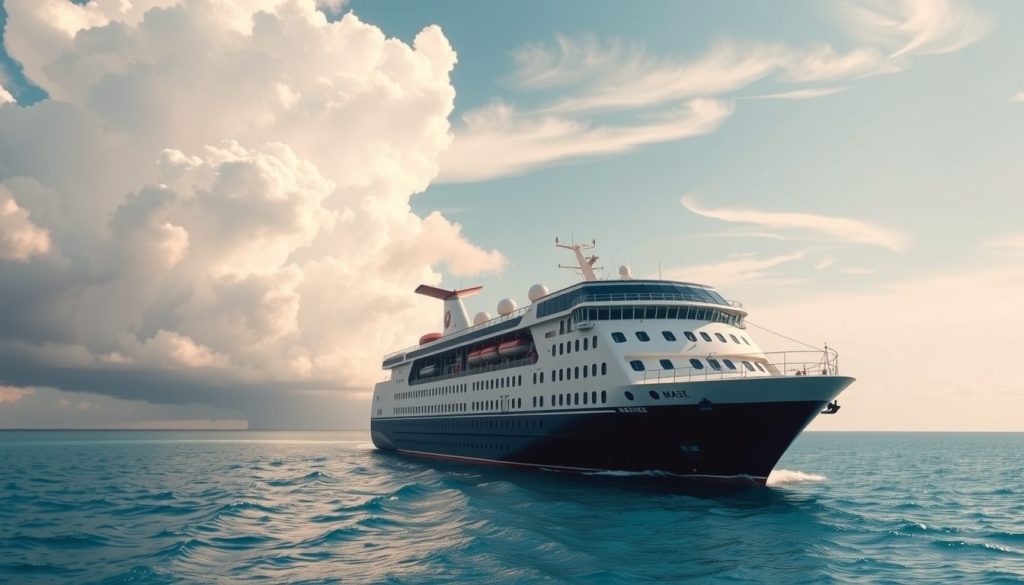
The bridge is the ship’s brain — and during rough weather, it becomes a zone of deliberate focus.
While passengers enjoy dinner or entertainment, officers quietly monitor radar screens, wave sensors, and stabilizer readouts.
Each decision balances science and instinct.
A captain may reduce speed to soften motion or alter the ship’s heading by a few degrees to align with the swells.
These small adjustments can transform rough motion into a gentle rhythm.
Bridge teams drill regularly for severe weather scenarios, running simulations that mimic real storm systems.
Their goal is composure: no sudden movements, no rushed orders, just methodical adaptation to changing conditions.
Communication also matters.
Clear announcements from the bridge reassure passengers without causing alarm.
Transparency replaces uncertainty, and anxiety fades when guests understand that every variable is under control.
Behind-the-Scenes Facts:
- Bridge officers undergo simulator training. It’s like flight school for the sea.
- Technology guides precision. Sensors and radar help anticipate each wave.
- Calm communication builds trust. Passengers stay reassured when informed.
What Happens Below Deck to Maintain Comfort During Rough Seas
While the bridge manages navigation, hundreds of crew members below deck focus on maintaining order and comfort throughout the ship.
Housekeeping secures loose items in cabins and hallways.
Click for Exclusive Offers on Top Cruise Lines!
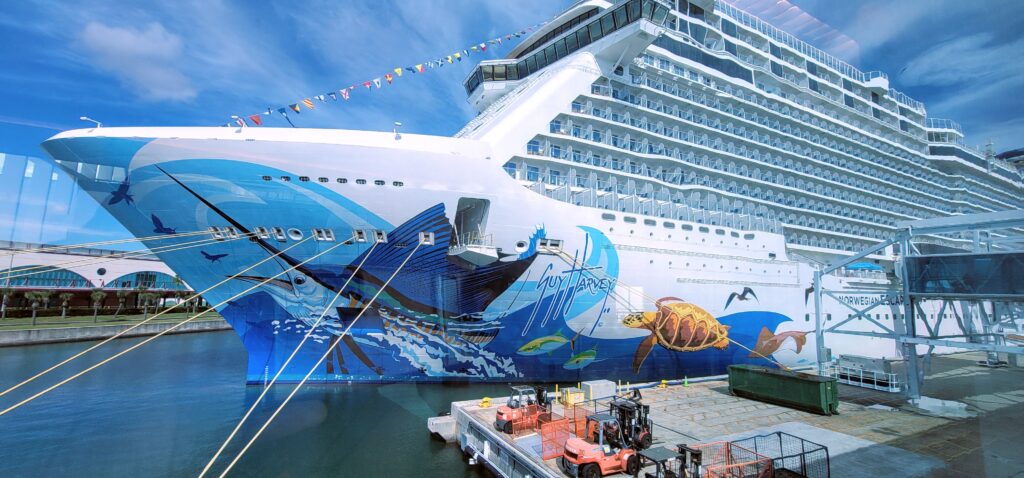
Engineering teams inspect stabilizer systems, propulsion, and ballast controls.
Entertainment staff adjust activities, moving poolside games indoors or extending theater shows to keep spirits high.
The galley teams adapt too.
Menus may shift slightly — lighter fare and warm soups help passengers who feel motion-sensitive.
Crew check in discreetly with guests who look uneasy, offering ginger candies, wristbands, or medication through the medical center.
Every action below deck is intentional.
These quiet routines are what keep life onboard feeling normal, even when the ocean is restless.
Key Comfort Strategies:
- Crew act preemptively. Stability checks and cabin adjustments happen early.
- Menus shift with motion. Dining options are designed for comfort during waves.
- Entertainment keeps morale high. Adjusted schedules maintain a sense of calm routine.
Communication: The Anchor That Keeps Passengers Calm and Confident
During unsettled seas, clear communication matters as much as physical stability.
Cruise lines know that uncertainty amplifies anxiety, so they focus on consistent, measured updates.
Captains often make short announcements explaining weather conditions and planned maneuvers.
These messages — calm, factual, and transparent — remind passengers that expertise, not improvisation, guides every choice.
Crew members mirror that tone.
They answer questions patiently, reassure families, and redirect attention toward onboard comforts.
Even digital screens and stateroom TVs display live weather information, reinforcing that nothing is hidden or out of control.
This sense of partnership between crew and guest turns potentially tense moments into displays of professionalism and trust.
What This Means for You:
- Information reduces fear. Knowing what’s happening builds confidence.
- Tone sets the mood. Calm voices lead to calm passengers.
- Transparency is policy. Cruise lines prioritize communication over concealment.
How Ports and Headquarters Coordinate to Keep Cruises Safe During Rough Seas
Behind every onboard decision lies an equally complex system on land.
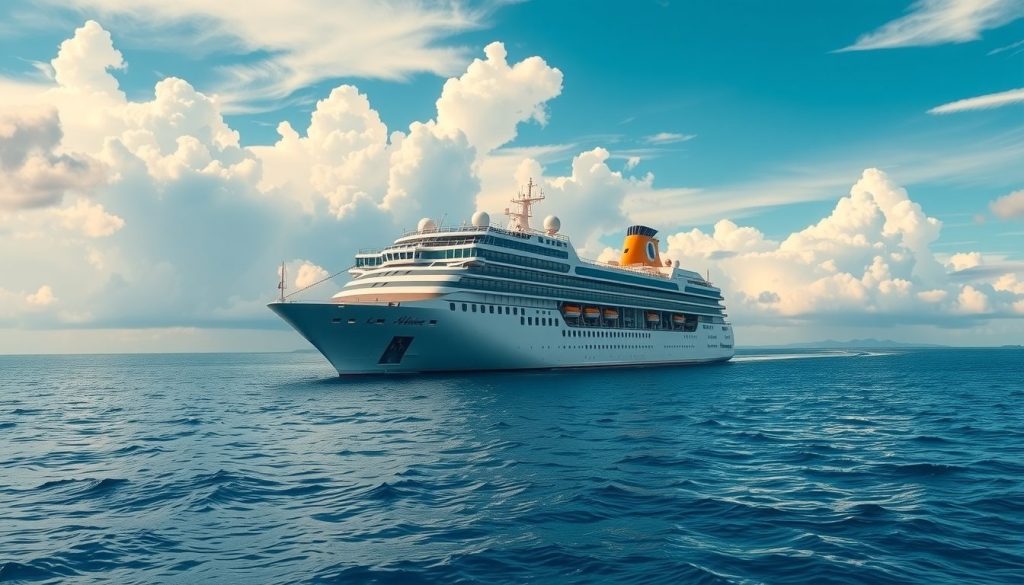
Cruise lines operate global network centers that serve as weather war rooms, tracking every vessel in the fleet.
When a storm forms, these command hubs work directly with port authorities, coast guards, and regional maritime agencies.

Experience Luxury Cruises at Unbeatable Prices Today!
They negotiate altered docking times, secure emergency berths, and reroute supply chains.
For passengers, this invisible coordination ensures continuity.
Even if one port cancels access, another is ready to receive the ship, keeping itineraries flowing smoothly.
These partnerships highlight why cruising is often safer than land-based travel during severe weather — because maritime operations function with contingency plans layered deep.
Insider Confidence Boosters:
- Every port has backups. Cruise lines maintain alternate docking agreements.
- Coast guards stay involved. National agencies assist with maritime routing.
- Nothing happens in isolation. Every ship is supported by an entire network ashore.
Life Onboard During Heavy Seas: How Comfort and Safety Are Preserved
If conditions ever grow noticeably rough, most passengers are surprised by how normal ship life remains.
Interior decks are remarkably quiet thanks to structural insulation and stabilizer technology.
Crew gently advise guests to avoid outer decks and keep a hand free when walking.
Public events continue — dance classes, trivia nights, film screenings — all adjusted for comfort.
The ship’s stabilizers and adjusted speed minimize rolling, so the sensation is often no worse than mild turbulence on a flight.
What passengers often remember most isn’t fear, but admiration for how smoothly the crew handles everything. That memory of professionalism builds lifelong trust in cruising as a safe and steady way to travel.
- Listen to crew instructions. They’re designed for your safety, not restriction.
- Stay midship when resting. It’s the most stable part of the vessel.
- Embrace the moment. Rough seas often create quiet, cozy days onboard.
Why Cruise Lines Train for Calm to Guarantee Passenger Safety
The reason cruising feels effortless, even in unpredictable weather, is relentless preparation.
Crew undergo safety drills weekly and weather-scenario simulations every voyage.
From lifeboat checks to communication rehearsals, these practices create muscle memory that surfaces automatically in real events.
The result: calm competence that passengers can sense without being told.
Cruise directors, officers, and engineers all share one mindset — preparedness equals peace of mind.
Their confidence transfers directly to guests.
Operational Insights:
- Training never stops. Crews practice stability protocols year-round.
- Leadership is learned. Captains model calm for every department.
- Preparedness prevents panic. Drills make real responses instinctive.
The Human Side of Stability: How Empathy Enhances Passenger Comfort
Beyond the technology and the tactics lies something more powerful: empathy.
The people who run cruise ships understand that rough seas don’t just move the vessel — they stir emotions.
That’s why everything they do, from how announcements sound to how meals are served, reflects awareness of passenger comfort.
They’ve seen first-time travelers worry and families soothe nervous children, and they know exactly how to restore calm.
It’s this emotional intelligence — combined with centuries of seafaring tradition — that makes cruising one of the safest and most reassuring ways to explore the world, even when the weather misbehaves.
Perspective Points:
- Stability is psychological too. Calm communication eases motion more than mechanics.
- Empathy drives hospitality. Crews anticipate needs during stressful moments.
- Confidence is contagious. Professionalism creates peace for everyone onboard.
Why You Can Sail with Confidence Even When Seas Turn Rough
When the sea swells and headlines sensationalize storms, remember what truly defines a cruise experience: preparation, professionalism, and human expertise.
The balance you feel beneath your feet comes not only from engineering but from thousands of decisions made quietly to protect you.
Rough weather may test the horizon, but it rarely tests your safety.
Modern cruise ships and their crews have mastered the art of turning uncertainty into serenity — proof that stability at sea begins with trust.
So when the next gust of wind rattles your cabin door, take a breath.
The ship, the crew, and the sea itself are all working together — and you’re in capable hands.
FAQ – How Do Cruise Ships Stay Stable When the Seas Turn Rough?
How Do Cruise Lines Prepare for Rough Seas Before a Ship Leaves Port?
Cruise lines begin preparing well before embarkation by studying weather patterns, wave forecasts, port conditions, and potential risk areas along the planned route.
Operations teams can use storm-tracking tools and private meteorological services to identify conditions that may warrant an itinerary adjustment before passengers even board.
That preparation gives the ship more options because an early course change is easier than reacting after severe conditions develop.
Travelers should view a pre-cruise port substitution or route change as part of the stability strategy rather than an arbitrary disruption.What Happens When a Storm Develops After the Cruise Has Already Started?
Bridge officers begin evaluating updated forecasts, satellite imagery, and wave-height information as soon as a developing system could affect the voyage.
The captain may change speed, alter course, reverse part of the itinerary, or travel hundreds of miles away from the original route when that creates better conditions.
Shoreside operations teams continue supporting those decisions while monitoring the storm and alternative ports.
A sudden itinerary change can therefore reflect hours of coordinated planning rather than a last-minute emergency.How Do Captains Reduce Ship Movement During Rough Seas?
Captains can reduce uncomfortable motion by adjusting the ship’s speed and changing its heading relative to the direction of the swells.
Even a modest course adjustment can change how waves interact with the hull and make the ship’s movement feel noticeably different.
Bridge officers also monitor radar, wave information, and stabilizer data while deciding which combination of speed and direction provides the best balance of safety and comfort.
Stabilizers help, but navigation remains an important part of controlling how rough seas feel onboard.What Do Stabilizers Actually Do on a Cruise Ship?
Stabilizers extend from the ship and help reduce side-to-side rolling when ocean conditions become unsettled.
They can make rough water considerably more comfortable, but they do not eliminate every sensation of movement or prevent pitching caused by waves approaching from other directions.
Engineers monitor the stabilizer system along with propulsion and ballast controls as conditions change.
Passengers should therefore think of stabilizers as one part of a larger stability system rather than a device that makes the ocean feel completely flat.What Happens Below Deck When the Sea Becomes Rough?
Multiple departments begin making small adjustments designed to keep the ship orderly and comfortable.
Engineering teams check stabilizers, propulsion, and ballast systems, while housekeeping can secure loose objects in cabins and public areas.
Dining teams may offer lighter foods for motion-sensitive passengers, and entertainment staff can move outdoor activities inside or extend indoor programming.
These changes help preserve a normal onboard routine even when conditions outside are noticeably different.Why Are Captain and Crew Announcements So Important During Heavy Seas?
Clear announcements reduce uncertainty by telling passengers what conditions the ship is experiencing and what the crew is doing about them.
A captain may explain an altered route, changing weather, or a maneuver without overwhelming guests with unnecessary technical detail.
Crew members then reinforce those instructions throughout the ship and can answer questions from families or nervous first-time cruisers.
Knowing that movement is expected and actively being managed can make the same physical conditions feel far less alarming.How Do Ports and Cruise Line Headquarters Help Keep a Ship Safe?
A cruise ship does not manage severe weather entirely on its own because land-based operations centers continuously support the bridge.
These teams coordinate with port authorities, coast guards, maritime agencies, and other facilities when docking times or destinations need to change.
They may arrange an alternate berth, adjust arrival schedules, or help redirect supplies and services to a different port.
This network gives the captain more alternatives when weather makes the original itinerary impractical.Where Should You Spend Time Onboard If Rough Seas Make You Uncomfortable?
Midship areas generally feel less movement than locations near the bow or stern because they are closer to the ship’s center of motion.
Staying on an interior or lower deck can also make the movement feel easier to tolerate for passengers who are sensitive to rolling.
During heavier seas, crews may advise guests to avoid outdoor decks and keep a hand free when walking so they can steady themselves if necessary.
Choosing a comfortable location early can help prevent ordinary ship movement from becoming an unpleasant part of the day.How Does Crew Training Affect Cruise Ship Stability and Passenger Safety?
Crew members practice severe-weather procedures so their response is familiar before real conditions require it.
Bridge officers use simulator training, while other departments rehearse safety procedures, communication, equipment checks, and passenger-management responsibilities.
Repetition helps different teams respond together instead of improvising when weather changes quickly.
Passengers may never see most of that preparation, but it is a major reason operations can continue methodically during rough conditions.Can A Cruise Still Feel Normal When the Seas Become Rough?
Yes, many normal activities can continue even when the ship is experiencing noticeable movement.
Entertainment may move indoors, dining remains available, and crews can modify schedules while the bridge works to improve the ride or avoid worsening conditions.
Passengers may be asked to stay off exposed decks or take extra care while walking, but those precautions do not necessarily indicate an emergency.
The practical goal is to preserve as much of the cruise experience as possible while navigation and onboard teams manage the changing sea conditions.
Plan Your Next Cruise!

Sail Boldly: Experience Virgin Voyages’ Adults‑Only Cruises With Style, Freedom, And Fun
One Delay Can Cost Your Entire Cruise A quick coverage check now protects you from the problems no one sees coming….

Experience the Ultimate Vacation with Carnival Cruise Line’s Fun Ships, World‑Class Entertainment, and Relaxation
One Delay Can Cost Your Entire Cruise A quick coverage check now protects you from the problems no one sees coming….

Sail Into Timeless Luxury: Cunard Cruises for Transatlantic Elegance and Destination‑Rich Voyages
One Delay Can Cost Your Entire Cruise A quick coverage check now protects you from the problems no one sees coming….

Discover Princess Cruise Line: Elegant Ships, Immersive Voyages, and World‑Class Experiences
One Delay Can Cost Your Entire Cruise A quick coverage check now protects you from the problems no one sees coming….
Explore More

What Happens to Sewage on Cruise Ships? Waste Systems That Protect the Ocean
Find Your Cruise Cabin Fast: Insider Navigation Tricks That Save Time Onboard

Sail into Love: Romantic Cruises That Blend Intimacy, Luxury, and Unforgettable Journeys