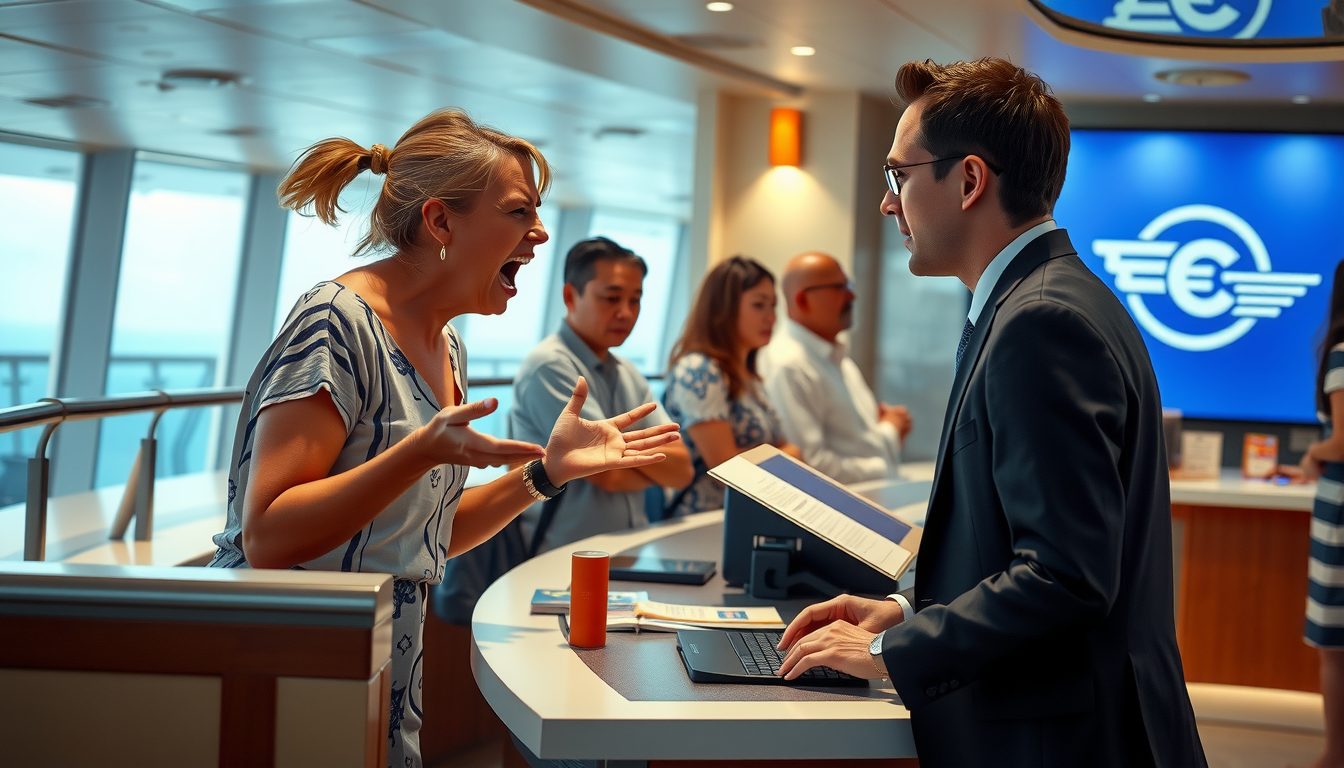
One Delay Can Cost Your Entire Cruise
A quick coverage check now protects you from the problems no one sees coming.
Short Excerpt
- Cruise complaints usually come down to crowds, noise, dining delays, pool congestion, itinerary changes, seasickness, Wi-Fi costs, service issues, and surprise charges.
- Most of these problems are easier to manage when you choose the right ship, cabin, dining times, and onboard routine before frustration builds.
- Knowing where the pressure points are can help you protect your budget, sleep better, avoid lines, and enjoy more of the ship.
Quick Take
- Smaller or mid-sized ships can feel less crowded if packed public spaces bother you.
- Choose cabins away from elevators, theaters, nightclubs, pools, and busy dining areas when noise matters.
- Eat outside peak hours and reserve specialty dining early if long waits frustrate you.
- Use port days and off-hours to enjoy pools, lounges, gyms, and other popular spaces with fewer people.
- Track onboard spending so gratuities, drinks, Wi-Fi, dining, and other extras do not surprise you.
- Report service or cleanliness problems early instead of waiting until the end of the cruise.
Fix the Cruise Problems That Can Ruin an Otherwise Great Vacation
Cruises can feel effortless when everything lines up, but the same trip can become frustrating when crowds, noise, delays, extra charges, or itinerary changes begin stacking up.
The good news is that many of the most common complaints are predictable.
Crowded decks and packed buffets are usually worst during peak periods, so changing when you use those spaces can make a noticeable difference.
Cabin noise is another issue that often starts with location.
Rooms near elevators, theaters, nightclubs, pools, or heavily trafficked corridors can expose you to more activity than cabins placed away from those areas.
Dining frustration often comes from the same timing problem.
Main dining rooms and buffets can feel busiest during the most popular meal windows, while eating earlier, later, or outside the rush can reduce waiting and make the experience feel less hectic.
Pool complaints are similar.
Chair availability improves when you arrive earlier, choose less popular deck areas, or use the pool while many passengers are ashore.
Some issues require a different kind of preparation.
Itinerary changes can happen because of weather or operational needs, while seasickness can affect even passengers on modern stabilized ships.
Slow Wi-Fi, service inconsistencies, and surprise charges can also be managed more effectively when expectations are set before sailing.
The goal is not to eliminate every inconvenience.
It is to recognize which frustrations are most likely to bother you and make choices that reduce them before they become the defining memory of the cruise.
Beat Overcrowded Decks and Packed Buffets for a Relaxing Cruise
One of the top cruise passenger complaints is overcrowding.
With thousands of people on a single ship, common areas like pools, buffets, and lounges can feel packed, especially during peak times.
Long lines for activities, restaurants, or even elevators are often frustrating.
Overcrowding can make what should be a relaxing vacation feel hectic and stressful.
How to avoid this: Consider booking smaller or mid-sized ships if you prefer a more intimate setting.
Cruise lines like Azamara or Viking Ocean Cruises specialize in smaller ships, offering a more exclusive experience.
Additionally, traveling during off-peak seasons can reduce the likelihood of large crowds. Early mornings, especially before breakfast hours, tend to be quieter times to explore common areas.
During port days, many passengers disembark, leaving the ship’s facilities less crowded—a perfect opportunity to enjoy pools, spas, or fitness centers without the usual hustle and bustle.
Unlock Your Dream Cruise with Exclusive Online Deals!
Block Noise and Sleep Soundly Despite Thin Walls and Loud Neighbors
Cabin noise ranks high among common cruise problems.
Thin walls and ceilings mean you might hear your neighbors, hallway chatter, or even the ship’s engines.
For light sleepers, this can make it hard to fully relax and enjoy the trip.
Late-night parties or early morning announcements can further disrupt the peace.
How to avoid this: Choose cabins away from high-traffic areas like elevators, theaters, or nightclubs.
For example, on Royal Caribbean ships, booking a cabin on higher decks or at the aft section can minimize engine noise.
Avoid rooms directly under pools or dining areas where furniture movement might be heard.
Planning ahead and consulting deck plans can help you find quieter locations.
Investing in noise-canceling headphones or a white noise machine can also make a significant difference.
Skip Long Waits and Enjoy Better Dining Than Bland Buffets
Dining on cruises is a big draw, but it’s not always smooth sailing.
Passengers often complain about long waits for dinner, especially in main dining rooms.
Others feel that the food quality doesn’t match the hype, particularly in buffets.
Some passengers also find the limited variety in dining options repetitive, especially on longer cruises.
How to avoid this: Specialty restaurants typically offer a more refined experience, albeit at an extra cost.
Carnival Cruise Line, for example, has the Fahrenheit 555 Steakhouse, which is highly rated for its exceptional service and quality.
To avoid long waits, book dining reservations as soon as you board the ship.
Dining earlier (around 5:30 PM) or later in the evening (after 8 PM) can reduce wait times.
If you enjoy buffets, visit during off-peak hours, such as mid-afternoon or after the lunch rush.
Some ships also feature grab-and-go dining options for a quick meal.

Grab Your Ticket to Paradise with These Deals!
Secure Poolside Comfort and Space Despite Small Pools and Chair Hogs
Pools are a favorite feature on cruise ships, but they’re often a source of frustration.
Cruise passenger complaints frequently mention how difficult it is to find a spot by the pool or how small the pools feel relative to the number of guests onboard.
On hot, sunny days, the pool area can become uncomfortably crowded.
How to avoid this: Check for ships with expanded pool areas or adult-only zones.
Norwegian Cruise Line’s “Spice H2O” offers an adults-only retreat with less crowding.
Arrive early to snag a sun lounger or opt for private cabanas when available.
If you’re a late riser, consider visiting the pool after lunch, as morning crowds may thin out by then.
Alternatively, port days often leave pools emptier as passengers explore ashore, creating an excellent opportunity to enjoy them.
Handle Missed Ports and Itinerary Changes Without Losing the Fun
Changes to the itinerary, such as skipped ports or altered routes due to weather, rank among the most disappointing issues onboard.
While safety is the priority, passengers often feel let down when they miss a much-anticipated destination.
These changes can also disrupt pre-planned excursions and dining reservations.
How to handle it: Read the fine print in your cruise contract, which typically mentions that itineraries are subject to change.
Travel insurance can also help offset costs if a canceled port affects your pre-booked excursions.
Disney Cruise Line, for instance, is known for offering onboard credits or alternative activities when such changes occur.
If you’re disappointed by a missed port, use the extra time onboard to explore new activities, such as spa treatments or unique dining experiences.
Some cruise lines, like Princess Cruises, may extend time at alternative ports to compensate for missed ones.
Click for Exclusive Offers on Top Cruise Lines!
Prevent Seasickness and Stay Comfortable in Rough Waters
For first-time cruisers, seasickness can be an unwelcome surprise.
Even on modern, stabilized ships, rough waters can cause discomfort for some passengers.
Symptoms like nausea, dizziness, and fatigue can put a damper on the trip.
How to avoid this: Opt for midship cabins on lower decks where movement is less noticeable.
Princess Cruises’ MedallionClass ships are known for their advanced stabilization technology, reducing the risk of seasickness.
If you’re sailing during potentially rough seasons, such as winter crossings in the Atlantic, pack seasickness remedies like ginger tablets, acupressure bands, or over-the-counter medications like Dramamine.
Calm regions like the Caribbean or Mediterranean during summer months are ideal for those prone to motion sickness.
Get Faster, Smarter Internet and Avoid High Wi‑Fi Costs at Sea
In today’s connected world, slow or unreliable Wi-Fi is one of the most common cruise problems.
Cruise ships rely on satellite internet, which can be costly and slower compared to land-based connections.
Many passengers express frustration at the high prices for subpar service.
How to manage expectations: Research the ship’s Wi-Fi plans before booking.
Royal Caribbean’s “VOOM” internet is marketed as the fastest at sea, providing a more reliable connection.
Download important files, movies, or apps before you embark to minimize reliance on onboard internet.
Some ports of call also provide free or inexpensive Wi-Fi. For example, cafes or libraries near the port in cities like San Juan or Nassau often offer good connectivity at reasonable prices.

Experience Luxury Cruises at Unbeatable Prices Today!
Ensure Consistent, Friendly Service Throughout Your Cruise
While many passengers rave about the attentive service on cruises, others encounter problems such as slow responses to requests, unfriendly staff, or mistakes in billing.
Service inconsistencies can detract from an otherwise enjoyable experience.
How to address this: Report any issues to guest services as soon as possible.
Celebrity Cruises is known for its proactive guest service team, often resolving complaints promptly.
If you notice recurring service issues, consider addressing them with the ship’s hotel director.
Providing feedback at the end of your trip can also help cruise lines improve their service and ensure better experiences for future guests.
Reclaim Poolside Loungers and Comfort from Chair Hogs
“Chair hogging” is a term used to describe passengers who reserve loungers by the pool for hours without actually using them.
This practice is a frequent source of frustration.
Despite policies to discourage this behavior, it remains a common problem.
How to handle it: Some cruise lines have started enforcing time limits on reserved chairs.
MSC Cruises, for example, uses pool attendants to monitor and free up unused loungers after a certain time.
If you prefer a quieter experience, visit the pool early in the morning or late in the afternoon when chair availability improves.
Choosing less popular areas of the deck can also help you find available seating.
Find Quiet Escapes Away from Loud Events and Crowds
Beyond cabin noise, loud public areas can also be challenging.
Whether it’s children running around, loud music, or crowded dining spaces, noise can detract from the serene vacation you envisioned.
Public events and poolside parties often amplify the noise.
How to avoid this: Seek out quiet zones or adults-only areas onboard.
Holland America Line offers the “Explorations Central Lounge,” a serene area perfect for reading or relaxation.
Many ships also offer libraries, observation lounges, or other peaceful spaces to escape the noise.
Evening hours tend to be quieter in lounges and observation decks as guests head to shows or dinner.
Cut Shore Access Wait Times and Maximize Port Adventures
For ports that require tendering, delays can be a major issue.
Waiting for your turn to board a smaller boat to get ashore can eat into your valuable time at the destination.
Tendering delays often lead to complaints about missed excursions or shortened port visits.
How to avoid this: Book excursions directly through the cruise line to receive priority tendering.
Carnival Cruise Line offers “Faster to the Fun” passes, which can include expedited tendering.
Arriving early to the tender station, particularly before scheduled excursions, can help secure an earlier spot.
If you’re not pressed for time, consider waiting until mid-morning, when the initial rush has subsided.
Avoid Surprise Charges and Keep Your Cruise on Budget
From gratuities to drink packages and specialty dining, unexpected fees can leave passengers feeling nickeled and dimed.
Cruise passenger complaints often include surprise charges that weren’t made clear upfront.
These fees can quickly add up and exceed initial expectations.
How to avoid this: Research what’s included in your fare and budget for extras.
Norwegian Cruise Line offers “Free at Sea” packages, which bundle perks like drink packages and Wi-Fi for added savings.
Carefully reviewing your final bill before disembarkation can also prevent surprises.
Some cruise lines, such as Regent Seven Seas, include nearly all amenities in the base fare for a truly all-inclusive experience.
Maintain Clean Cabins and Public Areas for a Healthier Cruise
With so many people in close quarters, cleanliness can be a concern.
Passengers sometimes report dirty cabins, unclean public areas, or even outbreaks of illness like norovirus.
Ensuring sanitary conditions on large ships is a constant challenge for cruise lines.
How to address this: Report cleanliness issues immediately to staff.
Disney Cruise Line is known for its rigorous cleaning protocols and proactive measures to ensure passenger health.
Frequent handwashing and using hand sanitizer can also reduce the risk of illness.
Many cruise lines have hand sanitizing stations placed at dining venues and other common areas, so take advantage of these resources.
Create Personal Space and Comfort Despite Crowded Areas
Finally, the lack of personal space is a recurring issue.
Whether in crowded elevators, at the buffet, or during embarkation and disembarkation, being surrounded by people nonstop can feel overwhelming.
This can be especially challenging for introverted passengers.
How to cope: Seek out less crowded areas onboard, like the promenade deck or an observation lounge.
Balcony cabins also provide a private outdoor space for relaxation.
Scheduling quiet time in your cabin or participating in less popular activities like morning yoga or late-night stargazing can help recharge your energy.
Sail Past Cruise Complaints with Confidence and Smart Solutions
Cruises can deliver unforgettable adventures, but knowing the most common onboard problems — and how to solve them — is the key to smooth sailing.
By anticipating challenges like crowds, noise, itinerary changes, and surprise charges, you can plan ahead and avoid unnecessary stress.
Armed with proactive strategies, you’ll navigate your voyage with confidence, protect your budget, and make the most of every port and onboard experience.
With realistic expectations and smart preparation, your cruise can still be the dream getaway you imagined — filled with relaxation, discovery, and memories that last a lifetime.
FAQ – How Can You Avoid the Cruise Complaints That Frustrate Passengers Most?
How Can You Avoid Overcrowded Decks and Packed Buffets?
Choose smaller or mid-sized ships if you know large crowds quickly wear on you.
Traveling outside peak seasons can also reduce how busy public areas feel.
Early mornings and port days are often quieter because fewer passengers are using the pools, lounges, fitness centers, and other shared spaces.
Changing when you use popular areas can be just as effective as choosing a different ship.What Is the Best Way to Reduce Cabin Noise?
Cabin location matters more than many first-time cruisers realize.
Rooms near elevators, theaters, nightclubs, pools, and dining areas tend to experience more foot traffic or overhead noise.
Checking the deck plan before booking can help you avoid cabins directly beneath or beside busy public spaces.
White noise, earplugs, or noise-canceling headphones can provide another layer of protection if you are a light sleeper.How Can You Avoid Long Dining Waits?
Reserve specialty restaurants early when your cruise line allows advance bookings.
Main dining rooms are often busiest during popular evening hours, so eating earlier or later can reduce waiting.
Buffets also tend to be quieter after the initial breakfast or lunch rush.
Grab-and-go options can be useful when you want something fast without committing to a full meal.How Can You Find Pool Chairs Without Dealing with Chair Hogs?
Go to the pool earlier in the morning or later in the afternoon when demand is usually lower.
Port days can also be excellent because many passengers are off the ship.
Less popular deck areas often have open seating even when the main pool is crowded.
If the cruise line enforces rules against unattended loungers, let pool staff handle the situation rather than moving another passenger’s belongings yourself.What Should You Do if Your Cruise Skips a Port?
Start by checking the revised itinerary and any information provided by the cruise line.
Missed ports can happen because of weather, safety concerns, or operational issues, and cruise contracts generally allow itinerary changes.
Travel insurance may help with certain prepaid expenses depending on the policy and reason for the change.
If you suddenly gain an extra sea day, look for activities, dining, spa appointments, or entertainment you may not otherwise have had time to enjoy.How Can You Reduce the Risk of Seasickness?
A midship cabin on a lower deck generally experiences less motion than cabins higher up or near the bow or stern.
Passengers prone to motion sickness may also prefer calmer regions or seasons when practical.
Ginger, acupressure bands, and over-the-counter motion-sickness medication are common options.
Guest Services may also provide basic seasickness medication, and alcohol should be avoided when taking medication that warns against it.How Can You Avoid Paying Too Much for Cruise Wi-Fi?
Research the available internet packages before sailing rather than waiting until you need a connection.
Download movies, documents, maps, apps, and other essentials before embarkation so you are less dependent on onboard service.
Ports can sometimes offer cheaper or free connectivity through cafes, libraries, or other public locations.
Buying only the level of service you actually need can also keep the cost from getting out of hand.What Should You Do if Service Is Slow or Inconsistent?
Report the issue to Guest Services while there is still time for the crew to fix it.
Specific details are more useful than a vague complaint, especially when the problem involves billing, dining, housekeeping, or repeated delays.
If the concern continues, ask whether it can be escalated to the appropriate department or hotel management team.
Waiting until the end-of-cruise survey may document the problem, but it does not give the ship much opportunity to improve your current experience.How Can You Find Quiet Areas on a Busy Cruise Ship?
Look beyond the main pool deck and entertainment hubs.
Libraries, observation lounges, promenade areas, adults-only spaces, and less-used outdoor decks can all provide a quieter atmosphere.
Some venues become much calmer during dinner or major evening shows.
Learning where those spaces are early in the cruise gives you somewhere to retreat before the noise starts feeling overwhelming.How Can You Reduce Tendering Delays at Cruise Ports?
Cruise-line excursions often receive priority when tender operations are busy.
Independent travelers may benefit from arriving early at the tender meeting point.
If you do not have a time-sensitive excursion, waiting until the first rush passes can sometimes save frustration.
Plan your day around the tender process rather than assuming you will step ashore immediately after the ship arrives.How Can You Avoid Surprise Cruise Charges?
Know what your fare includes before you sail.
Gratuities, drinks, specialty dining, Wi-Fi, excursions, spa services, and other extras can quickly raise the final cost.
Check your onboard account regularly instead of waiting until the last night.
Catching a questionable charge early gives Guest Services more time to review and correct it.What Should You Do if Your Cabin Is Not Clean Enough?
Report the issue to your cabin steward or Guest Services as soon as you notice it.
Specific concerns such as dirty surfaces, bathroom problems, stained linens, or missed housekeeping are easier to address when clearly identified.
Regular handwashing also matters because ships place large numbers of people in shared spaces.
Use sanitizer when appropriate, but do not rely on it as a replacement for proper handwashing.How Can You Create More Personal Space on a Crowded Ship?
Seek out less popular decks, observation lounges, promenade areas, or quiet corners away from the main activity zones.
A balcony cabin can also give you a private outdoor space when public decks feel too busy.
Early mornings, late evenings, and port days often provide the best opportunities to enjoy the ship with fewer people around.
Scheduling some intentional downtime in your cabin can keep constant crowds from becoming exhausting.What Is the Best Way to Handle a Cruise Problem Before It Ruins Your Trip?
Address the issue early.
Crowds, noise, dining delays, billing errors, cleanliness concerns, and service problems are all easier to manage when you act before frustration builds.
Use Guest Services when needed, adjust your schedule where you can, and take advantage of quieter times and less crowded spaces.
A small change in routine can often turn a recurring annoyance into something that barely affects the rest of the cruise.
Plan Your Next Cruise!

Sail Into Italian Elegance: Costa Cruises for Culture, Cuisine, and Unforgettable Voyages
One Delay Can Cost Your Entire Cruise A quick coverage check now protects you from the problems no one sees coming….

Unlock The Viking Ocean Experience: Elegant Ships, Cultural Immersion, And Unrushed Travel
One Delay Can Cost Your Entire Cruise A quick coverage check now protects you from the problems no one sees coming….

Sail Boldly: Experience Virgin Voyages’ Adults‑Only Cruises With Style, Freedom, And Fun
One Delay Can Cost Your Entire Cruise A quick coverage check now protects you from the problems no one sees coming….

Sail Into Modern Luxury: Celebrity Cruises for Design, Culinary Excellence, and Destination‑Rich Voyages
One Delay Can Cost Your Entire Cruise A quick coverage check now protects you from the problems no one sees coming….
Explore More
Avoid Vacation Regret: Pick The Right Cruise Line For Your Destination, Budget, And Travel Style

Live Music On Cruises: Where to Find Jazz, Rock, And Broadway‑Style Shows
Discover Adult-Only Areas On Cruise Ships for Peace, Luxury, And Relaxation