One Delay Can Cost Your Entire Cruise
A quick coverage check now protects you from the problems no one sees coming.
Short Excerpt
- Hurricane-season cruise refunds depend on whether the sailing is actually canceled or simply rerouted, delayed, or modified.
- A ship that still departs usually does not trigger a full refund, even when ports disappear from the itinerary.
- Travel insurance becomes important because cruise-line policies often leave flights, hotels, excursions, and other prepaid costs unprotected.
Quick Take
- Full cash refunds are generally reserved for sailings that cannot depart or are terminated.
- Rerouted cruises usually lead to credits, vouchers, or limited compensation rather than full refunds.
- Cruise-line excursions are easier to refund when weather forces a port cancellation.
- Buy travel insurance before a hurricane becomes a known event if you want qualifying storm-related protection.
- Read the cruise contract and force majeure terms before booking so you know what itinerary changes actually entitle you to receive.
Why Hurricane-Season Cruise Refunds Depend On What Actually Changes
Hurricane season can turn your cruise plans upside down — and your refund expectations with it.
Cruise lines rarely offer full refunds for itinerary changes, and the fine print matters more than you think.
The rules are complex, often buried in fine print, and vary widely from one company to another.
Understanding those policies before the forecast turns gray gives you power — the power to protect your investment, avoid frustration, and set realistic expectations when nature takes the helm.
This guide explains how refund policies work during storm season, when cash refunds apply, and how insurance fills the gaps.
Plan smart, sail confident — and protect your investment before the skies turn gray.
Understand How Cruise Lines Define Cancellations During Hurricane Season
At first glance, it seems simple: if a storm cancels your cruise, you get your money back.
But the cruise industry defines “cancellation” in very specific terms — and most itinerary changes don’t count.
Cruise contracts, which passengers agree to at booking, distinguish between a canceled sailing and a modified voyage.
Unlock Your Dream Cruise with Exclusive Online Deals!
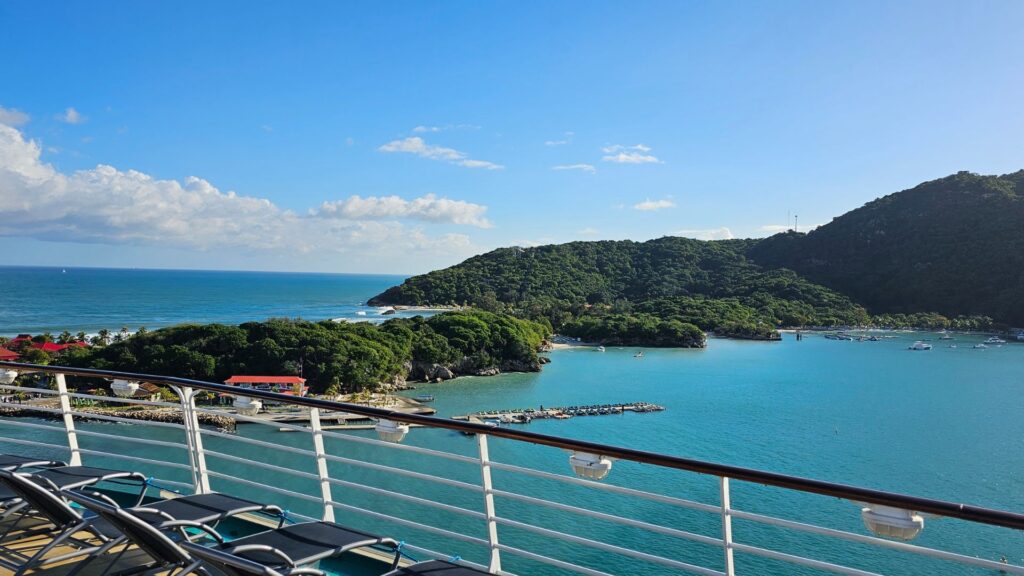
If your ship still departs, even if the route changes, the cruise line considers the trip fulfilled.
That means you usually won’t qualify for a full refund.
Instead, lines may issue onboard credits, partial fare refunds, or vouchers for future cruises.
Full cash refunds occur only when the cruise cannot depart at all, or when the voyage is terminated before embarkation.
These distinctions matter most during hurricane season, when rerouted itineraries are far more common than outright cancellations.
Ships are mobile — they can sail around storms or substitute ports quickly.
From the company’s perspective, your vacation continues; it just looks different than expected.
Key Policy Insights Every Cruiser Needs Before Storm Season:
- Rerouting ≠ cancellation. If your cruise sails, even with changes, refunds are rare.
- Full refunds apply only to non-departures. No sailing, no charge — that’s the general rule.
- Future cruise credits are standard. Lines prefer offering value for a future trip over returning cash.

When Cruise Lines Actually Offer Full Refunds During Storm Season
Full refunds are the exception, not the rule — but they do happen.
These typically apply in three circumstances:
- The voyage is canceled before embarkation.
- The cruise terminates early and passengers disembark mid-route.
- Government or port authority closures make the sailing impossible.
In those situations, cruise lines activate emergency refund protocols.
Guests are notified by email or text, and funds are typically returned to the original form of payment within several weeks.

Grab Your Ticket to Paradise with These Deals!
Some lines sweeten the disappointment by offering a rebooking discount or future credit in addition to the refund, especially when cancellations affect large groups or multiple sailings.
Refund processing times vary, but most major lines — including Royal Caribbean, Carnival, and Norwegian — have streamlined systems since the pandemic, when refund efficiency became a reputational benchmark.
Smart Traveler Tips That Speed Up Cruise Refunds:
- Track your booking channel. Refunds are faster if you booked directly rather than through a third-party site.
- Save your receipts. Documentation of payments helps if you need to dispute charges.
- Watch for credit offers. Cruise lines often provide bonus value for rescheduling instead of canceling.
What Happens When Hurricanes Force Cruise Itinerary Changes
It’s far more common for ships to change course than to cancel entirely.
If a hurricane threatens your route after departure, the captain and operations team will reroute to safer waters.
Legally and financially, this is not a cancellation — it’s a modification.
That means passengers typically aren’t eligible for refunds.
However, cruise lines often issue goodwill gestures such as onboard credits or discounts on future voyages to maintain customer satisfaction.
You might miss certain ports or gain extra sea days.
For many travelers, this adjustment feels like a mild inconvenience, but for others — especially those who booked shore excursions — it can create financial ripple effects.
That’s why it’s important to book excursions through the cruise line whenever possible.
When trips are canceled due to weather, onboard-booked tours are automatically refunded, while independent tours require individual claims.
Traveler Protections That Keep Your Cruise Investment Safe:
- Expect itinerary flexibility. Port swaps and extended sea days are standard during storms.
- Book excursions through the line. That guarantees refunds if destinations are missed.
- Compensation varies. You’ll likely receive credits, not cash, for schedule changes.
Why Travel Insurance Is Your Missing Layer of Hurricane Protection
Cruise refund policies focus on what the cruise line controls.
Travel insurance, on the other hand, protects you from losses the company won’t cover.
A robust policy can reimburse prepaid costs like flights, hotels, and excursions canceled due to named storms.
It can also cover trip delays, missed connections, or additional hotel nights when ports close temporarily.
Click for Exclusive Offers on Top Cruise Lines!
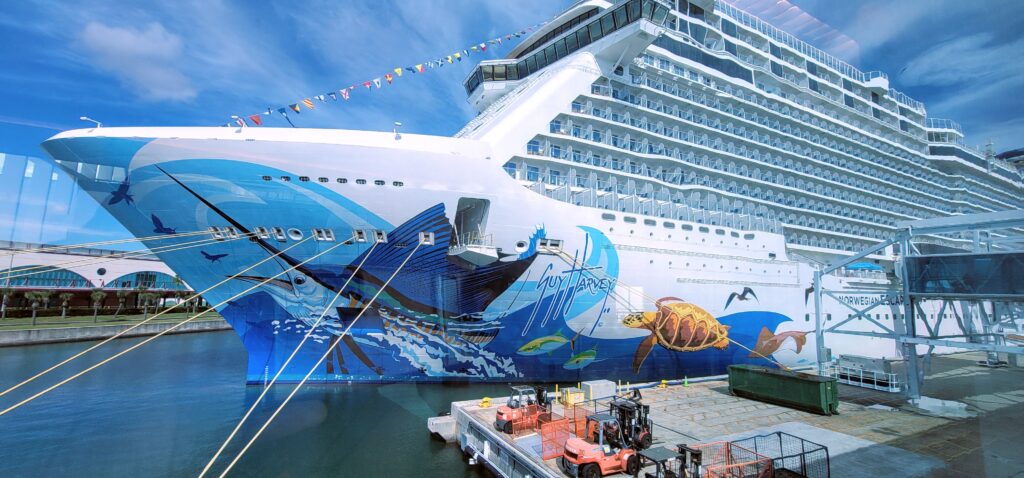
The catch: you must buy coverage before a storm is officially named.
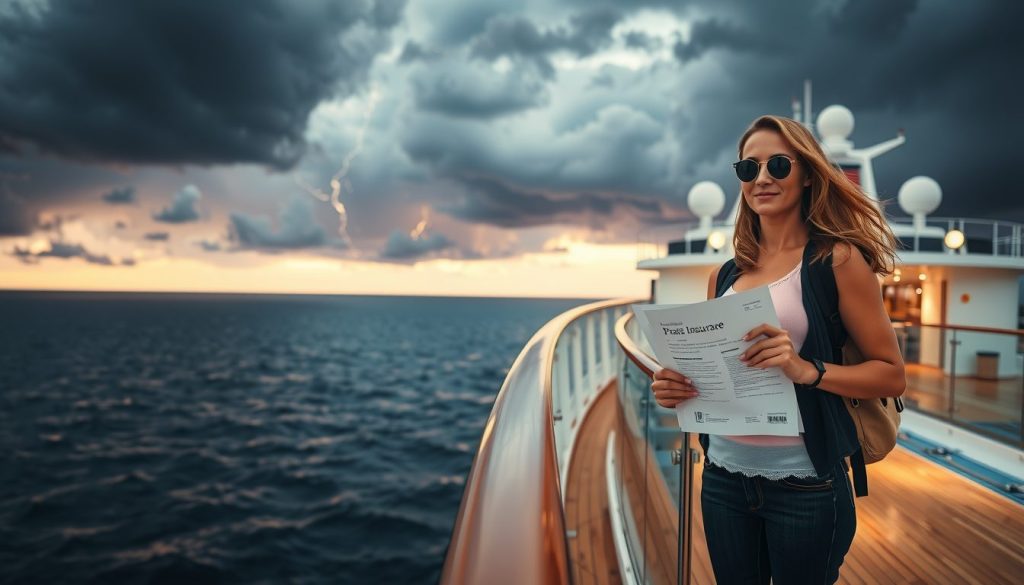
Once it’s tracked publicly, insurers classify it as a known event, and new policies won’t cover related claims.
For maximum flexibility, consider a “Cancel for Any Reason” (CFAR) upgrade.
These policies reimburse 50–75% of nonrefundable costs, even if you cancel out of caution rather than direct impact.
Insurance Insights That Guarantee Peace of Mind During Storm Season:
- Buy early. Purchase coverage at booking to secure protection before storms form.
- Check named-storm clauses. Not all policies cover weather-related cancellations.
- CFAR adds freedom. It lets you decide, not the cruise line, when to change plans.
Understand Cruise Contracts and Force Majeure Before Storm Season
Every cruise ticket includes a contract that outlines what happens during events beyond the company’s control — known legally as force majeure.
Hurricanes, port closures, and mechanical issues all fall into this category.
Under these clauses, cruise lines aren’t obligated to offer refunds for missed ports or altered itineraries.
Instead, they promise a “reasonable effort” to complete the voyage safely.
This legal protection allows them to prioritize safety without the financial burden of refunding entire sailings.
Understanding these clauses may not be exciting, but it’s crucial for setting expectations.
When you know what’s covered (and what isn’t), you’ll respond to last-minute changes with composure instead of frustration.
Key Takeaways That Help You Navigate Cruise Refund Rules:
- Force majeure limits liability. Cruise lines aren’t responsible for weather-related route changes.
- Safety trumps schedule. Adjustments prioritize passenger well-being over convenience.
- Knowledge prevents disappointment. Read your cruise contract before booking seasonally risky trips.
How Cruise Lines Compensate Beyond Refunds During Hurricane Season
Even when refunds aren’t required, major cruise lines often provide compensation to preserve loyalty.
These gestures range from future cruise credits to onboard spending bonuses.
The value usually reflects how much the disruption affected your experience.
Missing a single port might earn $100 in onboard credit, while multiple missed stops or shortened voyages can result in larger vouchers.
Public perception plays a role, too. In years with heavy hurricane activity, lines tend to issue more generous credits to maintain goodwill and protect their reputation on social media.

Experience Luxury Cruises at Unbeatable Prices Today!
For travelers, these offers are voluntary — but worth accepting.
They maintain flexibility for future vacations while recognizing the inconvenience of disrupted plans.
Compensation Insights That Maximize Your Cruise Value After Storms:
- Expect credits, not refunds. It’s the industry standard response.
- Watch for timing. Compensation is usually announced once weather stabilizes.
- Use credits strategically. Apply them toward off-season deals for maximum value.
How to Protect Your Cruise Investment Before Hurricane Season Hits
The best protection begins at the planning stage. Booking with awareness of storm season patterns minimizes both risk and stress.
Start by choosing reputable cruise lines with clear refund histories and transparent communication.
Avoid deeply discounted sailings during peak hurricane months (August through October) if your schedule can’t handle flexibility.
Always register your booking through the line’s official portal.
This ensures you’ll receive real-time alerts if schedules change.
And, if possible, bundle flights and pre-cruise hotels through the cruise line itself — these packages often include additional protection and simplified rebooking support.
Smart Booking Moves That Keep Your Cruise Plans Hurricane-Proof:
- Choose strong reputations. Some lines handle weather changes more transparently than others.
- Avoid tight schedules. Build buffer days before and after sailing for flexibility.
- Bundle for protection. Cruise-air packages simplify claims when disruptions occur.
Why Communication Matters Most When Hurricanes Disrupt Cruises
When storms develop, uncertainty fuels anxiety. Cruise lines combat that through proactive communication — a practice refined over years of experience.
Most passengers receive updates via email or app notifications as conditions evolve.
Onboard, captains provide calm, fact-based updates through announcements and daily bulletins.
The difference between frustration and understanding often lies in tone.
When passengers feel informed, they’re more likely to accept itinerary changes without anger.
That’s why modern cruise lines treat communication as a cornerstone of their crisis management.
Passenger Insights That Help You Stay Calm During Storm Season:
- Stay connected. Download the line’s app and enable alerts for real-time updates.
- Expect transparency. Modern lines share accurate weather and route information promptly.
- Tone matters. Calm, factual communication helps maintain passenger trust.
Why Cruise Refund Policies Balance Safety and Fairness During Storms
At first glance, cruise refund rules may seem restrictive.
But when viewed through the lens of logistics, they represent a delicate balance.
Cruise lines must protect both passenger safety and operational sustainability.
Full refunds for every rerouted voyage would make storm-season cruising financially impossible.
Instead, lines design flexible solutions that keep ships safe, passengers secure, and future trips affordable.
Once you understand that structure — and supplement it with your own insurance and awareness — you can cruise confidently through hurricane season without fear of losing your investment.
Practical Perspectives That Explain Cruise Refund Logic:
- Refund systems protect stability. They sustain operations even during volatile seasons.
- Traveler education prevents disputes. Informed guests know when credits apply.
- Preparation equals peace. Knowledge ensures confidence when forecasts change.
Navigate Hurricane Season with Confidence and Cruise Refund Clarity
Hurricane season doesn’t have to cancel your cruise dreams. It simply requires smarter planning and clear expectations. By understanding refund policies, purchasing the right insurance, and staying flexible, you can safeguard both your experience and your finances.
Storms may shape the itinerary, but they don’t have to shape your enjoyment.
The cruise industry has turned storm preparedness into a science, blending human foresight with fairness and reassurance.
When you plan wisely, the calm you feel onboard isn’t coincidence — it’s the reward for preparation.
FAQ – What Do Cruise Refund Policies Really Cover During Hurricane Season?
When Does A Hurricane-Season Cruise Qualify For A Full Cash Refund?
A full cash refund is most likely when the sailing is canceled before embarkation or cannot operate at all.
Royal Caribbean, Carnival, Norwegian, and other major lines generally treat a voyage differently once the ship actually departs, even if the itinerary later changes substantially.
Government or port closures that make the sailing impossible can also trigger cancellation procedures.
Travelers should distinguish a canceled voyage from a disappointing itinerary change because the refund consequences are very different.Why Does A Rerouted Cruise Usually Not Qualify For A Full Refund?
A rerouted cruise is generally treated as a modified voyage because the ship still provides transportation, accommodations, dining, entertainment, and other contracted services.
Missing a scheduled Caribbean port or gaining an extra sea day can significantly change the vacation without legally becoming a cancellation.
Cruise lines may offer onboard credit, future cruise credit, or another goodwill gesture, but a complete cash refund is uncommon when the sailing continues.
Knowing that distinction before booking prevents a changed itinerary from creating expectations the cruise contract may not support.What Compensation Could You Receive When A Hurricane Forces Several Port Changes?
Cruise lines may provide onboard credit, future cruise credit, partial fare adjustments, or rebooking incentives when severe weather substantially affects a voyage.
Compensation often reflects the extent of the disruption, so losing several ports or having a voyage shortened may produce a stronger response than missing one stop.
These offers are frequently discretionary rather than guaranteed contractual benefits.
Before accepting a future cruise credit, check its expiration date, restrictions, and whether using it fits your future travel plans better than any available cash option.How Do Force Majeure Clauses Affect Hurricane Refunds?
Force majeure provisions address events outside the cruise line’s reasonable control, including hurricanes and port closures.
These clauses usually give the company broad authority to change destinations, routes, and schedules when safety or operating conditions require it.
A missed port therefore does not automatically create a right to a full refund simply because the original itinerary could not be completed.
Reading this section of the cruise contract before paying helps you understand what the line promises when severe weather changes the trip.Why Are Cruise-Line Shore Excursions Easier To Refund After A Missed Port?
Excursions booked directly through the cruise line are normally easier to resolve because the line controls both the itinerary and the excursion reservation.
When weather forces the ship to skip the destination, qualifying cruise-line excursions can generally be canceled and refunded through the onboard account or original payment process.
Independent tour operators follow their own cancellation policies, which may require travelers to request refunds individually.
During hurricane season, that difference can matter when several reservations need to be untangled at the same time.What Costs Can Travel Insurance Cover That Cruise Refund Policies May Leave Behind?
Travel insurance can address qualifying losses outside the cruise line’s direct responsibility, including prepaid flights, hotels, independent excursions, trip delays, and missed connections.
Options from VisitorsCoverage, EKTA, Insubuy, and World Nomads can be compared for hurricane-related cancellation, interruption, delay, and other relevant benefits.
Coverage is not identical between policies, so travelers should check exclusions, reimbursement limits, covered reasons, and named-storm provisions before purchasing.
The strongest protection usually comes from insuring the entire trip rather than assuming a cruise-line refund will cover every connected expense.Why Should You Buy Hurricane Travel Insurance Before A Storm Is Named?
Insurance is designed primarily for unforeseen events, so purchasing a policy after a storm becomes a known threat can leave hurricane-related losses excluded.
Buying coverage soon after booking gives you a better chance of having qualifying future storms fall within the policy’s covered-event rules.
Waiting until forecasts begin threatening your departure port can be too late for the specific system already being tracked.
Review the insurer’s wording carefully because purchase deadlines and named-storm definitions can vary between plans.How Does Cancel For Any Reason Coverage Change Your Refund Options?
Cancel For Any Reason coverage can give you a way to cancel even when the cruise line still plans to sail and your reason would not qualify under standard cancellation benefits.
Rather than providing a full refund, CFAR commonly reimburses only a percentage of eligible prepaid, nonrefundable costs and must be purchased within a specified period after the initial trip payment.
It can be useful when hurricane forecasts make you uncomfortable but have not triggered a covered cancellation.
Travelers considering CFAR should compare its added cost, reimbursement percentage, and cancellation deadline before deciding whether the extra flexibility is worthwhile.What Booking Choices Can Reduce Your Financial Risk During Hurricane Season?
Flexible reservations can make hurricane disruptions much easier to absorb before insurance or refund rules even become relevant.
Building extra time around embarkation, choosing refundable hotels, avoiding extremely tight flight schedules, and registering for cruise-line alerts all reduce the consequences of a changing departure plan.
Bundling airfare or pre-cruise lodging through the cruise line may also simplify rebooking in some situations.
Travelers with rigid schedules should think carefully about peak hurricane-season sailings because a safe reroute can still create significant logistical disruption.How Can You Avoid Feeling Cheated When A Hurricane Changes Your Cruise?
Start by recognizing that a changed itinerary, missed port, and canceled cruise are treated as different events under most cruise contracts.
Monitor official cruise-line alerts so you understand whether the company is rerouting, delaying, compensating passengers, or canceling the sailing entirely.
Keep receipts and booking records in case you need to pursue insurance reimbursement or resolve a disputed charge later.
Realistic expectations about refunds, credits, and itinerary flexibility make it easier to judge the cruise line’s response based on what was actually promised rather than what you assumed would happen.
Plan Your Next Cruise!
Sail Boldly: Experience Virgin Voyages’ Adults‑Only Cruises With Style, Freedom, And Fun
One Delay Can Cost Your Entire Cruise A quick coverage check now protects you from the problems no one sees coming….
Unlock The Viking Ocean Experience: Elegant Ships, Cultural Immersion, And Unrushed Travel
One Delay Can Cost Your Entire Cruise A quick coverage check now protects you from the problems no one sees coming….

Experience the Perfect Blend of Disney Magic, Luxury Cruising, and Family Adventure at Sea
One Delay Can Cost Your Entire Cruise A quick coverage check now protects you from the problems no one sees coming….

Sail Into Modern Luxury: Celebrity Cruises for Design, Culinary Excellence, and Destination‑Rich Voyages
One Delay Can Cost Your Entire Cruise A quick coverage check now protects you from the problems no one sees coming….
Explore More
From Icon to Oasis: Explore Royal Caribbean’s Groundbreaking Ships and Unforgettable Voyages
Start Your Cruise with Ease: Ship Your Bags Ahead and Travel Light

Stay Hydrated at Sea: Cruise Bottled Water Policies, Costs, and Smart Savings