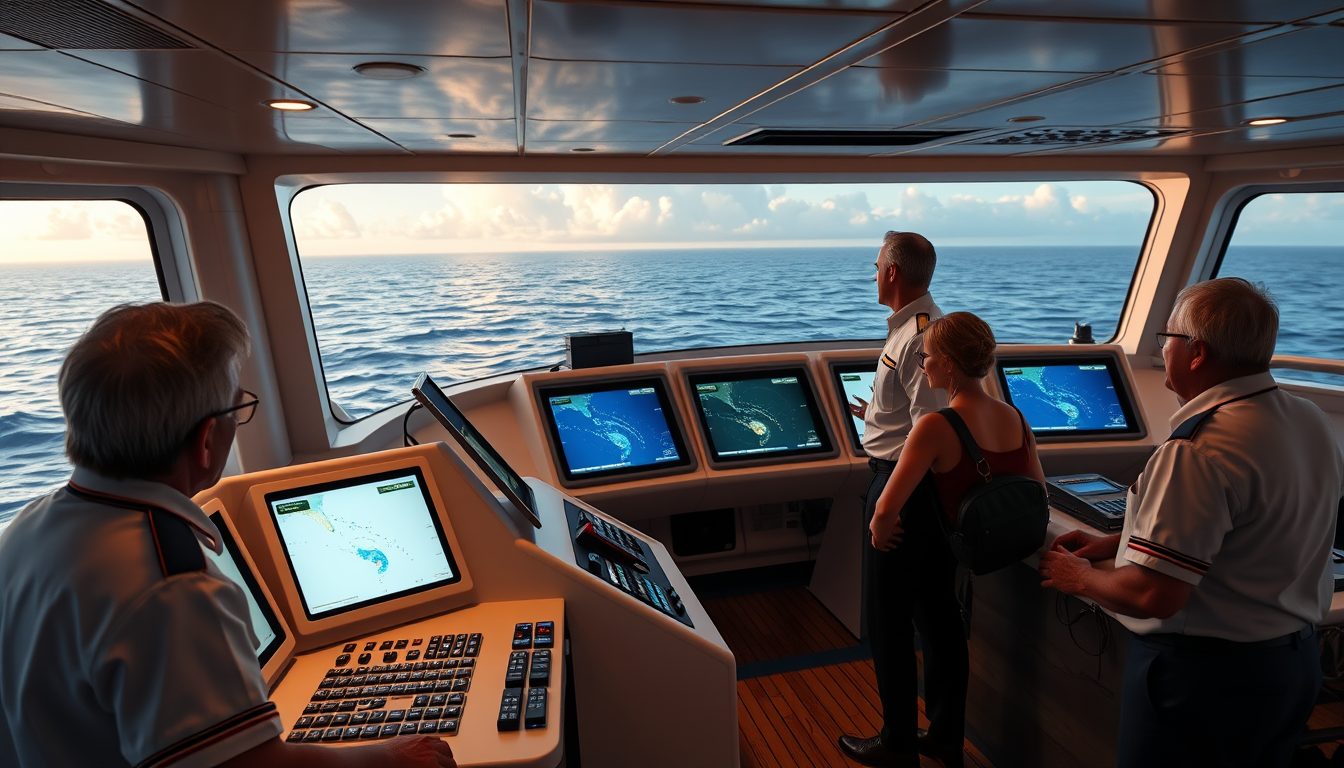
One Delay Can Cost Your Entire Cruise
A quick coverage check now protects you from the problems no one sees coming.
Short Excerpt
- Cruise anxiety during hurricane season often comes from uncertainty rather than the actual level of danger.
- Modern ships monitor storms well in advance, giving crews time to reroute before threatening weather becomes a passenger problem.
- Understanding how cruise lines manage storms can make rough seas, route changes, and weather updates feel far less intimidating.
Quick Take
- Cruise ships are designed to avoid major storms, not sail directly through them.
- Midship cabins on lower decks usually provide the most stable ride when seas become rough.
- Check weather updates once or twice a day instead of constantly monitoring storm trackers.
- Treat itinerary changes as proactive safety decisions rather than signs that something has gone wrong.
- Travel insurance can reduce the financial stress of weather-related flight, hotel, or cruise disruptions.
Why Hurricane-Season Cruise Anxiety Often Feels Worse Than the Actual Risk
Cruise anxiety during storm season is common — but it doesn’t have to control your experience.
Modern ships are engineered for safety, and with the right mindset and preparation, you can replace fear with calm confidence.
There’s something both thrilling and unsettling about the ocean. It’s vast, unpredictable, and — during hurricane season — a little intimidating.
If you’re a first-time cruiser or a seasoned traveler who gets uneasy when the waves start to roll, you’re not alone.
Even confident travelers can feel their nerves spike when the captain announces rougher seas or a change of course.
But here’s the truth most travelers don’t realize: modern cruise ships are built to handle storms far better than your imagination can.
And with the right mindset, preparation, and understanding, you can actually sail through storm season with calm confidence instead of dread.
This guide isn’t about generic “stay calm” tips.
It’s a full, emotionally grounded reassurance roadmap — one that helps you understand how storms are managed, what safety systems are in place, how crews keep you informed, and what you can do to regain peace of mind while onboard.
Let’s turn that storm anxiety into ocean confidence — step by step.
Understand What Happens When Cruise Weather Changes
When dark clouds start gathering, it’s easy to imagine worst-case scenarios.
But cruise lines operate within a tightly regulated framework that prioritizes passenger safety above everything else.
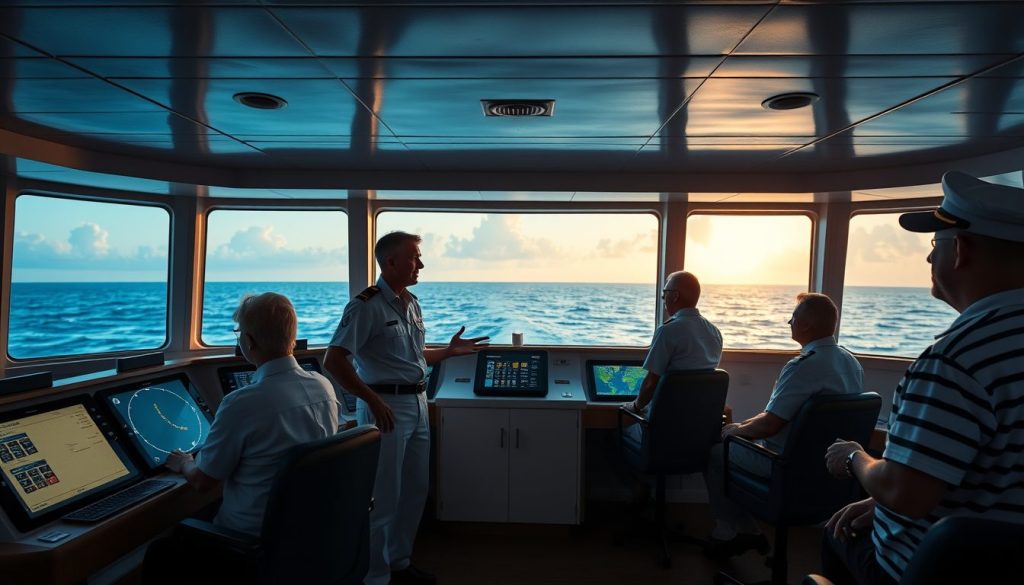
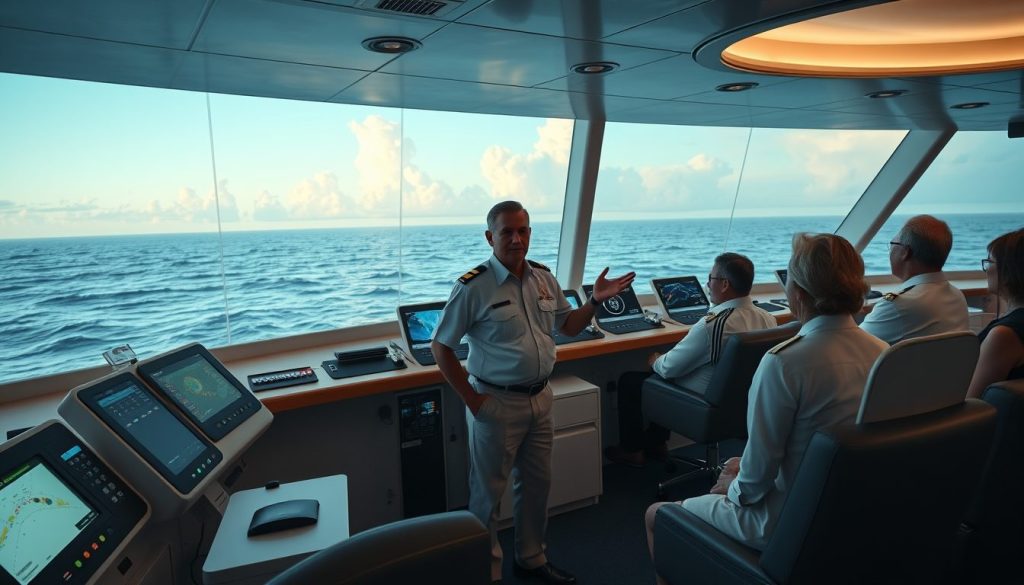
Modern ships are equipped with advanced meteorological tracking, often more sophisticated than what you’ll find in a regional weather center.
Captains receive constant updates from both onboard radar and satellite communication links that connect directly with agencies like the U.S. National Hurricane Center.
This allows them to adjust routes long before rough weather ever becomes a threat.
Cruise lines are also known for their proactive planning.
Most itineraries during hurricane season — which runs from June through November — are designed with flexibility in mind.
That means if a tropical storm begins forming, routes can shift quickly to calmer waters without compromising your experience.
Online‑Only Cruise Offers You Won’t Find Elsewhere
Unlock special pricing and start planning the sailing that matches your perfect itinerary
Why this matters for you
When you understand the systems behind your safety, fear loses its power.
Anxiety thrives on uncertainty — and transparency cuts straight through it.
Once you know that ships are designed to avoid storms, not ride through them, the entire cruise experience becomes more reassuring.
Reassurance Notes
1. Your captain is trained for this. Every cruise line captain undergoes rigorous simulation-based storm training before commanding a vessel.
2. The ship itself is storm-ready. Stabilizers, satellite data, and reinforced hull designs make today’s ships remarkably resilient.
3. You’re never “on your own.” Communication with port authorities and coastal command centers happens 24/7.
Set Realistic Expectations Before Your Cruise Begins
Most anxiety stems from feeling unprepared.
When you go into a trip knowing that minor itinerary adjustments are normal, your mental framework changes.
Instead of feeling alarmed when a port swap happens, you can view it as part of the adventure.
Cruise lines will often reroute around storms days in advance, sometimes substituting ports in Mexico for ones in the Bahamas or swapping a sea day for a safer harbor.
The goal isn’t disruption — it’s protection.
That flexibility is also why travel insurance is essential, especially during hurricane season.
Not because cruises are unsafe, but because weather unpredictability can affect flights, hotel stays, and post-cruise plans.
Smart coverage for peace of mind
Brands like VisitorsCoverage, EKTA, Insubuy, Compensair, and World Nomads all specialize in flexible travel protection.
Each offers coverage options that account for weather-related cancellations, medical care at sea, and even travel delays caused by port closures.
Practical prep insight
Bring digital and paper copies of all essential documents — from insurance confirmations to passports and cruise confirmations.
Store them in waterproof pouches. It’s one of those small steps that provides major emotional reassurance.
Manage Cruise Anxiety Once You’re Onboard
The hum of the engines. The occasional tilt. The feeling that you’re far from shore.
These sensations can easily trigger nervousness if you’re already prone to worry.
But here’s what experienced cruisers know: routine creates calm.
The more normalcy you build into your cruise days, the less headspace your anxiety takes up.
Start by keeping a simple rhythm — morning coffee on deck, mid-day activities, evening relaxation.
Familiar structure makes motion and change feel less intrusive.

Sail Away to Paradise Without Overpaying
Find cruise deals that make it easy to escape, relax, and enjoy the ocean without stretching your budget
Keep your mind anchored
When the ship encounters a few waves, distraction works better than overanalyzing every sound.
Participate in onboard classes, spa sessions, or family trivia.
The crew intentionally schedules more indoor entertainment when the forecast changes — they know that engaged passengers are calmer passengers.
If you’re sailing with children, normalize small motions early.
Say things like, “The ship is rocking a little — it’s how it moves through the water.”
Kids often mirror your tone, so if you treat it as routine, they will too.
Personal calm boosters
1. Stay hydrated and limit alcohol. Dehydration amplifies nausea and anxiety.
2. Use natural remedies first. Ginger chews, acupressure bands, or over-the-counter motion tablets are effective and gentle.
3. Avoid the bow (front) and stern (back) during rough seas. These areas move more, while midship cabins offer the steadiest experience.
Choose the Right Cabin Location for Storm-Season Comfort
Where you stay on the ship can make a world of difference during storm season.
Midship cabins — particularly those on lower decks — experience the least motion because they sit near the vessel’s natural balance point.
If you’re prone to motion sickness or anxiety, avoid cabins at the very front (bow) or rear (stern).
These areas amplify motion sensations. Instead, book toward the center, ideally between Deck 4 and Deck 7, depending on ship size.
Insider booking tips
When you’re selecting cabins online, check the ship’s layout map.
Look for decks that are sandwiched between other passenger decks (not directly under a pool deck or above a nightclub).
This limits both vibration and ambient noise.
And here’s an extra perk: central cabins are often more affordable during hurricane season because fewer travelers prioritize motion stability — which means you can upgrade your comfort without overspending.
Quick advice recap
1. Pick midship over view. The calm center is more valuable than a high-floor balcony in rough seas.
2. Ask your travel advisor for hurricane-season flexibility. Many agencies partner with cruise lines to adjust or reassign cabins if conditions change.
3. Bring magnetic hooks or organizers. Staying tidy helps mentally. Chaos in a cabin amplifies tension.
Understand Cruise Line Safety Culture That Protects You
If there’s one thing cruise guests underestimate, it’s how much time and money cruise lines invest in safety culture.
Storm training is a daily part of life for crew members.
From officers to bartenders, everyone onboard knows their emergency role by heart.
When a storm system approaches, the crew doesn’t react with alarm — they execute practiced routines.
Doors are secured, outdoor decks close early, and public announcements stay calm and transparent.
That tone alone makes a huge difference.
Every modern vessel operates under SOLAS (Safety of Life at Sea) international standards, meaning design, evacuation routes, and life-saving procedures are audited and inspected regularly.
Cruise ships aren’t floating hotels — they’re engineered resilience built to outmaneuver weather, not endure it.
Helpful perspective
When you hear updates like “The captain has adjusted our course,” what’s actually happening is a proactive avoidance strategy, not emergency maneuvering.
The ship’s power, propulsion, and navigation systems allow for rerouting hundreds of miles away from unstable weather zones.
Comfort truths
1. Cruise control teams work with meteorologists around the clock. They track atmospheric shifts before passengers even notice clouds forming.
2. Ships rarely, if ever, sail near active hurricanes. It’s more common for flights to be delayed than for cruises to be canceled mid-sailing.
3. Calm, experienced crew members set the emotional tone. Their poise becomes contagious — lean into it.
Top Cruise Deals From Trusted Cruise Lines
Compare exclusive online offers and find the fare that fits your trip and your budget
Tools That Keep You Calm and Informed During Storms
Information relieves fear.
The more connected you are to what’s happening, the more control you feel.
Most cruise lines provide daily weather updates via onboard TV channels, apps, or announcements.
Download the cruise line’s mobile app before departure — nearly all now include real-time route maps and weather bulletins.
You can also install external tracking tools like Windy, MyRadar, or the National Hurricane Center’s app for additional context.
Tech that empowers calm
If you’re particularly anxious, set boundaries.
Check updates once or twice daily rather than monitoring continuously — too much data can trigger more stress.
And remember: even when routes change, the captain’s decisions are based on conditions hundreds of miles ahead, not what’s currently outside your window.
Reassurance reminders
1. Knowledge grounds you. Understanding what’s happening replaces panic with perspective.
2. Stay informed, not obsessed. The goal is clarity, not control.
3. Trust the experts — they see far more data than what’s public.
What to Do When Storms Change Your Cruise Itinerary
Here’s something few travelers realize — rerouting isn’t failure; it’s agility.
When a tropical system shifts paths, captains coordinate with multiple port authorities to design the safest and smoothest possible experience.
That may mean visiting Cozumel instead of Nassau or spending an extra sea day before returning to port.
Either way, the ship’s full entertainment schedule adapts.
Cruise directors often add bonus shows, trivia, or movie nights when outdoor plans change.
Keeping perspective
Instead of focusing on what you “lost,” think of what you’re gaining — calmer waters, safer sailing, and unique detours.
Some of the best travel memories come from unplanned changes.
If disruptions extend beyond your control, Compensair can assist with claim recovery for canceled flights or port-related adjustments post-cruise.
Having a coverage plan ahead of time means you never feel financially stranded.
Grounding thoughts
1. Rerouting is a safety measure, not a sign of danger.
2. Cruises are designed with flexibility for this reason.
3. A positive attitude transforms inconvenience into resilience.

Luxury Cruise Experiences at Smarter Prices
See premium sailings and upgraded cabins priced for travelers who know how to book well
Prepare Emotionally Before Your Cruise for Peace of Mind
Even the best travelers need mental rehearsal before departure.
Anxiety often stems from anticipation rather than the actual experience.
Spend time visualizing calm seas, the ship’s gentle rhythm, and the professionalism of its crew.
Remind yourself that storms are regional — the Caribbean spans over a million square miles, and only a fraction is ever affected at once.
Pack comfort anchors: a light blanket, calming playlist, your favorite tea.
Small sensory details can anchor peace during uncertain moments.
If you’re particularly prone to worry, consider pre-boarding consultations through your cruise line’s wellness or concierge program.
Many offer meditation or yoga sessions onboard, which help travelers transition from tension to tranquility.
Family Safety and Value During Cruise Hurricane Season
Traveling as a family during storm season requires reassurance not just for yourself, but for your loved ones too.
Children often absorb the emotions of adults, so your calm presence becomes their compass.
Cruise ships are among the safest family vacation options available — especially when compared to air travel disruptions during bad weather.
Ships can move, while airports close. That mobility means your family is usually safer at sea than stranded on land.
Financially, hurricane season also delivers significant value.
Cruise lines often discount fares to encourage travelers, and travel insurance providers like World Nomads, EKTA, and VisitorsCoverage offer budget-friendly policies to match.
With proactive preparation and coverage, your family can enjoy a smoother, more flexible vacation experience while saving money in the process.
Sail Through Storm Season With Calm Confidence
Storm season doesn’t have to equal stress season.
The reality is that cruising during hurricane months can be both safe and rewarding, as long as you travel with realistic expectations and emotional flexibility.
When you trust the systems in place, lean into the professionalism of the crew, and protect your trip with smart coverage, you create the conditions for peace of mind — no matter what the weather does.
The ocean might be unpredictable, but your preparedness doesn’t have to be.
FAQ – Is It Okay to Cruise During Storm Season with My Family?
What Actually Happens Behind the Scenes When the Captain Changes Course Because Of a Storm?
When the captain changes course, the ship is usually avoiding rough weather long before it becomes dangerous.
Navigation teams use onboard radar, satellite data, and updates from agencies like the U.S. National Hurricane Center to spot developing systems and shift the route toward calmer waters.
For you, this typically shows up as a port swap or an extra sea day, not a crisis, and understanding that these changes are planned safety maneuvers can make them feel like smart adjustments rather than something to fear.How Do Modern Cruise Weather Systems Help Protect Guests During Hurricane Season?
Modern ships rely on advanced meteorological tracking that often exceeds what local weather stations use.
Continuous radar scans, satellite links, and coordination with coastal command centers allow crews to see storm patterns days ahead and steer away from them.
Knowing that your ship is designed to avoid storms—not ride through them—helps reframe anxiety into trust in a system built specifically to keep you out of harm’s way.Which Cabin Locations Feel Most Comfortable If I’m Worried About Motion and Anxiety?
Midship cabins on lower to mid decks usually feel the most stable because they sit near the ship’s natural balance point.
Cabins at the bow and stern tend to move more, which can amplify motion sickness and nervousness, especially during storm season.
Choosing a central cabin between passenger decks, rather than directly under a pool or above a nightclub, reduces both movement and noise, giving you a calmer base when seas get choppy.What Should I Look for in Travel Insurance from Providers Like VisitorsCoverage, EKTA, Insubuy, Compensair, Or World Nomads?
You want coverage that explicitly addresses weather-related cancellations, medical care at sea, and disruptions to flights or hotels if ports close or itineraries change.
Providers such as VisitorsCoverage, EKTA, Insubuy, Compensair, and World Nomads offer policies that can reimburse extra lodging, rebooked flights, or missed connections when storms interfere with your plans.
Evaluating these details before you sail turns unpredictable weather into a manageable financial risk instead of a source of constant worry.How Can I Manage Cruise Anxiety Once I’m Onboard and the Ship Starts to Rock?
Building a simple daily routine—morning coffee, mid-day activities, evening relaxation—helps your mind treat the ship as a normal environment rather than a moving threat.
When the motion picks up, engaging in onboard classes, spa sessions, trivia, or family activities keeps your attention on experiences instead of every sound or tilt.
Pairing that structure with practical tools like ginger chews, acupressure bands, and staying hydrated makes both your body and mind more resilient when the waves roll.Why Might My Cruise Be Rerouted from a Place Like Nassau to Cozumel, And How Should I Think About That Change?
A shift from Nassau to Cozumel usually means the original route sits closer to unstable weather, while the alternative port offers safer conditions.
Captains coordinate with multiple port authorities to redesign the itinerary so the ship spends more time in calmer waters, even if that means an extra sea day or a different destination.
Treating these changes as agile problem-solving—rather than a ruined plan—helps you focus on the fact that your safety is being actively protected while still giving you new experiences.What Can Parents Say and Do to Keep Children Calm During Storm-Season Cruising?
Children often mirror the emotional tone of the adults around them, so your calm presence matters more than any single explanation.
Simple phrases like “The ship is rocking a little because that’s how it moves through the water” normalize motion and prevent kids from interpreting it as danger.
Keeping familiar routines, bringing comfort items, and framing crew announcements as proof that trained professionals are taking care of everyone helps kids feel secure even when the weather shifts.How Can I Prepare Emotionally Before Sailing So Storm Forecasts Don’t Overwhelm Me?
Spending time visualizing steady seas, professional crew, and the ship’s gentle rhythm can soften anticipatory anxiety before you ever board.
Packing comfort anchors—a favorite blanket, calming playlist, preferred tea—and planning to use onboard wellness options like meditation or yoga sessions gives you tools to reset when nerves spike.
This kind of mental rehearsal turns storm-season cruising from a vague fear into a scenario you’ve already imagined yourself handling with more composure.How Do I Use Apps Like Windy, MyRadar, Or the National Hurricane Center’s Tools Without Fueling Obsessive Worry?
The key is to treat these apps as occasional check-ins, not constant surveillance.
Using the cruise line’s official app for route updates and pairing it with brief looks at Windy, MyRadar, or National Hurricane Center data once or twice a day gives you context without overwhelming you.
Setting clear boundaries—such as checking in the morning and evening only—keeps information grounding rather than triggering, so you stay informed but don’t let every radar image dictate your mood.Is My Family Actually Safer at Sea Than in Airports During Hurricane Season, And How Does That Affect Value?
In many storm scenarios, ships can move while airports shut down, which means a cruise can reroute away from trouble even as flights are canceled or delayed.
That mobility often makes a ship a more stable environment for families than crowded terminals where plans stall and stress builds.
Combined with the fact that hurricane-season cruises are frequently discounted and can be paired with budget-friendly insurance from providers like World Nomads, EKTA, or VisitorsCoverage, you get both a safety strategy and a value advantage when you plan thoughtfully.
Plan Your Next Cruise!

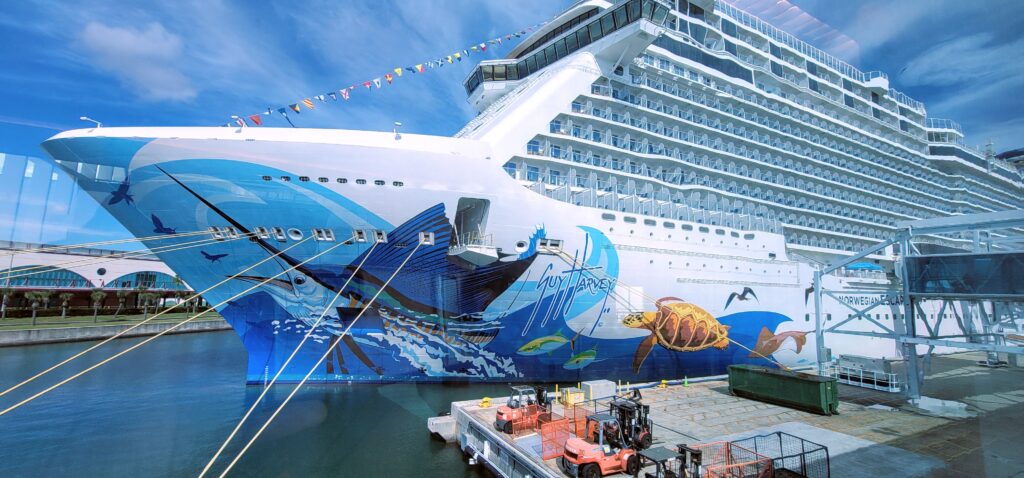
Sail Into Freestyle Freedom: Norwegian Cruise Line for Adventure Thrills, Gourmet Dining, and Destination‑Rich Voyages
One Delay Can Cost Your Entire Cruise A quick coverage check now protects you from the problems no one sees coming….

Sail Into Italian Elegance: Costa Cruises for Culture, Cuisine, and Unforgettable Voyages
One Delay Can Cost Your Entire Cruise A quick coverage check now protects you from the problems no one sees coming….
Discover Regent Seven Seas Cruises: Opulent Suites, Gourmet Dining, and Exclusive Destinations
One Delay Can Cost Your Entire Cruise A quick coverage check now protects you from the problems no one sees coming….
From Icon to Oasis: Explore Royal Caribbean’s Groundbreaking Ships and Unforgettable Voyages
One Delay Can Cost Your Entire Cruise A quick coverage check now protects you from the problems no one sees coming….
Explore More
The Keel Explained: The Backbone That Keeps Cruise Ships Upright at Sea

Sail into Love: Romantic Cruises That Blend Intimacy, Luxury, and Unforgettable Journeys

Sail With Your Guitar: Cruise Rules, Packing Tips, and Performance Opportunities