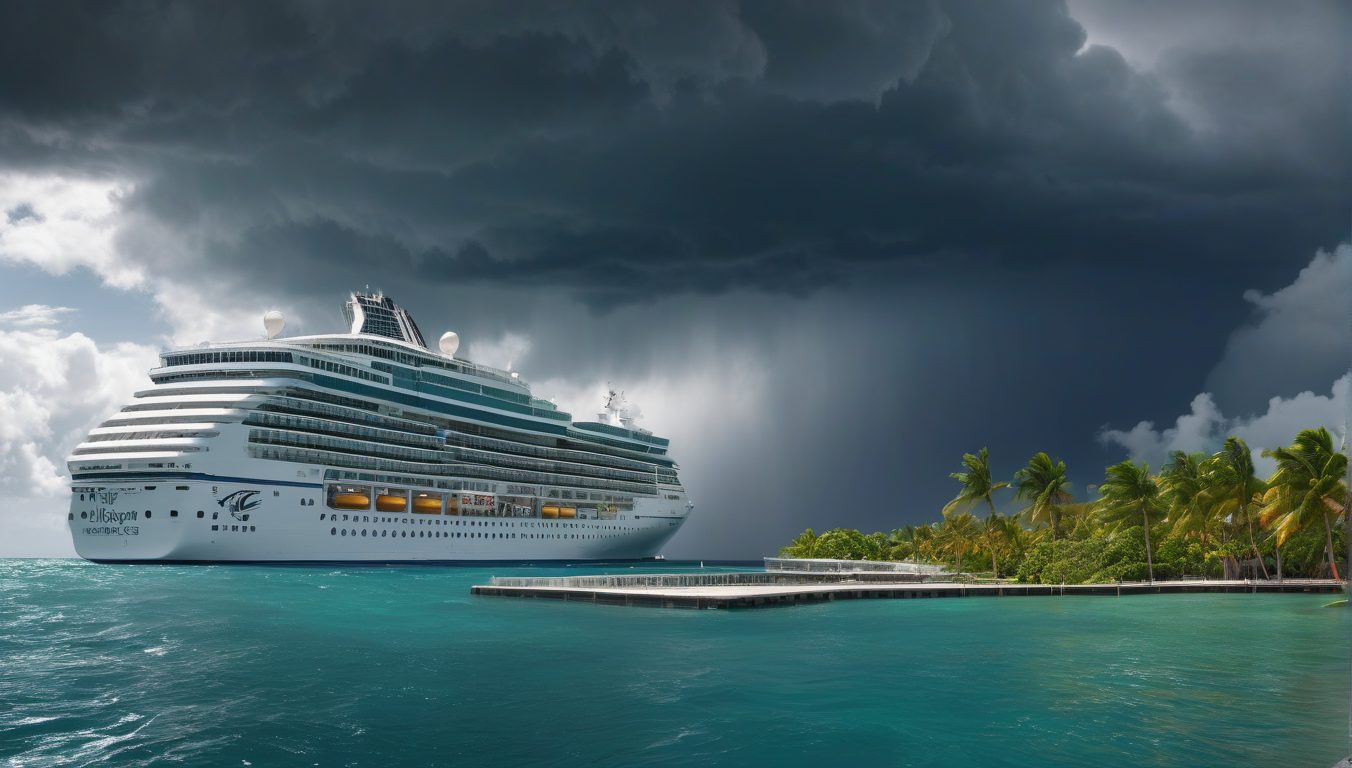
One Delay Can Cost Your Entire Cruise
A quick coverage check now protects you from the problems no one sees coming.
Short Excerpt
- Cruise ports close during hurricanes because wind, storm surge, flooding, and unsafe navigation can threaten ships, terminals, and coastal infrastructure.
- Cruise lines usually anticipate those closures early, giving captains time to reroute, substitute ports, or add sea days before the original destination becomes unavailable.
- What looks like a sudden disruption to passengers is often the result of coordinated planning between meteorologists, port authorities, maritime agencies, and cruise operations teams.
Quick Take
- Port authorities, not cruise lines, decide when hurricane conditions require a port to limit or suspend vessel operations.
- Ships can reroute to alternate destinations such as Cozumel or San Juan when ports like Miami or Nassau become unavailable.
- Global maritime operations centers monitor storms and coordinate alternate routes with captains and local authorities.
- Missed excursions may be refunded or credited while onboard entertainment expands to accommodate unexpected sea days.
- Ports reopen only after docks, navigation channels, electrical systems, debris, and other safety concerns have been inspected.
Why Cruise Port Closures During Hurricanes Are Designed To Protect Your Vacation
When hurricanes threaten the Caribbean or Gulf, cruise ports don’t panic—they prepare.
Behind the scenes, port authorities, meteorologists, and cruise lines coordinate in real time to reroute ships and protect passengers.
Every year between June and November, powerful weather systems reshape the maritime landscape, forcing quick decisions that protect passengers, crew, and coastal infrastructure.
Cruise lines, however, don’t see chaos — they see coordination.
Behind every last-minute change lies an intricate network of data analysts, meteorologists, port authorities, and maritime safety experts who respond within hours to shifting storm paths.
The result?
Thousands of travelers remain safe, and most itineraries continue almost seamlessly.
Understanding how cruise port closures work helps travelers prepare smarter, worry less, and even appreciate the level of innovation that defines modern cruising.
This isn’t just a story of cancellations and rerouting; it’s a story of how an entire industry has transformed unpredictability into a predictable, practiced art.

Why Ports Close During Hurricanes—and How It Keeps You Safe
Cruise port closures are never arbitrary.
They’re strategic, data-driven decisions based on safety thresholds established by port authorities, coast guards, and international maritime law.
When a hurricane begins to form, officials track sustained winds, projected storm surges, and potential flooding.
If forecasts show that a port’s infrastructure — piers, terminals, or access channels — could be compromised, authorities initiate phased closure procedures.
Unlock Your Dream Cruise with Exclusive Online Deals!
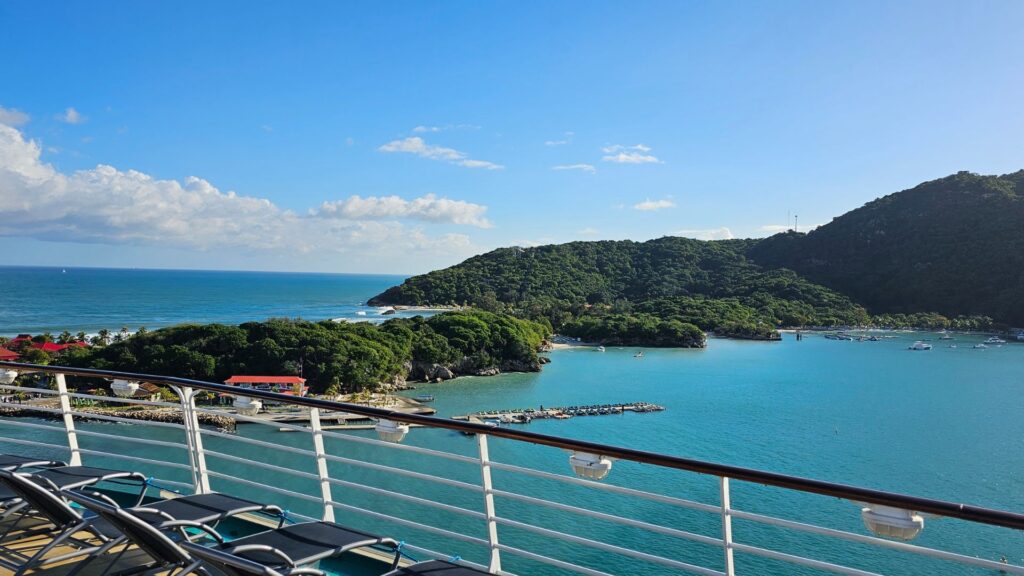
These can range from limiting vessel movements to fully suspending all port operations.
Cruise lines don’t control these closures directly.
Instead, they receive continuous updates from local port administrations and national weather centers.
This constant exchange allows them to anticipate shutdowns before they’re officially announced.
In most cases, ships are already redirected before a port closes.
For example, when the Port of Miami or Nassau temporarily shuts down due to high winds, ships might reroute to Cozumel or San Juan instead.
The coordination happens quietly, backed by pre-approved alternate itineraries designed for hurricane contingencies.
Key Takeaways on Port Closures
- Port closure decisions come from maritime authorities, not cruise lines.
- Forecasts factor in wind strength, storm surge, and port accessibility.
- Cruise lines maintain constant contact with port operations teams.
- Alternate ports are identified days before closures occur.
- Safety remains the guiding principle in every decision made.
How Cruise Lines Predict Storms to Protect Your Vacation
The real strength of the cruise industry lies in anticipation.
Cruise lines rely on round-the-clock meteorological tracking through specialized teams who interpret data from satellites, radar imagery, and oceanic weather models.
Once a hurricane threat is identified, cruise operations teams begin scenario planning.
They evaluate potential closure zones, review alternative docking options, and forecast likely timelines for reopening.
The goal is to stay two to three days ahead of official closure announcements.

Grab Your Ticket to Paradise with These Deals!
By analyzing projected paths and wind fields, cruise planners can create dynamic itineraries that bypass storm-affected regions entirely.
They also ensure that passengers continue to enjoy full itineraries with minimal disruptions.
If necessary, ships extend sea days, visiting alternate destinations while maintaining safety and comfort.
Technology plays a massive role here.
Every major cruise line operates a Global Maritime Operations Center — a nerve hub filled with weather screens and navigation experts who monitor each ship’s position relative to storm systems.
When a port closure looms, these teams coordinate live with the captain and local authorities, rerouting ships with remarkable precision.
What Travelers Should Know
- Cruise itineraries are flexible by design during hurricane season.
- Operations centers track storms globally, often weeks in advance.
- Real-time rerouting minimizes the chance of cancellation.
- Alternate ports are selected based on distance, capacity, and safety.
- Guests are kept informed through onboard announcements and apps.
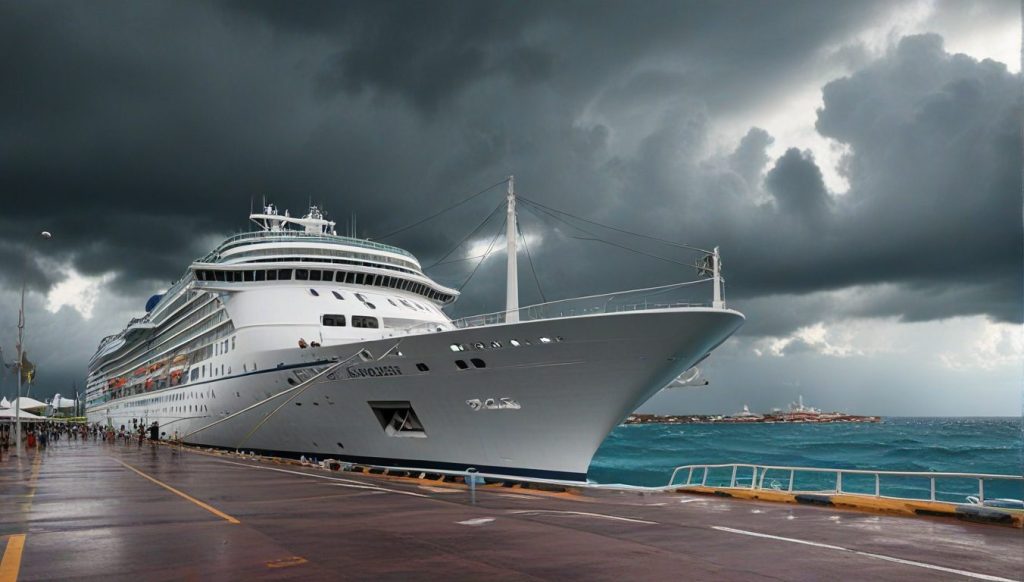
When Ports Close Mid-Cruise: How Ships Pivot to Keep Your Plans Smooth
If a hurricane forces an active port closure mid-voyage, the transition happens faster than most passengers realize.
Within hours, the ship’s command team receives an official notice, confirms safety protocols, and sets an adjusted course.
The captain announces updates to guests while the entertainment, dining, and operations teams work behind the scenes to reengineer the onboard experience.
If a planned excursion is canceled, the ship often substitutes another port or extends onboard programming — from special events to live entertainment.
These changes are supported by massive logistical planning.
Click for Exclusive Offers on Top Cruise Lines!
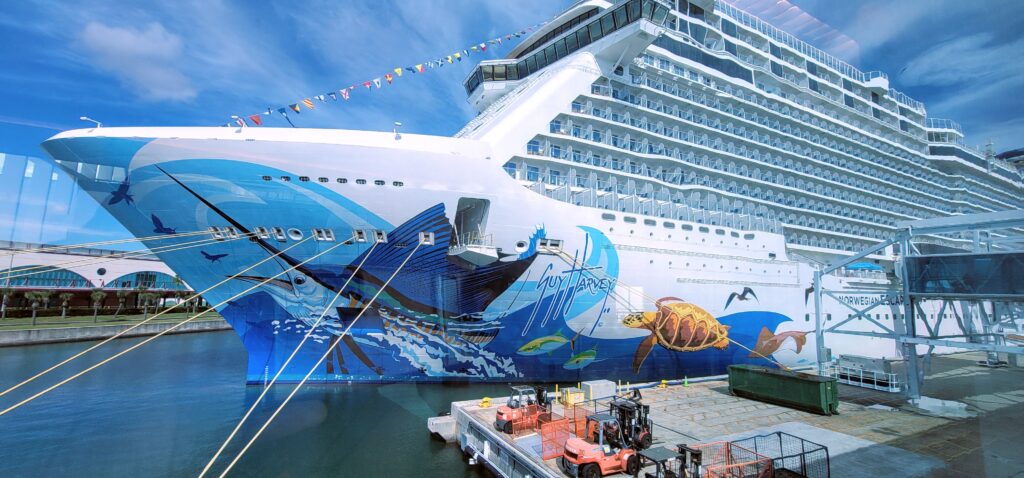
Cruise lines maintain relationships with dozens of ports across multiple regions, allowing instant rerouting when one closes.
The result is a smooth guest experience that feels more like a gentle pivot than a disruption.
Sometimes, when multiple regional ports are affected, ships extend their time at sea.
Stabilizers reduce motion, and passengers enjoy extra leisure time on board.
Because food, fuel, and freshwater supplies are carefully calculated before sailing, ships can operate independently for extended periods without issue.
Mid-Cruise Closure Insights
- Captains receive immediate notice from local port authorities.
- Ships reroute to alternate destinations within hours.
- Onboard activities expand to fill schedule gaps seamlessly.
- Supply planning allows ships to operate independently for days.
- Passenger safety and comfort always take precedence.
Inside the Coordination That Keeps Cruises Safe and Moving During Storms
Port closures may appear sudden to the public, but in reality, they’re managed through deep coordination between cruise lines and maritime agencies.
These partnerships have evolved over decades, creating shared systems for crisis communication, weather intelligence, and contingency planning.
When a hurricane approaches, port authorities and cruise line representatives hold scheduled weather briefings every few hours.
These calls assess wind speeds, wave heights, and regional evacuation readiness.
Based on these reports, cruise lines decide whether to reroute ships or delay departures.
The relationship extends beyond logistics — it’s a foundation of mutual trust.
Ports depend on cruise lines for consistent economic activity, and cruise lines depend on ports for operational reliability.
That mutual reliance creates an incentive for seamless coordination and rapid recovery after storms.
Coordination Essentials
- Cruise lines and ports share live data through secure digital platforms.
- Weather briefings occur multiple times daily during hurricane alerts.
- Joint contingency planning ensures both safety and operational continuity.
- Ports and cruise lines often share emergency personnel and equipment.
- The system prioritizes quick reopening once weather conditions improve.
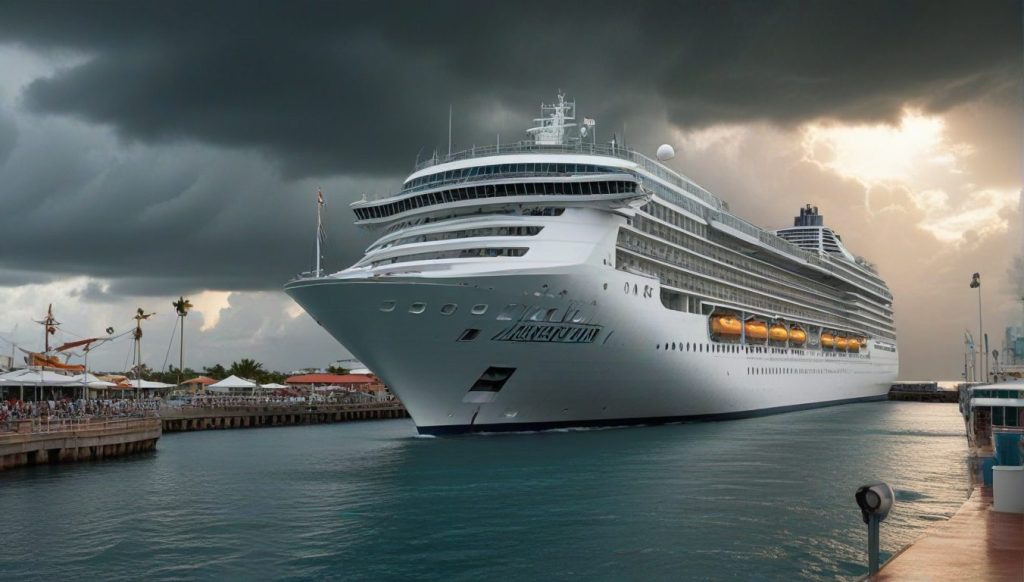
How Cruise Lines Keep You Calm and Confident When Ports Close
For passengers, a closed port can initially feel like a missed opportunity — until they realize how smoothly cruise lines transform the situation.
Most guests barely notice the disruption.
When a port closure is confirmed, ships update onboard systems to reflect the new itinerary.
Excursion teams process refunds automatically, and guest relations provides credits or new activity options.

Experience Luxury Cruises at Unbeatable Prices Today!
Entertainment staff adjusts programming, offering everything from culinary workshops to live music events.
Many travelers report that “storm-rerouted” cruises end up being among their favorites, thanks to the unexpected destinations and creative onboard adjustments.
The ability of cruise lines to maintain normalcy, even during nature’s most powerful events, is a testament to the scale and training of their crews.
What Guests Can Expect
- Refunds or credits are issued automatically for missed excursions.
- Entertainment schedules expand to fill added sea days.
- Communication remains constant via announcements and apps.
- Alternative ports often introduce guests to new destinations.
- Most passengers experience minimal inconvenience overall.
How Ports Reopen After Hurricanes—and What It Means for Your Safe Cruise
Once a hurricane passes, reopening a port involves careful inspection and phased recovery.
Authorities evaluate dock stability, channel depth, and electrical systems before approving the return of vessels.
Port engineers check for sediment displacement, debris, or damage to mooring structures.
Environmental teams assess pollution risks and clear waterways of hazards.
Only after all these steps are complete do cruise lines receive clearance to resume operations.
Some ports reopen within 24 hours; others may take several days depending on damage severity.
Cruise lines plan accordingly, using that window to continue adjusted itineraries while maintaining constant communication with passengers and travel agents.
Post-Storm Recovery Facts
- Port infrastructure must pass detailed safety inspections.
- Recovery teams remove debris and test navigation channels.
- Reopening timelines vary from hours to several days.
- Cruise lines coordinate ship returns as soon as clearance is granted.
- Communication with travelers remains transparent throughout.
Behind the Scenes: How Cruise Lines Absorb Costs to Keep You Protected
Every port closure creates a ripple effect across global operations.
Cruise lines incur costs for rerouting, fuel adjustments, and rebooking logistics.
Yet these costs are absorbed as part of long-term operational planning — the price of maintaining world-class safety.
Ports also face temporary revenue losses from missed dockage fees, local tourism spending, and vendor contracts.
To mitigate this, many ports have insurance and emergency funds specifically designed for hurricane disruptions.
For travelers, the impact is often minimal.
Cruise insurance, flexible refund policies, and onboard credits help offset any inconvenience.
The industry’s ability to protect both guests and profitability demonstrates its resilience and forward-thinking design.
Hurricane Impact Realities
- Cruise lines maintain financial reserves for weather disruptions.
- Ports carry insurance policies to recover storm-related losses.
- Guests often receive credits or refunds when ports close.
- Operational teams absorb additional fuel and scheduling costs.
- Industry stability ensures travelers rarely face financial loss.
Tech That Shields Cruises and Ports From Hurricane Threats
Modern technology has transformed how cruise lines and ports manage hurricane risk.
Advanced meteorological modeling, satellite imaging, and AI-driven analytics provide near-real-time insights into storm development and movement.
Cruise ships are equipped with digital chart systems that integrate directly with live weather feeds.
These tools allow captains to visualize wind patterns, pressure systems, and sea conditions with extraordinary precision.
On the port side, automated weather stations transmit data every few minutes, giving authorities immediate feedback on wind speeds and wave heights.
Many ports also deploy underwater sensors to detect surges that might threaten piers or seawalls.
Together, these innovations make port closures faster, safer, and more informed than ever before.
Tech Innovations in Action
- AI forecasting predicts storm paths days in advance.
- Ports use sensors to monitor underwater surges and debris.
- Ships visualize live weather maps on integrated bridge systems.
- Real-time communication connects ships, ports, and command centers.
- Technology reduces both risk and uncertainty across all operations.
Why Closing Ports During Hurricanes Is a Bold Move That Protects You
To some travelers, frequent closures may seem like disruption.
In reality, they represent a remarkable commitment to safety.
Closing a port is an act of responsibility — a decision that prioritizes human life over profit or convenience.
This proactive safety culture is why the cruise industry maintains one of the strongest safety records in global travel.
It’s also why seasoned cruisers rarely hesitate to sail during hurricane season.
They know the systems work.
Port closures demonstrate the harmony between technology, governance, and experience.
They show that when nature challenges human planning, the maritime world responds not with fear but with preparation.
Confidence in the System
- Port closures are preemptive, not reactive.
- They showcase industry-wide safety commitment.
- Cruise lines and ports cooperate seamlessly under pressure.
- Passengers benefit from transparency and flexibility.
- The result is confidence that cruising remains safe year-round.
How Cruise Lines Turn Hurricane Disruptions Into Stress-Free Sailing
For travelers planning a cruise during hurricane season, knowledge is power.
Understanding how port closures work — and how quickly cruise lines adapt — transforms anxiety into assurance.
From advanced forecasting to global coordination, the system is built for protection.
Even when nature intervenes, your cruise remains safe, organized, and supported by world-class expertise.
Port closures don’t mean the end of your vacation.
They mean you’re sailing with an industry that values your safety above everything else — and knows how to keep adventure alive no matter what the weather brings.
FAQ – What Really Happens When Cruise Ports Close During Hurricane Season?
What Causes a Cruise Port to Close During a Hurricane?
Cruise ports can restrict or suspend vessel traffic when forecasts show that high winds, storm surge, flooding, or unsafe navigation could threaten ships and port infrastructure.
Local port authorities and maritime agencies make those decisions using established safety thresholds rather than leaving the choice to individual cruise lines.
A closure may begin with limits on vessel movement before progressing to a complete shutdown if conditions continue to deteriorate.
Because cruise lines receive frequent operational updates, ships are often redirected before passengers ever reach the affected area.Who Decides When Miami, Nassau, Or Another Cruise Port Must Close?
The authority responsible for the port determines whether marine operations can continue safely.
Cruise lines receive those decisions and forecasts from local port administrations, coast guards, national weather agencies, and other maritime authorities, but they do not control whether a port remains open.
This distinction explains why a captain may have to abandon a scheduled call even when the ship itself is nowhere near dangerous weather.
Once closure appears likely, the cruise line can begin working on an alternate route rather than waiting for the final shutdown order.Where Can a Cruise Ship Go When a Hurricane Closes Its Scheduled Port?
Cruise lines may substitute another destination, extend the voyage at sea, or rearrange the itinerary depending on weather and port availability.
A ship unable to visit Miami or Nassau, for example, might be redirected toward Cozumel or San Juan when those destinations remain safe and have capacity.
Alternate ports are often evaluated before the original destination officially closes, which gives operations teams more time to coordinate docking, excursions, and arrival schedules.
When several ships are rerouting simultaneously, berth availability can determine which alternatives are realistically possible.How Far in Advance Do Cruise Lines Know a Port May Close?
Cruise operations teams often begin planning several days before an official closure by monitoring storm tracks, wind fields, surge forecasts, and conditions around vulnerable ports.
Global maritime operations centers compare those forecasts with alternate docking options and potential reopening timelines.
The goal is to stay ahead of the closure rather than react after a ship is already committed to an unsafe route.
That preparation is why an itinerary change may appear sudden to passengers even though planners have been evaluating alternatives for days.What Happens Onboard When a Port Closes in The Middle of a Cruise?
The captain changes the sailing plan while multiple onboard departments immediately adjust around the new schedule.
Excursion teams can cancel or refund affected activities, entertainment staff may add programming for an extra sea day, and guest services communicates revised ports and arrival times.
Ships also carry carefully planned food, fuel, and freshwater supplies, giving them the ability to remain at sea when another port is not immediately available.
For passengers, the result may be a missed destination, but most of the onboard vacation can continue while the ship follows the safer plan.Will You Get a Refund If a Hurricane Causes Your Cruise to Skip a Port?
Compensation depends on the cruise line, the booking terms, and exactly what was lost when the port call disappeared.
Canceled shore excursions booked through the cruise line may be refunded automatically, while the missed port itself could result in onboard credit, refunded fees, another destination, or no additional compensation beyond the itinerary change.
Travel insurance may offer separate benefits when a covered disruption meets the policy’s requirements.
Reviewing both the cruise contract and insurance terms before sailing prevents a missed port from creating unrealistic expectations about reimbursement.How Do Cruise Lines and Ports Coordinate During a Hurricane?
Cruise lines, port authorities, meteorologists, and maritime agencies exchange weather and operational information repeatedly as the storm develops.
During active hurricane threats, briefings can address wind speeds, wave heights, evacuation readiness, potential closure timing, and which ships need revised plans.
Secure communication systems allow cruise operations centers to coordinate directly with captains and local officials while routes are being adjusted.
That shared planning is what allows a ship to change destinations quickly without treating every port closure as an isolated emergency.How Does Technology Help Cruise Ports Make Faster Hurricane Decisions?
Modern ports and cruise lines use meteorological models, satellite imagery, live weather feeds, digital navigation systems, automated weather stations, and other sensors to understand changing conditions quickly.
Some port systems can monitor wind and waves every few minutes, while underwater equipment may detect surges or hazards threatening piers and seawalls.
Captains can view weather information alongside navigational data as they evaluate safer routes.
Faster information does not prevent storms, but it gives authorities and cruise lines more time to act before conditions reach critical levels.What Has to Happen Before a Cruise Port Reopens After a Hurricane?
A port must be inspected before normal cruise operations can safely resume.
Engineers and recovery teams may examine docks, mooring equipment, electrical systems, channel depth, debris, sediment movement, navigation hazards, and possible environmental contamination.
A port with limited damage might return to service relatively quickly, while significant infrastructure problems can keep ships away for several days or longer.
Cruise lines continue using adjusted itineraries until authorities provide clearance, so a storm passing does not automatically mean the original port can immediately return to the schedule.Should a Hurricane-Related Port Closure Make Cruise Passengers Worried?
A port closure is usually evidence that the maritime safety system is acting before deteriorating conditions can threaten passengers, ships, or infrastructure.
Authorities close vulnerable locations while cruise lines use forecasting, alternate itineraries, additional sea days, and real-time coordination to keep vessels away from the affected area.
The change can still be disappointing when a favorite destination disappears, but inconvenience and danger are not the same thing.
Understanding why ports close makes it easier to recognize rerouting as a preventive safety decision rather than a sign that the cruise has lost control of the situation.
Plan Your Next Cruise!
Sail Smart: Discover The Real Cost of Luxury Cruises and Maximize Your Travel Value
One Delay Can Cost Your Entire Cruise A quick coverage check now protects you from the problems no one sees coming….
Discover Princess Cruise Line: Elegant Ships, Immersive Voyages, and World‑Class Experiences
One Delay Can Cost Your Entire Cruise A quick coverage check now protects you from the problems no one sees coming….

Sail Into Italian Elegance: Costa Cruises for Culture, Cuisine, and Unforgettable Voyages
One Delay Can Cost Your Entire Cruise A quick coverage check now protects you from the problems no one sees coming….

Unlock Seabourn’s World: Yacht‑Like Luxury, Exclusive Destinations, And Unmatched Comfort
One Delay Can Cost Your Entire Cruise A quick coverage check now protects you from the problems no one sees coming….
Explore More
Discover the World’s Busiest Cruise Ports for Caribbean, Mediterranean, and Beyond
Sail Into Sophistication: Holland America Cruises for Luxury, Culture, and Unforgettable Journeys

Discover What Cruise Ship Doctors Can Treat and Why Travel Insurance Matters