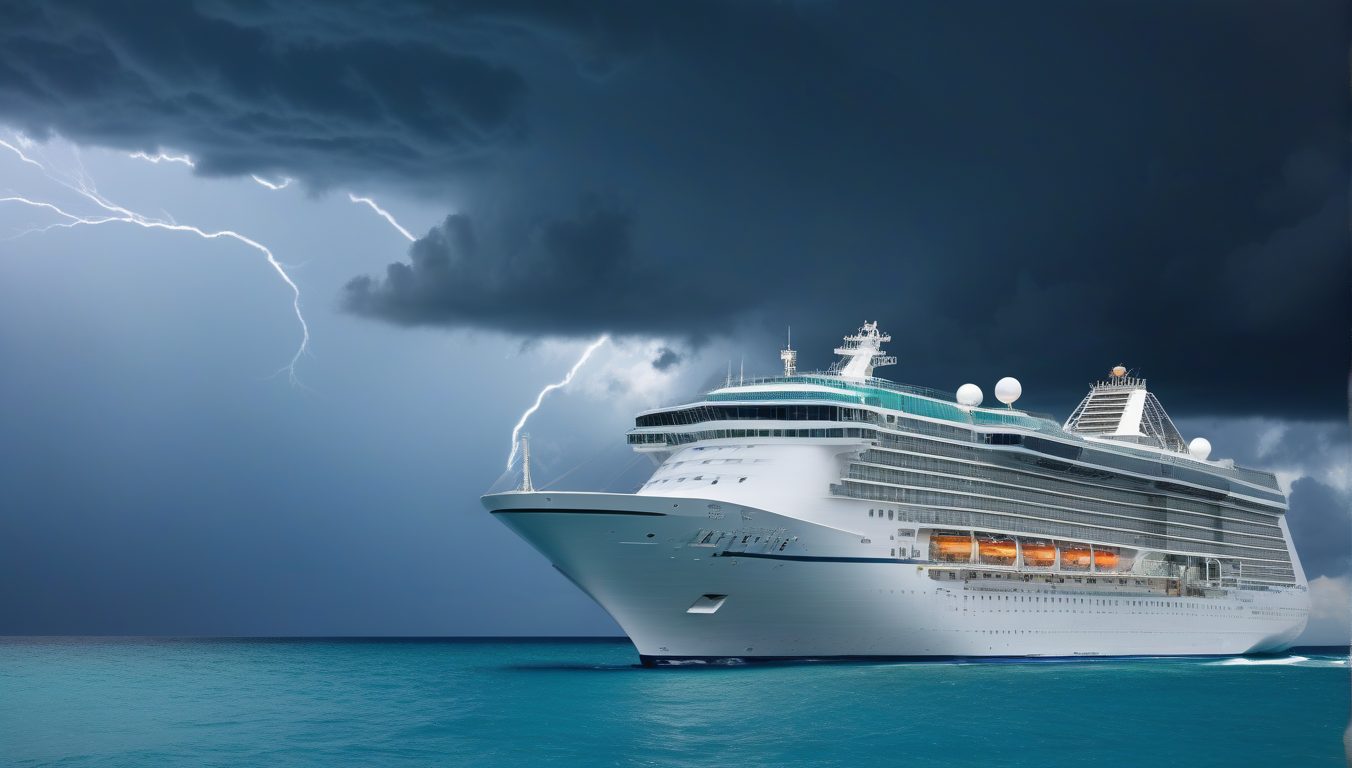
One Delay Can Cost Your Entire Cruise
A quick coverage check now protects you from the problems no one sees coming.
Short Excerpt
- Cruise lines use real-time weather tracking, predictive modeling, reinforced ship design, and experienced crews to keep vessels away from dangerous hurricane conditions.
- When forecasts change, captains can alter routes, adjust speed, skip ports, or substitute destinations before a storm threatens the ship.
- Travel insurance and flexible booking policies add financial protection when safe operational changes still disrupt the vacation.
Quick Take
- Satellite data, radar feeds, ocean sensors, and meteorological forecasts allow cruise lines to track tropical systems continuously.
- Captains combine real-time technology with severe-weather training to make proactive routing decisions rather than waiting for conditions to deteriorate.
- Reinforced hulls, stabilizers, emergency equipment, and practiced safety procedures provide additional protection onboard.
- Cruise lines use apps, announcements, and direct captain updates to communicate weather and itinerary changes.
- Compare storm-related insurance coverage and flexible booking terms before sailing, because operational safety measures cannot protect every prepaid travel expense.
How Cutting-Edge Cruise Technology Reduces Hurricane Risk Before It Reaches Your Ship
Cruising during hurricane season doesn’t have to mean uncertainty.
Modern ships use advanced hurricane tracking, real-time monitoring, and expert crews to keep you safe.
From flexible itineraries to cutting-edge technology, every measure is designed to protect your journey.
Add trusted travel insurance for extra peace of mind, and enjoy your cruise with confidence.
You don’t have to cancel your plans out of fear; instead, you can rely on the expertise and technology guiding your voyage.
With careful planning, real-time monitoring, and flexible itineraries, cruise lines actively avoid dangerous conditions before they can affect your trip.
Travelers also have access to trusted insurance providers such as VisitorsCoverage, Insubuy, Ekta, Compensair, and World Nomads to add an extra layer of reassurance.
Understanding how these safety measures and protections work can give you peace of mind while planning or embarking on your cruise.
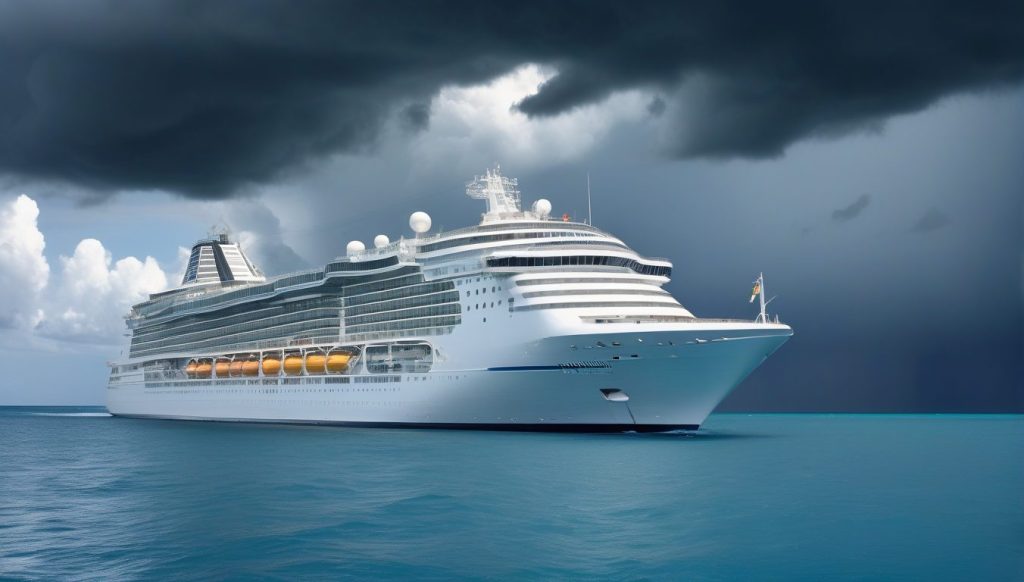
Track Hurricanes Early to Guarantee Cruise Safety
Cruise lines invest heavily in technology to predict and avoid hurricanes.
Ships are equipped with sophisticated meteorological systems that track weather patterns across the globe.
This includes satellite data, radar feeds, and direct updates from meteorological agencies such as the National Hurricane Center.
Unlock Your Dream Cruise with Exclusive Online Deals!
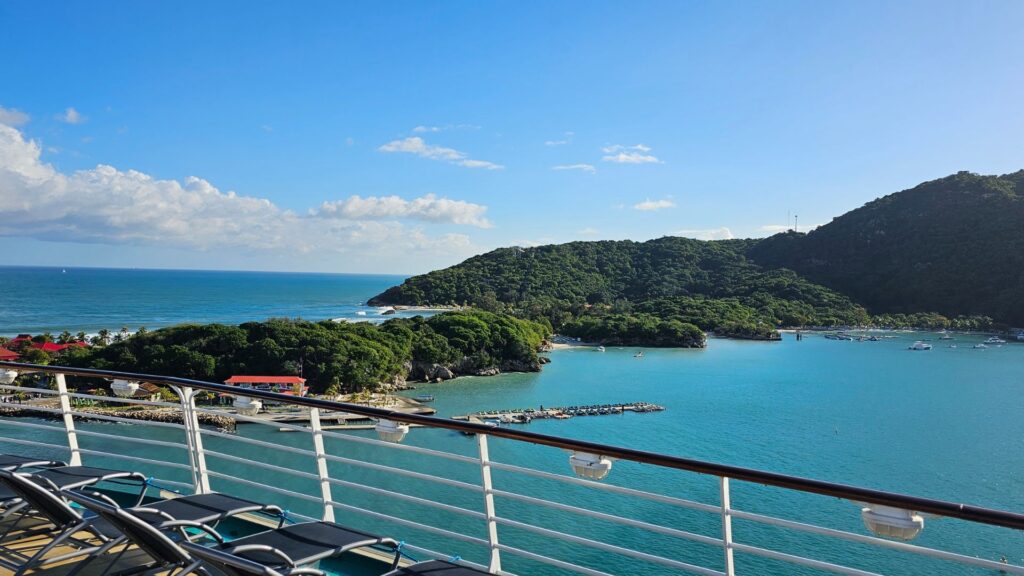
Every storm is monitored continuously, allowing the crew to anticipate changes and adjust routes proactively.
Historically, these systems have prevented disruptions that could have caused concern for passengers.
For example, during Hurricane Dorian in 2019, multiple cruise ships altered their itineraries before the storm approached the Bahamas, ensuring travelers avoided the worst conditions.
Travel insurance from providers like VisitorsCoverage and Insubuy can further protect your plans.
These companies offer coverage for trip interruptions, cancellations, and rerouting due to severe weather, giving you financial reassurance on top of cruise safety measures.
The goal is not just safety—it’s maintaining a smooth, enjoyable experience without unnecessary stress.
Monitor Storms in Real Time for Maximum Safety
Ships rely on live feeds that update every few minutes.
This allows captains to detect shifts in storm paths quickly.
You can rest assured knowing your cruise is constantly observing potential hazards.
Combine Multiple Data Sources for Hurricane Accuracy
Cruise lines combine satellite imagery, ocean sensors, and meteorologist reports.
This layered approach reduces risk by ensuring no single data point dictates a decision.
It’s a network of vigilance working for your safety.
Act Fast to Avoid Dangerous Storm Paths
When tracking systems detect potential hazards, itineraries are adjusted immediately.
This prevents you from encountering dangerous conditions and keeps your vacation on track.
Traveler Takeaways:
- Cruise ships use multiple layers of weather monitoring for maximum safety.
- Real-time tracking ensures storms are detected early and avoided.
- Insurance options like Ekta and World Nomads add a financial safety net.
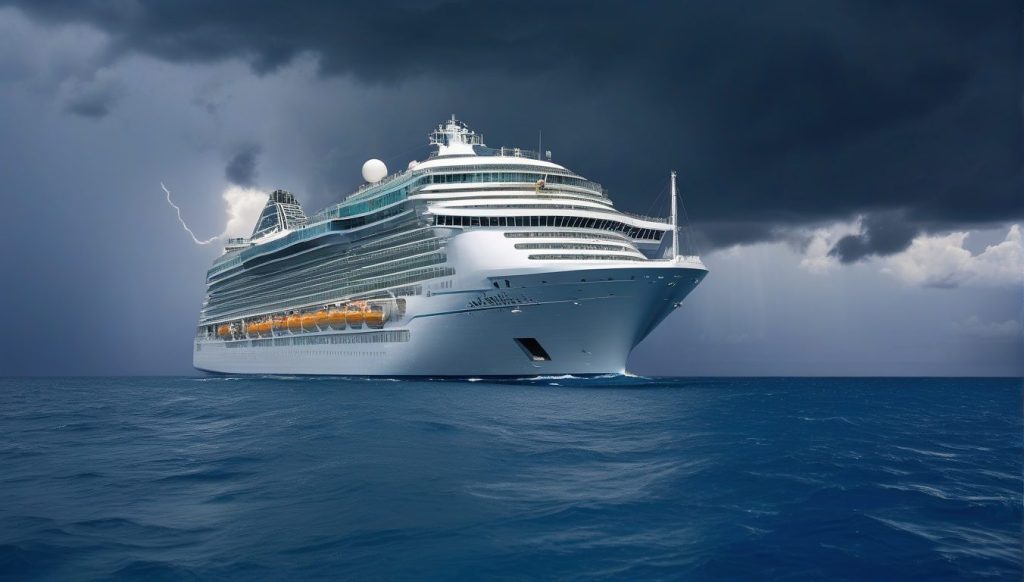
Expert Crews Navigate Storms to Keep Your Cruise Secure
Experienced captains play a crucial role in hurricane season safety.
Decisions are not made lightly; they rely on years of training, simulations, and real-world experience.
Each crew member has clear protocols, and collaboration ensures that passengers are protected at all times.

Grab Your Ticket to Paradise with These Deals!
Routes can be altered, speeds adjusted, and ports skipped based on the most current information.
Insurance plans from companies like Compensair complement these operational safeguards.
If a voyage must be rerouted or ports missed due to severe weather, these insurers can reimburse pre-paid excursions or unexpected travel costs, giving travelers peace of mind.
This combination of expertise, technology, and coverage allows ships to navigate storms while minimizing discomfort.
Trust Experienced Captains to Steer You Safely
Captains train specifically for severe weather scenarios.
Their expertise allows for quick, calm decisions that keep passengers safe.
Crew Collaboration Ensures Hurricane-Proof Decisions
Crew members meet regularly to evaluate storm trajectories.
This teamwork ensures every aspect of the ship’s operations is aligned with safety priorities.
Adapt Itineraries Quickly to Keep Your Cruise Stress-Free
Routes are adjusted based on storm paths.
You may dock at alternate ports, but your cruise remains safe and enjoyable.
Traveler Takeaways:
- Crew decisions are informed by real-time data and experience.
- Route adjustments are proactive, not reactive.
- Trusted insurance partners like Insubuy and World Nomads enhance confidence in itinerary changes.
Reinforced Cruise Ships Built to Weather Any Storm
Modern cruise ships are engineered to withstand severe weather conditions.
Hull design, stabilizers, and reinforced superstructures all contribute to safe navigation.
Ships are tested in simulated storms before entering service, and many can endure rough seas without compromising passenger safety.
Additionally, lifeboats and emergency equipment are regularly inspected, ensuring full readiness.
Cruise lines invest millions in safety features to protect passengers from even the most extreme conditions.
Cruise Hulls Engineered for Extreme Storm Resistance
Ships’ hulls are built to withstand high winds and large waves.
This design reduces the risk of structural damage during storms.
Advanced Stabilizers Deliver Comfort in Rough Seas
Advanced stabilizers minimize roll and pitch.
Passengers feel less motion and discomfort even in turbulent waters.
Emergency Plans Ready for Every Scenario
Safety drills, life jackets, and evacuation plans are always ready.
This ensures that, in the rare event of emergency, all passengers can be guided efficiently.
Traveler Takeaways:
- Cruise ships are engineered for extreme weather resistance.
- Stabilization technology enhances comfort during rough seas.
- Insurers like VisitorsCoverage and Ekta provide additional reassurance for emergency scenarios.
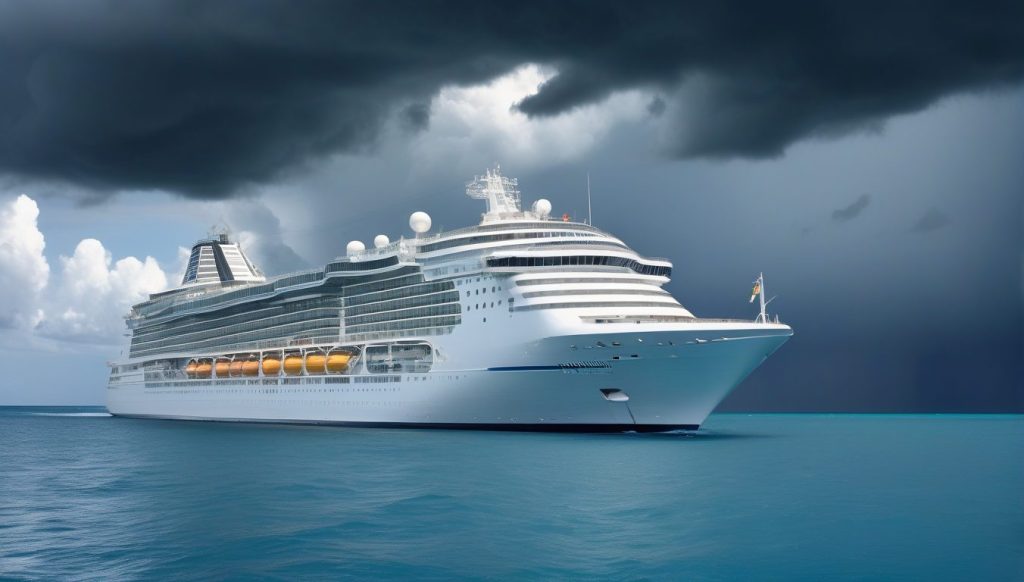
Stay Calm With Cruise Lines’ Real-Time Hurricane Alerts
Keeping passengers informed is a top priority.
Cruise lines provide frequent updates on itinerary changes, weather conditions, and onboard safety measures.
Notifications can come via announcements, emails, or mobile apps, ensuring travelers are never left in the dark.
Click for Exclusive Offers on Top Cruise Lines!
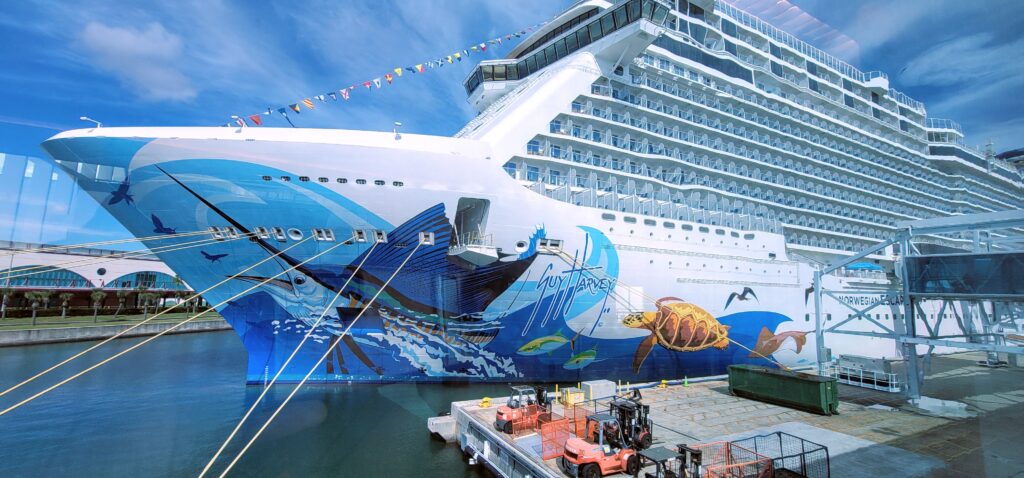
Transparency reduces anxiety and builds trust, reinforcing the feeling of safety onboard.
Historical examples show that clear communication prevents panic during unexpected storm rerouting.
Receive Frequent Hurricane Updates for Peace of Mind
Passengers receive real-time alerts about weather and route adjustments.
This clarity helps you plan daily activities without worry.
Hear Direct Announcements From Your Captain
Captains and officers provide calm, authoritative updates.
Hearing directly from leadership reassures passengers during uncertain conditions.
Learn Safety Steps to Stay Confident During Storms
Safety demonstrations and materials explain storm procedures.
Being informed empowers you to feel secure and prepared.
Traveler Takeaways:
- Frequent communication keeps passengers informed and calm.
- Direct updates from the captain enhance confidence.
- Companies like Compensair and World Nomads reinforce reassurance with accessible support and coverage.
Secure Your Cruise Investment With Hurricane Coverage
Cruise lines offer financial protections and flexible policies during hurricane season.
These include refundable deposits, itinerary insurance, and guaranteed rebooking options.
Knowing these safeguards exist allows passengers to book with confidence.
Historical events show that cruise lines honor these protections, ensuring that no traveler loses out due to unforeseen storms.
Get Refundable Deposits for Storm-Related Changes
Many cruises allow full or partial refunds for storm-related disruptions.
This reduces financial stress if plans change unexpectedly.
Choose Insurance That Covers Hurricane Disruptions
Travelers can purchase insurance to cover rerouting, missed ports, or cancellations.
Providers like VisitorsCoverage, Insubuy, Ekta, Compensair, and World Nomads specialize in cruise-specific coverage for hurricane season, protecting both finances and peace of mind.

Experience Luxury Cruises at Unbeatable Prices Today!
Enjoy Flexible Rebooking After Weather Interruptions
If a cruise is altered due to a storm, passengers can reschedule easily.
Flexibility ensures you don’t lose your planned experience.
Traveler Takeaways:
- Financial protections safeguard your investment.
- Flexible policies allow stress-free planning.
- Trusted insurance companies ensure coverage for unforeseen storm rerouting.
Experience a Safe, Stress-Free Cruise During Hurricane Season
Cruising during hurricane season is safer than many realize.
With advanced technology, expert crews, and robust ship engineering, your vacation can proceed smoothly even in unpredictable weather.
Historical examples, such as Dorian in 2019 or Irma in 2017, illustrate how cruise lines successfully navigated storms without passenger harm.
By understanding these measures and considering coverage from reputable providers like VisitorsCoverage, Insubuy, Ekta, Compensair, and World Nomads, you can embark with confidence and enjoy every moment at sea.
Traveler Takeaways:
- Cruise lines prioritize your safety above all else.
- Real-world examples prove the effectiveness of hurricane protocols.
- You can enjoy your cruise worry-free, knowing both operational and insurance measures protect your journey.
FAQ – How Cruise Lines Protect You During Hurricane Season
How Do Cruise Lines Detect Hurricanes Before They Threaten A Ship?
Cruise lines combine satellite data, radar feeds, ocean sensors, and direct meteorological updates to identify developing tropical systems early.
Live information can refresh frequently, allowing bridge teams to see when a forecast track, wind field, or surrounding sea conditions begin changing.
Using several independent sources also reduces the risk of making a routing decision from one forecast alone.
The practical advantage is time, because earlier detection gives the captain more opportunities to alter the voyage before passengers encounter hazardous conditions.Why Do Cruise Lines Use Multiple Weather Sources To Track Hurricanes?
No single weather model can perfectly predict how a tropical system will develop, so cruise lines compare several sources before making major operational decisions.
Satellite imagery can show storm structure, ocean sensors reveal changing conditions, and meteorological agencies provide updated forecasts and projected tracks.
Captains and shoreside teams can then look for agreement or meaningful differences among those sources.
This layered approach makes it easier to respond when a hurricane accelerates, strengthens, weakens, or changes direction unexpectedly.What Happens When Hurricane Tracking Technology Shows A Dangerous Route Ahead?
The captain can change course, adjust speed, skip a scheduled port, or substitute another destination before the ship reaches the affected area.
These decisions are usually proactive, giving crews time to reorganize activities and allowing shoreside teams to coordinate alternate port arrangements.
Passengers may notice a significant itinerary change even though the ship never comes close to the worst weather.
That separation is intentional, because avoiding the dangerous area is more effective than relying on the ship’s engineering to endure it.How Much Does The Captain’s Experience Matter When Advanced Technology Is Available?
Technology provides information, but experienced captains and bridge officers still decide how that information should influence the voyage.
Severe-weather training, simulations, and previous operational experience help them interpret forecasts while considering sea conditions, passenger comfort, timing, and available routes.
Crews also work together rather than leaving hurricane decisions to one individual.
Advanced systems therefore strengthen professional judgment instead of replacing it.How Do Stabilizers Help When A Cruise Ship Encounters Rough Seas?
Stabilizers reduce side-to-side rolling, which can make unsettled seas noticeably more comfortable for passengers.
They work alongside hull design, propulsion, navigation decisions, and other ship systems rather than acting as a complete solution on their own.
Rough water can still produce movement, especially when waves approach from directions that create pitching or other motion.
Captains may also change speed or heading to improve the ride while maintaining a safer route around the weather system.Are Modern Cruise Ships Built To Handle Severe Hurricane-Season Weather?
Modern cruise ships incorporate reinforced hulls, strong superstructures, stabilizers, redundant operating systems, and extensive emergency equipment designed for challenging marine conditions.
Lifeboats, life jackets, evacuation procedures, and other safety systems are inspected and maintained so they are available if an emergency develops.
Ship design adds an important layer of protection, but cruise lines still prioritize avoiding hurricanes rather than deliberately testing those capabilities against the strongest conditions.
Structural strength and storm avoidance work together, with avoidance remaining the preferred strategy.How Will You Know If A Hurricane Changes Your Cruise Itinerary?
Cruise lines can distribute updates through onboard announcements, mobile apps, emails, printed notices, and direct communication from the captain or officers.
Those messages may explain changes to ports, sailing routes, departure times, excursions, or onboard activities.
Captain updates are especially valuable because they connect general weather information with what is actually happening on your specific sailing.
Checking official communications periodically is more useful than reacting to every change in a public storm forecast.What Happened When Hurricane Dorian Threatened Cruises Near The Bahamas?
Cruise ships adjusted itineraries ahead of Hurricane Dorian in 2019 as the storm threatened the Bahamas, demonstrating how early forecasting can translate into operational changes.
Rerouting allows ships to create distance from a developing hurricane instead of waiting for conditions around the scheduled destination to deteriorate.
Similar decisions can lead to skipped ports, alternate destinations, or additional sea days.
For travelers, the important lesson is that losing part of an itinerary can be evidence that the hurricane-avoidance system is working as intended.What Travel Protection Should You Compare For A Hurricane-Season Cruise?
Look beyond the cruise fare and compare protection for qualifying cancellations, trip interruptions, delays, rerouting, prepaid excursions, and other storm-related expenses.
VisitorsCoverage, Insubuy, EKTA, Compensair, and World Nomads are among the options travelers may encounter when researching hurricane-season protection, but benefits and eligibility differ significantly.
Pay close attention to named-storm rules, exclusions, purchase deadlines, reimbursement limits, and exactly which expenses qualify.
Insurance is most useful when you understand what it covers before a storm becomes a known event.Can Flexible Booking Policies Reduce The Financial Risk Of A Hurricane Disruption?
Flexible deposits, rebooking options, and refundable arrangements can make a major itinerary change easier to manage financially.
Cruise-line protections may address the sailing itself, while independent flights, hotels, excursions, and other reservations can follow completely different cancellation rules.
Combining flexible bookings with appropriate travel insurance gives travelers more ways to recover when severe weather affects several parts of the vacation at once.
Before paying, compare the cruise line’s cancellation and rebooking terms with the protections attached to every major prepaid expense.
Plan Your Next Cruise!

Experience the Ultimate Vacation with Carnival Cruise Line’s Fun Ships, World‑Class Entertainment, and Relaxation
One Delay Can Cost Your Entire Cruise A quick coverage check now protects you from the problems no one sees coming….
Sail Smart: Discover The Real Cost of Luxury Cruises and Maximize Your Travel Value
One Delay Can Cost Your Entire Cruise A quick coverage check now protects you from the problems no one sees coming….

Sail Into Timeless Luxury: Cunard Cruises for Transatlantic Elegance and Destination‑Rich Voyages
One Delay Can Cost Your Entire Cruise A quick coverage check now protects you from the problems no one sees coming….

Sail Into Modern Luxury: Celebrity Cruises for Design, Culinary Excellence, and Destination‑Rich Voyages
One Delay Can Cost Your Entire Cruise A quick coverage check now protects you from the problems no one sees coming….
Explore More
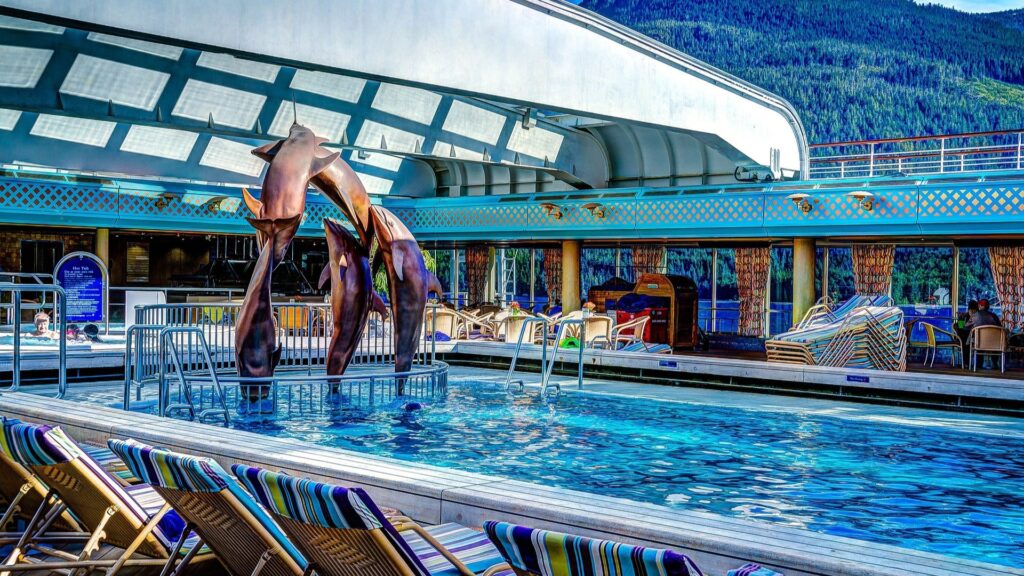
Feel the Difference: Choose Between Saltwater and Freshwater Cruise Ship Pools for Your Perfect Swim

Stay Safe and Confident: Everything You Need to Know About Cruise Ship Tenders

Unlock Intimate Escapes at Sea with Romantic Cruises That Deepen Your Connection