One Delay Can Cost Your Entire Cruise
A quick coverage check now protects you from the problems no one sees coming.
Wildlife cruises turn the ocean into your front‑row seat for penguins, whales, bears, and rainforest life.
You’ll sail to the Galápagos, Antarctica, Alaska, the Amazon, and the Arctic for intimate encounters and expert‑led excursions.
These itineraries combine conservation talks, small‑group landings, and luxury comforts for meaningful, once‑in‑a‑lifetime sightings.
Choose your region based on the animals you want to see, the season, and how immersive you want your adventure to be.
In this guide, we’ll explore the top nature-focused cruises that deliver close encounters with animals, breathtaking landscapes, and enriching educational experiences.
Explore the World’s Most Unparalleled Wildlife Cruise Destinations
When it comes to wildlife cruise destinations, some regions are unmatched for their biodiversity and unique animal life.
Here are some of the best:
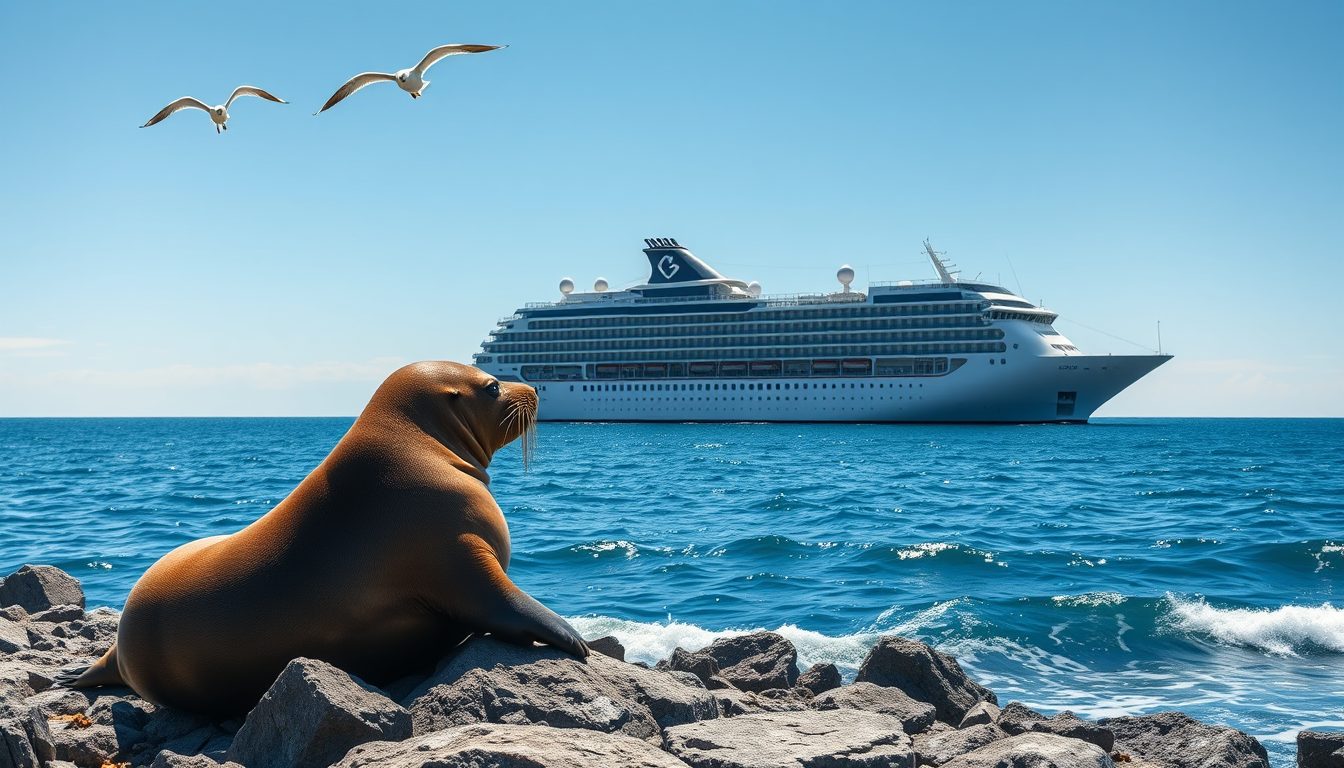
1. Galápagos Islands Cruises for Giant Tortoises, Sea Lions, and Marine Iguanas
The Galápagos Islands are a dream destination for nature-focused cruises.
This UNESCO World Heritage Site is teeming with wildlife found nowhere else on Earth.
Think giant tortoises, blue-footed boobies, and marine iguanas.
The islands are also where Charles Darwin developed his theory of evolution, making them a must-visit for anyone interested in natural history.
Best Galápagos Cruise Lines: Celebrity Flora and Lindblad–National Geographic Expeditions:
- Celebrity Cruises: Their luxury expedition ships, such as the Celebrity Flora, are designed specifically for the Galápagos.
These ships feature eco-friendly designs and onboard naturalists who provide fascinating insights into the islands’ ecosystems.
The all-suite accommodations and personalized service ensure a seamless blend of comfort and adventure.
- Lindblad Expeditions-National Geographic: These cruises are perfect for photography and science enthusiasts.
The partnership with National Geographic means travelers can attend workshops led by renowned photographers and scientists.
The small group sizes allow for more intimate wildlife encounters.
- Why It’s Great for Wildlife Enthusiasts: The Galápagos offers up-close encounters with animals that are remarkably unafraid of humans.
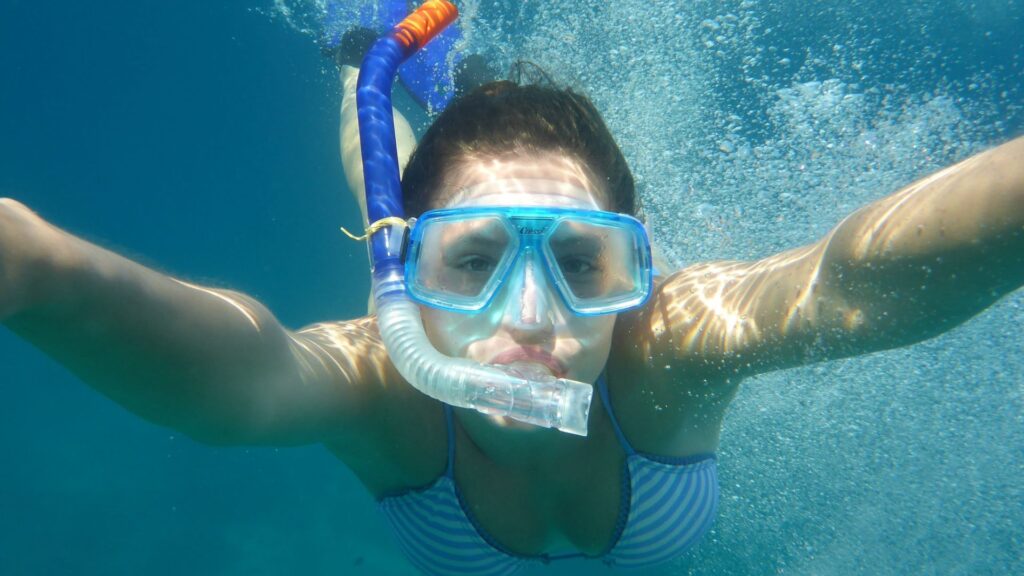
Snorkeling here lets you swim alongside playful sea lions and schools of colorful fish.
Hikes reveal unique landscapes, such as lava fields and pristine beaches, while knowledgeable guides enrich the experience with their expertise.
Unlock Your Dream Cruise with Exclusive Online Deals!
2. Antarctica Cruises for Penguins, Whales, and Towering Icebergs
Antarctica is the ultimate destination for those looking to witness untamed wilderness.
Home to seals, penguins, and migrating whales, it’s a haven for animal watching at sea.
The towering icebergs and endless white landscapes create an otherworldly atmosphere that’s both serene and awe-inspiring.
Best Cruise Lines: Hurtigruten Expeditions / Quark Expeditions:
- Hurtigruten Expeditions: Known for their eco-friendly approach, Hurtigruten’s hybrid-powered ships reduce environmental impact while navigating the pristine Antarctic waters.
Their itineraries often include lectures by scientists and opportunities for hands-on research projects.
- Quark Expeditions: Quark specializes in polar adventures, offering unique activities like kayaking among icebergs and camping on the Antarctic ice.
Their small ships allow access to remote areas, providing a more immersive experience.
- Why It’s Great for Wildlife Enthusiasts: Antarctica is one of the few places where you can witness massive colonies of emperor penguins, humpback whales feeding near the ship, and leopard seals resting on ice floes.
The stark, icy landscapes also make for incredible photography opportunities, especially during the golden light of the Antarctic summer.
3. Alaska Cruises for Whales, Bears, Eagles, and Glacier Landscapes
Alaska is a perennial favorite for nature-focused cruises. The state is rich in wildlife, from grizzly bears fishing in rivers to bald eagles soaring overhead.
The diverse landscapes include towering glaciers, dense forests, and rugged coastlines, offering endless opportunities for exploration.
Best Alaska Cruise Lines: Princess for Comfort, UnCruise for Exploration:
- Princess Cruises: Known for their extensive Alaska itineraries, Princess Cruises provides a mix of luxury and accessibility.
Their ships offer spacious observation decks, perfect for whale watching, and shore excursions include glacier treks and wildlife safaris.
- UnCruise Adventures: This boutique cruise line specializes in small-group explorations.
Their small ships can navigate narrow waterways, allowing passengers to get closer to glaciers and wildlife.
Activities like kayaking, hiking, and skiff rides offer a more hands-on experience.
- Why It’s Great for Wildlife Enthusiasts: Alaska is one of the best places in the world for spotting whales, moose, and even wolves.
Onboard naturalists provide commentary, making it an educational experience as well.
The state’s vast, untouched wilderness is a haven for photographers and adventure seekers alike.

Grab Your Ticket to Paradise with These Deals!
4. Amazon River Cruises for Pink Dolphins, Sloths, and Rainforest Biodiversity
The Amazon River is a living, breathing ecosystem that’s home to some of the world’s most unique wildlife.
From pink river dolphins to howler monkeys, there’s always something to see.
The river snakes through one of the most biodiverse regions on Earth, making it a paradise for wildlife enthusiasts.
Best Amazon River Cruise Lines: Aqua Luxury and G Adventures Sustainability:
- Aqua Expeditions: Aqua Expeditions offers luxury small-ship cruises that blend comfort with adventure.
Their expert guides take guests on daily excursions into the rainforest, where they can spot exotic birds, sloths, and caimans.
The ships feature spacious suites and gourmet dining inspired by Amazonian flavors.
- G Adventures: Focused on sustainability, G Adventures’ Amazon River cruises include guided tours by local naturalists.
These cruises emphasize cultural interactions, allowing travelers to visit indigenous communities and learn about their way of life.
- Why It’s Great for Wildlife Enthusiasts: The Amazon offers unparalleled biodiversity.
Nighttime excursions provide the chance to spot nocturnal creatures, while daytime hikes reveal hidden gems like poison dart frogs and giant lilies.
The immersive nature of these cruises ensures you’ll leave with a deep appreciation for the rainforest.
5. Arctic Cruises for Polar Bears, Walruses, Reindeer, and Midnight Sun
The Arctic offers a starkly different but equally stunning landscape compared to Antarctica.
Think polar bears, Arctic foxes, and vast herds of reindeer.
The region’s rugged beauty and unique wildlife make it a bucket-list destination for many adventurers.
Best Arctic Cruise Lines: Ponant Expeditions and Silversea Ultra‑Luxury Voyages:
- Ponant: Known for its luxury and sustainability, Ponant offers Arctic cruises with expert-led excursions.
Their small ships are equipped with Zodiacs for close-up wildlife encounters, and the onboard service includes gourmet dining and luxurious accommodations.
- Silversea Expeditions: This ultra-luxury line provides Arctic cruises with amenities like butler service and fine dining.
Their itineraries often include cultural visits to remote communities, adding an extra layer of depth to the experience.
- Why It’s Great for Wildlife Enthusiasts: The Arctic is one of the few places where you can see polar bears in their natural habitat.
Walruses basking on ice and Arctic foxes darting across tundra landscapes are common sights.
The midnight sun also provides endless daylight for photography, ensuring you won’t miss a moment.
Click for Exclusive Offers on Top Cruise Lines!
Educational Programs and Conservation Efforts That Enrich Wildlife Cruises
The top cruise lines for wildlife enthusiasts don’t just take you to stunning destinations—they also educate and inspire.
Many offer programs led by naturalists, scientists, and photographers.
These experts provide insights into animal behavior, ecosystems, and conservation challenges.
Examples of Educational Programs:
- National Geographic Partnership: Several cruise lines, like Lindblad Expeditions, collaborate with National Geographic to offer photography workshops and wildlife talks.
Passengers can learn from experienced professionals who share insights into both local ecosystems and the art of capturing wildlife on film.
- Onboard Naturalist Lectures: Hurtigruten, Aqua Expeditions, and Ponant feature onboard naturalists who deliver engaging presentations about local wildlife and environmental issues.
These talks prepare passengers for what to expect during excursions, enriching their understanding of the region.
- Hands-On Experiences: Many cruises include activities like guided hikes, snorkeling with marine life, and Zodiac tours.
These immersive excursions are often led by scientists or conservationists who provide live commentary.
- Citizen Science Initiatives: Cruise lines like Hurtigruten invite passengers to participate in ongoing research projects, such as tracking bird migrations, identifying whale species, or monitoring ocean temperatures.
These efforts contribute valuable data to global conservation programs.
Conservation Efforts:
- Eco-Friendly Ships: Hurtigruten has pioneered the use of hybrid-powered ships, reducing greenhouse gas emissions during polar voyages.
Other lines, like Celebrity Cruises, use advanced waste management systems to minimize environmental impact.
Aqua Expeditions uses fuel-efficient engines and locally sourced materials in their construction, further reducing their ecological footprint.
- Sustainable Practices: Many cruise lines have implemented measures to limit single-use plastics, opting for biodegradable alternatives.
For example, Silversea Expeditions provides guests with reusable water bottles and eliminates plastic straws onboard.
- Community Involvement: Partnerships with local communities are a cornerstone of sustainable tourism.
Aqua Expeditions works with Amazonian villages to ensure tourism supports local economies, while Hurtigruten employs guides from native Arctic communities to share firsthand cultural perspectives.
- Marine Life Protection: Lindblad Expeditions actively funds research initiatives aimed at preserving marine ecosystems.
Projects include coral restoration, marine mammal studies, and the development of protected marine areas.
- Educational Outreach: Many cruise lines extend their conservation efforts beyond their voyages.
For instance, Ponant supports programs that educate children in remote Arctic regions about climate change and environmental stewardship.
- Wildlife-Safe Practices: Wildlife encounters are carefully managed to minimize human impact.
Guides ensure that animals are observed from a safe distance, and strict protocols prevent disturbance to sensitive habitats.
By integrating education and conservation into their itineraries, these cruises allow travelers to contribute meaningfully to the preservation of the world’s most extraordinary ecosystems while gaining a deeper appreciation for the natural world.

Experience Luxury Cruises at Unbeatable Prices Today!
Comfortable Accommodations and Amenities That Enhance Wildlife Voyages
Wildlife cruises don’t mean sacrificing comfort.
Many cruise lines combine rugged exploration with luxury amenities to ensure you’re as comfortable as possible while exploring the great outdoors.
- Luxury Suites: Lines like Silversea Expeditions and Ponant offer suites with private balconies, perfect for spotting wildlife from the comfort of your room.
These suites often include spacious living areas, high-end furnishings, and even personalized butler service to elevate your experience.
- Onboard Spas: After a day of excursions, relax in a spa offering treatments inspired by the destinations you’ve visited.
For example, Alaskan cruises may feature treatments using glacial mud, while Amazonian journeys might include massages with rainforest botanicals.
- Fine Dining: Many cruises include gourmet meals prepared by world-class chefs, often incorporating fresh, locally sourced ingredients.
Alaskan salmon, Patagonian lamb, or Amazonian tropical fruits are just a few examples of regionally inspired cuisine you might enjoy.
- Expansive Observation Decks: Ships like those from Hurtigruten or Celebrity Cruises offer outdoor observation areas equipped with comfortable seating and binoculars, allowing guests to spot wildlife in their natural habitats without leaving the ship.
- Enrichment Activities: Many cruises provide onboard lectures, workshops, and guided discussions to deepen your understanding of the region.
These activities, led by experts in ecology, photography, and marine biology, complement the shore excursions and provide additional layers of engagement.
- Customized Amenities: Some luxury ships, like those from Aqua Expeditions, include special touches such as river-facing floor-to-ceiling windows or plunge pools on private balconies.
These features provide a luxurious retreat after a day of adventure.
By combining top-tier amenities with unparalleled access to nature, wildlife cruises cater to travelers seeking both adventure and relaxation.
Photography Opportunities for Capturing Wildlife and Landscapes at Sea
Wildlife cruises are a photographer’s paradise.
From the dramatic glaciers of Antarctica to the lush rainforests of the Amazon, the opportunities for stunning shots are endless.
Why Wildlife Cruises Are Perfect for Photography:
- Diverse Subjects: Wildlife cruises take you to habitats teeming with life, from majestic whales and playful seals to vibrant birds and elusive predators like polar bears.
These moments offer photographers the chance to capture animals in their natural environments.
- Dynamic Landscapes: Beyond animals, the dramatic landscapes of destinations like the Arctic or Amazon provide breathtaking backdrops.
Icebergs glowing under the midnight sun, lush rainforest canopies, and rugged coastlines make for visually striking compositions.
- Golden Hours: Many cruises plan excursions to coincide with the soft light of sunrise and sunset, enhancing the beauty of your shots.
Tips for Great Wildlife Photography:
- Bring the Right Gear: A zoom lens with a focal length of at least 300mm is ideal for capturing distant wildlife.
A sturdy tripod or monopod can also help stabilize your shots, especially on a moving ship.
Additionally, bring a wide-angle lens to capture sweeping landscapes.
- Invest in Weather Protection: Wildlife cruises often take you into unpredictable environments.
Waterproof camera bags and lens covers are essential for protecting your equipment in rainy or humid conditions.
- Master Burst Mode: Wildlife can be unpredictable. Using burst mode allows you to take multiple shots in quick succession, increasing your chances of capturing the perfect moment.
- Practice Patience: Some of the best wildlife shots come from waiting for the right moment.
Observe animal behavior and be prepared to wait for a stunning interaction or pose.
- Use a Polarizing Filter: This accessory can reduce glare from water and ice, enhancing contrast and color saturation in your photos.
Onboard Workshops and Support:
- Many cruises offer photography workshops led by professionals who share techniques for wildlife and landscape photography.
These sessions often include personalized feedback to help you refine your skills.
- Onboard guides and naturalists can alert you to upcoming wildlife sightings, giving you time to prepare your equipment and position yourself for the best shot.
Editing Your Photos:
- Post-processing can enhance the quality of your shots.
Adjusting contrast, saturation, and cropping can bring out the best in your images.
Consider using software like Adobe Lightroom or Photoshop for professional-level editing.
- Focus on subtle enhancements that preserve the natural beauty of the scene.
Overediting can diminish the authenticity of wildlife photography.
Respect for Nature:
Always prioritize the well-being of wildlife over getting the perfect shot.
Avoid using flash and maintain a respectful distance from animals to minimize stress.
- Follow the guidelines provided by onboard naturalists to ensure your photography does not disrupt the ecosystem or animal behavior.
- Whether you’re an amateur photographer or a seasoned professional, wildlife cruises offer endless opportunities to capture the beauty of nature and create lasting memories.
Choosing the Right Wildlife Cruise Based on Destination, Budget, and Season
With so many options available, how do you choose the right cruise?
Here are a few factors to consider:
- Destination: Start by identifying the destination that excites you the most.
If you’re drawn to tropical biodiversity, the Galápagos or the Amazon might be ideal.
If icy landscapes and unique marine life fascinate you, Antarctica or the Arctic could be the perfect fit.
- Budget: Wildlife cruises can vary significantly in price.
Expedition-style cruises with smaller ships and personalized experiences often cost more but provide intimate wildlife encounters.
Set a budget and find the best value within that range.
- Travel Style: Consider how much comfort you want.
Luxury lines like Silversea Expeditions and Ponant offer all-inclusive amenities, gourmet dining, and spacious suites, while adventure-focused lines like G Adventures prioritize active exploration and sustainability.
- Group Size: Smaller ships, like those from Aqua Expeditions or UnCruise Adventures, allow for more personal interactions with guides and easier access to remote areas.
If you prefer a more social atmosphere, larger ships might suit you better.
- Season: Timing is crucial for wildlife sightings.
Research the best times to visit each destination.
For example, visit Antarctica during the austral summer (November to February) for the best chance to see penguin chicks and feeding whales.
- Special Interests: If birdwatching is your passion, look for cruises that cater specifically to birders, like those in the Galápagos.
If photography is your focus, opt for lines offering workshops and expert photographers on board.
- Accessibility: Some destinations, like the Arctic or Amazon, may require additional flights or transfers.
Make sure you’re comfortable with the logistics involved in reaching your chosen cruise.
- Sustainability: For eco-conscious travelers, choose cruise lines that prioritize conservation.
Hurtigruten and Lindblad Expeditions are excellent examples of operators that emphasize responsible tourism.
- Length of Trip: Decide how much time you can dedicate to your wildlife adventure.
Some cruises last only a few days, while others span several weeks, allowing for deeper immersion.
By evaluating these factors and aligning them with your preferences, you can ensure your wildlife cruise is everything you dream of and more.
What Wildlife Cruises Mean for Travelers Seeking Awe and Conservation
Nature-focused cruises are a gateway to some of the world’s most incredible wildlife experiences.
Whether you’re exploring the Galápagos Islands, navigating the icy waters of the Arctic, or meandering along the Amazon River, these journeys offer unforgettable moments that deepen your appreciation for the natural world.
When planning your adventure, remember that the right wildlife cruise isn’t just about the destination—it’s about how the journey aligns with your passions, preferences, and values.
From luxury accommodations to eco-friendly practices and enriching educational programs, the best wildlife cruises combine comfort with a commitment to preserving the environments they explore.
So, whether you’re a seasoned traveler or embarking on your first expedition, the options are as diverse as the destinations themselves.
Choose a cruise that inspires you, prepare for breathtaking encounters, and embark on an adventure that will stay with you for a lifetime.
FAQ – Wildlife Cruises That Deliver Close Encounters and Conservation at Sea
What makes a wildlife cruise different from a regular cruise?
Wildlife cruises prioritize animal encounters, expert naturalists, and small‑group expeditions.
They feature guided landings, photography workshops, and science talks that deepen every sighting.
Ships and itineraries are selected to maximize viewing windows and respectful distance.
This focus delivers meaningful experiences without sacrificing comfort at sea.Which destinations offer the most iconic wildlife encounters?
Galápagos delivers fearless wildlife like giant tortoises and marine iguanas.
Antarctica offers penguin colonies, feeding whales, and cinematic ice landscapes.
Alaska features whales, bears, bald eagles, and glacier coasts.
Amazon River voyages reveal pink river dolphins, sloths, and rainforest biodiversity
Arctic itineraries showcase polar bears, walruses, reindeer, and midnight sun.How do I choose the right wildlife cruise for my goals and budget?
Start with the animals you want to see and the season that best supports sightings.
Decide between small‑ship expeditions for intimacy or larger ships for added amenities.
Balance budget with access: smaller vessels often reach remote habitats more reliably.
Review expert programming, conservation credentials, and camera‑friendly schedules.What time of year is best for wildlife sightings in each region?
Galápagos wildlife is present year‑round; behaviors vary by season.
Antarctica’s austral summer (Nov–Feb) supports chicks, whales, and extended daylight.
Alaska peaks May–Sept for whales, salmon runs, and bear activity.
Amazon sightings vary by high/low water seasons; guides optimize routes accordingly.
Arctic summer (Jun–Aug) provides polar bear viewing and endless light.Are wildlife cruises family‑friendly?
Many lines welcome families with kid‑friendly talks and flexible excursions.
Check minimum ages for Zodiacs, snorkeling, or longer hikes.
Balance education time with downtime to keep energy and enthusiasm high.
Choose itineraries with shorter landings and varied activities for all ages.What photography gear should I bring for wildlife at sea?
Pack a zoom lens (≈300mm+) for distant wildlife and a wide lens for landscapes.
Use burst mode and fast shutter speeds to capture action cleanly.
Bring weather protection for cameras and batteries in wet or cold climates.
Attend onboard workshops and scout light conditions with naturalists.How do cruise lines support conservation during wildlife voyages?
Operators reduce impact with hybrid power, waste controls, and plastic‑free policies.
Partnerships with scientists and local communities strengthen research and stewardship.
Citizen science programs invite passengers to contribute data responsibly.
Guides enforce viewing protocols that protect habitats and animal behavior.What should I pack for expedition‑style wildlife cruising?
Choose layers: moisture‑wicking base, insulating mid, and waterproof shell.
Add gloves, hats, and sturdy footwear for landings and deck viewing.
Carry dry bags, spare batteries, and lens wipes for variable weather.
Include motion aids, sunscreen, and reusable bottles; follow line‑specific lists.How can I manage motion and cold on polar wildlife cruises?
Select mid‑ship cabins, use seasickness remedies, and follow ship advisories.
Dress in thermal layers and windproof shells; protect fingers for camera work.
Warm up in lounges between deck sessions to sustain focus and comfort.
Hydrate well and refuel; cold and motion demand steady energy.Do wildlife cruises operate during hurricane season, and what changes should I expect?
Yes, but itineraries may adjust to avoid storms and keep passengers safe.
Ships reroute to calmer waters or alternative ports when severe weather develops.
Scheduling shifts prioritize indoor lectures and photography sessions if seas rise.
Lines communicate updates clearly with contingency plans and safety briefings.When should I book to secure the best wildlife cruise cabins and guides?
Expedition ships fill early; book six to twelve months ahead for prime cabins.
Target shoulder seasons for value without losing sighting quality.
Request naturalist‑led activities and photography programs at booking.
Confirm gear rental, family policies, and accessibility in advance.Why do small‑ship expeditions often deliver better wildlife experiences?
Smaller vessels reach remote habitats and flexible landing sites more easily.
Groups are limited, giving more time with guides and cleaner sightlines.
Schedules adapt quickly to weather and wildlife behavior.
This agility increases high‑quality encounters and memorable images.
Plan Your Next Cruise!

Sail Into Sophistication: Holland America Cruises for Luxury, Culture, and Unforgettable Journeys
One Delay Can Cost Your Entire Cruise A quick coverage check now protects you from the problems no one sees coming….

From Icon to Oasis: Explore Royal Caribbean’s Groundbreaking Ships and Unforgettable Voyages
One Delay Can Cost Your Entire Cruise A quick coverage check now protects you from the problems no one sees coming….

Sail Into Italian Elegance: Costa Cruises for Culture, Cuisine, and Unforgettable Voyages
One Delay Can Cost Your Entire Cruise A quick coverage check now protects you from the problems no one sees coming….

Discover Silversea Cruises: Ultra‑Luxury Voyages to the World’s Most Exclusive Destinations
One Delay Can Cost Your Entire Cruise A quick coverage check now protects you from the problems no one sees coming….
Explore More
Escape To Paradise: Inside The Exclusive World of Cruise Line Private Islands
Get Approved to Cruise with Your Pet: Kennels, Paperwork, and Service Animal Policies Explained
Navigate Any Cruise Ship with Confidence: Find Dining, Entertainment, and Secret Shortcuts