One Delay Can Cost Your Entire Cruise
A quick coverage check now protects you from the problems no one sees coming.
Short Excerpt
- Hurricane season does not have to derail a cruise because cruise lines begin monitoring tropical systems well before they threaten a ship’s route.
- Captains can reroute, delay port calls, or add sea days while port authorities close destinations when wind, storm surge, or docking conditions become unsafe.
- Flexible plans and appropriate travel insurance help protect travelers from the financial disruption that shipboard safety measures cannot prevent.
Quick Take
- Cruise lines use 24/7 meteorology teams, satellite data, and predictive models to identify developing storms early.
- Ports such as Key West or Cozumel may close when local authorities determine that docking conditions are unsafe.
- Captains can change course, extend sea days, or substitute ports before hazardous weather reaches the planned route.
- Muster procedures, trained crews, stabilizers, redundant systems, and frequent passenger updates add protection onboard.
- Review hurricane policies, prepare for itinerary changes, and consider insurance that covers qualifying weather-related disruptions.
Why Hurricane Season Does Not Have to Derail Your Cruise
Hurricanes don’t have to derail your dream cruise.
Cruise lines use advanced forecasting, proactive rerouting, and strict safety protocols to protect every passenger.
Understanding these systems turns worry into confidence, letting you enjoy a stress-free vacation even during storm season.
Your peace of mind begins with hurricane-ready systems that anticipate risks and minimize disruptions before they happen.
Through advanced forecasting, proactive rerouting, port coordination, and onboard safety protocols, ships are prepared to protect every passenger.
From slight itinerary adjustments to temporary port closures, the industry’s structured approach ensures minimal disruption while maintaining safety as the top priority.
Knowledge of these systems empowers travelers.
When you grasp how hurricanes are monitored, how captains adjust routes, and how crews implement emergency measures, the risks become manageable.
Instead of imagining chaotic scenarios, you can trust a coordinated framework designed specifically for passenger reassurance and operational reliability.
Even during peak hurricane months, cruising remains a safe, enjoyable experience.
Your comfort and safety are continuously prioritized, allowing you to savor the adventure of tropical destinations with calm assurance.
See How Cruise Lines Track Hurricanes to Protect Your Journey
Cruise lines begin hurricane preparedness long before departure.
Dedicated meteorology teams monitor tropical activity around the clock, using satellite imagery, oceanographic data, and predictive modeling to anticipate storm formation and progression.
These teams integrate data from the U.S. National Hurricane Center, regional port authorities, and global weather services to develop forecasts that guide operational decisions.
Ships at sea remain in continuous communication with these experts, allowing captains to adjust courses proactively.
Unlock Your Dream Cruise with Exclusive Online Deals!
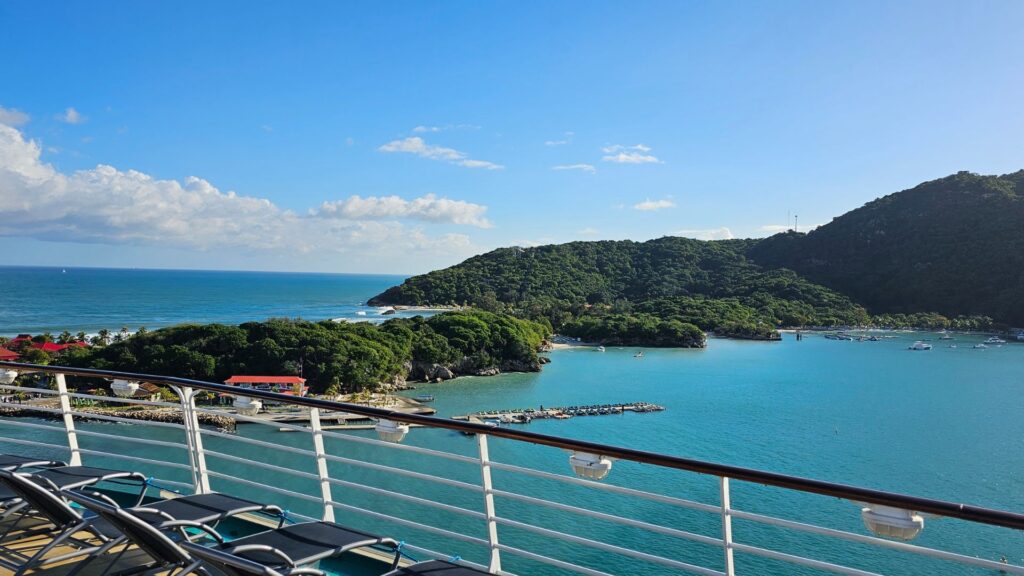
When a tropical storm threatens the Caribbean or Gulf, early alerts trigger predefined contingency plans.
Ships may reroute, delay port calls, or extend sea days to maintain safety.
These preemptive measures minimize passenger exposure to risk and often occur without travelers noticing major changes.
Key Monitoring Insights
- Meteorology teams operate 24/7 to track developing storms.
- Forecast models inform route adjustments days in advance.
- Early alerts trigger proactive operational responses.
- Ships integrate real-time data with historical storm patterns.
- Passengers receive updates promptly when itineraries change.
Understand Port Closures and Strategic Decisions That Keep You Safe
Port closures are a primary mechanism for maintaining safety.
Local authorities, often in coordination with the U.S. Coast Guard, determine closures based on wind speed, storm surge, and docking safety.
Cruise lines then implement alternative itineraries.
For example, if Key West or Cozumel faces hurricane-force winds, authorities may temporarily suspend ship arrivals and departures.
Cruise ships reroute to safer ports or extend sea days to compensate.
These contingency plans are meticulously prepared in advance, minimizing disruption while safeguarding passengers.
Passengers often experience these changes without stress.
Onboard activities are adjusted, and announcements keep travelers informed, ensuring vacation enjoyment remains uninterrupted.
Ports reopen only after thorough inspections confirm safe docking and operational readiness.
Traveler Takeaways
- Port closures are pre-planned and data-driven.
- Alternate docking plans are coordinated with authorities.
- Cruise lines prioritize safety over convenience.
- Onboard schedules adapt to maintain guest experience.
- Passengers are informed promptly to minimize uncertainty.
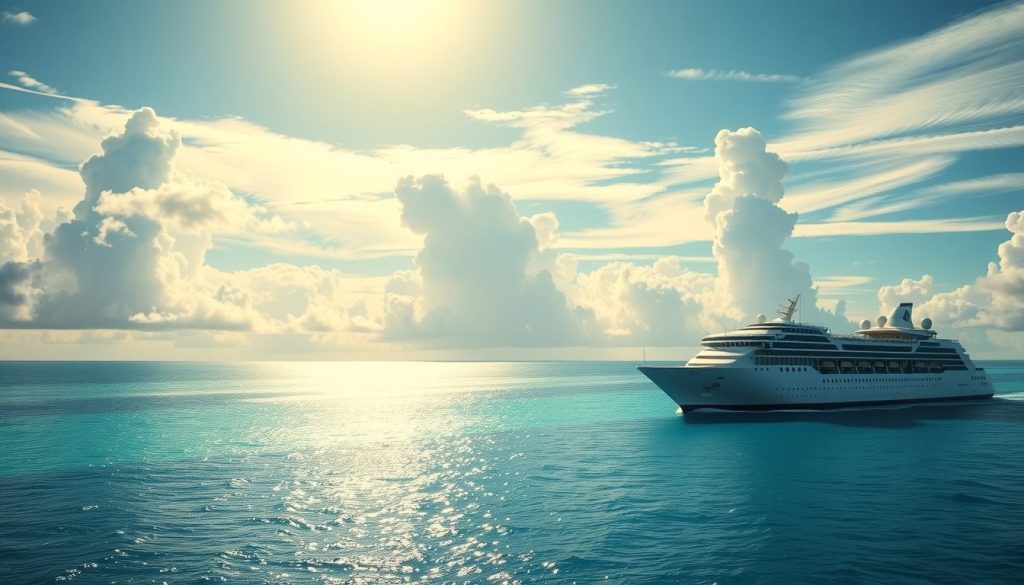
Discover How Cruise Lines Steer Clear of Hurricanes to Keep You Secure
Captains receive continuous weather updates and operational guidance.
Ships use advanced navigation systems that integrate real-time meteorology to avoid storms.
Rerouting decisions consider safety, fuel efficiency, and passenger comfort.
Extended sea days, alternative ports, or minor course adjustments ensure travelers remain protected.

Grab Your Ticket to Paradise with These Deals!
Stabilizers and hull design help minimize motion during rough seas, keeping guests comfortable even in unsettled weather.
Communication remains central.
Passengers are updated via announcements, apps, and printed materials.
Most rerouting is seamless, letting travelers continue enjoying onboard experiences without anxiety.
Navigational Highlights
- Captains monitor storms with precise, real-time data.
- Routes are altered proactively to avoid dangerous weather.
- Stabilizers reduce motion during rough sea conditions.
- Passengers receive clear and timely updates.
- Alternate ports and itineraries maintain vacation quality.
Follow Onboard Safety Protocols That Keep Every Passenger Safe
Ships follow strict safety protocols to protect passengers.
Crew members are trained in emergency procedures, storm drills, and evacuation processes.
Life jackets, muster stations, and safety equipment are regularly inspected.
Modern ships are structurally reinforced for severe weather.
Navigation systems, stabilized hulls, and redundant power ensure continuous operation.
Air circulation, water supply, and onboard services remain functional, preserving comfort even during extended sea days.
Regular communication with passengers reassures them of ongoing safety measures.
Guests receive updates about weather conditions, itinerary changes, and onboard adjustments, maintaining confidence throughout the voyage.
Safety Essentials
- Crew trained in hurricane and emergency protocols.
- Ships structurally reinforced and stabilized.
- Life jackets, muster drills, and safety checks are standard.
- Continuous communication keeps passengers informed.
- Comfort and operational systems remain functional even in rough seas.
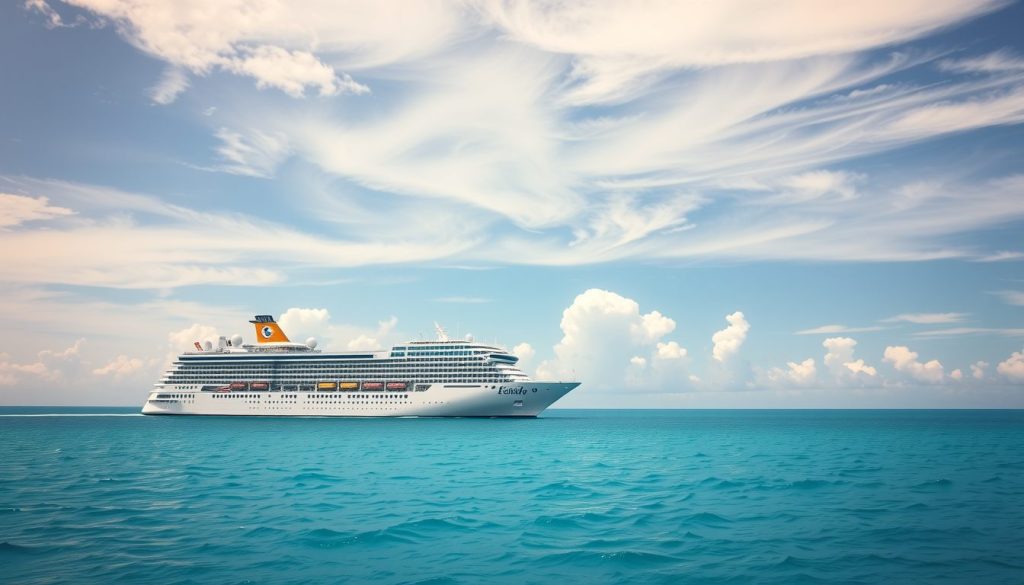
Learn How Cruise Lines Update Passengers When Hurricanes Disrupt Travel
Clear, calm communication reduces anxiety during hurricane season.
Cruise lines use multiple channels: announcements, apps, printed guides, and staff interactions.
Passengers learn about rerouted ports, extended sea days, or safety measures proactively.
Click for Exclusive Offers on Top Cruise Lines!
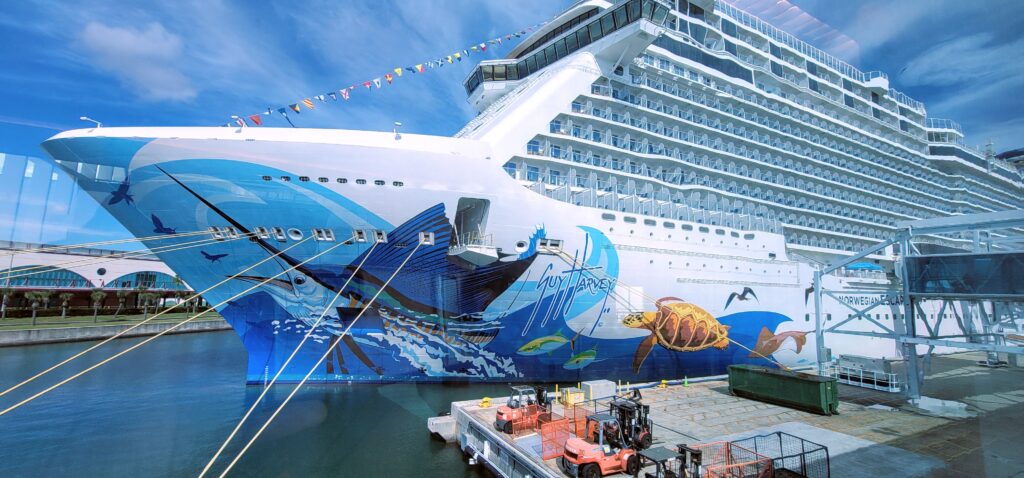
Information is framed reassuringly, highlighting that every decision prioritizes passenger safety.
Even minor adjustments are explained in ways that allow travelers to plan onboard activities or excursions confidently.
Transparency fosters trust and reduces the perception of risk.
Communication Benefits
- Passengers receive updates via multiple channels.
- Staff provide calm, authoritative guidance.
- Reroutes and itinerary changes are clearly explained.
- Travelers can plan activities with confidence.
- Knowledge of safety procedures enhances overall vacation enjoyment.
Understand the Real Risks Hurricanes Pose—and How Cruises Stay Safe
No travel is entirely risk-free, but cruising is designed to manage storm threats effectively.
Hurricanes are unpredictable, and last-minute adjustments may be required.
Travelers should approach hurricane-season cruising with realistic expectations, knowing contingency plans are in place.
Travel insurance and flexible cancellation policies provide added reassurance.
Cruise lines maintain operational flexibility, rerouting ships and adjusting itineraries while prioritizing guest safety.
Most passengers enjoy hurricane-season cruises without incident, demonstrating the efficacy of industry protocols.
Risk Management Insights
- Hurricanes are unpredictable but manageable.
- Insurance and flexible policies mitigate financial risk.
- Operational flexibility minimizes disruption.
- Passenger safety is always the top priority.
- The majority of hurricane-season cruises are completed safely.
Why the Cruise Industry’s Safety Record Proves Cruises Stay Safe
The cruise industry has a strong record of safely navigating hurricane season.
Millions of passengers sail each year without incident, thanks to decades of experience, forecasting, and emergency preparedness.
Even when storms affect Caribbean or Gulf ports, ships successfully reroute and implement onboard safety measures.

Experience Luxury Cruises at Unbeatable Prices Today!
Operational experience, coupled with technological advancements, ensures passenger protection remains effective.
Travelers can rely on this historical record as reassurance for their own voyages.
Historical Takeaways
- Cruise lines have decades of hurricane-season experience.
- Rerouting and port closure procedures are well-tested.
- Onboard protocols ensure passenger safety during storms.
- Millions of safe voyages occur each year.
- Technological advancements continually improve operational reliability.
Get Ready for Your Cruise With Hurricane-Safe Planning Tips
Travelers can enhance their safety and confidence with preparation.
Reviewing cruise line policies, signing up for weather alerts, and packing essentials for extended sea days are practical steps.
Flexible excursion planning and insurance coverage provide additional reassurance.
Being informed about regional hurricane forecasts leading up to departure allows passengers to approach their trip with calm confidence.
Cruise lines communicate adjustments proactively, and a prepared traveler can enjoy the vacation experience with minimal stress.
Traveler Preparation Tips
- Sign up for regional hurricane alerts.
- Review cruise line hurricane policies in advance.
- Pack for potential extended sea days.
- Maintain flexible expectations for excursions.
- Trust operational teams to manage reroutes and safety.
See Why Cruises Stay Safe Even When Hurricanes Threaten
Advanced forecasting, operational planning, and crew training make cruising safe during hurricane season.
Ships reroute, ports are closed when necessary, and passengers are continuously informed.
Cruise lines do not compromise on safety, ensuring that travelers can enjoy their vacations confidently.
For U.S. travelers, this combination of technology, experience, and operational protocols provides peace of mind.
Even when minor adjustments occur, passengers are protected and can continue enjoying their Caribbean or Gulf cruise experiences.
Sail With Confidence Knowing Your Cruise Is Fully Hurricane-Ready
Knowledge empowers reassurance.
Understanding how cruise lines monitor storms, adjust itineraries, communicate with guests, and maintain onboard safety helps travelers feel secure.
Hurricanes become manageable challenges within a structured, expert-driven system.
Choosing experienced cruise lines, following guidance, and maintaining flexible expectations allows passengers to enjoy tropical adventures safely.
With the right preparation and trust in professional operations, your cruise can remain a memorable, worry-free experience, even during hurricane season.
FAQ – How Do Cruise Lines Protect Your Trip During Hurricane Season?
How Do Cruise Lines Track Hurricanes Before They Threaten a Sailing?
Cruise lines use dedicated meteorology teams, satellite imagery, oceanographic data, and predictive models to monitor tropical activity around the clock.
Forecast information from sources such as the U.S. National Hurricane Center, regional port authorities, and global weather services helps operational teams evaluate where a storm may travel next.
Ships remain in continuous communication with those teams after departure, so captains can respond as forecasts change.
Early monitoring gives the crew time to adjust the voyage before passengers are exposed to dangerous conditions.What Happens When a Hurricane Threatens a Caribbean or Gulf Cruise?
Cruise lines can reroute the ship, delay a port call, substitute another destination, or extend time at sea when a tropical system threatens the planned itinerary.
These changes are usually made proactively rather than after the vessel encounters severe weather.
A revised route may be inconvenient, but it creates distance between the ship and conditions that could make the original plan unsafe.
Travelers should therefore treat the published itinerary as flexible during hurricane season rather than assuming every scheduled port is guaranteed.Why Might Key West or Cozumel Close to Cruise Ships During a Hurricane?
Local authorities may temporarily close Key West, Cozumel, or another cruise port when wind, storm surge, or docking conditions make ship operations unsafe.
The U.S. Coast Guard and other maritime authorities can also participate in closure decisions where applicable.
Cruise lines then work with alternate ports or add sea days until the affected destination can safely accept ships again.
Ports generally reopen only after inspections confirm that channels, docks, and supporting operations are ready for normal traffic.How Do Captains Decide Whether to Reroute Around a Hurricane?
Captains combine real-time weather information with navigation systems, operational guidance, sea conditions, fuel requirements, and passenger comfort when deciding how to avoid a storm.
Sometimes a modest course or speed adjustment is enough, while larger threats may require an alternate port or additional sea day.
Stabilizers and hull design can reduce uncomfortable movement, but avoidance remains more important than trying to make rough conditions tolerable.
The goal is to keep the ship well away from hazardous weather while preserving as much of the vacation as practical.What Safety Systems Protect Passengers If Weather Becomes Rough?
Modern cruise ships combine trained crews, emergency procedures, inspected life jackets, muster stations, stabilizers, reinforced construction, and redundant operating systems.
Power, water, air circulation, navigation, and other essential services are designed to continue functioning when conditions become unsettled.
Crew members also train for storm response, evacuation procedures, and other emergencies before passengers ever encounter a weather problem.
These layers matter because cruise safety depends on multiple systems working together rather than one piece of equipment.How Will Passengers Know When A Hurricane Changes Their Cruise Plans?
Cruise lines normally communicate changes through captain announcements, mobile apps, printed notices, and direct updates from crew members.
Passengers may receive information about rerouted ports, extended sea days, revised excursions, or onboard activity changes as plans develop.
Official updates are especially important because tropical systems can change direction or intensity after earlier forecasts are issued.
Travelers should rely on communications tied to their specific sailing instead of making decisions from general weather speculation alone.Can A Hurricane Reroute Still Affect the Cruise Even When the Ship Is Safe?
Yes, a ship can remain safely away from the hurricane while passengers still experience itinerary changes, rougher swells, or extra sea days.
Outdoor activities may be adjusted, and a planned port can disappear from the schedule if local authorities close it or the captain selects a safer route.
Dining, entertainment, and other onboard services generally continue while crews adapt the schedule.
The practical distinction is that disruption does not automatically mean danger; many changes are made specifically to prevent the two from becoming the same thing.Does Travel Insurance Cover Hurricane-Related Cruise Disruptions?
Travel insurance can cover qualifying hurricane-related cancellations, delays, interruptions, and other expenses, but the exact protection depends on the policy and when it was purchased.
VisitorsCoverage, EKTA, Insubuy, and Compensair are among the options travelers can compare for storm-related protection.
Coverage should be reviewed for named-storm rules, exclusions, reimbursement limits, and costs outside the cruise fare, including flights or hotels.
Cancel For Any Reason coverage can provide broader flexibility in some situations, although it typically has additional requirements and does not necessarily reimburse the entire trip cost.What Should You Do Before Booking a Cruise During Hurricane Season?
Review the cruise line’s hurricane and cancellation policies before paying, then consider whether your flights, hotels, excursions, and other reservations can tolerate a schedule change.
Signing up for regional weather alerts and packing essentials for an unexpected extra sea day can also reduce last-minute problems.
Travel insurance adds another layer of protection when qualifying disruptions create expenses that the cruise line does not reimburse.
Most importantly, book with enough flexibility that a substituted port or revised schedule does not automatically ruin the vacation.Is Cruising During Hurricane Season Still a Reasonable Choice?
Yes, hurricane-season cruising can remain a reasonable option for travelers who understand that itineraries may change.
Cruise lines have decades of experience using forecasting, rerouting, port coordination, crew training, and onboard safety systems to manage tropical weather.
The more realistic risk for many passengers is disruption rather than direct exposure to a hurricane.
Travelers who are comfortable with that distinction and prepare for possible schedule changes are better positioned to enjoy the sailing even when the original plan needs to adapt.
Plan Your Next Cruise!

Sail Into Modern Luxury: Celebrity Cruises for Design, Culinary Excellence, and Destination‑Rich Voyages
One Delay Can Cost Your Entire Cruise A quick coverage check now protects you from the problems no one sees coming….
Sail Into Sophistication: Holland America Cruises for Luxury, Culture, and Unforgettable Journeys
One Delay Can Cost Your Entire Cruise A quick coverage check now protects you from the problems no one sees coming….
From Icon to Oasis: Explore Royal Caribbean’s Groundbreaking Ships and Unforgettable Voyages
One Delay Can Cost Your Entire Cruise A quick coverage check now protects you from the problems no one sees coming….

Sail Into Freestyle Freedom: Norwegian Cruise Line for Adventure Thrills, Gourmet Dining, and Destination‑Rich Voyages
One Delay Can Cost Your Entire Cruise A quick coverage check now protects you from the problems no one sees coming….
Explore More
Discover Regent Seven Seas Cruises: Opulent Suites, Gourmet Dining, and Exclusive Destinations
Skip the Wait: Outsmart Cruise Elevator Bottlenecks and Save Time Onboard
Sail Into Adventure: Why Repositioning Cruises Offer Unmatched Value And Unique Routes