
One Delay Can Cost Your Entire Cruise
A quick coverage check now protects you from the problems no one sees coming.
Short Excerpt
- Hurricane season does not automatically make a first cruise unsafe, because ships monitor tropical weather closely and adjust routes when necessary.
- The bigger concern is disruption, such as a changed port or schedule, so flexibility matters more than trying to predict the weather months ahead.
- Choosing the right itinerary, cabin, and travel protection can make those changes much easier to handle.
Quick Take
- Cruise lines track storms in advance and typically reroute ships rather than expose passengers to dangerous conditions.
- Flexible Caribbean itineraries from major cruise ports are easier to adjust when weather affects the original route.
- A lower-deck, midship cabin can reduce noticeable motion if seas become rough.
- Travel insurance is especially valuable because storms can disrupt flights, hotels, embarkation, and other prepaid plans even when the cruise still sails.
Why Your First Hurricane-Season Cruise Can Be Safer Than You Expect
First-time cruising during hurricane season can feel intimidating — but it’s safer and easier than most travelers realize.
Modern ships use advanced weather tracking and flexible itineraries to keep your journey smooth, while smart planning ensures peace of mind.
Consider this: You’ve finally decided to book that cruise you’ve always dreamed about.
Ocean views, endless buffets, and island sunshine — but then you notice your travel dates fall between June and November.
Cue the anxiety: “Wait… isn’t that hurricane season?”
Take a deep breath.
You’re not walking into danger — you’re walking into an experience that can be perfectly safe, deeply rewarding, and surprisingly affordable when you understand how to plan it right.
For first-time cruisers, hurricane season doesn’t have to mean risk.
It means readiness.
It means learning how cruise lines, technology, and smart travel habits combine to give you peace of mind from the moment you step onboard.
The truth is, the vast majority of cruises sail exactly as scheduled, even during storm months.
The few that reroute or delay do so with safety as the top priority — and often with passenger comfort and experience in mind.
This guide is your calm-water blueprint.
By the end, you’ll know how to choose the right ship, prepare for any forecast, and cruise with total confidence — no matter what the weather says.
Why Hurricane Season Cruises Aren’t as Risky as They Sound

Let’s clear one thing up first: cruising during hurricane season doesn’t mean cruising into hurricanes.
Modern cruise ships are technological marvels, equipped with advanced meteorological software that tracks storm systems days in advance.
When bad weather forms, the cruise lines adjust routes, avoid risky waters, and in many cases, leave port early or delay departure to ensure smoother sailing.
Think of it like flying — your pilot doesn’t fly through thunderstorms; they fly around them.
Cruise captains follow the same logic.
Even the phrase “hurricane season” can sound scarier than it is.
It simply refers to a time of year when tropical systems are possible, not constant.
On any given day, the Caribbean and Gulf of Mexico are far more likely to be calm, sunny, and clear than stormy.
For first-time travelers, the biggest takeaway is this: cruise lines are conservative and proactive.
They reroute early, they communicate often, and they prioritize safety over itinerary every single time.
Unlock Your Dream Cruise with Exclusive Online Deals!
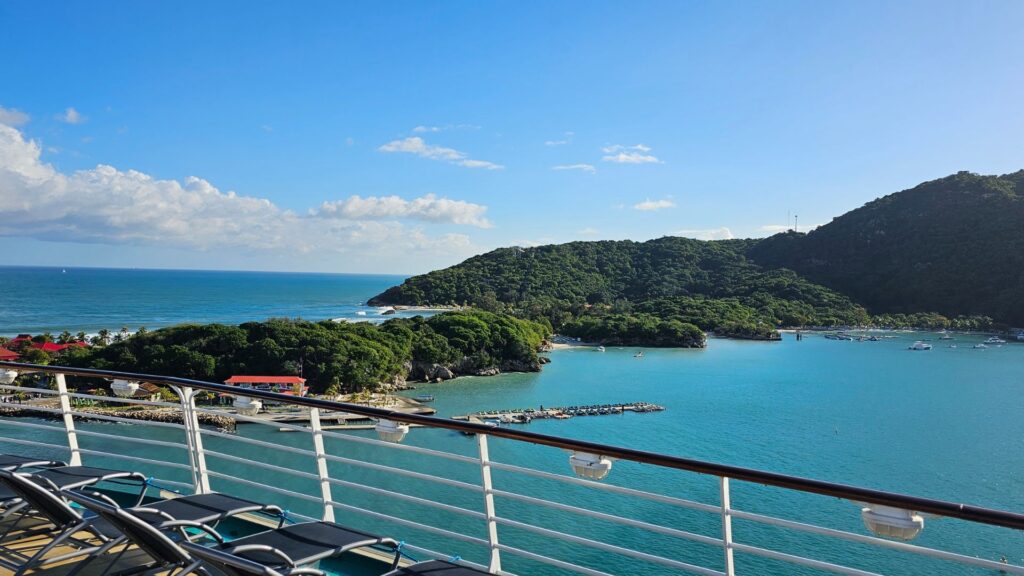
Inside Cruise Weather Command Centers That Keep You Safe
Cruise lines maintain entire meteorology teams on land, staffed by experts who track storms 24/7.
If there’s even a hint of tropical disturbance, they begin scenario planning — often days before passengers ever board.
That’s why you’ll rarely see a cruise “caught” in bad weather.
The systems in place are robust, precise, and deeply practiced.
Reassurance Snapshot
- Ships reroute, not risk. Cruise captains always sail around storms, not through them.
- Weather tracking is real-time. Data is shared between ships and satellite hubs constantly.
- Itineraries flex safely. You might skip a port, but you’ll gain calm seas instead.
Pick the Right Cruise Line and Itinerary for Hurricane Season
Not all cruise lines handle hurricane season the same way.
Some have decades of experience operating safely in tropical climates and offer more flexible itineraries — a huge plus for first-time cruisers.
Lines like Royal Caribbean, Carnival, Norwegian, and Disney Cruise Line have specialized Caribbean weather teams and adaptive route planning.
They also tend to offer rebooking options or “hurricane guarantees” if itineraries are disrupted.
Choose Cruise Routes That Offer Flexible Options
If this is your first time sailing, look for roundtrip Caribbean routes out of major ports like Miami, Fort Lauderdale, or Port Canaveral.
These routes are more likely to adjust smoothly — swapping one island for another without canceling the cruise entirely.
Avoid one-way itineraries or routes with narrow passage points (like the Panama Canal) during the height of the season unless you’re an experienced traveler.
Best Time to Cruise During Hurricane Season for Smooth Sailing
- Early June: Calm seas and low hurricane activity.
- Late October to early November: The peak season has usually passed, offering quieter ports and lower fares.
- Avoid late August to mid-September if your schedule allows; it’s historically the most active weather window.
Travel Wisdom for First-Time Hurricane-Season Cruisers
- Book with a cruise line that clearly states its hurricane policy.
- Look for free cancellation windows or future cruise credit guarantees.
- Select a larger, newer ship for extra stability and advanced safety tech.
Cabin Selection Tips for Comfort During Hurricane Season
If this is your first cruise, one of the smartest things you can do is choose the right cabin location.
During hurricane season, this decision can make the difference between a smooth, peaceful journey and unnecessary motion discomfort.
Midship cabins (located in the center of the ship) and lower-deck rooms tend to experience less motion than forward or aft cabins.
Imagine the ship like a seesaw — the middle moves the least, while the bow (front) and stern (back) move more.
Even if the seas are calm, first-timers often feel more relaxed in a mid-level cabin.
You’ll notice less swaying, fewer vibrations, and a greater sense of stability.

Grab Your Ticket to Paradise with These Deals!
Comfort Maximizers
- Midship cabins minimize motion and reduce seasickness risk.
- Lower decks stay more stable during rough seas.
- Balcony cabins offer fresh air and visual grounding — helpful if you’re feeling uneasy.
Family or Group Tip
If you’re cruising with family or kids, request adjoining rooms midship to keep everyone comfortable and together.
Motion Relief Checklist
- Pack Sea-Bands or non-drowsy Dramamine.
- Choose ships with stabilizers (virtually all modern vessels have them).
- Avoid watching the horizon during swells — focus on something steady indoors.
Smart Packing Tips for Hurricane-Season Cruise Confidence
Packing for a hurricane-season cruise is all about preparation and flexibility.
Most sailings are sunny and uneventful, but being ready for variable weather keeps stress low.
Start with light, quick-dry clothing and a few water-resistant layers. Bring a small umbrella and lightweight poncho — tropical rain showers can appear and disappear in minutes.
Must-Pack Essentials
- Waterproof folder for travel documents: Keep copies of passports, tickets, and insurance papers dry and organized.
- Portable charger: Power ports may be crowded in waiting areas during embarkation changes.
- Medications: Always carry a small personal first-aid kit and any prescription meds in your carry-on.
- Motion sickness remedies: Ginger chews, wristbands, or acupressure points work wonders.
- Digital entertainment: If weather changes restrict deck time, movies, audiobooks, and games can be sanity savers.
Smart Additions
- Zip-sealed bags: Protect electronics and documents.
- Collapsible tote bag: Handy if you need to repack due to port delays.
- Laundry pods or sink detergent: Small storms can delay port access — clean clothes matter more than you’d think.
Packing isn’t about expecting chaos.
It’s about removing what-if stress.
When you’re prepared, you relax.
And when you relax, you enjoy the moment — rain or shine.
Why Travel Insurance Is Essential for Hurricane-Season Cruises
If there’s one piece of advice every experienced traveler will agree on, it’s this: during hurricane season, travel insurance is non-negotiable — especially for first-time cruisers.
Even though cruises are incredibly safe, weather unpredictability can affect flights, hotel stays, or embarkation.
That’s where coverage from trusted providers like VisitorsCoverage, EKTA, Insubuy, Compensair, and World Nomads becomes your anchor.
What to Look For
- Trip cancellation and interruption: Protects against itinerary changes due to storms.
- Emergency medical evacuation: Covers rare but vital scenarios at sea.
- Weather delay coverage: Pays for hotels or meals if a storm alters embarkation.
- “Cancel for any reason” upgrades: Ideal for families with children or complex schedules.
Insurance isn’t about expecting disaster.
It’s about giving yourself control over outcomes.
When a reroute or delay happens, the difference between panic and peace often comes down to a single policy.
Parental or First-Time Reassurance
- Kids or anxious travelers feel calm when you’re calm. Insurance helps you stay composed.
- Providers like VisitorsCoverage and World Nomads specialize in cruise-specific coverage.
- Compensair can help recover costs if your flight to port is delayed or canceled.
Mental Preparation Tips: Expect Flexibility, Not Fear

The best mindset for a first-time hurricane-season cruise is a flexible one.
Think of your itinerary as a framework, not a contract.
Ports may change, and sea days may shift — but the experience remains incredible.
If your ship needs to skip an island, the crew typically adds activities, extends port time elsewhere, or hosts special events onboard.
In many cases, passengers end up loving the revised plan even more.
What to Expect
- Last-minute port changes: These are logistical decisions, not safety alarms.
- Proactive communication: Cruise apps and onboard announcements keep you informed.
- Unplanned delights: Bonus entertainment, deck parties, and surprise excursions.
First-Time Traveler Takeaways
- Treat flexibility as part of the adventure.
- Remember: safety reroutes are normal.
- The goal is smooth sailing, not a fixed map.
Cruise staff have navigated thousands of reroutes before.
Their calm professionalism becomes contagious.
Click for Exclusive Offers on Top Cruise Lines!
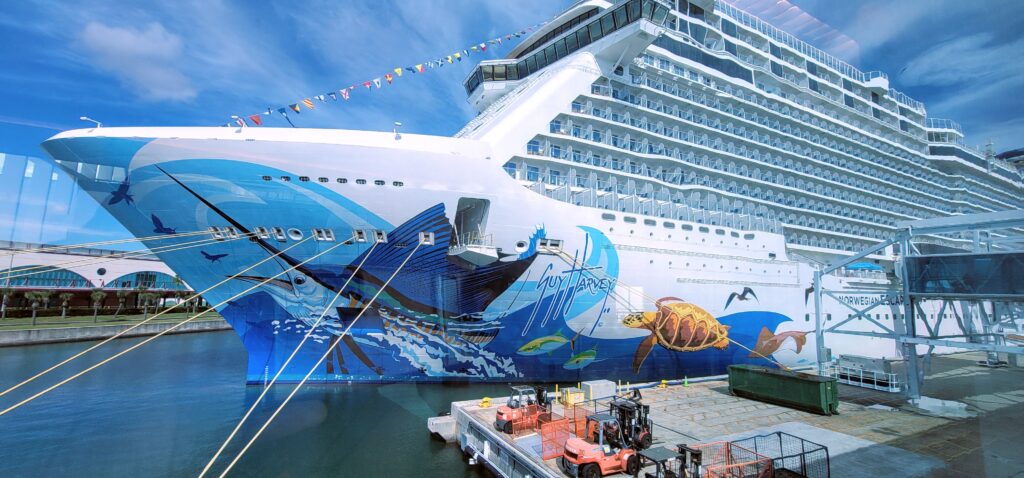
What Happens If Your Hurricane-Season Cruise Is Delayed or Canceled
Let’s cover the question every new cruiser quietly worries about.
What if a hurricane actually cancels your trip?
Here’s the good news: cruise lines are fair and transparent about compensation.
Depending on timing, you’ll usually receive:
- Full refunds if the cruise is canceled before embarkation.
- Future cruise credits (FCCs) if you’re already on board and ports are affected.
- Hotel accommodations or transfers if departure is delayed overnight.
With proper insurance in place, you’ll also be reimbursed for flight changes, pre-cruise hotels, and unused excursions.
The system works in your favor — especially during storm season, when policies and guest care teams are tuned for flexibility.
The Heart of It: Confidence Is Contagious When You Cruise Smart
Your first cruise during hurricane season isn’t about avoiding weather; it’s about embracing experience.
Once you understand how well-prepared the industry is, you’ll see why veteran cruisers often sail this time of year — the fares are lower, the ports are less crowded, and the atmosphere onboard feels relaxed and personal.
You’ll walk away not just with photos, but with a deeper confidence in how travel works.
You’ll see firsthand that planning doesn’t mean predicting.
It means preparing — and that’s something you already know how to do.
So, take that leap.
The ship is ready.
The crew is trained.
The sky might shift, but your peace of mind doesn’t have to.
FAQ – Is Cruising During Hurricane Season A Smart First Trip?
How Safe Is It Really to Take a First Cruise During Hurricane Season?
It is generally safe when you understand how cruise lines manage storms.
Modern ships sail with advanced meteorological software, satellite data, and land-based weather teams that track tropical systems days in advance.
When a disturbance forms, routes are adjusted early—ships leave port sooner, delay departure, or steer hundreds of miles away from the projected path.
In practice, that means you are far more likely to experience a changed itinerary than dangerous conditions, which turns hurricane season into a planning challenge rather than a safety gamble.What Actually Happens Behind the Scenes When Weather Starts to Look Risky?
When forecasts show potential trouble, cruise meteorology teams begin scenario planning long before passengers feel anything.
They model different tracks, coordinate with captains, and decide whether to reroute, swap ports, or add sea days.
These decisions are made conservatively, with safety prioritized over sticking to the original map.
For travelers, the practical impact is that you might miss one island but gain calmer seas and extra onboard activities, which is a trade most first-time cruisers are happy to make once they understand why it happens.How Should First Time Cruisers Choose a Hurricane Season Itinerary to Limit Disruption?
First timers do best with roundtrip Caribbean routes from major ports like Miami, Fort Lauderdale, or Port Canaveral.
These itineraries give cruise lines flexibility to swap one island for another without canceling the entire sailing.
Avoid one-way routes and narrow passages such as the Panama Canal during the most active weeks, because they leave less room for safe detours.
Pairing a flexible route with a line known for clear hurricane policies and adaptive routing makes it much more likely that your trip will adjust smoothly instead of being abruptly cut short.When During Hurricane Season Are Conditions Usually Calmer for a First Cruise?
Early June and late October into early November tend to be quieter than late August through mid-September.
Historical patterns show fewer strong storms at the beginning and tail end of the season, which translates into fewer reroutes and delays.
If your schedule allows, targeting these windows lets you benefit from lower fares and smaller crowds while reducing the odds of major itinerary changes.
Thinking in terms of timing, rather than avoiding the entire June–November span, is one of the simplest ways to stack the odds in your favor.Which Cabin Locations Help New Cruisers Feel More Comfortable If Seas Get Choppy?
Midship cabins on lower decks are the best choice for minimizing motion.
Because they sit closer to the ship’s center of gravity, they experience less up-and-down and side-to-side movement than forward or aft cabins.
Even when seas are relatively calm, first-time cruisers often feel more settled in these locations, noticing fewer vibrations and less swaying.
Choosing a midship, lower-deck cabin is a small decision that can dramatically reduce seasickness and make the whole experience feel smoother and more predictable.What Should You Pack Differently for a Hurricane Season Cruise to Stay Ready Without Overpacking?
Packing should focus on flexibility and protecting essentials.
Quick-dry clothing, a lightweight waterproof layer, and a compact poncho handle sudden tropical showers.
A waterproof folder for passports, tickets, and insurance documents keeps critical items safe if embarkation or port days involve rain.
Portable chargers, zip-sealed bags for electronics, a small first-aid kit, and motion-sickness remedies like ginger chews or wristbands help you stay comfortable during delays or extra sea days.
This kind of packing removes “what if” stress so you can adapt calmly if the forecast shifts.Why Is Travel Insurance Described as Non-Negotiable for Hurricane Season Cruises?
Travel insurance matters because it turns unpredictable weather into defined, covered events.
Policies from providers such as VisitorsCoverage, EKTA, Insubuy, Compensair, and World Nomads can reimburse trip cancellation or interruption if storms affect your sailing or flights, cover emergency medical care and evacuation at sea, and pay for hotels or meals when embarkation is delayed.
Options like “cancel for any reason” are especially useful for families or complex schedules.
Instead of hoping everything goes perfectly, you create a financial safety net that lets you respond calmly when plans change.What Happens If a Hurricane Delays or Cancels Your Cruise After You Have Already Booked?
If a storm forces a cancellation before embarkation, cruise lines typically offer full refunds or future cruise credits, depending on timing and policy.
When ports are affected mid-sailing, they may adjust the route, extend time at alternate destinations, or provide onboard credits and revised activities.
With solid insurance in place, you can also recover costs for flights, pre-cruise hotels, and prepaid excursions that you cannot use.
The combined effect of cruise policies and insurance is that you retain control over value, even when the schedule changes dramatically.How Can First Time Cruisers Mentally Prepare So Weather Changes Feel Manageable Instead of Scary?
The most helpful mindset is to treat the itinerary as a framework rather than a fixed promise.
Expect that ports might change and sea days might move, and see those shifts as part of the experience rather than signs of danger.
Knowing that crews have handled thousands of reroutes before, and that onboard teams respond with extra entertainment, clear announcements, and logistical support, makes it easier to trust the process.
When you accept flexibility as normal, you free yourself to enjoy what actually happens instead of worrying about what might have been.What Key Steps Turn a First Hurricane Season Cruise from Intimidating into Confidently Planned?
Three steps make the biggest difference.
First, choose timing and itineraries that align with calmer windows and roundtrip routes from major ports.
Second, select a larger, newer ship from lines with strong hurricane policies and proven adaptive routing, so you benefit from advanced safety tech and experienced crews.
Third, layer in practical preparation: midship lower-deck cabins, thoughtful packing for variable weather, and comprehensive insurance from providers like VisitorsCoverage, EKTA, Insubuy, Compensair, or World Nomads.
When these pieces come together, your first hurricane-season cruise feels less like a risk and more like a well-structured adventure.
Plan Your Next Cruise!

From Icon to Oasis: Explore Royal Caribbean’s Groundbreaking Ships and Unforgettable Voyages
One Delay Can Cost Your Entire Cruise A quick coverage check now protects you from the problems no one sees coming….

Unlock Seabourn’s World: Yacht‑Like Luxury, Exclusive Destinations, And Unmatched Comfort
One Delay Can Cost Your Entire Cruise A quick coverage check now protects you from the problems no one sees coming….

Unlock The Viking Ocean Experience: Elegant Ships, Cultural Immersion, And Unrushed Travel
One Delay Can Cost Your Entire Cruise A quick coverage check now protects you from the problems no one sees coming….

Sail Boldly: Experience Virgin Voyages’ Adults‑Only Cruises With Style, Freedom, And Fun
One Delay Can Cost Your Entire Cruise A quick coverage check now protects you from the problems no one sees coming….
Explore More
Avoid Vacation Regret: Pick The Right Cruise Line For Your Destination, Budget, And Travel Style
Sail the World in Style: MSC Cruises’ Innovative Ships, Luxury Amenities, and Global Adventures
Sea Weather on Cruises — From Calm Days to Storms at Sea