One Delay Can Cost Your Entire Cruise
A quick coverage check now protects you from the problems no one sees coming
Short Excerpt
- Cruise delays, missed ports, and itinerary changes can be disappointing, especially when you’ve spent months looking forward to a particular destination or activity.
- Weather, port restrictions, maritime traffic, and operational issues can occasionally affect scheduled departures, port visits, and even the ship’s return home.
- Knowing where to get reliable updates, what to check about refunds, and how to adjust your plans helps you handle unexpected changes without letting one disruption overshadow your entire vacation.
Quick Take
- Follow official cruise line updates rather than relying on passenger rumors or unverified social media reports.
- Expect flexibility in cruise itineraries, since ships may change ports, arrival times, or routes when conditions require it.
- Check excursion refunds and potential compensation because your options depend on the circumstances, booking arrangements, and cruise contract.
- Protect your journey home by allowing extra time between scheduled disembarkation and flights whenever practical.
- Keep a simple backup plan so a delayed departure, canceled excursion, or unexpected sea day doesn’t leave you scrambling.
What Happens When Your Cruise Is Delayed, a Port Is Canceled, or the Ship Returns Late?
You may have planned your first cruise down to the smallest detail, from the moment you expect to walk onboard to the exact beach you’re hoping to visit during a port stop.
Then an announcement changes something you were counting on, and suddenly you’re unsure what happens next.
Perhaps the ship will leave its departure port two hours later than scheduled.
Maybe rough seas prevent tender boats from operating, forcing the captain to skip an island you’ve been looking forward to seeing.
In less common circumstances, severe weather or restricted port access can even affect when the ship returns at the end of the voyage.
These situations aren’t identical, and they shouldn’t be treated as though they carry the same consequences.
A delayed sail-away may have little effect on your vacation once the ship departs.
Losing a port visit can be much more disappointing, particularly when that destination was a major reason you chose the itinerary.
A late return deserves additional attention because it can interfere with flights, hotel reservations, and other arrangements you’ve made after the cruise.
Understanding those differences is the first step toward making good decisions when plans change.
Understand the Difference Between a Delay and an Itinerary Change
Cruise schedules have several moving parts, and a change to one doesn’t always affect the others.
A departure delay means the ship leaves later than originally planned, but it may still be able to maintain its scheduled itinerary.
Cruise operators can sometimes adjust their sailing speed or timing to accommodate certain changes, although doing so depends on the distance, conditions, and operational limitations involved.
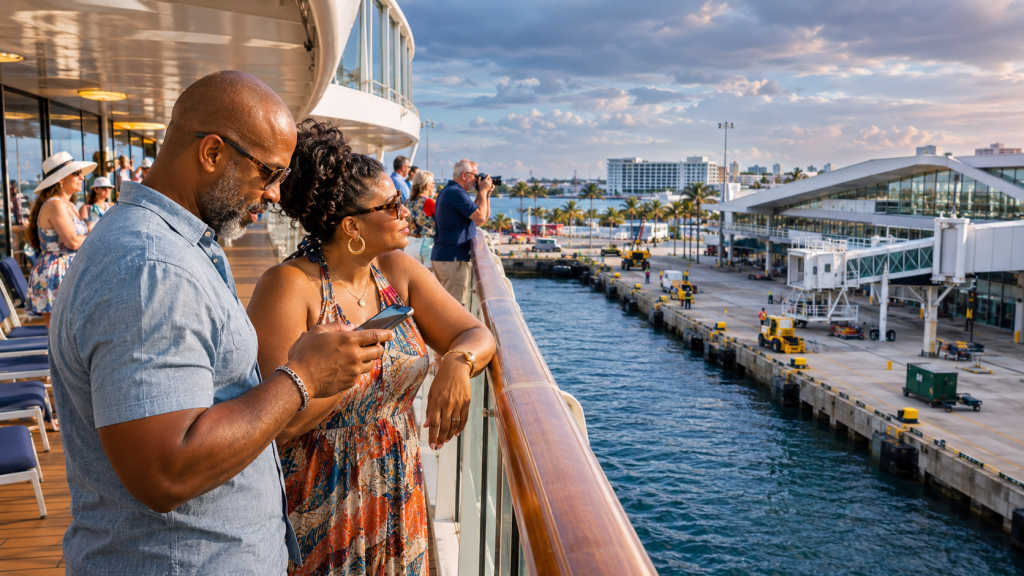
An itinerary change affects where the ship goes or how long it spends at a destination.
That could mean arriving later at a port, shortening a visit, changing the order of stops, substituting another destination, or replacing a port day with time at sea.
A delayed return to the final port introduces a different concern because passengers may have onward travel arrangements that can’t easily be adjusted.
The cruise line’s response will depend on what caused the disruption, how much notice is available, and what alternatives are feasible.
For that reason, your first question after an announcement should be straightforward: What exactly has changed, and which of my existing plans does it affect?
When you have that answer, you can focus on the arrangements that actually need attention instead of worrying about every possibility at once.
Know Why Cruise Ships Sometimes Change Course or Skip Ports
Cruise ships operate within a maritime environment where weather, navigation, and port access can affect even carefully planned schedules.
A captain may need to change course to avoid dangerous conditions, particularly when a tropical storm or hurricane threatens the planned route.
Top Cruise Deals From Trusted Cruise Lines
Compare exclusive online offers and find the fare that fits your trip and your budget
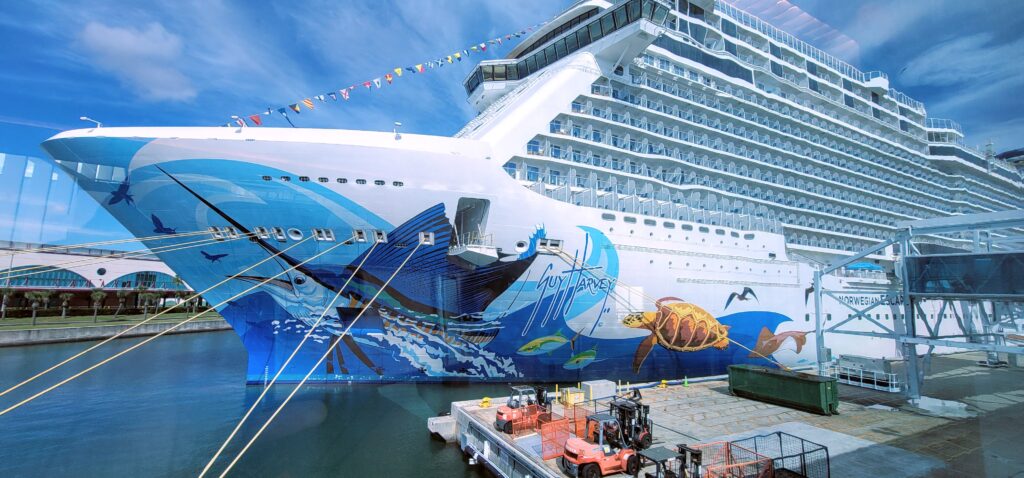
Marine safety guidance from the National Hurricane Center emphasizes evaluating forecasts and selecting routes that keep vessels clear of dangerous storm areas.
Port restrictions can also affect sailing schedules.
Heavy maritime traffic, restricted navigation channels, docking limitations, and other operational complications may require a ship to adjust its arrival or departure time.
Mechanical problems can lead to changes as well, although their consequences depend on the seriousness of the issue and whether the vessel can continue operating safely.
The important distinction is that a changed itinerary doesn’t automatically indicate an emergency.
In many situations, the adjustment is a precaution intended to avoid unsafe conditions or manage an operational constraint.
At the same time, it’s reasonable to feel disappointed.
Understanding why a destination was missed doesn’t erase the fact that you were looking forward to visiting it.
You can recognize the importance of safety while still wanting clear information about the effect on your vacation.
Find Out What Happens to Shore Excursions When a Port Is Missed
When a port visit is canceled, one of the first practical concerns is what happens to excursions you’ve already paid for.
Cruise-line-operated excursions for a port the ship no longer visits are commonly refunded or otherwise addressed under the operator’s booking terms.
However, cancellation procedures and reimbursement rules should be confirmed with the actual cruise line rather than assumed.
Independent shore excursions require additional attention.
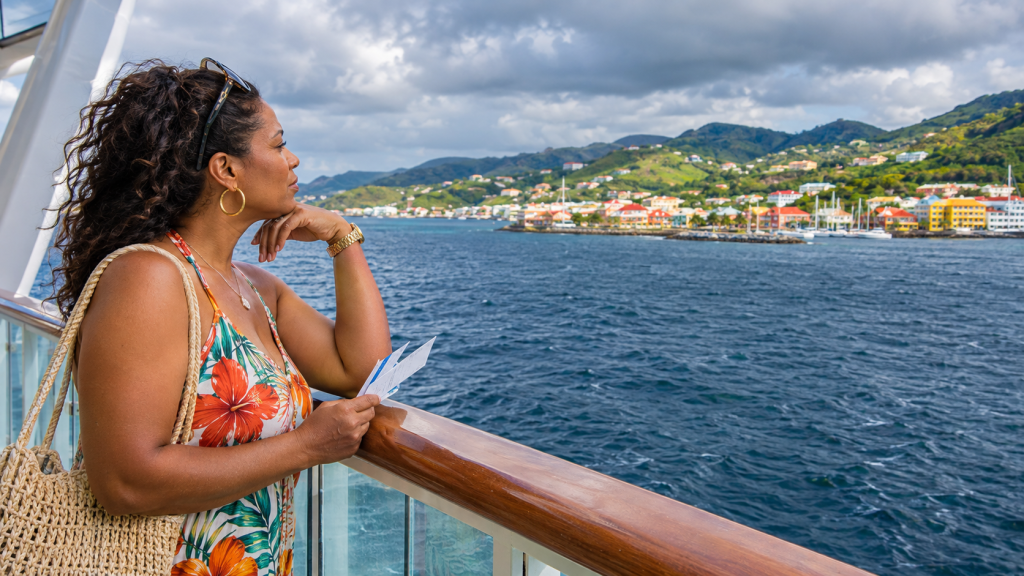
Some tour operators provide refunds when a cruise ship cannot dock, particularly when that protection is included in their cancellation policy.
Others may offer a credit, a rescheduled experience, or no refund once a specified cancellation deadline has passed.
Before departure, it’s worth reviewing the terms of any independently booked excursion, especially when the itinerary includes tender ports or destinations susceptible to weather disruptions.
If your itinerary changes while you’re onboard, review the excursion’s cancellation conditions immediately and contact the provider when necessary.
Keep the cruise line’s official announcement or other documentation in case you need to support a refund request.
Remember that a canceled port does not automatically entitle every passenger to a refund of part of the cruise fare.
Cruise contracts frequently permit itinerary modifications, and the remedies available depend on the reason for the change and applicable terms or laws.
Prepare for the Uncommon Situation Where Your Ship Returns Late
Most cruise passengers plan their journey home around the scheduled arrival time, but it’s wise to remember that the ship’s return and the completion of disembarkation aren’t the same event.
Even after docking, passengers may need to wait for clearance, luggage handling, and scheduled disembarkation procedures before they can leave.
Online‑Only Cruise Offers You Won’t Find Elsewhere
Unlock special pricing and start planning the sailing that matches your perfect itinerary
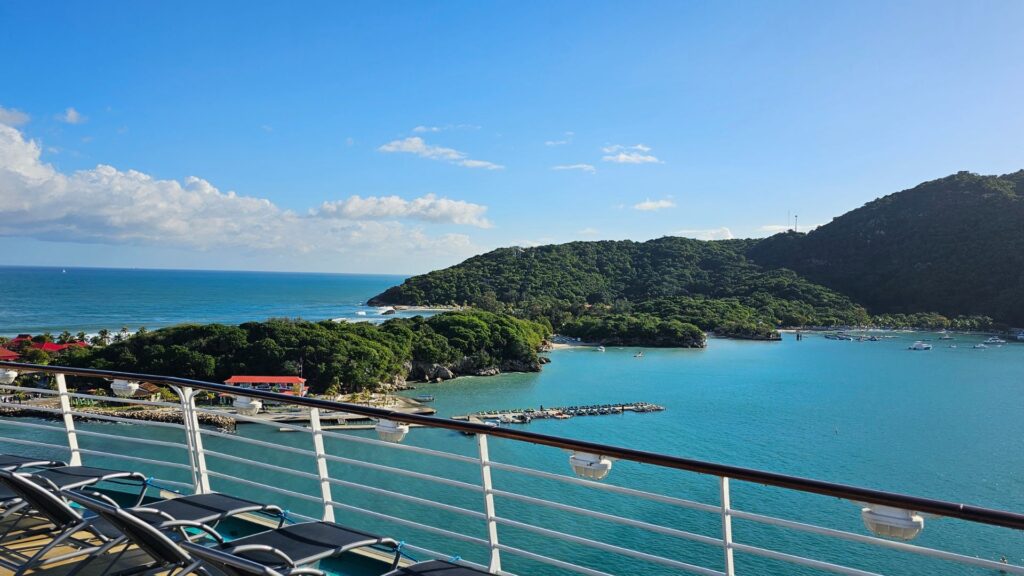
A weather-related delay can make this process more complicated, particularly if the ship has had to navigate around a storm or wait for its destination port to reopen.
That’s why booking a flight with a narrow connection to the ship’s scheduled arrival creates avoidable risk.
Whenever possible, follow the cruise line’s guidance about recommended flight departure times, allow a generous travel buffer, and consider staying an additional night in the port city if your circumstances make a missed flight especially difficult to manage.
Should your ship’s return be delayed, begin by checking the revised arrival and disembarkation information.
Then review your transportation arrangements, contact the airline or booking provider if changes become necessary, and retain documentation of the disruption.
Travel insurance may cover certain missed connections, travel delays, or additional expenses, but benefits vary considerably.
Some policies require specific causes, minimum delay periods, or other conditions before coverage applies.
A delay caused by the ship returning late also doesn’t automatically establish eligibility for airline passenger-rights compensation.
That usually depends on whether the flight itself was disrupted and whether the applicable legal requirements are satisfied.
Build a Simple Plan for the First Hour After an Announcement
When the cruise director or captain announces an itinerary change, you don’t need to solve the entire remainder of your vacation immediately.
First, listen for the specific details: which port or timing has changed, whether reservations are affected, and when passengers should expect further information.
Next, check the cruise line’s app, onboard notices, or Guest Services if you need clarification.
Official guidance is more useful than trying to interpret rumors circulating around the ship.
Once you know what has changed, identify the most immediate decision.
If your excursion has been canceled, that might mean checking your refund status and choosing whether to book another activity.
A delayed sail-away may require no action beyond adjusting your expectations for the evening.
A late return, however, could mean contacting an airline or rearranging ground transportation.

Luxury Cruise Experiences at Smarter Prices
See premium sailings and upgraded cabins priced for travelers who know how to book well
After addressing the practical details, give yourself permission to enjoy the rest of the day.
You might discover an activity you hadn’t planned to attend, spend a little longer at a favorite restaurant, or simply enjoy the ocean views while the situation develops.
A cruise schedule is a plan, not a guarantee that conditions will never change.
What protects your vacation is knowing how to respond when something does.
The better prepared you are for that possibility, the easier it becomes to distinguish a minor inconvenience from a problem that genuinely needs your attention.
How to Handle Cruise Delays and Itinerary Changes Without Letting One Disruption Ruin Your Vacation
A first cruise feels like it should run on rails, because the schedule looks so official.
Then a tiny change happens, and your brain suddenly treats it like the whole trip is unraveling.
Cruise delays and itinerary changes can feel like a vacation spoiler—especially on your first sailing.
A late departure or a swapped port can trigger frustration fast if you don’t know what’s normal.
Even rarer situations, like a ship adjusting course to avoid storms or waiting for port operations to reopen, can create late arrivals back to the debarkation port. (National Hurricane Center)
The truth?
Most changes are rare and happen for safety or operational reasons, not chaos.
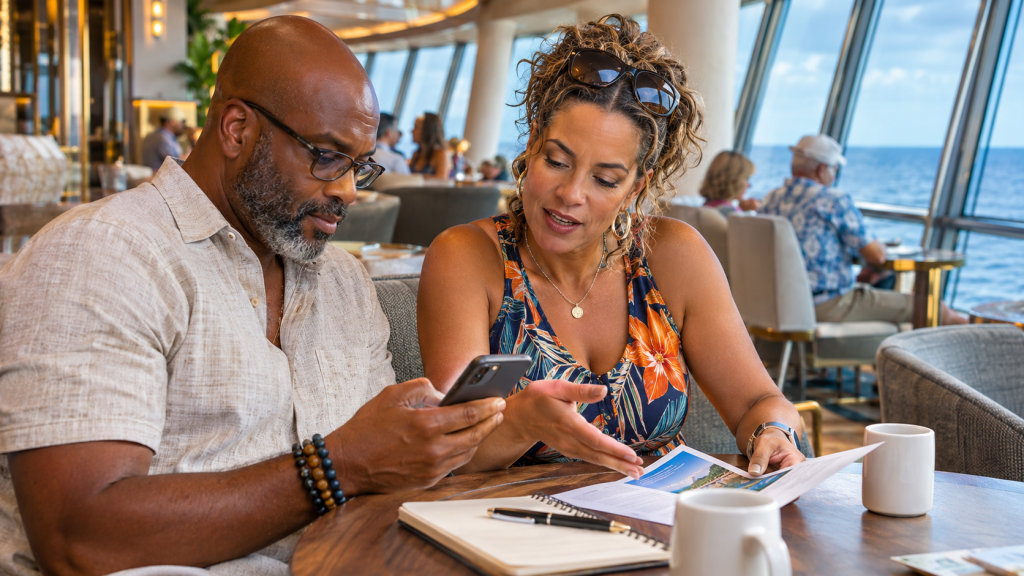
Here’s the part that puts most first-time cruisers at ease: major disruptions are not the norm on most sailings, but cruise lines plan for the occasional change because safety and port operations are real-world variables. (Royal Caribbean)
In other words, the system is built to absorb changes, even when your emotions feel caught off guard.
This guide gives you practical coping tips, a survival script, and a clear plan so you stay steady when plans shift.
Before we go deeper, one piece of jargon matters.
A port change means the cruise line alters the itinerary by skipping a port, swapping a port, adding a sea day, or changing the order of port calls. (Cruise Critic)
Cruise Critic notes that itinerary changes can include a port being eliminated and replaced with a sea day or an alternate port, or a reconfigured order of the same ports. (Cruise Critic)
Cruise lines also spell out in their terms that they may deviate from scheduled sailings or ports when circumstances require it. (Royal Caribbean)
That does not mean changes happen constantly.

Sail Away to Paradise Without Overpaying
Find cruise deals that make it easy to escape, relax, and enjoy the ocean without stretching your budget
It means the cruise contract recognizes that weather, port access, and safety decisions sometimes force an adjustment. (Royal Caribbean)
Once you understand that framework, the emotional charge drops.
Then you can focus on the only thing that matters: what to do next.
Why Delays And Changes Feel So Annoying At First
Cruise frustration usually comes from one specific clash.
Your brain expects “paid-for certainty,” because the itinerary looks like a promise.
Reality delivers “planned structure,” which is predictable most of the time but still responsive to conditions. (Royal Caribbean)
That clash makes a delay feel unfair, even when it is reasonable.
It also makes a port change feel personal, even when it affects everyone equally.
For first-time cruisers, the emotional spike can be stronger because you do not yet trust the system.
Experienced cruisers trust the system because they have watched it work through small disruptions.
The fastest way to build that trust is learning what actually causes changes, and what the cruise line typically does when one happens. (Cruise Critic)
The Control Gap
Most frustration is a control problem, not a time problem.
A fifteen-minute delay can feel bigger than it is when nobody explains it clearly.
Silence creates stories, and anxious stories multiply quickly in crowds.
Your job is to shrink the control gap by getting reliable information and making one small decision you can own.
Reliable information usually comes from the cruise line’s app, onboard announcements, and official travel update pages when weather is involved. (Royal Caribbean)
One small decision can be as basic as choosing where you will wait, what you will do with your next hour, and how you will protect your energy.
Protecting your energy is not “being dramatic.”
It is the difference between a minor disruption and a ruined day.
Why “Rare” Still Matters
You asked for reassurance that these events are uncommon, but still possible.
That is the right way to think about it.
Most cruises sail and return on schedule, because ports run predictable operations and ships avoid bad conditions when they can.
When conditions change, captains may adjust course and speed to stay clear of storm danger areas, which NOAA describes as the prudent decision for mariners. (National Hurricane Center)
When storms approach a port, U.S. Coast Guard readiness actions can lead to port operations stopping or access being limited until it is safe. (porteverglades.net)
Those are not everyday events, which is why they stand out when they happen.
Still, they are part of the real-world ocean environment, and the cruise industry plans around them. (National Hurricane Center)
Knowing that in advance is calming in the practical sense, because it prevents shock.
Shock is what turns a change into frustration.
When It’s Most Likely To Happen
If a delay or change happens, it usually has a clear reason.
Weather is the big one, because safety rules always win. (National Hurricane Center)
Port access and maritime traffic incidents can also cause timing changes, like temporary clearance issues in busy waterways. (People.com)
Mechanical issues are another category, and cruise lines may adjust ports or timing to keep the overall sailing safe and operational. (Cruise Critic)
The key point is that most changes are not random.
They are responses to constraints that exist whether you are on a ship or on land.
Once you see the constraint, the emotion gets easier to manage.
Management is the goal, because management keeps your vacation enjoyable.
Clarity Lowers Heat
Understanding why changes happen reduces the emotional spike that first-time cruisers feel. (Cruise Critic)
Safety Always Wins
Storm avoidance and port closures happen for safety, not convenience. (National Hurricane Center)
Control Is Buildable
Reliable updates plus one small decision shrinks the control gap quickly. (Royal Caribbean)
What Usually Causes A Delayed Departure On Embarkation Day
A delayed sail-away on embarkation day is one of the most common “small disruptions” people notice, because it happens right in front of you.
You can literally see the shoreline, watch the time, and feel the anticipation build.
When the ship does not leave at the exact minute you expected, your brain searches for a reason.
Sometimes the reason is simple, like a later-than-planned completion of boarding steps or port timing coordination.
Other times the reason is outside the ship entirely, such as weather limitations or port operations being restricted for safety. (porteverglades.net)
Cruise contracts and FAQs also make it clear that sailings or port calls may be postponed or deviated from when conditions require it. (Royal Caribbean)
That language exists because ports and the ocean do not run on perfect scripts.
Even when the change feels annoying, it often protects the rest of the trip.
The Port Controls More Than You Think
A port is not just a parking spot.
It is a controlled maritime environment with safety rules, traffic rules, and weather rules.
When a storm approaches, the U.S. Coast Guard determines readiness actions and when operations will cease, and access into the port may be limited to essential operations. (porteverglades.net)
Port Canaveral likewise emphasizes following U.S. Coast Guard and port authority guidance during severe weather events. (Port Canaveral)
When you picture those controls, a late departure starts to make sense.
The ship cannot simply “go when it wants” if the channel is restricted.
Waiting is sometimes the safest and most efficient choice.
Efficient choices protect your itinerary more than rushed choices do.
A Rare But Real Example
Sometimes delays happen in ways you would never predict, like maritime incidents that require authorities to clear hazards before vessels move. (People.com)
People reported a cruise departure delay after shipping containers fell overboard and maritime authorities managed the hazard before allowing traffic to proceed. (People.com)
That is not a daily cruise issue.
It is a reminder that ships operate in shared waterways, not private highways.
Shared waterways create occasional bottlenecks.
Bottlenecks create delays.
Knowing that prevents you from turning a delay into a personal insult.
It is not personal.
It is maritime reality.
What To Do When Sail-Away Runs Late
First, assume you are still on vacation.
That sounds obvious, but it matters, because many people mentally “pause” the fun when a delay happens.
Next, get the most reliable update source available, which is usually the ship’s app and official announcements. (Royal Caribbean)
After that, choose one pleasant anchor activity for the next hour, like a quiet drink, a snack, or a walk through the ship to learn key routes.
Learning the ship while you wait is a power move, because it turns idle time into future ease.
Finally, avoid feeding the rumor loop, because rumor loops amplify frustration fast.
Rumors thrive in delays.
Official updates shrink rumors. (Royal Caribbean)
Shrinking rumors protects your mood, and your mood protects your trip.
Ports Have Rules
Delayed departures are often tied to port operations and safety constraints. (porteverglades.net)
Weird Things Happen
Maritime incidents can delay departures, even when your ship is ready. (People.com)
Waiting Can Be Useful
Turning delay time into ship-familiarity is how beginners become confident fast. (Royal Caribbean)
Itinerary Changes And Port Changes Explained Simply
A port change can sound dramatic, but most port changes are simply substitutions and reshuffles. (Cruise Critic)
Cruise Critic explains that changes may involve a port being eliminated and replaced with a sea day or alternate port, or the order of port calls being rearranged. (Cruise Critic)
That definition is useful because it shows you what “change” really means in practice.
You might still visit the same destinations, just on different days.
You might swap one island for a nearby one when conditions are better.
You might get an extra sea day when docking is not possible.
Those are not ideal outcomes if you were excited about one specific stop.
Still, they are designed to protect the overall sailing and keep you in good conditions. (National Hurricane Center)
Once you understand the menu of changes, the event becomes manageable rather than mysterious.
Why Cruise Lines Can Change It
This is where expectations matter.
Royal Caribbean’s FAQ states the cruise line may cancel, advance, postpone, or deviate from sailings or ports of call without prior notice for reasons including weather conditions, mechanical difficulties, or other causes. (Royal Caribbean)
Norwegian Cruise Line’s additional terms likewise reserve the right to change itineraries. (Norwegian Cruise Line)
Those statements are not there because cruise lines want to disappoint you.
They are there because the ocean and ports sometimes require decisions that cannot wait for perfect timing.
Safety and operational integrity come first.
The more you accept that framework, the less shocking a change feels.
Shock is the emotion you want to avoid.
Avoiding shock keeps your vacation steady.
What You Are Usually Owed
Compensation varies, and you should always check your cruise line’s specifics.
Still, consumer travel guidance often notes a common pattern: when a port is skipped, shore excursions booked through the cruise line for that port are typically refunded, while itinerary changes themselves are generally allowed under the contract terms. (The Points Guy)
That is why your first move should be practical, not emotional.
Confirm what is being refunded.
Confirm what is being rebooked automatically.
Confirm whether port fees are adjusted.
Then make one good decision for the new plan.
A new plan can still be a good plan.
Sometimes it is even better, especially when weather improves. (Cruise Critic)
Reframing Without Pretending
Nobody has to “love” an itinerary change.
The healthy move is allowing disappointment while still protecting your day.
Disappointment is a feeling.
Your day is a set of choices.
You can feel disappointed and still choose a great lunch, a great show, and a great sea-view moment.
That combination is what experienced cruisers do without even thinking about it.
They do not deny reality.
They adapt with a plan.
That is what you are learning here.
Port Change Means Swap
A port change is usually a substitution, a sea day, or a reshuffled order. (Cruise Critic)
Contracts Allow Flex
Cruise lines reserve the right to adjust itineraries when conditions require it. (Royal Caribbean)
Practical Steps Win
Refund and rebooking checks keep you grounded when plans shift. (The Points Guy)
The Truly Uncommon One: Late Returns Because Of Storm Avoidance Or Port Closures
This is the scenario you specifically asked to address gently, because it is the one that can sound scary.
On very rare occasions, a ship may arrive back to the debarkation port later than planned.
This can happen when a captain adjusts course and speed to stay clear of a hurricane’s danger area, which NOAA describes as a prudent navigation decision for mariners. (National Hurricane Center)
It can also happen when a storm affects port operations, because the U.S. Coast Guard may determine when operations will cease and when access is limited during storm readiness. (porteverglades.net)
In plain language, the ship may slow down, route around bad conditions, or wait for safe port access.
Those choices can shift arrival time.
They are not common.
They are also not a sign that your cruise is “in trouble.”
They are signs that professionals are choosing safety over speed. (National Hurricane Center)
If this happens, the most important thing to remember is that the cruise line has done this many times before, even if you have not.
A Current Example Without Drama
A recent report described an MSC ship arriving roughly ten hours late after severe weather affected operations, and the impact was mainly adjusted embarkation and debarkation timing. (Cruise Industry News | Cruise News)
That kind of event gets attention precisely because it is unusual.
It is also a useful reminder that weather decisions do occasionally ripple into timing.
Still, notice what the example shows.
The ship arrived.
Operations adjusted.
Guests continued their travel with updated instructions. (Cruise Industry News | Cruise News)
That is the pattern you should expect.
Not chaos, but adjustments.
Adjustments are manageable when you know how to handle them.
What To Do If Debarkation Timing Shifts
Start by treating the first announcement as a “heads up,” not the final word.
Maritime and weather situations can evolve, and cruise lines update instructions as conditions become clearer. (Royal Caribbean)
Next, protect your travel home.
If you have flights on debarkation day, consider choosing later flights when possible, because that buffer makes rare delays less stressful.
If you cannot change flights, get in line early at guest services when updates begin, because early action is easier than last-minute scrambling.
If a flight disruption becomes part of the situation, Compensair and AirHelp can be useful tools for navigating passenger-rights claims in certain cases, depending on route and eligibility.
Travel insurance choices like World Nomads, VisitorsCoverage, Ekta, and Insubuy can also reduce fear around missed connections and travel disruptions, depending on the policy terms you choose.
The key is thinking in buffers, not in panic.
Buffers keep your body steady, and steady bodies make better decisions.
Why This Should Not Scare You
A first-time cruiser might hear “storm reroute” and imagine dramatic danger.
In reality, the point of rerouting is to avoid danger. (National Hurricane Center)
Avoidance is proactive, not reactive.
It is the system working, not the system failing.
When ports are affected by storms, operations can pause until it is safe, and that pause protects ships, guests, and crews. (porteverglades.net)
That pause can feel frustrating when you are ready to go home.
Still, it is a safety decision, not a mystery.
Once you label it correctly, your emotions settle faster.
Settling faster is what preserves your vacation mindset.
Storm Avoidance Is Proactive
Routing around danger areas is a prudent safety move, not a sign of failure. (National Hurricane Center)
Port Closures Happen
Storm readiness can pause port operations, which can affect timing in rare cases. (porteverglades.net)
Buffers Protect You
Late flights and simple backup plans make uncommon delays much easier to handle. (Royal Caribbean)
Your Delay Survival Guide
When something changes, you need two things immediately.
You need reliable information.
You also need a simple script for what you will do next.
This guide gives you both, without overcomplicating your day.
Use it for embarkation delays, port changes, or rare timing shifts at the end of the cruise.
The point is not “liking” the change.
The point is staying steady through it.
Steady is what keeps your vacation enjoyable.
Delay Survival Guide Table
| Situation | What To Think | What To Do Next |
|---|---|---|
| Embarkation day departure runs late | Port and safety rules can slow timing | Check app and announcements then pick one pleasant onboard activity (Royal Caribbean) |
| Port change announced | It is a swap or reshuffle not a disaster (Cruise Critic) | Verify excursion refunds and decide on a new plan (The Points Guy) |
| Sea day added | The ship will pivot to onboard experiences | Book one show then choose one low-stress venue |
| Storm reroute extends travel time | Captains adjust course to avoid danger (National Hurricane Center) | Protect energy hydrate eat and treat updates as evolving |
| Debarkation timing shifts | Port operations can pause for safety (porteverglades.net) | Notify travel contacts and get early clarity on flights and transfers |
The Three-Sentence Script
A script prevents spiraling because it gives your mind a track to follow.
Try this.
“One change does not equal a ruined trip.”
“I will get official info, then make one good decision for the next hour.”
“I can be disappointed and still have a great day.”
That is not toxic positivity.
It is emotional leadership.
Leadership is what you need in a moment of change.
Once you lead yourself, frustration fades faster.
Fading faster is the whole win.
Stop This One Habit That Turns Delays into Drama
Here is the mistake that ruins more cruises than the delay itself.
People chase unofficial information and let it emotionally hijack them.
Rumors feel urgent because they are dramatic.
Official updates feel slower because they are careful. (Royal Caribbean)
Careful is what you want.
Careful is how professionals manage maritime decisions.
Let careful information guide your choices.
That is how you stay steady when others are escalating.
Scripts Beat Spirals
A short script gives your mind something reliable to follow when emotions spike.
Official Info Wins
Cruise lines update guests through official channels when situations develop. (Royal Caribbean)
One Hour Focus
Choosing the next hour keeps the change from swallowing your whole day.
Avoid These Stress Triggers That Make Cruise Changes Harder
A delay or change is one event.
The emotional crash usually comes from what you do after the event.
Most first-time cruisers unintentionally add stress by trying to solve everything at once.
Everything-at-once thinking is how frustration turns into exhaustion.
Exhaustion makes the ship feel louder, crowds feel bigger, and time feel shorter.
A better strategy is sequencing.
Sequence one thing, then the next thing, then the next thing.
Sequencing keeps you steady.
Mistake One Fighting Reality
Arguing with the fact of the change wastes energy.
Energy is your most valuable vacation resource.
You can dislike the change and still accept it.
Acceptance is not approval.
Acceptance is simply acknowledging what is now true.
Once you accept it, you can adapt.
Adaptation is where your power lives.
Power is what reduces frustration.
Mistake Two Overcommitting
When a port changes, people often try to replace every lost plan immediately.
That creates rushed decision-making.
Rushed decisions often cost more money and create more regret.
Instead, secure one good replacement plan first.
Then leave the rest flexible.
Flexibility is valuable when conditions are changing.
Flexibility lets you choose better options later.
Better options feel like a win, which restores your mood.
Mistake Three Letting One Day Poison The Week
A single disruption can trigger an “everything is wrong” mindset.
That mindset is rarely about the cruise.
It is about emotional depletion.
Refuel yourself quickly.
Eat something steady.
Get water.
Sit in a quiet place for fifteen minutes.
Then restart your day.
Restarting a day is a skill, and it is one of the most useful cruise skills you can build.
Acceptance Frees Energy
Accepting the change allows you to adapt without wasting emotional fuel.
One Plan First
Replacing one key plan beats scrambling to replace everything immediately.
Restarting Works
A deliberate reset prevents one disruption from poisoning your whole sailing.
You Can Handle Changes Without Losing The Vacation Feeling
Delays and changes are not what most cruises are about.
Most of the time, your ship will sail, dock, and return without anything dramatic.
When something does shift, it usually happens for understandable reasons like weather safety, port operations, or maritime constraints. (National Hurricane Center)
That is why cruise lines keep the right to adjust schedules and ports when needed. (Royal Caribbean)
The best thing you can do as a first-time cruiser is stop treating change as a personal threat.
Treat it as a moment that needs a script, one official update source, and one good decision for the next hour. (Royal Caribbean)
Do that, and you will feel something powerful.
You will feel capable.
Capable is what turns a first cruise into the beginning of many.
FAQ – What Happens When a Cruise Is Delayed, a Port Is Canceled, or Your Ship Returns Later Than Scheduled?
How Common Are Cruise Delays and Itinerary Changes?
Cruise schedules are designed around planned routes, port reservations, and anticipated sailing conditions, but occasional changes are part of operating ships in a real maritime environment.
Weather, port restrictions, docking difficulties, and mechanical problems can require adjustments, although the frequency varies considerably by itinerary and season.
A delayed departure doesn’t necessarily mean the entire voyage will be affected, and even a missed port may leave the rest of the sailing unchanged.
Because there’s no single reliable percentage that describes every cruise line and destination, it’s more useful to understand the possible disruptions and how your operator handles them than to assume they never occur.Why Do Cruise Ships Sometimes Leave Port Later Than Scheduled?
A ship may depart later than planned because of boarding operations, port traffic, weather, navigation restrictions, or other operational circumstances.
Even when passengers are already onboard, the vessel must coordinate its departure with port authorities and follow any applicable safety requirements.
Depending on the length of the delay and the remaining route, the cruise may still reach its next destination on schedule.
If you’re already aboard, follow official announcements and continue enjoying available facilities unless the crew provides different instructions.Can Cruise Lines Change Ports After You’ve Booked Your Vacation?
Yes, cruise lines generally reserve the contractual right to modify scheduled ports when conditions require it, although the applicable terms and passenger protections vary.
A change might involve replacing a destination, rearranging port visits, shortening a stop, or adding a sea day instead of docking.
These decisions can arise from weather, port restrictions, or operational circumstances that weren’t known when passengers booked.
Because itinerary changes can affect independently arranged excursions and other plans, review your cruise contract and the operator’s current announcements rather than assuming the original schedule is guaranteed.What Happens if a Cruise Ship Skips a Scheduled Port?
When a ship skips a port, the cruise line may substitute another destination, add time at sea, or adjust the remaining itinerary depending on what’s feasible.
Any shore excursions you’ve purchased through the cruise line for the canceled stop should be reviewed under its cancellation and refund procedures, while independent tours follow the provider’s own terms.
The crew may also schedule additional onboard entertainment when the ship spends an unexpected day at sea.
Although missing a destination can be disappointing, it doesn’t automatically mean the rest of your vacation needs to change.Do You Get a Refund if Your Cruise Misses a Port?
A missed port does not automatically entitle passengers to a partial refund of the overall cruise fare, since many cruise contracts allow itinerary changes under specified circumstances.
However, cruise-line excursions canceled because the ship cannot visit their destination may qualify for refunds under the excursion operator’s terms.
Port taxes or fees may also be adjusted in some situations, but that shouldn’t be assumed without checking your account and the cruise line’s policy.
Ask Guest Services what is being refunded or credited, and distinguish those adjustments from compensation for the missed destination itself.Will You Get Your Money Back for a Canceled Shore Excursion?
When an excursion booked through the cruise line is canceled, refunds or other remedies generally depend on the operator’s terms and the circumstances of cancellation.
Independently booked excursions are handled by the outside provider, which may have a specific missed-port policy or require documentation showing that the ship couldn’t dock.
Some tour companies permit refunds for cruise itinerary changes, while others apply stricter cancellation deadlines.
Review the booking conditions before departure and contact the provider promptly if your port visit is canceled.Can Bad Weather Cause a Cruise Ship to Change Its Route?
Yes, captains can adjust routes and sailing schedules when storms, high seas, or other weather conditions make the original plan unsuitable.
Tropical storms and hurricanes are especially important because vessels may need to maintain a safe distance from dangerous conditions rather than continue toward a scheduled destination.
The resulting adjustment could affect which ports the ship visits or how long it takes to reach its next stop.
A reroute is often a precautionary navigation decision, so it shouldn’t automatically be interpreted as evidence that passengers are in immediate danger.Can a Hurricane or Port Closure Make a Cruise Return Late?
Yes, severe weather or restricted port operations can occasionally prevent a ship from returning at the originally scheduled time.
The vessel may need to sail around dangerous conditions, reduce or adjust its speed, or wait until authorities permit safe entry into the destination port.
These situations can affect disembarkation and transportation arrangements, especially for passengers with flights booked on the scheduled return day.
If your voyage is affected, monitor official instructions and contact your travel providers as soon as revised timing is sufficiently clear.What Should You Do if Your Cruise Returns Late and You Have a Flight Home?
Begin by checking the revised disembarkation schedule, since docking time and the time passengers can actually leave the ship are not necessarily the same.
Once you understand the likely delay, contact your airline or travel provider to discuss available changes, and review any applicable travel insurance benefits.
If you booked flights through the cruise line, ask whether its air program provides assistance or protections relevant to your reservation.
Keep copies of official notifications, receipts, and additional expenses because they may be necessary for reimbursement or insurance claims.Can Cruise Ships Make Up Time After a Delayed Departure?
Sometimes a ship can adjust its sailing schedule or speed sufficiently to reduce the effect of a departure delay, although this depends on navigation conditions, distance, operational limits, and port arrangements.
A short delay may have little impact on the next scheduled arrival, while a longer interruption could require changes elsewhere in the itinerary.
The captain and bridge team must consider safety and operating requirements rather than simply trying to recover every lost minute.
Passengers should rely on announced arrival times instead of assuming that the ship will automatically make up the delay.What Should You Do Immediately After a Cruise Itinerary Change Is Announced?
Listen carefully to the official announcement and identify whether the change affects departure times, port visits, excursions, or disembarkation arrangements.
Check the cruise line’s app or onboard information channels for written details, especially when further updates are expected.
Then address the most immediate concern, such as confirming an excursion refund or contacting a transportation provider.
You don’t need to replace your entire itinerary at once, and leaving some flexibility can be helpful while the situation continues to develop.Where Can You Find Reliable Information About Cruise Delays?
The cruise line’s official announcements, mobile app, Guest Services desk, and travel update channels are generally the best starting points.
When severe weather is involved, official forecasts and maritime advisories can provide useful background, but they don’t replace the cruise operator’s instructions about your particular sailing.
Passengers sometimes share rumors or incomplete information before the crew has confirmed the situation, which can create unnecessary confusion.
Checking reliable sources at reasonable intervals helps you stay informed without spending the entire day trying to interpret every new comment.Should You Trust Social Media Reports About Cruise Itinerary Changes?
Social media can help you understand what other passengers are experiencing, but it isn’t a substitute for official information about a sailing.
Posts may refer to a different ship, outdated weather forecast, or preliminary decision that has already changed.
Even accurate reports may not explain how the situation affects excursions, refunds, or disembarkation arrangements.
Use official cruise line communications to make decisions, and treat social media as supplemental context rather than definitive guidance.Can You Get Compensation When a Cruise Is Delayed or Canceled Because of Mechanical Problems?
The remedies available depend on what happened, the cruise contract, and applicable passenger protections.
The cruise industry’s Passenger Bill of Rights provides for a full refund when a voyage is canceled because of mechanical failures and a partial refund when such failures cause the voyage to end early, together with specified assistance in qualifying circumstances.
However, a minor mechanical delay or an altered port visit isn’t necessarily treated the same way as a canceled or prematurely terminated cruise.
Document the disruption, review the operator’s terms, and ask for the specific remedy that applies rather than assuming every delay produces the same compensationDoes Travel Insurance Cover Cruise Delays, Missed Ports, or Missed Flights?
Travel insurance may provide benefits for qualifying travel delays, missed connections, interrupted trips, or other disruptions, depending on the policy.
However, coverage isn’t automatic simply because a cruise arrives late or a scheduled port is canceled, and policies may require particular triggering events or minimum delay periods.
Some plans also distinguish between pre-paid excursion losses, additional transportation expenses, and interruption of the cruise itself.
Review the policy wording before departure, especially the covered reasons, documentation requirements, exclusions, and benefit limits.Should You Book an Afternoon or Evening Flight After Your Cruise?
A later flight can provide more flexibility because scheduled docking, disembarkation procedures, immigration or customs processing, and ground transportation all take time.
The safest practical departure window depends on the port, airport distance, cruise line guidance, and whether you’re traveling internationally.
If your schedule and budget allow, staying overnight after the cruise creates an additional buffer against unexpected delays.
Whichever option you choose, avoid booking an unusually tight connection based only on the ship’s advertised arrival time.How Can You Enjoy an Unexpected Sea Day When Your Cruise Skips a Port?
An unexpected sea day can become more enjoyable when you stop trying to replace every activity you’d originally planned ashore.
Check the updated daily schedule for additional entertainment, then choose one or two experiences that genuinely interest you, such as a show, a favorite dining venue, or time relaxing on deck.
You may also discover parts of the ship you hadn’t explored because your original itinerary was busy.
Being disappointed about missing a destination is reasonable, but it doesn’t prevent you from finding worthwhile moments in the revised day.What Are the Biggest Mistakes First-Time Cruisers Make During Delays?
One mistake is relying on passenger rumors instead of waiting for official information, which can turn an uncertain situation into unnecessary worry.
Another is making immediate spending or travel changes before understanding what the cruise line has actually announced.
Some passengers also try to replace every canceled activity at once, leaving themselves exhausted and potentially spending more than intended.
A more practical response is to confirm the facts, identify what genuinely requires action, and adjust one part of the plan at a time.How Can You Handle Disappointment When a Favorite Cruise Port Is Canceled?
Missing a destination you’ve been looking forward to can be genuinely frustrating, particularly when it was the main reason you selected the sailing.
You don’t need to pretend the change is exciting or immediately replace it with an equally elaborate activity.
First, handle any excursion bookings or refunds that require attention, then consider what opportunities remain available during the revised itinerary.
You may not get the port experience you originally wanted, but you can still make deliberate choices that preserve the enjoyment of the rest of your vacation.What Is the Best Way to Prepare for Cruise Delays Before Your First Sailing?
Start by understanding that published cruise schedules are subject to change and reviewing the booking conditions that explain how disruptions are handled.
Choose sensible travel buffers, check the cancellation terms of independent excursions, and consider whether appropriate travel insurance would help protect your financial exposure.
Keep travel provider contact information and booking details accessible so changes are easier to manage if they become necessary.
With those arrangements already handled, you’re better positioned to respond to unexpected changes without allowing them to dominate the vacation.
Plan Your Next Cruise!

Experience the Perfect Blend of Disney Magic, Luxury Cruising, and Family Adventure at Sea
One Delay Can Cost Your Entire Cruise A quick coverage check now protects you from the problems no one sees coming….
Discover Regent Seven Seas Cruises: Opulent Suites, Gourmet Dining, and Exclusive Destinations
One Delay Can Cost Your Entire Cruise A quick coverage check now protects you from the problems no one sees coming….

Unlock Seabourn’s World: Yacht‑Like Luxury, Exclusive Destinations, And Unmatched Comfort
One Delay Can Cost Your Entire Cruise A quick coverage check now protects you from the problems no one sees coming….

Discover Silversea Cruises: Ultra‑Luxury Voyages to the World’s Most Exclusive Destinations
One Delay Can Cost Your Entire Cruise A quick coverage check now protects you from the problems no one sees coming….