One Delay Can Cost Your Entire Cruise
A quick coverage check now protects you from the problems no one sees coming.
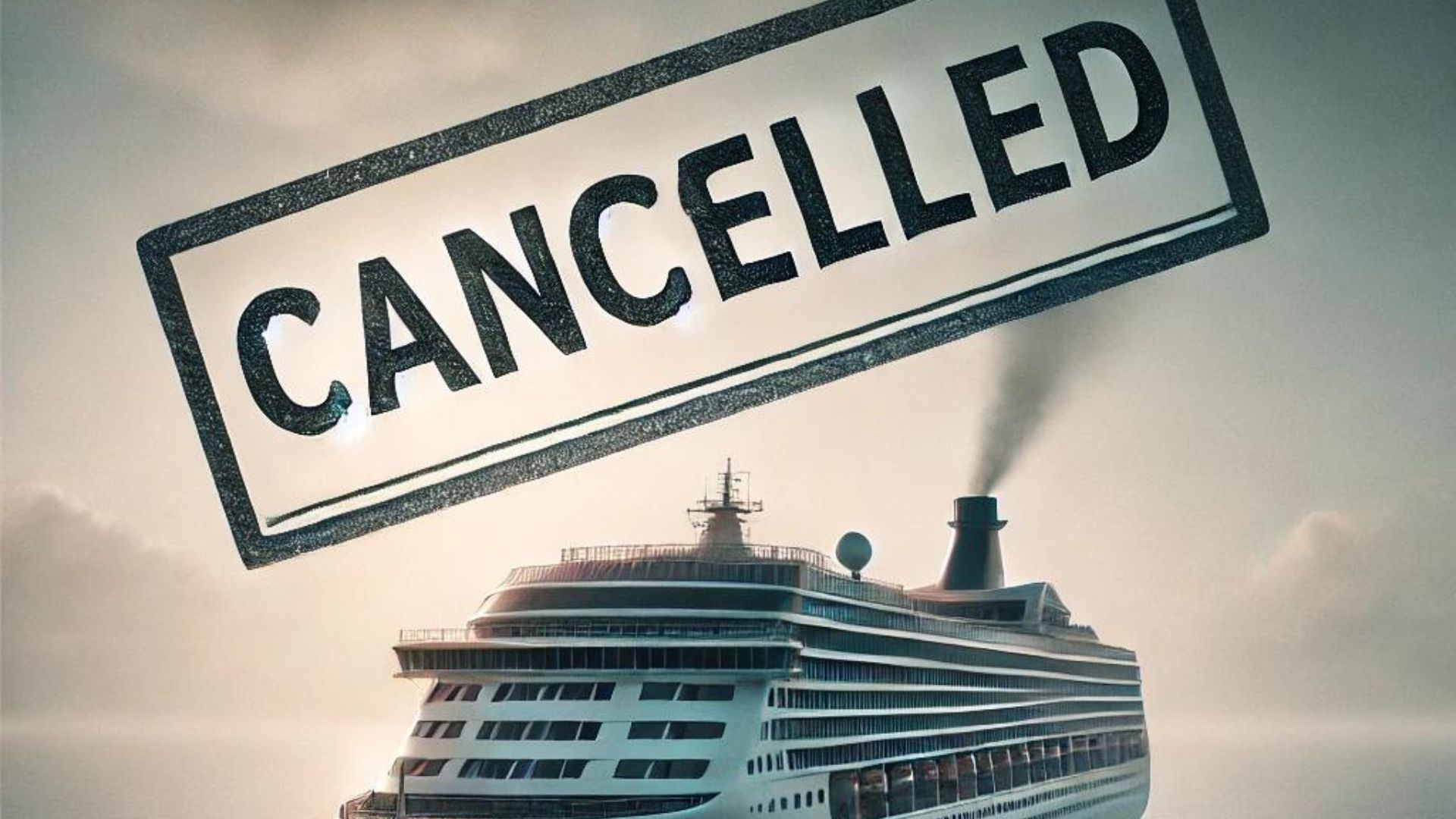
Canceling a cruise should not mean losing your entire fare.
You can protect your refund by understanding cancellation deadlines, non‑refundable fares, and cruise line penalty tiers.
Travel insurance and CFAR upgrades unlock real recovery options even after the cut‑off.
Follow a clear claim process to secure reimbursements and avoid regret.
Understand Refund Timelines and Cruise Cancellation Policies
Each cruise line has its own cancellation policy, and these policies are typically outlined in the terms and conditions when you book your cruise.
While the specifics may vary from one cruise line to another, most follow a similar structure, with cancellation penalties increasing as the departure date approaches.
Beat Refund Deadlines with a Clear Cruise Cancellation Timeline
- 90+ Days Before Departure: In most cases, if you cancel your cruise more than 90 days before the scheduled departure, you may be eligible for a full refund or, in some instances, a small administrative fee may be charged.
- 60-89 Days Before Departure: Canceling within this window usually incurs a penalty, often ranging from 25% to 50% of the total cruise fare.
- 30-59 Days Before Departure: As the departure date nears, the penalties increase. Typically, you may lose 50% to 75% of your cruise fare.
- 15-29 Days Before Departure: Cancelling within two weeks to a month of the cruise can result in forfeiting 75% to 100% of the cruise fare.
- 14 Days or Less Before Departure: In most cases, canceling a cruise within this period means losing the entire cruise fare.
These timelines and penalties may vary slightly depending on the cruise line and the type of fare you booked, so it’s crucial to review the cancellation policy specific to your booking.

Avoid Pitfalls in Non‑Refundable Cruise Fares to Protect Your Money
Some cruise lines offer non-refundable fares at a lower price point.
While these fares may save you money upfront, they come with a significant risk—if you need to cancel, you may not be entitled to any refund.
Instead, you might receive a future cruise credit, often with restrictions on when and how it can be used.
Claim Full Value When the Cruise Line Cancels Your Sailing
In rare cases, the cruise line itself may need to cancel the cruise.
This could happen due to mechanical issues, natural disasters, or other unforeseen events.
When a cruise line cancels, they typically offer a full refund or the option to rebook on another cruise.
In some cases, they may also provide compensation in the form of future cruise credits or onboard spending money.
Recover Costs After the Cut‑Off with Exceptions, CFAR, and Documentation
One of the most common questions is whether you can cancel your cruise after the official cut-off time, especially if an unexpected event occurs.
Unfortunately, once the cut-off time has passed, you are generally subject to the cruise line’s strictest penalties—often losing 100% of your cruise fare.
However, there are exceptions:
Click for Exclusive Offers on Top Cruise Lines!
Medical Emergencies:
Some cruise lines may make exceptions for medical emergencies.
If you or a close family member falls seriously ill, providing documentation such as a doctor’s note or hospital records may help you recover some of your cruise fare.
This is often handled on a case-by-case basis, and there are no guarantees.
Global Events:
In the event of significant global disruptions—such as a pandemic, terrorist attack, or natural disaster—cruise lines may offer leniency.
During the COVID-19 pandemic, for example, many cruise lines offered relaxed cancellation policies, allowing passengers to cancel and receive full refunds or future cruise credits even after the cut-off time.
Travel Insurance:
Travel insurance is your best safeguard against losing your cruise fare if you need to cancel after the cut-off time.
Policies vary, but many travel insurance plans offer “Cancel for Any Reason” (CFAR) coverage, which allows you to cancel your trip and recover a significant portion of your expenses, typically 50% to 75%, even if you cancel after the cut-off time.

Grab Your Ticket to Paradise with These Deals!
Use Travel Insurance to Secure Cruise Refunds and Interruption Coverage
Travel insurance is a crucial element of planning any trip, especially when it comes to cruises.
The financial investment in a cruise can be significant, and the potential loss if you need to cancel at the last minute can be devastating.
This is where travel insurance comes in, providing peace of mind and financial protection.
Compare Travel Insurance Coverages: Trip Cancellation, CFAR, and Medical
Travel insurance plans vary, but most offer several key types of coverage relevant to cruise cancellations:
- Trip Cancellation: This coverage reimburses you for prepaid, non-refundable expenses if you need to cancel your cruise due to a covered reason, such as illness, injury, death in the family, or severe weather.
- Trip Interruption: If your trip is interrupted after it has begun—due to reasons like illness, injury, or natural disaster—this coverage can reimburse you for the unused portion of your trip and additional expenses incurred to return home.
- Cancel for Any Reason (CFAR): As the name suggests, this optional upgrade allows you to cancel your trip for any reason not covered by standard trip cancellation insurance.
While you won’t get a full refund, CFAR typically reimburses 50% to 75% of your trip cost, making it an invaluable option if you’re concerned about last-minute changes.
- Emergency Medical: This coverage pays for medical expenses if you become ill or injured during your trip.
Given the limited medical facilities on cruise ships, this coverage is essential, especially if you need to be evacuated or seek medical treatment in a foreign country.
- Baggage and Personal Belongings: If your luggage is lost, stolen, or damaged during your trip, this coverage can help reimburse you for the cost of replacing your belongings.
Unlock Your Dream Cruise with Exclusive Online Deals!

Streamline Claims: How Travel Insurance Works for Cruise Cancellations
When you purchase travel insurance, you’ll be given a policy document that outlines the specific coverage details, including what constitutes a covered reason for canceling your trip.
Common covered reasons include:
- Sudden Illness or Injury: If you, a travel companion, or a close family member becomes ill or injured before or during your trip, you may be able to cancel and receive a full refund.
- Death: If a family member passes away before your trip, this is typically a covered reason for cancellation.
- Natural Disasters: If a hurricane or other natural disaster affects your travel plans, you may be able to cancel and receive a refund.
- Job Loss: Some policies cover cancellations due to involuntary job loss.
If you need to cancel your cruise, you’ll need to contact both the cruise line and your travel insurance provider.
The cruise line will inform you of any penalties or refunds due under their cancellation policy, and your travel insurance provider will guide you through the process of filing a claim for any losses not covered by the cruise line.
File Your Travel Insurance Claim with the Right Documents and Timelines
If you need to file a claim with your travel insurance provider, you’ll generally need to provide documentation to support your claim.
This may include:
- Proof of Payment: Documentation showing the amount you paid for the cruise, such as a credit card statement or receipt.
- Medical Documentation: If you’re canceling due to illness or injury, you’ll need a doctor’s note or hospital records.
- Death Certificate: If you’re canceling due to the death of a family member, a death certificate will be required.
- Proof of Cancellation: A copy of the cancellation confirmation from the cruise line, showing any penalties or refunds issued.
Once your claim is submitted, the travel insurance provider will review it and determine the amount of reimbursement you’re eligible for.
This process can take several weeks, so it’s important to submit your claim as soon as possible.
Choose the Right Cruise Travel Insurance: Limits, Waivers, and CFAR
Not all travel insurance policies are created equal, and it’s essential to choose one that meets your specific needs.
Here are some factors to consider:
Coverage Limits
Look at the maximum payout for trip cancellation and interruption coverage.
Some policies may have limits that are too low to cover the full cost of your cruise, especially if you’ve booked a luxury suite or a lengthy itinerary.
Pre-Existing Conditions
If you have a pre-existing medical condition, check whether the policy covers cancellations due to issues related to that condition.
Some policies offer a pre-existing condition waiver if you purchase the insurance within a certain time frame after booking your trip.
Cancel for Any Reason (CFAR)
CFAR coverage is an optional upgrade that increases the cost of your travel insurance but provides the most flexibility.
If you’re concerned about needing to cancel your cruise for a reason not covered by standard trip cancellation insurance, CFAR is worth considering.
Cruise-Specific Coverage
Some travel insurance providers offer cruise-specific policies that include coverage for issues unique to cruising, such as missed port departures, itinerary changes, or cruise ship breakdowns.
Price vs. Coverage
While it may be tempting to choose the cheapest travel insurance policy, it’s important to balance cost with the level of coverage offered.
A slightly more expensive policy with higher coverage limits and broader protection may save you money in the long run if you need to file a claim.
Provider Reputation
Research the reputation of the travel insurance provider before purchasing a policy.
Look for reviews and ratings from other travelers, and check whether the provider is known for handling claims fairly and efficiently.
Compare Cruise Line Protection vs. Third‑Party Insurance for Best Coverage
When booking a cruise, you’ll often be offered the option to purchase the cruise line’s travel
protection plan. While this may seem convenient, it’s worth comparing the cruise line’s plan with third-party travel insurance to determine which offers better value and coverage.
Understand Cruise Line Protection Plans: Pros, Cons, and Limits
Cruise line travel protection plans are typically designed to cover issues related to the cruise itself, such as cancellations due to illness or injury, trip interruptions, and lost baggage.
Some plans may also offer coverage for missed ports or itinerary changes. Pros:
- Convenience: You can purchase the plan directly from the cruise line when you book your cruise.
- Cruise-Specific Coverage: These plans are tailored to the cruise experience and may include unique coverage not found in standard travel insurance. Cons:
- Limited Coverage: Cruise line plans may have lower coverage limits and fewer options for customization compared to third-party travel insurance.
- No CFAR Option: Most cruise line plans do not offer Cancel for Any Reason coverage.
Maximize Protection with Third‑Party Travel Insurance Options
Third-party travel insurance providers offer a wide range of policies, allowing you to choose the level of coverage that best suits your needs.
These policies typically offer broader coverage, higher limits, and more options for customization. Pros:
- Comprehensive Coverage: Third-party policies often include higher coverage limits and more extensive protection, including CFAR options.
- Flexibility: You can choose from a variety of policies and providers to find the best fit for your needs.
- Independent Claims Process: Third-party providers are not affiliated with the cruise line, so you can expect an independent claims process. Cons:
- Separate Purchase: You’ll need to purchase the policy separately from your cruise, which may require more research and effort.
- Higher Cost: Third-party policies may be more expensive, especially if you opt for higher coverage limits or CFAR coverage.
Lock In Refund Protection with Final Pre‑Cancellation Steps
Canceling a cruise is never an easy decision, and the financial implications can be significant if you’re not prepared.
Understanding cruise cancellation policies and how travel insurance can protect you is essential for any traveler.
By familiarizing yourself with the cruise line’s cancellation policies, considering the potential for unexpected events, and investing in comprehensive travel insurance, you can safeguard your vacation and your finances.
Whether you’re canceling due to a medical emergency, global event, or simply a change of plans, having the right coverage in place can make all the difference.
Remember, the best time to purchase travel insurance is when you book your cruise.
This ensures that you’re covered from the moment you make your initial payment and provides peace of mind as your departure date approaches.
By choosing the right travel insurance policy and understanding your cruise line’s cancellation policies, you can enjoy your cruise with confidence, knowing that you’re protected no matter what happens.
When you’re ready to book your next cruise, make sure to review your options carefully, choose the right travel insurance, and enjoy the adventure with the peace of mind that comes from being prepared.
FAQ – Cruise Refund Rules, Cancellation Deadlines, and Insurance Recovery
Can I Get a Full Refund If I Cancel My Cruise Early?
Yes, most cruise lines offer a full refund if you cancel before their earliest penalty window.
This is often 90 days or more before departure, but exact timelines vary by cruise line.
Review your booking confirmation for the specific cut-off date to avoid penalties.
Booking refundable fares gives you the most flexibility and protection.What Happens If I Cancel After the Official Cut-Off Date?
After the cut-off date, most cruise lines impose steep penalties, often up to 100% of your fare.
Some exceptions exist for medical emergencies or major global events.
Providing documentation, such as a doctor’s note, can improve your chances of partial recovery.
Travel insurance with CFAR coverage offers the best safeguard for late cancellations.Are Non‑Refundable Cruise Fares Worth the Risk?
Non‑refundable fares can save you money upfront but carry significant cancellation risks.
If you cancel, you may only receive a future cruise credit with strict usage rules.
These credits often have expiration dates and limited itinerary options.
Choose refundable fares if flexibility is a priority for your travel plans.Will I Be Compensated If the Cruise Line Cancels My Sailing?
Yes, cruise lines typically offer a full refund or rebooking if they cancel your trip.
You may also receive future cruise credits or onboard spending money as compensation.
The exact offer depends on the reason for cancellation and the cruise line’s policy.
Always review the terms before accepting a compensation package.How Does Travel Insurance Protect My Cruise Investment?
Travel insurance reimburses you for prepaid, non‑refundable expenses if you cancel for a covered reason.
It can also cover trip interruptions, emergency medical care, and lost baggage.
CFAR upgrades allow cancellation for reasons not covered under standard policies.
This protection ensures you recover part or all of your investment even in unexpected situations.What Should I Look for in a Cruise Travel Insurance Policy?
Check coverage limits for trip cancellation and interruption to ensure they match your cruise cost.
Look for pre‑existing condition waivers if you have ongoing health concerns.
Consider CFAR coverage for maximum flexibility in changing plans.
Choose a reputable provider with strong customer reviews and fair claims handling.Is Cruise Line Travel Protection Better Than Third‑Party Insurance?
Cruise line plans are convenient and tailored to cruise-specific risks.
However, they often have lower coverage limits and lack CFAR options.
Third‑party policies usually offer broader protection and higher payouts.
Comparing both options ensures you choose the best coverage for your needs.
Plan Your Next Cruise!
From Icon to Oasis: Explore Royal Caribbean’s Groundbreaking Ships and Unforgettable Voyages
One Delay Can Cost Your Entire Cruise A quick coverage check now protects you from the problems no one sees coming….
Experience the Ultimate Vacation with Carnival Cruise Line’s Fun Ships, World‑Class Entertainment, and Relaxation
One Delay Can Cost Your Entire Cruise A quick coverage check now protects you from the problems no one sees coming….

Experience the Perfect Blend of Disney Magic, Luxury Cruising, and Family Adventure at Sea
One Delay Can Cost Your Entire Cruise A quick coverage check now protects you from the problems no one sees coming….

Sail Smart: Discover The Real Cost of Luxury Cruises and Maximize Your Travel Value
One Delay Can Cost Your Entire Cruise A quick coverage check now protects you from the problems no one sees coming….
Explore More

Doctors and Nurses on Cruises: Understanding the Medical Staff to Passenger Ratio

Score a Cruise Upgrade Without Paying Full Price—From Booking Tricks to Bid Wins
Cruise Ship Emergency Evacuation Plans — How Safety Systems Protect Passengers at Sea