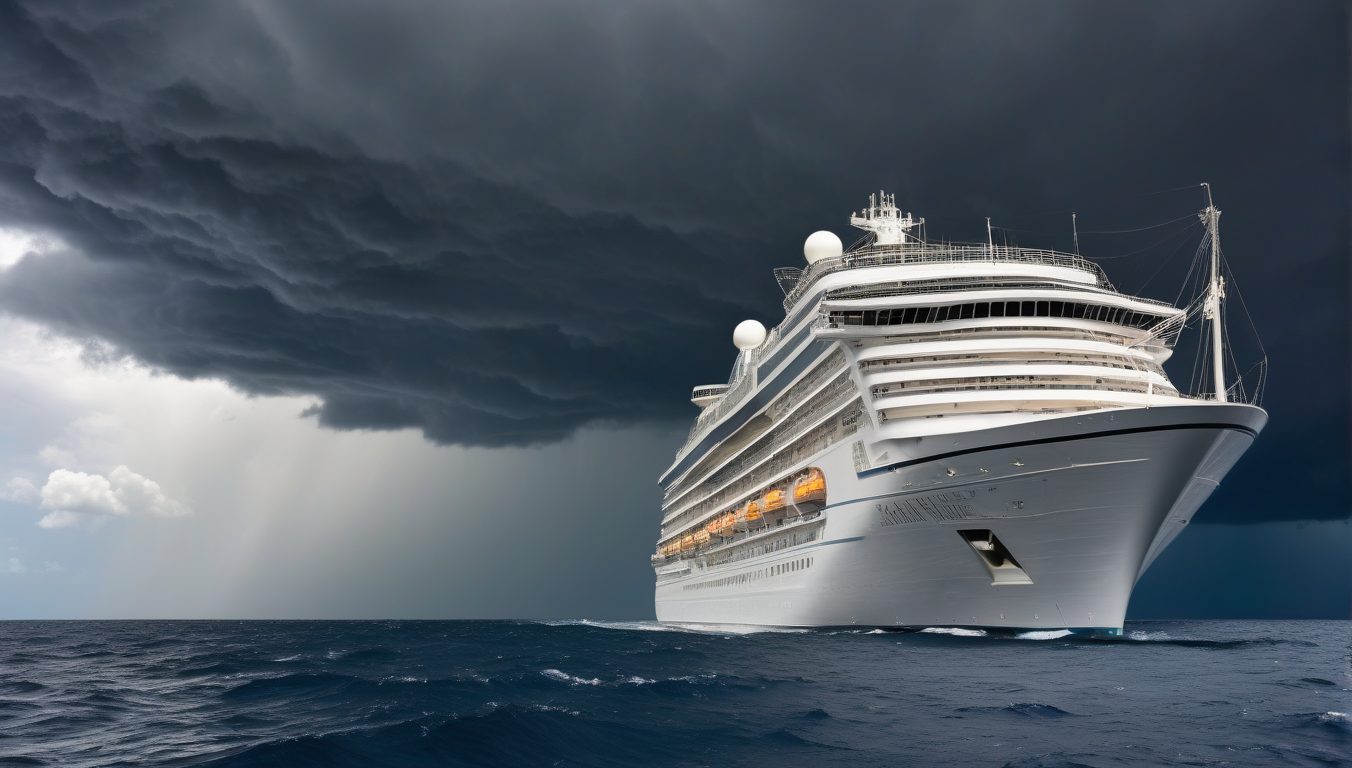
One Delay Can Cost Your Entire Cruise
A quick coverage check now protects you from the problems no one sees coming.
Short Excerpt
- Hurricane-season cruise insurance is most valuable when it protects more than the cruise fare itself.
- Strong coverage should account for weather-related cancellations, missed embarkation, flight delays, itinerary disruption, and other prepaid travel costs.
- Buying early matters because coverage for a storm can disappear once that weather event becomes known or named.
Quick Take
- Look for policies that specifically cover hurricanes, natural disasters, travel delays, missed connections, and cruise-related disruptions.
- Insure the full prepaid cost of your trip, including flights, hotels, excursions, and cruise fare.
- Consider Cancel for Any Reason coverage when you want flexibility beyond the policy’s standard covered reasons.
- Compare options from providers such as VisitorsCoverage, EKTA, Insubuy, and World Nomads rather than choosing only by price.
- Purchase coverage soon after booking, because waiting until a storm develops can leave that event excluded.
How the Right Travel Insurance Protects Your Cruise When Hurricane Season Disrupts Your Plans
Hurricane season can turn your cruise plans upside down — unless you’re covered.
The right travel insurance protects your booking when storms strike, covering cancellations, missed ports, and delays.
Whether you’re booked on a Caribbean itinerary, planning a departure from Florida or the Gulf Coast, or simply looking to cruise when storms might disrupt schedules—this guide is built to help you.
You’ll learn what coverage really matters during storm season, how to evaluate policies, and which insurers deserve your attention.
This isn’t just about buying insurance. It’s about protecting your vacation investment, managing risk, and traveling with confidence when weather—not fate—is your only variable.
Understand Why Cruise-Specific Insurance Is Essential During Hurricane Season
Cruise vacations differ in critical ways from standard land-based trips.
The stakes—and exposures—are unique. Ships reposition, embarkation ports shift, itineraries are rewritten and flights connect to sea-ports.
During hurricane season, each of these elements may face weather-related disruption.
When the seas turn rough or storms approach, your travel risks include: last-minute route changes, port cancellations, flight delays to embarkation, early disembarkations, and accommodation issues.
Standard travel insurance might look sufficient—but often lacks cruise-specific protections such as missed-port coverage or “pre-embarkation” delays.
Unlock Your Dream Cruise with Exclusive Online Deals!
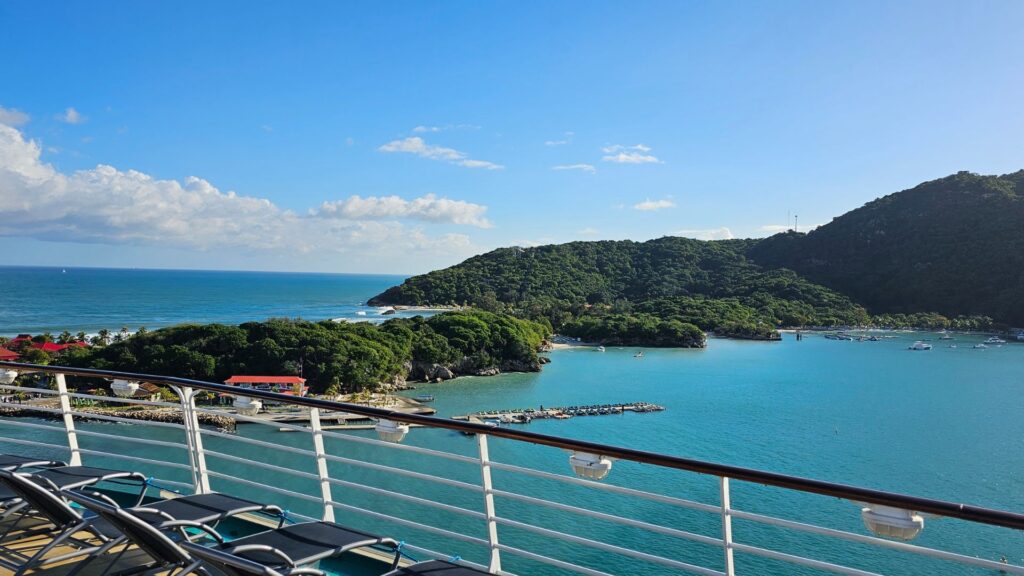
The Double Risk Every Cruiser Faces During Hurricane Season
- Embarkation delays: Your flight to the port is canceled, causing you to miss the ship’s departure.
- At-sea disruptions: The cruise line reroutes or cancels ports due to storm avoidance.
- Destination risk: Your resort or island port is evacuated or becomes uninhabitable.
Because of these compounded risks, you need a policy that addresses cruise-specific scenarios and offers storm-season flexibility.
According to major travel-insurance advisories, the single most important rule is: buy your policy before a named storm becomes public.
Key Takeaways Every Traveler Needs Before Storm Season
Coverage that truly fits cruises
- Make sure cancellation covers weather-related or natural-disaster events.
- Confirm delays or missed embarkation ports are covered by your policy.
- Ensure you’re protected for flights to the cruise port, not just the cruise itself.
Timing is critical
- Purchase your policy early—well before storms appear.
- If you purchase after a storm is named, you’ll likely be excluded from weather-related claims.
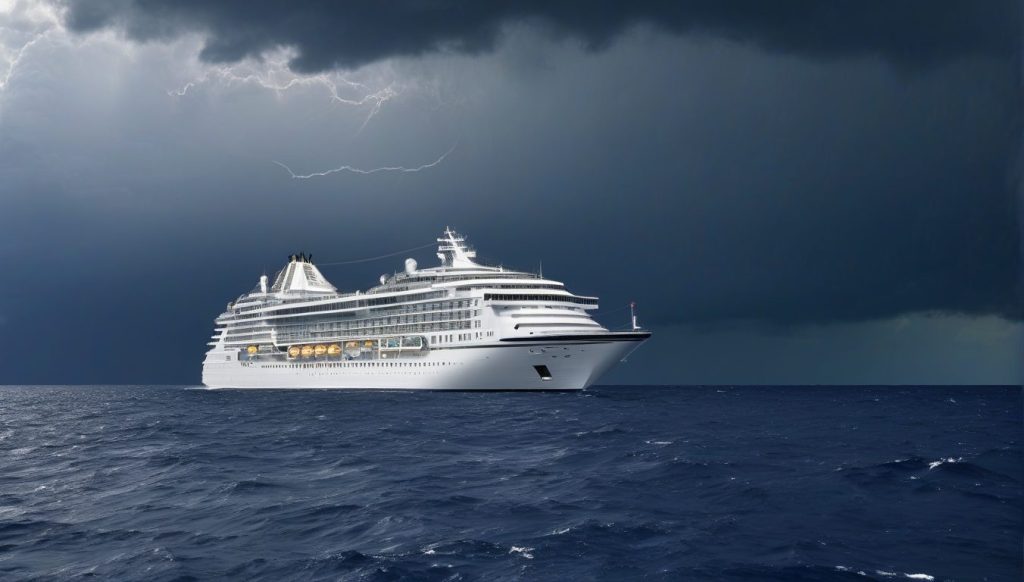
Discover What to Look For in Cruise Insurance During Hurricane Season
Not all travel insurance policies are created equal—especially when storms threaten the horizon.
Some key criteria separate standard plans from those built for hurricanes and cruises.
Core Features That Make Cruise Insurance Hurricane-Proof
Trip Cancellation/Trip Interruption for Weather Events
Your policy should explicitly include cancellations or interruptions due to hurricanes, mandatory evacuations, and destinations being rendered uninhabitable.
Missed Embarkation or Port/Itinerary Disruption
Cruises often change course or skip ports due to storms. Policies that cover missed ports or alternate itinerary routes add real value. (Tourangie)
Travel Delay & Connection Coverage
Storm-driven flight cancellations or port closures may keep you stuck at an airport, hotel, or ship. A delay benefit covers hotel rooms, meals and transport costs.
Cancel for Any Reason (CFAR)
For maximum flexibility when storm forecasts loom, CFAR lets you cancel for virtually any reason—not just those listed in the policy—and receive partial reimbursement (often 50-75%).
Purchase Timing & Known-Event Exclusion
If you buy after a hurricane is named or a storm watch is issued for your destination/port, the “known event” exclusion kicks in and your claims for that storm are invalid.
Cruise-Specific Provisions
Look for coverage of: ship insolvency, missed connections to sailings, marine evacuation, and shore-excursion losses if ports are skipped. While not always weather-specific, they add important protection.

Grab Your Ticket to Paradise with These Deals!
Quick Checklist to Evaluate Cruise Insurance for Storm Season
- Does the policy specifically list hurricane or natural disaster as a covered reason?
- What is the time limit after booking during which you must purchase?
- Does your policy cover you if you decide not to travel due to forecast risk (CFAR)?
- Are your flights to the cruise port included in coverage?
- Does the policy cover missed ports, itinerary changes or early disembarkation?
- Are delay benefits substantial and inclusive of lodging/food if you’re stranded?
When you select a policy that checks all of these boxes, you gain true storm-season readiness rather than a false sense of security.
Compare Top Insurance Providers for Hurricane-Ready Cruise Coverage
In the crowded travel-insurance space, a few companies stand out for storm-season readiness and cruise-specific protections.
Here’s how five notable platforms meet the challenge of hurricanes and cruises.
VisitorsCoverage
As a marketplace that aggregates multiple underwriters, VisitorsCoverage allows you to compare policies side-by-side—including those with hurricane trigger language and CFAR options.
Their platform tracks storm alerts and “known event” cut-offs so you buy with full awareness.
EKTA
An international insurer valued for clarity, EKTA offers policies with weather-disaster protections built-in.
Its web portal clearly lists natural disaster or hurricane coverage and supports digital claims while abroad — a plus for travelers embarking from any region.
Insubuy
Operating as a brokerage, Insubuy emphasizes tailored advice.
Agents assist cruisers in selecting policies with CFAR add-ons, missed-port protections and route-disruption coverages—especially helpful for multi-leg or luxury itineraries vulnerable to storms.
World Nomads
Known among adventure travelers, World Nomads offers flexible coverage for disruptions including weather exposure.
While not always marketed as “cruise specific,” its policy terms accommodate cancellations, interruptions and missed activities due to storms.
Compensair
While not a traditional travel-insurance provider, Compensair focuses on airline compensation claims.
Storm season often triggers flight cancellations en-route to embarkation, and Compensair helps travelers recover air-fare losses via legal frameworks such as EU261.
It pairs nicely with a standard cruise insurance policy for full protection.
How Leading Providers Stack Up for Hurricane Season Protection
| Provider | Strengths | Best For |
|---|---|---|
| VisitorsCoverage | Broad policy comparison + CFAR tracking | Budget-conscious cruisers |
| EKTA | Clear weather-disaster language + global support | International departures |
| Insubuy | Expert advice + tailor-made cruise support | Luxury or complex itineraries |
| World Nomads | Flexible overseas support + weather cover | Travelers already abroad |
| Compensair | Airline-fare recovery post-storm | Those worried about flight disruption |
By aligning your policy purchase with your specific itinerary, departure location and exposure to storms, you ensure you’re protected by the right provider and coverage features—not just the cheapest premium.
Smart Strategies to Maximize Your Cruise Insurance During Storm Season
Choosing the right provider is step one. Using your policy effectively and timing it correctly is equally critical.
Here are five strategies that put you in control during storm season.
Click for Exclusive Offers on Top Cruise Lines!
1. Buy Insurance Immediately After Booking
Don’t wait.
Purchase your policy as soon as you reserve your cruise—and any flights or hotels associated with it.
A delay of even a day may matter when storms form.
Many insurers enforce a purchase window of 14-21 days.
2. Ensure Your Full Trip Cost is Covered
Make sure you insure the full amount of your prepaid, non-refundable trip expenses—including cruise fare, flights, pre- and post-hotel stays, ports, and excursions.
If you only insure part of your cost, your reimbursement will be proportionately reduced.
3. Opt for CFAR if Storm Risk Is High
If you’re sailing during peak hurricane season (typically mid-August through mid-October in the Atlantic) or your itinerary heavily relies on specific ports, consider a CFAR upgrade.
It allows cancellation for any reason and reimburses up to 75%.
4. Keep Documentation and Track Weather Alerts
If your cruise is disrupted, you’ll need: official cruise-line cancellation notices, airline cancellation emails, lodging receipts, and—if required—weather-related declarations (evacuation orders, closure notices).
Accurate documentation helps your claim sail through.
5. Layer Your Protection
No single policy covers every risk. Combine:
- A comprehensive cruise-ready policy (via VisitorsCoverage/Insubuy)
- CFAR or weather-disaster upgrade (EKTA/World Nomads)
- Flight-fare compensation support (Compensair)
This layered approach helps you protect from booking risk, itinerary risk, and flight risk simultaneously.
Real-World Example: Protecting Your Cruise During Peak Hurricane Season
Imagine you’ve booked a 7-night cruise out of Miami in early September (a high-storm-risk time).
You’ve also booked flights from another city, pre-paid a hotel for the embarkation night and two shore-excursions at private islands.
Here’s how you apply your strategy:
- Book your policy the same day you make your deposit and ensure your total prepaid cost is insured.
- Choose a plan with weather/natural disaster language, missed-port coverage and optional CFAR.
- If a storm forms three days before departure: you monitor storm path—purchase has been made before naming, so your coverage is intact.
- If the cruise line cancels two days before departure: you submit non-refund claim for cruise, flights, hotel and excursions.
- If instead the cruise sails but reroutes to avoid the storm and you miss a port: you submit missed-port claim and potentially flight delay compensation (via Compensair) if your airline is impacted.
This method gives you clarity, control and coverage—even when nature changes the course.
Avoid These Common Misconceptions About Cruise Insurance
Mistakes in storm-season preparation often come from confusion, not cost.
Here’s what travelers commonly get wrong—and how to avoid them.
“I can cancel whenever I want if the forecast is bad.”
False. Unless you purchased CFAR, most policies only cover actual impacts (evacuations, uninhabitable destinations, major delays).
Fear alone doesn’t qualify.
“My cruise insurance through the line is sufficient.”
Often not. Cruise-line insurance tends to exclude flights booked separately and may offer limited cancellation rights compared with third-party policies.
“I’ll just buy insurance once I see the storm forming.”
Too late.
Once a storm is named, it’s considered foreseeable.
Coverage for that storm is typically excluded.
“Any itinerary change means I can get a refund.”
No.
If the cruise line substitutes a port or changes route, that’s a modification, not a cancellation—and standard policies usually won’t reimburse purely for changes unless you have specific missed-port coverage.
By avoiding these misconceptions and choosing a policy built for storms and cruises, you dramatically reduce your risk exposure.

Experience Luxury Cruises at Unbeatable Prices Today!
Why Hurricane Season Demands Smart Cruise Insurance Planning
Hurricane season isn’t just an average vacation risk—it’s a high-stakes, high-impact period when the unexpected becomes probable.
Forecasts for the upcoming season show elevated storm activity.
Cruises are increasingly being booked into high-risk months because travelers anticipate lower prices.
That puts more value on wise insurance decisions and less on hoping for calm seas.
When you build your booking strategy—select dates, ports and accommodations—also build your insurance strategy.
The right policy ensures that your vacation investment stays safe, even if a hurricane changes the route.
Step-by-Step Guide to Navigating Cruise Insurance Before Storm Season
Here’s a simple roadmap for selecting the best travel insurance for your storm-season cruise:
- Quantify your prepaid cost. Include cruise fare, flights, hotels, excursions.
- Check your travel dates. If you’re sailing mid-August through early November, consider CFAR.
- Read policy wording. Ensure “hurricane,” “natural disaster,” “evacuation” and “missed port” are listed covered reasons.
- Compare providers. Use VisitorsCoverage, EKTA, Insubuy, World Nomads and layer with Compensair if flights matter.
- Purchase early. Complete payment and policy activation well before any storm watches.
- Keep detailed documentation. Save booking confirmations, itinerary changes, weather alerts and communications from your cruise line and airlines.
- If disruption occurs, act fast. File your claim quickly; delay may invalidate coverage.
When you follow these steps, you move from reactive vacation-fear to proactive vacation-confidence.
Final Power Tips Every Cruiser Needs for Hurricane Season
- Arrive early at your embarkation port; don’t rely on same-day flights during storms.
- Choose cruises with shorter sea-days and avoid high-risk routes when possible.
- Monitor storm paths daily once you’re 5-7 days out. Be prepared to adjust rather than cancel at the last minute.
- Keep your insurer’s emergency contacts saved and accessible.
- Remember: the cruise line prioritizes safety—not refunds. Your insurance is your financial guard-rail.
FAQ – How Do I Choose Cruise Insurance for Hurricane Season?
What Makes Cruise Insurance Different from Standard Travel Insurance When Storms Threaten My Itinerary?
Cruise insurance is built to cover risks that standard land-based policies often ignore, such as missed ports, embarkation delays, and route changes at sea.
Because ships reposition, embarkation ports can shift, and itineraries are frequently rewritten during hurricane season, you face layered risks across flights, hotels, and excursions.
A cruise-focused policy recognizes these moving parts and protects prepaid costs tied to the sailing itself, the journey to the port, and the experiences at each destination, so a single storm doesn’t unravel your entire trip financially.Why Is It So Important to Buy My Policy Before a Hurricane or Tropical Storm Is Officially Named?
You need to buy your policy before a storm is named because insurers treat named systems as “known events” and exclude them from new coverage.
If you wait until a hurricane appears on forecasts, any claims tied to that storm—cancellations, evacuations, or uninhabitable destinations—are likely denied.
Purchasing early, ideally within the 14–21 day window many companies set after your first trip payment, locks in protection for weather that becomes public later, turning unpredictable forecasts into covered scenarios instead of uncovered surprises.How Does the Double Risk of Embarkation Delays and At-Sea Disruptions Affect the Kind of Coverage I Need?
The double risk means you must protect both your journey to the ship and what happens once you’re onboard.
Embarkation delays—like canceled flights to Miami or another port city—can cause you to miss the ship entirely, while at-sea disruptions can lead to skipped ports, early disembarkation, or rerouted itineraries.
A strong policy covers missed embarkation, trip interruption, and missed-port scenarios together, so you’re not covered for one part of the journey but exposed on another when storms force changes.Which Specific Policy Features Matter Most for Hurricane-Season Cruises, Beyond Basic Trip Cancellation?
For hurricane-season cruises, you should prioritize trip cancellation and interruption for natural disasters, missed-embarkation coverage, travel delay benefits, and cruise-specific protections like missed ports and shore-excursion losses.
Delay benefits that pay for hotels, meals, and transport if you’re stranded at an airport or port are especially important when storm-driven closures ripple through your plans.
Together, these features ensure that if your ship reroutes, your flight is canceled, or a destination becomes uninhabitable, you have a clear path to reimbursement instead of absorbing every cost yourself.How Does Cancel for Any Reason (CFAR) Coverage Change My Options When Forecasts Look Unstable?
CFAR coverage gives you the ability to walk away from the trip for almost any reason and still recover a significant portion of your prepaid costs, often 50–75 percent.
It’s particularly useful during peak hurricane months—like mid-August through mid-October—when forecasts can shift quickly and you may decide that the overall risk no longer feels worth it.
Because CFAR must usually be purchased within 10–21 days of your first payment and used 48–72 hours before departure, planning for it early turns vague worry into a structured exit option.How Do Providers Like VisitorsCoverage, EKTA, Insubuy, World Nomads, And Compensair Differ in the Protection They Offer?
VisitorsCoverage acts as a marketplace, letting you compare multiple underwriters and find policies with hurricane trigger language and CFAR options, which suits budget-conscious cruisers who want flexibility.
EKTA emphasizes clear weather-disaster terms and global digital support, making it strong for international departures. Insubuy focuses on tailored advice for complex or luxury itineraries, helping you add CFAR and missed-port protections, while World Nomads supports travelers already abroad with flexible cancellation and interruption coverage.
Compensair complements these by pursuing airline compensation under frameworks like EU261 when storm-season flight disruptions affect your ability to reach or leave the ship.What Does It Mean To “Insure My Full Trip Cost,” And Why Does That Matter for Hurricane Claims?
Insuring your full trip cost means including every prepaid, non-refundable expense: cruise fare, flights, pre- and post-cruise hotels, and paid excursions at private islands or ports.
If you only insure part of that amount, your reimbursement is reduced proportionally, leaving gaps when a hurricane forces cancellations or major changes.
Covering the entire investment ensures that when you file a claim—whether for a canceled sailing, missed port, or disrupted flights—the insurer calculates benefits against the true value of your trip, not just a fraction of it.How Can I Layer Different Types of Protection to Handle Booking Risk, Itinerary Risk, And Flight Risk Together?
You can layer protection by combining a comprehensive cruise-ready policy with CFAR or weather-disaster upgrades and separate flight-fare compensation support.
For example, using VisitorsCoverage or Insubuy to secure a cruise-focused plan, adding CFAR through EKTA or World Nomads for flexible cancellation, and pairing that with Compensair for airline compensation creates a three-part shield.
This structure addresses the risk that your cruise is canceled, your route is changed, or your flights are disrupted, so no single failure point—ship, port, or airline—can fully derail your finances.What Common Misconceptions About Hurricane-Season Cruise Insurance Could Leave Me Exposed?
Several misconceptions can quietly strip away protection: assuming you can cancel just because a forecast looks bad, believing cruise-line insurance automatically covers separately booked flights, waiting to buy until a storm forms, or expecting any itinerary change to qualify for a refund.
In reality, fear alone isn’t a covered reason without CFAR, cruise-line policies often limit flight coverage, named storms are excluded for late purchases, and port substitutions count as modifications, not cancellations.
Recognizing these gaps pushes you to choose policies that explicitly cover hurricanes, evacuations, missed ports, and embarkation delays instead of relying on assumptions.How Would a Well-Chosen Policy Actually Protect a Seven-Night Miami Cruise During Peak Hurricane Season?
For a seven-night Miami sailing in early September, a well-chosen policy would cover your cruise fare, flights, embarkation-night hotel, and prepaid shore excursions from the day you book.
If a storm forms three days before departure, your early purchase keeps hurricane coverage valid; if the cruise is canceled two days before sailing, you can claim reimbursement for the entire prepaid package.
If the ship instead reroutes to avoid the storm and you miss a private-island port, missed-port and delay benefits—plus potential airline compensation via Compensair if flights are affected—turn a chaotic scenario into a series of manageable claims, preserving both your budget and your ability to adapt.
Plan Your Next Cruise!
From Icon to Oasis: Explore Royal Caribbean’s Groundbreaking Ships and Unforgettable Voyages
One Delay Can Cost Your Entire Cruise A quick coverage check now protects you from the problems no one sees coming….
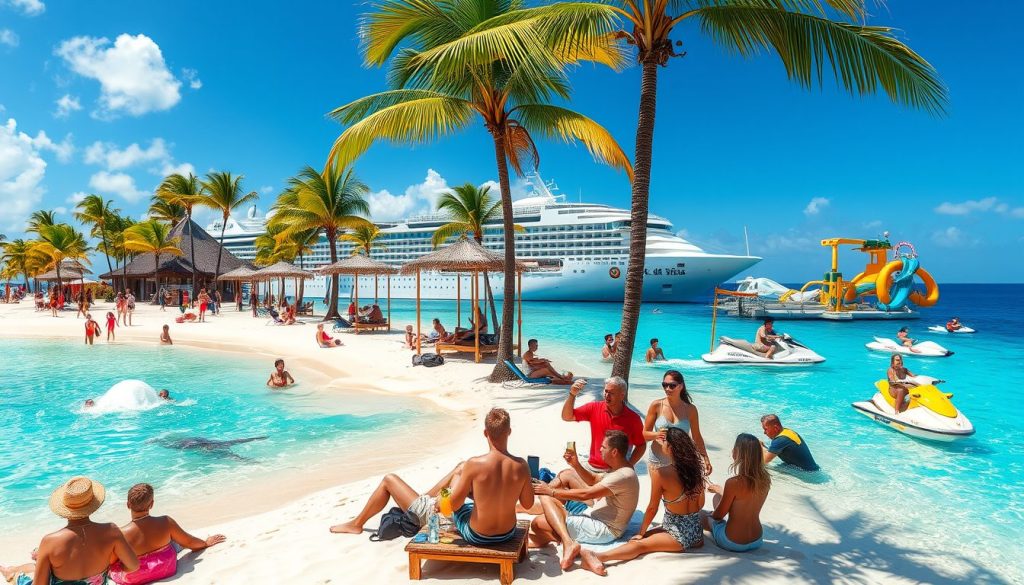
Escape To Paradise: Inside The Exclusive World of Cruise Line Private Islands
One Delay Can Cost Your Entire Cruise A quick coverage check now protects you from the problems no one sees coming….
Sail Smart: Discover The Real Cost of Luxury Cruises and Maximize Your Travel Value
One Delay Can Cost Your Entire Cruise A quick coverage check now protects you from the problems no one sees coming….

Sail Into Freestyle Freedom: Norwegian Cruise Line for Adventure Thrills, Gourmet Dining, and Destination‑Rich Voyages
One Delay Can Cost Your Entire Cruise A quick coverage check now protects you from the problems no one sees coming….
Explore More

Relieve Tension Onboard: Cruise Hot Stone Massage Benefits and Booking Tips

Sail With Your Guitar: Cruise Rules, Packing Tips, and Performance Opportunities

Cruise Sun Lounger Rules — What Passengers Need to Know About Reserving Deck Chairs