One Delay Can Cost Your Entire Cruise
A quick coverage check now protects you from the problems no one sees coming.
Short Excerpt
- Cruise lines start tracking hurricanes before ships leave port, using meteorology teams, satellite data, radar, and predictive models to spot developing threats early.
- Captains receive continuous updates at sea, giving them time to change course, skip ports, or extend sea days before dangerous conditions reach the planned route.
- Port authorities and shoreside operations teams add another layer of protection by coordinating closures, alternate destinations, and revised schedules.
Quick Take
- Dedicated meteorology teams monitor tropical systems around the clock and feed updated forecasts directly to ships.
- Satellite imagery, radar, oceanographic data, and predictive modeling help captains compare multiple rerouting options.
- Port closures are based on conditions such as wind, storm surge, and docking safety rather than convenience.
- Passengers receive itinerary and weather changes through announcements, cruise apps, printed notices, and crew updates.
- Flexible expectations, appropriate travel insurance, and preparation for extra sea days make storm-related changes easier to manage.
Why Hurricane Tracking Technology Makes Cruise Travel Safer During Storm Season
Cruise ships equipped with hurricane tracking systems turn storm season into a safe, stress-free experience.
Advanced technology and expert navigation detect storms early, allowing captains to reroute confidently and protect every passenger.
Understanding these systems gives travelers peace of mind, ensuring comfort and security throughout the voyage.
Your safety remains the top priority as real-time data and predictive modeling guide every decision.
With hurricane-ready systems in place, itineraries are protected, comfort is preserved, and peace of mind is guaranteed.
Travelers can relax knowing that cruise lines combine cutting-edge technology with expert navigation to keep every voyage secure.
These sophisticated hurricane tracking systems combine meteorology, real-time data, and operational expertise.
Ships at sea are continuously connected to forecasting teams, ensuring that captains have the most accurate information available.
From early alerts to rerouted itineraries, these measures protect passengers while preserving the luxury and adventure of cruising.
Knowledge is empowering.
Online‑Only Cruise Offers You Won’t Find Elsewhere
Unlock special pricing and start planning the sailing that matches your perfect itinerary
When you grasp how tracking systems work, how information reaches the bridge, and how decisions are made, you feel in control of your own experience.
Cruise ships are designed to navigate around tropical storms efficiently, and travelers are supported every step of the way.
Even during hurricane season, sailing remains a safe and enjoyable experience.
With tracking systems, operational protocols, and trained crews, cruise lines maintain your safety while providing an unforgettable vacation.
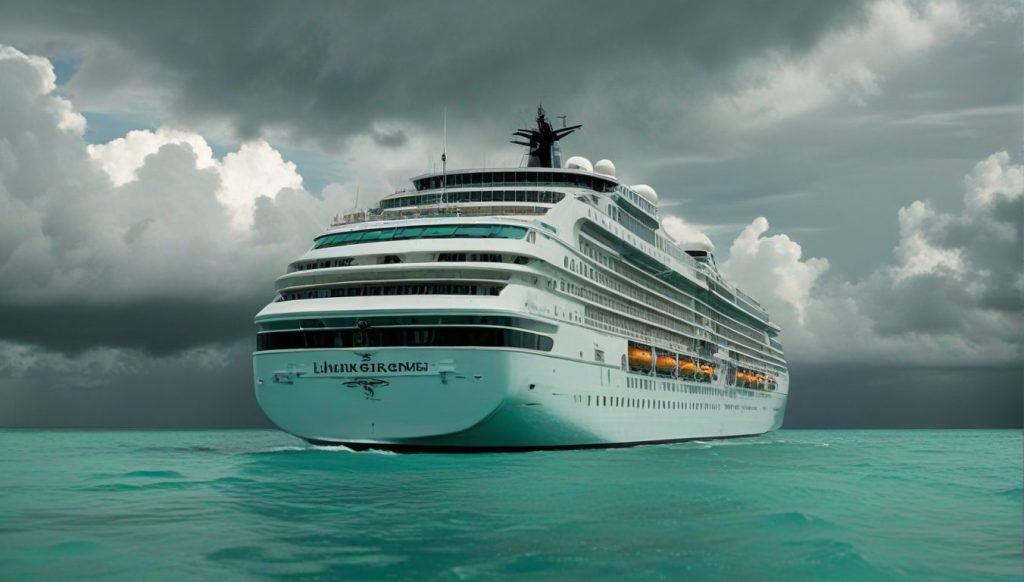
How Cruise Lines Monitor Hurricanes to Keep Every Passenger Safe
Cruise lines begin tracking hurricanes well before ships depart.
Dedicated meteorology teams continuously monitor tropical systems using satellite imagery, oceanographic data, and predictive modeling.
This ongoing surveillance allows for early detection of developing storms, enabling proactive measures to keep travelers safe.
These meteorology teams integrate information from the U.S. National Hurricane Center, regional port authorities, and global weather networks.
Data is analyzed for wind speed, storm trajectory, sea conditions, and potential port impacts.
Ships at sea are linked directly to these teams, allowing captains to receive timely updates and adjust routes in real time.
Early alerts trigger predefined contingency plans. Ships may change course, delay port calls, or extend sea days to avoid the storm.
Most passengers experience these adjustments seamlessly, enjoying the cruise without interruption while remaining fully protected.
Key Monitoring Insights
- Meteorology teams operate 24/7 to track tropical storms.
- Satellite and oceanographic data enhance predictive accuracy.
- Forecasts inform proactive route adjustments.
- Ships integrate real-time updates with historical storm data.
- Passenger updates ensure awareness without anxiety.
Technology Behind Hurricane Tracking That Protects Cruises and Passengers
Cruise ships use state-of-the-art technology to track hurricanes.
Advanced navigation systems integrate satellite feeds, radar imagery, and weather modeling.
These systems allow captains to visualize storm paths, assess potential risks, and determine optimal routes for safety and comfort.

Sail Away to Paradise Without Overpaying
Find cruise deals that make it easy to escape, relax, and enjoy the ocean without stretching your budget
High-speed communication ensures that ships remain connected to onshore meteorology teams.
Data from buoy sensors, atmospheric readings, and storm tracking software feed into centralized platforms, allowing the crew to anticipate changes in conditions.
This technology minimizes surprises and maximizes traveler reassurance.
Technological Highlights
- Satellite-based storm detection provides early warnings.
- Radar systems track real-time storm movement.
- Navigation software models multiple rerouting scenarios.
- Communication links ensure continuous updates from shore teams.
- Data integration enhances decision-making for safety and comfort.
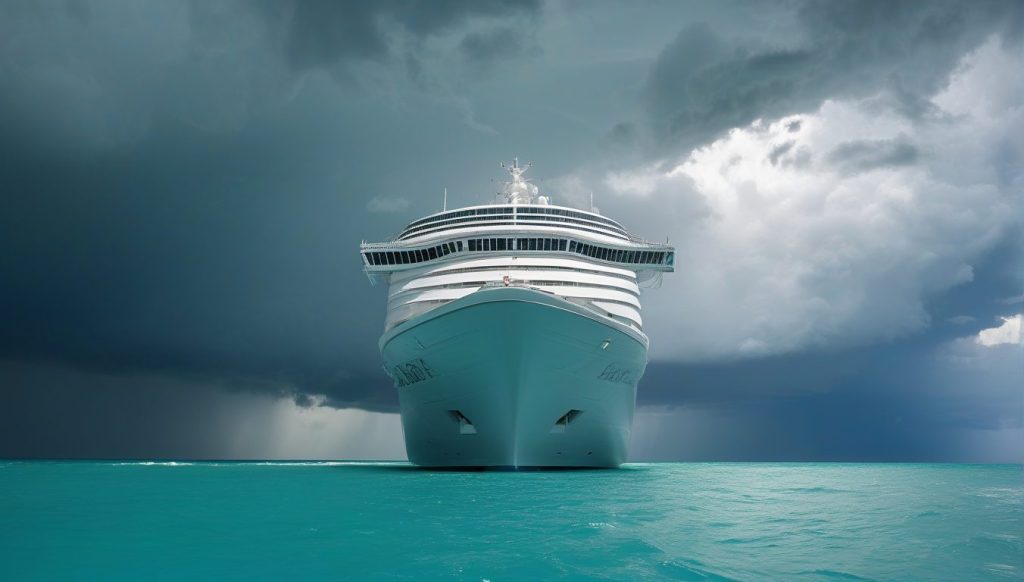
Meteorology Teams That Safeguard Cruises and Ensure Passenger Safety During Hurricane Season
Meteorology teams are the backbone of hurricane preparedness.
They combine expertise in tropical storm behavior, ocean currents, and atmospheric conditions to advise captains and operations staff.
Teams constantly update forecasts, analyze risk, and provide recommendations for rerouting and itinerary adjustments.
These experts work in coordination with port authorities, cruise operations centers, and international weather agencies.
Top Cruise Deals From Trusted Cruise Lines
Compare exclusive online offers and find the fare that fits your trip and your budget
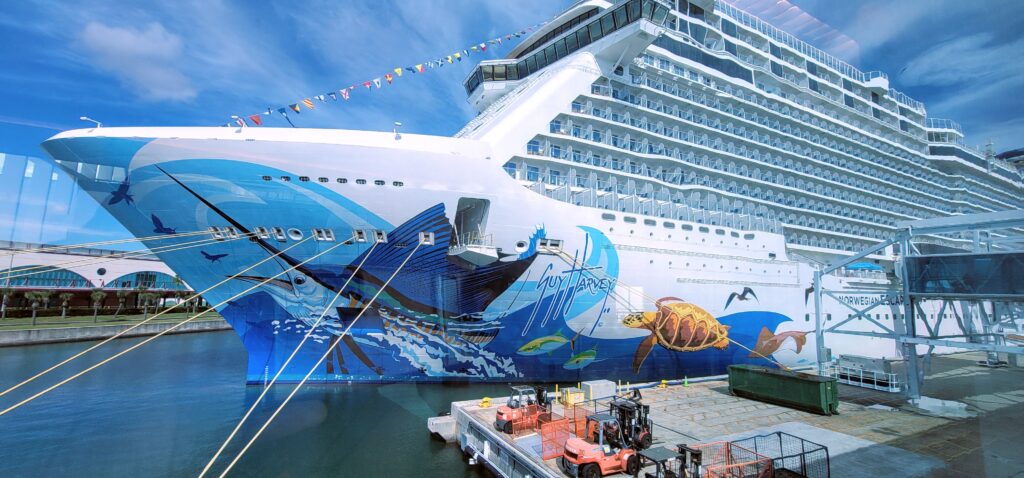
Their guidance informs every decision, from minor course adjustments to complete itinerary reroutes.
Passengers can be confident that these decisions are rooted in both science and experience.
Meteorology Takeaways
- Teams operate continuously during hurricane season.
- Expertise combines forecasting, oceanography, and historical data.
- Collaboration with ports and agencies ensures operational reliability.
- Guidance informs safe rerouting and port adjustments.
- Passengers benefit from expert, science-driven decision-making.
Captain Decisions That Steer Cruises Safely and Keep You Protected
Captains receive continuous weather updates and operational guidance, allowing them to make informed decisions.
When a hurricane is detected, navigational routes are evaluated to avoid dangerous conditions.
Stability, fuel efficiency, and passenger comfort are all considered in these calculations.
Ships may extend sea days, skip ports, or reroute entirely to ensure safety.
Stabilized hulls and advanced engineering minimize motion, ensuring passengers remain comfortable even during rough seas.
Announcements and communications keep guests informed without creating unnecessary concern.
Navigation Highlights
- Captains adjust routes proactively to avoid storms.
- Stabilizers maintain passenger comfort during rough conditions.
- Fuel and operational efficiency are factored into reroutes.
- Passenger updates maintain calm and confidence.
- Rerouting often occurs without disrupting onboard experiences.
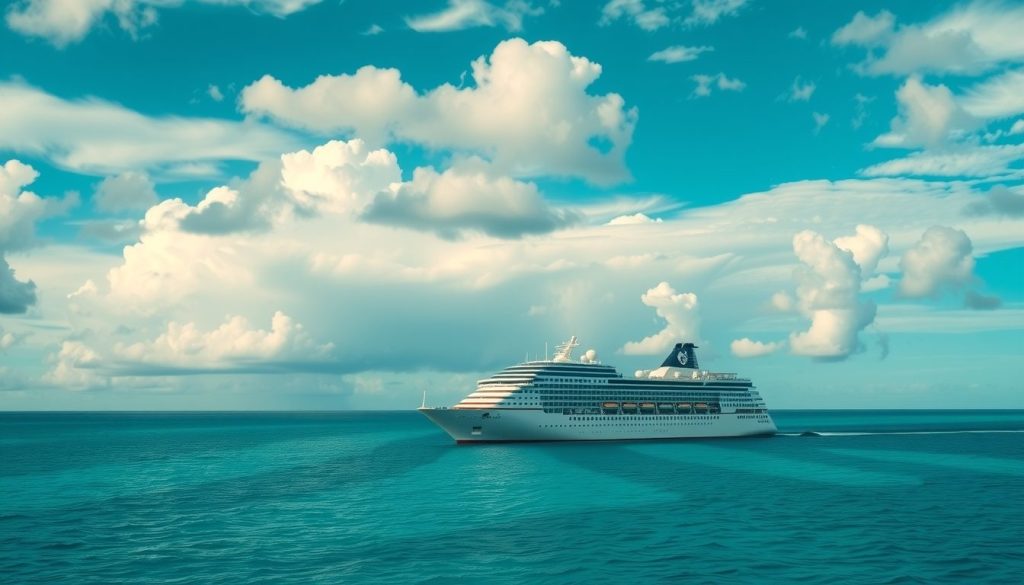
Port Coordination and Closures That Keep Travelers Safe and Confident
Port authorities play a critical role in hurricane preparedness.
Decisions about port closures are based on wind speeds, storm surge, and docking safety.
Cruise lines respond immediately to these alerts, implementing alternative itineraries and reroutes.
When ports close, ships may extend sea days, visit alternate ports, or adjust schedules.

Luxury Cruise Experiences at Smarter Prices
See premium sailings and upgraded cabins priced for travelers who know how to book well
Passengers are informed of changes promptly.
Ports reopen only after inspections confirm safe docking and operational readiness.
This coordination ensures that passenger safety remains the top priority.
Port Coordination Insights
- Port closures are data-driven and pre-planned.
- Alternate docking plans minimize passenger disruption.
- Cruise lines coordinate closely with authorities.
- Passenger communication is prompt and clear.
- Safety always takes precedence over schedule convenience.
Passenger Communication That Keeps Travelers Calm and Confident During Storms
Transparent communication reduces anxiety during hurricane season.
Cruise lines use multiple channels: onboard announcements, apps, printed materials, and staff interactions.
Travelers receive updates on reroutes, port changes, and onboard adjustments proactively.
Information is framed with reassurance, highlighting safety measures and operational preparedness.
Even minor itinerary changes are presented clearly, allowing passengers to plan onboard activities confidently.
Communication Benefits
- Updates provided via multiple channels.
- Staff offer calm, authoritative guidance.
- Travelers understand reroutes and schedule adjustments.
- Onboard planning remains flexible and predictable.
- Reassurance enhances overall passenger experience.
Why the Cruise Industry’s Safety Record Proves Cruises Stay Safe
Cruise lines have a strong record of safely navigating hurricane season.
Millions of passengers sail each year with minimal disruption thanks to forecasting, tracking, and operational protocols.
Historical experience shows that storms are effectively managed, with minimal impact on traveler enjoyment.
Even when hurricanes affect Caribbean or Gulf ports, rerouting, onboard safety measures, and port coordination ensure passengers remain secure.
Travelers can trust this record as a reassurance of safe operations.
Historical Takeaways
- Cruise lines have decades of hurricane-season experience.
- Rerouting and safety protocols are well-tested.
- Millions of passengers sail safely every year.
- Operational experience enhances response to storms.
- Traveler confidence is supported by historical performance.
Prepare Smart for Your Cruise and Protect Your Trip With Hurricane-Safe Tips
Travelers can further increase reassurance by preparing in advance.
Reviewing cruise line hurricane policies, signing up for weather alerts, and packing for potential extended sea days are practical steps.
Flexible planning for excursions and insurance coverage add peace of mind.
Being informed about forecasts leading up to departure allows travelers to approach the trip with calm confidence.
Cruise lines communicate adjustments proactively, ensuring a worry-free experience.
Traveler Preparation Tips
- Sign up for regional hurricane alerts.
- Review cruise line hurricane protocols.
- Pack essentials for potential extended sea days.
- Maintain flexible expectations for excursions.
- Trust operational teams for safety and reroutes.
Why Tracking Systems Guarantee Cruise Safety During Hurricane Season
Advanced hurricane tracking systems, combined with operational expertise and communication protocols, make cruising safe during hurricane season.
Ships reroute, ports close strategically, and passengers receive real-time updates.
Safety remains the absolute priority while travelers continue to enjoy onboard amenities.
For U.S. travelers, this combination of technology, experience, and proactive operations offers peace of mind.
Minor itinerary adjustments may occur, but passengers remain protected and confident throughout their voyage.
Sail Confidently During Hurricane Season With Advanced Safety Systems
Understanding cruise ship hurricane tracking systems empowers reassurance.
Knowing how meteorology teams, captains, technology, and port authorities work together allows travelers to enjoy the Caribbean and Gulf safely.
Hurricanes are managed within structured, expert-driven frameworks.
Trusting experienced cruise lines, following guidance, and maintaining flexible expectations lets travelers enjoy memorable vacations.
Even during hurricane season, your cruise can be safe, comfortable, and worry-free.
FAQ – How Do Cruise Lines Stay Ahead of Hurricanes and Protect Passengers?
How Early Do Cruise Lines Start Tracking Hurricanes?
Cruise lines begin monitoring tropical systems before ships leave port, giving operational teams time to identify developing threats well before they affect a sailing.
Dedicated meteorology teams operate continuously during hurricane season and analyze satellite imagery, oceanographic data, storm forecasts, and historical patterns.
Early detection gives captains more options because routes, port calls, and schedules can be adjusted gradually rather than after conditions deteriorate.
For passengers, that means hurricane avoidance usually starts long before there is any reason to feel severe weather onboard.What Technology Helps Cruise Ships Track Hurricanes?
Cruise ships use a combination of satellite feeds, radar imagery, navigation software, weather modeling, buoy data, atmospheric readings, and high-speed communications.
These systems allow bridge teams to see where a storm is moving while also comparing potential alternate routes.
Predictive models are especially useful because captains need to plan for where hazardous conditions are expected to be, not simply where they are at the moment.
Combining several data sources also reduces the risk of relying too heavily on a single forecast.What Do Cruise Line Meteorology Teams Do During Hurricane Season?
Meteorology teams analyze tropical storm behavior, ocean currents, atmospheric conditions, wind speeds, sea conditions, and potential port impacts.
They work with captains and shoreside operations teams to recommend course adjustments, reroutes, delayed port calls, or other changes as forecasts evolve.
Their guidance may incorporate information from the U.S. National Hurricane Center, regional port authorities, and international weather networks.
This gives the bridge specialized forecasting support while the captain remains responsible for safely operating the vessel.How Do Captains Decide When to Reroute Around a Hurricane?
Captains evaluate the storm’s projected path, intensity, sea conditions, available routes, passenger comfort, and operational requirements before changing course.
A response may be as small as adjusting speed or heading, or it may involve skipping a port, extending a sea day, or rerouting the itinerary entirely.
Fuel efficiency and scheduling are considered, but safety takes priority when the original route becomes unsuitable.
An early reroute is therefore usually evidence of proactive planning rather than a sign that the ship has suddenly entered dangerous conditions.Why Do Cruise Ports Close During Hurricanes?
Port authorities can close a port when wind, storm surge, sea conditions, or docking risks make ship operations unsafe.
Cruise lines then have to determine whether the vessel should remain at sea longer, visit another destination, or adjust its arrival schedule.
Ports generally reopen only after officials determine that channels, docks, and supporting operations can safely handle ships again.
Because these decisions happen independently of the cruise line, an itinerary can change even when the ship itself remains far from the storm.What Happens When a Hurricane Forces a Cruise to Skip a Port?
The ship may substitute another destination, extend its time at sea, reverse part of the itinerary, or adjust the schedule depending on available alternatives.
Operations teams coordinate with port authorities to find destinations that can safely accommodate the vessel, which can become challenging when several ships are rerouting at the same time.
Onboard dining, entertainment, and other amenities generally continue while the itinerary changes around the weather.
Travelers who keep excursions and destination expectations flexible are usually better prepared for this type of disruption.How Do Cruise Lines Tell Passengers About Hurricane Changes?
Cruise lines use captain announcements, mobile apps, printed notices, cabin communications, and direct assistance from crew members to distribute updates.
These messages can include port substitutions, revised arrival times, extra sea days, activity changes, and other operational adjustments.
Clear communication helps passengers understand that a schedule change is part of the safety response rather than evidence that the crew has lost control of the situation.
Travelers should rely on official ship and cruise-line communications because those updates reflect decisions specific to their sailing.Can A Cruise Ship Still Encounter Rough Seas After Rerouting Around a Hurricane?
Yes, passengers may still feel swells or unsettled seas even when the ship is safely separated from the hurricane itself.
Large tropical systems can influence ocean conditions across a broad area, so rougher movement does not necessarily mean the vessel is close to the storm.
Stabilizers and route adjustments help reduce uncomfortable motion while the bridge continues monitoring conditions.
Anyone sensitive to seasickness should prepare before sailing rather than assuming hurricane avoidance guarantees perfectly smooth water.What Should Travelers Do Before a Hurricane-Season Cruise?
Review the cruise line’s hurricane policies, monitor official weather information, and prepare for the possibility of changed ports or additional sea days.
Packing essential medications and other necessities with some flexibility can make an extended or altered itinerary easier to manage.
Travel insurance from providers such as VisitorsCoverage, EKTA, Insubuy, or World Nomads can also help with covered disruptions, but policy terms and exclusions should be compared carefully before purchasing.
The most useful preparation combines financial protection with realistic expectations that the itinerary may change to keep the ship away from hazardous weather.Does Hurricane Season Make Cruising Unsafe?
Hurricane season does not automatically make a cruise unsafe because cruise lines actively monitor storms and alter operations to avoid dangerous conditions.
Meteorology teams, captains, navigation technology, port authorities, and shoreside operations centers work together rather than relying on one protective measure.
The more realistic inconvenience for many passengers is a changed port, additional sea day, or revised schedule.
Understanding that distinction helps travelers evaluate hurricane-season cruising based on how disruption is managed instead of assuming a nearby tropical system means the ship will sail through it.
Plan Your Next Cruise!
Discover Regent Seven Seas Cruises: Opulent Suites, Gourmet Dining, and Exclusive Destinations
One Delay Can Cost Your Entire Cruise A quick coverage check now protects you from the problems no one sees coming….
Experience the Ultimate Vacation with Carnival Cruise Line’s Fun Ships, World‑Class Entertainment, and Relaxation
One Delay Can Cost Your Entire Cruise A quick coverage check now protects you from the problems no one sees coming….
Sail the World in Style: MSC Cruises’ Innovative Ships, Luxury Amenities, and Global Adventures
One Delay Can Cost Your Entire Cruise A quick coverage check now protects you from the problems no one sees coming….

Unlock Seabourn’s World: Yacht‑Like Luxury, Exclusive Destinations, And Unmatched Comfort
One Delay Can Cost Your Entire Cruise A quick coverage check now protects you from the problems no one sees coming….
Explore More

Plan Your Reading Voyage: Discover Bookstores, Libraries, and Literary Perks at Sea

Feel the Calm: Book Cruise Ship Massages That Deliver True Relaxation at Sea
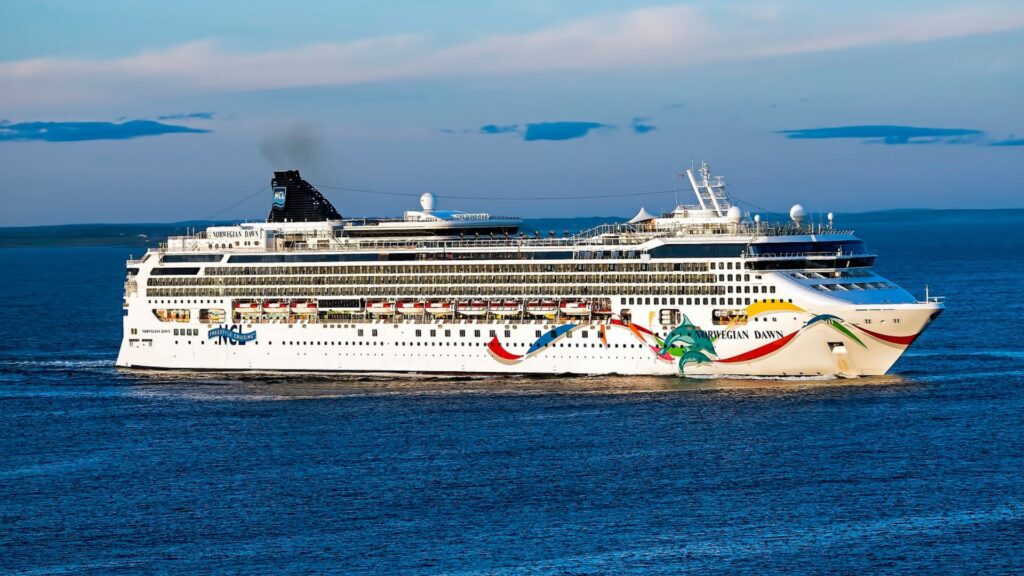
Cruise Ship Stabilizers: The Hidden Technology That Keeps Voyages Smooth and Safe