One Delay Can Cost Your Entire Cruise
A quick coverage check now protects you from the problems no one sees coming.
Short Excerpt
- Cruise captains begin avoiding hurricanes long before passengers see rough weather by combining forecasts, satellite tracking, onboard sensors, and predictive modeling.
- When a storm threatens the planned route, the bridge can change speed, heading, ports, or arrival times before conditions become dangerous.
- Rerouting is a coordinated safety decision designed to protect passengers while preserving as much of the original cruise experience as possible.
Quick Take
- Captains continuously compare satellite imagery, radar, predictive forecasts, and onboard weather data rather than relying on a single storm track.
- Real-time rerouting considers storm intensity, projected movement, alternative ports, passenger safety, timing, and sea conditions.
- GPS, radar, AIS, satellite communications, and predictive-routing systems help bridge teams evaluate safer alternatives as weather changes.
- Port authorities, coast guards, meteorological agencies, and shoreside operations teams help coordinate alternate ports and revised schedules.
- Passengers typically receive changes through announcements, mobile apps, and daily communications so they understand what is changing and why.
How Cruise Captains Stay Ahead Of Hurricanes Before Conditions Become Dangerous
Cruise captains outsmart hurricanes with precision, turning storm season into a safe, seamless experience for travelers.
When severe weather threatens, they make rapid, data-driven decisions that prioritize your safety above all else.
Using real-time radar, satellite tracking, and predictive modeling, captains reroute ships away from danger zones long before storms arrive.
These proactive adjustments protect itineraries, preserve comfort, and ensure every guest continues sailing with confidence.
Storm season cruising remains safe because captains are trained to outmaneuver severe weather with expertise and calm authority.
Cruise lines invest heavily in advanced technology and crew training so that, even in unpredictable conditions, you remain secure and reassured.
Every decision to alter a ship’s course is deliberate, data-driven, and designed to keep your vacation stress-free.
From satellite monitoring systems to advanced weather radar and communication networks, every decision to alter a ship’s course is data-driven and carefully coordinated.
This proactive approach minimizes disruptions while keeping passengers away from dangerous conditions.
The rerouting process is not just about avoiding storms; it’s about maintaining your itinerary as much as possible without compromising safety.
Transparency and communication are central to this strategy.
Passengers are informed in real time about any changes to ports of call, sailing times, or onboard activities.
Unlock Your Dream Cruise with Exclusive Online Deals!
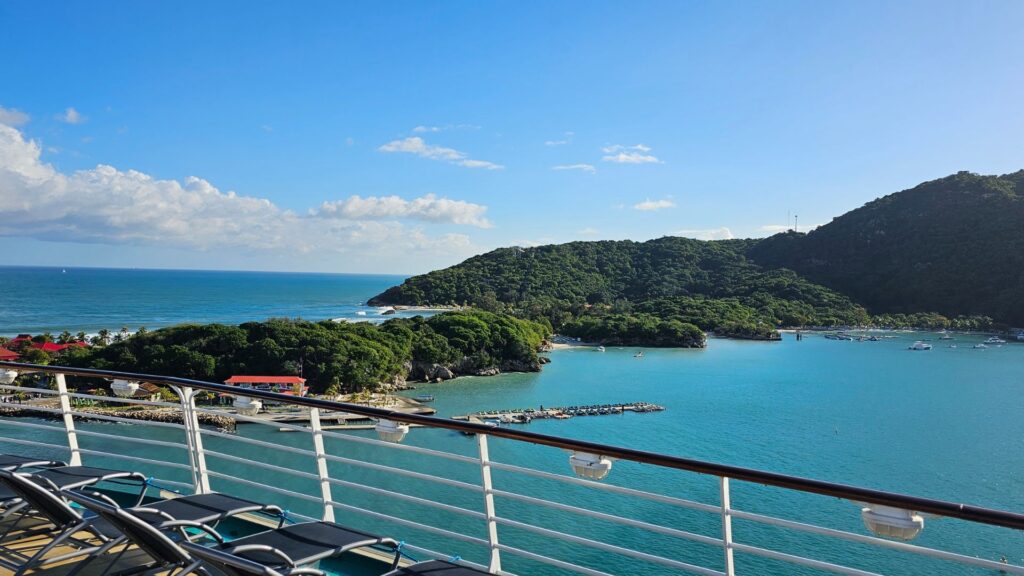
Cruise captains and staff are trained to reassure travelers, ensuring clarity about why certain adjustments are necessary and how they enhance safety.
This combination of advanced planning, strategic rerouting, and clear communication creates a sense of security for travelers, allowing them to enjoy their cruise even when nature presents challenges.
Anticipate Storms Early with Strategic Weather Monitoring for Safety
Before a cruise departs, the captain and operations team review detailed weather forecasts for the planned route.
These forecasts include data on wind speed, ocean currents, storm formations, and hurricane paths.
Cruise lines often subscribe to specialized meteorological services that provide real-time updates far more detailed than general public forecasts.
The captain uses this information to determine if a storm could impact the planned itinerary.
If a storm is detected along the route, preemptive adjustments can be made, including slowing the ship, altering speed, or rerouting to alternative ports.
Modern cruise ships also use onboard sensors to monitor atmospheric pressure, sea state, and other environmental indicators, allowing the crew to adapt quickly to changing conditions.
Make Timely Decisions with Onboard Meteorological Precision to Protect Passengers
Captains rely on satellite imagery and predictive modeling to make timely decisions.
These systems can forecast storm paths with increasing accuracy, giving the crew several days of lead time to adjust routes safely.

Grab Your Ticket to Paradise with These Deals!
By combining external forecasts with onboard data, captains ensure that rerouting decisions prioritize safety while minimizing the impact on your travel experience.
- Passengers remain informed throughout the rerouting process.
- Cruise itineraries may shift but safety always comes first.
- Onboard weather monitoring is continuous and precise.
Reroute in Real Time to Avoid Storms and Keep Cruises Safe
Even with careful pre-cruise planning, weather can change unexpectedly.
Captains must make real-time decisions to reroute ships around developing storms.
These decisions are based on multiple factors: storm intensity, predicted trajectory, alternative ports, and passenger safety protocols.
Navigation officers and the captain collaborate constantly, adjusting speed and heading to maintain comfort while steering clear of dangerous conditions.
Modern navigation systems allow for dynamic rerouting that balances safety with fuel efficiency and timing considerations.
Crew members coordinate with port authorities and other ships to avoid congested waters, ensuring that the revised path remains safe and efficient.
Adapt Routes Quickly to Keep Cruises Secure and Stress-Free
Adjustments may include skipping certain ports, delaying arrivals, or seeking sheltered waters.
The captain’s decisions are communicated to the operations center onshore, which can assist with logistics like shore excursions, port notifications, and emergency planning if needed.
Passengers typically receive updates through the ship’s public address system, mobile apps, and daily bulletins, keeping everyone informed and reassured.
- Captains balance safety with itinerary changes.
- Ports may change but comfort and security are maintained.
- Real-time adjustments rely on expert coordination.

Preserve Passenger Comfort and Confidence During Storm Reroutes
Even with rerouting, cruise lines strive to maintain passenger comfort and enjoyment.
Activities may be rescheduled, and dining arrangements adjusted, but the goal is to ensure a seamless experience despite weather disruptions.
Cruise staff are trained to provide reassurance, answer questions, and manage expectations, creating a calm onboard environment.
Click for Exclusive Offers on Top Cruise Lines!
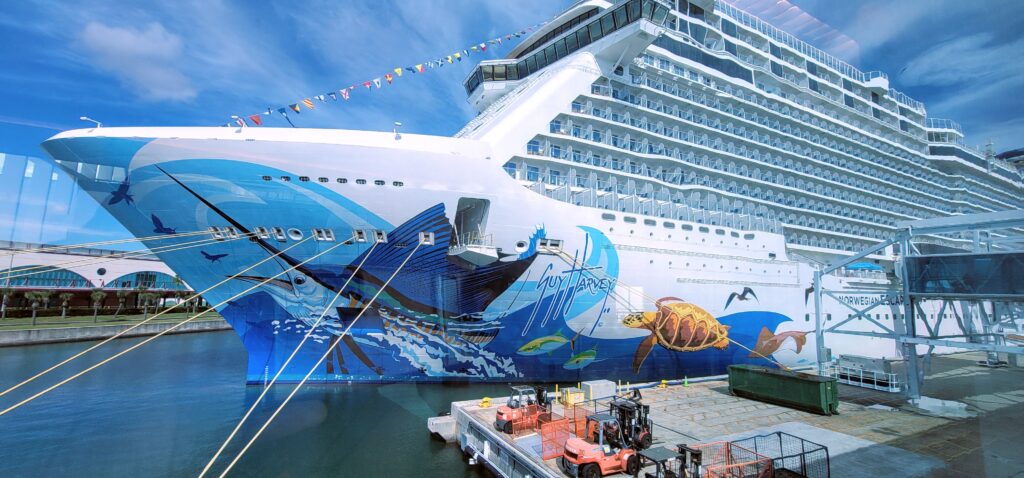
In addition to operational adjustments, ships are designed to handle rough seas.
Stabilizers reduce the impact of waves, cabins are engineered for safety, and crew members are trained to respond calmly to turbulence.
Knowing these measures are in place allows passengers to relax and enjoy their journey, even if ports of call are altered.
Deliver a Positive Cruise Experience Even When Storms Threaten
Communication is key to traveler reassurance.
Captains often provide updates about expected weather conditions and how the ship is navigating around them.
Passengers are encouraged to remain flexible and understand that safety is the top priority.
By managing expectations and offering clear explanations, cruise lines foster confidence, allowing guests to appreciate the adventure without fear.
- Onboard staff prioritize passenger reassurance.
- Stabilizers and safety features reduce motion discomfort.
- Clear updates help travelers remain confident.
Use Smart Technology to Navigate Storms and Protect Your Cruise
Modern cruise ships employ advanced technology to track storms and optimize rerouting.
GPS, radar, AIS (Automatic Identification Systems), and satellite communications all provide real-time situational awareness.
This technological infrastructure allows captains to make informed, timely decisions and maintain communication with meteorologists onshore.
The integration of weather tracking systems with onboard navigation enables predictive routing.
The ship’s bridge team can simulate alternative routes, evaluate fuel consumption, and anticipate potential hazards, all while keeping passenger safety and comfort at the forefront.
These systems create a controlled environment where storms are anticipated and avoided, rather than reacted to.
Protect Passengers With High-Tech Safety Systems for Hurricane Season
By using state-of-the-art meteorological and navigational technology, cruise lines can reroute proactively.
Advanced modeling reduces uncertainty, and onboard sensors provide continuous updates about changing sea conditions.

Experience Luxury Cruises at Unbeatable Prices Today!
This combination of predictive and real-time data allows captains to navigate with confidence, ensuring a safe and smooth journey.
- Technology enables proactive storm avoidance.
- Predictive modeling supports informed rerouting.
- Continuous monitoring keeps passengers secure.
Coordinate With Ports and Authorities to Reroute Cruises Safely
Rerouting is not solely a shipboard activity.
Cruise lines maintain constant communication with port authorities, coast guards, and meteorological agencies.
This collaboration ensures that alternative ports are available, safe docking is possible, and passenger transfers are coordinated efficiently.
By working closely with local authorities, captains can adjust itineraries without compromising legal or safety regulations.
Coordination also allows for rapid changes if storm conditions evolve, ensuring that no unexpected hazards impact passengers or the ship’s schedule.
Make Seamless Port Changes That Prioritize Passenger Safety and Comfort
Alternative ports are pre-identified based on ship size, docking capacity, and regional weather conditions.
This foresight allows for quick decision-making and minimizes disruption to passengers’ experiences.
Travel plans may shift, but safety remains uncompromised, and passengers continue to enjoy the amenities and entertainment onboard.
- Ports are selected for safety and accessibility.
- Authorities provide critical real-time updates.
- Coordination minimizes disruptions to your voyage.
Reassure Travelers with Expert Hurricane Season Navigation and Clear Updates
Understanding the rerouting process helps travelers feel more secure.
Cruise lines emphasize transparency, continuous updates, and expert handling of storms.
Even during peak hurricane season, the combination of experienced captains, advanced technology, and meticulous planning means your voyage is managed with precision.
Passengers can focus on the enjoyment of their cruise, knowing that the ship is avoiding hazards and that any itinerary changes are carefully calculated.
Cruise lines design these processes specifically to reduce anxiety, maintain comfort, and ensure that your experience is memorable for all the right reasons.
- Travelers can rely on expert navigation.
- Transparency reduces stress and uncertainty.
- Safety protocols are consistently prioritized.
Reroute Cruises With Confidence and Passenger Peace of Mind During Storms
Ultimately, the rerouting of cruises during storms is a combination of preparation, real-time decision-making, technology, and clear communication.
Captains and crew are trained to handle severe weather confidently, ensuring passenger safety while minimizing disruption.
Understanding these measures allows travelers to board with reassurance, knowing that their journey is managed by professionals who prioritize safety above all.
By trusting the systems, processes, and expertise in place, passengers can enjoy their cruise experience fully, even when nature challenges the original itinerary.
FAQ – How Do Cruise Captains Outsmart Hurricanes Before They Reach the Ship?
How Early Can Cruise Captains Detect a Hurricane Threat to Their Route?
Cruise captains can begin evaluating a tropical system several days before it could affect the ship because they receive continuous forecasts, satellite imagery, predictive models, and specialized meteorological data.
Before departure, bridge and operations teams examine wind speeds, ocean currents, storm formation, projected hurricane paths, and conditions along the planned itinerary.
Onboard sensors add information about atmospheric pressure and sea state once the voyage is underway.
That lead time gives the captain far more options to change the route gradually instead of waiting until passengers are close to severe weather.What Weather Technology Helps Cruise Captains Avoid Hurricanes?
Modern cruise ships combine radar, GPS, AIS, satellite communications, predictive modeling, and onboard environmental sensors to build a continually updated picture of conditions around the vessel.
Satellite imagery helps identify developing weather systems, while forecasting models estimate where those systems are likely to travel next.
Bridge teams can also model alternate routes and evaluate potential hazards before committing to a new course.
Using several information sources together reduces dependence on any single forecast and helps captains make earlier, better-informed decisions.What Makes a Captain Decide to Reroute a Cruise Ship?
A captain may reroute when a storm’s intensity, projected track, sea conditions, port accessibility, or passenger-safety concerns make the original route less desirable.
Navigation officers continually reassess those factors because tropical systems can strengthen, weaken, accelerate, or change direction.
The response might involve altering speed or heading rather than completely abandoning the itinerary.
When conditions warrant a larger change, the ship can skip ports, delay arrivals, or move toward safer waters before the storm becomes an immediate threat.Can Cruise Captains Change Ports at the Last-Minute During Hurricane Season?
Yes, ports can be changed when weather makes a scheduled destination unsafe, inaccessible, or impractical.
Cruise lines coordinate with port authorities and shoreside operations teams to determine whether an alternative port can accommodate the ship’s size, docking requirements, passenger operations, and revised arrival schedule.
Shore excursions and other port logistics may also need to be reorganized after the change.
A replacement destination therefore involves much more coordination than simply steering toward another nearby harbor.How Do Cruise Captains Keep Ships Comfortable While Rerouting Around Storms?
Bridge teams can adjust both speed and heading to reduce unnecessary exposure to uncomfortable seas while moving the vessel away from threatening weather.
Stabilizers help limit rolling, although they cannot eliminate every sensation of movement when ocean conditions become unsettled.
Navigation decisions also consider passenger comfort alongside safety, fuel use, timing, and the practical requirements of the revised route.
Onboard teams may reschedule outdoor activities or adjust dining and entertainment plans so passengers still have plenty to do while the ship follows the safer course.How Do Cruise Lines Choose an Alternate Port During a Hurricane?
Alternate ports are evaluated for safety, regional weather, docking availability, accessibility, and whether they can physically accommodate the ship.
Cruise lines communicate with local port authorities, coast guards, meteorological agencies, and shoreside teams before confirming the change.
Availability can become especially important when several ships are avoiding the same storm and competing for limited berths.
Pre-identifying possible alternatives gives operations teams more flexibility to make a workable change without waiting until the original port closes completely.How Will Passengers Know When a Hurricane Changes Their Cruise Itinerary?
Passengers typically receive updates through captain announcements, the cruise line’s mobile app, daily bulletins, cabin communications, or other onboard channels.
Good communication explains not only what has changed but also why the adjustment was necessary and what passengers should expect next.
Updates may cover new ports, revised arrival times, canceled excursions, activity changes, or altered sailing schedules.
Paying attention to official ship communications is more useful than reacting to outside speculation because the bridge and operations teams are working from information specific to that sailing.Can A Cruise Still Be Enjoyable After a Hurricane Forces a Reroute?
Yes, a rerouted cruise can still retain most of the onboard vacation experience even when the destination schedule changes.
Dining, entertainment, pools when conditions permit, indoor activities, and other ship amenities generally continue while the bridge follows the revised route.
An alternate port may also provide new excursions or experiences, although it will not necessarily duplicate everything available at the original destination.
Travelers who treat ports as one part of the cruise rather than the only reason for sailing are usually better positioned to adapt when weather changes the itinerary.What Role Do Port Authorities and Shoreside Teams Play in Hurricane Rerouting?
Cruise captains do not make every hurricane-routing decision in isolation.
Shoreside operations centers help evaluate logistics, while port authorities provide current information about closures, berth availability, docking conditions, and local restrictions.
Coast guards and meteorological agencies can contribute additional navigational and weather information as conditions evolve.
This coordination allows the bridge to focus on safely operating the vessel while land-based teams work through the practical consequences of changing destinations and schedules.Should a Hurricane Reroute Make Cruise Passengers Worried About Safety?
A hurricane reroute usually indicates that the cruise line is acting before dangerous conditions reach the vessel, not that the ship has unexpectedly sailed into a storm.
Captains use forecasting, navigation technology, alternate-port planning, shoreside support, and continuous monitoring specifically so they can maintain distance from hazardous weather.
Passengers may still experience rougher seas, schedule changes, or missed destinations depending on the storm’s location and size.
The most useful response is to follow official updates and recognize that changing the itinerary is often one of the primary tools captains use to keep the voyage away from greater risk.
Plan Your Next Cruise!
Escape To Paradise: Inside The Exclusive World of Cruise Line Private Islands
One Delay Can Cost Your Entire Cruise A quick coverage check now protects you from the problems no one sees coming….

Discover Silversea Cruises: Ultra‑Luxury Voyages to the World’s Most Exclusive Destinations
One Delay Can Cost Your Entire Cruise A quick coverage check now protects you from the problems no one sees coming….

Sail Into Modern Luxury: Celebrity Cruises for Design, Culinary Excellence, and Destination‑Rich Voyages
One Delay Can Cost Your Entire Cruise A quick coverage check now protects you from the problems no one sees coming….

Unlock Seabourn’s World: Yacht‑Like Luxury, Exclusive Destinations, And Unmatched Comfort
One Delay Can Cost Your Entire Cruise A quick coverage check now protects you from the problems no one sees coming….
Explore More
Sail Further for Less: Discover the Perks of a Repositioning Cruise
Escape To Paradise: Inside The Exclusive World of Cruise Line Private Islands
Cruise Ship Emergency Evacuation Plans — How Safety Systems Protect Passengers at Sea