One Delay Can Cost Your Entire Cruise
A quick coverage check now protects you from the problems no one sees coming.
Short Excerpt
- Hurricane-season cruising can deliver lower fares and fewer crowds without automatically increasing your exposure to dangerous weather.
- Cruise lines monitor tropical systems continuously and can reroute ships, substitute ports, or add sea days before conditions threaten the planned route.
- Smart timing, flexible expectations, and the right travel insurance make the season easier to navigate when weather changes your plans.
Quick Take
- Atlantic hurricane season runs from June through November, with the greatest activity generally concentrated from mid-August through late September.
- Early June and late November can offer a more favorable balance of hurricane-season pricing and lower historical storm activity.
- Cruise lines use radar, satellite data, meteorologists, and port coordination to adjust itineraries before dangerous weather reaches the ship.
- Travel insurance can protect qualifying costs tied to cancellations, delays, medical emergencies, and other storm-related disruptions.
- A missed port does not have to ruin the trip when extra sea days, onboard activities, or an alternate destination replace the original plan.
How Smart Planning Can Make Hurricane-Season Cruising Safer And More Affordable
Cruising during hurricane season can mean serenity, savings, and unforgettable experiences—not stress.
With smart timing, flexible itineraries, and trusted safety measures, you can enjoy luxury at a fraction of the cost.
This guide delivers insider tips, proven strategies, and essential insurance advice so you sail with confidence even when the tropics stir.
Imagine stepping aboard a gleaming ship while others shy away from travel.
You’re greeted with fewer crowds, better deals, and the same breathtaking ocean views.
Yes, storms happen, but cruise lines have mastered the art of adapting.
They reroute ships, adjust itineraries, and keep guests informed every step of the way.
Your role?
Understand the season, prepare smartly, and embrace flexibility.
By the end of this guide, you’ll know exactly how to turn potential chaos into calm seas and unforgettable memories.
Discover Why Hurricane-Season Cruising Is Safer Than You Imagine
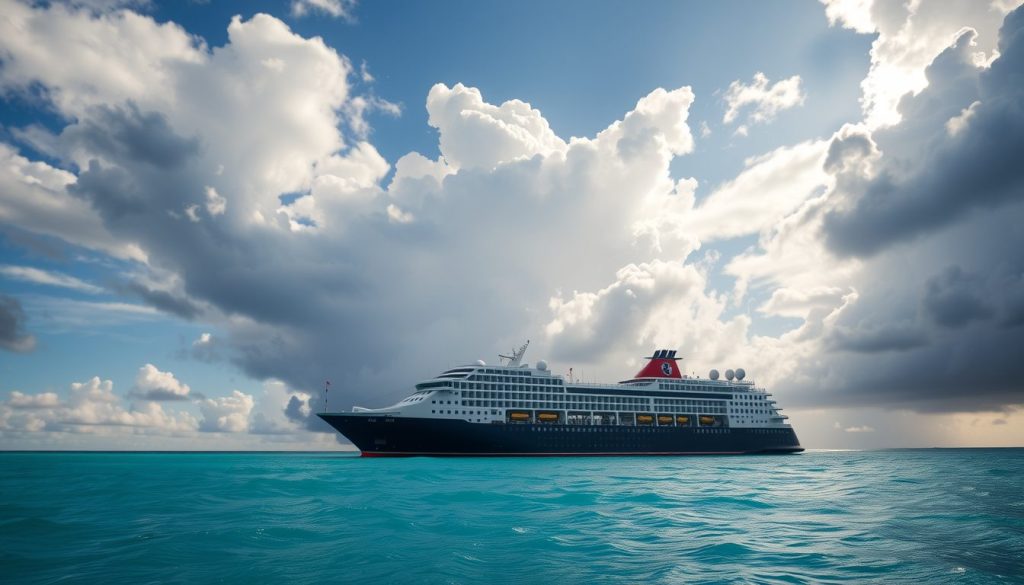
Cruising during hurricane season doesn’t have to mean uncertainty.
Hurricane season spans June through November, yet thousands of travelers cruise safely every year.
Cruise lines have perfected storm avoidance strategies using advanced radar and real-time meteorology.
Ships reroute quickly, ensuring safety without sacrificing the experience.
Online‑Only Cruise Offers You Won’t Find Elsewhere
Unlock special pricing and start planning the sailing that matches your perfect itinerary
Historically, disruptions are rare, and when they occur, cruise lines compensate generously.
The misconception that cruising during hurricane season is reckless couldn’t be further from the truth.
Modern ships are engineering marvels equipped with stabilizers and cutting-edge navigation systems.
Captains receive constant updates from meteorologists, allowing them to adjust routes long before storms pose a threat.
This proactive approach means your vacation remains safe, even if your itinerary changes.
Cruise lines also maintain strong relationships with port authorities and weather agencies.
This collaboration ensures smooth transitions when ports close or conditions change.
Passengers often enjoy bonus ports or extended sea days with enhanced onboard entertainment when routes shift.
Historical Perspective
Cruise operators have decades of experience navigating storm seasons.
When a hurricane forms, itineraries shift—Eastern Caribbean ports may swap for Western destinations or Bermuda.
These adjustments keep passengers safe while preserving the essence of the vacation.
In fact, many travelers discover unexpected gems when itineraries change.
Useful Takeaways
- Storm season reshapes plans, not dreams.
- Flexibility is your secret weapon.
- Cruise lines prioritize safety without compromise.
Choose the Perfect Time for Maximum Safety and Big Savings During Hurricane Season
Timing matters.
While the season spans June to November, peak activity occurs mid-August through late September.
For fewer risks, book early June or late November. These shoulder months offer calmer seas and attractive pricing.
Cruise lines often release enticing deals during hurricane season.
Why?

Sail Away to Paradise Without Overpaying
Find cruise deals that make it easy to escape, relax, and enjoy the ocean without stretching your budget
They know travelers hesitate, so they sweeten the pot with discounts, onboard credits, and upgrades.
If you’re strategic, you can score luxury experiences at a fraction of peak-season prices.
Booking during shoulder periods also means fewer crowds.
You’ll enjoy more space onboard, shorter lines at buffets, and easier access to premium amenities.
For many travelers, this alone makes hurricane season cruising worth considering.
Price Advantage
Cruising during hurricane season often means significant savings.
Cruise lines discount fares to encourage bookings, making this an ideal time for budget-conscious travelers seeking luxury without the premium price tag.
Combine these deals with loyalty perks or credit card rewards, and you’ll maximize value without sacrificing comfort.
Useful Takeaways
- Smart timing equals smooth sailing.
- Shoulder season brings serenity and savings.
- Risk-aware planning unlocks hidden value.
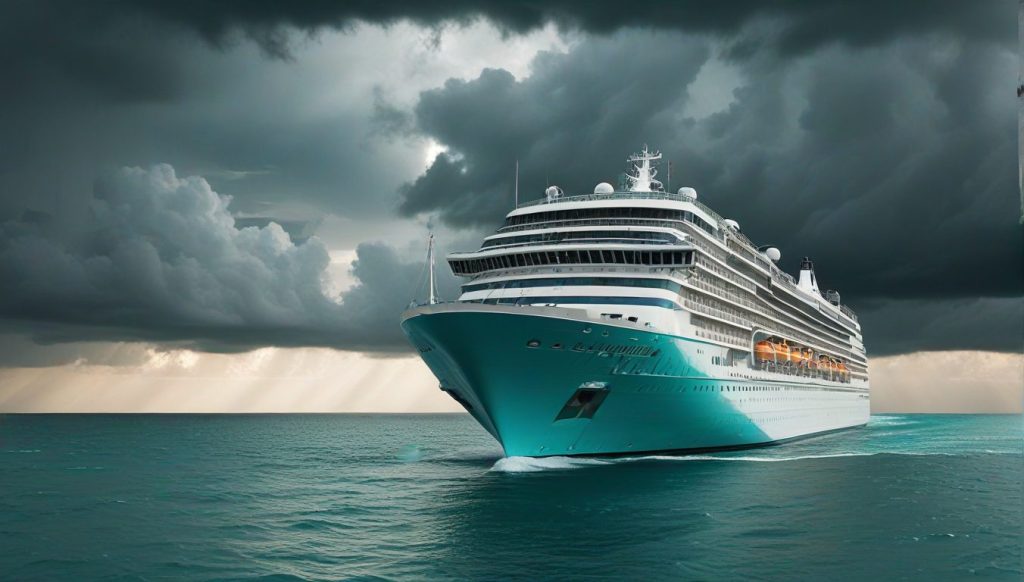
Master Hurricane-Season Safety Tips for Stress-Free Cruising
Safety begins before you board.
Choose itineraries with flexible ports and monitor weather updates.
Cruise lines communicate changes promptly, but staying informed adds peace of mind.
Pack essentials like travel insurance documents, extra medications, and a small emergency kit.
Top Cruise Deals From Trusted Cruise Lines
Compare exclusive online offers and find the fare that fits your trip and your budget
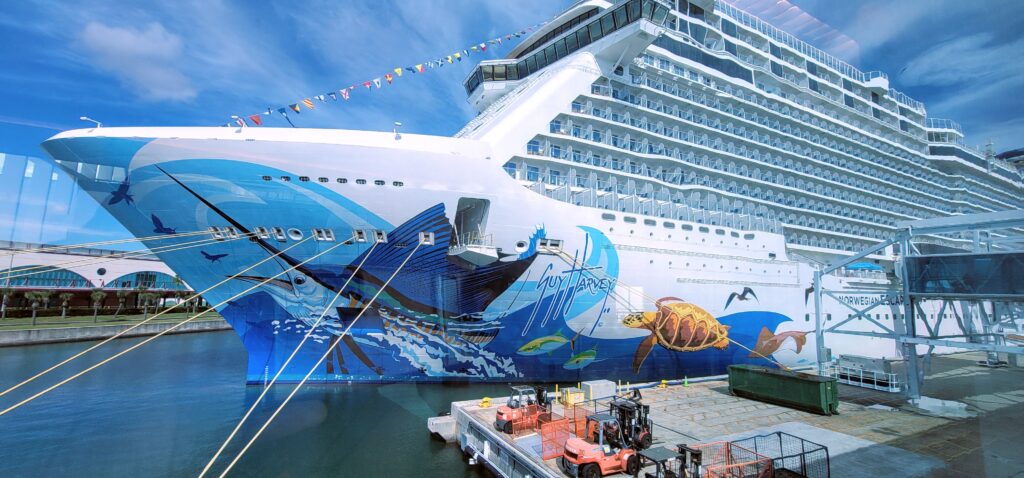
Don’t overlook the importance of digital preparedness.
Download your cruise line’s app for instant alerts and itinerary updates.
Enable notifications for airline changes too—storms can disrupt flights as easily as cruises.
Insurance Is Non-Negotiable
Travel insurance is your safety net.
Providers like VisitorsCoverage, Ekta, and Insubuy offer plans covering trip interruptions and medical emergencies.
Hurricanes can disrupt flights and itineraries, so comprehensive coverage ensures financial and physical protection.
Look for policies that include “cancel for any reason” options for maximum flexibility.
Useful Takeaways
- Insurance transforms uncertainty into confidence.
- Preparedness is the ultimate luxury.
- Safety planning amplifies peace of mind.
See How Cruise Lines Outsmart Storms to Protect Your Vacation
Modern cruise ships are floating fortresses equipped with advanced radar and satellite systems.
Captains receive real-time updates and reroute ships long before storms pose a threat.
This proactive approach means your vacation remains safe, even if your itinerary shifts.
Cruise lines also maintain close relationships with port authorities and meteorological agencies.
This collaboration ensures smooth transitions when ports close or conditions change.
Passengers often enjoy bonus ports or extended sea days with enhanced onboard entertainment when routes change.
Behind the Scenes
Cruise operations teams work around the clock during hurricane season.
They coordinate with meteorologists and port authorities to ensure smooth transitions.
Entertainment teams step up too—adding shows, classes, and themed nights to keep spirits high.
Useful Takeaways
- Technology keeps you ahead of the storm.
- Cruise lines turn challenges into opportunities.
- Adaptability ensures uninterrupted enjoyment.
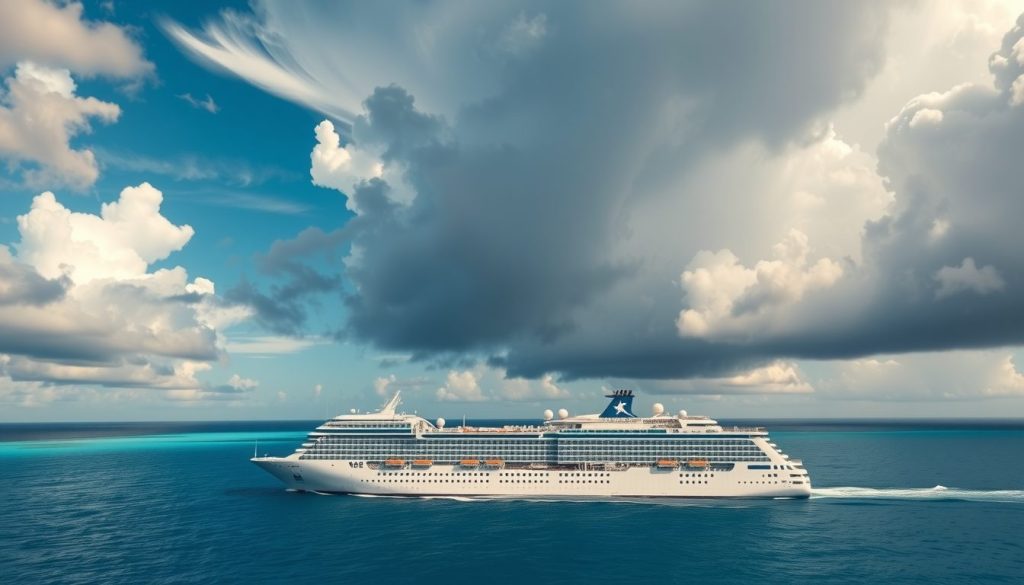
Turn Hurricane Detours Into Unforgettable Cruise Adventures
Even if your itinerary changes, your cruise can still deliver unforgettable moments.
Embrace onboard activities—spa treatments, specialty dining, and entertainment.
Use the opportunity to explore ports you might not have considered before.
Think of detours as hidden gifts.

Luxury Cruise Experiences at Smarter Prices
See premium sailings and upgraded cabins priced for travelers who know how to book well
A canceled stop in St. Thomas might lead you to Cozumel, where you discover vibrant reefs and authentic cuisine.
These surprises often become the most memorable parts of your journey.
Why Mindset Matters
Approach hurricane season cruising with curiosity, not fear.
Unexpected detours often lead to hidden gems and unique experiences.
Your flexibility can transform a potential inconvenience into a highlight of your trip.
Useful Takeaways
- Adventure thrives in adaptability.
- Detours create stories worth sharing.
- Your mindset shapes your memories.
Set Sail Confidently Knowing You’re Fully Protected
Hurricane season doesn’t have to derail your plans.
With smart timing, solid insurance, and a flexible mindset, you can enjoy a safe, luxurious voyage.
Cruise lines are prepared, and so can you.
Let this guide be your compass toward calm seas and unforgettable experiences.
FAQ – How Can Hurricane-Season Cruising Be Safer And More Affordable?
Is Cruising During Hurricane Season Actually Safe?
Yes, hurricane-season cruising can be a reasonable choice because cruise lines actively avoid tropical systems rather than expecting ships to endure them.
Captains receive continuous information from meteorologists, radar, satellite systems, and shoreside operations teams so they can change course before severe conditions reach the planned route.
A storm may still cause a missed port, extra sea day, or altered schedule even when the ship remains safely outside the dangerous area.
The practical tradeoff is therefore usually itinerary uncertainty rather than sailing directly into a hurricane.When Is The Best Time To Cruise During Hurricane Season?
Early June and late November can be attractive periods for travelers who want hurricane-season pricing with less exposure to the historically busiest part of the Atlantic season.
Peak tropical activity generally occurs from mid-August through late September, although storms can develop anywhere within the June-through-November season.
Cruise fares and onboard promotions may also become more attractive when demand softens because travelers are concerned about weather.
Choosing dates strategically can reduce some risk, but no week during hurricane season comes with a guarantee of storm-free conditions.Can Hurricane-Season Cruises Really Cost Less?
Yes, cruise lines often discount hurricane-season sailings to encourage bookings during a period when some travelers hesitate to cruise.
Lower fares may be combined with onboard credits, upgrades, loyalty benefits, or credit-card rewards, making higher-end experiences more attainable without peak-season pricing.
Fewer passengers can also mean shorter lines and easier access to popular onboard amenities.
Compare the total vacation cost rather than the cruise fare alone, because flexible flights, insurance, and pre-cruise hotels can affect the real value of the trip.How Do Cruise Lines Know When To Reroute Around A Hurricane?
Cruise lines rely on advanced radar, satellite information, ocean data, and continuous meteorological analysis to track developing storms.
Captains receive updated forecasts throughout the voyage and can adjust speed, course, or destinations well before a system becomes an immediate threat.
Operations teams also coordinate with weather agencies and port authorities when closures or changing local conditions affect the original itinerary.
That combination of forecasting and early action gives ships more options than travelers sometimes realize when they see a storm approaching on a weather map.What Happens If A Hurricane Forces A Cruise Port To Close?
The ship may visit an alternate destination, remain at sea longer, or rearrange the order of scheduled ports depending on the storm and available alternatives.
An Eastern Caribbean itinerary, for example, could shift toward Western Caribbean destinations or Bermuda when conditions make the original route unsuitable.
Onboard teams can expand entertainment, classes, dining opportunities, and other activities when an unexpected sea day replaces a port visit.
Travelers should treat the itinerary as the intended plan rather than a guarantee that every scheduled destination will remain unchanged.Could A Missed Stop In St. Thomas Be Replaced By Cozumel?
Yes, a substantial reroute can replace one Caribbean destination with another when the weather pattern and port availability support the change.
A planned St. Thomas visit could potentially give way to Cozumel or another destination if the original region becomes unsuitable while the alternate route remains safe.
Shore experiences will obviously change, so travelers should avoid building the entire value of the vacation around one specific port.
A flexible approach can turn a disappointing cancellation into an opportunity to experience reefs, food, attractions, or excursions that were never part of the original plan.What Should You Pack For A Hurricane-Season Cruise?
Keep essential medications, insurance information, important travel documents, and a small emergency kit accessible rather than placing everything in checked luggage.
Digital preparation also matters, so install the cruise line’s app and enable notifications for itinerary, airline, and transportation updates before departure.
An unexpected extra sea day can extend the time between planned stops, making a small reserve of medication and personal necessities especially useful.
The goal is not to pack for a disaster but to make routine weather-related changes easier to handle.What Travel Insurance Should Cover For A Hurricane-Season Cruise?
Look for coverage that addresses qualifying trip interruptions, cancellations, delays, medical emergencies, and costs that can arise when storms affect flights or cruise arrangements.
VisitorsCoverage, EKTA, and Insubuy are among the options worth comparing, but benefits, exclusions, limits, and storm-related rules differ between policies.
Cancel For Any Reason coverage can add flexibility when you want the option to abandon the trip for circumstances that standard cancellation benefits may not cover.
Purchase timing matters because insurance generally cannot protect you against a storm that has already become a known event before coverage is bought.How Will You Know If A Hurricane Changes Your Cruise?
Cruise lines typically communicate weather-related changes through mobile apps, onboard announcements, email alerts, and direct updates from the captain or crew.
Those messages may cover port substitutions, departure changes, additional sea days, excursion adjustments, or revised arrival times.
Airline notifications deserve equal attention because a hurricane can disrupt your flight to the embarkation port even when the ship itself remains able to sail.
Checking official communications periodically is more useful than repeatedly reacting to general weather reports that may not reflect your specific itinerary.How Can You Keep A Hurricane Detour From Ruining Your Vacation?
Build flexibility into the trip before departure so a changed port or unexpected sea day feels like an adjustment rather than a failed vacation.
Spa appointments, specialty dining, shows, classes, and other onboard experiences can fill time that was originally intended for a destination visit.
An alternate port may also introduce experiences you would never have chosen on the original itinerary.
Travelers who combine realistic expectations with suitable insurance and flexible reservations are better equipped to enjoy the cruise even when the weather rewrites part of the schedule.
Plan Your Next Cruise!

Sail in Style: Oceania Cruises’ Culinary Excellence, Cultural Immersion, and Refined Luxury
One Delay Can Cost Your Entire Cruise A quick coverage check now protects you from the problems no one sees coming….
Sail Smart: Discover The Real Cost of Luxury Cruises and Maximize Your Travel Value
One Delay Can Cost Your Entire Cruise A quick coverage check now protects you from the problems no one sees coming….

Sail Into Freestyle Freedom: Norwegian Cruise Line for Adventure Thrills, Gourmet Dining, and Destination‑Rich Voyages
One Delay Can Cost Your Entire Cruise A quick coverage check now protects you from the problems no one sees coming….
Sail Boldly: Experience Virgin Voyages’ Adults‑Only Cruises With Style, Freedom, And Fun
One Delay Can Cost Your Entire Cruise A quick coverage check now protects you from the problems no one sees coming….
Explore More
Experience the Ultimate Vacation with Carnival Cruise Line’s Fun Ships, World‑Class Entertainment, and Relaxation

Sail With Your Guitar: Cruise Rules, Packing Tips, and Performance Opportunities
From Ocean to Plate — The Secrets of Cruise Ship Menu Creation Revealed