One Delay Can Cost Your Entire Cruise
A quick coverage check now protects you from the problems no one sees coming.
Short Excerpt
- Hurricane-season cruise cancellations are less common than reroutes, but the financial outcome changes dramatically depending on whether your voyage is actually canceled or simply modified.
- Cruise contracts often treat skipped ports and changed itineraries differently from full cancellations, which can affect whether you receive a refund, future cruise credit, or no additional compensation.
- Travel insurance and flexible reservations become especially important because cruise-line compensation may not protect flights, hotels, excursions, and other costs surrounding the sailing.
Quick Take
- Most hurricane-threatened cruises are rerouted or modified rather than canceled outright.
- A true cancellation generally means the voyage cannot depart, while skipped ports or a changed route usually count as itinerary changes instead.
- Buy travel insurance before a storm is named if you want coverage that includes qualifying hurricane-related disruptions.
- Cancel for Any Reason coverage can provide partial reimbursement when you choose not to travel even though the cruise still operates.
- Keep receipts, official communications, and extra flexibility around flights and hotels so a weather disruption does not create a second financial problem.
What Cruise Cancellations Really Mean During Hurricane Season
Storm season doesn’t have to sink your cruise plans.
Understanding how cruise lines handle cancellations, reroutes, and compensation helps you protect your booking and stay calm when forecasts turn grim.
When the sky darkens over the tropics and forecasts turn ominous, cruise travelers begin to worry.
Storm season brings not only shifting itineraries but also anxious passengers and unpredictable plans.
Understanding how cruise lines handle weather disruptions is your first defense against disappointment.
The key lies in knowing your rights, setting clear expectations, and preparing financially and mentally for possible changes.
Cruise vacations are meant to be carefree, but when the Atlantic hurricane season roars to life, the logistics behind those dream getaways can change in a heartbeat.
What happens when your carefully planned itinerary faces the threat of a tropical storm?
Who decides whether the ship sails, detours, or cancels altogether?
And how can you protect your investment without losing your vacation spirit?
This guide delivers a deep, authoritative breakdown of how storm season cruise cancellations actually work, what travelers can expect when the weather turns rough, and how to make smart decisions that safeguard your money — and your sanity.
How Cruise Lines Handle Weather Threats to Keep Passengers Safe
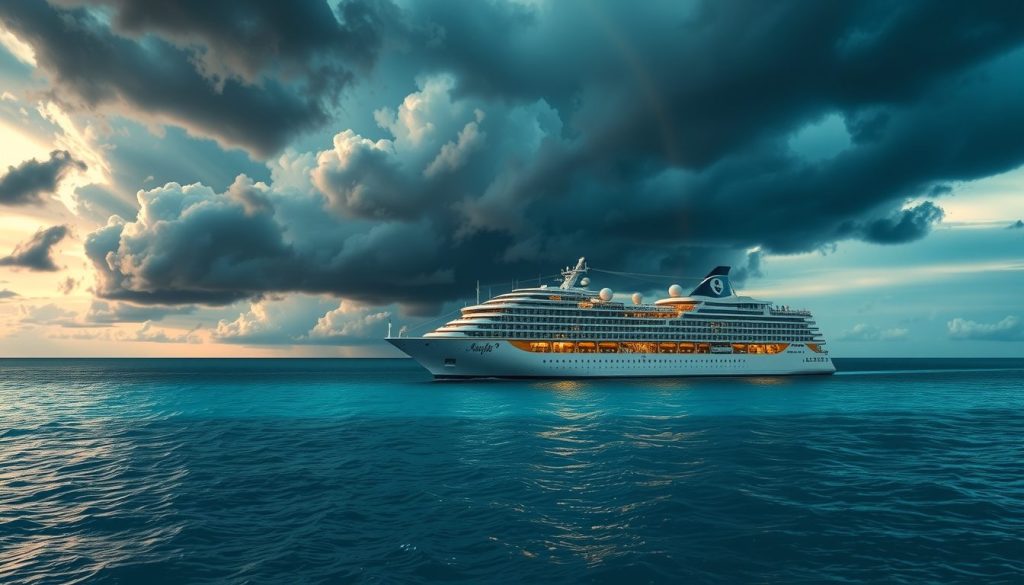
When a storm begins to form in the Atlantic or Caribbean, cruise lines go into high alert.
These companies monitor tropical systems constantly, and when forecasts show a potential threat, decisions unfold rapidly behind the scenes.
Safety is always the top priority.
Unlock Your Dream Cruise with Exclusive Online Deals!
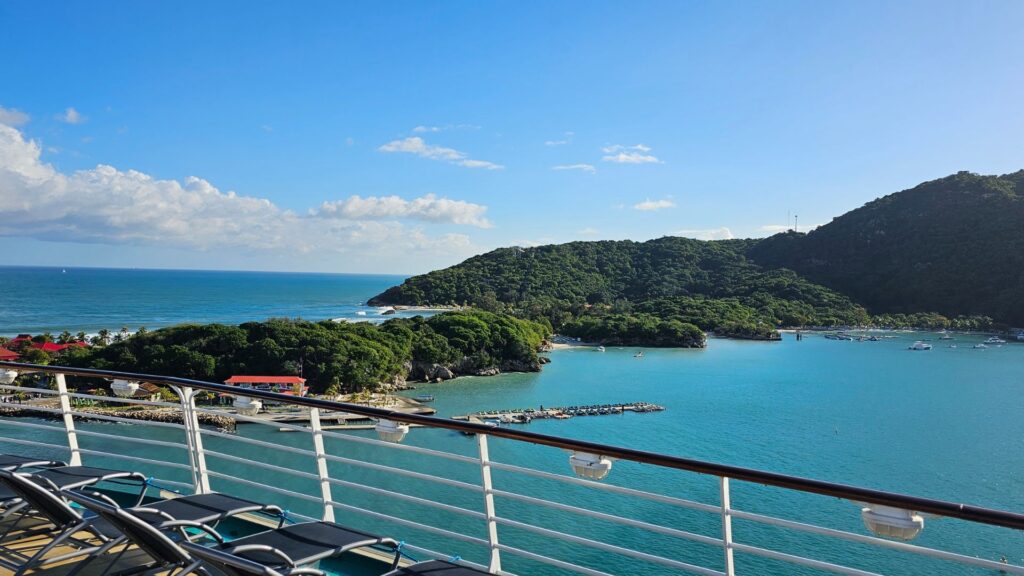
Cruise ships are massive and mobile — they can outrun or avoid most storms by altering routes.
However, when ports close, seas grow rough, or schedules become impossible to maintain, cancellations or major reroutes are unavoidable.
You might be surprised to learn that full cancellations are relatively rare.
Most often, itineraries are modified rather than scrapped entirely.
Ships may skip one or more ports, spend extra days at sea, or head in the opposite direction from the storm path.
Communication is key during these changes.
Cruise lines typically update passengers via email, text alerts, or onboard announcements.
But those updates may come late — often just 24 to 48 hours before departure — depending on the storm’s unpredictability.
Cruise lines also have extensive partnerships with meteorologists and port authorities.
This collaboration ensures that each ship remains outside dangerous wind fields and that passengers never face perilous sea conditions.
Traveler Takeaways:
- Understand flexibility. Cruise lines make final decisions as close to departure as possible because storms change quickly.
- Check your contact details. Ensure your booking includes up-to-date email and phone information so alerts reach you immediately.
- Expect reroutes, not full cancellations. Unless ports are closed or safety is compromised, ships will usually sail modified routes.
What Counts as a Storm-Related Cancellation—and What It Means for You
Not every itinerary change qualifies as a true “cancellation.”
Cruise contracts — the fine print most travelers skip — define cancellations very narrowly.
If the cruise departs but modifies destinations, it’s generally not considered a cancellation under your passenger contract.
That means standard refund policies don’t apply.
You might receive onboard credits, discounts on future sailings, or small compensation gestures, but not a full refund.

Grab Your Ticket to Paradise with These Deals!
A true cancellation occurs when a voyage cannot depart at all, or when the cruise line terminates the sailing before it starts.
In such cases, passengers are typically offered a full refund or a rebooking option.
Cruise companies are not legally required to reimburse additional costs like flights, hotel stays, or excursions booked independently.
That’s where your travel insurance — or lack thereof — becomes critical.
Understanding the definitions and your rights before the storm clouds gather helps you navigate disappointment with clarity rather than frustration.
Helpful Takeaways:
- Know the contract. Each line defines “cancellation” differently, so review your terms before you book.
- Refunds are rare for reroutes. You’ll often receive future cruise credits instead of cash.
- Airfare isn’t covered. Protect your flights separately with flexible or insured fares.
The Role of Travel Insurance in Storm Season: Your Safety Net Explained
One of the smartest moves you can make during storm season is purchasing comprehensive travel insurance.
But not all policies treat weather disruptions the same way.
A typical policy covers cancellations or interruptions caused by “named storms” — that is, storms officially recognized by the National Hurricane Center.
However, the policy must be purchased before the storm is named.
If you wait until a system becomes public, it’s too late for protection.
Travel insurance can also cover trip delays, missed connections, and additional hotel nights if your cruise departure is postponed.
Premium plans may even reimburse prepaid excursions or nonrefundable airfare.
There’s also a lesser-known option called “Cancel for Any Reason” coverage, or CFAR.
Click for Exclusive Offers on Top Cruise Lines!
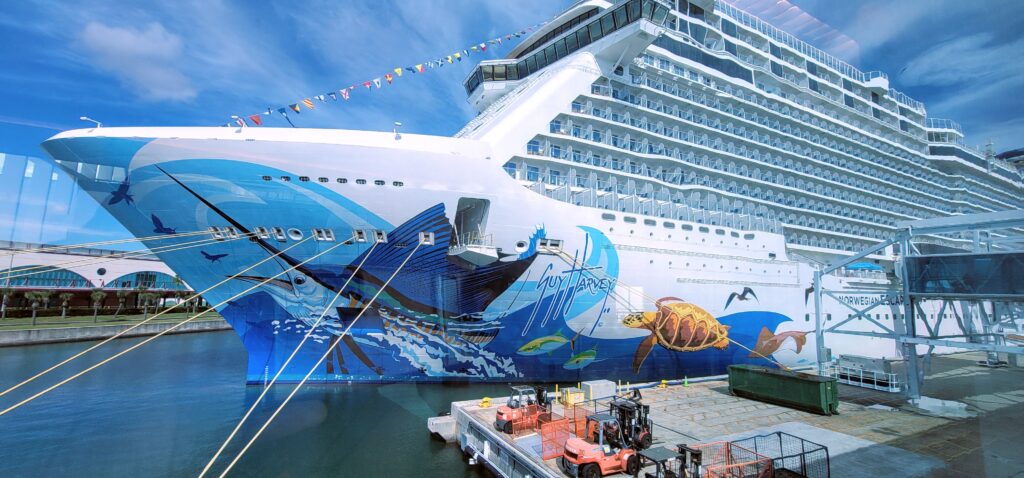
This type of policy lets you cancel for personal concerns — even if the cruise still sails — and receive partial reimbursement, typically 50–75% of your costs.
The bottom line: during hurricane season, insurance isn’t optional; it’s essential. It gives you the flexibility to make decisions based on comfort and safety rather than fear of losing money.
Smart Insurance Insights:
- Buy early. Purchase insurance the same day you book your cruise to ensure full eligibility.
- Read for named-storm clauses. Your policy must specify weather-related coverage for tropical systems.
- Consider CFAR upgrades. These plans offer the widest safety net during unpredictable weather patterns.
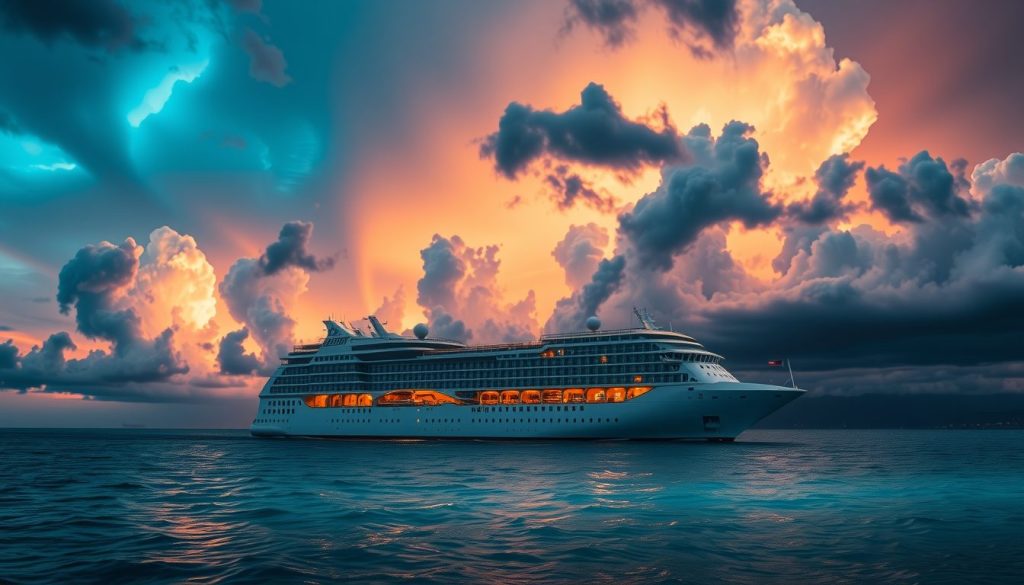
How Cruise Lines Compensate Passengers When Storms Disrupt Sailings
When storms disrupt sailings, compensation varies dramatically depending on the cruise line, the extent of disruption, and whether the ship sails at all.
If your itinerary changes but the cruise operates, most companies offer goodwill gestures — typically onboard credits or discounts on future voyages.
If your cruise is canceled entirely, expect a full refund or a transferable future cruise credit of equal value.
During widespread weather events, cruise lines also sometimes assist passengers with rebooking flights or providing hotel accommodations, though these are exceptions rather than guarantees.
The scale of compensation often reflects public relations as much as policy.
Major lines like Royal Caribbean, Carnival, and Norwegian aim to preserve goodwill by offering generous rebooking terms when storms wreak havoc.
Remember, refunds for non-cruise elements — such as airfare or independent excursions — are not guaranteed, even when the cruise cancels.
This is where layered protection through flexible bookings and insurance comes into play.
Key Insights:
- Expect credits before refunds. Cruise lines prefer offering future value instead of direct cash returns.
- Monitor communications. Companies announce compensation policies via email and official websites after major weather events.
- Document everything. Save receipts and correspondence to strengthen refund or claim requests.
How to Protect Your Cruise Investment During Hurricane Season
Protecting your investment begins long before hurricane season starts.
A proactive approach ensures that, even if storms disrupt your plans, your finances and peace of mind remain intact.
First, book with reputable cruise lines that have transparent weather policies.
Next, use a travel advisor who specializes in cruises — they often have insider access to rebooking channels and can negotiate better outcomes during disruptions.
Grab Your Ticket to Paradise with These Deals!
Choose flexible airfare options or book directly with the cruise line for bundled protection.
These packages often include rebooking support when itineraries shift unexpectedly.
Timing matters, too. Early fall is peak hurricane activity, particularly from August through October.
If you’re sensitive to travel uncertainty, consider sailing before or after this window.
Finally, prepare mentally for adjustments. Part of traveling during storm season is embracing adaptability.
You may visit unexpected ports or enjoy extra sea days.
Those who roll with changes often discover new destinations they never planned to see.
Practical Pointers:
- Book through specialists. Cruise-focused travel agents can streamline cancellations or reroutes.
- Avoid peak season. Travel outside August–October for smoother sailing.
- Embrace flexibility. Adjusting expectations leads to a more enjoyable experience, even with last-minute changes.
Inside the Cruise Line Decision Process When Storms Threaten Your Voyage
Ever wonder what goes on behind closed doors when storms threaten a sailing?
The decision to cancel, delay, or reroute involves layers of coordination and risk assessment.
Cruise lines monitor data from the National Hurricane Center and private maritime forecasters.
Operations teams evaluate projected storm tracks, port closures, and guest safety logistics.
Captains maintain communication with headquarters, while local authorities determine port viability.
Most major cruise companies have dedicated “situation rooms” that run 24/7 during hurricane season.
These command centers manage dozens of itineraries simultaneously, modeling storm paths and adjusting routes in real time.
When cancellations become inevitable, executives balance guest safety with operational realities.
Crew schedules, fuel logistics, and regional regulations all come into play.
Click for Exclusive Offers on Top Cruise Lines!
Behind every cancellation notice lies hours of analysis and coordination — a logistical ballet driven by meteorological precision and passenger welfare.
Useful Facts:
- Storm modeling is constant. Cruise lines use proprietary systems to track tropical weather 24 hours a day.
- Safety overrides all. No marketing schedule ever outweighs crew and guest well-being.
- Coordination is global. Every cancellation involves input from meteorologists, port authorities, and maritime operations.
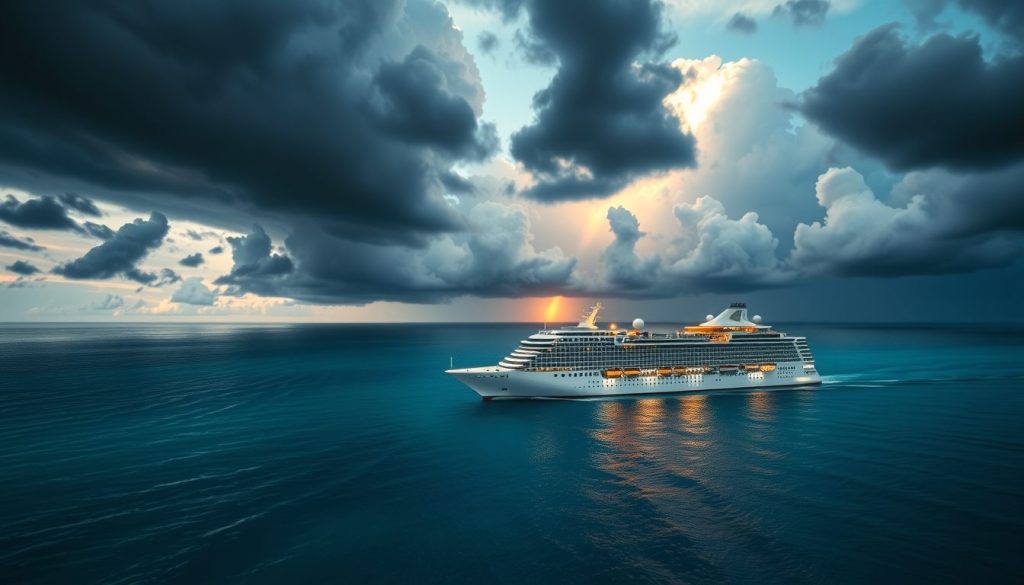
Managing Expectations When the Forecast Turns Stormy
When you book a cruise during storm season, managing expectations is half the battle.
Flexibility and preparation turn potential stress into a manageable hiccup rather than a ruined vacation.
Understand that itinerary changes are not failures — they’re safety measures.
Cruises that alter routes or ports are often saving passengers from dangerous conditions.
Keeping that perspective helps maintain calm when announcements arrive.
Communication delays can be frustrating.
Cruise lines wait for reliable forecasts before issuing statements, which means passengers often get updates later than they’d like.
Patience is essential during these windows of uncertainty.
Also, remember that social media can spread misinformation quickly.
Always rely on official cruise line sources rather than online speculation.
Finally, build extra time into your schedule for pre- and post-cruise travel.
If your ship returns late or departs a day early, you won’t lose connecting flights or critical plans.
Actionable Guidance:
- Trust official updates. Social media rumors can fuel unnecessary panic.
- Buffer your schedule. Give yourself a day or two of flexibility before and after your cruise.
- Stay positive. Adjusting expectations ensures you enjoy the journey, regardless of destination changes.
Why Storm Season Doesn’t Mean You Should Skip Cruising
It’s easy to assume storm season equals chaos, but that’s far from the truth.
In fact, many seasoned travelers prefer cruising during this period.
Fewer crowds, lower prices, and flexible itineraries make it an appealing window for those who understand the risks.
Modern cruise ships are engineering marvels built to withstand rough conditions.
They avoid storms rather than confront them, using real-time navigation and weather tracking to stay clear of danger.
For most passengers, the worst inconvenience is a missed port or unexpected sea day.
And those who approach their trip with flexibility often find silver linings — like discovering new destinations, or simply relaxing longer aboard.
Storm season cruising is about informed optimism: traveling smart, protecting your booking, and accepting that nature occasionally rewrites the itinerary.
Encouraging Takeaways:
- Knowledge is confidence. Understanding how weather impacts cruises turns fear into preparation.
- The sea remains safe. Ships are designed to avoid, not endure, dangerous storms.
- Flexibility breeds enjoyment. Those who adapt easily often enjoy storm-season sailings the most.
Building Confidence Through Preparation for Storm-Season Cruising
If you’ve read this far, you’re already better equipped than most travelers.
You know what defines a cancellation, how insurance protects you, and what to expect if a storm reroutes your trip.

Experience Luxury Cruises at Unbeatable Prices Today!
Confidence comes from preparation, not luck.
Choosing reliable cruise lines, reading the fine print, and purchasing proper coverage allows you to travel with calm assurance, even when forecasts turn grim.
Storms may change plans, but they don’t have to sink your vacation spirit.
When you plan with intelligence and patience, you can weather any forecast — and return home with memories that outshine the clouds.
FAQ – What Happens When Hurricane Season Disrupts Your Cruise?
How Often Are Cruises Completely Canceled Because of Hurricanes?
Full cruise cancellations are relatively uncommon because ships can usually change course and avoid developing tropical systems. Cruise lines are more likely to substitute ports, add sea days, reverse an itinerary, or otherwise modify the voyage when weather interferes with the original route. A complete cancellation becomes more likely when ports close, departure becomes impractical, or operating the sailing safely is no longer possible. Travelers should therefore prepare for itinerary changes first rather than assuming an approaching storm automatically means the entire vacation will disappear.
What Counts as a True Cruise Cancellation During Hurricane Season?
A true cancellation generally occurs when the voyage cannot depart or the cruise line terminates the sailing before it begins. A ship that still sails but skips destinations, changes routes, or adds sea days is usually considered to be operating a modified itinerary rather than a canceled cruise. That distinction is important because full cancellations commonly trigger refund or rebooking options, while itinerary changes may produce only onboard credit, future-cruise discounts, or another goodwill gesture. Review the passenger contract before booking so you understand how your cruise line defines each situation.
Will You Get a Refund If Your Cruise Skips Ports Because of a Storm?
A skipped port does not normally guarantee a full refund when the cruise itself continues. Cruise contracts generally give lines considerable flexibility to modify destinations when weather or port conditions make the scheduled itinerary impractical. Depending on the cruise line and severity of the disruption, passengers may receive onboard credit, a future-cruise discount, refunded port-related charges, or another form of compensation. Treat the itinerary as the intended route rather than a guarantee that every scheduled destination will be visited.
When Should You Buy Travel Insurance for a Hurricane-Season Cruise?
Purchase travel insurance as soon as practical after booking, especially if hurricane protection is one of your main reasons for buying coverage. Policies that cover named storms generally require the policy to be in place before the storm becomes a known event, so waiting until a hurricane appears in the forecast can be too late. Stronger plans may also cover qualifying trip delays, missed connections, additional hotel nights, nonrefundable airfare, or prepaid excursions. Compare the actual weather provisions and exclusions instead of assuming every comprehensive policy treats hurricanes the same way.
Is Cancel for Any Reason Coverage Worth Considering During Hurricane Season?
Cancel for Any Reason coverage can be valuable when you want the ability to cancel because you are uncomfortable traveling even though the cruise line still plans to sail. Standard insurance generally requires a covered reason before cancellation benefits apply, while CFAR provides broader flexibility subject to the policy’s rules. The tradeoff is that CFAR typically costs more and reimburses only part of the insured trip cost rather than providing a full refund. It can be especially useful for travelers who would rather make their own decision than wait for the cruise line to cancel or reroute the voyage.
What Compensation Can You Expect When a Storm Disrupts Your Cruise?
Compensation depends heavily on whether the sailing operates and how significantly the storm changes the trip. When the ship still sails, cruise lines may offer onboard credits, discounts, or future cruise credits rather than a cash refund. A complete cancellation is more likely to result in a refund or rebooking option, while assistance with hotels and flights can vary by circumstances and should not be assumed. Major lines such as Royal Caribbean, Carnival, and Norwegian may introduce special rebooking arrangements during major weather events, but travelers should rely on the specific terms announced for their sailing.
Will the Cruise Line Pay for Flights, Hotels, or Excursions After a Cancellation?
Do not assume the cruise line will reimburse independently booked flights, hotels, excursions, or other expenses simply because the sailing is canceled. Cruise-line responsibility usually centers on the cruise purchase itself, while costs arranged separately may depend on airline rules, hotel cancellation policies, excursion providers, or travel insurance. Flexible airfare and refundable hotel reservations can reduce that exposure before a storm ever develops. Saving receipts and booking confirmations also gives you the documentation needed if you later file an insurance or reimbursement claim.
How Do Cruise Lines Decide Whether to Cancel, Delay, or Reroute a Sailing?
Cruise lines evaluate storm tracks, forecast intensity, port closures, sea conditions, vessel positioning, and passenger-safety logistics before changing a sailing. Captains work with shoreside operations teams, meteorologists, maritime forecasters, and port authorities while conditions continue to develop. Major cruise operators can manage multiple ships simultaneously through dedicated operations centers that model routes and update plans as forecasts change. Because hurricanes can shift direction or intensity quickly, a reroute may remain the preferred option until conditions make cancellation or a significant delay unavoidable.
Why Can Hurricane-Season Cruise Updates Arrive So Close to Departure?
Cruise lines sometimes wait until forecasts become reliable enough to make an operational decision, which can push major updates close to embarkation. A tropical system that appears threatening several days earlier may weaken, accelerate, turn, or affect completely different ports by departure day. Waiting can therefore preserve more options, even though the uncertainty is frustrating for passengers trying to coordinate flights and hotels. Keep your phone number and email current on the reservation, monitor official cruise-line communications, and avoid making expensive changes based solely on social-media speculation.
How Can You Protect Your Cruise Investment Before a Hurricane Threatens Your Sailing?
Combine flexible reservations, early travel-insurance coverage, careful review of cancellation terms, and extra time around your pre- and post-cruise transportation. Booking refundable airfare or cruise-line air arrangements can make schedule changes easier to manage, while arriving before embarkation gives you more room when flights are disrupted. Travelers who dislike uncertainty may also consider avoiding the more active August-through-October portion of Atlantic hurricane season. Most importantly, plan for the possibility of a changed port or extra sea day so an itinerary adjustment does not automatically turn into a financial or emotional crisis.
Plan Your Next Cruise!

Sail Into Italian Elegance: Costa Cruises for Culture, Cuisine, and Unforgettable Voyages
One Delay Can Cost Your Entire Cruise A quick coverage check now protects you from the problems no one sees coming….

Unlock The Viking Ocean Experience: Elegant Ships, Cultural Immersion, And Unrushed Travel
One Delay Can Cost Your Entire Cruise A quick coverage check now protects you from the problems no one sees coming….
Sail the World in Style: MSC Cruises’ Innovative Ships, Luxury Amenities, and Global Adventures
One Delay Can Cost Your Entire Cruise A quick coverage check now protects you from the problems no one sees coming….
Discover Princess Cruise Line: Elegant Ships, Immersive Voyages, and World‑Class Experiences
One Delay Can Cost Your Entire Cruise A quick coverage check now protects you from the problems no one sees coming….
Explore More

Cruise Smoking Rules: Avoid Costly Fines and Find Your Designated Spots Onboard

Avoid Costly Mistakes: Cruise Cancellation Rules You Must Know Before Paying

Discover Cruise Cinemas for Blockbusters, Open‑Air Screens, and Movie Magic