One Delay Can Cost Your Entire Cruise
A quick coverage check now protects you from the problems no one sees coming.
Short Excerpt
- Learn how to compare hurricane-season cruise fares without assuming that lower prices always mean better value.
- Discover practical booking strategies for flexible fares, flights, southern Caribbean itineraries, and shore excursions.
- Understand the differences between cancellation policies, travel insurance, and actual passenger refund rights.
- Use an interactive planning tool to identify the booking decisions worth checking before you commit.
Quick Take
- Flexibility is your most useful booking advantage. Understand what you can change, when penalties apply, and which expenses are nonrefundable.
- The Atlantic hurricane season runs from June 1 through November 30, with the historical peak around September 10.
- Hurricane-season fares may offer attractive value on some sailings, but savings of 30%–50% are not guaranteed.
- Southern Caribbean destinations such as Aruba, Bonaire, and Curaçao generally have lower historical exposure to direct hurricane strikes than many northern Caribbean destinations, but they aren’t storm-proof.
- Book flights with sufficient time before embarkation, especially when tropical weather could affect airports or ground transportation.
- Travel insurance and Cancel For Any Reason benefits have conditions, purchase deadlines, and exclusions. They cannot guarantee that every disruption will be reimbursed.
Can You Enjoy a Hurricane-Season Cruise Without Taking Unnecessary Chances?
A Caribbean cruise in September might offer an appealing fare, a beautiful itinerary, and the chance to enjoy the destinations you’ve been looking forward to.
But perhaps one question keeps you from completing the reservation: What if a hurricane changes everything?
You might picture a canceled sailing, a missed port, a disrupted flight, or an expensive last-minute hotel stay.
Those possibilities deserve consideration.
They don’t necessarily mean you should avoid booking.
The better approach is to understand which decisions you can control before you make a financial commitment.
You can choose a sailing date, evaluate alternative itineraries, compare fare restrictions, arrange flights with more breathing room, and avoid locking too much money into reservations with unfavorable cancellation terms.
You cannot guarantee that the weather will cooperate.
Cruise lines monitor tropical systems and can adjust routes and ports, but their operating capabilities don’t make every voyage storm-free.
Royal Caribbean, for example, explains that it may change itineraries because of weather and other operational circumstances. (Royal Caribbean — Itinerary Changes)
The aim of this guide is to make the booking process more manageable before a storm ever develops.
Unlike guides dedicated to tracking hurricanes, choosing a cabin, packing emergency supplies, or following announcements at sea, this article focuses on the decisions that determine how much flexibility you have when plans change.
That distinction matters because the strongest hurricane-season travel strategy begins before you board.
Hurricane-Season Cruise Booking Flexibility Planner
Before paying a deposit, use this planner to identify the terms and arrangements most important to your booking.
It doesn’t calculate hurricane risk, predict insurance coverage, or rank cruise lines.
Instead, it creates an actionable review checklist based on your biggest concern, how you’ll reach the port, and how important the scheduled destinations are to your trip.
Hurricane-Season Cruise Booking Flexibility Planner
Make your booking decisions with more confidence. Choose your concerns and get a practical review checklist.
0 of 5 steps complete
Additional priorities for your trip
Planning aid only. Does not verify prices, predict storms, assess maritime safety, or guarantee refunds or insurance coverage. Confirm actual terms before booking.
Compare Hurricane-Season Cruise Deals Without Assuming Every Fare Is a Bargain
One of the most appealing reasons to consider hurricane-season cruising is the possibility of finding attractive prices.
But the season alone doesn’t tell you whether a fare is good value.
Cruise pricing changes with the ship, itinerary, cabin category, departure date, available inventory, school holidays, and booking demand.
Top Cruise Deals From Trusted Cruise Lines
Compare exclusive online offers and find the fare that fits your trip and your budget
An older ship sailing a less popular route may cost less than a newer vessel departing the same week.
Another sailing could be expensive despite falling in September.
Compare the Total Vacation Price, Not Just the Advertised Fare
Suppose two Caribbean sailings look similar, but one offers a lower advertised cruise fare.
Before deciding that it’s the better deal, examine the complete cost.
| Cost component | What to compare |
|---|---|
| Cruise fare | Cabin category, inclusions, and booking conditions |
| Taxes and fees | The actual amount payable for each sailing |
| Gratuities | Applicable charges and whether they’re included |
| Flights | Departure-city options, baggage charges, and flexibility |
| Pre-cruise hotel | Cost of arriving before embarkation day |
| Transfers | Transportation to and from the terminal |
| Excursions | Cancellation terms and potential nonrefundable deposits |
| Insurance | Policy premium and relevant optional benefits |
A lower cruise fare can become less attractive if it requires an inconvenient flight connection or an expensive hotel stay.
Conversely, a slightly higher fare may provide value if it includes services you would otherwise purchase separately.
Compare the amount you expect to spend for the whole vacation, not merely the price displayed on the first booking screen.
Check What You’re Giving Up for a Lower Price
Some reduced fares come with more restrictive deposit, cancellation, or cabin-assignment conditions.
That doesn’t automatically make them poor choices.
If your travel dates are fixed and you’re comfortable with the restrictions, a lower nonrefundable fare may be reasonable.
But if you could need to change plans before departure, paying more for suitable flexibility might be worthwhile.
The most useful question is not simply “How much can I save?”
It’s “What will this booking allow me to change if circumstances require it?”
Choose Cruise Dates With a Realistic Understanding of Hurricane Season
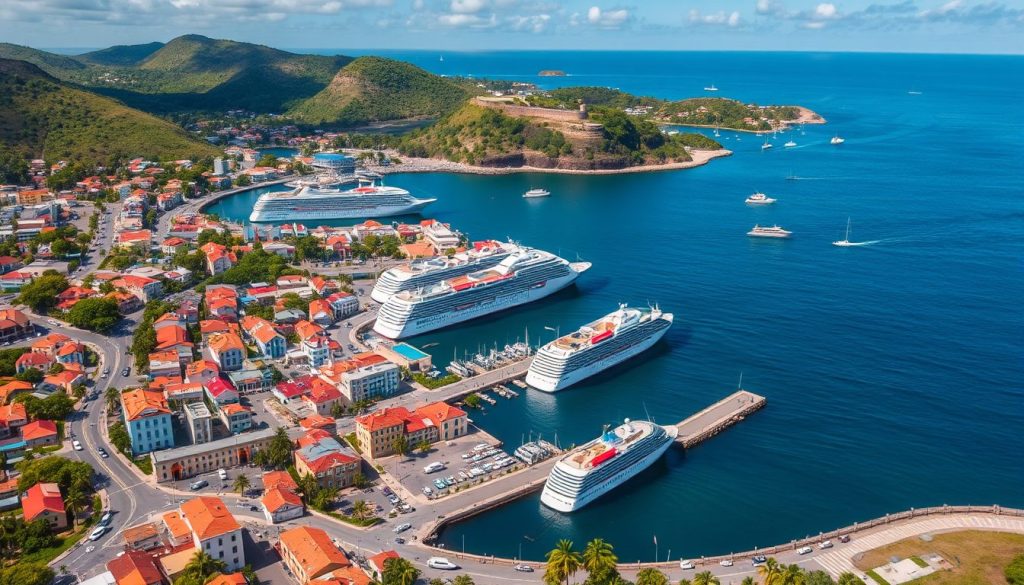
The Atlantic hurricane season officially runs from June 1 through November 30.
According to the National Hurricane Center’s historical climatology, the statistical peak occurs around September 10, with most Atlantic tropical cyclone activity concentrated between mid-August and mid-October. (National Hurricane Center — Tropical Cyclone Climatology)
This helps explain why travelers often pay closer attention to hurricane forecasts during September and early October.
However, seasonal averages aren’t forecasts for a particular sailing.
A cruise departing near the historical peak could experience favorable weather throughout its journey.
An early-season voyage could encounter a developing tropical system.
Is June a Better Choice Than September?
June generally falls outside the historical peak of Atlantic tropical cyclone activity.
If you’re choosing between otherwise comparable voyages and minimizing seasonal hurricane exposure is a leading priority, that difference may influence your decision.
Online‑Only Cruise Offers You Won’t Find Elsewhere
Unlock special pricing and start planning the sailing that matches your perfect itinerary
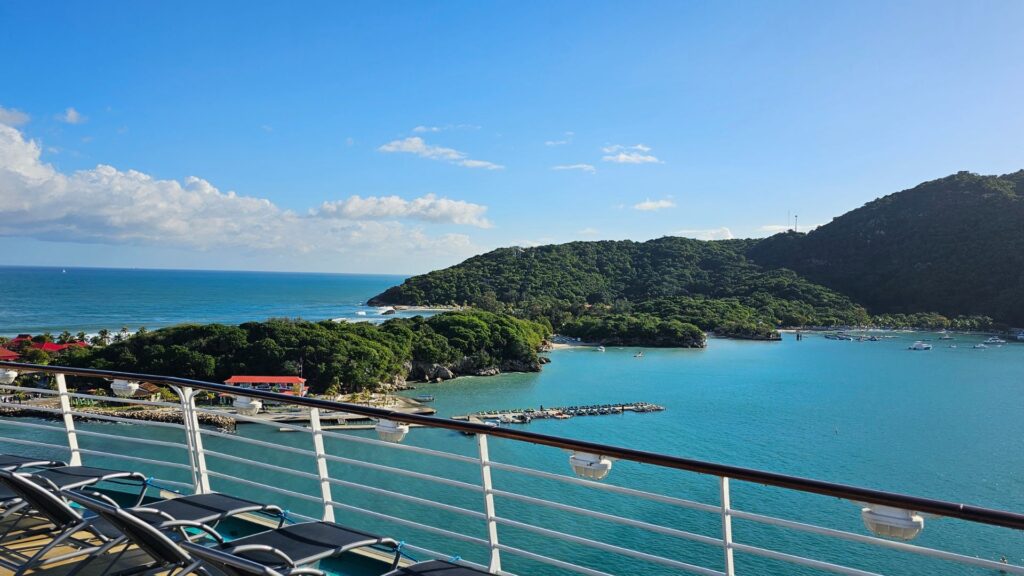
But there are other factors to consider, including summer heat, school holidays, itinerary demand, and the prices available.
A June departure isn’t automatically less crowded or less expensive.
Nor does it guarantee smoother seas.
Is Late November a Good Alternative?
Late November is near the end of the official Atlantic hurricane season.
Historical tropical cyclone activity is generally lower than during the peak months, but storms can still develop.
Travelers should also consider holiday demand and transportation patterns.
A Thanksgiving-period cruise, for example, may be priced differently from another sailing later in the season.
Choose based on the complete vacation rather than the hurricane calendar alone.
When September May Still Be Worth Considering
September can be appealing if you have flexible travel dates, find an attractive total price, and aren’t depending on one exact port call.
But the increased historical hurricane activity means you should be realistic about possible disruptions.
If you must return home on a specific date, or if a particular destination is essential to the purpose of your trip, a peak-season booking may involve trade-offs that deserve greater weight.
You don’t have to reject September.
You do need to decide whether the itinerary’s flexibility matches your expectations.
Does Choosing the Southern Caribbean Reduce Hurricane Concerns?
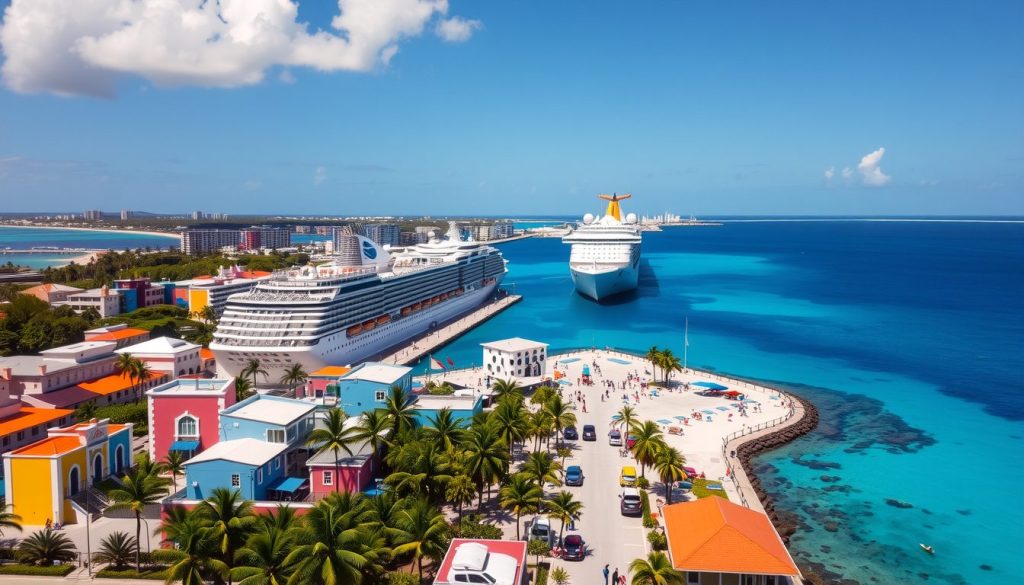
The southern Caribbean is often discussed as an alternative for travelers concerned about hurricanes.
Aruba, Bonaire, and Curaçao lie relatively far south compared with many other Caribbean cruise destinations.
Their geographic position generally gives them lower historical exposure to direct hurricane strikes than destinations in more frequently affected portions of the Atlantic basin.
Aruba’s official tourism organization describes its location as outside the principal hurricane belt, while also recognizing that weather in the wider region can still affect the island. (Aruba Tourism Authority — Hurricane Season)
That distinction is useful, but it shouldn’t be exaggerated.
Why the ABC Islands May Appeal to Flexible Travelers
A southern Caribbean itinerary can be attractive if you’re comfortable considering destinations outside the more commonly advertised eastern and western Caribbean routes.
The ABC islands offer different experiences, including beaches, snorkeling, distinctive architecture, and varied shore activities.
Their relatively southern position may be one consideration when choosing a hurricane-season itinerary.
However, the islands are not immune to severe weather.
A cruise ship must also travel to and from them, potentially crossing regions affected by storms elsewhere in the Caribbean.
Don’t Confuse Lower Historical Exposure With Guaranteed Smooth Seas
A destination may experience relatively few direct hurricane strikes while still encountering rainfall, winds, swells, or operational disruptions.
Conditions along the entire itinerary matter, not just the weather at the scheduled ports.

Luxury Cruise Experiences at Smarter Prices
See premium sailings and upgraded cabins priced for travelers who know how to book well
The ship’s departure location is also important.
A voyage visiting Aruba may still begin or end in Florida, Puerto Rico, or another location where a tropical system could disrupt travel.
Choose a southern itinerary because it suits your preferences and offers a potentially different geographic exposure—not because someone has promised hurricane-free cruising.
Don’t Assume Eastern or Western Caribbean Cruises Are Poor Choices
The eastern and western Caribbean include numerous popular destinations with different weather patterns and operational considerations.
Neither region can be described as uniformly safe or uniformly exposed during every hurricane season.
A particular storm may threaten one region while conditions elsewhere remain favorable.
Seasonal geography is useful for long-range planning, but current official forecasts become more relevant as departure approaches.
For the actual tropical outlook, use the National Hurricane Center.
Book a Fare You Understand Before Paying the Deposit
One of the most useful travel hacks is also one of the least glamorous: read the booking conditions before paying.
Different fares can have different deposit and cancellation provisions.
A reservation described as flexible may still involve fees, deadlines, fare differences, or nonrefundable components.
You should not assume that booking directly with a cruise line automatically makes the reservation refundable.
Refundable and Nonrefundable Deposits Aren’t Interchangeable
Royal Caribbean, for example, publishes separate information about nonrefundable deposits and passenger cancellation charges.
Its terms explain that certain changes or cancellations can result in penalties, even before the sailing takes place. (Royal Caribbean — Nonrefundable Deposit Policy)
Before paying, identify your deposit type and what happens if you cancel before final payment.
Also check the penalty schedule after final payment.
If you later change ships or sailing dates, a fare difference or administrative charge may apply.
Keep a copy of the conditions that applied to your reservation.
Don’t Rely on a Universal Lift-and-Shift Policy
The original article suggested choosing a Lift and Shift policy as though it were a standard, ongoing option across cruise lines.
It isn’t.
Cruise operators have offered different temporary or promotional flexibility programs at various times, but those programs shouldn’t be assumed to remain available.
Check the actual terms offered with your sailing.

Sail Away to Paradise Without Overpaying
Find cruise deals that make it easy to escape, relax, and enjoy the ocean without stretching your budget
If a promotion allows a date change, confirm whether it applies to your fare, destination, cabin category, or booking date.
Don’t make a nonrefundable purchase based on a policy name you remember from an earlier travel season.
Booking Directly Versus Using a Travel Advisor
Booking directly can make communication with the cruise operator straightforward.
An experienced travel advisor may also help you compare fares, interpret booking conditions, and coordinate changes.
Neither option automatically guarantees better refund rights.
The actual reservation, cruise contract, supplier terms, and who is responsible for servicing the booking determine how changes are handled.
If you use an advisor or third-party booking service, identify who you should contact first when changes are needed.
Travel Insurance: Buy the Protection You Actually Need
Travel insurance can be important for a hurricane-season cruise, especially when you’re paying substantial nonrefundable costs or traveling internationally.
But it shouldn’t be described as protection that guarantees your entire vacation investment.
Policies differ in what they cover, when coverage applies, and which losses are excluded.
The National Association of Insurance Commissioners explains that trip cancellation, interruption, medical coverage, and optional Cancel For Any Reason benefits operate under different conditions. (NAIC — Travel Insurance)
Compare Specific Benefits Rather Than Company Names
When reviewing travel insurance, consider the financial consequences that matter to you.
These may include qualifying trip cancellation, travel delay, interruption, missed connections, emergency medical expenses, and medical evacuation.
For hurricane-season travel, pay particular attention to how the policy treats named storms or events that were already known when coverage was purchased.
Marketplaces such as VisitorsCoverage and Insubuy may help travelers compare different products, but coverage is determined by the specific policy and insurer.
Don’t assume every plan sold through a particular marketplace includes the same hurricane benefits.
What Cancel For Any Reason Actually Provides
Cancel For Any Reason, often called CFAR, can offer additional flexibility when a traveler wants to cancel for a reason not otherwise covered under the standard cancellation policy.
However, CFAR usually reimburses only part of eligible prepaid, nonrefundable trip costs.
The NAIC describes typical benefits in the range of 50%–75%, subject to requirements such as purchasing the coverage within a specified period, insuring required trip costs, and canceling sufficiently before departure. (NAIC — Travel Insurance)
You should not assume that every CFAR product has identical conditions.
Nor is it necessarily useful if your goal is to cancel after a voyage has already begun.
Review the actual policy wording and eligibility requirements before paying for the upgrade.
Purchase Deadlines Are Policy-Specific
A common travel tip is to buy insurance within 14 days of the initial deposit.
That may be a relevant deadline for certain policies or benefits, but it’s not a universal rule.
Time-sensitive eligibility provisions, including some pre-existing medical condition waivers and CFAR benefits, may use different purchase windows.
Buying coverage early can preserve options that might disappear later.
But early purchase does not automatically waive every exclusion or guarantee that a future hurricane-related claim will be paid.
Give Your Flights and Ground Transportation More Breathing Room
A hurricane-season cruise can be disrupted before you reach the ship.
A storm near the departure airport may cause widespread delays even if the cruise port itself remains operational.
Highway conditions, terminal restrictions, and hotel availability can also affect the journey.
For passengers flying to their cruise, this is one area where a practical scheduling decision can make a meaningful difference.
Consider Arriving Before Embarkation Day
Arriving a day or more before embarkation can create additional time to handle ordinary flight delays or travel complications.
It isn’t a guarantee against hurricane disruptions.
A major storm can affect airports and ground transportation for several days, and arriving early won’t solve every problem.
However, a same-day flight gives you much less scheduling flexibility when something goes wrong.
The U.S. Department of Transportation advises travelers with important commitments, including connecting to a cruise, to allow additional time by considering an earlier flight. (U.S. DOT — Fly Rights)
If your budget allows, compare the cost of a pre-cruise hotel with the consequences of a missed sailing.
Understand Airline Refund Rights
When an airline cancels a flight or makes a significant schedule change, refund rights may apply even if the disruption involves weather.
For covered flights to, from, or within the United States, DOT rules generally require a refund when the airline cancels or significantly changes the flight and the passenger doesn’t accept alternative transportation or applicable credits. (U.S. Department of Transportation — Refunds)
This is different from guaranteed cash compensation for inconvenience.
Weather-related delays don’t automatically entitle passengers to additional compensation beyond their applicable rights.
If you accept a replacement flight and travel on it, that can also affect your eligibility for a ticket refund.
Don’t Assume an eSIM Solves Shipboard Connectivity
An eSIM may be useful for mobile data while you’re ashore in a country covered by your plan.
It does not automatically provide service in open ocean waters.
Cruise ships may use maritime cellular networks with separate charges, and passenger Wi-Fi services have their own coverage and pricing arrangements.
Before departure, check your cruise line’s phone and connectivity guidance.
Use airplane mode and re-enable Wi-Fi as appropriate for your device when you want to avoid unexpected cellular roaming.
Choose Shore Excursions With Clear Cancellation Terms
Shore excursions are one of the most enjoyable parts of cruising.
They’re also an area where a changed port can affect money you’ve already spent.
During hurricane season, it makes sense to consider cancellation terms before choosing between a cruise-line excursion and an independent tour.
The right choice isn’t always the one that costs the least upfront.
Cruise-Line Excursions Can Simplify Certain Changes
Some cruise lines publish specific policies for excursions canceled because the ship misses a port.
Royal Caribbean, for example, states that a refund will be given when a shore excursion is canceled because the ship misses the port of call. (Royal Caribbean — Missed-Port Shore Excursion Refund)
Carnival also publishes procedures for shore excursions affected by port cancellations. (Carnival — Shore Excursion Pre-Sail Information)
These are provider-specific arrangements, not universal guarantees for every operator and excursion.
Special tours, transportation arrangements, or independently purchased services can have additional terms.
Independent Excursions May Offer Other Advantages
An independent operator may provide a smaller group, different activities, a preferred schedule, or a lower price.
But review what happens if your ship misses the port entirely.
Some operators provide refunds when a cruise ship cannot dock.
Others may offer credits or enforce standard cancellation charges.
Check whether your reservation requires a deposit, when the balance is due, and whether refunds apply if the itinerary changes.
Where suitable, consider waiting to make nonrefundable purchases until you’re comfortable with the terms.
A Must-See Excursion Changes the Booking Decision
If the principal reason for choosing a cruise is one specific shore experience, a missed port could significantly affect your satisfaction.
That’s different from booking a cruise because you’d enjoy the ship and several possible destinations.
Neither preference is wrong.
But if one particular port or tour is essential, treat the possibility of an itinerary change as a significant booking consideration—not a minor detail to think about later.
Pack for Weather Changes Without Rebuilding Your Entire Packing List
You don’t need a suitcase filled with specialized storm equipment to enjoy a hurricane-season cruise.
Your packing choices should support comfortable travel and ordinary disruptions.
A lightweight rain jacket, suitable footwear, basic personal supplies, and access to essential medication are more practical for most travelers than bulky survival equipment.
Keep Essential Items in Your Embarkation Carry-On
Required travel documents, medications, valuables, and essential medical equipment should remain accessible during embarkation.
Checked luggage may not be delivered to your cabin immediately.
A small change of clothes and necessary toiletries can also help if your main suitcase arrives later than expected.
If you rely on prescription medication, discuss an appropriate extra supply with your healthcare professional in case your return is delayed.
Check Electrical Restrictions Before Packing
Portable chargers can be useful, but don’t assume all charging accessories are permitted.
Royal Caribbean’s prohibited-items policy restricts extension cords, power strips, multi-plug outlets, and certain other electrical equipment. (Royal Caribbean — Prohibited Items)
If you’re flying, the FAA requires spare lithium batteries and power banks to travel in carry-on baggage, subject to applicable capacity limits. (FAA — PackSafe Lithium Batteries)
Always check both airline and cruise-line rules before packing unusual accessories.
Prepare for Rain, Not a Hypothetical Hurricane Encounter
A compact protective pouch for your phone, comfortable shoes, and a lightweight rain jacket may be useful for wet port days.
That doesn’t mean you’ll need them because a hurricane is nearby.
Ordinary tropical showers occur outside major storm systems.
Pack for your planned activities and destinations rather than treating every hurricane-season voyage as a severe-weather expedition.
Stay Informed Without Downloading Every Weather App
The National Hurricane Center should be your primary independent source for Atlantic tropical cyclone forecasts.
Its tropical weather outlooks, official storm advisories, and forecast discussions help explain developing weather conditions.
For itinerary decisions, use your cruise line’s official communications.
You don’t need several applications that repeat the same information.
Set Up the Right Communication Channels
Before boarding, install your cruise line’s official app and confirm where travel updates are published.
Enable the relevant notifications, while recognizing that shipboard internet and app features vary by operator.
If you’re monitoring a tropical system, check the current NHC advisory and its issuance time.
Once aboard, follow the captain’s announcements and crew instructions.
Don’t use a consumer forecast map to independently judge the safety of the ship’s actual route.
Watch for Changes That Affect Your Decisions
A tropical disturbance far from your itinerary may require little action.
A confirmed change to your embarkation port, sailing date, or return schedule is different.
Those developments may require contacting an airline, hotel, transfer provider, or excursion operator.
Organize your attention around official changes rather than repeatedly checking speculative forecasts.
For the detailed mechanics of onboard announcements and weather information, use the separate storm-update article in this series.
What Should You Do if the Cruise Line Changes Your Itinerary?
A weather-related itinerary adjustment can involve a substituted port, an extra sea day, a different arrival time, or another operational change.
The appropriate response depends on what the cruise line has actually confirmed.
First, read the complete announcement.
Check whether your departure, return, or onboard arrangements have changed.
Then identify any separately booked services that may be affected.
Don’t Automatically Cancel Your Own Reservations
If the ship may skip a port, wait for the operator’s decision before canceling an independent excursion unless its booking terms or deadline make earlier action necessary.
Similarly, don’t change a flight just because a forecast suggests that the return port might be affected.
If a revised schedule is confirmed, contact the relevant providers promptly.
Keep copies of official notices and communications.
Don’t Assume Every Itinerary Change Qualifies for Compensation
A skipped port isn’t automatically a canceled cruise.
Cruise contracts often allow changes because of weather, maritime conditions, and other operational factors.
Some circumstances may result in refunds, credits, or other arrangements, but the outcome depends on the contract, applicable law, and specific facts.
Royal Caribbean’s published itinerary terms explain that the operator may substitute or omit ports when circumstances warrant it. (Royal Caribbean — Itinerary Change Policy)
If you need to make an insurance claim, review the exact covered event and required documentation.
There is no universal rule requiring every hurricane-related claim to be filed within seven to ten days.
Make Your Booking Flexible Enough to Enjoy the Unexpected
One of the advantages of cruising is that the ship itself provides dining, entertainment, accommodation, and activities throughout the voyage.
If a port changes, there may still be plenty to enjoy onboard.
But a positive attitude doesn’t replace practical planning, and not every traveler wants an open-ended itinerary.
The key is being realistic about your own preferences.
Know Which Parts of the Vacation Matter Most
If your favorite part of cruising is relaxing on the ship, enjoying the restaurants, and visiting several destinations, an occasional itinerary adjustment may be an acceptable trade-off.
If you need to attend a special event in one particular port, a cruise during a more active storm period may involve greater uncertainty than you’d prefer.
Likewise, if you have a firm obligation immediately after the planned return, even a short disruption could matter considerably.
Booking thoughtfully means recognizing these differences before committing.
Accept Flexibility Without Giving Up Your Expectations
You can look forward to a specific destination while understanding that it may not always be available.
You can also enjoy a lower fare while recognizing that it may come with stricter cancellation terms.
Neither decision requires abandoning your travel priorities.
It simply means making choices based on the vacation you want and the changes you could reasonably accommodate.
Your Hurricane-Season Cruise Booking Strategy in One Checklist
Before paying the deposit, compare the full vacation price and check the fare’s cancellation conditions.
Choose a sailing date with a realistic understanding of Atlantic hurricane climatology, and select an itinerary you’d still find appealing if an individual port changed.
For flights, consider whether arriving before embarkation day would provide useful scheduling flexibility.
Review insurance terms early, particularly any time-sensitive benefits or exclusions involving known storms.
Before purchasing shore excursions, check how missed ports and changed schedules affect refunds.
Finally, confirm how you’ll receive official updates and keep important booking information accessible.
These steps won’t control tropical weather.
They can reduce how much of your vacation depends on assumptions about what will happen if the forecast changes.
Cruise During Hurricane Season With More Options and Fewer Surprises
Hurricane season doesn’t have to mean ruling out a Caribbean cruise.
The period can offer appealing itineraries and, on some sailings, attractive prices.
But the best value comes from more than a discounted fare.
It comes from understanding your commitments, selecting a vacation that suits your flexibility, and knowing which arrangements can be changed if necessary.
You won’t be able to guarantee a particular port, completely eliminate rough seas, or insure against every possible expense.
You can, however, compare the terms before paying, build a more forgiving travel schedule, and avoid spending unnecessarily on arrangements that are difficult to change.
With those decisions made, you’ll have a stronger foundation for enjoying your cruise—whatever reasonable adjustments the weather requires.
FAQ – How Can You Book a Hurricane-Season Cruise With More Confidence?
Is cruising during hurricane season a bad idea?
Cruising during hurricane season isn’t automatically a bad choice.
Cruise operators monitor tropical systems and may change itineraries when conditions warrant it.
However, storms can disrupt ports, flights, and schedules even when the vessel avoids the storm’s center.
Whether the trip suits you depends on your flexibility, itinerary preferences, and travel arrangements.What months are included in the Caribbean hurricane season?
The Atlantic hurricane season officially runs from June 1 through November 30.
Historically, activity reaches its peak around September 10, with much of the activity occurring between mid-August and mid-October.
Those patterns describe the season overall rather than predict the weather for one sailing.
Tropical cyclones can also develop outside the official dates.Are hurricane-season cruises cheaper than cruises at other times?
Some hurricane-season sailings may offer attractive prices, particularly when demand is lower for a particular ship or itinerary.
However, the time of year doesn’t establish a guaranteed discount.
Prices also depend on cabin category, holiday schedules, inventory, and other booking factors.
Compare the full vacation cost rather than assuming every September cruise is a bargain.Can I expect cruise prices to be 30%–50% lower during hurricane season?
There is no reliable universal rule that hurricane-season cruise fares are 30%–50% below peak-season prices.
Individual sailings may have substantial price differences, but these depend on the comparison dates, ships, cabin categories, and included services.
A low advertised fare may also involve restrictive booking conditions or additional travel expenses.
Use actual comparable offers when evaluating savings.Is September too risky for a Caribbean cruise?
September falls near the historical peak of Atlantic tropical cyclone activity, so it deserves careful consideration.
However, a particular September sailing may experience favorable conditions throughout the voyage.
The larger question is whether you can accommodate possible itinerary or travel changes.
Travelers requiring a fixed schedule or one essential port may prefer a different period.Are Aruba, Bonaire, and Curaçao safer from hurricanes?
The ABC islands are farther south than many popular Caribbean cruise destinations and generally have lower historical exposure to direct hurricane strikes.
However, they can still experience tropical weather effects or disruptions elsewhere along a cruise itinerary.
A ship sailing to these islands may begin or end its voyage in another region affected by a storm.
Their location is a useful planning consideration, not a guarantee.Should I choose the eastern or western Caribbean during hurricane season?
Neither region is universally better for every sailing.
Tropical cyclones can affect different parts of the Caribbean at different times, and a particular route’s exposure depends on the developing weather.
Compare destinations, departure dates, and how much flexibility the cruise line has to adjust its itinerary.
Don’t assume that an eastern or western label guarantees favorable conditions.Can cruise ships change routes to avoid hurricanes?
Cruise operators can change routes and schedules when forecasts or marine conditions require adjustments.
Possible changes include substituting ports, changing the order of visits, or spending additional time at sea.
These capabilities are important, but they don’t guarantee that passengers will avoid every uncomfortable condition.
The captain and operator communicate decisions affecting the actual sailing.Should I choose a refundable cruise deposit?
A refundable deposit may be useful if there’s a realistic possibility that your own plans will change before departure.
However, the extra flexibility may involve a different fare or other booking conditions.
A nonrefundable deposit may be acceptable if you understand the penalties and are comfortable with the commitment.
Compare the complete terms rather than making the choice based on the deposit label alone.Do cruise lines allow free date changes during hurricane season?
There is no universal requirement for cruise lines to permit free date changes simply because it’s hurricane season.
Some bookings or promotions may include flexible change provisions, while others involve fees or fare differences.
Temporary programs offered in past years shouldn’t be assumed to remain available.
Review the current conditions for your particular reservation.Does booking directly with a cruise line guarantee a refund?
Booking directly does not automatically make a cruise refundable.
Your refund rights depend on the applicable contract, fare conditions, cancellation timing, and circumstances.
A travel advisor or other booking service may also have separate service arrangements.
Verify who handles changes and which penalties apply before purchasing.When should I buy hurricane-season cruise insurance?
It’s useful to review coverage soon after making your initial trip payment, particularly when you want time-sensitive optional benefits.
Some policies have deadlines for pre-existing medical condition waivers or Cancel For Any Reason eligibility.
Other terms may exclude losses arising from storms that were already known when coverage was purchased.
The correct purchase window depends on the specific policy.Does Cancel For Any Reason insurance cover the entire cruise cost?
Cancel For Any Reason benefits typically reimburse only a portion of eligible prepaid, nonrefundable expenses.
They may also require you to purchase coverage within a specified window, insure certain costs, and cancel before a stated deadline.
A standard travel insurance policy does not necessarily include CFAR.
Review the actual reimbursement percentage and eligibility conditions before buying.Is it better to fly to the cruise port a day early?
Arriving before embarkation day can provide additional time to manage ordinary flight delays or travel problems.
It cannot eliminate disruption from a major hurricane, airport closure, or transportation shutdown.
The added hotel and travel costs should be considered alongside the flexibility gained.
For travelers flying a long distance or making connections, arriving early may be especially worthwhile.Will an airline refund my ticket if a hurricane cancels my flight?
For flights covered by U.S. Department of Transportation rules, a cancellation or significant schedule change can trigger refund rights when the passenger doesn’t accept alternative travel or applicable credits.
Weather does not automatically remove those refund obligations.
However, refund eligibility is different from a right to additional compensation for inconvenience.
Review the airline’s notice and the applicable rules before deciding whether to accept rebooking.Should I book shore excursions through the cruise line during hurricane season?
Cruise-line excursions can simplify arrangements when a scheduled port is missed, and some operators publish specific refund policies for those situations.
Independent providers may offer different experiences, prices, or cancellation terms.
Neither booking method is automatically superior for every passenger.
Compare the actual refund and rescheduling provisions before paying.What happens if a hurricane causes my ship to skip a port?
The cruise line may substitute another destination, adjust the schedule, or add time at sea.
The consequences depend on operating conditions and the revised itinerary.
A skipped port doesn’t automatically entitle every passenger to compensation, although separate excursion refunds or other arrangements may apply.
Keep the official notice and check the relevant booking terms.Can a cruise line give me onboard credit for a hurricane-related change?
A cruise line may offer an onboard credit or another arrangement in some circumstances, but it isn’t guaranteed for every weather-related change.
The outcome depends on the operator’s policies, applicable legal requirements, and the particular disruption.
A missed destination and a fully canceled voyage can involve different rights.
Consult the official announcement rather than assuming a particular benefit will be provided.Do I need multiple hurricane tracking apps before a cruise?
Most travelers don’t need several applications that provide overlapping information.
The National Hurricane Center offers official Atlantic tropical cyclone forecasts, while the cruise line communicates confirmed sailing changes.
One supplementary weather application may be useful if you prefer its interface or additional features.
Having several apps doesn’t automatically make forecasts more reliable or notifications more timely.What is the most useful hurricane-season cruise travel hack?
The most useful approach is to book with a clear understanding of what can change and what would happen financially if it did.
Compare fares, cancellation rules, transport arrangements, insurance terms, and excursion policies before making nonrefundable commitments.
Choose an itinerary you’d still enjoy if one planned stop changed.
That preparation gives you more practical options without creating unrealistic expectations about the weather.
Plan Your Next Cruise!

From Icon to Oasis: Explore Royal Caribbean’s Groundbreaking Ships and Unforgettable Voyages
One Delay Can Cost Your Entire Cruise A quick coverage check now protects you from the problems no one sees coming….

Experience the Perfect Blend of Disney Magic, Luxury Cruising, and Family Adventure at Sea
One Delay Can Cost Your Entire Cruise A quick coverage check now protects you from the problems no one sees coming….

Sail Into Sophistication: Holland America Cruises for Luxury, Culture, and Unforgettable Journeys
One Delay Can Cost Your Entire Cruise A quick coverage check now protects you from the problems no one sees coming….
Sail Boldly: Experience Virgin Voyages’ Adults‑Only Cruises With Style, Freedom, And Fun
One Delay Can Cost Your Entire Cruise A quick coverage check now protects you from the problems no one sees coming….
Explore More

Sing Your Heart Out: Cruise Karaoke Nights and Competitions Explained
Avoid Overpacking: Use Cruise Ship Laundry to Travel Light

Sail With Your Guitar: Cruise Rules, Packing Tips, and Performance Opportunities