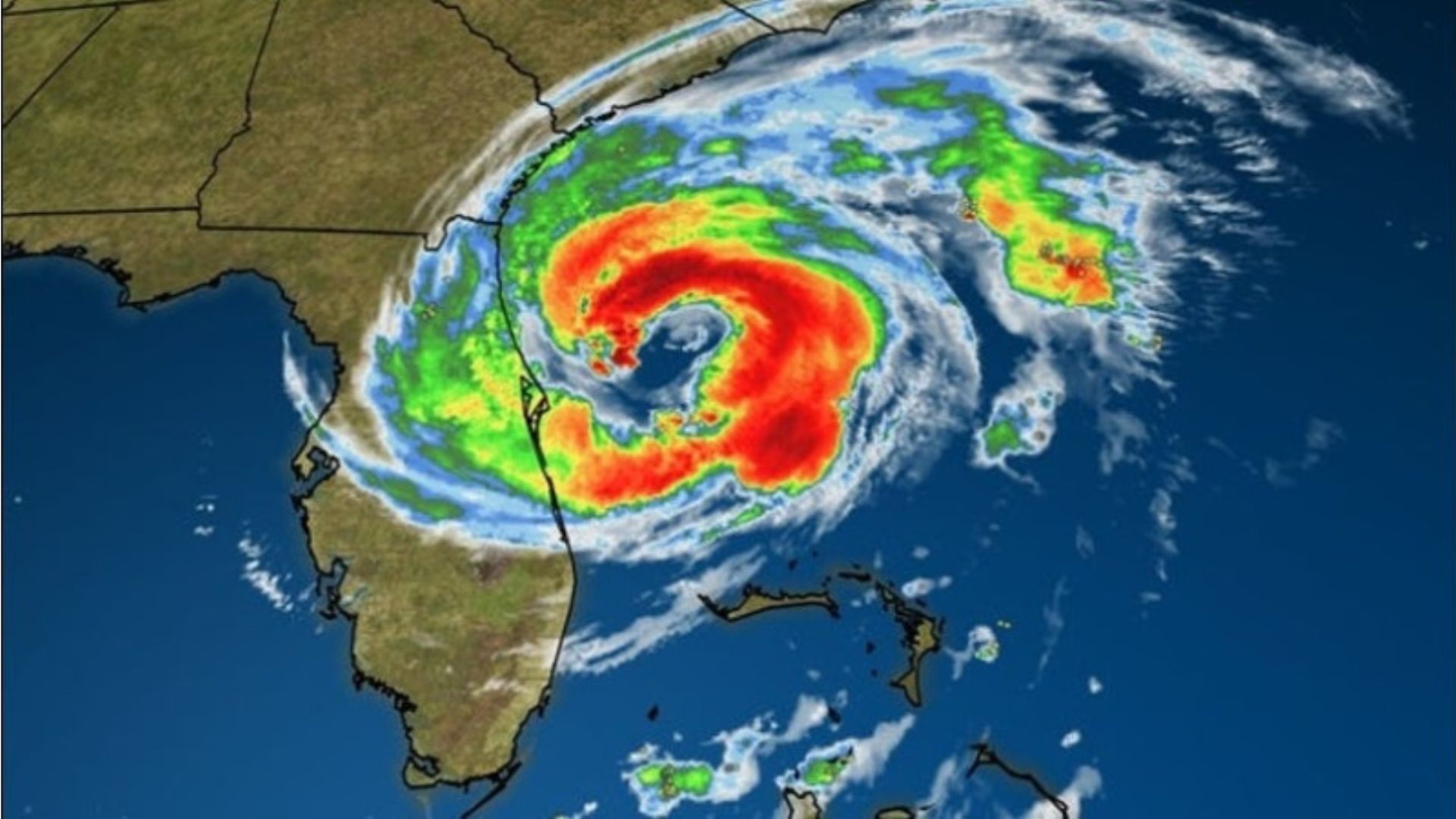
Cruising during hurricane season doesn’t have to mean risking your dream vacation.
Modern cruise lines use advanced weather tracking, flexible itineraries, and expert crews to keep passengers safe.
From rerouting ships to enhancing onboard experiences, every decision is made with safety and enjoyment in mind.
Understanding these strategies helps you book with confidence, even in peak storm months.
Let’s dive deep into this fascinating topic and explore how cruise lines ensure your safety during hurricane season.
Plan Ahead: Know Hurricane Season Dates to Cruise with Confidence
Hurricane season in the Atlantic runs from June 1 to November 30, with the peak months being August through October.
During these months, the warm ocean waters provide the perfect breeding ground for these powerful storms.
The Caribbean, Gulf of Mexico, and the southeastern coast of the United States are particularly vulnerable, which coincidentally are also prime cruising areas.
This timing might make you think twice about booking a cruise, but let’s see how cruise lines turn this challenge into a manageable part of your adventure.
See How Hurricanes Impact Cruise Ports and Itineraries You Count On
Hurricanes can significantly impact the ports that cruise ships stop at by causing closures and disruptions.
Ports can be directly affected by the hurricane’s winds, rain, and storm surges, leading to temporary closures.
Even if a port is not directly hit, the surrounding waters can become too dangerous for safe navigation, impacting the cruise itinerary.
Imagine you’re all set to explore the beautiful port of San Juan, Puerto Rico, but there’s news of an impending hurricane.
Naturally, this would raise concerns.
However, cruise lines are adept at handling such situations and ensuring your vacation remains as enjoyable as possible.
Discover Cruise Line Safety Strategies That Outsmart Hurricanes
1. Track Hurricanes Early with Cruise Ship Weather Technology
Cruise ships are equipped with state-of-the-art weather detection systems.
These include advanced radar systems, satellite communications, and access to real-time weather data.
Onboard meteorologists and collaboration with international weather agencies help in tracking storm patterns and predicting their paths.
These systems provide continuous updates, allowing the crew to make informed decisions.
For instance, if a hurricane is forecasted to hit a particular port, the cruise line can decide to change the itinerary well in advance to avoid any danger.
- Advanced Radar Systems: Modern cruise ships have radar systems that can detect storm cells and monitor their movements.
This helps in identifying any potential threats early on.
- Satellite Communications: Satellite technology provides access to real-time weather data and updates from international weather agencies.
This allows the crew to stay updated on the latest weather developments.
- Onboard Meteorologists: Some cruise lines employ meteorologists who provide expert analysis and forecasts.
Their expertise ensures that the ship’s crew has the best possible information to make informed decisions.
- Weather Stations: These stations continuously measure and report weather conditions such as wind speed, humidity, and atmospheric pressure.
This data is crucial for understanding the current weather conditions and making necessary adjustments to the ship’s route.
2. Reroute Cruise Itineraries To Avoid Hurricanes And Keep Passengers Safe
If a hurricane is expected to hit a port that is on the cruise’s schedule, the cruise line will reroute the ship to safer ports.
This decision is made based on the safety of the passengers and crew.
For example, if a cruise ship is supposed to dock at San Juan, Puerto Rico, but a hurricane is approaching, the ship might be diverted to an alternative port like St. Maarten or the Bahamas.
This process involves complex logistics, as the cruise line must coordinate with alternative ports to secure docking space, arrange for supplies, and inform passengers about the changes.
However, cruise lines are experienced in handling such situations, ensuring minimal disruption to the passengers’ vacation experience.
Enjoy Flexible Cruise Plans When Hurricanes Cancel Ports
In the event a port gets canceled due to a hurricane, cruise lines have several strategies to keep your vacation enjoyable:
- Alternative Ports: As mentioned, the ship might be rerouted to a different port that is not in the hurricane’s path.
This way, you still get to enjoy new destinations without compromising your safety.
- Extended Time at Sea: Sometimes, the cruise might spend additional time at sea, avoiding the storm and ensuring safety.
During this time, cruise lines often ramp up onboard activities, offering more entertainment options, dining experiences, and special events.
- Compensation and Refunds: Depending on the cruise line’s policy, passengers might receive compensation for missed ports.
This can include onboard credits, partial refunds, or discounts on future cruises.
Services like Compensair and AirHelp can assist in claiming compensation for travel disruptions, ensuring that you get what you deserve for any inconveniences faced.
3. Steer Clear: Cruise Route Changes That Keep You Safe from Hurricanes
When a hurricane is expected to be in the path of an itinerary, cruise lines will alter the ship’s course to steer clear of the storm.
Cruise ships are capable of traveling faster than hurricanes, allowing them to outmaneuver the storm.
The captain and crew will closely monitor the hurricane’s path and adjust the ship’s route to maintain a safe distance from the storm.
For instance, if a hurricane is moving northward along the eastern coast of the United States, a cruise ship might change its route to head further east into the Atlantic, thereby avoiding the storm’s impact.
This proactive approach ensures the safety and comfort of everyone on board.
Discover Cruise Ship Tools That Track And Outsmart Hurricanes
Modern cruise ships are equipped with an array of tools to detect and monitor weather conditions:
- Radar Systems: These help in detecting storm cells and monitoring their movements.
- Satellite Communications: Provides access to real-time weather data and updates from international weather agencies.
- Onboard Meteorologists: Some cruise lines employ meteorologists who provide expert analysis and forecasts.
- Weather Stations: These stations continuously measure and report weather conditions such as wind speed, humidity, and atmospheric pressure.
These tools work in tandem to provide a comprehensive picture of the weather, allowing the crew to make informed decisions to avoid bad weather.
Stay Informed and Comfortable: Cruise Line Support During Hurricane Diversions
When a cruise has to be diverted due to a hurricane, communication with passengers is crucial.
Here’s how the crew typically handles it:
- Transparent Communication: Passengers are kept informed about the situation, the reasons for the diversion, and the new itinerary.
This helps in managing expectations and reducing anxiety.
- Customer Service Support: Additional staff may be deployed to handle passenger queries and provide assistance.
Information desks and hotlines are set up for real-time support.
- Onboard Activities: To ensure passengers still enjoy their vacation, cruise lines often organize additional onboard activities and entertainment.
This helps keep morale high even if the original itinerary is disrupted.
- Travel Insurance Advice: Passengers are encouraged to have travel insurance, which can cover unexpected changes and provide peace of mind.
Companies like Travelex offer comprehensive travel insurance policies that can cover trip cancellations, interruptions, and even medical emergencies.
Cruise Safely: Expert Planning and Technology That Outsmart Hurricanes
Despite the potential risks, taking a cruise during hurricane season is generally safe.
Here are some reasons why:
- Advanced Planning and Monitoring: Cruise lines invest heavily in technology and expertise to monitor weather conditions and plan accordingly.
- Flexible Itineraries: Cruise itineraries are designed with flexibility in mind, allowing for changes without compromising passenger safety.
- Experienced Crew: The crew is trained to handle emergencies and ensure passenger safety at all times.
- Ship Stability: Modern cruise ships are built to withstand rough seas, ensuring a stable and safe voyage.
Protect Your Cruise Investment With Hurricane Season Travel Insurance
While cruise lines do their utmost to ensure safety, having travel insurance adds an extra layer of protection.
Travel insurance can cover a variety of situations that might arise due to hurricanes, providing peace of mind and financial protection.
- Trip Cancellations: If a hurricane forces a cruise cancellation, travel insurance can reimburse non-refundable expenses.
This means that if your dream cruise is canceled due to a storm, you won’t be left out of pocket for the costs you’ve already incurred.
- Trip Interruptions: Coverage for costs incurred due to itinerary changes or diversions.
If your cruise is redirected to a different port or cut short because of a hurricane, travel insurance can help cover additional costs like extra travel expenses or accommodations.
- Medical Emergencies: In case of any medical issues during the trip, travel insurance can cover medical expenses.
This is particularly important if the ship is diverted and you need medical care in a foreign country.
- Lost Luggage: Compensation for lost or delayed baggage.
Hurricanes can disrupt more than just travel plans; they can also cause delays and lost luggage.
Travel insurance can ensure you’re compensated for any belongings that don’t make it to your destination.
Having travel insurance during hurricane season not only covers unexpected changes but also provides peace of mind, allowing travelers to enjoy their cruise without worrying about potential disruptions.
It’s a small investment that can make a big difference in your overall travel experience.
Navigate Hurricane Season Confidently With Cruise Line Safety Measures
Hurricanes are a formidable force of nature, but cruise lines are well-prepared to deal with them.
From advanced weather detection systems to flexible itineraries and experienced crews, every measure is taken to ensure passenger safety.
While cruising during hurricane season may involve some risks, the proactive strategies of cruise lines and the added security of travel insurance make it a safe and enjoyable option.
So, if you’re planning a cruise during hurricane season, rest assured that you are in capable hands.
FAQ – Cruise Safely During Hurricane Season with Expert Planning and Passenger Protections
When Is Hurricane Season and How Does It Affect Cruises?
Hurricane season in the Atlantic runs from June 1 to November 30, with peak activity from August through October.
During this time, warm ocean waters fuel powerful storms that can impact popular cruise regions like the Caribbean, Gulf of Mexico, and U.S. Southeast coast.
Cruise lines closely monitor forecasts and adjust itineraries to avoid dangerous conditions.
Understanding the season’s timing helps you plan with confidence and prepare for possible changes.How Do Cruise Lines Detect and Monitor Hurricanes?
Modern cruise ships use advanced radar, satellite communications, and onboard weather stations to track storms in real time.
Some lines employ meteorologists who analyze data and provide expert forecasts.
These tools allow crews to make informed decisions well before a storm poses a threat.
Early detection enables proactive itinerary changes that keep passengers safe.What Happens If a Port Is Closed Due To a Hurricane?
If a scheduled port is closed, cruise lines may reroute to an alternative destination.
Ships might also extend time at sea, adding extra onboard entertainment and activities.
Passengers may receive compensation such as onboard credits or discounts on future cruises.
These measures ensure your vacation remains enjoyable despite unexpected changes.Can Cruise Ships Outrun or Avoid Hurricanes?
Cruise ships can travel faster than hurricanes, allowing them to change course and steer clear of storms.
Captains and crews monitor storm paths and adjust routes to maintain a safe distance.
This flexibility is a key reason cruising during hurricane season can still be safe.
Avoiding direct impact ensures passenger comfort and safety.Why Is Travel Insurance Important During Hurricane Season?
Travel insurance can cover trip cancellations, interruptions, and delays caused by hurricanes.
It may also reimburse non-refundable expenses if your cruise is canceled.
Policies often include coverage for medical emergencies and lost luggage.
Having insurance provides peace of mind and financial protection against storm-related disruptions.
Plan Your Next Cruise!

Discover Silversea Cruises: Ultra‑Luxury Voyages to the World’s Most Exclusive Destinations
Silversea Cruise Line redefines luxury travel with intimate, all‑suite ships that blend elegance, adventure, and personalized service. From the sun‑drenched Mediterranean…

Sail Into Freestyle Freedom: Norwegian Cruise Line for Adventure Thrills, Gourmet Dining, and Destination‑Rich Voyages
Norwegian Cruise Line delivers freestyle cruising with innovative attractions, panoramic lounges, and destination‑rich itineraries. Signature experiences like go‑kart tracks, laser tag,…

Sail Into Timeless Luxury: Cunard Cruises for Transatlantic Elegance and Destination‑Rich Voyages
Cunard Cruises blends the romance of classic ocean liners with the sophistication of modern luxury travel. Each voyage offers a seamless…

Sail in Style: Oceania Cruises’ Culinary Excellence, Cultural Immersion, and Refined Luxury
Oceania Cruises offers a refined, all‑inclusive cruise experience that blends world‑class dining, immersive cultural exploration, and elegant ship design. With intimate…
Explore More
Maximize What’s Included in Your Cruise Fare—From Meals to Entertainment and Beyond

Sail Into Sophistication: Holland America Cruises for Luxury, Culture, and Unforgettable Journeys
Sail Into Timeless Luxury: Cunard Cruises for Transatlantic Elegance and Destination‑Rich Voyages