
One Delay Can Cost Your Entire Cruise
A quick coverage check now protects you from the problems no one sees coming.
When you picture your dream cruise, you imagine sunshine, ocean breezes, and unforgettable adventures.
But what happens if illness or injury interrupts your voyage?
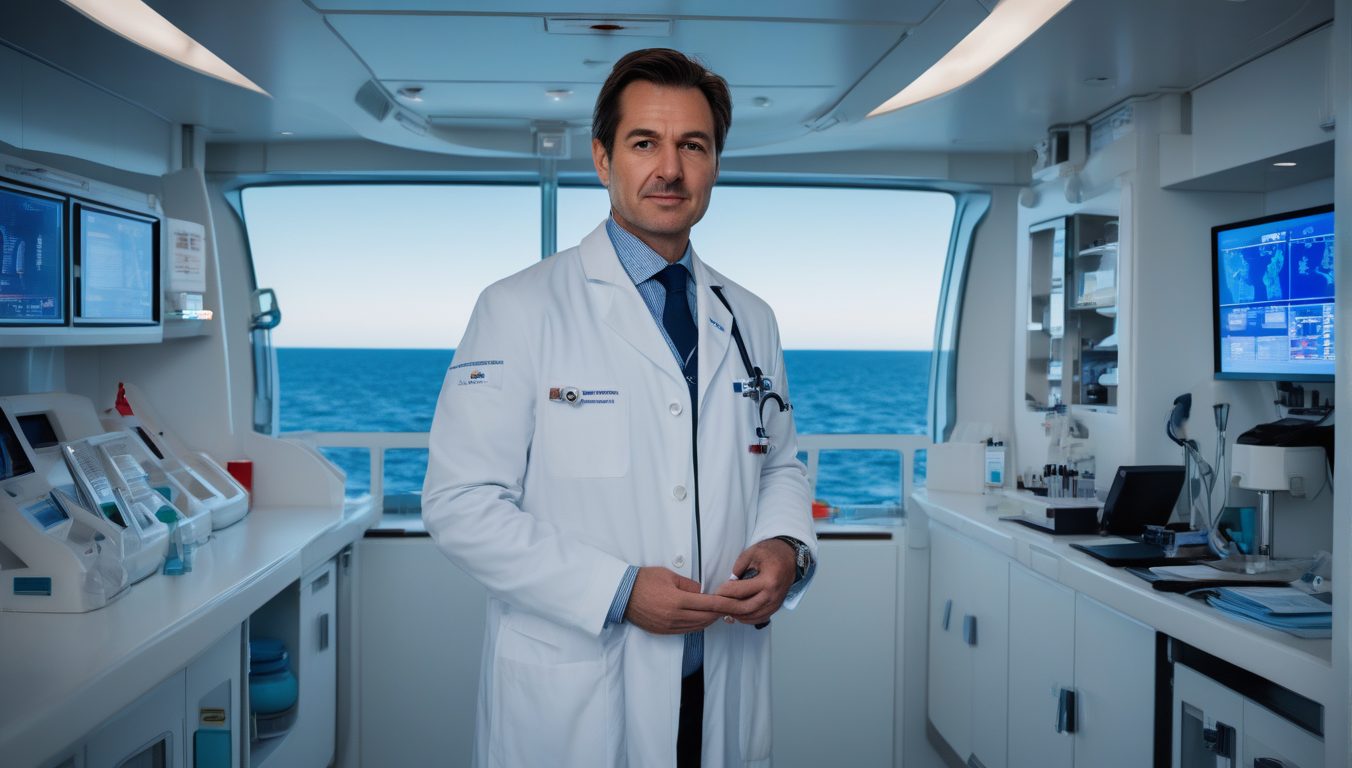
Cruise ships are equipped with modern medical facilities, trained doctors, and emergency equipment to keep you safe at sea.
Understanding these resources gives you peace of mind and confidence as you set sail.
In this guide, we’ll dive into the medical facilities on cruise ships, explore the types of care you can expect, and give you tips on how to prepare for your voyage.
Let’s start by looking at what’s on board to keep you safe and healthy.
1. What Medical Help Can You Find on a Cruise Ship?
Imagine you’re out at sea, enjoying the ocean breeze, when suddenly you’re struck by a nasty headache or, worse, you trip and sprain your ankle.
It’s a relief to know that cruise ships are equipped to deal with such situations and more.
Let’s explore what’s available to you.
Top Cruise Deals From Trusted Cruise Lines
Compare exclusive online offers and find the fare that fits your trip and your budget

a. Inside the Ship’s Medical Center
Every modern cruise ship has a medical center, typically tucked away on a lower deck where the ship’s movement is minimal.
These centers are designed to function much like a small clinic you might find in your hometown.
Here’s what you can expect:
- Examination Rooms: Think of these as your go-to for any check-ups or minor medical issues.
Whether you’re dealing with a cold, seasickness, or a minor injury, this is where you’ll be treated.
- Treatment Areas: For anything more serious—perhaps you cut yourself on an excursion, or you need an IV to rehydrate after a bout of illness—these areas are equipped to provide necessary medical interventions.
- Pharmacy: Forgot your prescription at home?
No problem. While the pharmacy might not stock everything under the sun, it does carry a range of common medications and supplies.
- Isolation Rooms: If there’s a concern about contagious illnesses, these rooms are used to keep you—and everyone else—safe until the situation is under control.
- Emergency Equipment: From defibrillators for heart emergencies to oxygen supplies and advanced life support equipment, these medical centers are ready to respond to urgent situations.

Sail Away to Paradise Without Overpaying
Find cruise deals that make it easy to escape, relax, and enjoy the ocean without stretching your budget
b. The Emergency Gear Every Ship Carries
Imagine the worst happens—someone experiences a heart attack or serious injury.
It’s reassuring to know that cruise ships are equipped with emergency medical equipment to handle these situations.
Here’s what’s on board:
- Defibrillators: Ready to jump-start a heart in crisis.
- Ventilators: For those who may need help breathing.
- X-ray Machines: Available on larger ships to help diagnose fractures or other issues that require a closer look.
- IV Fluids and Medications: Essential for treating dehydration, infections, or other conditions that need more than just a Band-Aid.
c. Getting Specialist Advice from Shore
Ever wished you could just call your doctor from anywhere in the world? On many cruise ships, you can—sort of.
Telemedicine allows onboard doctors to consult with specialists onshore, ensuring you get the best possible care, even if you’re in the middle of the ocean.
Online‑Only Cruise Offers You Won’t Find Elsewhere
Unlock special pricing and start planning the sailing that matches your perfect itinerary

2. The Types of Care You’ll Receive at Sea
Now that you know the facilities are there, you might be wondering, “But what kind of care can I actually expect?”
Great question!
Let’s break it down.
a. Everyday Care for Common Illnesses
Let’s say you wake up feeling a bit under the weather.
Maybe it’s just a cold, or perhaps you ate something that didn’t agree with you.
The medical center is equipped to handle:
- Common Illnesses: Whether it’s a pesky cold, a stomach bug, or a case of seasickness, the onboard medical team can help you feel better in no time.
- Minor Injuries: Did you twist your ankle on the dance floor or cut yourself on a snorkeling adventure?
The medical staff can provide wound care, bandages, and even stitches if needed.
- Medication Refills: If you run out of your prescription meds, the onboard pharmacy might have what you need.
Just remember to bring enough of your own medication to last the trip.

Luxury Cruise Experiences at Smarter Prices
See premium sailings and upgraded cabins priced for travelers who know how to book well
b. How Crews Handle Serious Emergencies
Emergencies are rare, but they can happen.
Whether it’s a heart attack, stroke, or severe injury, the medical team is trained to handle critical situations.
Here’s what they can do:
- Cardiac Care: For heart attacks or other heart-related emergencies, the medical center is equipped with life-saving tools like defibrillators and medications.
- Respiratory Issues: If you have asthma or another respiratory condition, the medical team can provide breathing treatments, oxygen, and other necessary care.
- Trauma Care: Injuries from falls or accidents can be treated on board, with care focused on stabilizing the patient until more advanced help can be reached if necessary.
c. Managing Ongoing Health Needs on Board
Traveling with a chronic condition?
The onboard medical team can manage flare-ups and provide care if your condition worsens.
However, it’s essential to bring a detailed medical history and enough medication for your entire trip, plus extra just in case.
d. What Expectant Travelers Should Know
Are you expecting?
Most cruise lines have restrictions on how far along you can be in your pregnancy (usually up to 24 weeks), but in case of an emergency, the medical center can provide initial care.
That said, they’re not equipped for deliveries, so you’ll need to plan your travel accordingly.
3. Meet the Doctors and Nurses Who Travel with You
You might be wondering, “Who are these doctors and nurses, and are they qualified?”
Rest assured, cruise lines take medical care seriously, and the professionals on board are well-trained and experienced.
a. The Training Cruise Doctors Bring
The doctors you’ll find on a cruise ship are often seasoned professionals with backgrounds in emergency medicine or general practice.
Their qualifications typically include:
- Medical Degree: Just like your family doctor, these professionals hold degrees from accredited institutions.
- Board Certification: Many are board-certified in specialties such as emergency medicine, ensuring they’re prepared for a wide range of situations.
- Experience: Cruise lines often require doctors to have several years of clinical experience before coming on board.
- Advanced Certifications: These include certifications in Advanced Cardiac Life Support (ACLS) and Basic Life Support (BLS), so they’re ready for emergencies.
b. How Nurses Support Passenger Care
The doctors aren’t working alone. They’re supported by a team of registered nurses (RNs) who are also highly trained.
These nurses usually have:
- Experience in Emergency or Critical Care: They know how to handle high-pressure situations.
- Certifications in ACLS and BLS: Ensuring they can assist with life-saving procedures.
- Training in Maritime Medicine: So they understand the unique challenges of providing care at sea.
c. Extra Hands: Paramedics and Assistants
On some of the larger ships, you might also find paramedics or medical assistants.
These professionals are there to support the medical team in emergencies and help with patient care.
4. Smart Steps to Prepare for Health Needs Before You Sail
While cruise ships are well-equipped to handle medical situations, it’s always a good idea to prepare yourself for any potential health needs.
Here’s how you can make sure you’re ready:
a. Talk to Your Doctor Before Boarding
Before you set sail, it’s a smart move to check in with your primary care physician.
Discuss any pre-existing conditions, medications, and any health concerns you might have.
Your doctor can help you:
- Ensure You Have Enough Medication: Bring enough for the entire trip, plus a little extra in case of delays.
- Get the Necessary Vaccinations: Depending on your itinerary, you may need specific vaccinations.
- Assess Your Fitness for Travel: Particularly important if you have a chronic condition or are pregnant.
b. What to Pack in Your Personal Medical Kit
A well-stocked medical kit can save you a trip to the ship’s medical center for minor issues.
Consider including:
- Over-the-Counter Medications: Pain relievers, motion sickness remedies, antihistamines, etc.
- Prescription Medications: Make sure they’re in their original containers with clear labels.
- First-Aid Supplies: Band-aids, antiseptic wipes, tweezers, etc.
- Medical Documents: A list of your medications, allergies, and a summary of your medical history.
c. Why Travel Insurance Matters at Sea
Travel insurance is a must for any cruise, especially one that includes medical coverage.
Look for policies that cover:
- Medical Evacuation: If you need to be transported to a hospital onshore.
- Trip Cancellation: In case you need to cancel due to a medical emergency.
- Coverage for Pre-Existing Conditions: Ensure your policy covers any chronic conditions you may have.
5. What Happens in Case of a Medical Emergency?
Let’s face it, the thought of a medical emergency at sea can be scary.
But knowing what to expect can help you feel more prepared.
Here’s what happens if you find yourself in need of urgent medical care on a cruise.
a. The First Response You Can Expect
If you or someone you’re traveling with experiences a medical emergency, time is of the essence.
Here’s what to do:
- Contact the Medical Center: Dial the ship’s emergency number or visit the medical center immediately.
The staff is trained to respond quickly.
- Initial Assessment: The medical team will assess the situation, providing immediate care and determining the best course of action.
- Stabilization: If the situation is serious, their priority will be to stabilize the patient until more advanced care can be reached.
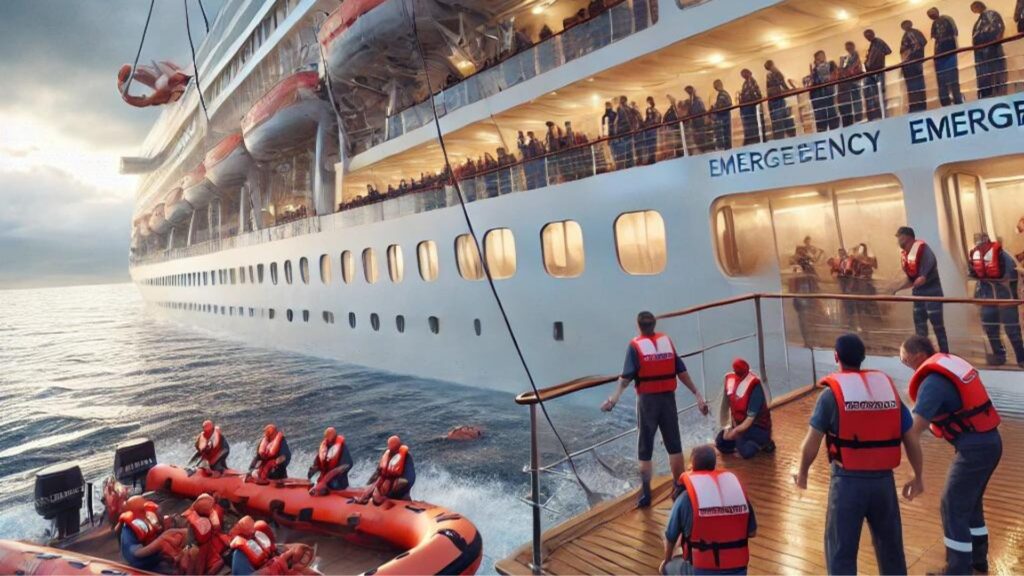
b. When Evacuation Becomes Necessary
Sometimes, a situation is too serious for the onboard facilities to handle.
In these cases, a medical evacuation might be necessary.
This could involve:
- Helicopter Evacuation: For life-threatening emergencies that require immediate attention.
- Tender Evacuation: In less urgent cases, the patient may be transferred to a nearby port by tender (a smaller boat).
- Coordination with Local Hospitals: The cruise line often has arrangements with hospitals at major ports of call, ensuring smooth transitions for care.
c. What Emergencies Can Cost — and How Insurance Helps
One thing to keep in mind is that medical care on a cruise ship isn’t free, and it can be pricey.
Here’s what to expect:
- Medical Bills: You’ll need to pay for any treatment you receive onboard. Keep receipts to submit to your insurance later.
- Evacuation Costs: Medical evacuations can be extremely expensive, sometimes costing tens of thousands of dollars.
This is why insurance is so important.
6. How Cruise Lines Keep Passengers Safe and Healthy
Cruise lines go above and beyond to keep passengers healthy and safe.
Here’s what they do to minimize risks and handle medical situations effectively.
a. Health Protocols You’ll Notice on Board
With the lessons learned from the COVID-19 pandemic, cruise lines have implemented stringent health protocols to protect everyone on board:
- Pre-Boarding Health Screenings: These help identify and isolate any potential cases of illness before passengers even board the ship.
- Sanitization Measures: Cruise ships are cleaned and sanitized regularly, with special attention to high-traffic areas.
- Isolation Protocols: If someone does fall ill with a contagious disease, strict isolation protocols are followed to prevent spread.
b. The Drills That Keep Crews Prepared
Just like cruise lines conduct safety drills for emergencies like fires or man-overboard situations, they also run health-related drills.
These may include:
- Medical Emergency Drills: To ensure the medical team is prepared for any scenario.
- Infectious Disease Response Plans: To quickly and effectively respond to outbreaks.
7. Getting Ready for a Safe, Worry‑Free Cruise
Cruising is one of the safest ways to travel, but it’s always best to be prepared.
By understanding the medical facilities available and taking proactive steps to prepare for any health needs, you can relax and enjoy your trip with confidence.
Remember, while no one likes to think about getting sick or injured during their vacation, knowing what to expect can make all the difference.
From well-equipped medical centers to highly trained professionals, cruise ships are more than ready to handle whatever comes their way.
So go ahead—set sail with peace of mind, knowing you’re in good hands!
Set Sail with Confidence: Preparing for a Safe and Healthy Cruise
Cruising offers a unique blend of adventure and relaxation, but health concerns can sometimes cloud the excitement.
By understanding the medical resources available on board and taking steps to prepare for your trip, you can ensure a smooth and worry-free vacation.
The next time you’re packing your bags for a cruise, you can confidently add “peace of mind” to your list of essentials!
FAQ – Staying Safe with Cruise Ship Medical Care
What Medical Facilities Can You Expect on a Cruise Ship?
Every modern cruise ship has a medical center designed to function like a small clinic.
You can expect examination rooms, treatment areas, and a pharmacy stocked with common medications.
Isolation rooms are available to protect passengers if contagious illness is suspected.
Emergency equipment such as defibrillators, oxygen, and life support tools are always on hand.What Types of Medical Care Do Cruise Ships Provide at Sea?
Onboard doctors and nurses treat common illnesses like colds, seasickness, and stomach bugs.
They can handle minor injuries such as sprains, cuts, and fractures.
Emergency care is available for heart attacks, strokes, and other critical conditions.
Chronic conditions can be managed if you bring your medical history and enough medication.
Pregnant travelers can receive initial care, but ships are not equipped for deliveries.Who Are the Medical Professionals Caring for You on a Cruise?
Cruise ship doctors are licensed physicians, often with emergency medicine backgrounds.
They hold advanced certifications such as ACLS and BLS.
Registered nurses support doctors with emergency and critical care training.
Larger ships may also carry paramedics and medical assistants for added support.How Can You Prepare for Health Needs Before Sailing?
Consult your doctor before departure to review conditions and medications.
Pack a personal medical kit with prescriptions, over-the-counter remedies, and first-aid supplies.
Carry medical documents listing allergies, prescriptions, and health history.
Purchase travel insurance that covers medical care and evacuation.What Happens If You Face a Medical Emergency on a Cruise?
The ship’s medical team responds immediately and stabilizes the patient.
If needed, evacuation by helicopter or tender transfers you to a hospital ashore.
Cruise lines coordinate with local hospitals at ports of call for advanced care.
Medical treatment and evacuation costs can be high, so insurance is essential.How Do Cruise Lines Protect Passenger Health and Safety?
Cruise lines enforce strict health screenings before boarding.
Ships are sanitized regularly with attention to high-touch areas.
Isolation protocols are in place for contagious illnesses.
Medical and infectious disease drills keep crews prepared for emergencies.How Do Cruise Ship Medical Teams Support Passengers During a Hurricane?
Cruise lines monitor storms closely and reroute ships to avoid danger.
If a hurricane forces itinerary changes, passengers are informed immediately.
Medical teams prepare for motion-related illness and stress during rough seas.
Travel insurance can cover cancellations or delays caused by hurricanes.
Plan Your Next Cruise!

Discover Regent Seven Seas Cruises: Opulent Suites, Gourmet Dining, and Exclusive Destinations
One Delay Can Cost Your Entire Cruise A quick coverage check now protects you from the problems no one sees coming….

Sail Into Italian Elegance: Costa Cruises for Culture, Cuisine, and Unforgettable Voyages
One Delay Can Cost Your Entire Cruise A quick coverage check now protects you from the problems no one sees coming….

Sail Into Modern Luxury: Celebrity Cruises for Design, Culinary Excellence, and Destination‑Rich Voyages
One Delay Can Cost Your Entire Cruise A quick coverage check now protects you from the problems no one sees coming….

Experience the Ultimate Vacation with Carnival Cruise Line’s Fun Ships, World‑Class Entertainment, and Relaxation
One Delay Can Cost Your Entire Cruise A quick coverage check now protects you from the problems no one sees coming….
Explore More
Cruise Ship Emergency Evacuation Plans — How Safety Systems Protect Passengers at Sea
Experience the Ultimate Vacation with Carnival Cruise Line’s Fun Ships, World‑Class Entertainment, and Relaxation

Why Cruise Ship Beam Matters: Stability, Cabins, and Smooth Sailing Benefits