One Delay Can Cost Your Entire Cruise
A quick coverage check now protects you from the problems no one sees coming
Short Excerpt
- Your first cruise can feel confusing when you’re unfamiliar with sea days, formal nights, onboard spending, dining arrangements, and ship procedures.
- Some unexpected experiences, including crowded elevators, changing activity schedules, and different dress styles, are ordinary parts of cruising.
- Knowing the difference between normal cruise routines and problems that deserve attention helps you avoid unnecessary worry while recognizing when to contact Guest Services.
Quick Take
- Expect crowded periods on sea days, especially around pools, popular restaurants, elevators, and scheduled entertainment.
- Follow your cruise line’s actual dress requirements. Formal nights vary by operator, and you don’t necessarily need an expensive outfit.
- Understand the cashless onboard account and check your charges regularly to catch mistakes before disembarkation.
- Complete the required safety procedures and verify all-aboard times whenever you visit a port.
- Speak up about safety concerns, harassment, incorrect charges, or persistent cabin problems. These aren’t inconveniences you should simply tolerate.
What’s Normal on Your First Cruise—and Which Problems Should You Never Ignore?
Your first cruise comes with plenty of exciting discoveries, but some of the surprises aren’t exactly what you imagined when you booked the trip.
You might board expecting a relaxing afternoon and discover that hundreds of passengers have headed straight to the buffet.
Perhaps you’ve packed a nice outfit for dinner, only to see guests wearing everything from cocktail dresses to casual resort clothing.
Later, you notice a temporary charge on your credit card that doesn’t match what you remember spending.
Suddenly, you’re wondering whether these situations are ordinary parts of cruising or signs that something needs attention.
The challenge isn’t that cruise ships operate without rules.
It’s that many of those rules are different from the routines you’re accustomed to at hotels, restaurants, and land-based resorts.
Once you understand the difference between a normal cruise procedure and a problem that deserves action, it’s much easier to enjoy the ship without constantly questioning your decisions.
Understand Why Sea Days Feel Different From Port Days
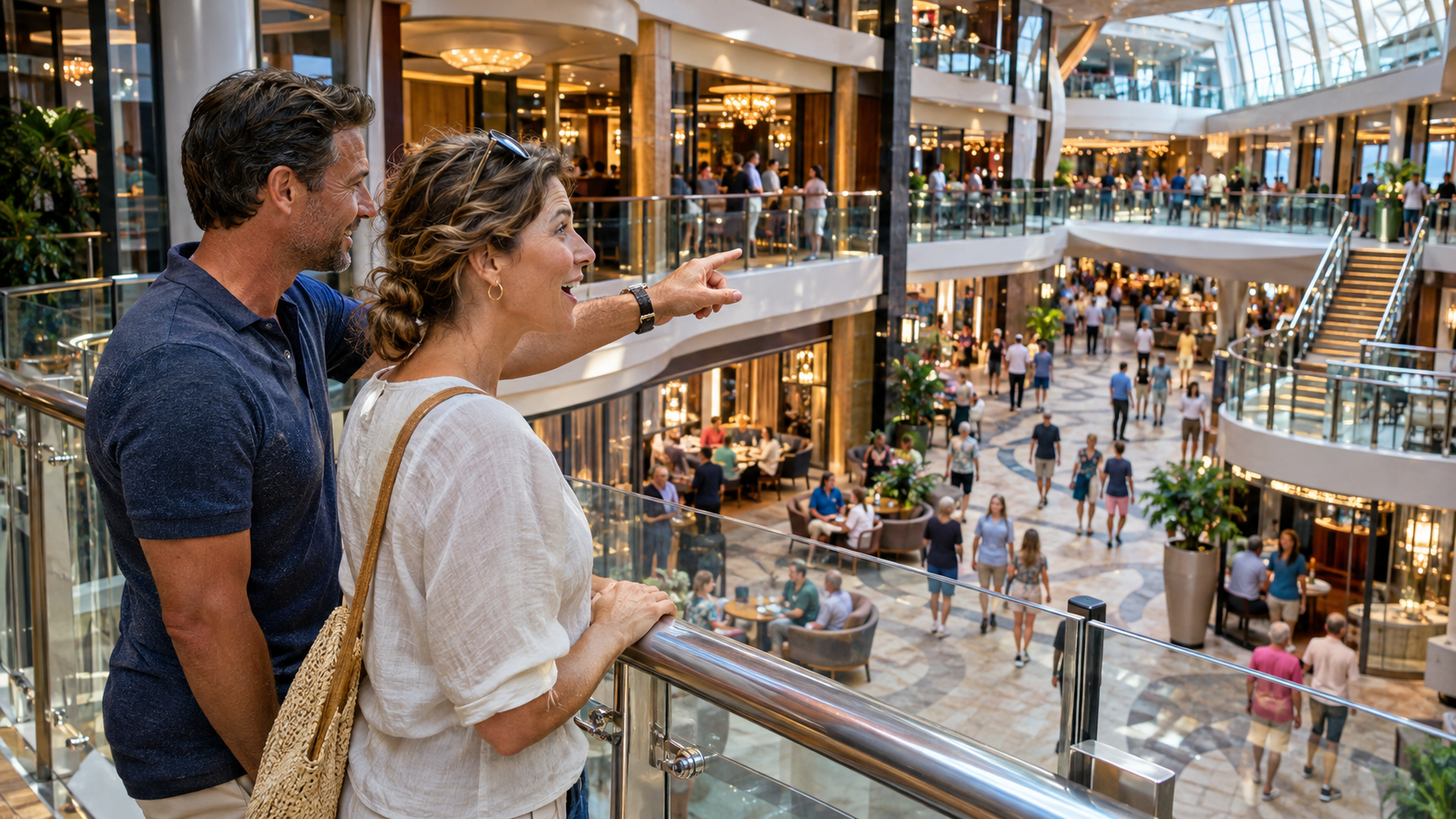
One of the first surprises for new cruisers is how dramatically the atmosphere onboard can change between a sea day and a port day.
When the ship is visiting a destination, many passengers leave for excursions, sightseeing, beaches, and other activities.
Public areas may feel less crowded during those hours because a significant portion of the guest population is ashore.
Sea days bring everyone back together.
Pools become popular gathering places, dining venues experience busy periods, and entertainment schedules may include more daytime activities because the ship itself is the destination.
That doesn’t mean every venue will be crowded throughout the day.
You may find quieter outdoor areas away from the main pools, lounges that receive less traffic, or restaurants that are more comfortable outside peak mealtimes.
For travelers who enjoy activity, a busy sea day can be one of the best parts of cruising.
Families may love having plenty of entertainment options, while other passengers prefer finding a comfortable deck chair and enjoying the ocean.
Neither approach is more appropriate.
The important thing is recognizing that increased activity during sea days is generally expected, not necessarily a sign that the ship is overcrowded or poorly managed.
Know What Formal Night Actually Requires
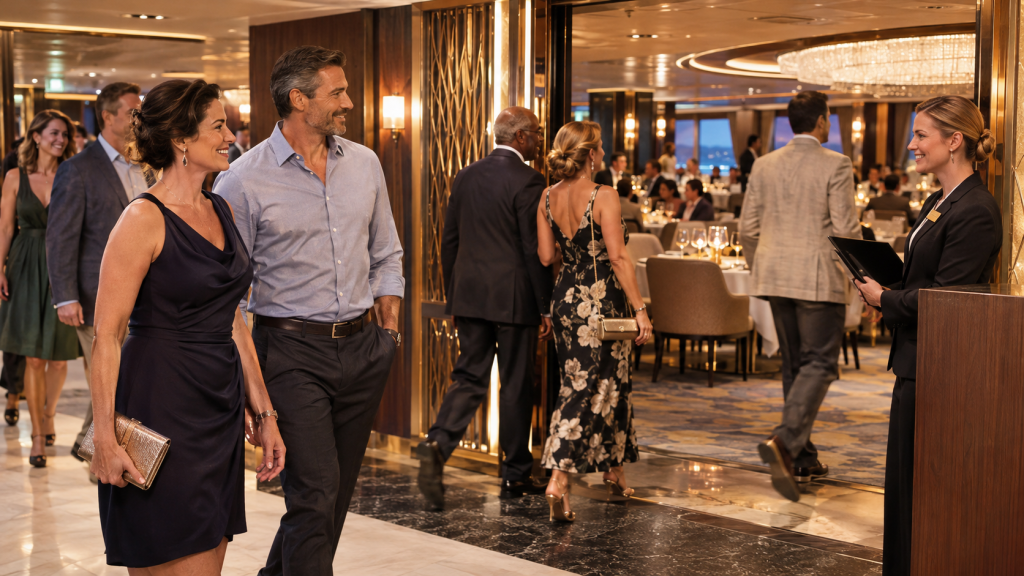
Formal nights can create unnecessary anxiety because the name sounds more restrictive than the experience on many modern cruise ships.
You may imagine an evening when everyone wears expensive formalwear and passengers who don’t participate feel out of place.
In reality, dress guidelines vary considerably.
Top Cruise Deals From Trusted Cruise Lines
Compare exclusive online offers and find the fare that fits your trip and your budget
Some cruise lines have traditional formal or elegant nights, while others use less formal descriptions and permit a wider range of evening clothing.
Even on the same ship, dress expectations may differ between the main dining room, specialty restaurants, and casual venues.
That’s why you should review your specific cruise line’s dress requirements before packing.
A smart approach is choosing an outfit you’d feel comfortable wearing to a nice restaurant while making sure it meets the venue’s published requirements.
If you’d rather skip the dressier atmosphere, check which alternative restaurants remain available that evening.
You don’t have to purchase an entirely new wardrobe to enjoy your cruise, but you do need to respect any applicable dining-room dress rules.
Understand Why Your Credit Card May Show Unexpected Holds
Cruise ships commonly operate cashless systems in which purchases are charged to an onboard account.
Depending on the operator, you may use your room card, a wearable device, or another payment method linked to your reservation.
This makes buying drinks, booking specialty dining, or shopping onboard convenient because you don’t need to carry cash for most transactions.
However, the arrangement can create confusion when you review your credit card.
Some cruise lines place temporary authorization holds against the payment method associated with your account.
These may appear alongside pending transactions before the final cruise charges are settled.
That doesn’t automatically mean you’ve been charged twice.
A pending authorization is different from a completed transaction, although it can temporarily reduce the funds or credit available to you.
Review your itemized onboard account regularly, particularly if you’re keeping spending within a particular budget.
If you notice an unfamiliar purchase, ask Guest Services for clarification before leaving the ship.
Resolving questions while the transaction details are readily available may be easier than addressing them after returning home.
Treat Safety Procedures Differently From Optional Activities
Not every item on your embarkation-day schedule is optional.
Cruise ships require passengers to participate in designated safety procedures, including their assigned muster process.
The format varies by cruise line and vessel.
Some operators use procedures that allow guests to review safety information and report to their muster stations individually during a designated period.
Others may require passengers to assemble for instructions at a particular time.
Whatever system your ship uses, follow the instructions provided rather than assuming it operates the same way as another cruise line.
This is also an area where asking questions is especially appropriate.
Online‑Only Cruise Offers You Won’t Find Elsewhere
Unlock special pricing and start planning the sailing that matches your perfect itinerary
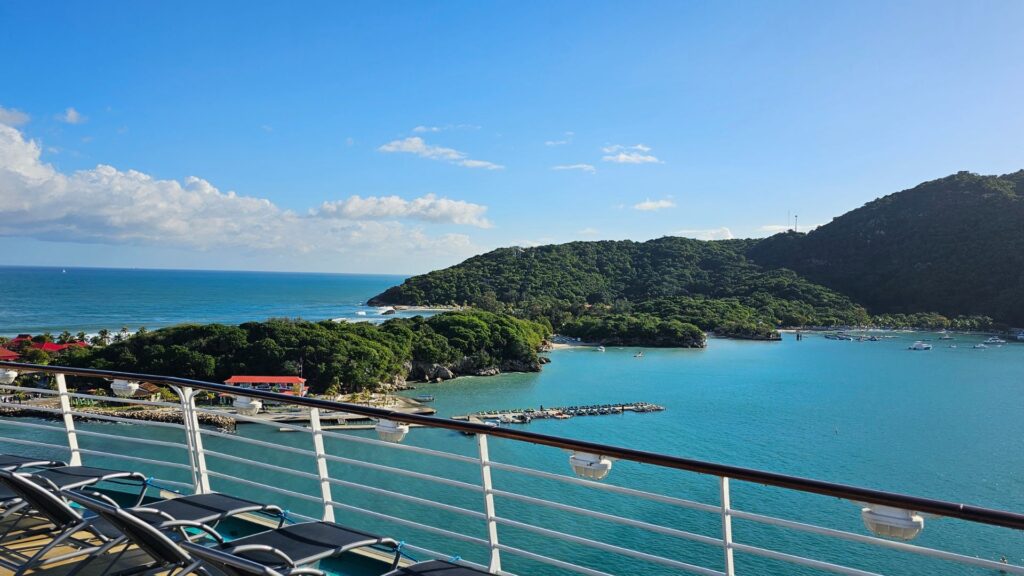
If you aren’t sure where to report, cannot access your assigned muster location, or need assistance because of a disability, contact the crew.
The same principle applies to emergency announcements and safety instructions throughout the voyage.
You can be flexible about entertainment, dining preferences, and the order in which you explore the ship.
Required safety procedures deserve your full attention.
Recognize When a Cabin Problem Needs More Than Patience
Small maintenance inconveniences can occur in any large hotel or cruise ship.
Perhaps your television isn’t working properly, your room key needs replacement, or you need additional towels.
Those issues are usually straightforward to report and may be resolved by the appropriate staff.
Persistent problems deserve a different response.
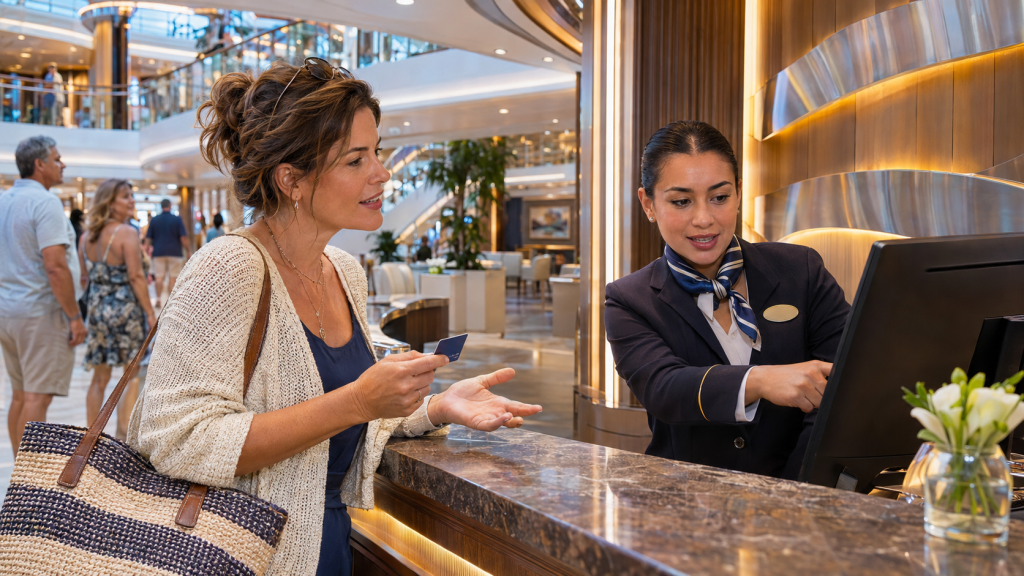
Repeated plumbing failures, strong ongoing sewage odors, significant water leaks, or sanitation concerns can interfere with your ability to use the cabin comfortably.
You shouldn’t assume those conditions are simply an unavoidable part of traveling at sea.
Report the problem promptly and explain how it affects your accommodation.
When appropriate, document the issue and keep track of the assistance you’ve requested.
If the original problem isn’t resolved, ask Guest Services what further options are available.
A cabin change may not always be possible, particularly on a fully booked sailing, but that doesn’t mean you should stop requesting help with a significant unresolved problem.
Know When Unwanted Behavior Crosses the Line
Cruise ships bring large numbers of passengers together in entertainment venues, restaurants, corridors, and outdoor spaces.
You may encounter personalities and behaviors you wouldn’t ordinarily experience at home.
However, there’s an important difference between being annoyed by someone and experiencing harassment, threatening conduct, or unwanted physical contact.
Those situations deserve immediate attention.
If you feel unsafe, move to a safer public area when possible and notify ship security or another appropriate crew member.
For immediate emergencies, use the ship’s designated emergency contact procedure.
Provide clear information about what happened, where it occurred, and whether anyone else witnessed the incident.
You don’t need to minimize a genuine safety concern simply because you’re on vacation or because you worry about inconveniencing staff.
Your comfort matters, but your safety takes priority.
Learn the Difference Between a Cruise Rule and a Passenger Preference
Experienced cruisers frequently share advice about the best times to eat, where to stand during embarkation, which activities to book, or how early to arrive for a show.
Much of that guidance can be helpful.
However, not everything described as a cruise rule is an actual requirement.

Luxury Cruise Experiences at Smarter Prices
See premium sailings and upgraded cabins priced for travelers who know how to book well
Someone might insist that the buffet is always the best place for embarkation lunch, even though another dining venue is open and better suited to your preferences.
Another passenger may tell you that you must dress formally every evening, despite the cruise line having different requirements for the sailing.
The safest way to distinguish genuine rules from personal habits is to check the ship’s official instructions.
Pay particular attention to final boarding deadlines, all-aboard times, safety procedures, prohibited items, and published venue policies.
For everything else, you generally have room to choose a routine that works for you.
Your first cruise becomes easier when you stop treating every unfamiliar experience as a potential mistake.
Some things are simply part of cruise life, while others deserve an explanation or prompt action.
Knowing which is which allows you to enjoy the vacation without ignoring problems that genuinely need to be addressed.
What First-Time Cruisers Should Expect Onboard—and How to Tell Normal Cruise Routines From Real Problems
Your first cruise can feel like stepping into a floating city with its own rules, its own rhythm, and its own unspoken etiquette.
If you are planning your first cruise and wondering what’s normal versus what’s not, you are not alone.
That “am I doing this right” feeling is one of the most common first-time cruiser nerves.
You’re surrounded by experienced cruisers who look like they know exactly where to go, what to wear, and when to show up.
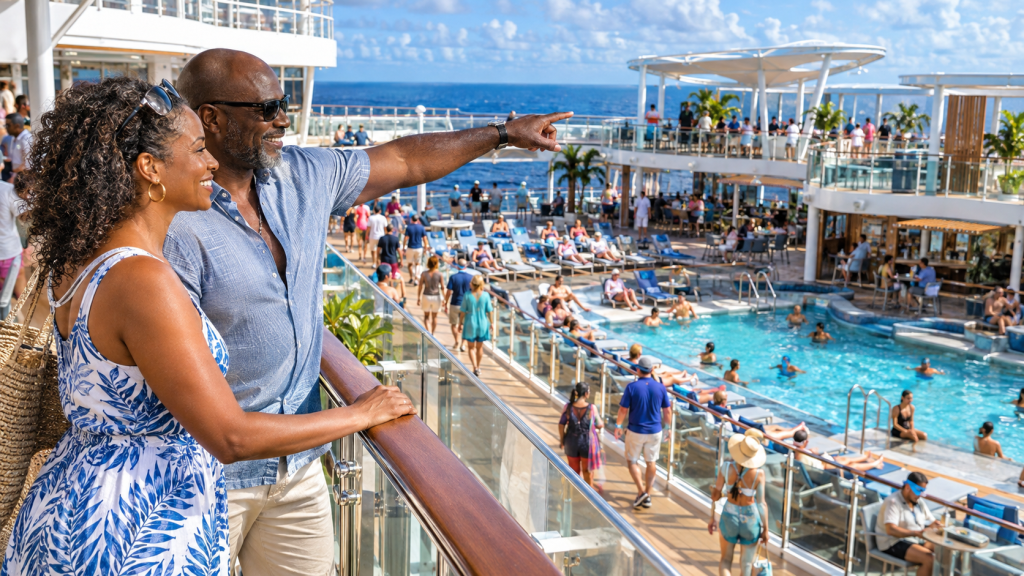
Meanwhile you’re trying to decode schedules, dining times, port rules, announcements, and a thousand little details that nobody teaches in everyday life.
Here’s the truth that changes everything.
Most of the moments that feel awkward to you are completely normal on a cruise ship.
Once you learn what the ship expects and what genuinely needs attention, your confidence rises fast.
Cruise life has its own rhythm, and some moments feel confusing until you know the rules.
This guide gives you clear answers so you can relax and enjoy your cruise without second-guessing yourself.
Two terms will pop up again and again as you read signs, schedules, and cruise line emails.
A sea day is simply a day when the ship does not stop in port and spends the day sailing to the next destination. (Cruise Critic)
A formal night is a themed evening where the main dining room encourages dressier outfits, and some cruise lines schedule one to several depending on the sailing. (Royal Caribbean)
If you understand those two phrases, a lot of “mystery cruise behavior” suddenly makes sense.
Sea days explain why crowds feel different on certain days.
Formal nights explain why you see people dressed up while others look like they’re on a normal vacation.
Neither one is a test you can fail.
They are simply part of cruise culture, and you’ll know exactly how to handle both by the end of this post.
Understand the Ship’s Core Rules So You Feel Confident
A cruise ship does not expect you to know everything.
It expects you to follow a few core systems that keep thousands of people safe, on time, and moving smoothly.
When first-time cruisers feel “out of place,” it is usually because one of these systems is unfamiliar.
Once you understand the systems, you stop feeling like you are missing a memo.
You also make fewer expensive mistakes, because confusion is often what triggers rushed decisions.
Start here, because this section quietly fixes most beginner anxiety.
Sea Day Rhythm
Sea days often feel busier because everyone is onboard at the same time.
A sea day is literally a day at sea with no port stop, which means the ship becomes the main destination. (Cruise Critic)
It is normal for the pool deck to feel crowded, for elevators to have longer waits, and for popular venues to fill up faster.
It is also normal for the daily schedule to be packed with trivia, games, demos, and shows because the cruise line is trying to give you options all day. (AAA Club Alliance)
The “right” way to do a sea day depends on what you want.

Sail Away to Paradise Without Overpaying
Find cruise deals that make it easy to escape, relax, and enjoy the ocean without stretching your budget
If you want quiet, you go earlier, go later, or choose less obvious spaces.
If you want energy, sea days are where the ship feels most alive.
If you feel overwhelmed on your first sea day, that reaction is normal, and it usually fades after you learn the layout.
Formal Night Truth
Formal night is not a courtroom.
It is a dressier theme night where many guests enjoy taking photos and dressing up, while other guests participate in a lighter way.
Royal Caribbean notes there can be one to three formal nights on a sailing at the ship’s discretion. (Royal Caribbean)
Carnival describes “Cruise Elegant Nights” with suggested dress like dress slacks and dress shirts for men and cocktail dresses or pantsuits for women, while also listing what is not permitted in the dining room. (Carnival Cruise Lines)
Modern cruising also treats formal night as more optional and flexible than it used to be, with many travelers packing a versatile dress or blazer rather than full black-tie attire. (Forbes)
So what is normal.
It is normal to see tuxedos and gowns.
It is also normal to see “nice dinner outfits” that are simply cleaner and dressier than daytime clothes.
What is not normal is feeling pressured to spend money you did not plan just to “fit in.”
A simple outfit you already own is usually enough to participate comfortably.
Cashless Onboard System
Most cruise lines run onboard spending through a cashless account linked to your room and your onboard card or wearable.
Carnival describes its Sail & Sign program as a cashless onboard credit system where the card is used for onboard transactions. (Carnival Cruise Line Help)
Royal Caribbean describes its SeaPass onboard account as the cashless system used for onboard purchases and services. (Royal Caribbean)
That means it is normal not to carry cash on the ship for day-to-day spending.
It is normal to sign for drinks, specialty dining, photos, and shops using your onboard account.
It is also normal to see pre-authorizations or holds on your card, similar to hotel holds, depending on the cruise line and your bank. (Cruise Critic Community)
What is not normal is ignoring your onboard account entirely and then being shocked later.
A smart first-time habit is checking your account daily in the app or at onboard kiosks if available, because it keeps your spending predictable.
Muster Drill Today
Safety briefing expectations changed on many cruise lines, and first-time cruisers often worry they will miss something.
Carnival explains a self-mustering process where guests visit their assigned muster station and check in with staff who demonstrate lifejacket use. (Carnival Cruise Line Help)
So what is normal.
It is normal to be directed to a muster station.
It is normal to scan in or check in.
It is normal for this process to feel quick and more organized than the old “everyone stands in one place for a long speech” model. (Carnival Cruise Line Help)
What is not normal is skipping it.
If you’re unsure, treat muster as the one non-negotiable item on embarkation day, because it removes stress and keeps you compliant.
Your Anchor System
Understanding sea day rhythm, formal night flexibility, cashless spending, and muster rules removes most beginner confusion.
Your Best Habit
Checking your onboard account and your daily schedule keeps spending and timing from drifting. (Carnival Cruise Line Help)
Your Confidence Shortcut
When you follow the ship’s core systems, you look experienced even on day one.
Cruise Moments That Feel Strange but Are Totally Normal
First-time cruisers often assume experienced cruisers are judging them.
In reality, most people are focused on their own vacation and their own routines.
What feels “weird” to you is usually just cruise life happening at scale.
When you know what is normal, you stop interpreting ordinary cruise behavior as a sign you’re doing something wrong.
This section is designed to normalize the moments that catch beginners off guard.
If you recognize yourself in these scenarios, you’re not behind.
You’re right on schedule.
Lines And Crowd Surges
It is normal for certain moments to create sudden lines.
Embarkation lunch time creates lines because many guests go to the same buffet at the same time.
The first sea day morning can create crowd surges because people want to explore everything at once.
Showtime queues are normal because theaters have limited seating and guests arrive early for preferred spots.
Elevator waits are normal around dinner time because the ship’s movement patterns synchronize.
This is especially true on larger ships with higher passenger capacity, because the same “peak moments” affect more people at once.
What is not normal is thinking you have to tolerate lines all day.
A simple strategy is shifting your timing by thirty minutes and choosing alternate venues, because the ship is designed with multiple options.
Ship Time Versus Port Time
It is normal to hear “ship time” and feel unsure what it means.
Cruise lines may keep the ship’s clocks on the embarkation port time or another reference time, even as you visit different places.
That can create confusion when local time differs from ship time.
What is normal is double-checking times in the app, the daily schedule, and onboard announcements.
What is not normal is assuming your phone’s local time always matches the ship’s operational time.
A beginner-safe habit is treating the ship’s posted times as the authority for all aboard timing, dining, and departures.
This one habit prevents the most painful mistake a cruiser can make, which is returning late.
Dining Confusion And “Same Food”
It is normal to feel overwhelmed by dining options on day one.
It is normal to see people eating in the buffet and wonder if you’re missing the “real” dining.
It is normal for the buffet to repeat some staples, because it serves thousands of people efficiently.
It is also normal for the main dining room to feel like a different experience with a slower pace and menu variety.
It is normal to not love every meal, just like you don’t love every restaurant at home.
What is not normal is feeling locked into one dining choice.
Most cruises allow you to mix buffet meals, main dining room meals, quick-service spots, and occasional specialty dining if you want to budget for it.
Housekeeping Timing
It is normal for your cabin to be serviced while you are out.
It is normal for your room steward to introduce themselves.
It is normal for towels to be refreshed and trash to be removed quickly.
It is also normal for service timing to vary depending on the ship’s schedule and your cabin’s location.
What is not normal is expecting hotel-style “do it exactly at this time” control.
A cruise ship is a moving system serving thousands of rooms, so timing is more fluid.
If you prefer privacy, using the do-not-disturb indicator and communicating politely is normal and effective.
Photo People And Sales Energy
It is normal to see photographers on embarkation day and formal night.
It is normal to see staff offering spa specials, drink tastings, jewelry sales, and art events.
Cruise lines create onboard revenue through these experiences, and they will invite you to participate.
What is not normal is feeling obligated.
You can smile, say no, and keep walking without guilt.
The best first-time mindset is choosing one or two “extras” you actually want and ignoring the rest.
This protects your budget and keeps your week low-stress.
Your Social Reality
Most people are not judging you, and the ship is designed for beginners to learn as they go.
Your Timing Advantage
Small timing shifts often remove lines, especially on sea days when the ship is busiest. (Cruise Critic)
Your Budget Shield
Sales energy is normal, but obligation is not, and saying no is part of cruising.
What’s Not Normal on a Cruise and When to Take Action
Some cruise frustrations are ordinary.
Some are signals that you should document, report, or adjust your plan.
First-time cruisers sometimes tolerate issues because they assume “this must be how cruising is.”
You do not need to be dramatic, but you also do not need to ignore genuine problems.
This section gives you a clear line between normal cruise imperfections and things that are not typical.
When you know the difference, you feel safer and more in control.
That feeling matters.
Safety Or Boundary Issues
It is not normal for staff to dismiss a safety concern repeatedly.
It is not normal for a muster process to feel unclear with no guidance, because ships take compliance seriously. (Carnival Cruise Line Help)
It is not normal to feel unsafe due to harassment or repeated unwanted contact.
In those cases, going to guest services and requesting escalation is appropriate.
It is also appropriate to document names, times, and locations, because clear details help resolution.
A first-time cruiser sometimes fears “making a fuss.”
Safety is the one category where speaking up is always the correct move.
Persistent Mechanical Or Sanitation Problems
Cruise ships are complex, and minor issues happen.
A temporary smell in a hallway can be normal.
A brief maintenance announcement can be normal.
What is not normal is persistent sewage odor near your cabin, repeated plumbing failures, or ongoing sanitation problems that are not addressed.
What is not normal is being moved repeatedly without a stable solution if your cabin has ongoing issues.
In those cases, go to guest services early, keep the conversation factual, and ask what resolution options exist.
Early reporting matters because it increases the chance of a clean fix.
Waiting until the last day often reduces options.
“All Aboard” Risk Moments
It is normal for ships to enforce strict departure timing.
It is normal to hear “all aboard” time and realize it is earlier than the ship’s actual departure.
What is not normal is cutting it close because you feel confident after one easy port day.
A beginner-safe practice is planning to be back onboard no later than one hour before all aboard.
That buffer protects you from transportation delays, long pier walks, and last-minute confusion.
If you book ship-sponsored tours, the ship is generally motivated to coordinate return timing.
If you explore independently, you own the risk, which is fine, as long as you plan accordingly.
For many first-time cruisers, booking certain key excursions through a reputable platform like Viator or GetYourGuide can help you see meeting points, inclusions, and realistic timing before you arrive, which reduces “we lost time and now we’re sprinting” chaos.
Payment Or Account Surprises
It is normal for onboard spending to run through a cashless account. (Carnival Cruise Line Help)
What is not normal is ignoring the account and then discovering preventable charges.
It is also not normal to feel confused about holds on your card without being able to get clarity.
Some cruise lines use pre-authorizations similar to hotel holds, and banks can take time to release them after final settlement. (Cruise Critic Community)
If something looks wrong, ask for a folio review early, not on disembarkation morning when lines are longest.
If you are traveling with tight budgets, setting spending alerts on your bank card before you sail can add peace of mind.
If connectivity is a concern in ports, an eSIM like Airalo, Yesim, Drimsim, or Sally Sim can keep maps and messages working so you can solve small problems quickly instead of paying “panic prices” for taxis or roaming.
For account security on public networks, NordVPN can add protection when you need to check sensitive accounts away from home.
Your Safety Line
Safety concerns, harassment, and repeated dismissal are not normal, and reporting early is appropriate.
Your Cabin Line
Temporary hiccups can be normal, but persistent sanitation or mechanical issues deserve escalation.
Your Timing Line
Returning early is the simplest way to avoid the one mistake that ruins a day, which is being late to the ship.
Your Daily Checklist for Normal vs. Unusual Cruise Situations
This checklist is intentionally specific, because vague reassurance does not help when you’re standing in a line wondering if you messed up.
Use it on embarkation day, on your first sea day, and on your first port day.
The goal is not perfection.
The goal is quick clarity.
If something is normal, you stop worrying about it.
If something is unusual, you take a simple action early.
That is how you keep your cruise feeling easy.
Normal vs. Unusual Checklist
| Situation | Normal | Not Normal |
|---|---|---|
| Long line at buffet right after boarding | Yes, many guests go at once | Line never moves, or chaos with no staff direction |
| Feeling lost on day one | Yes, layout takes time | No signage or staff help anywhere you ask |
| Pool deck crowded on sea day | Yes, everyone is onboard (Cruise Critic) | Crowds plus unsafe behavior with no intervention |
| Formal night outfits vary widely | Yes, many levels of dress (Royal Caribbean) | Staff shames guests or enforces unclear rules inconsistently |
| Onboard purchases charged to your account | Yes, ships use cashless systems (Carnival Cruise Line Help) | You cannot get a clear itemized folio explanation when asked |
| Muster check-in process is quick | Yes, self-muster models exist (Carnival Cruise Line Help) | You cannot complete muster due to lack of instructions |
| Minor ship announcements and schedule changes | Yes, operations shift | Repeated issues that affect safety or sanitation without resolution |
| Port time confusion | Yes, ship time vs local time happens | Staff gives conflicting all aboard times with no written reference |
| Sales invites for spa and photos | Yes, upsells are common | Aggressive harassment or refusal to stop after you decline |
| A meal is just “okay” | Yes, tastes vary | Food safety issues or repeated sanitation concerns |
Your Daily Filter
This checklist helps you stop overreacting to normal cruise life and act quickly on real issues.
Your Stress Reducer
Knowing what is typical removes the fear that you are doing something wrong.
Your Practical Advantage
Early action solves more problems than late frustration ever will.
Avoid These First-Cruise Mistakes That Create Stress
Most first-time cruiser mistakes are not about intelligence.
They are about assumptions.
You assume cruises work like hotels.
You assume ports work like airports.
You assume the biggest ship automatically means the best first experience.
Those assumptions can create small problems that feel bigger than they are.
Once you know the common traps, you avoid them easily.
Then normal cruise life feels enjoyable instead of confusing.
Mistake One Overplanning The Wrong Things
Many beginners obsess over tiny details and miss the big ones.
They spend hours choosing the “perfect” dinner outfit and forget to plan basic port timing.
They stress about formal night photos and forget to download maps for port cities.
They pack ten outfits and forget a simple day bag for excursions.
What matters most is not looking perfect.
What matters most is being comfortable, on time, and prepared for sun, walking, and changing weather.
If you want to reduce friction, focus on shoes, a light layer, and a simple day bag first.
Everything else is optional decoration.
Mistake Two Treating Ship Size As The Only Metric
Ship size is the headline.
Passenger capacity is the lived experience.
On ultra-large ships, capacity can be extremely high, which changes peak times even when the ship has many venues.
Some beginners love that energy because it feels like a resort city with endless options.
Other beginners feel decision fatigue because there are too many choices and too much movement.
A better question is not “is the ship huge.”
A better question is “does this environment match my identity.”
If you love constant activities and you’re cruising with kids, a big ship can be a fantastic first cruise.
If you want simpler navigation and fewer peak-time pressures, a smaller ship can feel easier and more personal.
Mistake Three Underestimating Port Logistics
Port days are where normal can turn into stressful if you improvise.
Long pier walks, traffic, and late tours happen.
If you explore independently, give yourself that one-hour early return buffer.
If you book excursions, compare timing and meeting points before you arrive.
That is where platforms like Viator and GetYourGuide help, because you can review length, inclusions, and expectations ahead of time.
If you want a bundled, predictable sightseeing approach in major cities, Go City can be useful for attraction planning.
If you want a simple “see the city fast” option, Big Bus Tours can reduce decision fatigue on a short port call.
When you plan ports, you spend less money solving problems.
You also feel more confident walking back onboard.
Mistake Four Ignoring Your Spending Trail
It is normal to have a cashless onboard account. (Carnival Cruise Line Help)
What is not helpful is waiting until the end to look at it.
A quick daily check keeps surprises small.
It also helps you notice charges that need clarification while you still have time to resolve them.
If you want more protection around trip interruptions, travel coverage providers like World Nomads, VisitorsCoverage, EKTA, and Insubuy can help protect prepaid trip costs for covered reasons depending on the plan.
That safety net can reduce the urge to overspend “just in case.”
More predictability leads to better choices.
Your Priority Reset
When you focus on comfort and timing first, you eliminate most beginner stress.
Your Ship Fit
Passenger capacity and vibe matter more than ship size headlines for first-cruise happiness.
Your Port Rule
Planning ports prevents rushed spending and keeps you comfortably ahead of all aboard time.
Defuse First-Cruise Fears with These Simple Truths
Fear on a first cruise is usually fear of social mistakes.
You worry you will stand in the wrong line.
You worry you will wear the wrong thing.
You worry you will look inexperienced.
Most of those fears dissolve after day one, because you realize cruising is full of beginners.
The ship is designed to teach you through signage, apps, and repetition.
Once you accept that, you stop treating every moment as a test.
Instead, you treat it like learning a new place.
That mindset change is everything.
Fear Of Formal Night
Formal night fear is mostly fear of being judged.
The reality is that formal night participation varies widely. (Royal Caribbean)
Some guests dress to the nines.
Others dress “nice enough” and enjoy dinner.
A beginner-friendly strategy is packing one outfit that feels like a nice dinner out at home.
You do not need to buy anything special unless you want to.
When you reframe formal night as optional fun, it becomes enjoyable.
When you treat it like a rulebook, it becomes stressful.
Choose enjoyable.
Fear Of Sea Days
Sea days can feel crowded and noisy, and that can worry beginners. (Cruise Critic)
The truth is that sea days are also when you learn the ship and find your favorite corners.
The first sea day is often the hardest because you are exploring and everyone else is exploring too.
By the second sea day, you know where to go early and what to skip at peak time.
If you want a quieter sea day, start early, take breaks, and use the ship’s less obvious decks and lounges.
If you want energy, lean into the schedule and pick two or three highlights instead of trying to do everything.
Either approach is normal.
The only “wrong” approach is forcing yourself into a pace you do not enjoy.
Fear Of Doing Something Wrong
This is the fear behind all first-cruise anxiety.
You can’t really “ruin” a cruise by being new.
You can only create stress by staying silent when you need help or by cutting timing too close in port.
Ask staff simple questions.
Use the app and the daily schedule.
Return early from port.
Check your onboard account.
That is enough to look experienced quickly.
Everything else is style.
You do not need style to have a great cruise.
Your Outfit Permission
A simple “nice dinner” outfit is enough for formal night on most modern cruises. (Royal Caribbean)
Your Sea Day Plan
Sea day crowds are normal, and you can make them easier with timing and selective choices. (Cruise Critic)
Your Beginner Advantage
Asking questions and following timing rules is what makes you look confident fastest.
A First Cruise That Feels Easy And Enjoyable
Normal cruise life includes lines at peak times, mixed dress styles, busy sea days, and a learning curve on day one.
It also includes an incredible amount of built-in support, because cruise lines expect beginners onboard every sailing.
When you know what is normal and what is unusual, you stop spending energy on the wrong worries.
You start using that energy on the parts that matter, like choosing a few great meals, planning a port day you’ll remember, and finding the ship spaces that fit your personality.
That is how your first cruise becomes a confident yes to cruising again.
FAQ – What’s Normal on Your First Cruise, What Should Concern You, and When Should You Ask for Help?
What Should First-Time Cruisers Expect During Their First Day Onboard?
Your first day will usually involve checking in at the terminal, boarding the ship, completing required safety procedures, and getting familiar with your surroundings.
It’s normal to encounter busy public areas, waiting periods, and cabin or luggage availability that doesn’t perfectly match your arrival time.
Some passengers head straight for food or entertainment, while others prefer exploring the ship before settling into their stateroom.
Focus on the required procedures first, then enjoy the afternoon at a pace that suits you.Is It Normal to Feel Confused or Lost During Your First Cruise?
Yes, feeling unfamiliar with the ship’s layout, dining arrangements, and daily schedule is common when you haven’t cruised before.
Large ships can have numerous decks, multiple restaurants, and similar-looking corridors that take time to recognize.
Crew members routinely help passengers find venues and understand onboard procedures, so there’s no reason to avoid asking for directions.
Once you’ve learned the routes between your cabin and a few favorite places, getting around usually becomes much more straightforward.What Is a Sea Day and Why Does the Cruise Ship Feel Busier?
A sea day is a day when the ship doesn’t make a scheduled port stop and passengers spend their time onboard.
Because most guests remain on the vessel, popular spaces such as pools, restaurants, and activity venues may become busier than they are during port visits.
Cruise lines often schedule additional entertainment during sea days, giving passengers a variety of ways to spend their time.
You can participate in those activities or seek out less crowded spaces when you’d prefer a more relaxed experience.Is It Normal for Cruise Elevators and Buffets to Have Long Lines?
Yes, waiting periods can be common when large numbers of passengers visit the same facilities at similar times.
Embarkation lunch, popular dinner periods, theater performances, and busy sea-day mornings may create noticeable lines.
Choosing an alternative restaurant, adjusting your timing, or using stairs when they’re suitable for your mobility needs can sometimes reduce waiting.
However, if a queue becomes unsafe or passengers aren’t receiving necessary direction during a serious disruption, notify the appropriate crew members.What Is Formal Night and Do You Have to Dress Up?
Formal night is a designated evening when a cruise line encourages or requires a dressier standard in certain dining venues.
The terminology and requirements vary, with some operators using names such as elegant night or dress-your-best evening.
You don’t necessarily need expensive formalwear, but you should check the actual dress code for your cruise line and restaurant before deciding what to pack.
If you don’t want to participate, review the casual dining alternatives available that evening.Can You Wear Casual Clothes to Dinner on a Cruise?
Casual clothing is permitted in many cruise dining venues, although the rules depend on the restaurant, time of day, and cruise line.
Buffets and casual dining locations may have different requirements from main dining rooms or specialty restaurants.
Swimwear, bare feet, or certain very casual outfits may be restricted even when the overall atmosphere is informal.
Review the published dress guidelines rather than assuming every restaurant follows the same policy.Is It Normal for Cruise Ships to Use Cashless Onboard Accounts?
Yes, cashless purchasing systems are widely used by cruise lines to handle onboard spending.
Guests typically charge eligible purchases to an account associated with their stateroom or reservation, using a room card or other approved method.
These charges may include beverages, specialty dining, retail purchases, photographs, and other optional services.
Since spending can accumulate throughout the sailing, reviewing your itemized account periodically is a useful habit.Why Does Your Credit Card Show Pending Charges From a Cruise Ship?
Some cruise lines place temporary authorization holds on the payment method linked to your onboard account.
These holds may appear as pending transactions and can temporarily affect your available credit or funds before final settlement.
They don’t necessarily represent separate completed purchases, although the exact payment process depends on the operator and bank.
If an amount seems incorrect, compare your onboard account with your payment activity and request clarification from Guest Services.What Should You Do if You Notice an Incorrect Charge on Your Cruise Account?
Review the itemized transaction information and identify the charge you don’t recognize before contacting Guest Services.
Staff may be able to explain whether it relates to a purchase, gratuity, service fee, authorization, or another account adjustment.
When a genuine mistake has occurred, request the appropriate correction and keep any documentation provided.
It’s usually better to address the issue during the sailing rather than waiting until disembarkation or after returning home.What Is a Cruise Muster Drill and Is Participation Required?
A muster drill or safety briefing is a mandatory procedure designed to familiarize passengers with emergency instructions and designated assembly locations.
Some cruise lines use self-mustering arrangements, while others require passengers to report for a scheduled briefing or follow a different process.
You must complete the procedure required for your particular sailing, even if it differs from what you’ve seen in cruise videos.
If you need help locating your station or understanding the instructions, ask a crew member for assistance.Is It Normal for Cruise Cabin Housekeeping to Happen at Different Times?
Yes, housekeeping schedules can vary by cruise line, cabin category, and the number of staterooms assigned to each attendant.
Your cabin steward may service the room while you’re out enjoying the ship, and the timing may differ from what you’ve experienced at a hotel.
If you have a reasonable preference or need additional supplies, discuss it politely with the appropriate staff.
Persistent problems with cleanliness or essential cabin maintenance should be reported rather than accepted as normal housekeeping variation.Why Do Cruise Ships Have Photographers and So Many Sales Offers?
Cruise ships frequently offer optional purchases such as professional photographs, spa treatments, specialty dining, beverage packages, and retail products.
Staff may promote these services during embarkation, formal nights, or other events where passengers are likely to be interested.
There’s nothing unusual about being invited to participate, but you generally aren’t required to purchase optional experiences to enjoy your vacation.
If an interaction becomes aggressive, threatening, or continues after you’ve clearly asked someone to stop, reporting it is appropriate.What Does Ship Time Mean and Can It Differ from Local Port Time?
Ship time is the time reference your cruise line uses for onboard operations and passenger instructions.
Depending on the itinerary and operator, it may differ from the local time displayed by your phone when visiting another destination.
This can become especially important during shore excursions because misunderstanding the time could cause you to miss the all-aboard deadline.
Confirm which time reference applies before leaving the vessel and follow the ship’s official instructions for returning.How Early Should You Return to the Cruise Ship During a Port Visit?
You should plan to be back onboard comfortably before the officially announced all-aboard time, which can be earlier than the scheduled departure.
The exact deadline varies by cruise line and port, making it important to verify the posted instructions rather than relying on a general rule.
Allow additional time for traffic, transportation delays, long pier walks, and the process of returning through security.
Building a generous buffer is especially valuable when you’re exploring independently.Is It Normal for Cruise Ships to Change Activities or Schedules?
Yes, onboard activity schedules can change because of weather, operational needs, venue availability, or other circumstances.
Outdoor entertainment may be moved, certain activities may begin later, and the cruise line may revise its daily program during the sailing.
Check official announcements and the cruise line’s app or daily schedule for current information.
A routine schedule adjustment doesn’t automatically indicate a larger problem, although you should ask for clarification when a change affects an important reservation or arrangement.When Should You Report a Problem with Your Cruise Cabin?
Report problems promptly when they affect your ability to use the cabin safely, comfortably, or hygienically.
Minor issues, such as a malfunctioning television or a request for additional towels, may be relatively simple to resolve through your cabin steward.
Persistent plumbing failures, significant leaks, or ongoing sanitation concerns deserve timely attention from maintenance or Guest Services.
Explain the problem clearly, document recurring issues when useful, and request further assistance if the original response doesn’t resolve it.What Should You Do if You Feel Unsafe or Experience Harassment on a Cruise?
If you feel threatened, experience harassment, or encounter unwanted physical contact, contact ship security or another appropriate crew member promptly.
When possible, move to a safer location and provide details about the incident, including where and when it occurred.
For urgent emergencies, follow the ship’s designated emergency communication procedures rather than waiting for routine assistance.
You don’t need to dismiss a genuine safety concern because you’re traveling or worried about causing an inconvenience.Is It Normal for Cruise Meals and Dining Service to Be Different Every Day?
Yes, dining experiences can vary depending on the restaurant, daily menu, passenger volume, and whether the ship is at sea or visiting a port.
Buffets may repeat familiar dishes, while main dining rooms can offer a different pace of service and changing menu selections.
You may enjoy some meals more than others, just as you would when eating at restaurants on land.
However, suspected food safety concerns or repeated sanitation issues should be reported rather than dismissed as ordinary differences in dining quality.What Are the Biggest Mistakes First-Time Cruisers Make Because They Don’t Know What’s Normal?
A common mistake is spending too much time worrying about clothing, dining etiquette, or unfamiliar routines while overlooking essential travel requirements.
Others include misunderstanding all-aboard times, ignoring onboard charges until the final day, or accepting persistent cabin problems because they assume nothing can be done.
First-time passengers may also purchase unnecessary extras because they believe every promoted experience is part of the expected cruise experience.
Learning the important rules, monitoring practical arrangements, and asking for assistance when necessary can prevent many of these problems.How Can You Tell Whether a Cruise Problem Is Normal or Needs Attention?
Begin by considering whether the situation is an ordinary inconvenience, an unfamiliar procedure, or something affecting safety, hygiene, finances, or your ability to use essential services.
Crowded elevators, changing entertainment schedules, and differences in dining preferences are commonly part of cruise travel.
Harassment, unresolved sanitation problems, serious safety concerns, and unexplained charges deserve clarification or direct action.
When you’re uncertain, asking the appropriate crew member is a sensible way to understand what’s happening without assuming either that everything is wrong or that every problem must be tolerated.
Plan Your Next Cruise!
Discover Regent Seven Seas Cruises: Opulent Suites, Gourmet Dining, and Exclusive Destinations
One Delay Can Cost Your Entire Cruise A quick coverage check now protects you from the problems no one sees coming….
Experience the Ultimate Vacation with Carnival Cruise Line’s Fun Ships, World‑Class Entertainment, and Relaxation
One Delay Can Cost Your Entire Cruise A quick coverage check now protects you from the problems no one sees coming….

Sail Into Italian Elegance: Costa Cruises for Culture, Cuisine, and Unforgettable Voyages
One Delay Can Cost Your Entire Cruise A quick coverage check now protects you from the problems no one sees coming….

Unlock Seabourn’s World: Yacht‑Like Luxury, Exclusive Destinations, And Unmatched Comfort
One Delay Can Cost Your Entire Cruise A quick coverage check now protects you from the problems no one sees coming….
Explore More
Sail Boldly: Experience Virgin Voyages’ Adults‑Only Cruises With Style, Freedom, And Fun

Escape the Noise — Choosing the Right Cruise Ship Deck for Restful Nights

Sail in Style: Oceania Cruises’ Culinary Excellence, Cultural Immersion, and Refined Luxury