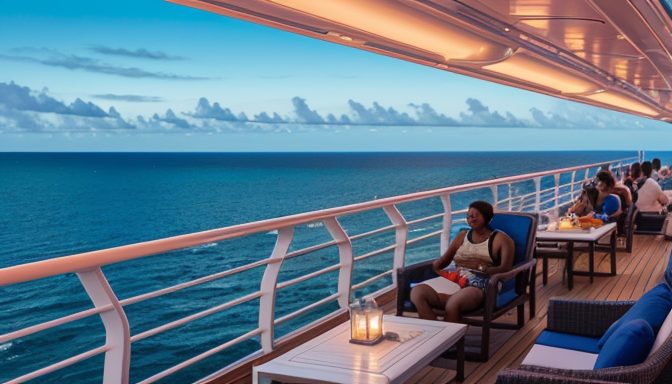
One Delay Can Cost Your Entire Cruise
A quick coverage check now protects you from the problems no one sees coming.
Short Excerpt
- Hurricane-season cruise reviews often sound far more reassuring than first-time travelers expect.
- Most passengers describe early rerouting, clear captain updates, and surprisingly little disruption onboard.
- The biggest advantage comes from understanding that cruise lines plan around storms rather than reacting at the last minute.
Quick Take
- Cruise lines monitor tropical systems early and change routes before dangerous weather becomes a direct threat.
- Passengers consistently report that clear communication from captains and crew reduces anxiety when plans change.
- Stabilizers, medical support, and flexible onboard programming help keep the experience comfortable during rougher conditions.
- Travel insurance adds another layer of protection when storms disrupt flights, hotels, or prepaid plans.
- A flexible mindset often turns missed ports or extra sea days into manageable changes rather than ruined vacations.
Why Real Hurricane-Season Cruise Reviews Are More Reassuring Than You Expect
Cruising during hurricane season sparks curiosity and concern.
Real reviews reveal a surprising truth—most sailings feel safe, smooth, and well-organized.
Ships reroute early, captains communicate constantly, and itineraries flex to keep guests comfortable.
If you’ve ever scrolled through cruise reviews during hurricane season, you’ve probably seen a mix of awe, anxiety, and relief.
Some travelers gush about “the calm after the storm,” while others share stories of rerouted ports and longer days at sea.
But read between the lines, and one theme stands out—most passengers walk away surprised by how safe, organized, and comfortable the experience actually was.
Cruising during hurricane season doesn’t mean sailing into chaos.
It means placing your trust in a floating city that was built to outsmart the weather.
Ships reroute, captains communicate constantly, and itineraries flex seamlessly to protect guests while keeping the trip enjoyable.
For nervous or first-time cruisers, hearing what really happens from those who’ve been through it can make all the difference.
This guide blends real-world reviews, behind-the-scenes context, and expert travel insights to show how cruise lines—and travelers—handle hurricane season with confidence.
Real Passenger Reviews: What Hurricane-Season Cruising Feels Like
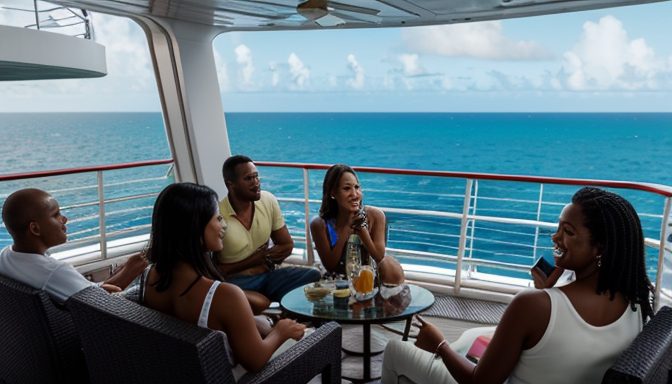
Let’s start with what people experience firsthand.
Passenger reviews from late-summer sailings reveal a fascinating truth: even when storms occur nearby, guests rarely feel unsafe.
Cruising during hurricane season isn’t as risky as many think. Verified reviews show guests feel safe and informed.
Another added: “The captain will never sail you into a hurricane”.
Travelers routinely mention that captains communicate early and often, giving guests updates about rerouting decisions before weather becomes an issue.
One recent reviewer described her Caribbean sailing in September as “so smooth I forgot it was hurricane season.”
Why Hurricane-Season Cruises Feel Safer Than You Think
Cruise lines use advanced weather tracking and reroute proactively.
Royal Caribbean confirms captains work with meteorologists to adjust itineraries long before storms pose a threat.
Online‑Only Cruise Offers You Won’t Find Elsewhere
Unlock special pricing and start planning the sailing that matches your perfect itinerary
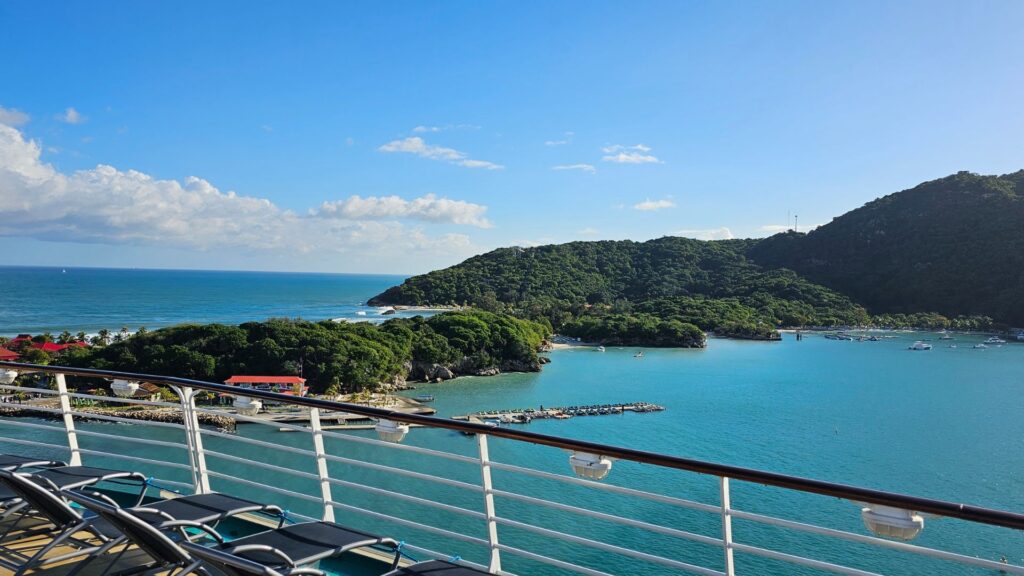
Guests receive updates via app and announcements, reducing stress.
Many reviews mention how they were informed of a route change days in advance—proof that safety isn’t reactive but strategic.
When ports shift, the onboard team immediately adjusts entertainment, excursions, and dining schedules so guests barely miss a beat.
Key Passenger Takeaways
- Hurricane-season cruises are often smoother than expected.
- Early communication and proactive rerouting eliminate uncertainty.
- Captains often earn rave reviews for calm, confident leadership.
How Cruise Lines Maintain Safety and Comfort When Weather Shifts
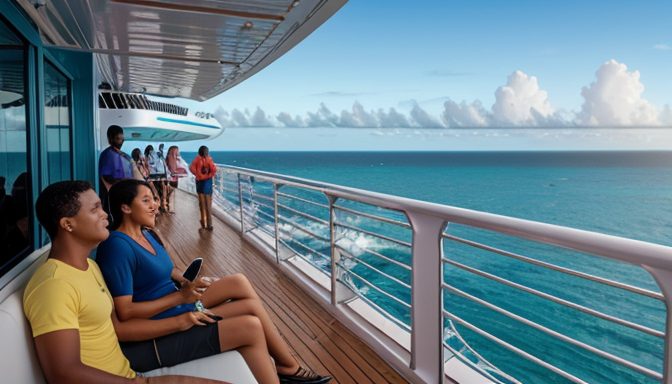
Ships rely on real-time satellite data and stabilizers to keep conditions comfortable.
Stabilizers act like airplane wings, reducing motion even in rough seas.
Passengers often remark: “We watched lightning far away on the horizon, but inside it felt like a calm resort”.
Inside the Command Center
Passengers who’ve spoken with crew during weather adjustments often describe an atmosphere of total control—no panic, just precision.
Officers map alternate courses, brief department heads, and communicate with port authorities simultaneously.
Within hours, your route might be changed by hundreds of miles, often toward sunnier skies.
Cabin stabilizers—massive underwater fins—reduce the feeling of movement when seas become uneven.
Most guests barely notice the adjustments except for a few announcements and maybe an extra day at sea, which the crew transforms into bonus entertainment opportunities.
Consistent Comfort Reviews
Many hurricane-season reviews highlight how little disruption was felt onboard.
“We watched lightning far away on the horizon,” one traveler wrote, “but inside, it felt like a calm resort.”
Confidence Builders
- Navigation technology ensures rerouting happens long before any storm nears.
- Onboard stabilizers keep seas surprisingly smooth.
- Staff professionalism and organization calm anxious travelers.
How Cruise Lines Turn Storm Detours into Bonus Adventures
For new cruisers, the idea of missing a port can sound disappointing—but reviews tell another story.
Most passengers say they were impressed by how quickly cruise lines pivot and how generously they compensate.

Sail Away to Paradise Without Overpaying
Find cruise deals that make it easy to escape, relax, and enjoy the ocean without stretching your budget
When storms shift, rerouting usually means swapping one island for another or extending days at sea.
Guests often receive onboard credits, spa discounts, or complimentary activities to make up for the change.
Flexibility becomes a perk. One couple wrote: “We missed St. Maarten but docked in San Juan instead—an unexpected highlight”.
Another called an extra sea day “the best of my life, with pop-up concerts and extended brunch”.
Passenger Perspectives
One couple sailing the Eastern Caribbean noted that while their itinerary skipped St. Maarten, they ended up docking in San Juan—an unexpected highlight they never would’ve planned.
Another guest wrote about “the best sea day of my life,” complete with extended brunch service and pop-up poolside concerts.
The consistent tone across hundreds of reviews? Flexibility leads to discovery.
Traveler Wisdom
- Rerouting prioritizes safety, not inconvenience.
- Cruise lines often enhance the onboard experience to offset missed ports.
- A flexible mindset turns detours into highlights.
The Role of Cruise Staff During Storm-Related Adjustments
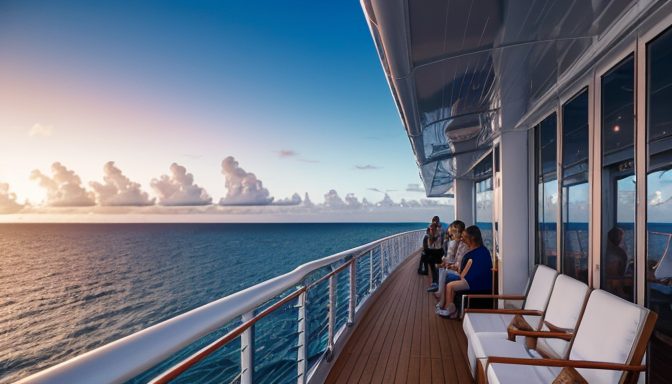
If there’s one constant across every review of hurricane-season cruising, it’s praise for the crew.
Guests repeatedly describe staff members as calm, cheerful, and reassuring—even when plans shift unexpectedly.
Reassurance in Action
When the weather report changes, staff quietly prepare behind the scenes—securing deck furniture, reinforcing entryways, and adjusting logistics.
Meanwhile, hospitality teams focus on maintaining a sense of normalcy.
Bartenders smile.
Cabin attendants check in.
Activities teams double down on keeping guests entertained.
Crew professionalism shines during itinerary changes.
Passengers praised staff for staying calm and reassuring: “The crew did an amazing job. They were so calm and professional, which really helped us stay calmer”.
Top Cruise Deals From Trusted Cruise Lines
Compare exclusive online offers and find the fare that fits your trip and your budget
Why This Matters for Nervous Travelers
For first-time cruisers, visible competence matters more than technical details.
Seeing a staff member calmly offering assistance or hearing a captain’s confident announcement creates a ripple effect of reassurance.
Passenger Reflection Points
- Crew members undergo year-round safety and emergency response training.
- Their professionalism turns uncertainty into calm.
- Emotional reassurance is as important as technical safety.
Medical Preparedness and Onboard Support
One of the most reassuring parts of reading hurricane-season reviews comes from passengers who mention onboard medical care.
Every major cruise ship houses a medical center staffed by licensed doctors and nurses trained in maritime medicine.
Cruise ships maintain hospital-grade clinics, and reviews confirm prompt care for motion discomfort and minor issues.
Insurance providers like VisitorsCoverage and World Nomads are frequently mentioned for covering unexpected costs.
When seas get rough or an itinerary changes, medical facilities remain operational and secure.
Equipment is stabilized, and backup power systems keep everything functioning seamlessly.
Reviews That Stand Out
Several seniors wrote about receiving excellent care for minor motion discomfort.
Others shared stories of prompt assistance for medication refills or minor falls.
Across reviews, the consensus is clear—help feels immediate, personal, and professional.
Reinforcing Peace of Mind
This is where travel insurance partners like VisitorsCoverage, EKTA, Insubuy, Compensair, and World Nomads come into play.
These companies cover unexpected medical costs, delayed travel, or rerouting due to storms—giving older or health-conscious travelers extra security.
Safety Snapshot
- Cruise ships maintain hospital-grade clinics.
- Insurance ensures emergency care doesn’t become a financial stressor.
- Combined, they create true safety and reassurance at sea.
What Reviews Reveal About Passenger Emotions
Beyond logistics, there’s a human side to cruising through hurricane season—emotions.
Many travelers admit they boarded with nervous energy and left feeling empowered.
Reviews often read like personal transformations, filled with gratitude and surprise at how relaxed they felt once underway.
The Emotional Journey
Guests frequently describe the moment they realized they could trust the ship, the crew, and the process. “I was worried for nothing,” wrote one reviewer. “Even with a tropical storm nearby, we were treated like family.”
That transformation—from anxiety to confidence—is the essence of successful hurricane-season cruising.
It’s not just about safety; it’s about rediscovering calm when the world outside looks uncertain.
Emotional Anchors
- Anxiety fades quickly once travelers witness the crew’s professionalism.
- Smooth communication and reassurance turn fear into confidence.
- Guests leave with stories of resilience and relaxation.

Luxury Cruise Experiences at Smarter Prices
See premium sailings and upgraded cabins priced for travelers who know how to book well
Why Cruise Insurance Is Essential During Hurricane Season
If there’s one detail reviewers mention when reflecting on hurricane-season travel, it’s how thankful they were for good insurance.
Even when reroutes went smoothly, travelers with coverage slept easier knowing they were protected if things changed.
Travel insurance transforms uncertainty into peace of mind.
One traveler shared how a sudden flight cancellation was reimbursed quickly thanks to hurricane coverage (https://www.travelinsurance.com/).
Experts stress checking policies for hurricane-specific clauses before booking.
Companies like VisitorsCoverage and World Nomads are praised for simple claim processes and accessible support, while Compensair earns credit for flight disruption assistance when ports reopen late.
EKTA and Insubuy round out the group with strong emergency and preexisting-condition coverage.
Real-World Protection Wins
One passenger shared how a sudden flight cancellation after port changes cost them an extra hotel night—but Compensair handled reimbursement within days.
Another traveler credited their VisitorsCoverage plan for covering a last-minute cabin extension when weather delayed their return flight.
Traveler Protection Takeaways
- Insurance transforms uncertainty into manageable inconvenience.
- Reliable providers add an invisible layer of calm.
- Always confirm coverage for weather-related disruptions before sailing.
Lessons Seasoned Cruisers Share With First-Timers
When you read reviews from experienced hurricane-season cruisers, one theme repeats: don’t let the calendar scare you.
Most storms are avoidable, and modern ships are engineered for stability and comfort.
These travelers offer practical, reassuring wisdom:
- Pack motion aids—ginger chews, seabands, or doctor-approved patches.
- Trust the process—captains reroute long before safety is compromised.
- Stay flexible—different ports often mean fewer crowds and unique experiences.
- Get insured early—travel protection matters most during storm season.
Veteran cruisers advise:
- Don’t let the calendar scare you—storms are avoidable.
- Trust the process—captains reroute long before safety is compromised.
- Stay flexible—different ports often mean unique experiences.
- Get insured early—coverage matters most during storm season.
Many call hurricane season “the best-kept secret” for lower prices and fewer crowds.
Real Traveler Wisdom
One reviewer described their August voyage as “the calmest trip I’ve ever taken,” adding that seas were smoother than their winter cruise.
Another called hurricane season “the best-kept secret,” citing smaller crowds, better prices, and the sense of being cared for by a vigilant crew.
Why Hurricane-Season Cruising May Be a Smart Choice
When you combine firsthand reviews, technical safety systems, and financial protections, hurricane-season cruising actually offers tremendous value.
Prices are lower, ships are less crowded, and guests enjoy a heightened sense of attention from staff.
It’s not about luck—it’s about preparation and perspective.
Cruise lines design their operations around weather avoidance, not endurance.
That means the odds of a safe, smooth journey are overwhelmingly in your favor.
For nervous or first-time travelers, this season can be an ideal way to experience the industry’s full strength: agility, transparency, and care.
Smart Traveler Highlights
- Fewer crowds and lower prices increase enjoyment.
- Weather readiness ensures safety and comfort.
- Cruise insurance creates true peace of mind.
Peace of Mind at Sea: The True Reward
Hurricane season isn’t something to fear—it’s something to prepare for confidently.
Cruise lines design operations around weather avoidance, not endurance, ensuring safety and comfort.
Every element—from satellite tracking to crew training and insurance coverage—exists to make your experience safe and enjoyable.
Whether your itinerary shifts or the sun shines all week, your comfort remains the priority.
If you’ve been hesitant to cruise between June and November, know this: the people who’ve done it aren’t warning others away.
They’re encouraging them to go—with awareness, coverage, and trust in the process.
Because when handled right, hurricane-season cruising isn’t just safe—it’s unforgettable.
FAQ – Is It Really Safe To Cruise During Hurricane Season When I Read What Other Travelers Experienced?
How Do Real Passenger Reviews Describe Hurricane-Season Cruises on Ships Like Allure and Royal Caribbean?
Most reviews describe hurricane-season cruises as unexpectedly calm, organized, and safe, even when storms pass nearby.
Travelers on ships like Allure and other Royal Caribbean vessels talk about complete itinerary changes that still felt well managed, with captains explaining reroutes early and clearly.
This matters because it replaces vague fear with lived experience—people who actually sailed during storms often report that the ship felt more like a stable resort than a vessel in danger.What Do Reviews Say Happens When Ports Like St. Maarten Are Skipped and Places Like San Juan Are Added Instead?
Reviews consistently show that missed ports usually turn into substitute destinations or extra sea days that guests end up enjoying.
One couple described skipping St. Maarten but docking in San Juan instead as an “unexpected highlight,” discovering a city they never would have planned on their own.
That pattern—safety-first rerouting that still delivers memorable experiences—helps you see port changes as part of a flexible, protective system rather than a ruined vacation.How Do Cruise Lines Use Weather Tracking and Meteorologists to Keep Hurricane-Season Sailings Safe?
Cruise lines rely on advanced satellite data, National Hurricane Center forecasts, and in-house meteorology teams to monitor storms across thousands of miles.
Royal Caribbean, for example, confirms that captains work closely with meteorologists to adjust itineraries long before a system threatens the route, often shifting the ship by hundreds of miles toward calmer skies.
For guests, this means safety decisions happen early and strategically, so you experience rerouting as a planned adjustment rather than a last-minute scramble.What Do Travelers Notice Onboard When Weather Shifts But The Ship Stays Well Clear Of The Storm?
Passengers often describe watching lightning far away on the horizon while the interior of the ship feels like a calm resort.
Stabilizers—those underwater fins acting like airplane wings—reduce motion so hallways, restaurants, and cabins stay surprisingly steady.
In practice, the main changes you feel are more indoor activities, adjusted entertainment schedules, and perhaps an extra sea day, not chaos or panic.How Do Crew Behavior and Communication Shape the Emotional Experience During Hurricane Season?
Reviews repeatedly highlight crew members as calm, cheerful, and reassuring when plans change.
Guests talk about bartenders still smiling, cabin attendants checking in, and activities teams quickly reshaping schedules to keep everyone engaged.
Hearing a captain’s confident announcement and seeing staff move with quiet competence creates a ripple effect—nervous energy gives way to trust, and travelers leave feeling that the human side of safety mattered as much as the technology.What Kind of Medical Preparedness Do Cruise Ships Offer When Seas Get Rough or Itineraries Change?
Major cruise ships maintain hospital-grade clinics staffed by licensed doctors and nurses trained in maritime medicine.
Reviews from seniors and health-conscious travelers describe prompt help for motion discomfort, minor falls, and medication refills, even when the ship is rerouted.
Equipment is stabilized and backed by dedicated power systems, so medical care continues smoothly during storm-related adjustments, turning potential worry into a manageable, supported experience.Why Do So Many Reviewers Emphasize Travel Insurance from Providers Like VisitorsCoverage, World Nomads, EKTA, Insubuy, And Compensair?
Travelers highlight these providers because their policies cover the real-world ripple effects of storms: delayed flights, extra hotel nights, cabin extensions, and medical costs.
One reviewer mentioned a sudden flight cancellation after port changes that was reimbursed quickly, while another credited their VisitorsCoverage plan for covering a last-minute cabin extension when weather delayed their return.
When you pair that kind of coverage with the ship’s safety systems, disruptions become solvable logistics instead of financial crises.How Do First-Time Cruisers Describe Their Emotional Journey After Sailing Through Hurricane Season?
Many first-timers admit they boarded with nervous energy and left feeling surprisingly relaxed and empowered.
Reviews talk about the moment they realized they could trust the ship, the crew, and the rerouting process—often summed up in comments like “I was worried for nothing.”
That shift from anxiety to calm shows that hurricane-season cruising isn’t just about avoiding danger; it’s about discovering that a well-run ship can feel steady even when the wider region looks unstable.What Practical Tips Do Seasoned Hurricane-Season Cruisers Share with New Travelers?
Experienced cruisers recommend packing motion aids like ginger chews, seabands, or doctor-approved patches, trusting captains to reroute long before safety is compromised, and staying flexible about ports.
They point out that alternate destinations often mean fewer crowds and unique experiences, and they stress buying insurance early because coverage matters most when storms can affect flights and schedules.
Taken together, their advice turns hurricane season from something to fear into a season you approach with preparation and realistic expectations.Why Do Some Travelers Call Hurricane-Season Cruising a “Best-Kept Secret” For Value and Comfort?
Reviewers note that prices are lower, ships are less crowded, and staff attention feels more focused during hurricane months.
Combined with strong weather-avoidance strategies and solid insurance, that environment can feel both safer and more relaxed than peak-season sailings.
For nervous or budget-conscious travelers, this mix of value, vigilance, and quieter ships makes hurricane-season cruising a surprisingly smart choice rather than a risky gamble.
Plan Your Next Cruise!

Sail Into Freestyle Freedom: Norwegian Cruise Line for Adventure Thrills, Gourmet Dining, and Destination‑Rich Voyages
One Delay Can Cost Your Entire Cruise A quick coverage check now protects you from the problems no one sees coming….

Sail in Style: Oceania Cruises’ Culinary Excellence, Cultural Immersion, and Refined Luxury
One Delay Can Cost Your Entire Cruise A quick coverage check now protects you from the problems no one sees coming….

Sail Into Timeless Luxury: Cunard Cruises for Transatlantic Elegance and Destination‑Rich Voyages
One Delay Can Cost Your Entire Cruise A quick coverage check now protects you from the problems no one sees coming….

Sail Boldly: Experience Virgin Voyages’ Adults‑Only Cruises With Style, Freedom, And Fun
One Delay Can Cost Your Entire Cruise A quick coverage check now protects you from the problems no one sees coming….
Explore More

Dance Into Adventure: Learn Salsa at Sea with Cruise Lessons for Every Skill Level
Who Really Runs Your Cruise? The Vital Roles of Crew Members at Sea
Experience Cruise Culinary Programs: Cooking Classes, Wine Pairings, and Chef Secrets