One Delay Can Cost Your Entire Cruise
A quick coverage check now protects you from the problems no one sees coming
Short Excerpt
- Your first cruise brings unfamiliar surroundings, including shared public spaces, moving stairways, balconies, and restricted crew areas.
- Everyday safety involves knowing the ship’s emergency procedures, protecting your belongings, respecting access restrictions, and recognizing when to contact security.
- Use the interactive first-cruise safety checklist to prepare your cabin, review shipboard boundaries, and establish simple family rules.
Quick Take
- Complete your muster requirements. Learn your assigned assembly station, the ship’s emergency instructions, and the procedures for responding to an announcement.
- Respect railings and restricted areas. Never climb or sit on protective barriers, and don’t enter crew-only or closed sections of the vessel.
- Protect your cabin and belongings. Secure your door, use the cabin safe where appropriate, and avoid leaving valuables unattended.
- Move carefully around the ship. Use stairway handrails, be mindful of wet decks, and avoid rushing when the vessel is moving.
- Contact crew when something is wrong. Report harassment, threats, suspicious activity, or missing access cards through the appropriate shipboard channels.
- Set expectations for children and companions. Agree on permitted areas, supervision, meeting points, and what to do if someone needs help.
How to Feel More Secure on Your First Cruise Without Missing the Fun
You’ve booked your first cruise, chosen your cabin, and started imagining the experience of exploring a ship full of restaurants, entertainment, pools, and outdoor decks.
But as the departure date approaches, you may begin thinking about aspects of cruising that weren’t obvious when you booked.
How do you know which areas are open to passengers?
What should you do if your keycard disappears?
Can children explore the ship independently, and who should you contact if another passenger behaves in a threatening or inappropriate way?
You may also wonder whether ordinary hotel safety habits are enough when your accommodations are moving across the ocean.
A cruise ship isn’t an ordinary hotel. It combines accommodation, recreation, transportation, and maritime operations in one shared environment.
That means some precautions will already feel familiar, while others are specific to life at sea.
You should secure your belongings, use good judgment around strangers, and report concerning behavior, much as you would during any other vacation.
However, you also need to understand muster procedures, shipboard access restrictions, moving stairways, and the particular risks associated with balconies and open decks.
The U.S. Department of State advises cruise travelers to exercise normal precautions onboard, limit alcohol consumption, secure cabin doors and balconies, and contact ship security when they become victims of crime. (U.S. Department of State — Cruise Ships)
Those are practical habits, not reasons to expect something bad to happen.
Your goal as a first-time cruiser is to become familiar with the ship’s rules and procedures early enough that ordinary decisions don’t require constant second-guessing.
Understand the Difference Between Safety and Ship Security
Cruise safety includes the everyday practices and formal procedures intended to reduce accidents, injuries, illness, and other risks.
It covers everything from holding a stairway handrail to attending your assigned muster station.
Ship security is more specific.
It involves controlling access to the vessel and designated spaces, enforcing security requirements, and responding to incidents affecting passengers, crew, or operations.
These functions can overlap, but they are not interchangeable.
For example, the crew member supervising a pool area may help address an immediate safety concern, while a security officer may become involved when someone threatens or harasses another passenger.
Top Cruise Deals From Trusted Cruise Lines
Compare exclusive online offers and find the fare that fits your trip and your budget
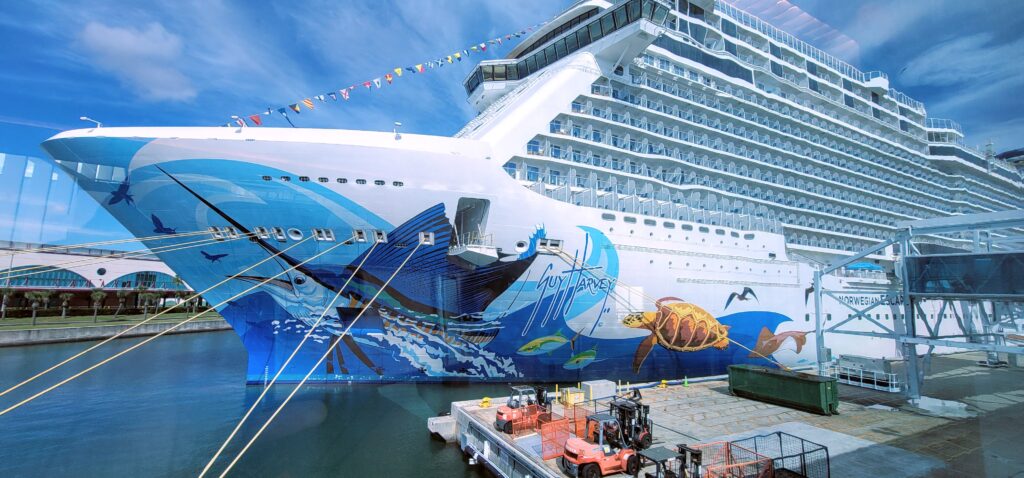
Similarly, a sign reading “Crew Only” is an access restriction.
It isn’t an invitation to explore a quieter route through the ship.
Royal Caribbean explicitly prohibits guests from entering restricted or crew areas and from climbing on or over protective railings and barriers. (Royal Caribbean Guest Health, Safety, and Conduct Policy)
Other operators have their own procedures, which you should review before sailing.
The practical lesson is straightforward: follow posted restrictions and crew instructions, even when the reason for a rule isn’t immediately obvious.
Make a Few Safety Decisions Before You Leave Your Cabin
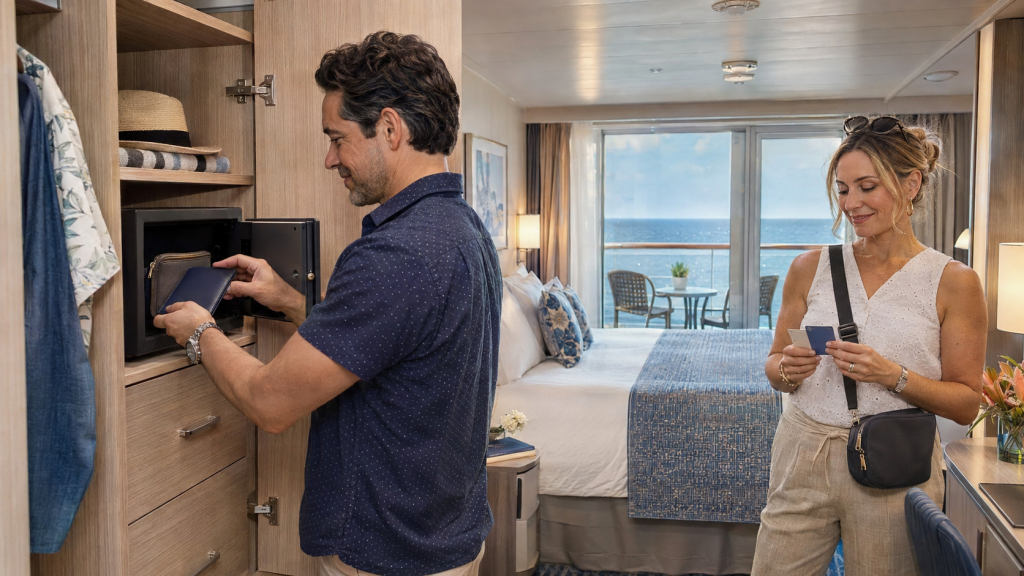
The easiest first-cruise safety routine begins with a handful of actions on embarkation day.
Find out where your muster station is located and complete the mandatory safety process.
Then identify the ship’s emergency contact instructions and how to request assistance from Guest Services or security.
Learn how your cabin door and balcony lock function.
If you’re traveling with children, establish rules about access to the balcony, public areas, and other passengers’ staterooms.
You can also decide where to keep valuables and agree on a meeting place if members of your group become separated.
None of this requires a lengthy inspection of the ship.
It’s a short orientation designed to answer practical questions before they become urgent.
Interactive First-Cruise Onboard Safety Checklist
Use the checklist below to review important safety preparations and get practical guidance for your first sailing.
It covers the actual concerns in this article: muster procedures, cabin security, balconies, restricted areas, moving around the ship, reporting problems, and family expectations.
My First-Cruise Safety Checklist
Review the habits and onboard procedures that help you prepare for your first sailing.
Preparation aid only. This checklist does not verify your ship’s muster requirements or contact emergency personnel. Always follow posted rules and instructions from authorized crew. Progress is not stored between visits.
Your Muster Station Should Be One of the First Places You Identify
The muster process introduces the safety procedures that matter if the ship experiences a serious emergency.
You’ll learn where your assigned assembly station is located and how the operator expects passengers to complete the required safety briefing.
Royal Caribbean, for example, explains that guests must review essential safety information and report to their designated muster station.
Some vessels use a mobile-app or stateroom-television briefing as part of this process, but guests must still complete the required elements. (Royal Caribbean Guest Health, Safety, and Conduct Policy)
Do not assume watching a safety video automatically completes your requirements.
Online‑Only Cruise Offers You Won’t Find Elsewhere
Unlock special pricing and start planning the sailing that matches your perfect itinerary
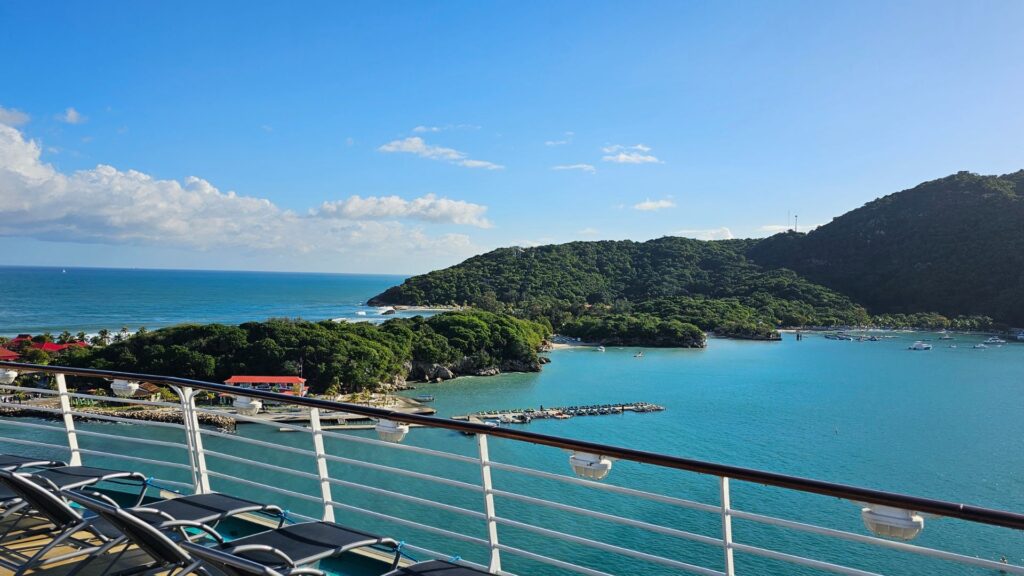
Check the instructions for your actual ship, including anything you must do in person.
You should also notice how to get to your assembly station from your cabin and learn what to do when the crew issues an emergency announcement.
This is more valuable than trying to memorize every deck or technical feature of the vessel.
Keep Your Cabin Secure Without Treating It Like a Fortress
Your stateroom is your personal space during the cruise, and a few practical habits help protect it.
Make sure the cabin door closes properly when you leave, understand how its locking mechanism works, and secure balcony doors as instructed.
Use the in-room safe for suitable valuables when practical, while recognizing that a safe isn’t an absolute guarantee against theft.
Avoid leaving cruise cards, wallets, phones, and similar belongings unattended in public areas.
The U.S. Department of State specifically advises cruise passengers to secure their cabins and balconies and to exercise ordinary travel precautions onboard. (U.S. Department of State — Cruise Ships)
If your cruise card goes missing, report it promptly so the operator can advise you on deactivation and replacement.
If you have children, don’t assume a cabin door or balcony lock substitutes for appropriate supervision.
Take Railings, Balconies, and Outdoor Decks Seriously
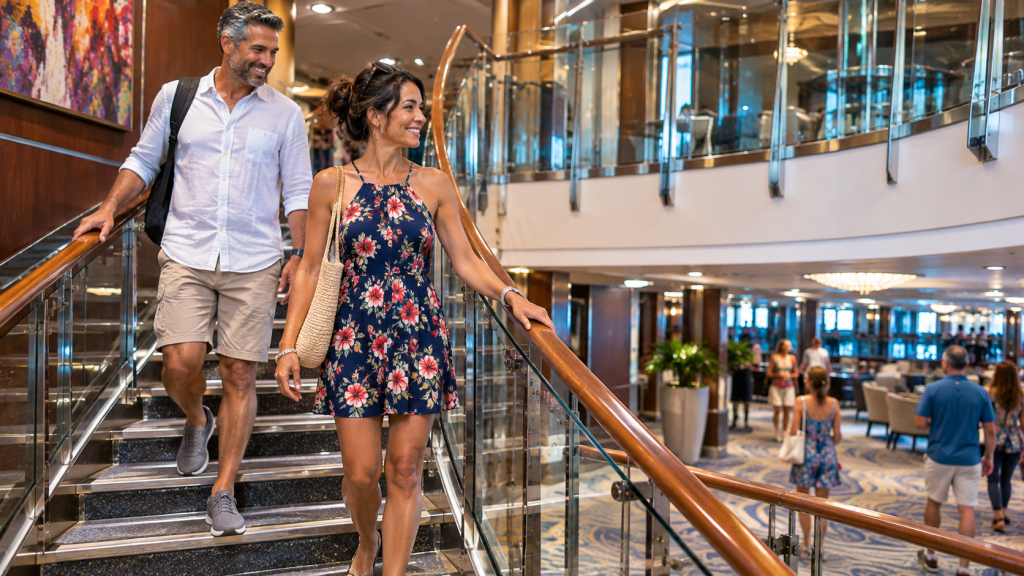
Balconies and outdoor decks offer some of the most memorable views of a cruise.
However, they’re also places where the consequences of unsafe behavior can be severe.
Never climb onto a balcony railing, sit on a protective barrier, or lean beyond the edge.
Don’t use tables, chairs, or other furniture to gain additional height near a railing.
Royal Caribbean expressly prohibits sitting, standing, jumping, lying, or climbing on or across protective barriers. (Royal Caribbean Guest Health, Safety, and Conduct Policy)
Children should receive clear rules that are appropriate to their age, abilities, and the environment.
For younger children, active adult supervision is essential around balconies, open decks, and pools.
It’s also worth checking the cruise line’s child-supervision and pool-safety policies because lifeguard availability and other arrangements aren’t identical on every vessel.
Why Handrails and Suitable Footwear Matter
A cruise ship can move even when the sea doesn’t appear particularly rough.
Wet surfaces, unexpected changes in movement, and crowded stairways can make walking more difficult.
Use stairway handrails when available, avoid running across wet decks, and wear footwear suited to the surface.
Be especially careful when you’re carrying items, accompanying small children, or feeling unsteady.
If mobility is a concern, ask about accessible routes and assistance rather than assuming every staircase or passenger walkway is appropriate.
Alcohol can also affect balance and judgment, which is one reason the U.S. Department of State advises limiting alcohol consumption during cruise travel. (U.S. Department of State — Cruise Ships)
These habits don’t require you to move cautiously everywhere you go.
They simply help you adapt to a physical environment that’s different from a building on land.
Respect Crew-Only Areas and Temporary Closures
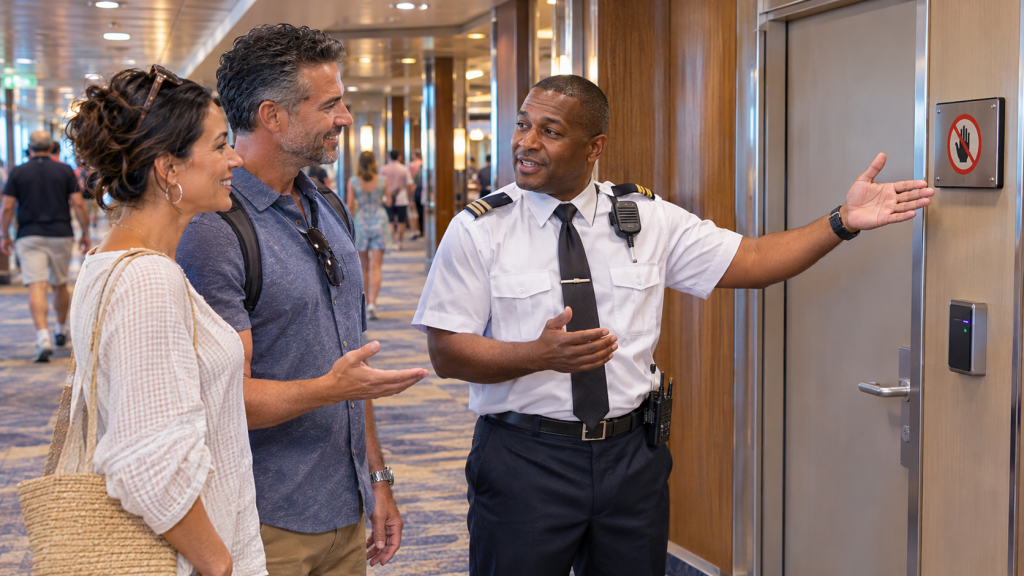
Restricted spaces can include workrooms, operational corridors, technical areas, and locations the crew needs to access without passenger interference.
You may encounter doors marked “Crew Only,” “Authorized Personnel Only,” or similar wording.
Those restrictions should be respected even if the corridor appears to provide a convenient shortcut.
Royal Caribbean explicitly prohibits guests from entering restricted crew areas, including crew staterooms and corridors. (Royal Caribbean Guest Health, Safety, and Conduct Policy)
Temporary barriers also matter.
An outdoor deck or stairway may be closed because of weather, maintenance, cleaning, or another operational reason.
If a normal route is unavailable, follow the posted directions or ask a crew member for another way to reach your destination.
Don’t assume every area will always have an alternative route open at that moment.
Report Harassment and Concerning Behavior Without Confronting Anyone
Being on vacation doesn’t mean you should ignore behavior that feels threatening or unsafe.
If another passenger harasses you, threatens someone, or behaves aggressively, contact an appropriate crew member or ship security.
You can ask staff in a restaurant, bar, lounge, or Guest Services area to help connect you with the appropriate personnel.
The State Department advises passengers who become victims of crime onboard to speak with ship security and notes that cruise ships should have procedures for handling such incidents. (U.S. Department of State — Cruise Ships)

Luxury Cruise Experiences at Smarter Prices
See premium sailings and upgraded cabins priced for travelers who know how to book well
You don’t need to personally investigate suspicious activity or confront someone who appears dangerous.
Move to a safer location when possible, report what you’ve observed, and follow crew instructions.
If the situation involves immediate danger, use the ship’s verified emergency communication procedure.
Give Children and Teenagers Clear Shipboard Boundaries
Cruise ships can offer supervised children’s programs, recreational spaces, and activities suited to different age groups.
However, that doesn’t mean children should be allowed to explore every part of the vessel without appropriate supervision.
Before letting a child participate in an activity, check the operator’s policies for the venue, the child’s age, and the applicable supervision requirements.
Agree on meeting points and explain what to do if someone becomes separated from the group.
Children should know how to identify an authorized crew member and ask for assistance.
For teenagers who have more independence, discuss boundaries around other passengers’ cabins, restricted spaces, balconies, and activities that require parental permission.
The appropriate level of independence depends on the child, the ship, and the rules in place.
Put Basic Digital Security in Its Proper Place
If you’re using shipboard Wi-Fi or public networks in port, ordinary digital precautions still apply.
Use strong authentication, avoid sharing passwords, keep your devices updated, and check that websites are legitimate before entering payment details.
A VPN can provide additional protection for some network traffic, but it doesn’t prevent every form of fraud or make suspicious websites safe.
Digital privacy is worth considering, but it shouldn’t overshadow this article’s central focus on physical safety and understanding ship security.
There’s no need to introduce unrelated digital products or services merely because the topic includes the word security.
A Safer First Cruise Begins With Familiar Habits
Your first cruise doesn’t require treating every stranger, hallway, or unfamiliar sign as a potential danger.
Instead, focus on learning the ship’s emergency procedures, understanding the spaces available to passengers, and practicing everyday habits that reduce avoidable risks.
Secure your cabin and belongings, use railings appropriately, supervise children, and respect instructions from the crew.
If another person behaves inappropriately or something appears unsafe, report it through the ship’s established channels.
The purpose of these precautions is to make your vacation easier to enjoy—not to turn safety into another full-time responsibility.
How to Stay Safe Around Ship Security, Restricted Areas, and Shared Decks
Worried about staying safe on your first cruise without feeling tense?
You are not alone.
If you are getting ready for your first cruise and wondering how to stay safe without spending your entire vacation on high alert, you are not overthinking it.
You are simply trying to make sure the experience is enjoyable instead of stressful.
You might be picturing crowded decks, strangers in the hallways, or long metal staircases that move under your feet.

Sail Away to Paradise Without Overpaying
Find cruise deals that make it easy to escape, relax, and enjoy the ocean without stretching your budget
You may have questions about who is really watching the ship, what “ship security” actually does, and what happens if you accidentally step into a place you are not supposed to be.
You might also feel a little guilty for worrying at all, because everyone else seems to focus on shows, food, and shore excursions instead of safety.
Here is the truth.
Modern cruise ships are built and run with safety in mind from the first design sketch to the last crew drill.
Your job is not to obsess over danger.
Your job is to understand a few simple habits, know what “ship security” and “restricted areas” really mean, and use that knowledge to move around with more confidence than fear.
What Safety Really Looks Like On A Modern Cruise Ship
Cruise safety is not just a few cameras and a security desk.
It is a layered system built into the way the ship operates.
You have visible parts, like uniformed officers, security at the gangway, and keycard-controlled doors.
You also have invisible layers, like crew training, restricted zones, and behind the scenes monitoring that runs day and night.
When people say ship security, they mean the team and systems responsible for keeping guests, crew, and the vessel safe.
That includes trained security officers, surveillance cameras, controlled access doors, metal detectors at embarkation, and procedures for handling everything from lost items to serious incidents.
When you hear about restricted areas, you are hearing about places on the ship where guests are not allowed.
These include crew-only corridors, technical spaces, storage areas, and certain decks around lifeboats or machinery.
They are clearly marked with signs that say “Crew Only,” “No Admittance,” “Authorized Personnel Only,” or similar phrases.
Those signs are not there to keep you away from something fun.
They are there to keep you away from places where equipment, operations, or safety procedures could be disrupted.
How Ship Security Works For You
Ship security teams are usually made up of trained professionals with backgrounds in law enforcement, maritime security, or similar fields.
They monitor cameras, patrol public areas, respond to calls from guests and crew, and work closely with the bridge officers if any situation needs a coordinated response.
They also work with port security and local authorities when the ship is alongside, which is why you will pass through scanners and have your bags checked when you reboard in each port.
When you tap your cruise card to get on and off, that is not just about counting you.
It is part of a controlled system that tracks who is on board at any moment.
All of this is designed to let you relax more, not less, once you understand it.
Why Restricted Areas Exist
Restricted areas protect three major things.
They protect you, because technical spaces and crew corridors contain equipment, tools, and routes that are not designed for guests.
They protect the crew, who need clear pathways to move quickly during service and emergencies.
And they protect the ship’s operations, because some rooms contain navigation, safety, or mechanical systems that cannot be disturbed.
If you see a door marked crew-only, a rope across a stairway, or signage saying an area is closed or restricted, the safest and most respectful choice is to simply follow the sign and choose another route.
On a well-designed ship, there is always another path.
Safety Foundations To Keep In Mind
Security Exists So You Do Not Have To Patrol
The ship has a dedicated team watching, patrolling, and managing incidents so you can focus on your vacation.
Restricted Signs Are About Protection, Not Exclusion
“Crew Only” or “Restricted Area” means “this space is not built for guests, and staying out keeps everyone safer.”
Access Control Is Part Of The Plan
Keycards, scanners, and bag checks are not overkill.
They are everyday tools that keep the environment controlled and predictable.
Everyday Safety Habits That Make Life Onboard Easier
Once you understand the structure behind ship safety, the next step is your own habits.
You do not need complicated routines.
You just need a few thoughtful choices that quickly become part of how you move around the ship.
Start with your cabin.
Keep your cabin door locked when you are inside and make sure it is fully closed when you leave.
Use the in-room safe for passports, extra cash, and small electronics you are not carrying.
Do not leave items like phones, wallets, or cameras unattended on sun loungers or bar tables, even if the ship feels like a floating neighborhood.
Treat public spaces aboard the way you would treat a nice hotel or resort on land.
Moving Around The Ship Safely
Ships move.
Sometimes you feel only a gentle sway.
Other times, especially in rougher weather, a simple turn down a staircase can catch you off balance.
Use handrails on stairs, even if you are used to bouncing down steps at home without them.
Avoid running down hallways, especially when you are heading to a show or trying to meet a friend.
Give yourself an extra minute or two instead of rushing.
If you are carrying drinks, food, or a child, take elevators rather than fast stairwells when the ship feels more active.
Footwear matters too.
Smooth soles and wet decks do not mix well.
Non-slip sandals or shoes will serve you much better than slick flip-flops on pool decks and outdoor stairs.
Balconies, Railings, And Pool Decks
Balcony cabins and open decks can be some of the most beautiful places on the ship, but they also demand respect.
Always keep balcony furniture where it belongs and never stand or climb on chairs, tables, or railings.
It should go without saying, but do not sit or lean over balcony railings.
If you have kids or teens with you, set clear rules: no balcony time without an adult, no climbing on anything, and no games that involve leaning over the edge.
On pool decks, walk instead of running, and be especially careful near the edge of pools and hot tubs where the surface is wet.
If you have had a few drinks, be even more deliberate about holding railings, taking your time, and watching your step.
Money, Cards, And Digital Safety
Onboard safety is not only physical.
It is digital and financial too.
You may connect your phone, tablet, or laptop to the ship’s Wi-Fi to check messages, scroll social feeds, or coordinate plans in port.
Using a virtual private network from providers like NordVPN can add an extra layer of protection for your data, especially when you hop between ship Wi-Fi and public networks in port cafes or terminals.
Tools such as Incogni can help you clean up some of your data footprint before you travel, which is a longer-term way to reduce the amount of personal information floating around in marketing databases.
When you pay for excursions or make bookings in port using your own data connection or a travel eSIM from companies like Airalo, Drimsim, Yesim, or Sally Sim, treat websites and payment pages the same way you would at home.
Check that the sites are legitimate and consider using credit cards with strong fraud protection instead of debit cards.
Everyday Safety Habits: High-Value Reminders
Use The Safe, Not The Nightstand
Keeping valuables locked up instead of scattered around the cabin removes easy temptation and worry.
Hands On Railings, Eyes On Steps
Treat stairwells and wet decks with respect, especially when the ship is moving or you are carrying drinks.
Digital Safety Counts Too
Using basic tools like a VPN and cautious payment habits keeps online risks low while you enjoy your trip.
Using Ship Security And Boundaries To Your Advantage
You do not have to handle every concern by yourself.
You share the ship with a crew whose job includes watching for problems you may never see.
Understanding how to work with them, rather than around them, is one of the best ways to stay safe without feeling weighed down.
If you ever see something that feels off—a door propped open that should not be, someone aggressively bothering another guest, or a suspicious bag left in a busy area—you can let Guest Services or ship security know.
You do not need to confront anyone yourself.
You simply pass the information along and let the professionals handle it.
If you lose a keycard, report it right away so it can be deactivated and replaced.
Do not shrug it off or assume no one will ever find it.
On port days, security at the gangway will scan your card as you leave and return, and bags will go through scanners.
If you see crew conducting additional checks or asking questions, remember that these steps are in place to protect the ship, not to slow you down for no reason.
Understanding “Ship Security” In Practice
Ship security is more than a station near the atrium.
It is a round-the-clock function.
Security officers monitor cameras covering public areas, respond to calls, and patrol sections of the ship on a schedule you may never notice.
They liaise with port security and local authorities when needed.
They are also present during emergencies and drills, making sure guests move where they are supposed to go and that restricted areas remain secure.
If you are traveling solo, especially as a woman, it can be reassuring to know that there is always someone you can call if another guest crosses a line or makes you uncomfortable.
Guest Services can connect you with security, and staff in bars, lounges, or dining rooms can also bring them in discreetly if you let them know you need help.
Why Staying Out Of Restricted Areas Matters
It can be tempting to poke your head into a “Crew Only” doorway or follow a shortcut that looks interesting.
Resisting that urge is part of staying safe and respecting how the ship runs.
Restricted areas may contain cleaning chemicals, sharp tools, electrical panels, or narrow passages where crew need to move quickly during service and drills.
In an emergency, those spaces become high-speed routes for trained staff.
Guests wandering through them would slow responses and put themselves at risk.
Staying in guest areas also keeps you on camera where you are supposed to be, which makes it easier for security and housekeeping to spot anything unusual and to help you if you ever get turned around.
Working With Security And Boundaries
Speak Up Instead Of Second-Guessing
If something does not look or feel right, letting security or Guest Services know is a helpful, responsible act.
Treat Restricted Signs As Firm Lines
They are not suggestions, and staying on the guest side keeps you out of harm’s way.
Remember There Is Always A Safer Route
Ships are designed with multiple guest paths, so you never need to use crew corridors or blocked stairs to get where you are going.
Avoid Onboard Safety Mistakes That Trip Up First-Time Cruisers
Most first-time safety mistakes do not come from recklessness.
They come from assuming the ship is almost like a theme park where nothing truly risky ever happens.
People let their guard drop in ways they would never do in a hotel or city center at home.
One common mistake is leaving cabin doors propped open with shoes or luggage so kids can “run in and out.”
This might feel friendly, but it also means anyone walking past knows your room is empty or that valuables are within easy reach.
Another mistake is leaving phones, cameras, or wallets on tables while you swim, dance, or wander to another bar “for just a minute.”
The vast majority of guests are honest, but you do not want to rely on hundreds of strangers to guard your things.
There are also social mistakes.
Accepting drinks from strangers without seeing them poured, sharing cabin numbers too freely, or inviting people you just met back to your room without telling anyone else can all create situations you did not mean to invite.
Overconfidence Around Railings And Balconies
Because ships feel like floating resorts, some people forget that the railings are there for serious reasons.
Sitting or climbing on them for photos, holding kids up in ways that put them near the edge, or leaning too far over to look for dolphins all add unnecessary risk.
You can enjoy the view, the photos, and the fresh air without putting your body where it does not belong.
Forgetting About Alcohol’s Impact
Cruises make it easy to drink more than you might at home.
Drink packages, pool bars, and late-night venues all add up.
Alcohol affects balance, judgment, and reaction time, especially on stairs, wet decks, and balconies.
Knowing your own limits and pacing yourself is not just about avoiding a hangover.
It is about keeping your footing and your decision-making steady.
Safety Mistakes And Better Choices
Do Not Advertise An Empty Room
Keep your cabin door closed and locked instead of propping it open “just because.”
Treat Your Belongings With The Same Care As At Home
Use the safe and keep valuables with you rather than trusting that every stranger feels like a neighbor.
Let Fun And Caution Share Space
You can enjoy drinks, music, and late nights while still using common sense about how much you drink and where you go.
Overcome Safety Fears: Confidence Tips For First-Time Cruisers
Even when you know the ship is designed with safety in mind, you may still carry quiet fears.
You might worry about being on a moving vessel with thousands of people and no simple way to “step off” if you feel overwhelmed.
You might be nervous about letting teens wander the ship or about sleeping while you are surrounded by water instead of solid ground.
Those feelings are not a sign that cruising is wrong for you.
They are a sign that you care about yourself and the people coming with you.
Fear Of “What If Something Happens And I Do Not Know What To Do”
The muster drill at the beginning of your cruise, along with signage around the ship, is there to answer exactly that.
You will learn where your muster station is, what signals sound like, and what it means if an announcement asks you to do something specific.
You do not have to memorize every detail.
You just have to listen once, notice your route, and know that crew will be in the hallways and stairwells if anything unusual ever happens.
Fear Of Letting Kids And Teens Roam
Many families worry about giving kids or teens ship freedom.
You can start with clear rules and boundaries.
Agree on which decks and venues they are allowed to use on their own.
Set check-in times and meeting points.
Encourage them to stick to public spaces and avoid guest cabins that are not part of your group.
Remind them that they can always talk to a crew member, kids’ club staff, or Guest Services if they feel unsafe.
The ship is not a sealed bubble, but it is a controlled environment, and using that structure makes independence safer.
Fear Of Medical Issues Or Travel Problems
You may also worry about needing medical help at sea or dealing with travel changes before or after the cruise.
Knowing that there is a medical center on board and that crew train for emergencies helps, but so does planning on land.
Travel insurance from providers like VisitorsCoverage, World Nomads, Ekta, or Insubuy can help with covered costs if someone gets sick on board or if a disruption forces you to change flights or add hotel nights.
If airlines delay or cancel flights around your cruise, services such as Compensair and AirHelp can help you pursue eligible compensation.
When those logistics are supported, your mind has fewer reasons to spin “what if” scenarios in the middle of the night.
Reframing Your Onboard Safety Worries
You Are Not Expected To Handle Everything Alone
Ship security, crew training, and clear procedures exist so you do not have to invent responses on the spot.
Boundaries And Rules Are On Your Side
Signs, muster drills, and security checks are not there to spoil fun but to give it a structure you can trust.
Planning Ahead Lets You Relax More
Understanding basic safety, setting family rules, and having travel protections in place free up mental space to actually enjoy the ship.
FAQ – How Can First-Time Cruisers Stay Safe Onboard Without Constant Worry?
FAQ – Is It Safe to Take Your First Cruise?
Major cruise ships operate under maritime safety and security requirements, with procedures intended to protect passengers and crew.
However, no form of travel is completely free of risk, and the circumstances vary between vessels and itineraries.
First-time cruisers should complete their safety briefing, follow crew instructions, and use ordinary travel precautions.
Understanding the ship’s procedures is more useful than assuming every possible hazard has been eliminated.FAQ – What Should You Do First to Stay Safe After Boarding a Cruise Ship?
Begin by completing the required muster procedure and identifying your assigned assembly station.
Find out how your ship communicates emergencies and where to access official safety instructions.
Once you’re in your cabin, familiarize yourself with the door, balcony access, and any relevant safety features.
You should also learn how to contact Guest Services or request urgent assistance.FAQ – What Is Ship Security Responsible for During a Cruise?
Ship security helps enforce onboard rules, manage access, and respond to security-related concerns involving passengers or crew.
Its responsibilities may include screening, incident reporting, patrols, and coordination with other shipboard personnel.
The precise organization and procedures vary between cruise operators.
Passengers should report threatening behavior, harassment, or other concerns through the appropriate security or Guest Services channel.FAQ – Are Cruise Ship Security Officers Available at Night?
Major cruise ships have security arrangements intended to function throughout the voyage, including overnight.
However, security officers may not be stationed at a publicly accessible desk in every part of the vessel.
The correct reporting procedure depends on the cruise line and ship.
Confirm how to request security assistance when you board, particularly if you’re traveling independently or with children.FAQ – What Are Restricted Areas on a Cruise Ship?
Restricted areas are spaces where passengers aren’t permitted without authorization.
They may include crew accommodations, technical rooms, work areas, and operational corridors.
Doors or barriers are commonly marked with notices such as “Crew Only” or “Authorized Personnel Only.”
Respect these restrictions and ask a crew member for directions if your intended route is unavailable.FAQ – Can You Enter a Crew-Only Corridor to Take a Shortcut?
No, passengers should not enter crew-only or restricted areas without authorization.
These spaces may contain equipment, materials, or operational activities unsuitable for guests.
Entering them can also interfere with crew responsibilities or violate the operator’s conduct policy.
Use the designated passenger routes and ask for assistance if you become lost.FAQ – How Can You Keep Your Cruise Cabin Secure?
Make sure your cabin door closes properly and follow the ship’s instructions for securing balcony access.
Avoid leaving room keys, valuables, or personal belongings unattended in public areas.
Use the in-room safe where appropriate, while recognizing that no storage method is completely risk-free.
Report missing cruise cards or problems with your cabin lock promptly.FAQ – Is It Safe to Use a Cruise Ship Balcony?
Balconies can be enjoyed when passengers follow the ship’s safety instructions and avoid unsafe behavior around railings.
Never climb, sit, stand, or lean over protective barriers, and don’t use furniture to reach higher positions near an edge.
Children need appropriate adult supervision on balconies.
Secure the balcony door as directed and observe any restrictions imposed because of weather or other conditions.FAQ – Why Should You Use Handrails on Cruise Ship Stairs?
Cruise ships can move unexpectedly, and the motion may affect your balance on stairways.
Handrails provide support when you’re walking between decks, particularly when the ship is moving more noticeably.
Wet surfaces, crowded passages, and unsuitable footwear can increase the risk of slipping.
Taking your time on stairs is a practical precaution, not a sign that the ship is inherently unsafe.FAQ – Can You Get Hurt on a Wet Cruise Ship Pool Deck?
Yes, wet pool decks and surrounding walkways can create slipping hazards.
Walk rather than run, wear footwear suited to wet surfaces, and follow posted pool-area rules.
Children should receive appropriate supervision, and passengers should avoid climbing or playing on protective barriers.
Report dangerous conditions to crew members so they can address them.FAQ – What Should You Do if You Lose Your Cruise Card?
Report a missing cruise card promptly to Guest Services or the designated onboard team.
The operator can explain the replacement process and whether the lost card needs to be deactivated.
Avoid assuming that a card can’t be misused simply because the ship has security screening.
Keep the replacement card secure and check any account activity if the operator advises you to do so.FAQ – What Should You Do if Another Passenger Makes You Feel Unsafe?
Move away from the situation when you can do so safely and contact an authorized crew member.
Guest Services or nearby staff may be able to connect you with ship security.
Explain what happened, where it occurred, and whether anyone is in immediate danger.
You don’t need to confront the individual or attempt to resolve a threatening situation yourself.FAQ – Should You Report Suspicious Activity on a Cruise Ship?
Yes, report activity or circumstances that reasonably appear threatening or unsafe to authorized personnel.
Give staff the relevant location and describe what you’ve observed without exaggeration or speculation.
Avoid confronting suspected offenders or investigating unattended objects yourself.
If immediate danger is present, activate the ship’s verified emergency procedure or urgently summon crew assistance.FAQ – How Can Solo Travelers Feel More Secure on Their First Cruise?
Solo travelers can benefit from knowing how to reach Guest Services, ship security, and emergency assistance.
Secure your cabin and belongings, and use ordinary precautions when meeting unfamiliar passengers.
If someone behaves inappropriately or makes you uncomfortable, inform an authorized crew member.
You can enjoy independent activities without feeling obligated to disclose your cabin number or personal travel arrangements to strangers.FAQ – Can Children Walk Around a Cruise Ship Without Their Parents?
That depends on the child’s age, maturity, the activity, and the cruise line’s supervision requirements.
Some activities offer organized supervision, while other venues require a parent or guardian to remain present.
Establish clear boundaries, meeting points, and rules about visiting other cabins or restricted areas.
Younger children should receive appropriate adult supervision, especially around pools, balconies, and open decks.FAQ – What Should You Teach Teenagers About Cruise Ship Safety?
Teenagers should know which areas they’re permitted to use and how to contact their parents or an authorized crew member.
Explain the risks associated with railings, restricted spaces, alcohol, and unsafe behavior around other passengers.
Agree on meeting points and check-in arrangements that suit their age and level of independence.
Review the cruise line’s age-related rules rather than assuming every ship permits the same activities.FAQ – Does Drinking Alcohol Increase Safety Risks on a Cruise Ship?
Alcohol can affect judgment, coordination, and balance, increasing the likelihood of accidents or unsafe decisions.
These effects matter around stairs, pools, balconies, and outdoor decks.
The U.S. Department of State recommends limiting alcohol consumption during cruise travel.
Passengers should understand their own limits and avoid risky activities when impaired.FAQ – What Should You Do During a Cruise Ship Emergency Drill?
Follow the instructions provided by your cruise line and complete all required components of the muster procedure.
Depending on the ship, these may include reviewing safety information electronically and reporting to a designated assembly station.
Pay attention to announcements, emergency signals, and the directions of authorized crew.
Don’t assume the process is complete until the operator confirms that you’ve fulfilled its requirements.FAQ – Is It Safe to Use Cruise Ship Wi-Fi for Personal Accounts?
Cruise Wi-Fi can be used for ordinary online activities, but passengers should take reasonable digital security precautions.
Keep devices updated, use strong passwords and multifactor authentication, and avoid entering information on suspicious websites.
A VPN may add protection for some connections but cannot eliminate phishing or account fraud.
Follow the cruise line’s network instructions and avoid treating digital security products as guarantees.FAQ – What Are the Most Important Safety Habits for Your First Cruise?
Complete your muster requirements, learn how to request help, and follow posted shipboard restrictions.
Secure your cabin and personal belongings, use handrails and appropriate footwear, and avoid unsafe behavior around balconies or railings.
Establish supervision and communication rules when traveling with children or companions.
Report concerning behavior promptly, while allowing the crew and security team to handle situations within their responsibilities.
Plan Your Next Cruise!

Unlock Seabourn’s World: Yacht‑Like Luxury, Exclusive Destinations, And Unmatched Comfort
One Delay Can Cost Your Entire Cruise A quick coverage check now protects you from the problems no one sees coming….

Experience the Perfect Blend of Disney Magic, Luxury Cruising, and Family Adventure at Sea
One Delay Can Cost Your Entire Cruise A quick coverage check now protects you from the problems no one sees coming….

Sail Into Italian Elegance: Costa Cruises for Culture, Cuisine, and Unforgettable Voyages
One Delay Can Cost Your Entire Cruise A quick coverage check now protects you from the problems no one sees coming….

Sail Into Freestyle Freedom: Norwegian Cruise Line for Adventure Thrills, Gourmet Dining, and Destination‑Rich Voyages
One Delay Can Cost Your Entire Cruise A quick coverage check now protects you from the problems no one sees coming….
Explore More

Feel the Difference: Choose Between Saltwater and Freshwater Cruise Ship Pools for Your Perfect Swim

Catch Every Game at Sea: Where to Watch Live Sports on Your Cruise

Cruise Sun Lounger Rules — What Passengers Need to Know About Reserving Deck Chairs