One Delay Can Cost Your Entire Cruise
A quick coverage check now protects you from the problems no one sees coming.
Short Excerpt
- A skipped cruise port can cost more than a missed day ashore when prepaid tours, private excursions, transfers, or other nonrefundable plans are tied to that destination.
- Standard travel insurance does not automatically cover itinerary changes, making specific missed-port language and covered reasons especially important.
- The strongest protection comes from buying early, understanding the limits, and keeping documentation that proves both the port change and your financial loss.
Quick Take
- Look specifically for a “missed port of call” benefit because standard cancellation or interruption coverage may not include it.
- Weather, mechanical problems, evacuations, and certain transportation delays may qualify, while routine operational changes can be excluded.
- A substituted port may be treated differently from a completely missed stop, depending on the policy wording.
- Compare the reimbursement limit with the actual value of your prepaid excursions and other nonrefundable costs.
- Keep cruise-line notices, receipts, itinerary updates, and cancellation records so you can document a claim quickly.
Why A Skipped Cruise Port Can Cost More Than A Missed Shore Day
Missed ports can turn your dream cruise into disappointment — and unexpected costs.
Cruise insurance may cover these losses, but only if you understand the fine print and act early.
This guide explains when missed-port coverage applies, what exclusions matter, and which insurers offer the best protection.
Plan smart, sail confident — and protect your investment before storms strike.
Understand Why Missed Ports Happen and How They Impact Your Cruise
Itinerary changes and port skips are more than inconveniences.
For cruisers, they represent lost experiences, non-refundable excursions, and diminished trip value.
So let’s unpack why these events happen and why coverage matters.
Cruise lines sometimes skip ports due to weather (such as hurricanes, high seas, or tropical storms), mechanical issues, port logistics, or security concerns.
Online‑Only Cruise Offers You Won’t Find Elsewhere
Unlock special pricing and start planning the sailing that matches your perfect itinerary
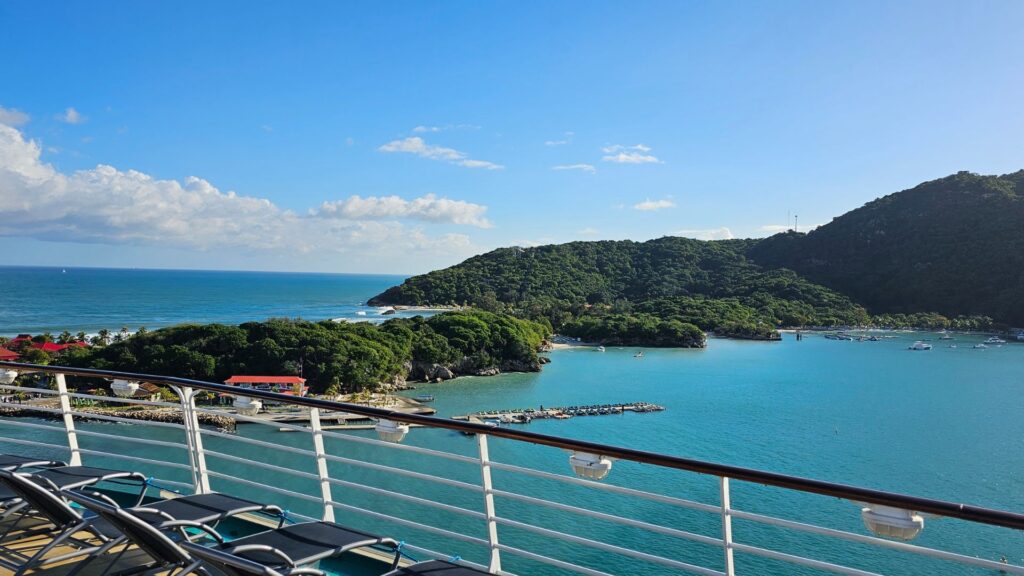
These scenarios can leave you docked while your original shore day sails away—and you may find your prepaid private tours, shuttle transfers, or planned activities rendered useless.
For example, some insurance markets now advertise “Missed Port of Call” coverage: reimbursement of up to US $500 per person in cases of weather-related cancellations of port visits. (Cruise Fever)
In forums, travellers report they had to pay an extra fee just to add “missed port” as a rider. (Cruise Critic Community)
Understanding the real loss
- Losing a port day often means lost shore-excursion costs, non-refundable private tours, or missed experiences.
- A diverted itinerary may not trigger a full trip cancellation claim—only a change of route.
- Weather-driven port skips are more likely to be covered than elective changes.
Key takeaways
Key Reasons Ports Are Missed During Your Cruise
- Storms, mechanical issues, port congestion or authorities’ orders can trigger port skips.
- Cruise lines rarely offer full refunds for itinerary changes unless severely altered.
- You may lose non-refundable costs even if the ship sails.
Why Missed Ports Can Cost You More Than You Think
- Prepaid shore excursions and tours often aren’t refunded by the cruise line.
- Itinerary changes affect your experience though they may not qualify as “cancellations.”
- Insurance may fill the gap—but only if your policy addresses missed-port events.
Discover How Cruise Insurance Handles Missed Ports and Itinerary Changes
When asking “does cruise insurance cover missed ports,” the reply is: it depends on the policy wording, timing, and reason. Let’s examine how coverage works.
What standard travel insurance typically covers
Many policies cover trip cancellation, trip interruption, medical emergencies and travel delays.
For cruises, they may include coverage for missed embarkation or missed connection if you cannot board the ship due to a covered reason such as weather or delay. (Cruise Critic)

Sail Away to Paradise Without Overpaying
Find cruise deals that make it easy to escape, relax, and enjoy the ocean without stretching your budget
What “missed port of call” means in coverage terms
Missed port benefits may appear as a specific add-on or rider.
It usually triggers when the ship doesn’t visit an advertised port and the policy includes “missed port” language.
For instance, some coverage offers a fixed reimbursement per person if you miss the port due to natural disaster, mechanical breakdown, or similar root cause. (Cruise Fever)
Key conditions and exclusions
- The benefit often requires the missed port to be due to a covered reason. Fear of bad weather alone may not trigger coverage. (Condé Nast Traveler)
- Some missed-port provisions are optional and must be selected and paid for as a rider. (Cruise Critic Community)
- The amount reimbursed may be fixed per person and smaller than the cost of the travel investment. (Cruise Critic Community)
- Itinerary changes are treated differently than cancellations; if your port is replaced by another, insurers may not pay. (Royal Caribbean Blog)
Case of truly missed port vs. modified itinerary
If the ship simply takes you to Port A instead of Port B, you still cruised—but your advertised “day in Port B” is gone.
Some policies treat that as a missed port; others treat it as an itinerary alteration, which may not be covered.
Verify These Coverage Triggers Before You Sail
- The policy explicitly includes “missed port of call”.
- The missed port occurred for a covered reason (weather, mechanical, evacuation).
- You have proof the port was skipped and not replaced with an equivalent visit.
- The corresponding non-refundable costs (excursions, tours) are eligible for reimbursement.
Watch Out for These Common Missed-Port Coverage Exclusions
- Port skip due to cruise line operational decisions alone may not qualify.
- Covers may exclude weather warnings unless the destination is declared uninhabitable.
- Reimbursement amounts may be nominal or limited to a small fixed sum.
Compare Top Insurance Providers for Missed-Port Coverage
You asked for recommended companies — here are five notable providers, how they handle missed-port coverage and what features to watch.
VisitorsCoverage
VisitorsCoverage’s cruise insurance plans list missed ports explicitly among covered benefits. (VisitorsCoverage)
Their platform allows you to filter for plans with “Missed Ports” support, and they highlight that many cruise-line “add-on” covers don’t include these broader protections.
Why you might choose them:
- Transparent about missed-port benefit.
- Ability to compare multiple underwriters and rider options.
- Good option if you’re booking add-on shore tours and want extended coverage.
Top Cruise Deals From Trusted Cruise Lines
Compare exclusive online offers and find the fare that fits your trip and your budget
EKTA
EKTA, an international insurer, emphasizes “itinerary change” and natural-disaster protections in their plans.
While not always labelled “missed port,” their policies cover situations when your cruise skips a port due to a covered event.
Key features:
- Good for global cruises; digital claims service even while abroad.
- Looks beyond just cancellation—prioritizes interruption and missed-port scenarios.
Insubuy
Insubuy acts as a brokerage assisting travellers in match‐making a policy that covers their specific scenario—including missed ports.
While many insurers focus on cancellation or interruption, Insubuy helps locate those with the missed-port add-on.
Best for:
- Complex itineraries, add-on shore trips and flights to the port.
- Personalized advice on policy riders like “missed port” and “missed connection.”
World Nomads
World Nomads is known for adventure-travel friendly coverage and flexibility.
Their policies include “trip interruption” and “itinerary change” benefits that indirectly protect against missed ports, especially when a port is skipped or a transport delay causes you to miss a shore day.
Why travellers like them:
- Good for travellers already abroad or booking last-minute.
- Responsive digital support, which matters if you’re on board.
Compensair
While not strictly a travel-insurance provider, Compensair specializes in flight-delay and cancellation compensation.
It pairs well with a main travel-insurance policy when a missed port or missed embarkation is caused by flight disruption.
- Helps recover airfare losses under EU/UK regulations.
- Complements the $per-person port-skip benefits of the others.
Choose the Best Cruise Insurance Policy for Missed-Port Protection
Selecting the right insurance isn’t just about buying “some coverage.”
It’s about aligning your policy with the specific risks of missed ports and itinerary disruptions.

Luxury Cruise Experiences at Smarter Prices
See premium sailings and upgraded cabins priced for travelers who know how to book well
1. Quantify your exposure
Calculate non-refundable costs: your cruise fare, flights to port, pre-/post-stay hotels, shore excursions, transfers.
The higher your investment, the stronger your coverage should be.
2. Confirm missed-port coverage is included (or add it)
Check policy wording. If “missed port of call” is not clearly included, ask for it or select another plan.
Posts in forums show that many cruisers assumed they were covered but found the benefit was optional. (Cruise Critic Community)
3. Check covered reasons and exclusions
Coverage is most likely if the port skip is due to: adverse weather, mechanical breakdown, evacuation, or common-carrier delay.
If the cruise line simply changes schedule for operational reasons, coverage may not apply.
4. Purchased early and before alerts
Not just for cancellations—many insurers require you to buy your policy before a storm is named or widespread warning issued.
Timing matters for missed-port and missed-connection benefits.
5. Select appropriate reimbursement levels
If a missed port leads to a $1,000 excursion loss, make sure the benefit per person covers enough.
Some policies cap payouts at modest sums ($100–$500).
6. Layer your protection
Missed ports are just one subset of risk. Combine:
- The main policy for cancellation/interruption.
- Missed-port rider.
- Missed-connection or flight delay coverage.
- Flight compensation service (like Compensair) for air travel risks to the port.
Storm Season Risks: How Missed Ports Affect Your Cruise Plans
When hurricane season or storm forecasts loom, the risk of missed ports increases—whether the ship reroutes, ports evacuate, or the ship avoids that destination entirely.
Understanding how storms affect itinerary
- A port may be skipped if authorities close it due to storm impact or threat.
- The cruise line may decide a port is unsafe and reroute.
- High seas may prevent tender operations, which means you can’t disembark—effectively a missed port.
What your policy needs
- Clear definition of “covered reason” including weather/natural disaster.
- Missed-port benefit triggered by covered reason (not voluntary cancellation).
- Delays or cancellations of flights to the port may also trigger claims if you miss the ship or port day due to weather. (Cruise Critic)
Action steps for storm-season cruisers
- Monitor weather forecasts. If a tropical system forms, document communications from your cruise line or port authorities.
- If a port is officially removed, keep proof (crew announcement, itinerary update).
- File claims promptly. Delays in filing may jeopardize your eligibility.
Essential Tips to Prepare for Missed Ports During Storm Season
- Ensure your insurance was purchased before major weather advisories were issued.
- Confirm coverage for missed ports and missed embarkation due to weather.
- Keep all receipts and communications related to itinerary changes.
Set Realistic Expectations for Missed-Port Insurance Claims
Even with coverage, you must understand what the policy realistically will do for you.
Common limitations
- Some insurers only pay a fixed amount per person, not full lost cost. (Cruise Critic Community)
- If the cruise line replaces the skipped port with another port or adds a sea day, insurers may deny a missed-port claim. (Royal Caribbean Blog)
- The benefit may exclude “voluntary” changes—choosing not to go to port due to forecast alone may not qualify.
Setting realistic expectations
- Your coverage won’t turn a port skip into a full refund of your cruise fare unless very specific criteria are met.
- The benefit is often more modest—a reimbursement for a specific non-refundable cost (excursions, tour bookings) rather than full trip value.
- The best value is in getting your investment back, not replacing every moment.
Follow These Practical Steps to File Your Missed-Port Claim Successfully
You’ve experienced a port skip and feel entitled to a claim—here’s how to proceed:
- Document everything: Shore-excursion receipts, cruise line announcement, berth arrival time, tender cancellation proof.
- Contact your insurer immediately: Many require notice within a specific timeframe.
- Gather all supporting materials: Prepaid tours, flights, hotel stays impacted by the missed port.
- Follow the insurer’s claim process: Platforms like VisitorsCoverage and EKTA allow digital uploads; others like Insubuy provide agent support.
- Be prepared to accept a fixed benefit: Know the per-person amount and factor it into your expectation.
- Know the interplay with cruise-line credits: If the cruise line issues a future cruise credit only, your insurance may still compensate stated non-refundable losses.
Best Practices for Filing a Missed-Port Insurance Claim
- File within the time limit stated in your policy.
- Keep copies of all communications from your cruise line about the missed port.
- If your flight delay caused you to miss that port, include missed-connection documentation.
Gain Peace of Mind with Smart Missed-Port Coverage Choices
Missed ports are an under-recognized risk in the world of cruising—especially during storm-prone sailing windows.
But when you select the right policy and set realistic expectations, you turn uncertainty into strategy.
Rather than wondering “what if,” you act with intention: you verify coverage, you document, you prepare, and you relax knowing your financial investment is backed.
- Choose a provider focused on cruise-specific risks (VisitorsCoverage, EKTA, Insubuy, World Nomads, Compensair).
- Make sure “missed port” appears in your policy or as an add-on.
- Understand that coverage is about reimbursement, not guarantee of every day ashore.
- Buy early, monitor weather, and keep your documentation organized.
When you cruise with this mindset, you’re not just booking a trip—you’re booking resilience.
And that can make all the difference when the seas change.
FAQ – What Does Cruise Insurance Really Cover When Your Ship Skips a Port?
Why Can a Skipped Cruise Port Create a Financial Loss?
A missed port can leave you paying for private excursions, transfers, tours, or other prepaid activities you can no longer use.
The cruise line may change the itinerary without treating the voyage itself as canceled, which means the cruise fare usually remains outside the refund discussion.
Independent shore arrangements can create the greatest exposure because their cancellation terms are separate from the cruise line’s policies.
Before sailing, calculate how much money is tied to each port so you know whether a missed-port insurance benefit is large enough to protect the risk.Does Standard Cruise Insurance Automatically Cover a Missed Port?
No, standard travel insurance does not automatically include a specific missed-port benefit.
Many policies concentrate on trip cancellation, interruption, medical emergencies, delays, missed connections, and missed embarkation, while a skipped port may require separate wording or an optional rider.
Look for language such as “missed port of call” rather than assuming general cruise coverage includes it.
If that protection is absent, compare another policy or ask whether an appropriate add-on is available.What Usually Has to Happen for Missed-Port Coverage to Pay?
The port generally needs to be missed for a covered reason specifically recognized by the policy.
Adverse weather, mechanical problems, evacuations, or certain transportation disruptions may qualify when they match the policy definitions.
You will also need evidence showing that the port was removed and that you suffered an eligible financial loss.
Fear that bad weather might affect the itinerary usually is not enough by itself to trigger a standard missed-port benefit.Does Insurance Pay If the Cruise Line Replaces the Missed Port with Another Destination?
It depends on how the policy defines a missed port versus an itinerary change.
Some coverage may recognize the loss of the advertised destination, while other policies can treat a replacement port as fulfillment of the itinerary-change provisions and provide no missed-port payment.
This distinction becomes especially important on hurricane-season sailings, where rerouting is more common than outright cancellation.
Read the benefit trigger carefully before assuming that losing Port A automatically creates a claim when the ship takes you to Port B instead.How Much Can a Missed-Port Insurance Benefit Reimburse?
Missed-port benefits are often limited rather than designed to reimburse the entire value of the cruise.
Some policies pay a fixed amount per traveler, while others focus on eligible nonrefundable expenses connected to the lost port visit.
A modest benefit can be useful for a small excursion but inadequate if you have expensive private tours or transfers booked ashore.
Compare the payout limit with your actual financial exposure instead of choosing a policy simply because it lists missed ports as a benefit.How Do VisitorsCoverage, EKTA, And Insubuy Help with Missed-Port Protection?
VisitorsCoverage can help travelers compare plans that specifically include cruise-oriented benefits such as missed ports, making it easier to see differences between underwriters and optional protections.
EKTA emphasizes itinerary disruption and natural-disaster protection within its international travel coverage, which can be useful when weather changes a cruise route.
Insubuy works as a brokerage and can help travelers identify policies or riders suited to complex trips involving cruises, flights, hotels, and shore excursions.
Whichever option you consider, verify the actual policy wording because the company or marketplace name alone does not determine whether your particular missed-port loss will qualify.Where Do World Nomads and Compensair Fit into Missed-Port Protection?
World Nomads can provide trip-interruption and itinerary-related protection that may help when a covered disruption affects a cruise or shore plans, particularly for travelers with broader international itineraries.
Compensair serves a different purpose because it focuses on qualifying airline compensation claims rather than replacing comprehensive travel insurance.
That distinction matters when a flight problem causes you to miss embarkation or disrupts the beginning of the cruise.
Travelers with both air and cruise exposure may benefit from separate protections that address each part of the journey instead of expecting one service to cover everything.When Should You Buy Insurance for A Hurricane-Season Cruise?
Buy coverage early enough that a developing storm has not already become a known event under the policy’s rules.
Many insurers restrict storm-related benefits when the policy is purchased after a hurricane is named or a significant warning has already been issued.
Early purchase also gives you time to confirm missed-port, missed-connection, delay, and interruption benefits before the sailing approaches.
Waiting until a storm appears on the forecast can leave you discovering the coverage gap at exactly the moment you want protection most.What Documents Should You Keep When a Cruise Skips a Port?
Save the cruise line’s itinerary update, captain or crew communications, excursion receipts, private tour confirmations, transportation records, and evidence of any nonrefundable expenses.
Your insurer needs documentation connecting the covered event to the financial loss you are claiming.
If a flight delay or missed connection contributed to the problem, keep airline notices and related records as well.
Filing promptly with organized documentation can reduce delays and prevent you from trying to reconstruct the disruption weeks later.How Can You Choose Better Insurance If Missed Ports Are a Major Concern?
Start by calculating the money you could lose outside the cruise fare, including private excursions, transfers, hotels, and transportation connected to individual ports.
Confirm that missed-port coverage appears explicitly in the policy, identify the covered reasons, and compare reimbursement limits with those potential losses.
Then examine related protections for missed connections, delays, and interruptions so one disruption does not expose another part of the trip.
The goal is not to insure against disappointment; it is to make sure a changed itinerary does not leave you paying for experiences you never received.
Plan Your Next Cruise!

Sail Into Italian Elegance: Costa Cruises for Culture, Cuisine, and Unforgettable Voyages
One Delay Can Cost Your Entire Cruise A quick coverage check now protects you from the problems no one sees coming….

Unlock The Viking Ocean Experience: Elegant Ships, Cultural Immersion, And Unrushed Travel
One Delay Can Cost Your Entire Cruise A quick coverage check now protects you from the problems no one sees coming….

Unlock Seabourn’s World: Yacht‑Like Luxury, Exclusive Destinations, And Unmatched Comfort
One Delay Can Cost Your Entire Cruise A quick coverage check now protects you from the problems no one sees coming….
Experience the Ultimate Vacation with Carnival Cruise Line’s Fun Ships, World‑Class Entertainment, and Relaxation
One Delay Can Cost Your Entire Cruise A quick coverage check now protects you from the problems no one sees coming….
Explore More
Sail Into Adventure: Why Repositioning Cruises Offer Unmatched Value And Unique Routes
Turn Repeat Cruising into Free Upgrades, Priority Boarding, and Exclusive Events

Plan Your Reading Voyage: Discover Bookstores, Libraries, and Literary Perks at Sea