One Delay Can Cost Your Entire Cruise
A quick coverage check now protects you from the problems no one sees coming.
Short Excerpt
- Rough seas can feel alarming, but most ship movement comes from distant swells rather than direct exposure to a hurricane.
- Modern cruise ships use stabilizers, weather tracking, and constant course adjustments to keep passengers safe and comfortable.
- Understanding what the crew and ship are doing behind the scenes can make rough water feel far less intimidating.
Quick Take
- Cruise ships avoid hurricanes by changing speed, course, or itinerary well before dangerous conditions arrive.
- Midship areas on lower decks usually feel the least movement when seas become rough.
- Stabilizers and ballast systems help reduce rolling and keep the ship more stable.
- Outdoor areas may close temporarily while dining, entertainment, and other activities move indoors.
- Rough seas can be uncomfortable, but noticeable motion does not automatically mean the ship is in danger.
Why Rough Seas During Hurricane Season Are Usually Safer Than They Feel
Cruising during hurricane season can feel uncertain—but safety and comfort are never left to chance.
Modern ships use advanced stabilizers, expert crews, and real-time weather tracking to keep passengers secure.
But there’s a moment every new cruiser experiences — when the ship begins to sway ever so slightly, drinks ripple in glasses, and you wonder, Is this normal?
For many first-time travelers, that subtle motion can feel unsettling, especially if you’ve read about hurricane season or seen news footage of churning waves in the Caribbean.
Here’s the truth: what feels dramatic from shore is far less so at sea.
Modern cruise ships are built like floating fortresses, engineered to handle rough seas with grace.
Captains, meteorologists, and safety officers work around the clock to ensure you never sail anywhere near a storm’s danger zone.
The movement you feel is almost always the result of distant systems — swells stirred hundreds of miles away — not direct impact.
Understanding what happens onboard when the weather gets restless is the surest way to replace anxiety with trust.
Once you know the process, from stabilizer systems to passenger comfort protocols, you begin to realize that rough seas are part of the ocean’s rhythm — not a reason to panic.
How Cruise Ships Navigate Rough Seas and Keep You Safe During Hurricanes
When a hurricane forms, the first thing to know is that cruise lines never sail into one.
Every ship has advanced weather-tracking systems connected to maritime networks and the National Hurricane Center.
This technology gives captains days of notice to alter routes.
That’s why, during storm season, your itinerary might change.
Ports get swapped, schedules shift — not because you’re in danger, but because the ship’s operators are proactively steering clear of heavy conditions.
Stability Through Technology: How Ships Stay Steady in Storm Season
Cruise ships today use underwater stabilizers — massive fins extending from both sides of the hull.
These fins act like airplane wings, countering the ship’s motion when waves roll beneath.
As the ship moves, sensors adjust the angle of these fins hundreds of times per second to keep the deck level.
Unlock Your Dream Cruise with Exclusive Online Deals!
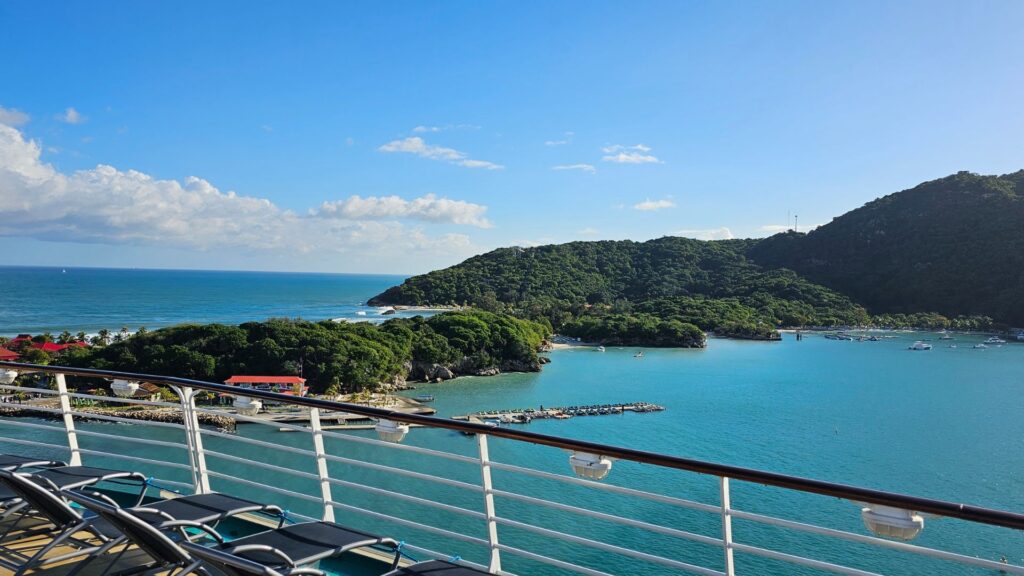
Even when swells reach ten or fifteen feet, stabilizers dramatically reduce movement.
The most you’ll usually feel is a gentle rise and fall, like breathing with the ocean itself.
Communication That Calms: How Captains Reassure During Rough Seas
When seas roughen, you’ll hear calm, transparent updates from the captain.
These announcements are designed to keep everyone informed, not alarmed.
You might hear, “We’re experiencing some swells from a system several hundred miles away.
Nothing to worry about — we’re adjusting speed and heading to maintain comfort.”
It’s not just formality. It’s reassurance backed by science and experience.
What Passengers See Onboard When Seas Get Rough
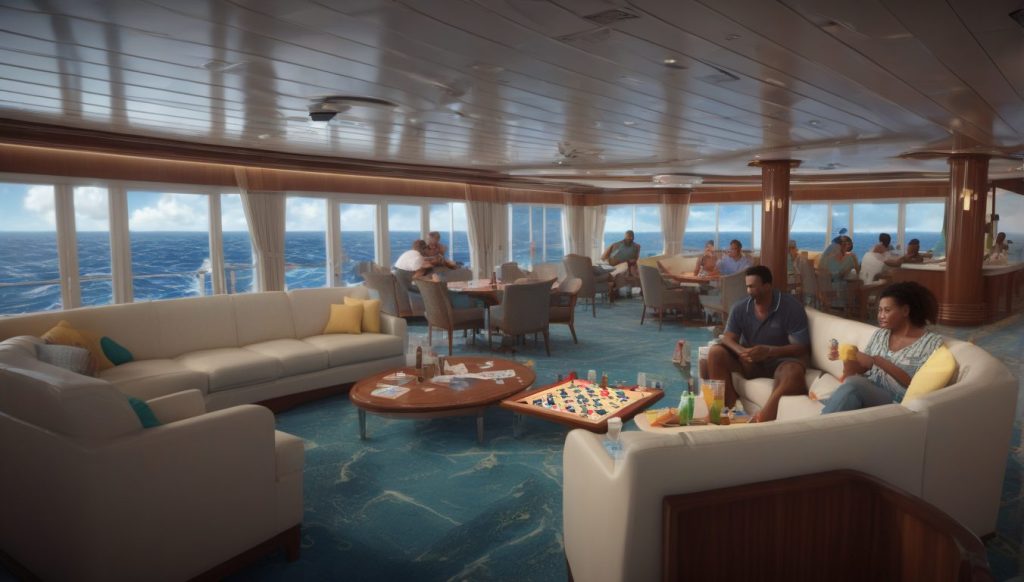
A day of rougher seas can change the ship’s rhythm — not drastically, but enough that you’ll notice small adjustments.
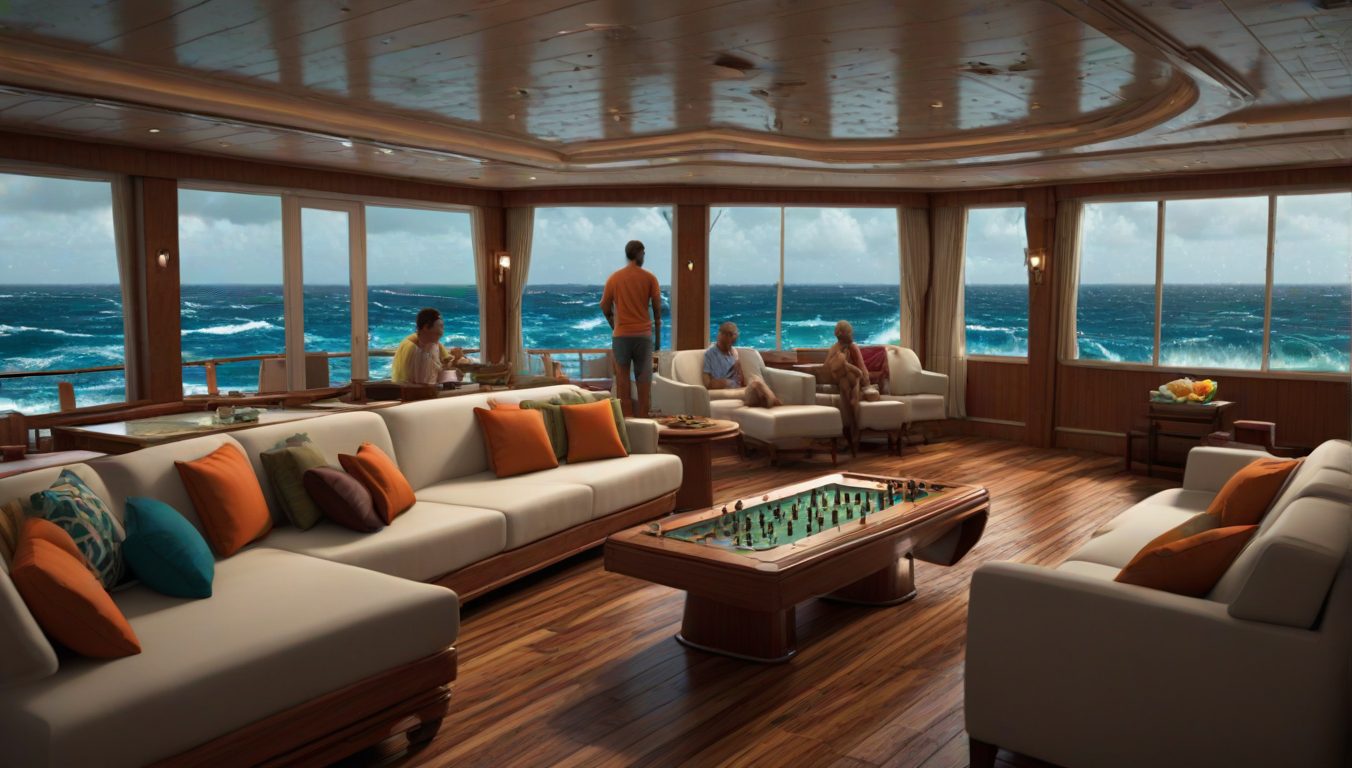
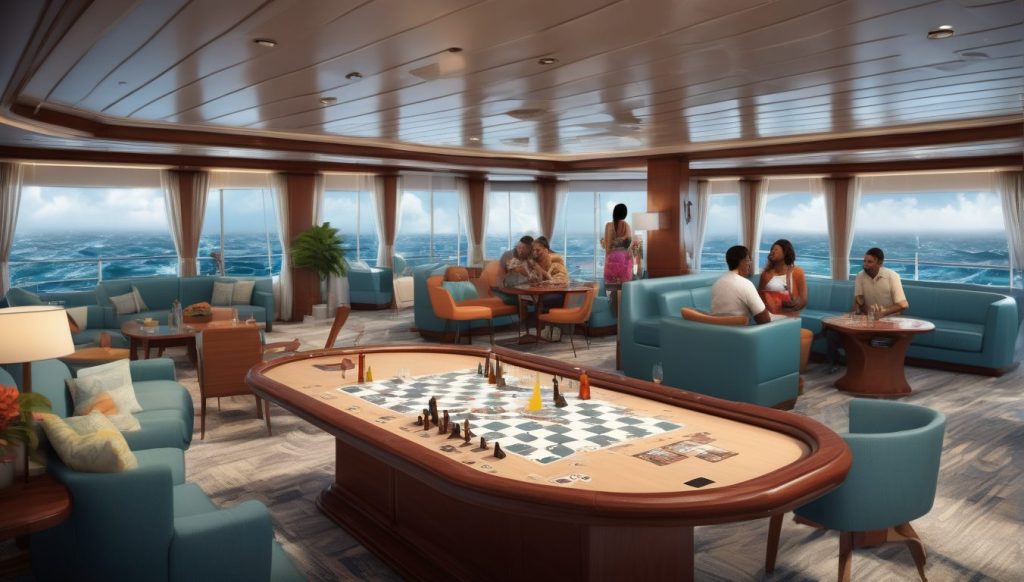
The pool deck might temporarily close, outdoor dining may move indoors, and crew members will be more visible, offering help and extra guidance.
Inside, everything continues normally.
Entertainment schedules often shift slightly to accommodate motion — stage shows might move to different venues, and outdoor movie nights could be rescheduled.
You’ll see crew quietly securing loose objects, but the tone remains calm and practiced.
The Ship’s Subtle Ballet: How Stabilizers Keep Motion Minimal
If you’re sensitive to motion, you’ll feel the ship’s roll most in the bow (front) and stern (rear) areas.
That’s why midship cabins on lower decks are often the most stable.
When a swell lifts one end, stabilizers and ballast systems automatically balance it.
Watching this in action — seeing crew move gracefully through gentle sways — is oddly comforting.
It’s a reminder that the ocean may have moods, but your ship knows the dance.

Grab Your Ticket to Paradise with These Deals!
Crew Calm Is Contagious: Why Confidence Spreads During Storms
Every person onboard has trained for these moments.
Crew members don’t just memorize procedures; they rehearse them weekly.
Their calm becomes your cue.
The more you observe their routine — the way they smile, assist guests, and continue duties seamlessly — the more your mind mirrors their steadiness.
Tips for Staying Comfortable During Rough Seas and Hurricanes
There’s a difference between being safe and feeling comfortable.
Ships guarantee the first automatically, but you can influence the second.
Choose Spaces Wisely: Where to Feel Most Stable Onboard
If the ship begins to sway, the midship lower decks experience the least movement. That’s physics — being closer to the vessel’s center of gravity minimizes the arc of motion. Many seasoned cruisers migrate to interior lounges or midship dining rooms during choppier moments.
Adjust Your Focus: Simple Tricks to Ease Motion Discomfort
Looking out to the horizon helps your inner ear recalibrate.
It tells your brain that what you’re feeling matches what you’re seeing.
Reading in bed or scrolling your phone can sometimes make motion feel stronger, so switch to light conversation, a film, or even gentle walking to keep your balance in sync.
Eat Light and Stay Hydrated: Smart Choices for Rough Seas
Heavy meals can amplify queasiness, so lean toward lighter fare when seas rise.
Cruise lines stock ginger ale, crackers, and green apples specifically for motion-sensitive guests.
Crew at guest services can also provide medication or sea-bands on request.
The Calm Corner Routine: How to Relax During Ocean Swells
Find a quiet lounge near the ship’s center, settle into a wide-based chair, and take slow breaths as you watch the water pass by.
This simple grounding exercise — feeling the rhythm instead of resisting it — often transforms discomfort into fascination.
Behind the Scenes: How Crew Coordinates During Rough Seas
Passengers rarely see the scale of coordination that happens once waves increase.
Dozens of departments synchronize instantly — from navigation to housekeeping to entertainment.
The Bridge Team’s Role: How Captains Keep Ships Safe in Storm Season
At the ship’s command center, officers monitor radar, barometric pressure, and wave direction 24/7.
When a hurricane system approaches within several hundred miles, routing specialists ashore send constant updates.
The captain uses this data to alter speed and heading so the ship meets waves at the safest angle.
Even during mild motion, crew can change ballast — shifting thousands of gallons of water between internal tanks to keep balance perfect.
Click for Exclusive Offers on Top Cruise Lines!
Hospitality Adjustments: How Comfort Is Maintained During Rough Seas
While the bridge manages navigation, the hotel department focuses on comfort.
Housekeeping secures carts, restaurants replace glassware with heavier bases, and chefs adapt menus for stability — soups and broths over elaborate towers of plated artistry.
Children’s clubs and indoor activities expand their programming, ensuring families stay occupied and calm even if outdoor decks close temporarily.
The Entertainment Pivot: How Activities Adapt During Storms
If waves make theatrical shows challenging, the cruise director pivots effortlessly.
Expect trivia nights, smaller acoustic sets, or movie screenings in interior venues.
You might not even notice the change — it’s that seamless.
Why Rough Seas Don’t Mean Danger: The Science of Cruise Safety
It’s natural to associate waves with risk. But here’s the distinction: discomfort is not danger.
The ocean constantly moves, even under clear skies.
Most “rough sea” experiences are caused by swells, not storm waves.
Swells are long, rolling motions formed by distant winds.
By the time they reach your ship, they’ve smoothed into predictable patterns.
Captains adjust throttle and direction so the ship rides over them like a slow-motion roller coaster.
The Science of Safety: How Ships Avoid Hurricane Risks
Cruise ships are built to withstand far worse than they’ll ever encounter in passenger service.
Their steel hulls are tested against waves exceeding anything seen in storm-season travel.
Moreover, satellite navigation ensures they remain hundreds of miles from a hurricane’s core — far enough that the ship may simply pass through peripheral swells.
It’s why you’ll often hear passengers say afterward, “I can’t believe how calm it actually felt.”
Helping Kids and Adults Feel Secure During Rough Seas
Families, especially those cruising during hurricane season, often worry about how children will react.
The good news is: kids take emotional cues from adults. When parents stay calm and make safety look routine, children follow that tone.
Framing Rough Seas for Kids: Turning Fear Into Curiosity
Tell them the ship is like a giant floating playground — sometimes the ocean gives it a gentle rock, like a cradle.
When the captain adjusts course, it’s the same as a pilot flying around clouds.
Keeping metaphors simple transforms fear into curiosity.
Youth clubs onboard use this approach beautifully.
Staff create activities that explain weather and sailing in fun ways — encouraging young cruisers to see the ship as a living, moving adventure, not something to fear.

Experience Luxury Cruises at Unbeatable Prices Today!
Self-Calming as an Adult: Practical Tips for Anxiety at Sea
For adults prone to anxiety, practicing small grounding techniques works wonders.
Deep breathing, hydration, and reminding yourself that the ship’s crew has navigated these waters thousands of times build confidence quickly.
If you struggle to shake the nerves, take a quiet moment on your balcony or by a window.
Watch the waves.
Notice their rhythm.
You’ll see that the movement is steady, not chaotic — a natural pattern rather than a threat.
When Hurricanes Change Your Cruise Itinerary: What to Expect
If a hurricane forms in the region, cruise lines act preemptively.
That’s why you might see an itinerary change — Cozumel swapped for Nassau, or a sea day added unexpectedly.
It’s not cancellation; it’s caution. By rerouting early, the captain ensures you experience smooth sailing long before the storm affects nearby waters.
The Calm Behind the Change: Why Itinerary Shifts Mean Safety
While passengers see an itinerary shift, behind the scenes there’s a cascade of coordination: port authorities, meteorologists, and cruise operations teams aligning to keep everyone safe.
Most travelers later say that what they feared would ruin the trip actually enhanced it — discovering new ports or enjoying unexpected sea days that became favorite memories.
Insurance and Peace of Mind: Why Coverage Matters During Storm Season
For travelers who want total reassurance, having a solid travel insurance plan during hurricane season adds another layer of calm.
Companies like VisitorsCoverage, EKTA, Insubuy, and World Nomads offer cruise-specific coverage that includes weather-related interruptions, rerouting, and emergency medical protection.
Even if plans change, your investment — and your peace of mind — stay protected.
Knowing you’re covered makes it easier to relax into the ship’s rhythm, knowing the “what ifs” are already accounted for.
Why Crew Calm Is Your Best Compass During Rough Seas
Perhaps the most comforting part of sailing through rougher weather is observing the professionals around you.
The waitstaff still serve with smiles.
The captain’s voice remains steady.
The ship’s gentle hum continues underfoot.
Every movement of reassurance is intentional — part of an operational culture built on decades of experience.
When you see calmness, it isn’t denial.
It’s confidence earned from countless successful voyages through every type of sea.
Their calm is your compass.
What Passengers Say After Experiencing Rough Seas and Hurricanes
Ask travelers who once feared rough seas, and you’ll hear a consistent theme: it wasn’t nearly as bad as they imagined.
Many even describe the experience as oddly soothing — like being rocked to sleep.
One passenger recalled, “I thought I’d panic when the ship started moving.
But everyone around me was so relaxed, I actually started enjoying it.
The next morning, the sea was glass again, and I felt silly for worrying.”
That’s how cruise life works.
Weather passes.
Confidence grows.
And each time you sail, you’ll handle motion with a little more grace.
The Ocean’s Reminder: Why Motion Is Normal and Safe
At the heart of it all lies perspective.
The sea moves — always has, always will.
But motion doesn’t mean danger; it means life.
When you feel the ship sway, remind yourself: this vessel is built to move with the ocean, not fight it.
Everything about the design, from stabilizers to safety protocols, exists to turn potential unease into comfort.
You don’t need to resist the motion — you just need to trust it.
A Seasoned Traveler’s Calm: Lessons from Sailing Through Storm Season
Once you’ve sailed through your first patch of rough water, something changes.
You stop checking forecasts obsessively. You start focusing on sunsets again.
You realize that safety isn’t about luck — it’s about design, leadership, and preparation.
So if you’re setting out during hurricane season, remember: your cruise line already planned for this.
Your captain already knows the weather a thousand miles ahead.
Your ship is built to ride through what nature offers, gracefully and safely.
Relax into that knowledge. It’s what turns uncertainty into awe.
FAQ – Is It Really Safe To Cruise Through Rough Seas During Hurricane Season?
What Causes a Cruise Ship to Sway and Does That Motion Mean I’m In Danger?
Most of the motion you feel comes from long-period swells created by distant weather systems, not from a storm sitting on top of the ship.
These swells roll through the ocean in smooth, predictable patterns, lifting and lowering the vessel like a slow rhythm rather than a violent shake.
Captains adjust speed and heading so the ship meets these swells at the safest angle, which means the sensation can be uncomfortable at times but is rarely a sign of actual danger.How Do Stabilizers and Ballast Systems Keep the Ship Steady When Seas Get Rough?
Underwater stabilizers—large fins extending from the hull—constantly change angle to counteract roll as waves pass beneath the ship.
At the same time, ballast systems can shift thousands of gallons of water between internal tanks to rebalance the vessel and keep it riding level.
Together, these systems turn what could be sharp, jarring motion into a gentler rise and fall, so public spaces and cabins feel far calmer than the raw sea conditions might suggest.How Do Captains and Meteorologists Use Hurricane Tracking to Protect My Cruise Itinerary?
Bridge officers and shore-based routing teams monitor radar, satellite feeds, barometric pressure, and data from the National Hurricane Center around the clock.
When a hurricane forms anywhere near the region, they reroute early—swapping ports like Nassau for Cozumel or adding a sea day—to keep the ship hundreds of miles from the storm’s core.
For you, that means itinerary changes are usually a sign that the system is working as intended: the ship is moving away from risk long before conditions become truly severe.What Changes Will I Notice Onboard During a Day of Rougher Seas?
You’ll likely see outdoor pools and some open decks temporarily closed, with more activities moved indoors.
Crew secure loose items, adjust dining setups with heavier glassware, and pivot entertainment toward trivia, acoustic sets, or movie screenings in interior venues.
Daily life continues—restaurants serve, lounges stay open, kids’ clubs expand programming—but the rhythm shifts slightly to prioritize stability and comfort while the ship rides out the swells.Where On the Ship Will I Feel the Least Motion, And How Should I Choose a Cabin?
Midship cabins on lower decks sit closest to the vessel’s center of gravity, so they experience the smallest arc of movement when the ship rolls.
Bow and stern areas feel more motion, which can amplify discomfort if you’re sensitive to movement.
Choosing a midship, lower-deck cabin and spending time in interior lounges near the center of the ship during choppier periods gives you a noticeably steadier experience.What Practical Steps Can I Take to Stay Comfortable When the Ship Starts to Rock?
Looking out at the horizon helps your inner ear sync what you feel with what you see, easing motion confusion.
Eating lighter meals, staying hydrated, and using ginger ale, crackers, green apples, or sea-bands—often available from guest services—can reduce queasiness.
Shifting from phone scrolling or intense reading to light conversation, films, or gentle walking keeps your balance engaged, turning a potentially miserable evening into one you can manage with far less discomfort.How Can I Help My Children Feel Secure When We Hit Rough Seas During Hurricane Season?
Children take emotional cues from adults, so your calm tone matters more than any technical explanation.
Simple metaphors—like describing the ship as a giant playground that sometimes rocks like a cradle—make the motion feel normal rather than threatening.
Youth clubs onboard reinforce this by turning weather and sailing into games and stories, so pairing your steady presence with those programs helps kids see the experience as part of the adventure instead of something to fear.What Can I Do as an Anxious Adult to Stay Grounded When the Waves Pick Up?
Deliberately practicing small grounding rituals—slow breathing, sipping water, and focusing on the steady rhythm of the waves—can shift your mind from “something is wrong” to “this is how the ocean moves.”
Spending a few quiet minutes on a balcony or by a window, watching how the swells follow a pattern rather than chaos, reinforces that the motion is controlled and expected.
Noticing how crew continue their routines calmly gives you a living example that the situation is managed, which your nervous system can gradually mirror.How Does Travel Insurance from VisitorsCoverage, EKTA, Insubuy, Or World Nomads Fit into Hurricane-Season Planning?
Travel insurance from providers like VisitorsCoverage, EKTA, Insubuy, and World Nomads adds financial protection to the physical safety systems already in place on the ship.
These policies can cover weather-related interruptions, rerouted itineraries, missed flights, and emergency medical care if a storm affects your broader travel plans.
Knowing that your investment is protected if ports change or schedules shift makes it easier to accept itinerary adjustments as smart safety decisions rather than personal losses.What Do Passengers Usually Say After Experiencing Rough Seas or a Hurricane-Season Reroute?
Many travelers report that the motion felt less dramatic than they imagined and that the crew’s calm behavior made a bigger difference than the waves themselves.
Itinerary changes—like swapping one Caribbean port for another or adding a sea day—often become unexpected highlights once people realize the ship stayed well clear of the storm’s worst areas.
Afterward, passengers tend to worry less about forecasts and focus more on sunsets and sea views, having seen firsthand how design, planning, and training keep the experience safe even when the ocean shows its mood.
Plan Your Next Cruise!
Sail Smart: Discover The Real Cost of Luxury Cruises and Maximize Your Travel Value
One Delay Can Cost Your Entire Cruise A quick coverage check now protects you from the problems no one sees coming….

Unlock The Viking Ocean Experience: Elegant Ships, Cultural Immersion, And Unrushed Travel
One Delay Can Cost Your Entire Cruise A quick coverage check now protects you from the problems no one sees coming….

Sail Into Sophistication: Holland America Cruises for Luxury, Culture, and Unforgettable Journeys
One Delay Can Cost Your Entire Cruise A quick coverage check now protects you from the problems no one sees coming….
Sail the World in Style: MSC Cruises’ Innovative Ships, Luxury Amenities, and Global Adventures
One Delay Can Cost Your Entire Cruise A quick coverage check now protects you from the problems no one sees coming….
Explore More
Cruise Curfews for Minors — What Families Need to Know Before Sailing

Sail Into Freestyle Freedom: Norwegian Cruise Line for Adventure Thrills, Gourmet Dining, and Destination‑Rich Voyages
Get Approved to Cruise with Your Pet: Kennels, Paperwork, and Service Animal Policies Explained