

One Delay Can Cost Your Entire Cruise
A quick coverage check now protects you from the problems no one sees coming.
Short Excerpt
- Trip interruption insurance protects the part of your vacation that can still go wrong after you have already left home.
- During hurricane season, covered evacuations, closed destinations, transportation disruptions, or an early return can create expenses that ordinary cancellation coverage may not address.
- Buying coverage early and understanding its weather triggers can determine whether those unexpected costs become reimbursable losses.
Quick Take
- Trip cancellation protects you before departure, while trip interruption coverage applies after the journey has already started.
- Covered benefits may reimburse unused prepaid costs, additional transportation, lodging, meals, and other qualifying expenses caused by a storm.
- A changed cruise port does not automatically qualify as an interruption if the insurer considers the replacement itinerary equivalent service.
- Purchase coverage before a hurricane becomes a known event and verify language for weather, natural disasters, evacuations, and uninhabitable destinations.
- Keep receipts, closure notices, itinerary changes, and transportation records because documentation can determine whether a claim succeeds.
Why Trip Interruption Insurance Matters Once Hurricane Season Changes A Trip Already Underway
Hurricane season can turn your dream vacation into chaos overnight — unless you plan ahead.
You’ve booked your cruise or resort stay, lined up flights, arranged excursions, and prepared for memories.
But now you’re wondering: what happens if a hurricane forces you to end the trip early or change your plans completely?
With the right trip interruption insurance during hurricane season, you can protect your investment, maintain flexibility, and know exactly what to expect before the skies darken.
In this guide you’ll learn:
- how trip interruption insurance works with hurricanes and severe weather,
- what policy terms and trigger events to watch,
- which insurance companies are recommended for this risk,
- actionable steps to take when your trip is disrupted by a weather event.
You don’t have to hope for calm seas.
You can plan for the unexpected—and travel with confidence.
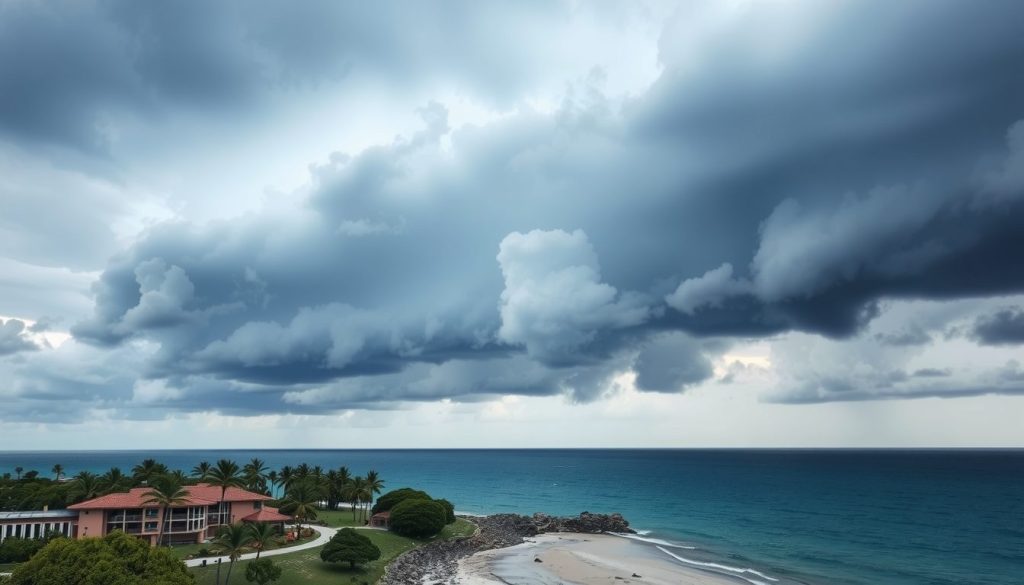
Understand Why Trip Interruption Coverage Is Critical During Hurricane Season
When you travel into a hurricane-prone window—often June through November in the Atlantic—it’s not just about cancellation anymore.
You face the risk of your trip being interrupted: early return flights, ports skipped, resort closures, or forced evacuations.
Unlock Your Dream Cruise with Exclusive Online Deals!
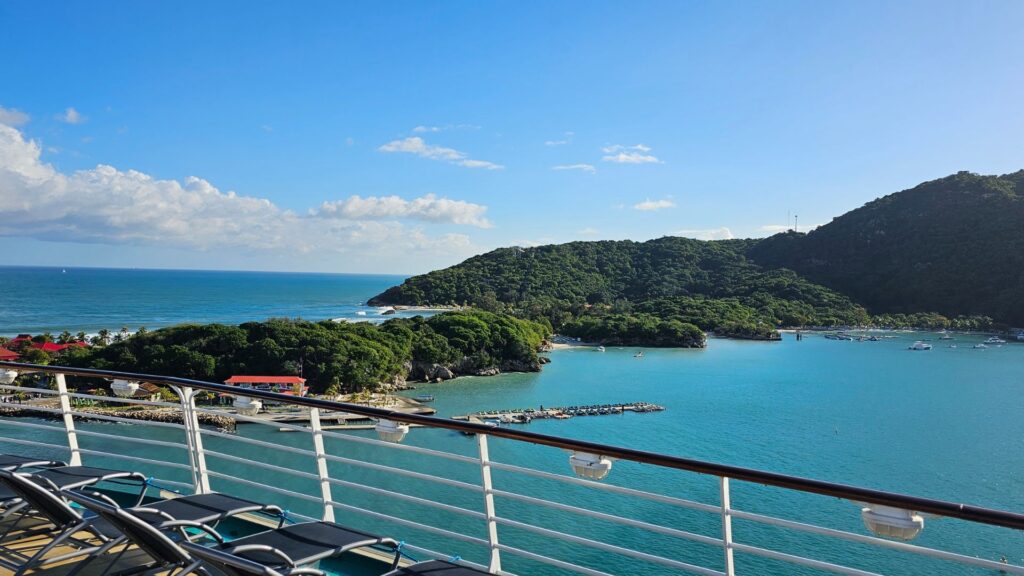
Trip interruption insurance is designed to cover after-departure disruptions—events that cut your travel short, alter your destination, or require you to return home or move to safety.
During hurricane season this can mean:
- A storm closes your destination or makes it uninhabitable.
- Your cruise ship reroutes or returns to port early.
- Your flights are canceled so you can’t reach or continue your trip.
- A mandatory evacuation order affects your resort stay.
For example, Allianz explains that if a destination is uninhabitable due to severe weather, your trip cancellation or interruption benefit may apply.
Likewise, Travel Guard states that trip interruption due to a hurricane is covered if your policy was purchased before the storm was named.
Why this coverage is essential
- It safeguards your non-refundable expenses like flights, cruises, hotels and excursions.
- It protects you from losses that regular cancellation coverage may not address.
- It provides forward-looking reassurance rather than just reactive refund chasing.
Quick Snapshot: What Hurricane Interruption Coverage Really Means
Essential Takeaways Every Traveler Needs Before Hurricane Season
- Trip interruption isn’t just cancellation—it covers disruptions while you’re en route or on your trip.
- Coverage only applies when policy conditions are met—such as purchase timing and trigger events.
- Without this layer, you risk losing prepaid costs or being stranded during a storm.
Discover How Trip Interruption Insurance Protects You When Hurricanes Strike
Understanding how the mechanics operate in the context of hurricanes is critical.
Let’s walk through how this type of insurance engages—and where the fine print matters.
1. Purchase Timing and “Known Event” Exclusion
The moment you book your trip, purchase a comprehensive policy that includes hurricane/weather disruption.
If you wait until a storm is named, most policies will exclude losses related to that named event.
So you must act early.

Grab Your Ticket to Paradise with These Deals!
2. Covered Reasons and Trigger Events
For a claim to be valid, the weather event must qualify as a “covered reason” in your policy.
Common trigger events include:
- A mandatory evacuation of your destination or departure point.
- Your destination or your home becomes uninhabitable because of a natural disaster.
- You face a major delay in reaching your destination due to storm-driven common-carrier disruption.
3. What Interruption Benefits Cover
When a storm forces a change mid-trip, interruption benefits may reimburse:
- The unused portion of prepaid trip costs.
- Additional transportation costs to return early or rejoin your trip.
- Lodging or meal expenses if you’re stranded or delayed due to weather.
4. Exclusions & Limitations
You must read your policy closely.
Typical limitations:
- If the storm was named before you bought the policy, you’re excluded.
- Fear of a storm without official evacuation or uninhabitability may not trigger coverage.
- Itinerary changes (different port, shortened days) may not qualify as interruption.
Practical Strategies That Keep Your Trip Safe During Storm Season
- Purchase insurance immediately after booking.
- Ensure the policy explicitly includes hurricane/ weather disruptions.
- Keep proof of purchase date, trip costs and any official evacuation/closure notices.

Compare Top Insurance Companies for Hurricane Interruption Coverage
Here are five insurers/travel-insurance platforms that stand out for hurricane/ weather interruption coverage.
I’ll explain how each addresses trip interruption and what to watch when applying.
Click for Exclusive Offers on Top Cruise Lines!

VisitorsCoverage: Smart Hurricane Coverage for Confident Travelers
VisitorsCoverage is a U.S.-based marketplace that aggregates travel insurance plans—including those suited for storm-risk travel.
They provide comparison tools and highlight hurricane and interruption benefits.
Highlights:
- Filters allow you to find policies with “hurricane/ weather” coverage.
- Supports pre-departure purchase timing checks.
- Includes interruption and unused trip cost benefits.
Why choose it:
If you’re booking a cruise or resort in a hurricane-prone region, this platform makes it easier to compare interruption coverage side-by-side.
EKTA: Flexible Hurricane Protection with Fast Digital Claims
EKTA is a global travel-insurance provider known for digital ease, international coverage and strong weather/disruption wording.
Highlights:
- Clear hurricane/evacuation coverage built-in for many plans.
- Simple mobile claims process—helpful if you’re already onboard or travelling.
- Good for international travellers and multi-stop itineraries.
Insubuy: Expert-Guided Hurricane Interruption Coverage You Can Trust
Insubuy is a U.S. brokerage that helps pick and tailor travel-insurance policies.
They assist in finding interruption plans with detailed trigger events, such as storms, transportation delays, and evacuations.
Highlights:
- Agents guide you to choose the right interruption and cancellation language.
- Helps ensure your plan matches trip complexity (cruise, resort, flights).
- Ideal for high-cost trips where interruption risk matters.
World Nomads: Hurricane Coverage for Adventurous Travelers
World Nomads is targeted at travellers who expect flexibility and international disruptions.
While not always labelled as “hurricane-specific,” their interruption coverage is strong and accessible worldwide.
Highlights:
- Good for longer trips and remote destinations.
- Offers interruption coverage for severe weather and natural disasters.
- Strong mobile/ digital support for claims overseas.
Compensair: Airline Compensation When Hurricanes Disrupt Your Flights
Compensair is not a traditional travel-insurance company but specializes in airline-delay and cancellation compensation.
It pairs well with interruption insurance when your travel is disrupted by storm-driven flight issues.
Highlights:
- If hurricanes delay your flight to your trip or back home, Compensair helps recover airfare or change-fees.
- A solid adjunct to interruption coverage—which may not cover all flight-disruption costs.
Quick Comparison: Which Hurricane Interruption Policy Fits Your Trip
- VisitorsCoverage: broad policy comparison + interruption filters.
- EKTA: global storm/disruption wording; mobile claims.
- Insubuy: tailored brokerage support & interruption detail.
- World Nomads: flexibility + strong interruption for long/remote trips.
- Compensair: specialized flight-disruption compensation (complements main policy).

Choose the Perfect Hurricane Interruption Policy for Your Trip
Selecting the right policy requires matching your trip type, risk exposure and purchase timing to the correct interruption benefits.
Here’s how to make your choice.
1. Review your “trip investment”
Add up your total non-refundable cost: flights, resorts, cruises, excursions.
The higher the cost, the more you need robust interruption coverage.
2. Confirm interrupt-for-weather wording
Read the policy for language like “weather interruption,” “natural disaster,” “mandatory evacuation,” or “destination made uninhabitable.”
Without these references, your claim may fail. (Squaremouth Travel Insurance)
3. Ensure the policy was purchased early
If you buy after a storm is named or after a watch/warning is issued, you may be excluded.
4. Choose appropriate reimbursement limits
Check if interruption reimburses the unused portion of your trip and additional transportation/return home costs.
Some policies cap reimbursement at 100% of insured cost; others may pay 150% (for interruption) in certain plans.
5. Layer flight/airport risk separately
If your trip includes flights and connections to the destination, consider pairing your interruption policy with compensation services like Compensair (for flight cancellations/delays) to cover the full disruption risk.
6. Keep documentation & proof
You’ll need: purchase date proof, policy certificate, trip cost receipts, evacuation/closure notices, airline/cruise delay records.
These support your interruption claim.

Scenario Walk-Through: A Hurricane Hits Mid-Trip
Let’s imagine you’ve booked a 10-day Caribbean cruise departing from Miami in late September (peak hurricane risk).
You’ve booked flights, the cruise, a resort stop-over, and private island excursions.
You purchased a travel policy with interruption/weather coverage shortly after booking.
What happens when the storm forms
- Day 3 onboard: You receive a notification your original destination port is closed due to an approaching tropical storm. The cruise line reroutes the ship and you lose one full day at a private island.
- Because you are on the trip and your itinerary has changed mid-voyage, your interruption coverage may apply.
- You also booked non-refundable shore tours at that lost port.
- You contact your insurer within the timeframe, submit proof of itinerary change and lost excursion costs.
- Insurance reimburses unused portion of your cruise fare, non-refundable excursion costs and extra transport cost to reach your next scheduled port or return home early.
This shows how interruption coverage turns unexpected storms into managed risks.
Bust Key Misconceptions About Hurricane Interruption Coverage
Even the best policies don’t work without understanding the limitations.
Here are common misconceptions you need to avoid.
“I can cancel anytime if a storm is forecasted.”
False.
Unless you have a special upgrade (such as Cancel-For-Any-Reason), simply being “worried” isn’t enough—there must be a covered reason like evacuation, uninhabitable lodging, or carrier disruption.
“All travel insurance covers hurricanes automatically.”
No.
Coverage depends on your policy’s wording, purchase timing and the specific trigger event.
Some policies exclude named storms if purchased too late. (sevencorners.com)
“An itinerary change always means interruption.”
Not necessarily.
If the replacement itinerary is deemed equivalent, insurance may not consider it a loss.
The policy may treat it as modified service rather than covered interruption. (Allianz Travel Insurance)
“I don’t need interruption coverage if I have cancellation coverage.”
Cancellation covers before travel begins.
Interruption covers disruptions during your trip.
If you’re underway and the storm forces early return, you need interruption—not just cancellation.
Final Checklist: Secure Your Trip Before Hurricane Season Hits
Before you launch into your storm-prone getaway—whether a cruise, beach resort or adventure tour—use this checklist to ensure your insurance is ready.
- Purchase your policy immediately after you book the trip.
- Confirm the policy includes trip interruption for weather/natural disasters.
- Ensure your total prepaid cost is covered and interruption limits are sufficient.
- Check proof of purchase date, and read for storm-related exclusions (named storms, evacuation, uninhabitable lodging).
- Keep all booking receipts, itinerary docs, and any notifications from airlines/cruises/resorts.
- Add flight/transport disruption coverage or pair with a specialist (like Compensair) if your travel involves complex connections.
- Monitor weather advisories leading up to and during your trip; document closures or changes.
- File claims promptly according to your insurer’s process after any interruption event.
Protect Your Travel Investment: Why Hurricane Coverage Is Non-Negotiable
You’re not just booking dates and destinations—you’re investing in memories, excitement, relaxation and escape.
When hurricane season intersects with your plans, that investment deserves protection.
With the right trip interruption insurance, you’re not left guessing what-if—you know exactly how you’re safeguarded.
By choosing providers who explicitly address interruption for weather, purchasing coverage early, and collecting documentation, you turn uncertainty into peace of mind.
The storms may still approach—but you don’t face them unprepared.
Safe travels, and may your journey be defined by discovery—not disruption.
FAQ – How Can Trip Interruption Insurance Protect You During Hurricane Season?
What Makes Trip Interruption Insurance Different from Trip Cancellation Coverage?
Trip interruption insurance protects qualifying losses after your trip has already started, while trip cancellation coverage generally applies when a covered event prevents you from leaving in the first place.
During hurricane season, interruption benefits can become important if a cruise returns early, a resort closes, a mandatory evacuation forces you to leave, or transportation problems prevent you from continuing the trip.
Depending on the policy, reimbursement may include unused prepaid expenses and additional costs required to get home or rejoin the itinerary.
Travelers need both concepts because protection that ends once the vacation begins can leave a major gap during a mid-trip storm.Why Should Hurricane Interruption Coverage Be Purchased Soon After Booking?
Buying early helps protect against future storms before they become known events under the policy.
Once a hurricane is named or a warning develops, losses connected with that specific system may no longer qualify under newly purchased coverage.
Early purchase also gives you time to compare definitions for severe weather, natural disasters, mandatory evacuations, and uninhabitable destinations instead of making a rushed decision.
Keep proof of the purchase date because it may become important when demonstrating that coverage was in place before the storm developed.Which Hurricane Events Can Trigger Trip Interruption Benefits?
Common triggers can include a mandatory evacuation, a destination becoming uninhabitable, severe transportation disruption, or another weather event specifically listed as a covered reason.
A cruise returning to port early or a hurricane preventing you from continuing the planned trip may also qualify when the policy wording supports the claim.
Simply feeling uncomfortable about an approaching storm usually is not enough without a recognized trigger.
Before purchasing, identify exactly what must happen for interruption coverage to activate rather than assuming every hurricane-related change qualifies.What Expenses Can Trip Interruption Insurance Reimburse After A Hurricane?
Coverage may reimburse the unused portion of prepaid, nonrefundable trip costs when a covered event forces the vacation to end early or materially interrupts it.
Depending on the policy, benefits can also include additional transportation needed to return home or rejoin the trip, plus qualifying lodging and meal expenses during a covered delay.
Cruise fares, resort nights, excursions, and transportation can represent significant losses when several reservations are affected at once.
Compare reimbursement limits with the total amount you have invested so the policy is large enough to address a realistic disruption.Does A Hurricane-Related Cruise Reroute Automatically Count As A Trip Interruption?
No, an itinerary change does not automatically create a covered interruption claim.
If a cruise substitutes one Caribbean port for another and continues providing substantially equivalent transportation and accommodations, the insurer may treat the change as modified service rather than a financial loss covered by interruption benefits.
A stronger claim may exist when the disruption causes unused prepaid expenses, an early return, or another covered loss specifically recognized by the policy.
This distinction makes the definition of interruption just as important as the hurricane coverage itself.How Can VisitorsCoverage, EKTA, Insubuy, And World Nomads Help With Hurricane Interruption Coverage?
VisitorsCoverage can help compare policies with weather and interruption benefits side by side, which is useful for cruises, resorts, and other hurricane-prone trips.
EKTA may appeal to travelers who value international coverage and digital claims access, while Insubuy can provide brokerage guidance when a trip combines flights, cruises, resorts, and other expensive components.
World Nomads can be worth comparing for longer, international, or adventure-focused trips where severe-weather disruption is one of several risks.
The deciding factor should always be the actual policy language, reimbursement limits, and trigger events rather than the provider name alone.What Role Does Compensair Play When a Hurricane Disrupts Your Flights?
Compensair focuses on airline disruption claims rather than replacing comprehensive trip interruption insurance.
That makes it potentially useful when hurricane-related flight problems affect your ability to reach a cruise, continue the journey, or return home.
Airline compensation rights and eligibility can differ from insurance benefits, so the same flight disruption may need to be evaluated under separate rules.
Treat flight-claim assistance as an additional layer rather than assuming it protects unused cruise fares, resort costs, or other parts of the vacation.How Much Trip Interruption Coverage Should You Buy For A Cruise Or Resort Vacation?
Start by totaling every prepaid, nonrefundable expense you could lose after departure, including cruise fare, resort nights, flights, excursions, and transfers.
Then compare that amount with the policy’s interruption reimbursement limit and any separate caps that apply to transportation, meals, lodging, or other benefits.
Some plans may provide interruption limits above the original insured trip cost, which can matter when an emergency requires expensive last-minute transportation.
A policy that looks generous can still leave a large gap if the insured amount does not reflect the true value of the trip.What Documentation Should You Save For a Hurricane Interruption Claim?
Keep your policy certificate, proof of purchase date, receipts for prepaid travel costs, and every official notice related to the disruption.
Cruise itinerary changes, resort closure notices, mandatory evacuation orders, airline cancellation records, and receipts for additional transportation or lodging can all help establish what happened and what it cost you.
Contact the insurer promptly because policies can impose notification or filing requirements.
Creating a digital folder before departure makes it much easier to submit an organized claim when you are already dealing with a disrupted trip.How Would Trip Interruption Insurance Help During A Hurricane On A Caribbean Cruise?
Consider a 10-day Caribbean cruise from Miami where a tropical storm closes a scheduled destination after the voyage has already begun.
If the disruption meets the policy’s covered-reason requirements, interruption benefits may help reimburse qualifying unused prepaid costs, lost nonrefundable excursions, or additional transportation required by the change.
The traveler would need to document the itinerary disruption and demonstrate the resulting financial loss rather than relying on the existence of the storm alone.
This is where interruption coverage becomes most valuable because the vacation has already started and simply canceling before departure is no longer an option.
Plan Your Next Cruise!

Experience the Ultimate Vacation with Carnival Cruise Line’s Fun Ships, World‑Class Entertainment, and Relaxation
One Delay Can Cost Your Entire Cruise A quick coverage check now protects you from the problems no one sees coming….

From Icon to Oasis: Explore Royal Caribbean’s Groundbreaking Ships and Unforgettable Voyages
One Delay Can Cost Your Entire Cruise A quick coverage check now protects you from the problems no one sees coming….

Experience the Perfect Blend of Disney Magic, Luxury Cruising, and Family Adventure at Sea
One Delay Can Cost Your Entire Cruise A quick coverage check now protects you from the problems no one sees coming….

Sail Smart: Discover The Real Cost of Luxury Cruises and Maximize Your Travel Value
One Delay Can Cost Your Entire Cruise A quick coverage check now protects you from the problems no one sees coming….