Cruising during hurricane season doesn’t mean risking your safety—it means trusting advanced systems designed to protect you.
From real-time storm tracking to flexible itineraries and onboard safety protocols, cruise lines turn uncertainty into confidence.
Understanding these safeguards lets you relax and enjoy your dream vacation without fear.
Cruise lines operate under strict safety protocols, leveraging advanced meteorology, real-time communication, and flexible itineraries to protect guests.
Every decision — from altering routes to temporarily closing ports — is guided by data, experience, and a commitment to passenger safety.
Knowing how these systems work equips travelers with peace of mind and prepares them for any minor adjustments that may occur.
Sailing during hurricane season does not mean taking unnecessary risks.
It means trusting a highly coordinated industry trained to anticipate nature’s most unpredictable moments.
By exploring how cruise lines manage storms, passengers gain insight into the careful orchestration behind every voyage, including rerouting strategies, port closures, onboard safety procedures, and contingency planning.
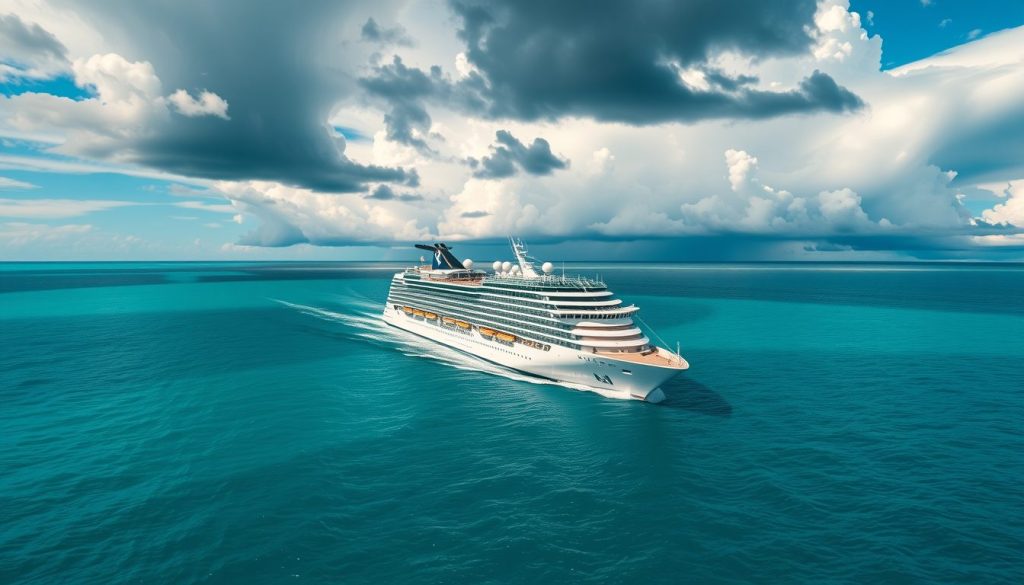
Track Hurricanes in Real Time to Protect Your Cruise Journey
Hurricane safety begins long before a ship leaves port.
Cruise lines employ dedicated meteorology teams who monitor tropical disturbances 24/7, using satellite imagery, oceanographic data, and predictive models to track storm formation.
These professionals communicate constantly with U.S. National Hurricane Center updates and regional port authorities to anticipate potential impacts.
Unlock Your Dream Cruise with Exclusive Online Deals!
Advanced tracking systems allow operations centers to project storm paths several days in advance, enabling ships to alter routes preemptively.
This means that most itinerary adjustments occur before passengers ever notice a potential disruption.
Ships can avoid affected areas entirely or make temporary course changes, extending sea days or substituting alternate ports to maintain a fulfilling experience.
By combining historical hurricane data with real-time observations, cruise lines forecast risks with remarkable precision.
The result is proactive navigation decisions that prioritize safety while minimizing disruption to guest experiences.
Key Insights on Tracking
- Cruise lines maintain round-the-clock meteorology operations.
- Satellite and oceanographic data inform predictive routing.
- Forecasts are integrated into dynamic, flexible itineraries.
- Preemptive rerouting often prevents the need for cancellations.
- Passengers are informed quickly about any changes in schedule.
When Ports Close: How Cruise Lines Protect You During Storms
Port closures are critical tools in hurricane safety.
Decisions are made by local port authorities, sometimes in coordination with the U.S. Coast Guard, based on wind speed, storm surge potential, and dock accessibility.
Cruise lines do not initiate closures, but they maintain constant communication to ensure timely adjustments.
When a port such as Miami, Key West, or Cozumel faces a storm threat, authorities may limit or suspend ship arrivals and departures.
Cruise lines then implement pre-planned contingencies: rerouting ships to safer ports, adjusting onboard schedules, or extending sea days.
These plans are rehearsed and vetted long before hurricane season begins, ensuring minimal disruption.

Grab Your Ticket to Paradise with These Deals!
This system balances guest safety with operational continuity.
Passengers often experience these adjustments seamlessly, with on-board activities and alternative excursions compensating for missed stops.
Ports reopen only after inspections confirm that docks, channels, and infrastructure are fully operational.
Traveler Takeaways
- Port closures are data-driven and proactive.
- Cruise lines maintain alternate docking plans.
- Adjustments are coordinated with local authorities and the Coast Guard.
- Onboard activities are adapted to maintain guest satisfaction.
- Safety always precedes convenience.
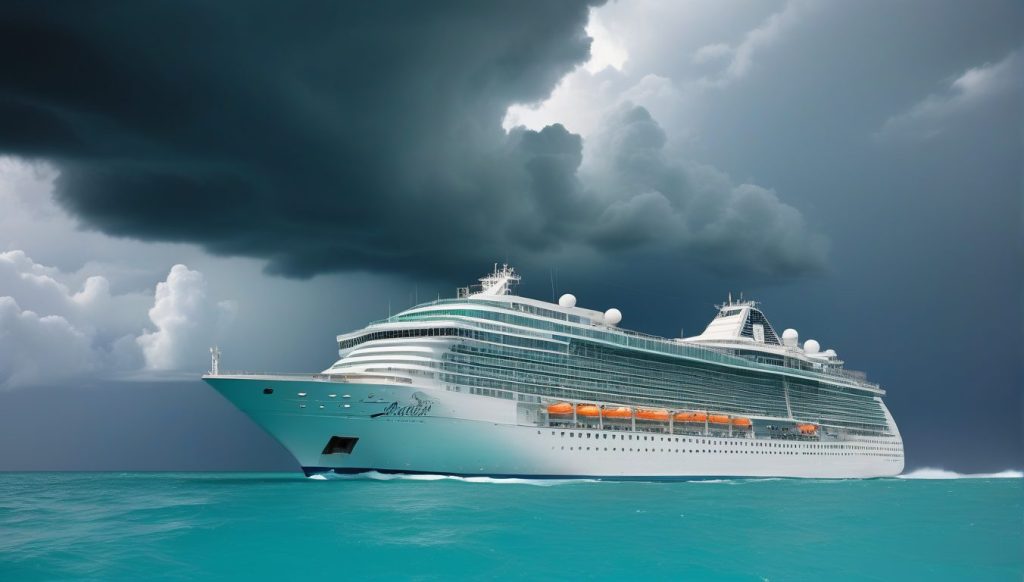
Navigate Hurricanes With Precision: How Captains Keep Your Cruise Secure
When a hurricane approaches, the captain receives continuous updates from the ship’s operations center and port authorities.
Ships are equipped with advanced navigation systems that integrate weather data in real time, allowing precise course adjustments to avoid storm zones.
Rerouting may involve detouring around a storm, extending sea days, or visiting alternate destinations.
Every rerouting decision considers fuel consumption, guest comfort, and port availability.
Stabilizers reduce motion during rough seas, while onboard teams adjust dining, entertainment, and scheduling to maintain a high-quality experience.
By rerouting early, ships avoid exposing passengers to high winds or dangerous waves.
These adjustments are typically invisible to travelers, with announcements and onboard updates keeping passengers informed without creating alarm.
Navigational Highlights
- Captains monitor storms continuously with real-time data.
- Routes are adjusted proactively to avoid hazardous areas.
- Stabilizers and advanced hull designs mitigate motion in rough seas.
- Guests are kept informed with timely announcements.
- Alternate ports and excursions maintain itinerary satisfaction.
Inside the Safety Protocols That Keep You Protected from Storms
Safety at sea extends beyond routing.
Cruise ships follow comprehensive protocols to ensure passengers remain protected during storm season.
Crew members are trained in emergency procedures, evacuation protocols, and weather-related contingencies.
Life jackets and safety equipment are inspected regularly, and muster drills familiarize passengers with emergency procedures.
Ships are also structurally designed to withstand severe weather.
Click for Exclusive Offers on Top Cruise Lines!
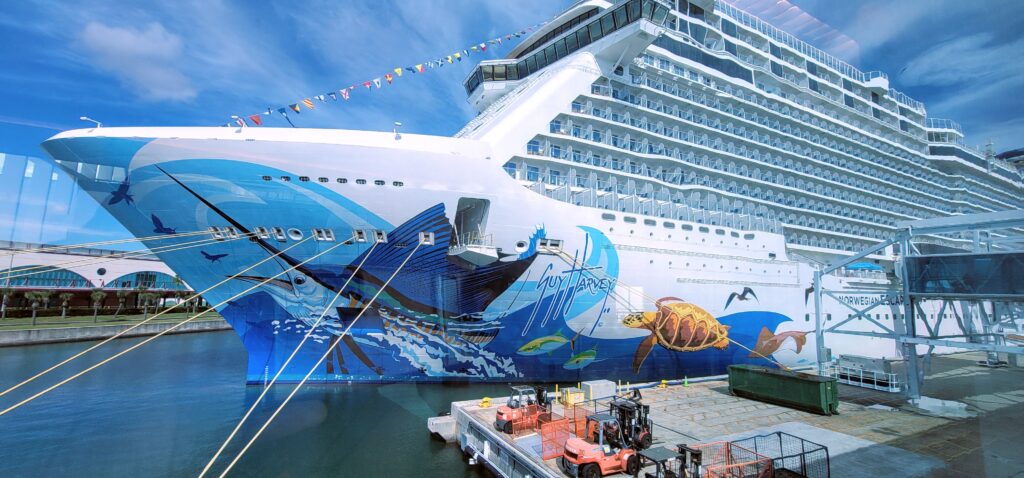
Modern vessels feature reinforced hulls, stabilizers, and state-of-the-art navigation systems capable of adjusting to changing sea conditions.
Air and water systems are built to remain operational even in rough seas, ensuring passenger comfort and safety throughout the voyage.
Onboard communication remains central.
Guests receive frequent updates on weather, itinerary changes, and any adjustments to excursions or schedules.
This transparency reassures travelers while allowing them to continue enjoying their vacation.
Safety Essentials
- Crew members are trained in storm emergency protocols.
- Structural design enhances stability during severe weather.
- Life jackets, muster stations, and safety drills are standard.
- Communication keeps passengers informed at all times.
- Systems maintain comfort and operations during rough conditions.
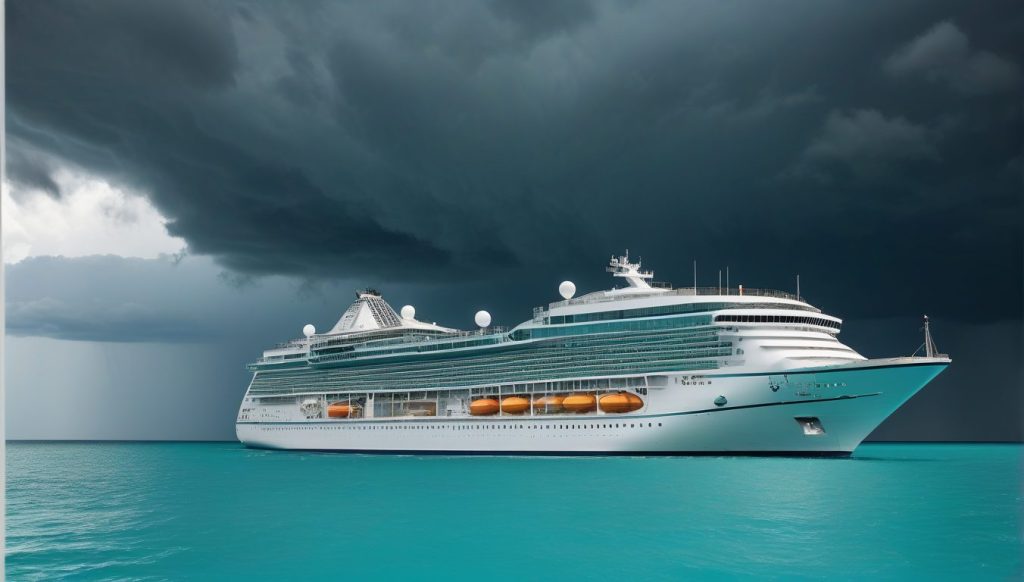
Stay Calm and Informed: How Cruise Lines Communicate Hurricane Updates
Clear communication reduces stress and builds confidence during hurricane season.
Cruise lines utilize multiple channels to update passengers: onboard announcements, digital apps, and printed schedules.
Staff are trained to provide factual, calm information that reassures travelers while keeping them informed.
Information may include rerouted ports, extended sea days, or safety instructions.
Even if minor adjustments occur, passengers are typically able to plan excursions or enjoy onboard activities without disruption.
This proactive communication ensures that travelers feel safe and in control, even in unpredictable weather.
Communication Benefits
- Passengers receive updates through multiple channels.
- Staff provide calm, authoritative guidance.
- Minor itinerary adjustments are clearly explained.
- Guests can plan around changes with minimal stress.
- Confidence in safety protocols enhances overall experience.
The Truth About Hurricane Risks—and Why Cruises Remain Safe
While cruise lines take extraordinary measures, no travel is entirely free of weather risk.
Hurricanes are naturally unpredictable, and late-developing storms may require last-minute itinerary changes.
Understanding this reality helps travelers set expectations without fear.
Insurance, flexible cancellation policies, and cruise line guarantees further mitigate risk.

Experience Luxury Cruises at Unbeatable Prices Today!
Travelers can feel confident knowing their investment is protected, and operational systems are designed to prioritize safety above all else.
Cruise passengers often report that even with minor changes, vacations remain enjoyable and memorable.
Risk Management Insights
- Hurricanes are unpredictable but manageable with planning.
- Cruise insurance protects against cancellations or delays.
- Operational flexibility minimizes disruption for passengers.
- Safety protocols are the first priority in all scenarios.
- Most travelers complete hurricane-season cruises without incident.
Proven Safety Record: Why Cruises Stay Secure During Hurricane Season
Historically, the U.S. cruise industry has maintained an excellent safety record during hurricane season.
Millions of passengers sail each year without serious incident, thanks to decades of operational refinement, weather tracking, and contingency planning.
Even when storms impact the Caribbean or Gulf ports, rerouting, port closures, and onboard safety measures have proven effective at preventing accidents and injuries.
Passengers benefit from this legacy of experience and the ongoing adoption of advanced technology in navigation and weather prediction.
Historical Takeaways
- Cruise lines have decades of hurricane-season experience.
- Rerouting and port closure procedures are well-tested.
- Onboard protocols ensure passenger safety during storms.
- Millions of safe voyages occur each year despite hurricane risks.
- Continuous improvement in technology strengthens operational confidence.
Hurricane-Safe Planning Tips for a Confident, Stress-Free Cruise
Travelers can further enhance safety and reassurance by preparing in advance.
Registering for weather alerts, reviewing cruise line policies, and packing essentials for possible sea days are practical steps.
Flexible excursion planning and travel insurance offer added peace of mind.
Guests should also stay informed about regional hurricane forecasts leading up to their departure.
Cruise lines will communicate necessary adjustments, and proactive preparation helps passengers approach their trip with confidence rather than anxiety.
Traveler Preparation Tips
- Sign up for regional weather alerts.
- Review cruise line hurricane policies before departure.
- Pack for potential extended sea days.
- Keep flexible expectations for excursions.
- Trust operational teams to manage reroutes safely.
Why Cruises Stay Safe—Even When Hurricanes Threaten
The combination of technology, planning, and operational expertise makes cruising remarkably safe during hurricane season.
Ships are rerouted, ports are closed when necessary, and passengers are continually informed.
Cruise lines do not take risks with guest safety, and the systems in place are designed to handle even severe weather events.
For U.S. travelers, the reassurance comes from both the tangible safety measures and the industry’s track record of success.
Sailing in the Caribbean or Gulf of Mexico during hurricane season is not only feasible — it is safe when travelers understand how the process works and trust the experts guiding their journey.
Cruise Into Hurricane Season with Confidence and Total Peace of Mind
For travelers, confidence comes from knowledge.
Understanding how cruise lines monitor storms, adjust itineraries, communicate with guests, and maintain onboard safety creates reassurance.
Hurricanes no longer need to represent fear — they are manageable challenges in a well-prepared system.
By choosing experienced cruise lines, paying attention to guidance, and maintaining flexible expectations, passengers can enjoy the beauty and excitement of Caribbean and Gulf cruises even during hurricane season.
The result is a vacation that is both safe and unforgettable.
FAQ – Cruise Safety and Hurricane Season Confidence
What happens if a hurricane forms during my cruise?
Cruise lines monitor weather systems 24/7 using advanced tracking tools and satellite data.
If a storm develops, ships are rerouted early to avoid dangerous conditions.
Passengers are informed promptly, and alternate ports or extended sea days are arranged.
These adjustments are designed to preserve safety while maintaining a smooth vacation experience.
Cruise teams are trained to handle disruptions calmly and professionally.Can my cruise be canceled because of a hurricane?
Cruise cancellations are rare and typically avoided through proactive rerouting.
If a port closure or storm path makes sailing unsafe, cruise lines may cancel or reschedule.
Travel insurance helps protect your investment in case of cancellation.
Most itinerary changes happen before departure, minimizing last-minute surprises.How do cruise ships avoid hurricanes while at sea?
Ships use real-time meteorological data and predictive models to adjust course.
Captains receive continuous updates from operations centers and port authorities.
Rerouting may involve detours, alternate ports, or extended sea days.
Stabilizers and reinforced hulls help maintain comfort during rough conditions.Are cruise ships built to handle hurricane conditions?
Modern cruise ships are engineered for extreme weather resilience.
They feature reinforced hulls, stabilizers, and advanced navigation systems.
Air and water systems remain operational even in rough seas.
Crew members are trained in emergency protocols and conduct regular safety drills.What should I pack for a cruise during hurricane season?
Include essentials for extended sea days, such as medications and entertainment.
Bring flexible clothing for varying weather conditions.
Download the cruise line’s app for real-time updates and itinerary changes.
Consider travel insurance for added peace of mind.Will I be notified if my itinerary changes due to weather?
Cruise lines communicate updates through onboard announcements, apps, and printed schedules.
Staff provide calm, clear guidance to help passengers adjust plans.
Changes are explained promptly, allowing guests to plan excursions or onboard activities.
This transparency helps reduce stress and build trust in safety protocols.Is travel insurance recommended for hurricane-season cruises?
Yes, travel insurance is strongly recommended during hurricane season.
It covers cancellations, delays, and missed ports due to weather disruptions.
Providers like VisitorsCoverage, Ekta, Insubuy, and Compensair offer cruise-specific plans.
Insurance adds financial protection and peace of mind for unpredictable conditions.How often do hurricanes actually impact cruises?
Most cruises during hurricane season sail without incident.
Cruise lines rely on decades of data and refined protocols to avoid storm zones.
Historical safety records show millions of passengers cruise safely each year.
Operational flexibility and early rerouting minimize disruptions.
Plan Your Next Cruise!

Unlock The Viking Ocean Experience: Elegant Ships, Cultural Immersion, And Unrushed Travel
Viking Ocean Cruises blends Scandinavian elegance with immersive travel, creating voyages that are as enriching as they are relaxing. With small,…
Sail Into Sophistication: Holland America Cruises for Luxury, Culture, and Unforgettable Journeys
Holland America Cruises invites you to embark on a voyage where timeless elegance meets modern innovation. Every ship in the fleet…
Discover Regent Seven Seas Cruises: Opulent Suites, Gourmet Dining, and Exclusive Destinations
Regent Seven Seas Cruises delivers the pinnacle of all‑inclusive luxury travel, where every voyage blends elegance, comfort, and immersive exploration. From…
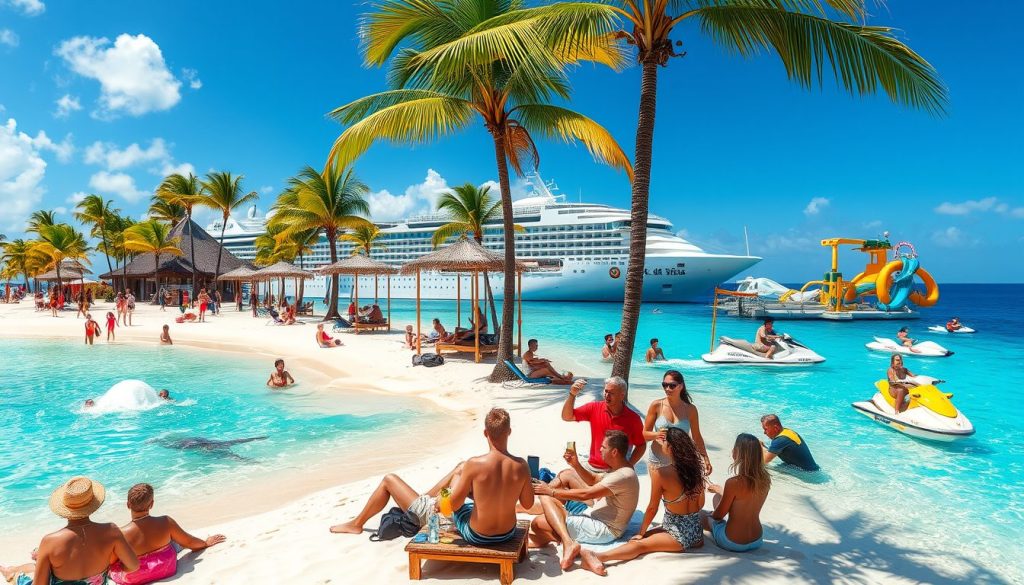
Escape To Paradise: Inside The Exclusive World of Cruise Line Private Islands
A cruise line’s private island isn’t just another stop on your itinerary—it’s a curated slice of paradise designed exclusively for guests….
Explore More

Solo Cruising Made Rewarding: From Single Cabins to Social Adventures
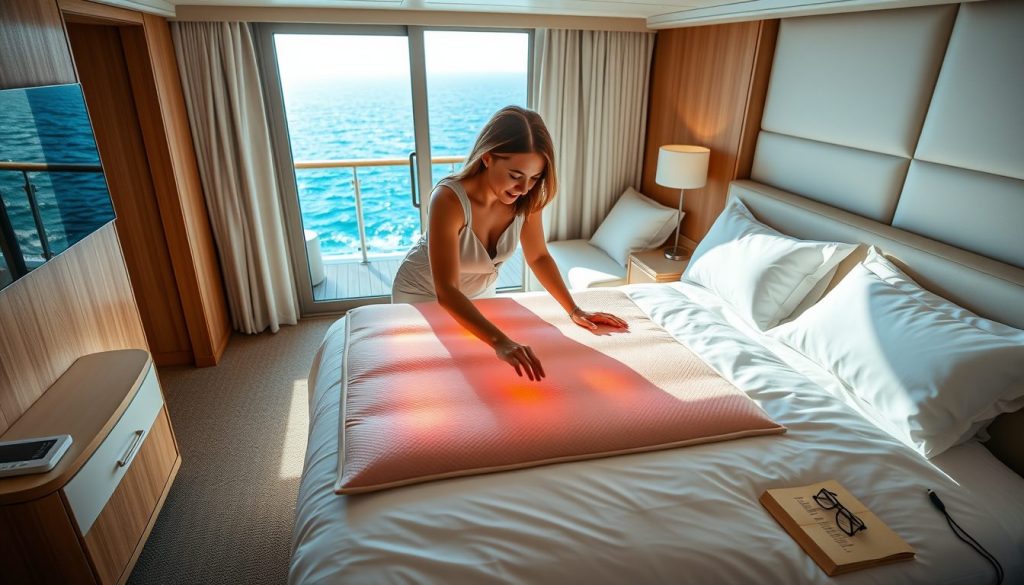
Stay Warm Safely: Cruise Heating Pad Rules, Safety Checks, and Packing Tips

Unlock Seabourn’s World: Yacht‑Like Luxury, Exclusive Destinations, And Unmatched Comfort