Cruise ship tenders are small boats that carry passengers from ship to shore when the vessel cannot dock at a pier.
They unlock access to hidden ports, remote beaches, and destinations too shallow for large ships.
Tenders turn a logistical challenge into an adventure, giving you a front‑row seat to coastal views.
Understanding how tenders work helps you plan shore days with confidence and avoid unnecessary stress.
This is where cruise ship tenders come into play.
Tendering is the process of using smaller boats, known as tenders, to transport passengers from the anchored ship to the shore when direct docking isn’t possible.
In this blog post, we’ll dive into what tendering on a cruise entails, why tenders are needed, when they’re used, and what passengers can expect from the experience.
Understand Cruise Ship Tenders: Small Boats That Connect Ship And Shore
Tendering involves transferring passengers from the cruise ship to shore using small vessels, often because the ship is anchored too far from land to dock directly.
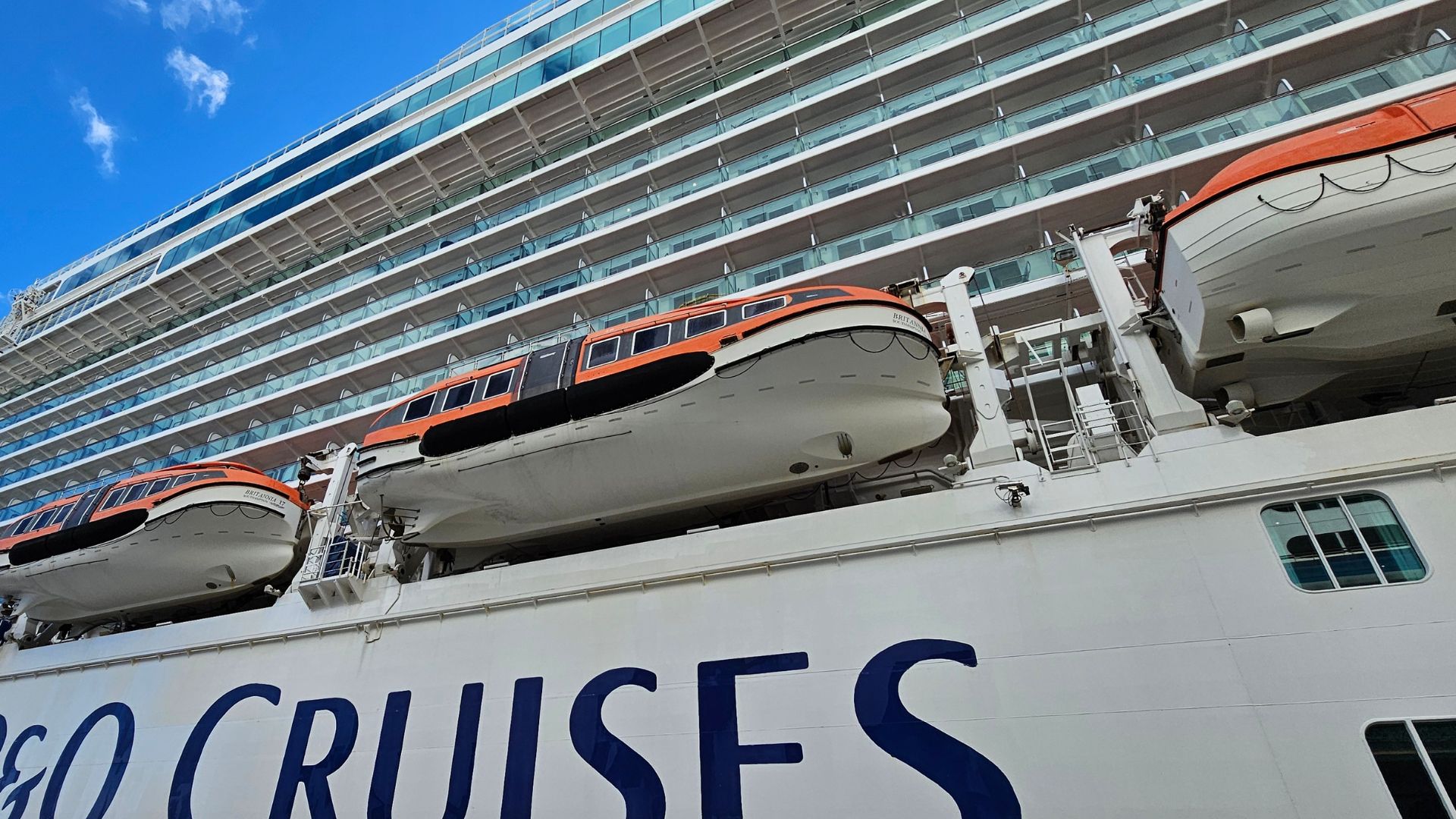
These tender boats might be part of the ship’s fleet—sometimes doubling as lifeboats—or they could be operated by the local port authority.
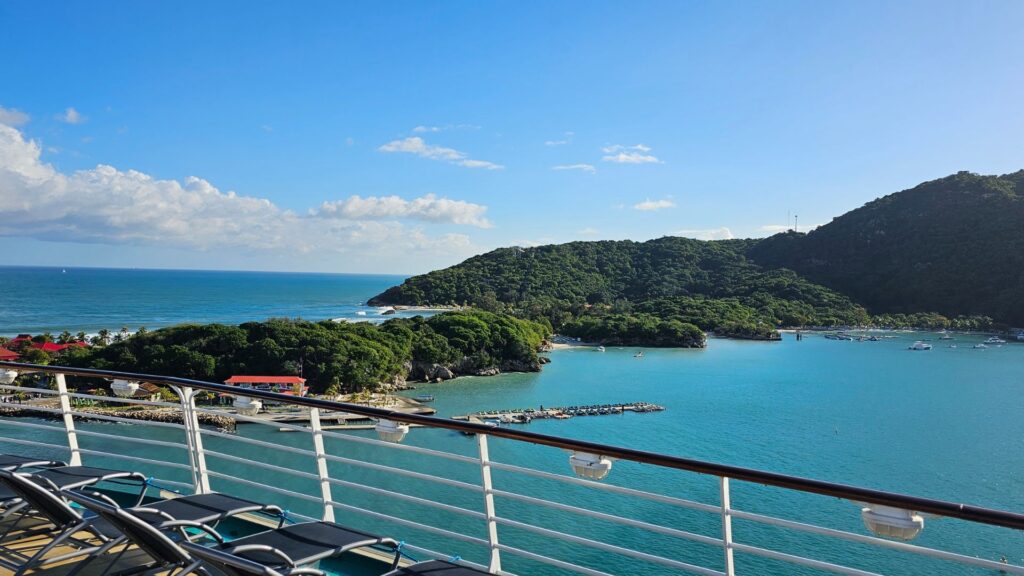
Tendering allows cruise lines to visit scenic and remote destinations where the ports are too shallow or lack the infrastructure to accommodate large vessels.

Grab Your Ticket to Paradise with These Deals!
Understand Why Cruise Ship Tenders Are Essential For Hidden Ports
There are a few primary reasons why cruise ship tenders are necessary:
- Ship Size and Draft: Modern cruise ships, particularly mega-ships, are massive and require deep waters to safely dock.
Some smaller ports, especially in remote areas or older cities, don’t have the water depth needed to support such large ships.
For example, a port may be too shallow, preventing safe docking.
- Inadequate Port Infrastructure: Some ports simply don’t have the facilities to host large ships, such as a pier that extends into deep water.
This is common in picturesque but smaller destinations like Santorini or the remote islands of the South Pacific.
- Crowded Ports: During peak cruise seasons, certain popular ports can become overcrowded with several ships arriving at once.
In cases where all docking spots are already taken, other vessels must anchor offshore and use tenders to bring passengers to land.
- Environmental Concerns: In some regions with delicate ecosystems, like coral reefs, cruise ships are restricted from coming too close to shore to prevent damage.
In such cases, tendering from a distance minimizes the environmental impact while still allowing passengers to enjoy the destination.
Discover When Cruise Ship Tenders Unlock Access To Scenic Ports
Tendering is more common at certain ports and under specific circumstances.
Let’s break down when and where you’re most likely to experience a tender operation:
Small Island Ports: Many small island destinations lack the deep-water ports needed for large ships.
Examples include:
- Grand Cayman, Cayman Islands: This port is famous for its shallow waters, making direct docking impossible.
The tender ride here is a short but scenic journey, often taking passengers directly into the heart of George Town.
- Belize City, Belize: Belize’s port is surrounded by shallow waters and a fragile barrier reef, requiring cruise ships to anchor several miles offshore.
Tenders are essential for getting passengers from the ship to land, where they can then embark on excursions to Mayan ruins or rainforest adventures.
Unlock Your Dream Cruise with Exclusive Online Deals!
Scenic or Remote Locations: Some cruise destinations are chosen specifically for their scenic beauty, which often means anchoring in remote areas:
- Santorini, Greece: Known for its iconic whitewashed buildings and stunning cliffside views, Santorini’s deep caldera makes it impossible for ships to dock.
The tenders here take passengers to the base of the cliffs, from where they can reach the town by cable car, walking, or even riding a donkey.
- Alaska’s Glacier Bay: Cruise ships often anchor in remote parts of Alaska to give passengers close views of calving glaciers or wildlife.
Tenders are used to take passengers ashore for specialized excursions such as glacier hikes or fishing trips.
Crowded Ports: In busy cruise ports where multiple ships are scheduled to arrive simultaneously, dock space can be limited.
This is particularly common during peak travel seasons:
- Cozumel, Mexico: Cozumel is one of the busiest cruise ports in the world, and on busy days, some ships have to anchor offshore and tender passengers to the island.
While docked ships have the convenience of walking straight into town, tendered passengers enjoy a more leisurely arrival at less crowded spots.
- Nassau, Bahamas: Similar to Cozumel, Nassau’s busy port often leads to some ships anchoring offshore and using tenders to manage the high volume of passengers.
Ports Undergoing Construction or Maintenance: In some cases, a port’s docking facilities may be temporarily unavailable due to ongoing construction or repairs.
To avoid missing the port entirely, cruise lines may choose to anchor offshore and tender passengers in:
- Key West, Florida: Periodically, dock renovations or expansion projects require cruise ships to use tenders instead of docking directly.
Although temporary, it allows visitors to continue exploring the laid-back island vibe of Key West.
Click for Exclusive Offers on Top Cruise Lines!
See How Cruise Ship Tendering Works to Connect Ship and Shore
The tendering process begins when the ship anchors offshore at a safe distance from the port.
The distance from shore can vary widely, typically ranging between 300 yards to a mile, depending on the water depth and local regulations.
Here’s a closer look at how tendering is organized:
- Tender Tickets and Boarding Groups: Passengers are usually issued tender tickets or assigned boarding numbers.
The cruise line will announce when each group can proceed to the tender embarkation point.
This is especially important when large numbers of passengers need to disembark for excursions.
- Priority Tendering for Shore Excursions: If you’ve booked a shore excursion through the cruise line, you’ll likely receive priority tendering.
This ensures that you can disembark quickly and be on time for your tour.
- The Tender Ride Experience: Once on the tender, passengers are transported from the ship to shore.
The boats are typically stable and designed for quick loading and unloading.
Depending on the distance, the ride can last anywhere from 5 to 20 minutes.
In scenic ports, this short trip offers an opportunity to enjoy unique views of the coastline, cliffs, or harbors.
- Weather Considerations: Tendering is highly weather-dependent.
High winds, rough seas, or poor visibility can delay or even cancel tender operations for safety reasons.
In extreme cases, the entire port call might be skipped, and an alternate destination will be substituted.

Experience Luxury Cruises at Unbeatable Prices Today!
Measure The Distance: Technical Factors That Shape Cruise Tendering
When deciding how far from shore a cruise ship should anchor, several factors come into play, including water depth, tidal variations, and the condition of the seabed.
Typically, cruise ships anchor anywhere from 300 yards to a mile offshore when using tenders.
The distance depends on the draft of the ship (the depth below the waterline), with larger vessels requiring deeper water.
For example, a ship with a draft of 30 feet may need to anchor where the water is at least 40 to 50 feet deep to remain stable.
However, other considerations, such as underwater hazards, coral reefs, or local regulations, can influence where the ship is positioned.
In environmentally sensitive areas, like coral reef zones, ships often anchor further away to prevent disturbing marine ecosystems.
The extra distance helps preserve natural habitats while still allowing passengers to visit these beautiful locations.
While this can mean a slightly longer tender ride, it’s a small trade-off for protecting the environment.
Know What to Expect: Cruise Tendering Steps That Keep You Confident
For passengers who have never tendered before, the process can seem unfamiliar, but it’s straightforward and well-organized.
Here’s what you can expect:
- Staggered Boarding Process: To avoid overcrowding, tender operations are typically done in waves.
Passengers wait in designated areas—such as the theater, lounges, or main dining room—until their tender number or group is called.
This minimizes congestion at the tender embarkation area.
- Boarding the Tender: Boarding the tender involves stepping across a gap between the cruise ship and the tender boat.
The crew is always present to assist passengers, and safety measures like handrails or ropes are in place to ensure smooth transfers.
It’s similar to stepping onto a ferry, with a bit more guidance.
- The Tender Ride: The tenders are smaller and closer to the water than the cruise ship, but they are designed for stability.
Most tender boats have seating for around 100 passengers and are equipped with life vests and other safety features.
In rough seas, the ride might be a bit bumpy, but it’s generally a quick and comfortable journey.
- Accessibility Considerations: Some tenders are accessible for wheelchairs and strollers, but this varies depending on the port and the specific tender boats used.
Passengers with mobility issues should check with the cruise line ahead of time to determine if tendering will be a challenge.
- Returning to the Ship: When returning from shore, passengers queue up at the tender embarkation point to be taken back to the ship.
The process is similar to disembarking, with tenders running continuously until all passengers are back onboard.
Weigh The Pros And Cons: Cruise Tendering Benefits And Challenges
While tendering allows cruise lines to access more unique and less crowded destinations, it also comes with certain challenges.
Let’s take a closer look at the pros and cons:
Pros:
- Access to Unique and Off-the-Beaten-Path Destinations: Tendering is often the only way to reach small, scenic ports that can’t accommodate large ships, giving passengers access to exclusive experiences.
- Scenic Tender Rides: The journey from the ship to shore can be an experience in itself, offering breathtaking views of the coast, surrounding islands, or dramatic cliffs.
- Less Crowded Ports: Tender ports tend to be smaller and less commercialized, offering a more authentic and relaxed atmosphere compared to busier dockside ports.
Cons:
- Time-Consuming Process: Tendering can take longer than docking directly at a port, especially during peak times.
The process of waiting for your tender group to be called and then boarding the tender boat adds extra time to your day.
- Potential for Delays or Cancellations: Weather conditions play a significant role in tendering.
Rough seas or high winds can delay or even cancel tender operations, potentially leading to missed port stops.
- Accessibility Challenges: While many tender boats are equipped for accessibility, rough sea conditions or the physical gap between the ship and tender can present challenges for passengers with limited mobility.
Maximize Your Day: Tips To Enjoy Cruise Tendering Ports Fully
Tendering ports offer unique opportunities, but they also require a bit of planning.
Here are some tips to help you make the most of your tendering experience:
- Plan Your Day in Advance: If you have a shore excursion booked, make sure you’re aware of the tendering schedule.
Passengers with early excursions often receive priority tender tickets, allowing them to disembark quickly and maximize their time ashore.
- Get an Early Start: Independent travelers should aim to get an early tender ticket.
The first tenders of the day typically experience fewer delays, and you’ll have more time to explore your destination before the crowds arrive.
- Be Flexible with Your Plans: Weather and sea conditions can affect the tendering schedule, so build some flexibility into your day.
If there are delays, use the time to enjoy onboard activities or relax until it’s your turn.
- Embrace the Scenic Views: Don’t view the tender ride as just transportation—it’s part of the adventure!
Take advantage of the photo opportunities as you approach the shore, capturing unique perspectives of your cruise ship and the surrounding landscape.
Explore Popular Cruise Tendering Ports That Inspire Wonder Worldwide
Many of the world’s most beautiful and sought-after cruise destinations require tendering.
Here’s a closer look at some popular tendering ports and what makes them special:
- Grand Cayman, Cayman Islands: Grand Cayman is famous for its powdery white sands and crystal-clear waters.
The tender ride offers stunning views as you approach the bustling port of George Town, with easy access to nearby attractions like Seven Mile Beach and Stingray City.
- Santorini, Greece: One of the most iconic stops in the Greek Isles, Santorini’s caldera is a spectacular setting for tendering.
The approach to the steep cliffs, dotted with whitewashed buildings, is a sight you won’t forget.
Once ashore, you can take a cable car or enjoy a more traditional donkey ride to the hilltop village.
- Belize City, Belize: Belize is a hub for adventure, with its famous barrier reef, lush rainforests, and ancient Mayan ruins.
Since the port is surrounded by shallow waters and protected reefs, tenders are used to shuttle passengers from the ship to the mainland.
- Juneau, Alaska: Alaska’s remote wilderness often requires tendering, particularly in spots like Tracy Arm Fjord or Glacier Bay.
The tender ride through icy waters, surrounded by towering peaks and glaciers, adds to the overall experience of exploring Alaska’s rugged beauty.
- Dubrovnik, Croatia: The ancient walled city of Dubrovnik is a popular Mediterranean stop, known for its charming old town and stunning coastal views.
Tendering here gives passengers the chance to soak in the dramatic scenery before stepping into the city’s rich history.
Stay Safe And Protect Nature: Cruise Tendering Safety And Environmental Rules
Tendering is closely regulated to ensure passenger safety and environmental protection.
Cruise lines conduct regular safety drills and inspections to maintain high standards.
In addition, tender routes are carefully planned to minimize environmental impact, particularly in fragile ecosystems like coral reefs.
Ships are required to anchor at designated spots that avoid damaging the seabed, and tender operations are conducted with strict adherence to local maritime regulations.
Final Thoughts: Why Cruise Ship Tendering Shapes Your Port Experience
Tendering is a unique and vital aspect of the cruise experience, allowing passengers to access a wider range of destinations that would otherwise be off-limits.
While it requires a bit more time and patience, the opportunity to visit less crowded, scenic locations is well worth the effort.
By understanding the tendering process and planning accordingly, you can ensure that your day at a tendering port is smooth, enjoyable, and filled with memorable experiences.
So, the next time you see “tender required” on your cruise itinerary, don’t worry—embrace it as part of the adventure!
The views, the unique port experiences, and the thrill of arriving by tender will add an extra layer of excitement to your cruise vacation.
FAQ – Cruise Ship Tendering Tips That Keep You Safe and Stress‑Free
What is a cruise ship tender and why is it important?
A cruise ship tender is a small boat that carries passengers from ship to shore when docking isn’t possible.
Tenders unlock access to scenic ports, shallow harbors, and destinations without deep‑water piers.
They transform a logistical challenge into an adventure, giving passengers unique coastal views.
Understanding tenders helps you plan shore days with confidence and avoid stress.When should I expect to use a cruise ship tender?
Tenders are used when ports are too shallow or lack infrastructure for large ships.
They are common in scenic destinations like Santorini, Grand Cayman, and Belize.
You may also use tenders when ports are overcrowded or under construction.
Expect tendering during peak cruise seasons or in environmentally sensitive areas.How does the cruise ship tendering process work?
Passengers receive tender tickets or boarding numbers to manage flow.
Priority is often given to those with cruise‑line excursions.
Boarding involves stepping from the ship to the tender with crew assistance.
The ride usually lasts 5–20 minutes and offers scenic views of the coastline.What safety measures are in place during tendering?
Crew members assist passengers during boarding and disembarkation.
Tenders are equipped with life vests and safety gear.
Routes are planned to minimize environmental impact and ensure stability.
Operations may be delayed or canceled if weather conditions are unsafe.How does hurricane season affect cruise ship tendering?
Hurricane season runs from June through November in the Caribbean.
Cruise lines may reroute ships or cancel tender ports during storms.
Weather changes quickly, so tender operations may be delayed or skipped.
Passengers should pack flexible plans and check forecasts before disembarking.Which ports are most famous for requiring tenders?
Grand Cayman requires tenders due to shallow waters.
Santorini uses tenders because of its deep caldera and cliffside setting.
Belize City relies on tenders to protect its barrier reef.
Juneau and other Alaskan ports often require tenders for glacier excursions.
Plan Your Next Cruise!

Sail Into Italian Elegance: Costa Cruises for Culture, Cuisine, and Unforgettable Voyages
Costa Cruises delivers an authentic Italian experience at sea, blending culture, cuisine, and world-class hospitality. Each ship is a floating tribute…

Experience the Perfect Blend of Disney Magic, Luxury Cruising, and Family Adventure at Sea
Disney Cruise Line transforms every voyage into a seamless blend of luxury cruising and beloved Disney storytelling. Each ship in the…

Sail Into Modern Luxury: Celebrity Cruises for Design, Culinary Excellence, and Destination‑Rich Voyages
Celebrity Cruises redefines modern luxury at sea with ships that blend cutting‑edge design, world‑class dining, and immersive entertainment. Each vessel is…
Sail the World in Style: MSC Cruises’ Innovative Ships, Luxury Amenities, and Global Adventures
MSC Cruises delivers a modern, elegant cruise experience that blends cutting‑edge ship design with world‑class entertainment and dining. From the LED‑sky…
Explore More
Why Cruise Ships Enter Dry Dock: Essential Repairs, Refits, and Passenger Benefits

Sail into Love: Romantic Cruises That Blend Intimacy, Luxury, and Unforgettable Journeys

Escape the Noise — Choosing the Right Cruise Ship Deck for Restful Nights