

One Delay Can Cost Your Entire Cruise
A quick coverage check now protects you from the problems no one sees coming
Short Excerpt
- Cruising with seniors can be an enjoyable way to travel together, especially when the ship, cabin, itinerary, and daily schedule suit everyone’s preferences and abilities.
- Accessible bathrooms, convenient cabin locations, manageable excursions, and appropriate medical preparation can make a meaningful difference in comfort.
- A practical planning checklist helps families avoid unnecessary walking, difficult transfers, and rushed schedules while preserving independence and time together.
Quick Take
- Choose the ship and itinerary together, considering mobility, preferred activities, and how much time everyone wants ashore.
- Verify accessible cabin features before booking, particularly bathroom arrangements, doorway clearance, and elevator proximity.
- Check shore excursion requirements, including walking distance, terrain, steps, transportation, and tender access.
- Prepare medications and medical information before departure, and understand what the onboard medical center can provide.
- Build flexibility into each day so everyone can enjoy activities without feeling obligated to follow the same schedule.
Plan a Cruise That Respects Everyone’s Independence, Comfort, and Vacation Style
Taking your parents, grandparents, or older relatives on their first cruise can create some of the most memorable moments of a family vacation.
You get to share meals, discover new destinations, and enjoy time together without packing everyone into a car or changing hotels every few days.
However, the experience works best when you plan around what each traveler actually enjoys rather than making assumptions based on age.
A healthy, active senior who loves exploring historic cities may prefer a port-intensive Mediterranean cruise with long sightseeing days.
Someone who enjoys ocean views, live music, and leisurely dinners might be much happier on a sailing with several sea days and fewer scheduled activities.
Neither approach is inherently better for older travelers. What matters is choosing an itinerary that reflects their interests, energy levels, and personal preferences.
Involve Your Senior Traveler in the Decisions That Affect Their Comfort
When families organize a cruise for older relatives, it’s tempting to make every decision for them in the interest of being helpful.
That approach can unintentionally create frustration, particularly when someone values independence and wants to participate in planning their own vacation.
Instead, begin with a conversation about the experience they want.
Would they enjoy a balcony where they can sit privately in the morning?
Do they prefer traditional dining at a consistent time, or would they rather decide where to eat each evening?
Are there particular ports they have always wanted to visit?
These questions give you a much better starting point than simply searching for cruises marketed toward seniors.
Mobility and accessibility should be part of that conversation when relevant, but they don’t need to define the entire trip.
Someone who uses a cane for longer walks may need a conveniently located cabin and comfortable shore transportation without requiring every feature of a fully accessible stateroom.
Top Cruise Deals From Trusted Cruise Lines
Compare exclusive online offers and find the fare that fits your trip and your budget

Another traveler who uses a wheelchair daily may need specific doorway dimensions, turning clearance, and bathroom accommodations that make a standard cabin unsuitable.
In either case, the traveler should have a meaningful voice in what assistance is helpful and how much independence they want.
Consider How Much Physical Effort the Ship Requires
One of the less obvious challenges of cruising is the amount of walking involved on a large ship.
Even when most venues are accessible, traveling between a forward theater, midship dining room, and aft lounge several times a day can add up.
For travelers who experience fatigue, joint discomfort, or reduced stamina, cabin location becomes more than a convenience.
Before reserving a room, study the deck plan and consider how far it is from elevators and the venues your group is most likely to use.
A centrally located cabin can reduce unnecessary walking, although the most convenient position depends on the ship’s layout.
You should also consider the vessel’s size. Larger ships may provide an extensive selection of restaurants, entertainment, and public spaces, but those amenities can be spread across considerable distances.
Smaller ships sometimes offer a more compact layout, although accessibility features and elevator arrangements still need to be checked individually.
The right ship is the one that makes preferred activities easy to reach, not automatically the newest or largest vessel available.
Plan for Medical Needs Without Making the Vacation Feel Like a Medical Appointment
Cruise ships generally provide medical facilities for evaluating and treating a range of health concerns, but the level of care varies between vessels.
A shipboard medical center is not a replacement for a traveler’s regular healthcare team or pharmacy.
If someone has an ongoing medical condition, uses specialized equipment, or depends on prescription medication, it is worth discussing the itinerary with their healthcare professional before departure.
Bring essential medications in carry-on luggage, along with an updated list of prescriptions and relevant medical information.
Ask about extra medication supplies for possible travel delays, and arrange any necessary refrigeration or medical equipment support before sailing.
Travel insurance deserves careful consideration as well.
Some policies include emergency medical and evacuation benefits, but restrictions, exclusions, and limits vary.
Older travelers should pay particular attention to how a policy handles pre-existing medical conditions and whether any available waiver requirements must be satisfied.
These arrangements don’t need to dominate your planning conversations.
Online‑Only Cruise Offers You Won’t Find Elsewhere
Unlock special pricing and start planning the sailing that matches your perfect itinerary
Once they are handled, you can focus on enjoying the cruise rather than repeatedly wondering whether an important detail has been overlooked.
Give Everyone Permission to Enjoy Different Parts of the Cruise
One of the advantages of multigenerational cruising is that family members can spend time together without needing to participate in every activity as a group.
Perhaps the grandparents would enjoy a scenic shore excursion while younger relatives prefer snorkeling.
Everyone can reconnect for dinner, share stories about the day, and still feel that they experienced the vacation together.
Likewise, someone who wants an afternoon rest should not feel pressured to attend another activity simply because the group has made plans.
A flexible arrangement can be especially helpful when traveling with several generations.
Choose a few experiences everyone genuinely wants to share, then leave room for individual preferences.
The best first cruise with seniors isn’t the one with the fullest itinerary.
It’s the one where everyone has the opportunity to enjoy the vacation on their own terms while sharing the moments that matter most.
Once you’ve chosen a ship and sailing that support those preferences, the remaining decisions become easier to organize around the experience you want to create together.
Why Cruising With Seniors Can Be One of the Easiest Ways to Enjoy a Family Vacation
Cruising with seniors for the first time can feel like joy and responsibility packed into the same suitcase.
You picture shared sunsets and easy meals, yet wonder if mobility, fatigue, or medical needs will complicate the trip.
The truth?
A cruise can be one of the most senior-friendly vacations because structure and support are built in.
A cruise can be one of the most senior-friendly vacations available, because the environment is structured and support is built in.
That structure helps families avoid the daily logistics that can wear everyone down on land.
With the right choices—accessible cabins, smart pacing, and simple routines—the experience becomes smooth and dignified for everyone.
This guide gives you practical tips and an accessibility checklist so your first cruise with seniors feels relaxed instead of stressful.
By the time you board, you’ll have a clear plan that reduces worry and protects your time together.
Why Cruises Can Be a Great Senior Vacation
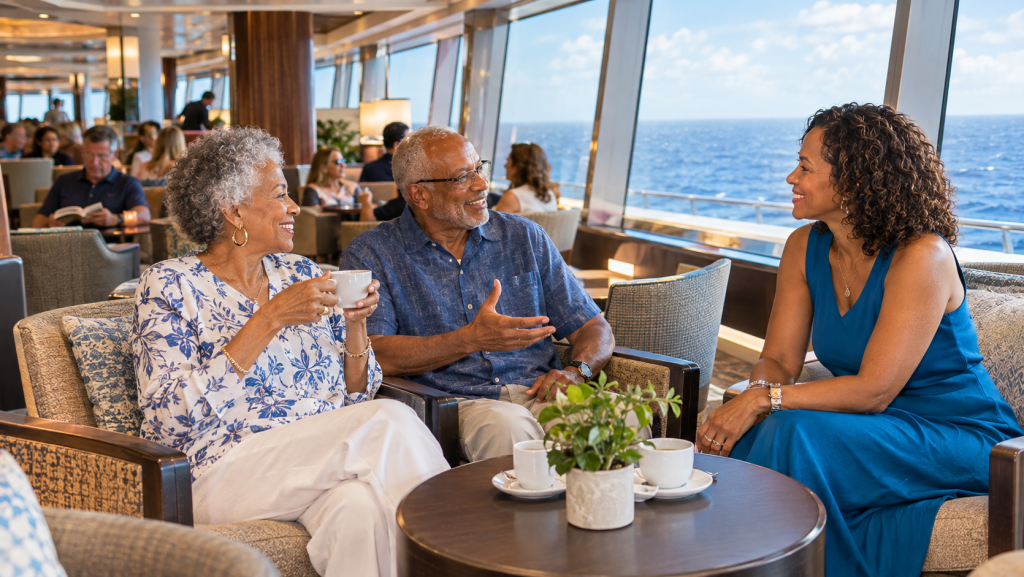
Cruises work well for seniors because the travel “base” stays consistent while the scenery changes.
Instead of packing and unpacking every few days, you settle in once and let the ship do the heavy lifting.
That consistency reduces fatigue and makes routines easier to maintain.
Meals are available without the stress of restaurant hunting and transportation decisions.
Entertainment is close by, and many ships offer seating, elevators, and accessible routes designed for varied mobility levels.
Medical support is typically available onboard, which can add reassurance for families.
The ship environment also makes it easier to customize the pace, because rest and activity can happen within the same day.
When pace becomes flexible, everyone enjoys the vacation more.
Less Daily Logistics
A floating home base reduces constant transportation and decision-making.
Routine Feels Easier
Consistent rhythms can support seniors who do best with predictability.
Pace Is Flexible
The ship allows rest breaks without losing the day.
Understand Accessible Cabins: Features That Make Cruising Easier for Seniors
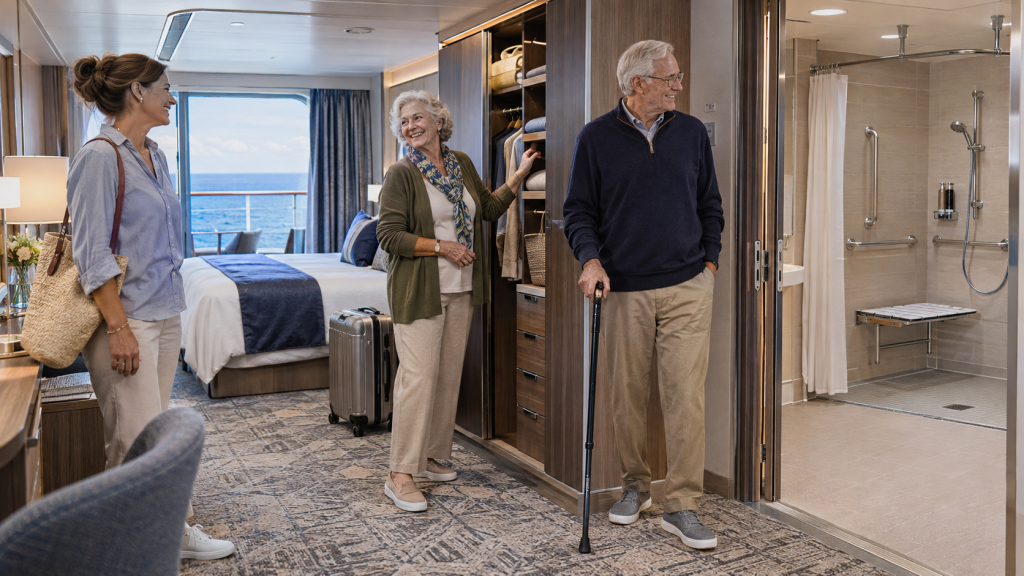
An accessible cabin is a stateroom designed to support guests with mobility, hearing, or other accessibility needs.
These cabins often include wider doorways, more open floor space, accessible bathroom features, and layouts that accommodate walkers or wheelchairs.
Accessible bathrooms may include roll-in showers, grab bars, shower seating options, and lower fixtures designed for easier reach.
Some ships also offer visual alarms, hearing-access features, or other adaptations, depending on the cruise line and ship.
The key detail is that “accessible” is not one single layout across all ships.
Cabin features can vary by cruise line, ship class, and even by the specific cabin number.
That is why asking specific questions matters more than assuming based on the label.
When the cabin fits correctly, the whole trip feels safer and more comfortable.

Luxury Cruise Experiences at Smarter Prices
See premium sailings and upgraded cabins priced for travelers who know how to book well
Accessibility Is Specific
Accessible cabins vary, so verifying the exact features protects the trip.
Bathrooms Matter Most
The bathroom layout is often the biggest quality-of-life factor onboard.
Space Supports Dignity
A workable cabin layout reduces frustration and supports independence.
Choosing The Right Ship And Itinerary With Seniors
The best senior-friendly cruise is usually the one that matches energy levels and reduces physical strain.
Shorter itineraries can be a smart first step when you’re unsure how everyone will handle ship life.
Fewer port days can also help, because repeated early mornings and long excursions can be tiring.
On the other hand, some seniors love port-heavy itineraries when the shore time is easy, structured, and not physically demanding.
Sea days can be excellent for older travelers because they offer gentle routines, onboard activities, and plenty of places to sit and enjoy the view.
Weather patterns matter too, because heat and humidity can increase fatigue and discomfort for many seniors.
If motion sensitivity is a concern, choosing calmer seasonal routes and considering midship cabin locations can help.
A first cruise goes better when the itinerary feels supportive rather than ambitious.
Start With Supportive Days
Balanced schedules reduce exhaustion and protect enjoyment.
Sea Days Can Shine
Sea days often feel restful and social for seniors.
Weather Can Matter
Heat and humidity can influence comfort more than beginners expect.
The Accessibility Guide That Prevents Day-One Surprises
Most first-time families underestimate how many small details affect daily comfort onboard.
A single pinch point, like a shower that feels unsafe or a long walk to dining, can quietly drain energy.
The good news is that you can prevent most surprises with a simple accessibility checklist and a few targeted questions.
This guide is meant to be practical and respectful, because nobody wants to feel like the trip is a medical project.
The goal is ease, dignity, and a vacation that feels enjoyable.
Use the table below to plan what to ask your cruise line or travel advisor before finalizing your cabin.
Then keep a copy in your phone notes so you can refer back to it later.
When these items are handled early, the cruise feels simpler for everyone.
Accessibility Guide
| Focus Area | What To Confirm | Why It Matters |
|---|---|---|
| Cabin doorway | Width and threshold height | Walkers and wheelchairs need easy entry |
| Cabin space | Turning room and bed clearance | Reduces daily frustration and bump risks |
| Bathroom | Roll-in shower, grab bars, seating | Supports safer bathing and independence |
| Toilet height | Comfort height or standard | Comfort and ease can change the whole day |
| Emergency alert | Visual or hearing features | Helpful for guests with hearing needs |
| Location | Distance to elevators and dining | Fewer long walks protects energy |
| Ship routes | Accessible pathways to venues | Avoids stairs-only shortcuts and detours |
| Tender ports | Tender requirement for some ports | Tenders can be difficult for mobility limits |
| Excursions | Accessibility rating and terrain | Prevents “too hard” shore days |
| Mobility aids | Bringing walker or renting scooter | Planning avoids last-minute scrambles |
How To Use This Guide
Start by identifying the two biggest comfort priorities for your senior traveler.
For many families, the bathroom setup and cabin location are the top two.
Next, decide what level of independence your senior traveler wants and what level of support they welcome.
That conversation matters because dignity and autonomy are part of comfort.

Sail Away to Paradise Without Overpaying
Find cruise deals that make it easy to escape, relax, and enjoy the ocean without stretching your budget
Then confirm the ship’s realistic walking distances, because ships can be large even when they feel manageable.
If elevators are a concern, ask where the closest elevator banks are relative to the cabin.
Finally, choose shore days with accessible pacing and avoid stacking multiple intense days in a row.
A supportive itinerary creates a supportive mood.
Details Prevent Stress
Small cabin and route details have outsized impact on daily comfort.
Dignity Is Planning
Good planning supports independence without making anyone feel managed.
Pacing Is Everything
Even a perfect cabin cannot fix an itinerary that is too demanding.
Getting Around The Ship Without Exhaustion
Ship navigation can feel intimidating at first, especially for seniors who move slowly or use mobility aids.
A smart approach is learning the ship in short loops instead of trying to understand it all at once.
One loop can cover the route from cabin to dining.
Another loop can cover the route from cabin to the main theater or favorite lounge.
Repeated loops create familiarity, and familiarity reduces stress quickly.
Elevators can get crowded at peak times, so having a stair-free backup route is helpful when possible.
Seating matters too, because older travelers often do best with frequent short rests rather than long continuous walking.
When you treat seating as part of the plan, the ship feels easier.
Short Loops Work
Small repeatable routes build confidence faster than big exploration sessions.
Peak Times Are Real
Elevator crowds can be managed by timing and route choices.
Rest Is Strategic
Frequent short rests protect stamina and improve mood.
Dining With Seniors Without Awkward Moments
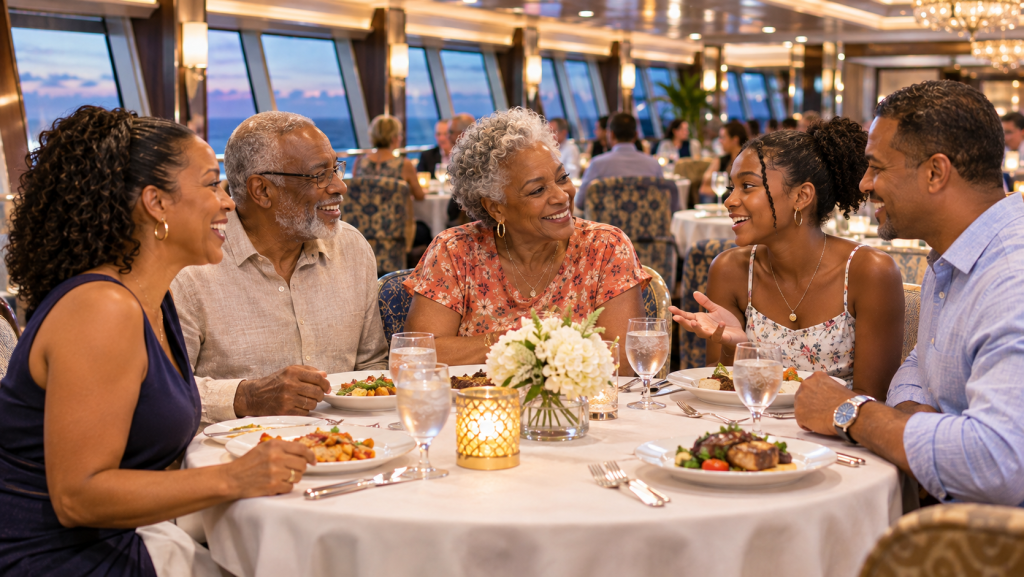
Dining is often a highlight for seniors, because it combines comfort, routine, and social time.
It can also create friction when seating arrangements, noise levels, or timing do not fit the traveler.
If your assigned table or dining room location does not feel right, visit the main dining room and request a table that better fits your needs.
A quieter table location can make conversation easier, especially for seniors with hearing challenges.
Earlier dining times can also help seniors who prefer routine and do not want late nights.
Many ships can accommodate dietary needs, but clear communication helps, especially for low-sodium, diabetic-friendly, or allergy-related requests.
The most important mindset shift is that asking for comfort is normal, not demanding.
Comfort supports dignity, and dignity is part of a good family trip.
Seating Can Change
Dining requests are common and can greatly improve daily enjoyment.
Noise Can Matter
A quieter location can help seniors hear and participate comfortably.
Earlier Can Feel Better
Earlier dining often supports routine and improves energy.
Shore Days That Feel Enjoyable Instead of Draining
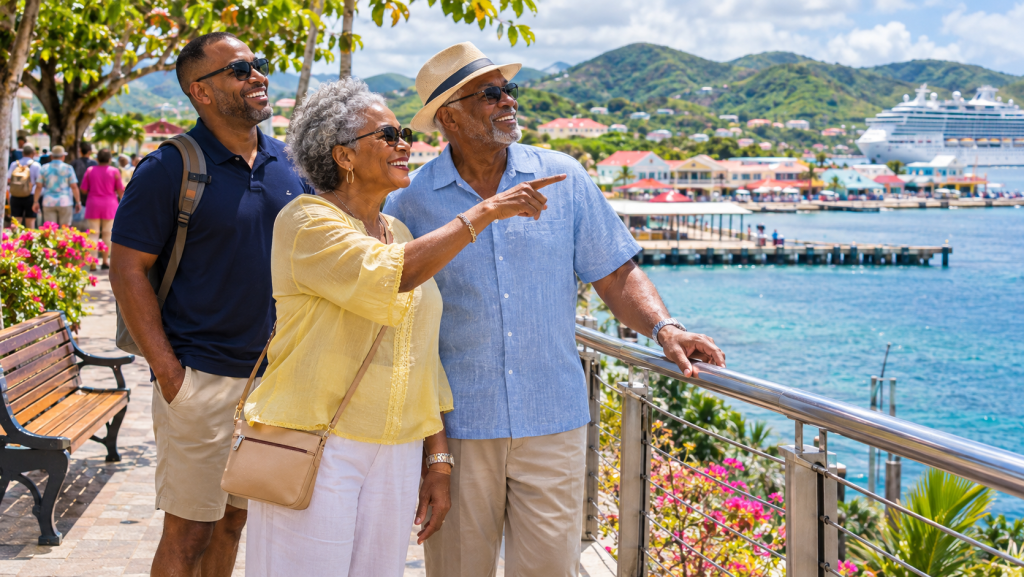
Ports can be wonderful for seniors when the plan fits mobility and stamina.
The most common beginner mistake is choosing excursions based on excitement alone, without checking terrain and walking expectations.
A senior-friendly shore day often means shorter distances, more seating opportunities, and a clear plan for bathrooms and shade.
Transportation style matters too, because bus-based tours, scenic drives, or boat rides can feel easier than walking-heavy itineraries.
If you want structured options, browsing tours on GetYourGuide can help you filter by style and read reviews for pacing clues.
If your port city offers hop-on hop-off routes, Big Bus Tours can be a practical way to see highlights without long walking stretches.
When you design ports around comfort, everyone enjoys the day more and returns to the ship feeling good.
A good port day should end with enough energy left for dinner and the evening.
Terrain Is The Hidden Factor
Walking distance and uneven ground can matter more than the attraction itself.
Transportation Can Help
Bus and scenic options can deliver great experiences with less strain.
Energy For Evening
The best shore days preserve enough energy for nighttime enjoyment.
Medical, Medications, And Practical Preparedness
Worry often spikes when families think about health needs at sea.
A calmer mindset comes from simple preparation rather than intense planning.
Start with medications in original containers and pack them in carry-on bags, not checked luggage.
Bring a written list of medications and dosages, because that list is useful in any medical situation.
If mobility aids are needed, confirm whether the ship can accommodate them and whether you want to bring a walker or consider a travel scooter.
Many ships have medical centers onboard, but services and costs can vary, so it helps to understand the basics before you sail.
Travel protection can also reduce worry for families who want coverage for unexpected medical issues or travel disruptions.
VisitorsCoverage, World Nomads, EKTA, and Insubuy are options many travelers compare when they want trip coverage choices that fit their comfort level.
Carry-On Meds Always
Medication access should never depend on luggage delivery timing.
Lists Reduce Stress
A clear medication list supports fast help if needed.
Coverage Can Reassure
Travel protection options can reduce “what if” worry for many families.
Tools That Save Energy Before And During The Trip
Senior-friendly cruising starts well before embarkation day.
A smooth pre-cruise hotel night can reduce morning stress and avoid a rushed travel day, especially when mobility needs slow transitions.
Booking.com, Agoda, Tripadvisor, and Trip.com can help you compare hotels near the port with reviews that mention elevators, breakfast ease, and noise.
If you arrive early and want freedom to explore without dragging bags, Radical Storage can help with short-term luggage storage in many cities.
Reliable luggage matters too, because broken wheels or heavy bags can create unnecessary strain for seniors and caregivers alike.
Travelpro luggage is a practical option many travelers choose when they want dependable rolling bags that handle airports without drama.
If you use public Wi-Fi during travel to check reservations, NordVPN can be a helpful privacy tool for some travelers.
For flight disruption headaches, Compensair can be relevant in some situations for eligible compensation claims depending on route rules.
Smoother Embarkation
A hotel night near the port can reduce rushed transitions and protect energy.
Bags Should Behave
Reliable luggage reduces physical strain and caregiver stress.
Digital Support Helps
Simple privacy and disruption tools can reduce travel-day friction.
Avoid Common Mistakes: Simple Fixes for a Smooth Cruise With Seniors
Most mistakes are not dramatic, but they can compound across a week.
One common mistake is choosing a cabin location that seems fine on paper but creates long daily walks in practice.
Another common mistake is stacking too many early mornings, which can wear seniors down by mid-cruise.
A third mistake is skipping rest windows because the family feels pressure to maximize every day.
Overmaximizing often leads to irritability, fatigue, and less enjoyment for everyone.
Some families also wait too long to ask for accommodations, even when a small request would improve comfort immediately.
Finally, beginners sometimes choose excursions that are too physically demanding, which can make a port day feel like a test instead of a treat.
The fix is choosing comfort-forward decisions early and adjusting quickly when needed.
Long Walks Add Up
Cabin location can quietly shape the comfort of every single day.
Early Mornings Stack
Too many early starts can drain energy faster than expected.
Ask Early
Small accommodation requests can improve the trip immediately.
The Fears Families Have And What Usually Happens Instead
Families often fear that seniors will feel overwhelmed or left behind in fast-moving environments.
That fear is understandable, because ships can feel busy and unfamiliar on day one.
In practice, most seniors settle in quickly when routines are simple and the pace is respectful.
Another fear is that medical needs will become a crisis at sea.
Preparation usually reduces this fear because it replaces vague worry with practical readiness.
Some families also fear that seniors will feel bored, yet many older travelers enjoy ship life because it offers gentle entertainment and social spaces.
Finally, caregivers often fear they won’t get a break, which is why scheduling small rest windows and optional kids club time for multi-generation groups can matter.
A good family cruise with seniors is less about perfection and more about steadiness.
Settling Happens Fast
Simple routines help seniors feel oriented and comfortable.
Preparedness Is Power
Practical readiness reduces worry better than constant research.
Steady Beats Perfect
A steady plan supports enjoyment for both seniors and caregivers.
Enjoy The Trip Together With Confidence
Cruising with seniors for the first time can be one of the most meaningful ways to travel as a family.
The ship can support mobility needs when accessible cabin details are confirmed early and routes are learned in simple loops.
Dining can feel more enjoyable when seating, timing, and noise levels match your senior traveler’s comfort.
Ports can be wonderful when excursions protect stamina instead of draining it.
Practical preparation for medications and travel-day logistics reduces worry and gives everyone more emotional space to enjoy the week.
When you plan for dignity, pace, and comfort, the vacation feels easier and more connected.
That is when the best part of cruising with seniors shows up.
You get real time together, without constant logistics stealing the moment.
FAQ – How Can You Plan a Comfortable First Cruise With Seniors While Protecting Independence, Mobility, and Family Time?
Are Cruises a Good Vacation Choice for Seniors Traveling With Family?
Cruises can be an excellent option for older travelers because accommodations, dining, entertainment, and transportation between destinations are combined into one vacation.
Instead of repeatedly packing and changing hotels, passengers can settle into a familiar environment while enjoying different ports and onboard activities.
That convenience can be especially appealing to travelers who prefer predictable routines, although some ships require considerable walking between venues.
The best experience comes from selecting a vessel and itinerary that match the senior traveler’s actual interests, mobility, and preferred pace rather than assuming all older adults want the same type of vacation.What Is the Best Type of Cruise for First-Time Senior Travelers?
A shorter cruise with a manageable itinerary can be a useful introduction for someone who is uncertain about shipboard life, but experienced travelers may enjoy longer voyages just as much.
The most important considerations include the number of sea days, the demands of shore excursions, the ship’s size, and the weather expected along the route.
Travelers who enjoy sightseeing may prefer multiple interesting ports, while those who value rest and onboard entertainment might appreciate more sea days.
Choosing an itinerary around personal preferences generally works better than selecting a sailing solely because it’s advertised as senior-friendly.Should Seniors Book Accessible Cruise Cabins Even If They Do Not Use a Wheelchair?
An accessible cabin may be appropriate when a traveler needs particular features, such as additional maneuvering space, an adapted bathroom, or safer transfer arrangements.
However, not every senior requires these accommodations, and some travelers may be comfortable in a standard cabin with a suitable location and bathroom configuration.
Accessible staterooms are limited and designed for passengers who need their specific features, so booking decisions should reflect genuine accessibility requirements.
Review the actual layout and discuss any essential accommodations with the cruise line rather than assuming age alone determines the right cabin.What Accessible Cabin Features Matter Most When Cruising With Seniors?
Bathroom design is often particularly important because shower thresholds, grab bar placement, seating, and toilet height can affect daily comfort and independence.
Travelers who use walkers or wheelchairs may also need wider doorways, sufficient turning space, and clearance around the bed.
These features vary by ship and cabin classification, so an accessible label does not guarantee that every arrangement will suit a particular traveler.
Ask for specific cabin details and confirm essential features before finalizing the reservation.Is It Better to Book a Cruise Cabin Near the Elevators for Seniors?
A cabin near an elevator bank can reduce unnecessary walking, especially when the ship is large and passengers regularly travel between different decks.
This can be beneficial for seniors who experience fatigue, pain, or difficulty covering long distances, although it may be less important for active travelers who enjoy walking.
Some elevator areas also experience heavier hallway traffic, particularly around dining and entertainment times.
Review the deck plan and choose a location that balances convenience with the senior traveler’s preferences for noise and accessibility.Can Seniors Bring Walkers, Wheelchairs, or Mobility Scooters on a Cruise?
Many cruise lines allow passengers to bring personal mobility equipment, including walkers, wheelchairs, and scooters, although individual equipment policies vary.
Depending on the device and cabin, there may be restrictions involving doorway clearance, storage, charging, and battery specifications.
Some cruise lines require scooters to be stored inside the stateroom rather than in hallways, which makes confirming cabin dimensions especially important.
Provide the equipment’s measurements and specifications to the accessibility department before booking so any necessary arrangements can be discussed.Are Smaller Cruise Ships Easier for Seniors to Navigate Than Larger Ships?
Smaller ships may involve shorter distances between cabins, restaurants, and entertainment venues, which can be appealing to travelers who prefer less walking.
However, a larger ship may provide more elevators, accessible facilities, dining choices, and varied activities, depending on its design.
The ship’s age, layout, and accessibility features can matter more than its passenger capacity alone.
Compare actual deck plans and available accommodations instead of assuming that a smaller vessel will automatically be easier to navigate.Are Sea Days Better Than Port-Intensive Itineraries for Senior Cruisers?
Sea days can offer a relaxed schedule filled with dining, entertainment, scenic views, and opportunities to rest, which some older travelers particularly enjoy.
However, seniors who love exploring destinations may prefer itineraries with more port visits, especially when excursions can be arranged at a comfortable pace.
The challenge comes when several demanding shore days occur back-to-back without enough time to recover.
Consider the traveler’s interests, stamina, and preferred activities when deciding how much time the cruise should spend at sea.How Can Families Prevent Seniors from Becoming Exhausted During a Cruise?
Begin by choosing activities that reflect the traveler’s usual stamina instead of assuming the vacation requires a full schedule from morning until night.
Short rest periods, convenient dining arrangements, and sensible excursion choices can help reduce the physical demands of the day.
It’s also useful to leave time between activities so elevator waits, longer walking routes, or changes in plans don’t create unnecessary pressure.
Most importantly, let the senior traveler decide when to rest or adjust the schedule rather than treating participation in every group event as an obligation.Can Cruise Lines Accommodate Seniors Who Need Special Dining Arrangements?
Cruise lines may be able to help with seating preferences, dietary requests, and certain accessibility needs, although specific arrangements depend on the ship and available facilities.
For example, a quieter dining location might make conversation more enjoyable for someone with hearing difficulties, while a table with additional clearance may be necessary for a wheelchair user.
Some travelers also prefer earlier dining times because they fit their usual routine or leave more energy for evening activities.
Contact the dining team before or early in the voyage and explain which arrangements would improve the experience.What Are the Best Shore Excursions for Seniors with Limited Mobility?
Scenic drives, guided sightseeing tours with convenient transportation, and attractions with accessible facilities can be enjoyable alternatives to walking-intensive excursions.
However, a tour described as easy may still involve stairs, uneven pavement, or lengthy periods of standing, so it’s important to examine the actual requirements.
Ask about vehicle access, walking distances, restroom facilities, and opportunities to sit before making a reservation.
A well-matched excursion should provide a rewarding destination experience without requiring the traveler to exceed their comfortable level of activity.Can Seniors With Mobility Limitations Get Off a Cruise Ship at Tender Ports?
Tender ports can create additional accessibility challenges because passengers must travel between the ship and shore in smaller boats.
Whether someone can use a tender depends on the cruise line’s equipment, port infrastructure, sea conditions, and the passenger’s ability to transfer safely.
Some tenders cannot accommodate power wheelchairs or mobility scooters, and access may change when weather conditions deteriorate.
Check every tender port on your itinerary before booking, particularly if going ashore is an essential part of the vacation.What Medical Services Are Available for Seniors on Cruise Ships?
Cruise ships generally have medical centers staffed by healthcare professionals who can evaluate and treat a variety of illnesses and injuries.
However, the facilities and services available vary by vessel, and onboard medical centers are not substitutes for a traveler’s regular healthcare providers.
Seniors managing ongoing medical conditions should discuss their travel plans with their clinician and confirm whether the ship can accommodate any specialized needs.
Medical consultations, medications, and emergency treatment can also generate additional charges, making appropriate insurance coverage worth reviewing.How Should Seniors Organize Prescription Medications Before a Cruise?
Essential prescription medications should travel in carry-on luggage so they remain accessible during flights, transfers, and embarkation.
Keeping medications in their original labeled containers and carrying an updated medication list can help with identification and medical communication if needed.
Travelers should also consult their pharmacist or prescriber about sufficient supplies for the voyage, including an appropriate allowance for possible delays.
If medications require refrigeration or precise dosing schedules, arrange suitable storage and confirm any time-zone adjustments before departure.Is Travel Insurance Important for Seniors Taking Their First Cruise?
Travel insurance can be particularly valuable when a cruise involves expensive prepaid arrangements, international destinations, or potential medical and evacuation expenses.
The right coverage depends on the traveler’s health circumstances, itinerary, financial exposure, and existing insurance benefits.
Policies may handle pre-existing medical conditions differently, and certain waivers can depend on purchasing coverage within a specified period.
Review emergency medical limits, evacuation benefits, exclusions, and eligibility conditions before assuming a policy will cover every unexpected event.How Can Families Make Embarkation Day Easier for Senior Travelers?
Arriving in the departure city before embarkation day can reduce the pressure created by delayed flights and same-day transportation problems.
If a traveler needs mobility assistance, contact the cruise line before sailing to confirm what support can be arranged at the terminal and how to request it.
Keep medications, important documents, and other essentials in an accessible carry-on rather than handing them over with larger luggage.
Allow plenty of time for check-in and boarding so nobody feels rushed through unfamiliar procedures.How Can You Plan a Multigenerational Cruise Without Making Seniors Feel Left Out?
Choose a few shared experiences that everyone genuinely wants to enjoy, such as family dinners, scenic outings, or onboard entertainment.
Beyond those activities, allow relatives to make their own choices rather than expecting the entire group to follow one itinerary.
A senior might enjoy a quiet afternoon in a lounge while younger family members visit the pool, with everyone reconnecting later for dinner.
This approach keeps family time meaningful while respecting differences in energy levels and personal interests.Should Seniors Travel with a Caregiver or Family Companion on a Cruise?
The need for a caregiver depends on the individual traveler’s circumstances, required assistance, and ability to manage daily activities independently.
Many seniors travel comfortably without personal assistance, while others may need help with transfers, bathing, medication management, or other tasks.
Cruise ship employees generally do not provide routine personal caregiving services, so travelers who require that level of assistance should make suitable arrangements before departure.
Discuss expectations openly so the responsibilities of family members or professional caregivers are clear and the vacation remains enjoyable for everyone.What Are the Biggest Mistakes Families Make When Cruising with Seniors?
A frequent mistake is planning the vacation around assumptions about what older travelers can or cannot do instead of asking about their preferences and needs.
Other problems include choosing cabins too far from frequently used venues, overlooking bathroom accessibility, and booking excursions without checking their physical demands.
Families may also underestimate the importance of medication preparation, travel buffers, and appropriate medical coverage.
Involving the senior traveler in decisions and confirming essential arrangements early helps prevent these problems without making the vacation unnecessarily complicated.How Can You Make a First Cruise with Seniors Comfortable and Memorable for Everyone?
Start by selecting a ship and itinerary that accommodate everyone’s interests, then confirm any accessibility or medical arrangements essential to individual travelers.
Rather than trying to schedule every hour together, choose a few meaningful activities and leave room for rest or independent exploration.
Comfortable dining, suitable shore excursions, and well-planned travel logistics can make the experience easier without sacrificing spontaneity.
The most memorable moments often come from spending quality time together, not from how many attractions or ports you manage to visit.
Plan Your Next Cruise!

Unlock The Viking Ocean Experience: Elegant Ships, Cultural Immersion, And Unrushed Travel
One Delay Can Cost Your Entire Cruise A quick coverage check now protects you from the problems no one sees coming….

Sail Into Sophistication: Holland America Cruises for Luxury, Culture, and Unforgettable Journeys
One Delay Can Cost Your Entire Cruise A quick coverage check now protects you from the problems no one sees coming….

Sail Into Italian Elegance: Costa Cruises for Culture, Cuisine, and Unforgettable Voyages
One Delay Can Cost Your Entire Cruise A quick coverage check now protects you from the problems no one sees coming….

Sail Smart: Discover The Real Cost of Luxury Cruises and Maximize Your Travel Value
One Delay Can Cost Your Entire Cruise A quick coverage check now protects you from the problems no one sees coming….
Explore More

Sail in Style: Oceania Cruises’ Culinary Excellence, Cultural Immersion, and Refined Luxury
Cruise Ship Stabilizers: The Hidden Technology That Keeps Voyages Smooth and Safe

Relieve Tension Onboard: Cruise Hot Stone Massage Benefits and Booking Tips