One Delay Can Cost Your Entire Cruise
A quick coverage check now protects you from the problems no one sees coming.
Short Excerpt
- Cruise crews begin preparing for hurricane-season weather long before passengers see any sign of a storm.
- Captains, medical teams, engineers, and guest-service staff follow coordinated procedures designed to keep the ship safe and passengers informed.
- Much of that preparation happens behind the scenes, which is why a sudden itinerary change can actually reflect careful planning rather than an emergency.
Quick Take
- Bridge teams monitor tropical systems days in advance and reroute early when a storm threatens the planned course.
- Crew members repeatedly train for evacuation, medical response, crowd management, rough seas, and passenger communication.
- Every department has a defined storm-response role, from securing equipment to supporting families and maintaining onboard services.
- Medical teams remain prepared for seasickness, injuries, and more serious emergencies while weather conditions change.
- A hurricane-related route change usually means the safety system is working as intended, not that the ship is suddenly in danger.
How Cruise Crews Keep Passengers Safe During Hurricane Season
Cruising during hurricane season can feel risky—but safety is never left to chance.
Every crew member trains relentlessly to manage storms with precision and calm.
If the thought of being at sea during hurricane season makes your pulse quicken, you’re not alone.
Many travelers—especially first-time cruisers—wonder what really happens when a storm develops nearby.
Does panic set in?
Are the crew calm and capable, or scrambling for solutions?
Here’s the truth: cruise staff are some of the most highly trained emergency professionals you’ll ever encounter.
From the captain to the youngest deckhand, every team member knows their exact role the moment weather conditions change.
Their calm under pressure isn’t luck—it’s the result of rigorous, ongoing training that blends navigation science, emergency medicine, guest safety, and even crowd psychology.
If you’ve ever questioned whether it’s safe to cruise during hurricane season, this guide is your reassurance.
We’ll walk you through how crews prepare, what happens when storms shift routes, and how staff manage passenger well-being from start to finish—so you can board with confidence, even in the stormiest months of the year.
The Calm Behind the Command: How Cruise Teams Prepare for Hurricanes
Every cruise ship operates under strict maritime safety laws enforced by organizations like the International Maritime Organization (IMO) and the U.S. Coast Guard.
Before a ship ever leaves port during hurricane season, the crew has already completed multiple emergency readiness drills designed for tropical weather scenarios.
Unlock Your Dream Cruise with Exclusive Online Deals!
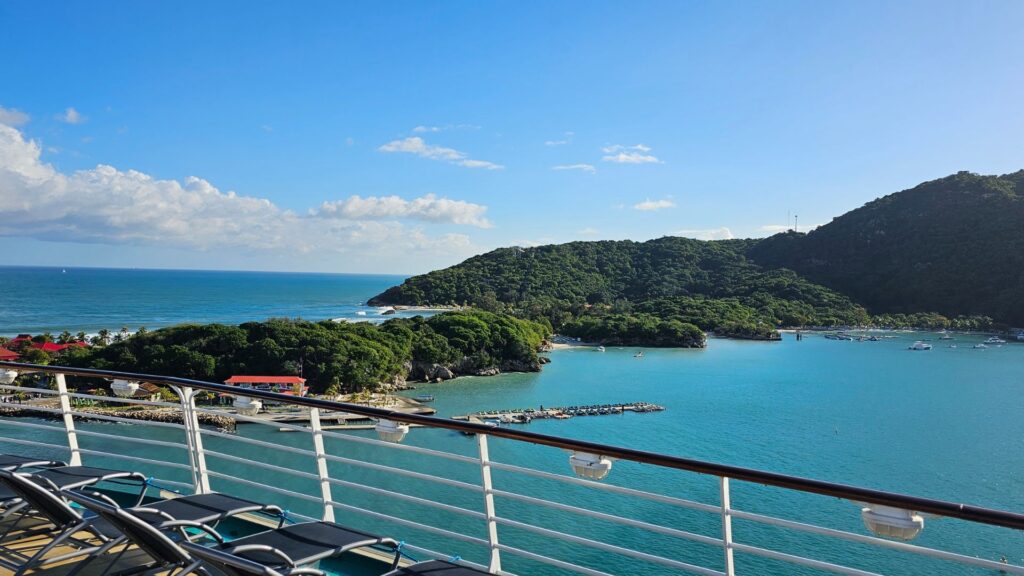
These drills cover everything from securing deck equipment to preparing lifeboats and briefing staff on passenger communication plans.
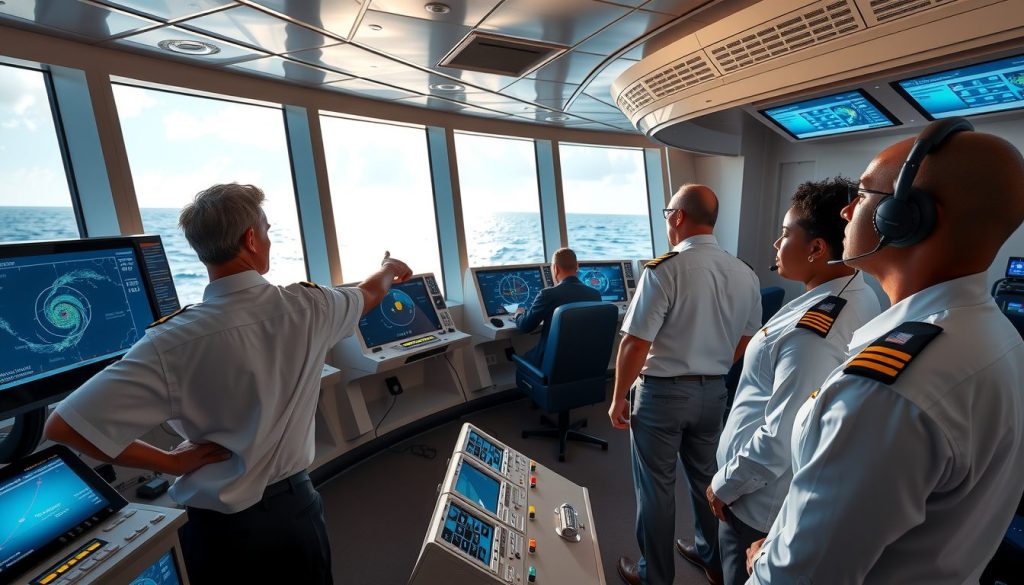
Unlike airline pilots, who face weather decisions before takeoff, cruise captains monitor tropical systems days in advance.
Their meteorological teams track satellite data around the clock, allowing them to reroute early—long before a storm becomes dangerous.
Behind the scenes, dozens of crew members are assigned to “storm readiness roles.”
Engineering teams reinforce watertight compartments, medical staff restock supplies, and the bridge crew adjusts routes based on National Hurricane Center updates.
The Role of Continuous Communication
One of the most reassuring aspects of a cruise during hurricane season is transparency.
The captain and officers update passengers in real time, explaining why routes change or why the ship might spend an extra day at sea.
This calm communication is designed to keep guests informed—and to prevent anxiety from spreading.
Even when passengers are unaware of the storm’s details, the crew is already steps ahead.
Their daily coordination meetings keep every department aligned—from kitchen staff securing galley equipment to entertainment teams preparing alternate onboard activities in case ports are skipped.
Key Takeaways
- Cruise staff receive advanced hurricane-readiness training multiple times per year.
- Ship officers monitor storm data around the clock and reroute early.
- Transparent communication keeps passengers calm and informed.
Safety Drills That Make the Difference
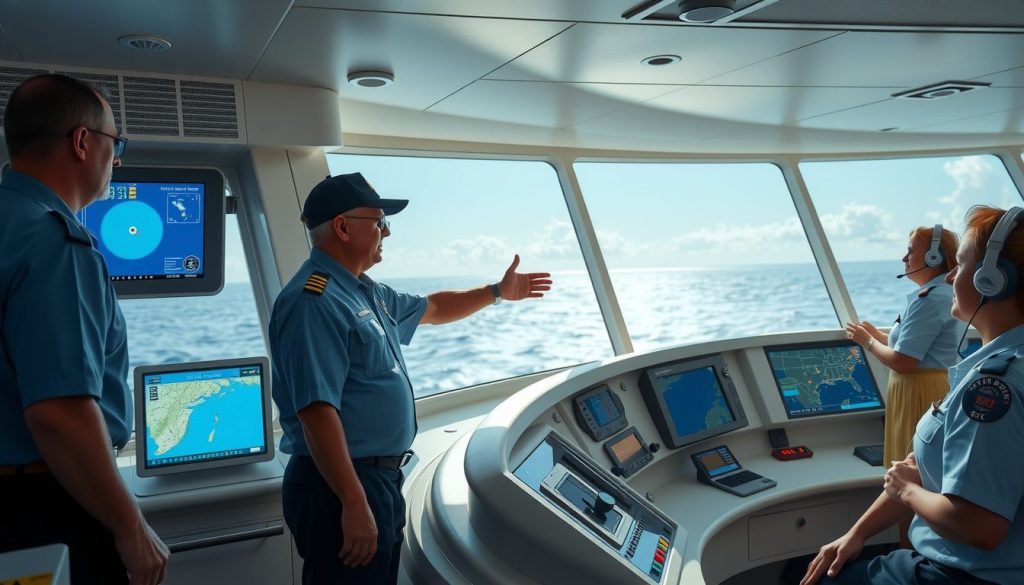
You might roll your eyes at the mandatory safety drill on embarkation day, but that short session represents a cornerstone of maritime safety.
These muster drills—required by law—ensure every guest knows where to go and what to do in an emergency.
For crew members, drills go far beyond what passengers see.
Throughout the season, they practice crowd management, first-aid triage, and lifeboat deployment in timed conditions.
Many crew members undergo training accredited by the Standards of Training, Certification and Watchkeeping (STCW), an international program that certifies maritime professionals in fire safety, survival techniques, and emergency command.
When hurricanes approach, these skills are sharpened further.
Additional briefings walk crew through how to maintain order, assist children or elderly guests, and manage medical incidents in rough seas.
Behind-the-Scenes Coordination
Every department—housekeeping, medical, engineering, entertainment—has a distinct role in storm response.
Housekeeping teams secure hallways and cabins. Kitchen staff ensure no hot equipment is left unsecured.
Even the ship’s musicians and entertainers have emergency designations—they may assist in directing passengers during drills.
This structure means every crewmember knows exactly what to do the instant the captain announces an emergency level.

Grab Your Ticket to Paradise with These Deals!
You’ll never see confusion because it’s been rehearsed endlessly before you board.
Real Reassurance for Guests
- Muster drills prepare passengers for rare but serious events.
- STCW-certified training ensures crew members meet global safety standards.
- Drills simulate hurricane-specific challenges like movement, lighting, and communication delays.
Medical Readiness During Storm Season
One of the most comforting aspects of cruising during hurricane season is the ship’s medical infrastructure.
Every major cruise line employs licensed physicians and nurses who specialize in maritime medicine.
When severe weather hits, the medical staff joins safety briefings to review contingency plans.
They secure all equipment, ensure medicine stocks are sufficient, and confirm telemedical links to onshore hospitals.
The onboard medical center is typically located on a low, stable deck—where motion is least felt—and equipped to handle emergencies ranging from motion sickness to cardiac events.
During hurricanes, this facility becomes a quiet hub of calm professionalism.
Even passengers prone to anxiety or seasickness find relief knowing they can get help 24/7, no matter how the seas behave.
Insurance Protection When It Matters Most
Comprehensive travel insurance transforms concern into confidence.
Trusted providers like VisitorsCoverage, EKTA, Insubuy, Compensair, and World Nomads offer plans that cover medical care, evacuations, and weather-related interruptions.
If a storm forces a reroute or medical evacuation, these policies ensure financial protection and assistance coordination.
Insurance teams often liaise directly with the ship’s medical staff, smoothing every logistical detail if specialized care or hospital transport becomes necessary.
Having the right coverage is the simplest way to remove “what if” from your travel vocabulary.
Smart Traveler Insights
- Cruise ships maintain full medical teams, not just basic first aid.
- Facilities are equipped for advanced care and connected to shore hospitals.
- Comprehensive travel insurance provides peace of mind during storm reroutes.
When a Hurricane Approaches: What Actually Happens on Board
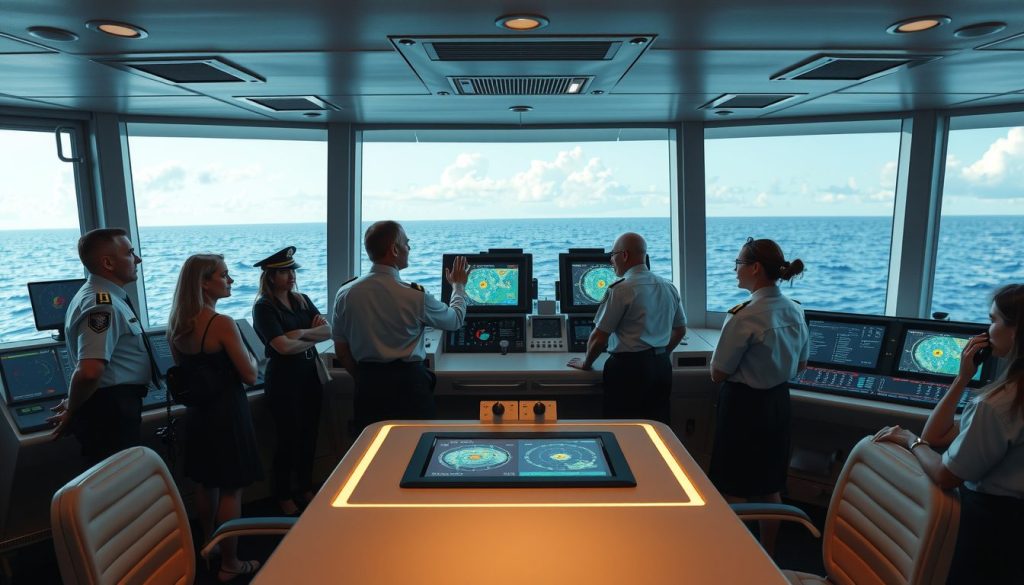
It’s the scenario most new cruisers imagine: dark skies, stronger waves, and a captain’s announcement that the itinerary is changing.
Here’s what’s really going on behind that calm voice over the intercom.
First, the bridge team has already been monitoring the storm’s trajectory for days.
They work closely with meteorological advisors and headquarters-based operations centers.
Click for Exclusive Offers on Top Cruise Lines!
If a hurricane’s projected path intersects the ship’s route, the captain makes an immediate course adjustment—usually early enough that passengers never experience dangerous conditions.
Onboard, the staff follows a storm protocol checklist. Deck furniture is tied down, pools are drained, and open-air venues are closed.
Crew members help passengers stay comfortable indoors, distributing motion-sickness medication, organizing indoor entertainment, and ensuring dining continues as planned.
The Human Element of Calm
The most striking thing during these times is the crew’s composure. While passengers may feel uneasy, the staff’s calm demeanor has a ripple effect.
Their confidence isn’t rehearsed—it’s muscle memory.
Every member has trained to reassure, redirect, and assist, ensuring the atmosphere on board remains relaxed and safe.
Even in the rare case of a storm reroute lasting days, cruise lines compensate passengers with new destinations, onboard credits, or additional activities.
The priority is always guest comfort and safety over sticking to a schedule.
Reassurance in Action
- Hurricanes are tracked days in advance to allow safe rerouting.
- Crew secure all open areas and support guests proactively.
- Calm leadership from staff sets the emotional tone for passengers.
How Crew Teams Work Together During Emergencies
Every cruise ship functions like a floating city, and that city runs on coordination.
During hurricanes, that coordination becomes precision teamwork.
The captain leads a Crisis Response Team (CRT) that includes department heads from medical, security, hotel services, engineering, and entertainment.

Experience Luxury Cruises at Unbeatable Prices Today!
Each member manages their respective staff, ensuring seamless communication from top to bottom.
While passengers enjoy dinner or a show, hundreds of crew members may be reviewing storm updates or conducting equipment checks.
The communication chain runs vertically and horizontally—officers inform department heads, and department heads brief staff across shifts.
Unified Communication Keeps Everyone Safe
The ship’s internal communication systems are designed for redundancy, ensuring no department is ever out of sync.
When needed, the captain can address the entire crew instantly via dedicated channels.
This unity is what allows large ships—some with over 5,000 passengers—to remain organized and calm during challenging weather.
And while guests may only see snippets of this coordination, the reality is a symphony of quiet competence happening just out of view.
Helpful Insights
- Cruise ships operate with layered emergency teams led by trained officers.
- Communication systems ensure instructions reach all staff instantly.
- Coordination allows even large vessels to manage storms efficiently.
Why You’re Safer Than You Think During Hurricane Season
For nervous travelers, it helps to understand that no cruise ship ever intentionally sails into a hurricane.
The ocean is vast, and itineraries are flexible. If a storm forms near your route, your ship will steer clear—by hundreds of miles if necessary.
Today’s ships are also built with advanced stabilization technology that minimizes motion, even in choppy seas.
Combine that with the constant vigilance of meteorologists, captains, and trained staff, and you’re traveling with one of the most regulated, safety-conscious industries in the world.
If you’re cruising with your family, it’s natural to worry about your children’s safety during bad weather.
Rest assured—crews are trained to assist families first, ensuring kids stay calm, supervised, and safe.
Most lines even assign specific staff to family assistance roles during emergencies.
Confidence Anchors
- Ships never sail toward hurricanes—they steer clear long before danger.
- Stabilizers and weather tracking minimize passenger discomfort.
- Crew prioritize family safety and calm reassurance.
Peace of Mind Through Preparation and People
When you see cruise staff move efficiently during a drill or adjust calmly to a route change, remember: that’s years of training at work.
Their confidence isn’t just for show—it’s the backbone of every safe voyage.
From hurricane tracking to medical readiness, every layer of the operation is designed to keep you secure.
Pair that with reliable travel insurance, and the ocean suddenly feels less intimidating.
So go ahead—book that fall cruise, even in hurricane season.
The right preparation, the right people, and the right protection transform what might feel risky into one of the most secure travel experiences available.
FAQ – How Do Cruise Teams Really Keep Me Safe During Hurricane Season?
What Are Cruise Crews Doing Before My Ship Even Leaves Port During Hurricane Season?
Before departure, crews run hurricane-focused readiness drills that cover securing deck equipment, preparing lifeboats, and rehearsing passenger communication plans.
Engineering teams reinforce watertight compartments, medical staff restock supplies, and bridge officers review National Hurricane Center data and satellite tracks for tropical systems along the route.
Knowing this work happens before you ever step aboard means the ship is already in “storm-ready” mode, with clear roles and procedures in place long before any clouds appear on the horizon.How Do Captains and Meteorologists Decide When to Reroute a Ship Away from A Hurricane?
Captains and their meteorological advisors monitor storm models days in advance, watching for any projected path that intersects the ship’s itinerary.
When a system looks likely to cross the route, they adjust course early—often by hundreds of miles—so passengers never experience truly dangerous conditions.
This early rerouting matters because it turns hurricanes into planning problems rather than emergencies, allowing the ship to trade one port for another or add a sea day while staying well clear of the storm’s core.What Actually Happens Onboard When the Captain Announces a Hurricane-Related Itinerary Change?
Once a reroute is announced, the ship follows a storm protocol checklist: deck furniture is tied down, pools may be drained, and open-air venues are temporarily closed.
Indoor entertainment expands, dining continues as scheduled, and crew distribute motion-sickness medication and practical guidance to keep guests comfortable.
For you, the experience becomes less about disruption and more about a shift in focus—more time indoors, different activities, and a route chosen specifically to keep conditions manageable.Why Are Muster Drills So Important for Hurricane-Season Safety, Even If They Feel Routine?
Muster drills teach you exactly where to go and what to do if an emergency ever requires organized movement, which is crucial when seas are rough or visibility is low.
Behind the scenes, crew use these drills to practice lifeboat deployment, crowd management, and first-aid triage under timed conditions that mimic hurricane challenges like motion and communication delays.
Treating the drill as a serious rehearsal gives you a mental map and a clear script, so if the captain ever needs you to act quickly, you’re following familiar steps instead of improvising under stress.How Are Crew Members Trained to Stay Calm and Organized When a Storm Is Nearby?
Crew members undergo rigorous training under international standards such as the Standards of Training, Certification and Watchkeeping, which cover fire safety, survival techniques, and emergency command.
Throughout the year—and especially before and during hurricane season—they run scenario-based drills that simulate rough seas, lighting changes, and complex passenger needs, including assisting children and elderly guests.
This repetition turns calm behavior into muscle memory, so when a real storm prompts action, the crew’s composure is genuine and grounded in practiced skill.What Role Does the Ship’s Medical Team Play When Weather Conditions Deteriorate?
During storm periods, the medical team joins safety briefings with the captain and officers, reviewing contingency plans and confirming telemedical links to shore hospitals.
They secure equipment, verify that medications for motion sickness, anxiety, and acute illness are stocked, and ensure the medical center—usually on a low, stable deck—remains fully operational.
For passengers, this means that whether you’re dealing with seasickness, a fall, or a more serious event, there is a dedicated clinical hub ready to respond even while the ship is navigating challenging weather.How Do Different Departments Like Housekeeping, Engineering, And Entertainment Work Together During A Hurricane?
In a storm, every department follows a defined role: housekeeping secures hallways and cabins, kitchen staff lock down hot equipment, engineering monitors power and stability systems, and entertainers may assist with directing guests during drills or announcements.
All of this coordination is led by a Crisis Response Team that includes heads from medical, security, hotel services, engineering, and entertainment.
This layered structure turns the ship into a synchronized network where hundreds of people act in concert, reducing confusion and keeping the environment orderly even when plans change quickly.How Are Families And Children Specifically Supported If Weather Turns Rough At Sea?
Crews receive extra briefings on assisting families, with many lines assigning staff to family-focused roles during emergencies.
These team members help keep children supervised, calm, and occupied, whether that means adapting youth activities indoors or guiding families smoothly through muster procedures.
For parents, this support means you’re not managing rough seas and safety instructions alone—the crew is actively working to make sure your children feel secure and cared for throughout any weather-related adjustments.What Kind of Travel Insurance Protection Matters Most for Hurricane-Season Cruises?
Travel insurance from providers such as VisitorsCoverage, EKTA, Insubuy, Compensair, and World Nomads can cover medical care, emergency evacuation, and trip interruptions caused by tropical storms.
Policies that explicitly mention severe weather, rerouting, and hospital transport are especially valuable, because they help pay for extra hotel nights, changed flights, or specialized treatment if a storm affects your broader journey.
Pairing this coverage with the ship’s safety systems turns unpredictable weather into a set of manageable scenarios with clear financial and logistical support.Why Do Experts Say You’re Often Safer at Sea Than on Land During Hurricane Season?
Cruise ships never aim toward hurricanes; they use the vastness of the ocean and flexible itineraries to steer away from dangerous zones.
Advanced stabilizers, constant storm tracking, strict oversight from organizations like the International Maritime Organization and the U.S. Coast Guard, and highly trained crews all work together to keep conditions controlled on board.
When you compare that to fixed infrastructure on land, where airports and roads can sit directly in a storm’s path, a well-managed ship with the ability to move and reroute can actually offer a more controlled, carefully monitored environment during hurricane season.
Plan Your Next Cruise!
Sail Smart: Discover The Real Cost of Luxury Cruises and Maximize Your Travel Value
One Delay Can Cost Your Entire Cruise A quick coverage check now protects you from the problems no one sees coming….

Sail Into Freestyle Freedom: Norwegian Cruise Line for Adventure Thrills, Gourmet Dining, and Destination‑Rich Voyages
One Delay Can Cost Your Entire Cruise A quick coverage check now protects you from the problems no one sees coming….

Sail Into Sophistication: Holland America Cruises for Luxury, Culture, and Unforgettable Journeys
One Delay Can Cost Your Entire Cruise A quick coverage check now protects you from the problems no one sees coming….
Discover Regent Seven Seas Cruises: Opulent Suites, Gourmet Dining, and Exclusive Destinations
One Delay Can Cost Your Entire Cruise A quick coverage check now protects you from the problems no one sees coming….
Explore More

Stay Hydrated at Sea: Cruise Bottled Water Policies, Costs, and Smart Savings

Sail With the Soundtrack You Love — Theme Cruises for Jazz, Rock, R&B, and More

Sail Into Timeless Luxury: Cunard Cruises for Transatlantic Elegance and Destination‑Rich Voyages