One Delay Can Cost Your Entire Cruise
A quick coverage check now protects you from the problems no one sees coming.
Short Excerpt
- Cruise ships function like self-contained cities, combining complex engineering, passenger rules, emergency systems, medical care, dining operations, and communications technology in one moving environment.
- Understanding how stabilizers, the keel, muster drills, onboard rules, and medical facilities work can make the experience easier to navigate before problems ever arise.
- Many of the details passengers rarely think about—from teen curfews to Wi-Fi and lost luggage procedures—can have a noticeable effect on the trip.
Quick Take
- Stabilizers reduce rolling, while the keel and overall ship design contribute to the stability that keeps large cruise ships upright at sea.
- Passenger rules can affect teen curfews, heating pads, nightlife, quiet areas, and other parts of daily life onboard.
- Muster drills, lifeboat assignments, trained crews, and onboard medical facilities form important layers of the ship’s emergency-response system.
- Wi-Fi, packing choices, luggage procedures, and port-shopping decisions can influence the practical side of the vacation just as much as entertainment and dining.
- Learning how the ship operates before sailing makes it easier to separate unfamiliar cruise procedures from genuine problems that require your attention.
What Really Keeps A Cruise Ship Running Safely At Sea
Cruise ships are more than floating hotels — they’re self‑contained cities at sea, complete with their own rules, safety systems, and engineering marvels.
For first‑time passengers and seasoned travelers alike, there’s always curiosity:
- How do these massive ships stay upright?
- What rules apply once you’re onboard?
- Where do you go if there’s an emergency?
Ship Design & Engineering: How Cruise Ships Really Work
Cruise ships are feats of modern engineering, designed to stay stable, safe, and efficient even in rough seas.

Sail Sustainably: How Cruise Lines Are Reducing Food Waste and Serving Eco-Friendly Dining
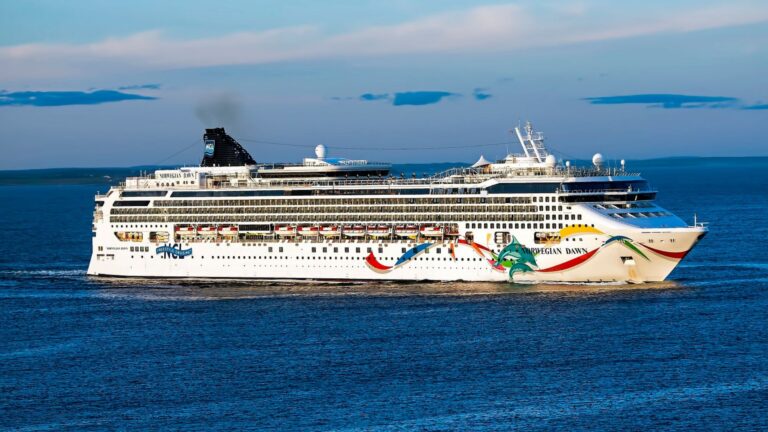
Cruise Ship Stabilizers: The Hidden Technology That Keeps Voyages Smooth and Safe
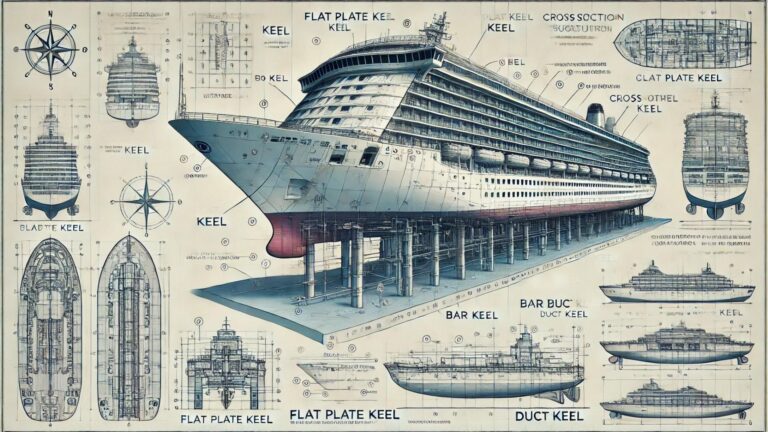
The Keel Explained: The Backbone That Keeps Cruise Ships Upright at Sea
Passenger Rules & Onboard Life: What You Need to Know
Life onboard comes with its own set of rules and rhythms.
Some are obvious, others might surprise you.

Turn the Ocean into Your Dance Floor: Cruises for Non‑Stop Nightlife

From Ocean to Plate — The Secrets of Cruise Ship Menu Creation Revealed
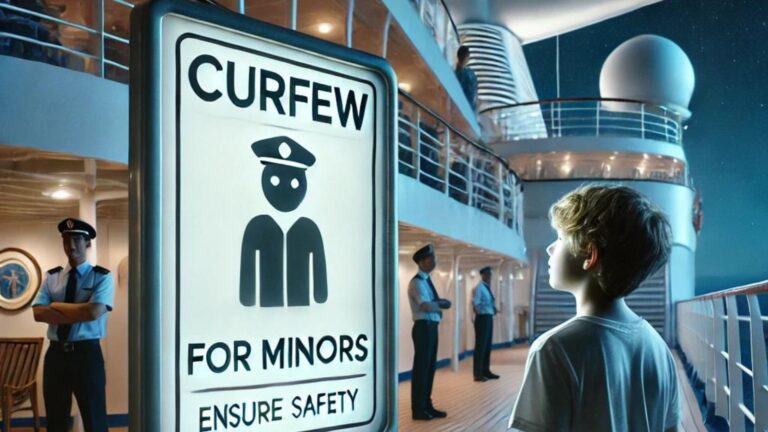
Cruise Curfews for Minors — What Families Need to Know Before Sailing

Stay Warm Safely: Cruise Heating Pad Rules, Safety Checks, and Packing Tips

Cruise Quiet Zones: Find Peaceful Retreats and Relaxation Spaces at Sea
Safety & Emergency Protocols: What Really Happens at Sea
Cruise lines take safety seriously, with detailed plans for every possible scenario.
Here’s what passengers should understand.
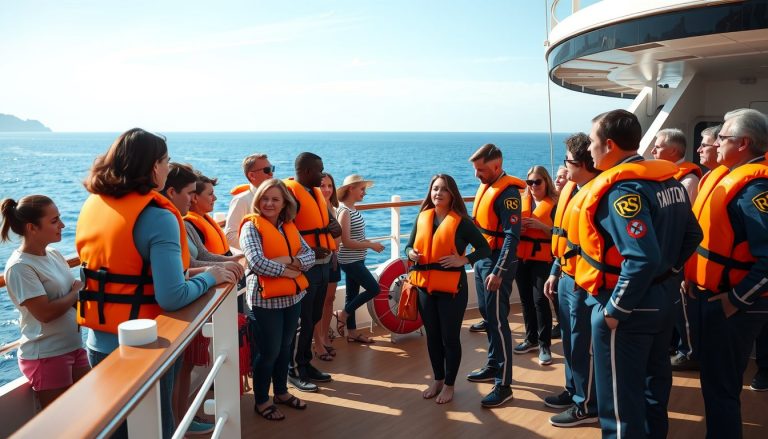
Stay Safe at Sea — Emergency Procedures Every Cruise Passenger Should Know

Doctors and Nurses on Cruises: Understanding the Medical Staff to Passenger Ratio
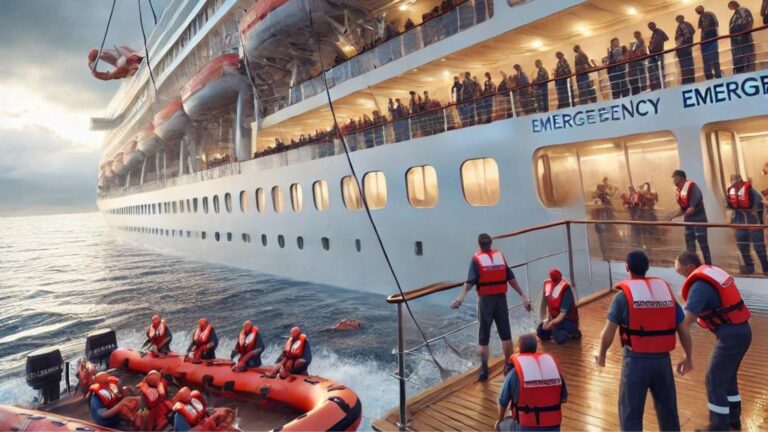
Cruise Ship Emergency Evacuation Plans — How Safety Systems Protect Passengers at Sea
Ensuring Cruise Safety: What the Muster Drill Teaches Every Passenger
Connectivity & Practical Tips: Making Your Cruise Smoother
Beyond the big questions, there are dozens of small details that can make or break your trip.

Beat The Markups: Real Cruise Port Bargains and The Tourist Traps to Skip

Stay Connected at Sea: Smart Cruise Communication Tips for Family & Friends

Turn Panic into Peace: Cruise-Proven Luggage Recovery Tactics

Avoid Packing Stress: Build a Cruise Wardrobe for Warm Tropics, Alaska Layers, and Gala Nights
FAQ – What Do Cruise Ship Rules, Safety Systems, And Engineering Really Mean For Passengers?
How Do Cruise Ship Stabilizers Make a Voyage Feel Smoother?
Cruise ship stabilizers are fin-like devices designed to reduce the rolling motion passengers can feel when the sea becomes unsettled.
They improve comfort by limiting side-to-side movement, although they do not make a ship completely motionless.
Stabilizers work as part of a much larger engineering system rather than acting as the sole reason a vessel remains stable.
Understanding that distinction helps passengers recognize why some movement can still be perfectly normal even when the stabilizers are operating.Why Does the Keel Matter So Much to Cruise Ship Stability?
The keel functions as a structural backbone beneath the ship and plays an important role in how the vessel maintains stability at sea.
Cruise ships combine that fundamental structure with modern engineering and other stability systems to handle changing ocean conditions.
Passengers rarely see the keel, yet it contributes to one of the most basic questions first-time cruisers ask—how such a massive vessel stays upright.
Knowing that stability begins with the ship’s design makes its size feel considerably less mysterious.Why Do Cruise Ships Have Special Rules About Heating Pads?
Heating pads can be restricted because anything that produces heat can create an onboard fire concern.
Policies vary by cruise line, so a device that seems harmless at home may still require approval or be prohibited aboard a particular ship.
Travelers who rely on a heating pad should check the cruise line’s current rules before packing rather than assume it will pass the safety inspection.
Confirming the policy in advance also gives you time to identify an acceptable alternative if your preferred device is not permitted.Do Cruise Ships Really Have Curfews for Teenagers?
Many cruise lines establish curfews for teenagers to help maintain safety and order during late-night hours.
The exact rule can vary by cruise line, ship, or sailing, so families should not assume every company follows the same schedule.
Parents should review the onboard youth and curfew policies before giving teenagers freedom to explore the ship independently at night.
Clear expectations before the cruise can prevent an otherwise minor rule from becoming an unnecessary family problem once everyone is onboard.What Should Passengers Actually Learn During A Muster Drill?
A muster drill teaches passengers where to go and what procedures to follow if the crew needs to respond to an emergency.
It connects each traveler with an assigned muster location while introducing the safety instructions that would become important in a serious situation.
Lifeboat assignments, trained crew members, and broader emergency plans support those passenger-facing procedures.
Paying attention during the drill means you do not have to learn the basic layout of the emergency system for the first time when conditions are already stressful.What Kind of Medical Help Is Available on a Cruise Ship?
Cruise ships have onboard medical facilities staffed to address health problems that arise while passengers are at sea.
Medical care is an important part of the ship’s safety infrastructure because thousands of passengers and crew may be far from a land-based clinic or hospital.
Travelers with ongoing medical needs should still plan carefully, carry necessary medications, and understand that a ship’s medical center is not identical to a full hospital on land.
Knowing where the facility is located and what resources are available can be especially useful for families, older travelers, or anyone managing a health concern.What Happens If a Cruise Ship Has a Serious Emergency at Sea?
Cruise ships maintain detailed emergency procedures that include muster stations, lifeboat assignments, trained crew responses, and evacuation planning.
Those systems are designed so passengers and crew are not improvising if an unexpected event requires coordinated action.
The muster drill passengers complete near the beginning of the sailing is therefore only the most visible part of a much broader emergency structure.
Following crew instructions promptly is one of the most useful things a passenger can do because the response plan depends on people moving and acting in an organized way.How Do Cruise Ships Feed Thousands of Passengers Every Day?
Cruise dining depends on large-scale planning that begins well beyond what passengers see in the restaurants.
Executive chefs, provisioning teams, galleys, menus, and coordinated food-service operations must work together to prepare meals for thousands of people throughout the voyage.
That scale helps explain why dining schedules, restaurant structures, and menu planning can feel more organized than a comparable resort experience on land.
Passengers with dietary requirements should communicate them according to the cruise line’s procedures because meal service operates through a highly coordinated system.How Can Wi-Fi and Messaging Make a Cruise Easier for Families?
Cruise connectivity can help families stay in contact when different people are enjoying separate activities around a large ship.
Wi-Fi and messaging options are especially useful when parents, teenagers, couples, or groups do not plan to spend every hour together.
Because connectivity at sea works differently from ordinary cellular service on land, passengers should understand their ship’s communication options before relying on them.
Setting up the necessary apps and communication plan early can make it much easier to coordinate meals, activities, and meeting places once everyone begins exploring independently.What Should You Do If Your Luggage Goes Missing During a Cruise?
Report missing luggage promptly rather than assuming it will eventually reach your cabin without intervention.
Cruise luggage passes through several stages between the terminal, porters, ship handling systems, and cabin delivery, so identifying the problem early gives staff more time to trace where a bag may have gone.
Keeping essential medications, travel documents, and immediate necessities with you instead of inside checked luggage reduces the impact while the bag is being located.
A deliberate luggage plan before embarkation can turn a frustrating delay into a manageable inconvenience rather than a major disruption to the first day of the cruise.
Ready to Explore More?
This hub is just the beginning.
Dive into our full library of cruise guides to learn more about ship design, onboard rules, and insider tips that make your voyage unforgettable.
- How Cruise Ship Stabilizers Keep Voyages Smooth
- The Keel: The Hidden Backbone of Every Cruise Ship
- Inside the Galley: Feeding Thousands at Sea
- Why Cruise Ships Stay Upright in Rough Seas
- Teen Curfews on Cruises: What Parents Should Expect
- Quiet Zones at Sea: Where to Find Peace Onboard
- Heating Pads and Cruise Safety Rules Explained
- Nightlife at Sea: How Late the Party Really Goes
- Emergency Procedures Every Passenger Should Know
- Muster Drills Demystified: What Happens and Why It Matters
- Doctors at Sea: Understanding Cruise Medical Care
- Staying Connected: Cruise Ship Wi‑Fi and Calling Options
- Packing Smarter: Cruise Essentials Beyond the Basics
- Lost Luggage on a Cruise: Steps to Recover Quickly