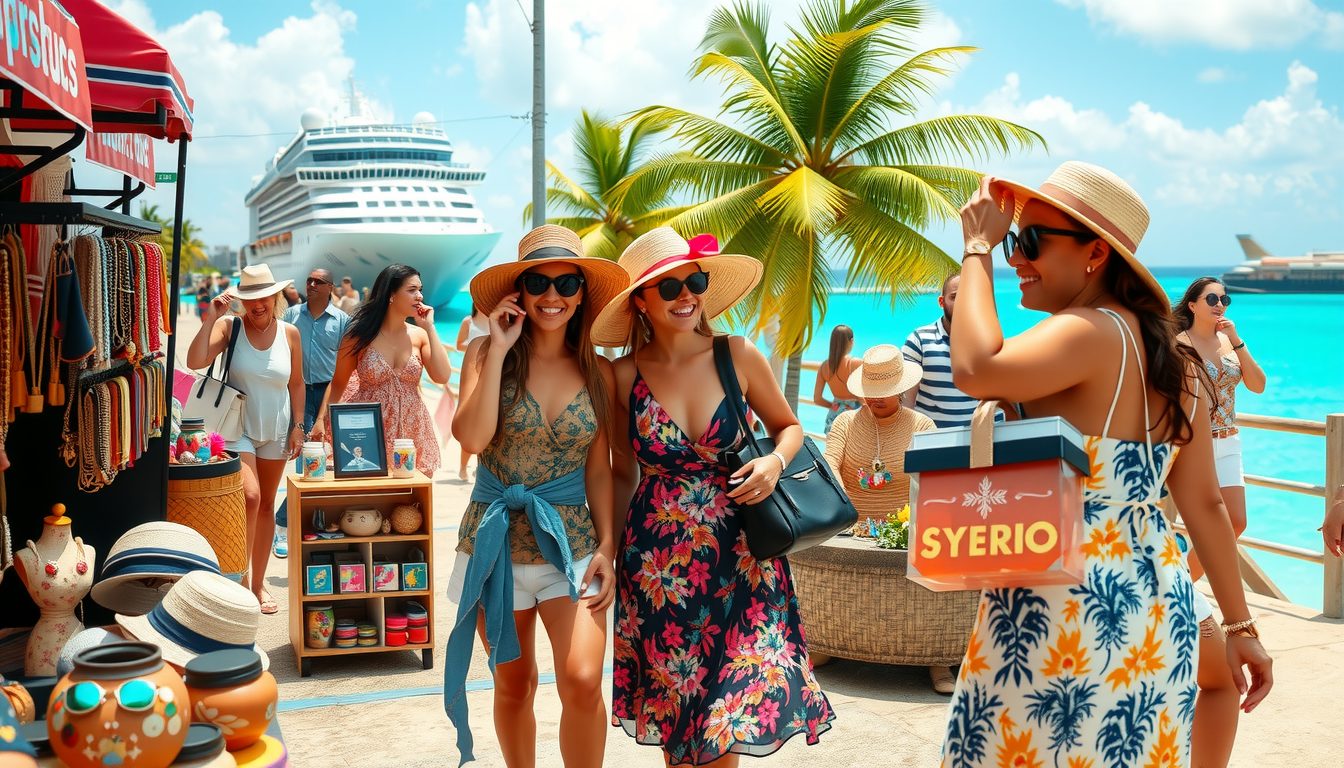
One Delay Can Cost Your Entire Cruise
A quick coverage check now protects you from the problems no one sees coming.
Short Excerpt
- Cruise port shopping can lead to authentic local finds, memorable souvenirs, and real savings when you know what deserves your money.
- Compare prices, verify expensive purchases, and understand local bargaining customs before assuming something is a bargain.
- Leave enough time to shop without putting your return to the ship at risk.
Quick Take
- Prioritize locally made crafts, regional foods, jewelry, textiles, and products connected to the destination.
- Treat duty-free as a shopping opportunity, not automatic proof of the lowest price.
- Bargain respectfully where negotiation is customary and compare vendors before committing.
- Buy expensive goods from reputable sellers and keep receipts or authenticity documentation.
- Factor distance, transportation, and your ship’s all-aboard time into every shopping plan.
Find Cruise Port Bargains Without Letting Tourist Traps Take Your Money
Cruise port shopping can be one of the easiest ways to bring home something that actually reminds you of where you traveled, but the best purchase is rarely the first souvenir sitting beside the terminal.
Local markets, artisan shops, specialty food stores, and established retailers can offer everything from handcrafted jewelry and regional textiles to coffee, chocolate, spices, leather goods, and destination-specific artwork.
Price deserves just as much attention as the product.
Duty-free merchandise can provide legitimate savings in some ports, particularly on luxury goods, but tax-free does not automatically mean cheaper than what you could buy at home or online.
Authenticity becomes especially important when jewelry, watches, designer merchandise, artwork, or other high-value purchases are involved.
Use reputable sellers, inspect what you are buying, understand the return policy, and ask for appropriate documentation before spending serious money.
Your shopping location also changes the equation.
Stores immediately around a cruise terminal are convenient when time is tight, while markets and shopping districts farther into the destination can offer more variety and a stronger sense of local culture.
The smartest port-shopping day balances price, authenticity, location, transportation, and time so the souvenir you bring home does not come with regret—or a frantic race back to the ship.
Connect With Culture: Why Shopping at Cruise Ports Delivers Authentic Value
Shopping at ports allows travelers to experience local culture firsthand.
Unlike the typical mall or department store back home, these shopping excursions offer unique products, traditional craftsmanship, and exotic finds that are rarely available elsewhere.
However, shopping at ports comes with its own set of considerations, from understanding safety and pricing to navigating the proximity of shops to your cruise ship.
This guide will help you make the most out of your shopping adventures at every stop.
Stay Safe and in Control: Cruise Port Shopping Safety That Protects Your Day
Safety should always be a top priority when exploring port cities, especially if you’re unfamiliar with the area.
Here are some quick tips to make sure your shopping experience remains safe and enjoyable:
- Research Port Safety in Advance: Check cruise line recommendations and online travel forums to gauge the safety level of each port.
Many ports, like those in Europe or the Caribbean, are well-trafficked and have established tourism infrastructures, making them generally safe for tourists.
However, it’s best to be informed.
- Stick to Designated Shopping Areas: Ports often have designated shopping zones near the cruise terminal, which are typically safe and patrolled by security.
These areas are designed to be convenient for cruisers and often feature a variety of local and international shops.
- Be Cautious of Valuables: Avoid carrying large amounts of cash or flashing expensive jewelry, as this can make you a target for pickpockets.
Consider bringing only the essentials for your shopping trip and keeping valuables safely stored on the ship.
- Use Local Currency Wisely: Some areas may try to charge tourists more if they pay in foreign currencies.
Research local currency exchange rates to get the best deal, or use a credit card that doesn’t charge foreign transaction fees.
Unlock Your Dream Cruise with Exclusive Online Deals!

Buy Smart: What’s Worth It at Cruise Ports (Authentic Goods, Duty‑Free Wins, Local Food)
Each port offers its own unique shopping experience, from handmade crafts and souvenirs to luxury goods.
Here are a few shopping categories you’ll find at most ports:
- Handcrafted Goods: Many port cities are famous for their handmade jewelry, textiles, pottery, and artwork.
Shopping locally supports artisans and gives you a one-of-a-kind souvenir to take home.
- Duty-Free Shops: For those interested in luxury items, duty-free stores at major ports offer designer goods, perfume, alcohol, and tobacco at tax-free prices.
Ports in the Caribbean, such as St. Thomas and Grand Cayman, are known for extensive duty-free options.
- Local Food and Spices: Foodies will love shopping for local spices, sauces, chocolates, or even coffee at various ports.
Popular markets, like those in Mexico or the Bahamas, are packed with flavorful finds to bring a taste of your travels home.
- Fashion and Jewelry: Some ports, particularly those in Europe and the Mediterranean, are known for high-quality leather goods, clothing, and fine jewelry.
Look for unique finds that reflect the style and craftsmanship of the region.
Target The Winners: Best Cruise Ports For Unique Shopping (15 Destinations)
Exploring the ports of call and uncovering unique treasures along the way is one of the most exciting parts of any cruise vacation.
Each port offers distinct shopping opportunities, from vibrant local markets brimming with handicrafts and souvenirs to high-end stores showcasing luxury items.
Here’s an in-depth look at 15 ports where shopping can be a highlight of your cruise experience, offering you not only unique finds but also a taste of each location’s culture.

Grab Your Ticket to Paradise with These Deals!
1. Cozumel, Mexico
Cozumel, a Caribbean gem, is renowned for its lively marketplaces filled with vibrant colors, handcrafted treasures, and welcoming locals.
The island’s main shopping area, Plaza del Sol, is located in San Miguel, just a short taxi ride from the port.
Here, you’ll find exquisite silver jewelry, an item Mexico is known for, along with leather goods, pottery, and textiles crafted by skilled artisans.
Each item reflects Mexico’s rich cultural heritage, often featuring intricate designs and traditional craftsmanship.
Nearby, Punta Langosta Mall is a modern shopping center close to the cruise terminal, making it a convenient stop.
The mall offers a selection of local crafts, clothing, and souvenir shops, perfect for finding memorable items.
For a sweet treat, visit a local chocolatier to sample and purchase traditional Mexican chocolate, a rich delicacy made with ancient techniques and flavors that make for an unforgettable gift.
2. St. Thomas, U.S. Virgin Islands
St. Thomas is widely celebrated as a duty-free shopping paradise, with bustling markets and luxury boutiques offering high-end items at lower prices due to the island’s tax-free status.
Charlotte Amalie, the island’s main town, is within easy walking distance from the port and features an array of shops showcasing luxury goods.
High-end stores offer designer brands like Rolex, Tiffany & Co., and Tag Heuer, making it a hotspot for watches, jewelry, and electronics.
But St. Thomas also offers local treasures: Vendor’s Plaza, a bustling outdoor market in Charlotte Amalie, is perfect for unique, island-inspired finds, including handmade jewelry, spices, and beachwear.
The lively ambiance and opportunities to negotiate prices with friendly vendors add to the charm, giving you a more personalized shopping experience.
Click for Exclusive Offers on Top Cruise Lines!
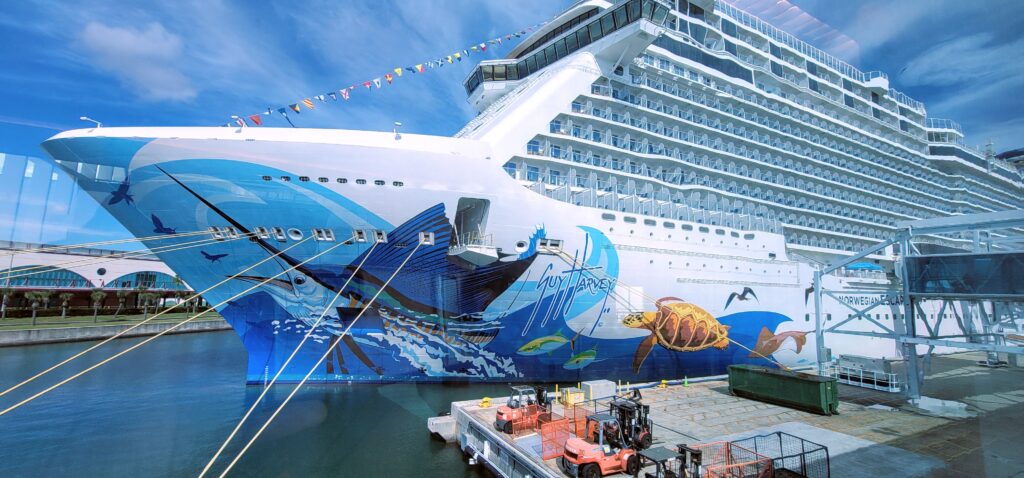
3. Nassau, Bahamas
Nassau combines the thrill of shopping with a distinct Bahamian flair, offering a delightful blend of local crafts and luxury stores.
The Straw Market, located just steps from the cruise terminal, is a must-visit for those seeking authentic Bahamian souvenirs.
Here, local artisans showcase handmade straw hats, bags, and wood carvings, reflecting the beauty and craftsmanship of the islands.
If luxury shopping is on your list, Bay Street offers international designer brands like Gucci, Cartier, and Michael Kors, as well as tax-free perfumes, jewelry, and liquor stores.
For art lovers, Nassau also has galleries where you can purchase paintings, sculptures, and other artworks inspired by Bahamian life and landscapes, making for a unique and culturally rich memento.
4. Barcelona, Spain
Barcelona is a cultural and shopping haven with something for everyone.
La Rambla is a famous boulevard near the cruise terminal that’s lined with shops selling handmade jewelry, Spanish leather goods, and quality textiles.
Stroll along the cobblestone streets to Mercat de Sant Josep de la Boqueria, a renowned open-air market offering local Spanish delicacies, fresh produce, and artisan sweets.
Whether you’re looking for gourmet olives, saffron, or traditional Spanish pastries, La Boqueria has it all.
For a more luxurious experience, Passeig de Gràcia is a shopping boulevard featuring designer boutiques such as Chanel, Prada, and Louis Vuitton, as well as unique local designers.
The shopping experience is enhanced by the stunning Art Nouveau architecture, making it one of the most visually captivating shopping destinations in Europe.
5. Grand Cayman, Cayman Islands
Grand Cayman’s George Town is famous for its duty-free shopping, especially for luxury goods like fine jewelry, Swiss watches, and designer clothing.
Kirk Freeport is a top spot for high-end shopping, offering everything from Rolex and Patek Philippe watches to Lalique crystal.
If you’re interested in local products, Camana Bay is a modern shopping and dining complex that’s just a short taxi ride from the port.
Boutique stores here sell Caribbean-inspired clothing, handmade crafts, and locally produced rum.
You’ll also find exclusive items like Caymanite jewelry, crafted from a beautiful stone found only in the Cayman Islands, making it a truly unique souvenir.

Experience Luxury Cruises at Unbeatable Prices Today!
6. San Juan, Puerto Rico
San Juan’s Old Town is a charming blend of historical architecture, narrow cobblestone streets, and colorful buildings, with shopping options that reflect Puerto Rican culture and style.
Fortaleza Street is the main shopping hub, offering boutiques filled with locally made jewelry, artisan crafts, and unique gifts.
Puerto Rican coffee is a must-buy here, with numerous shops selling beans from the island’s famous coffee plantations.
A bit farther from the port, Plaza Las Americas is a large mall featuring high-end brands and a wide variety of stores.
Popular souvenirs include hand-rolled cigars, flavorful Puerto Rican rum, and vibrant paintings by local artists, each capturing the lively spirit of the island.
7. Hong Kong, China
Hong Kong is a global shopping destination where you can experience both luxury malls and bustling street markets.
Harbour City, one of Asia’s largest shopping malls, is a short ferry ride from the cruise terminal and offers a massive selection of international brands, electronics, and duty-free items.
Here, you’ll find everything from designer clothing to luxury skincare products.
For a more authentic experience, Temple Street Night Market offers a taste of local culture, with rows of stalls selling souvenirs, trinkets, and traditional Chinese herbs.
Be prepared to haggle; bargaining is part of the fun, and vendors expect it.
8. Venice, Italy
Venice is a treasure trove for those looking for Italian craftsmanship and luxury items.
Piazza San Marco and the Rialto Bridge area are both easily accessible from the cruise port, featuring boutiques selling Venetian masks, Murano glass, and Italian leather goods.
Murano glass, crafted on the nearby island of Murano, is a unique Venetian art form that makes for a beautiful and authentic souvenir.
For a more local experience, explore Campo Santa Margherita and Campo San Barnaba, quieter markets where you’ll find Venetian lace, handmade paper, and leather goods.
9. Dubai, United Arab Emirates
Dubai is synonymous with luxury shopping, offering everything from high-end brands to exotic Middle Eastern goods.
The Dubai Mall, the largest shopping mall in the world, has hundreds of stores featuring designer brands, jewelry, electronics, and more.
For a traditional experience, visit the Gold Souk in Deira, where you’ll find a dazzling array of gold jewelry, often available at negotiable prices.
Nearby, the Spice Souk is filled with aromatic spices, dried fruits, and traditional perfumes, making it an ideal place to pick up a unique souvenir.
10. Athens, Greece
Athens offers a mix of luxury shopping and authentic Greek craftsmanship.
The Monastiraki Flea Market, located close to the Acropolis, is packed with vendors selling handmade jewelry, leather sandals, and ancient relic replicas.
For high-end shopping, Ermou Street features both international brands and Greek-designed clothing.
The Plaka district’s winding streets are filled with shops selling Greek wines, olive oil, and hand-painted ceramics, offering a taste of Greece’s rich cultural heritage.
11. Montego Bay, Jamaica
Montego Bay’s Hip Strip is a lively area filled with shops selling Jamaican souvenirs, Bob Marley memorabilia, and locally crafted jewelry.
The Shoppes at Rose Hall offers a more upscale shopping experience, with stores carrying Blue Mountain Coffee, rum, and handmade crafts.
Jamaican wood carvings and colorful woven baskets are popular items to take home, each representing Jamaica’s vibrant culture and artistic flair.
12. Victoria, British Columbia
Victoria provides a laid-back shopping experience with Canadian charm.
Government Street is the main shopping area near the port, filled with boutiques offering maple syrup products, woolen clothing, and local art.
Chinatown is one of the oldest in North America, and its shops are filled with unique trinkets, traditional herbs, and Canadian-made crafts.
A must-visit for book lovers is Munro’s Books, a historic bookstore housed in a stunning building, where you’ll find Canadian literature and locally inspired books.
13. Florence, Italy
Florence is a dream destination for those seeking quality craftsmanship and Italian luxury.
Ponte Vecchio is a medieval bridge lined with jewelry shops offering unique, high-quality pieces.
Via de’ Tornabuoni is Florence’s high-end shopping street, featuring brands like Gucci, Ferragamo, and Prada.
For a taste of Tuscan culture, visit the San Lorenzo Market, where you’ll find leather goods, silk scarves, and Tuscan olive oil—perfect souvenirs for a touch of Italy at home.
14. Buenos Aires, Argentina
Buenos Aires is known for its vibrant shopping districts and strong tango culture.
Calle Florida is a pedestrian street filled with boutiques offering leather goods, art galleries, and traditional tango attire.
Argentine leather is highly regarded, and you’ll find everything from jackets to handbags.
For something unique, explore San Telmo Market for antiques or Feria de Mataderos for handcrafted ponchos and traditional mate gourds, essential for the Argentine tea-drinking ritual.
15. Amsterdam, Netherlands
Amsterdam offers a diverse shopping experience, from open-air markets to upscale boutiques.
Albert Cuyp Market is the city’s most famous street market, selling everything from Dutch cheese and fresh flowers to handmade jewelry and clothing.
The Nine Streets (De Negen Straatjes) area is a cluster of charming streets filled with unique shops, art galleries, and vintage stores.
Popular Dutch souvenirs include Delftware pottery, stroopwafels (caramel waffle cookies), and Dutch gin (jenever), each capturing a piece of the Netherlands.
Shop Smarter: Cruise Port Buying Tactics That Save Time And Money
While shopping at ports is exciting, it can sometimes be tricky due to language barriers, unfamiliar currency, or cultural differences.
Here are a few cruise shopping tips to help you make purchases smoothly:
- Bring a Credit Card That’s Widely Accepted: Credit cards such as Visa and MasterCard are accepted at most international ports, and they’re often the easiest way to make purchases.
However, it’s wise to carry some local currency, especially for smaller markets or independent vendors.
- Negotiate Where Appropriate: Bargaining is expected at markets in many ports, especially in the Caribbean, Mexico, and parts of Asia.
Don’t be afraid to negotiate, but always be respectful.
If unsure, watch how locals handle transactions to get a sense of whether haggling is welcome.
- Check Return Policies: While many stores at port have fair return policies, it’s worth double-checking, especially for high-ticket items.
Be cautious with luxury goods and ensure you receive a receipt and proof of authenticity if applicable.
- Watch Out for Counterfeit Goods: Some ports, particularly those in popular tourist areas, may offer counterfeit goods.
If you’re interested in high-end brands, visit a reputable store to ensure you’re getting genuine items.
Maximize Port Time: The Closest Shopping Worth Your Money Near Cruise Terminals
The proximity of shops to the port can greatly influence your shopping experience, as time in port is usually limited.
Here are some ways to efficiently explore shopping areas near the port:
- Look for Shops Within Walking Distance: Many ports have shopping centers or markets directly outside the terminal, making it easy to shop without needing transportation.
Ports like San Juan, Puerto Rico, and Venice, Italy, offer convenient walking access to popular shopping districts.
- Consider Shore Excursions with Shopping Stops: Some cruise lines offer excursions that include shopping time.
These excursions often take you to popular markets or artisan shops, and they include transportation, making it easier to explore without worrying about finding your way back to the ship.
- Research Local Transportation Options: In cities where shopping areas are farther from the port, such as Rome or Athens, look into transportation options before your cruise.
Taxis, shuttles, and public transportation are usually available and can be used to access major shopping areas.
- Use Port Maps and Guides: Many cruise ships provide maps or apps that show nearby shopping areas, helping you navigate and make the most of your time.
Make Port Days Easy: Insider Cruise Shopping Tips That Keep You On Schedule
Shopping at ports can be a delightful experience, especially when you go in prepared.
Here are some additional tips to ensure a successful shopping day:
Pack Wisely for Port Days
Bring a small day bag with essentials like sunscreen, a hat, and a reusable water bottle, as you may be spending a few hours outdoors.
A crossbody bag with secure zippers is ideal for storing your money, credit cards, and passport securely.
Stay on Schedule
It’s essential to keep track of the ship’s departure time and return to the port at least 30 minutes before boarding.
Missing the ship is one of the biggest fears for cruise travelers, so allow yourself enough time to get back, especially if you’re exploring areas farther from the port.
Buy Authentic Souvenirs
While some items are available at multiple ports, each port often offers unique goods that reflect the local culture.
Whether it’s handmade jewelry, locally grown spices, or regional textiles, consider purchasing authentic souvenirs that capture the essence of each destination.
Look for “Made in [Country]” tags to ensure authenticity.
Bring an Extra Suitcase for Shopping Finds
If you’re planning on doing serious shopping, consider packing a collapsible bag in your suitcase.
You can use it for any items you purchase throughout the cruise, making it easier to bring everything home without worrying about luggage space.
Ask Locals for Shopping Recommendations
Sometimes, the best shopping spots aren’t listed on tourist guides.
Asking locals, such as taxi drivers or tour guides, can lead you to lesser-known markets or specialty shops that offer higher quality items than popular tourist areas.
Where to Find the Most Memorable Cruise Port Shopping Experiences
Different cruise destinations offer varied shopping experiences.
Here’s a quick look at some of the best ports for shopping and what you can expect at each:
- Cozumel, Mexico: Known for its high-quality silver jewelry and colorful crafts.
The island’s main shopping area, San Miguel, is a quick taxi ride from the port.
- Nassau, Bahamas: A famous shopping destination with its Straw Market, offering everything from woven items to handmade crafts.
Duty-free shops nearby make this port a popular choice for luxury shoppers.
- St. Thomas, U.S. Virgin Islands: Known for excellent duty-free shopping, especially on luxury items like watches, jewelry, and electronics.
The main shopping area is within walking distance of the port.
- Barcelona, Spain: Offers high-end boutiques, artisan shops, and open markets like La Boqueria, making it perfect for those who love European fashion and unique finds.
The shopping areas are a short taxi ride from the cruise port.
- Grand Cayman: Known for duty-free shopping, especially on luxury items and Swiss watches.
There’s a range of stores near the port in George Town, making it easy to explore.
- San Juan, Puerto Rico: Offers a mix of high-end retailers, local artisan markets, and historic charm.
The shops near Old San Juan, located a short walk from the port, are ideal for finding authentic Puerto Rican souvenirs.
- Hong Kong, China: Known for everything from luxury brands to local street markets.
Shopping in Hong Kong is an experience in itself, and the city’s markets, malls, and street vendors are packed with unique finds.
Quick Recap: The Port Shopping Rules That Save Money Before You Sail
Shopping at cruise ports is a fantastic way to explore local cultures, find unique souvenirs, and even score great deals on luxury items.
With a little preparation and knowledge, you can maximize your shopping experience and make the most of each destination.
From keeping safety in mind to planning your purchases and time wisely, these cruise shopping tips will help make your port days a memorable part of your trip.
So, pack your bags, grab your list, and get ready to discover the best ports for shopping on your next cruise adventure!
FAQ – How Can You Shop Cruise Ports Without Overpaying or Falling for Tourist Traps?
Which Cruise Ports Offer Some of the Best Shopping Experiences?
Cozumel, St. Thomas, Nassau, Barcelona, Grand Cayman, San Juan, Hong Kong, Venice, Dubai, Athens, Montego Bay, Victoria, Florence, Buenos Aires, and Amsterdam all provide distinctive shopping opportunities.
What you should buy varies considerably by destination.
Cozumel is associated with Mexican silver, crafts, leather goods, and chocolate, while St. Thomas and Grand Cayman are better known for extensive duty-free shopping.
Other destinations stand out for regional foods, artisan products, fashion, artwork, textiles, or locally produced souvenirs, so the strongest port depends on what you actually want to bring home.How Can You Get Better Deals at Cruise Port Markets?
Start by comparing prices instead of treating the first offer as the final value of an item.
Bargaining is common in many markets throughout the Caribbean, Mexico, parts of Asia, and other destinations, although established shops and boutiques may use fixed pricing.
Watching how local transactions are handled can help you determine whether negotiation is expected.
When bargaining is appropriate, keep the exchange respectful and be willing to walk away when the final price does not make sense.What Souvenirs Are Worth Buying at Cruise Ports?
The strongest souvenirs are usually products with a genuine connection to the place you are visiting.
Examples include Mexican silver and chocolate in Cozumel, straw goods in Nassau, Puerto Rican coffee in San Juan, Murano glass in Venice, Caymanite jewelry in Grand Cayman, and leather goods from Florence.
Local artwork, pottery, textiles, spices, sauces, coffee, jewelry, and handcrafted products can also give you something more distinctive than a generic cruise souvenir.
Check where an item was made when authenticity matters because merchandise sold in a local market is not necessarily locally produced.Are Duty-Free Shops at Cruise Ports Really Worth Visiting?
They can be, particularly if you are shopping for jewelry, watches, perfume, designer merchandise, or other products that may benefit from reduced taxes or duties.
St. Thomas and Grand Cayman are especially associated with extensive duty-free shopping.
However, a duty-free label does not guarantee that the final selling price is lower than prices available elsewhere.
Knowing the normal retail price before your cruise gives you a much better way to judge whether you are looking at a genuine saving or simply an attractive sales pitch.
How Far Are Cruise Port Shopping Areas from the Ship?Distance depends heavily on the destination.
Some ports place substantial shopping within walking distance of the cruise terminal, which makes it easier to browse without arranging transportation.
Other destinations require taxis, shuttles, public transportation, or organized excursions to reach major markets and commercial districts.
Researching the location beforehand helps you decide whether a shopping area fits comfortably into your available port time instead of discovering too late that the return journey is longer than expected.What Should You Bring for a Cruise Port Shopping Day?
A small, secure day bag is usually more practical than carrying unnecessary belongings through crowded markets and shopping districts.
Useful basics include sunscreen, water, essential payment methods, and some local currency when smaller vendors may not accept cards.
A crossbody bag with secure closures can keep money and cards easier to manage while leaving your hands free to browse.
Travelers expecting to buy several items may also want a lightweight collapsible tote or packable extra bag for carrying purchases back to the ship.How Can You Avoid Counterfeit Goods at Cruise Ports?
Be especially cautious when supposedly expensive or branded merchandise is offered at a price dramatically below what you would normally expect.
High-value purchases are safer through established sellers that can provide detailed receipts, authenticity documentation when appropriate, and a clear return policy.
Inspect workmanship, packaging, branding, materials, and documentation instead of relying entirely on what a salesperson tells you.
When authenticity cannot be reasonably verified, walking away is usually better than gambling on an expensive purchase.Which Cruise Ports Are Good for Shopping for Local Food?
Barcelona, San Juan, Cozumel, Dubai, Nassau, and several other major cruise destinations provide opportunities to shop for regional food products.
Depending on the port, you may find coffee, chocolate, spices, sauces, sweets, olives, pastries, or other specialties that are closely associated with the destination.
Food can make an especially practical souvenir because it lets you bring part of the destination’s flavors home rather than adding another decorative object to your luggage.
Before purchasing fresh produce, meats, plants, or other restricted agricultural products, consider whether customs rules at your final destination allow you to bring them home.Is It Better to Shop Near the Cruise Terminal or Go Farther Into the Destination?
Shopping near the terminal is usually the easier option when convenience and return time matter most.
Going farther into the city can expose you to larger markets, independent shops, artisan businesses, and neighborhoods that provide a more local shopping experience.
That extra variety comes with transportation time and a greater need to watch the clock.
When you venture farther away, shop the most distant area earlier and gradually move closer to the ship as your all-aboard time approaches.How Can You Keep Shopping from Making You Late for the Ship?
Plan around the ship’s all-aboard time, not the scheduled departure time.
Transportation delays, traffic, long checkout lines, crowded markets, and difficulty finding a taxi can quickly consume what looked like plenty of extra time.
The farther you travel from the cruise terminal, the larger your return buffer should be.
A bargain stops being a bargain if chasing it puts you at risk of missing your ship.
Plan Your Next Cruise!

Experience the Perfect Blend of Disney Magic, Luxury Cruising, and Family Adventure at Sea
One Delay Can Cost Your Entire Cruise A quick coverage check now protects you from the problems no one sees coming….

Sail Into Modern Luxury: Celebrity Cruises for Design, Culinary Excellence, and Destination‑Rich Voyages
One Delay Can Cost Your Entire Cruise A quick coverage check now protects you from the problems no one sees coming….

Experience the Ultimate Vacation with Carnival Cruise Line’s Fun Ships, World‑Class Entertainment, and Relaxation
One Delay Can Cost Your Entire Cruise A quick coverage check now protects you from the problems no one sees coming….

Sail Into Italian Elegance: Costa Cruises for Culture, Cuisine, and Unforgettable Voyages
One Delay Can Cost Your Entire Cruise A quick coverage check now protects you from the problems no one sees coming….
Explore More
Find the Best Cruise for Your Family with Kid-Friendly Perks and Unforgettable Memories

Why Cruise Ships Enter Dry Dock: Essential Repairs, Refits, and Passenger Benefits
Sail Boldly: Experience Virgin Voyages’ Adults‑Only Cruises With Style, Freedom, And Fun