
One Delay Can Cost Your Entire Cruise
A quick coverage check now protects you from the problems no one sees coming.
Zip lines on cruise ships deliver thrilling views and unforgettable excitement high above the deck.
Every ride comes with strict weight limits designed to protect passengers and ensure the equipment functions safely.
Most cruise ship zip lines allow riders between 65 and 300 pounds, depending on the cruise line and ship design.
Understanding these restrictions helps travelers prepare for safe, stress‑free adventures at sea.
Now that the question is answered, let’s explore why these restrictions exist, which cruise lines offer zip lines, and what passengers can expect when they encounter weight or other restrictions.
Why Cruise Ship Zip Lines Enforce Weight Limits for Passenger Safety
Weight limits for zip lines on cruises are essential for maintaining safety.
Zip lines rely on a series of pulleys, cables, and harnesses to work correctly.
The weight of the rider directly impacts how much stress is placed on these components.
If a rider exceeds the weight limit, the equipment could malfunction or fail.

Luxury Cruise Experiences at Smarter Prices
See premium sailings and upgraded cabins priced for travelers who know how to book well
Alternatively, if a rider is under the minimum weight limit, they may not generate enough momentum to make it across the zip line, leading to unsafe situations, like getting stuck in the middle of the line.
Cruise lines prioritize safety above all else.
By enforcing strict weight limits, they can ensure that the zip line operates within its designed capacity.
These weight limits are calculated based on various factors, including the materials used, the height and length of the zip line, and the braking system’s ability to handle the load safely.
These elements work together to create a fun yet controlled experience.
Cruise Lines That Offer Zip Line Adventures at Sea
Several cruise lines provide zip lines as part of their adventure activities.
Below are some of the most notable cruise lines that offer zip lines on their ships or at their private destinations:
- Royal Caribbean International: Royal Caribbean is a pioneer in onboard adventure activities.
Their Oasis-class ships (Oasis of the Seas, Allure of the Seas, Harmony of the Seas, and Symphony of the Seas) feature zip lines that stretch across the top deck, offering an exhilarating ride 82 feet above the Boardwalk.
Royal Caribbean’s zip lines generally have a weight limit of 75 to 275 pounds.
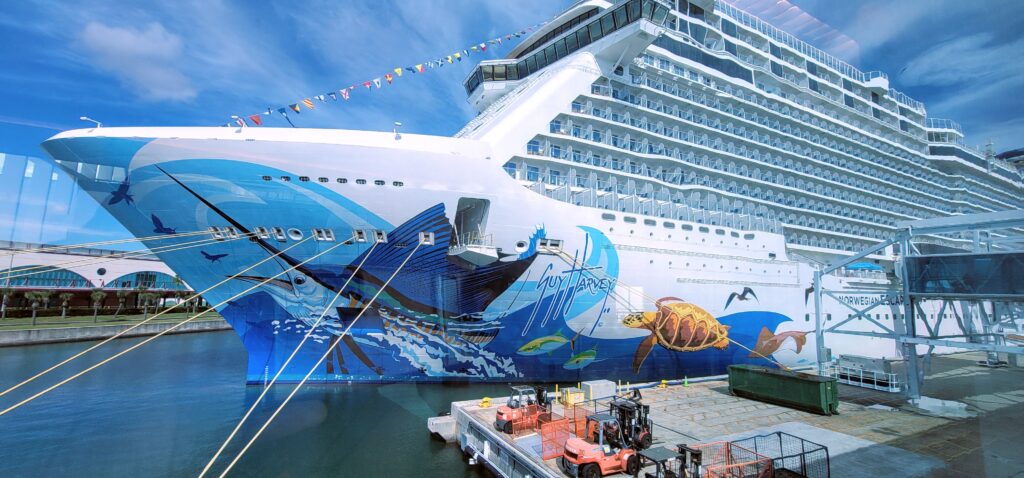
- Norwegian Cruise Line: While Norwegian doesn’t have zip lines on their ships, they offer this adventure activity at their private island, Great Stirrup Cay.
Here, passengers can enjoy zip lining as part of their shore excursion package.
The weight limit for the zip line on Great Stirrup Cay is typically around 75 to 250 pounds.
- MSC Cruises: MSC Cruises offers a thrilling zip line experience on the MSC Seaside and MSC Seaview.
These ships feature some of the longest zip lines at sea, providing an unforgettable ride. The weight limit on MSC’s zip lines is typically between 65 and 290 pounds.
Cruise Line Zip Line Weight Limits Passengers Should Know
Each cruise line has its own specific set of guidelines regarding weight limits.
Here’s a closer look at the weight restrictions for zip lines on popular cruise lines:
- Royal Caribbean: The maximum weight limit for zip lines on Royal Caribbean ships is 275 pounds, with a minimum weight of 75 pounds.
These limits ensure that the zip line’s equipment, such as the harness and pulley, operates safely and efficiently.
Passengers who exceed or fall below this weight range will not be able to ride.
- Norwegian Cruise Line: On their private island, Great Stirrup Cay, Norwegian’s zip lines have a weight limit of 250 pounds maximum and 75 pounds minimum.
These guidelines apply specifically to the zip line located on the island, as there are no zip lines on Norwegian’s actual ships.
- MSC Cruises: MSC Cruises’ zip line has a broader weight range, allowing riders between 65 and 290 pounds to participate.
The experience is part of their adventure offerings on MSC Seaside and MSC Seaview.
Top Cruise Deals From Trusted Cruise Lines
Compare exclusive online offers and find the fare that fits your trip and your budget
What Happens If Passengers Do Not Meet Cruise Zip Line Weight Limits
If you do not meet the weight limit for the zip line, you will not be allowed to participate in the activity.
Cruise lines enforce these restrictions strictly for safety reasons, and there are no exceptions.
Staff members may weigh participants before allowing them to ride, and those who fall outside the permitted weight range will be kindly asked to enjoy other activities instead.
Passengers exceeding the weight limit are often offered alternative adventure activities that do not have weight restrictions, such as water slides or sports courts.
While it can be disappointing to miss out on zip lining, it’s essential to prioritize safety.
Other Cruise Adventure Activities with Weight or Height Restrictions
Besides weight limits, cruise lines may impose other restrictions on adventure activities like zip lines.
These can include:
- Height Restrictions: Many cruise lines have height requirements to ensure that the harness fits properly.
Typically, the minimum height for zip lines is around 4 feet, with maximum heights ranging up to 6.5 feet.
Riders outside this height range may not fit into the safety harnesses securely.
- Age Restrictions: Some zip lines may have age restrictions, with riders needing to be at least 8 to 12 years old, depending on the cruise line.
Children may also need parental consent to participate.
- Medical Conditions: Passengers with heart conditions, recent surgeries, or certain physical limitations may be restricted from participating in zip line activities.
Cruise lines recommend consulting with the onboard medical team or your doctor before attempting any physically demanding adventure activities.

Sail Away to Paradise Without Overpaying
Find cruise deals that make it easy to escape, relax, and enjoy the ocean without stretching your budget
How Safe Cruise Ship Zip Lines Really Are for Passengers
Zip lines on cruises are designed with safety in mind.
Cruise lines invest heavily in top-quality equipment and rigorous safety protocols to ensure that passengers have a thrilling but safe experience.
Zip line operators onboard undergo extensive training, and the equipment is regularly inspected and maintained to meet international safety standards.
However, as with any adventure activity, risks exist.
Riders should always follow the instructions provided by the staff and not attempt to push the boundaries of the safety guidelines.
Following weight, height, and other restrictions will help ensure a smooth and enjoyable experience.
How Passengers Can Prepare for a Cruise Ship Zip Line Ride
Once you confirm that you meet the zip line’s weight and other restrictions, there are a few things you can do to prepare for the ride:
- Dress Appropriately: Wear comfortable, close-fitting clothing. Loose clothing or accessories like scarves and hats could get caught in the zip line equipment.
Athletic shoes are recommended, as they provide better grip and won’t fall off during the ride.
- Arrive Early: Zip lines are popular activities on cruises, and lines can form quickly.
Arriving early will give you more time to enjoy the experience without a long wait.
- Pay Attention to Safety Instructions: The cruise staff will give you a safety briefing before your zip line ride.
Pay close attention to their instructions about the proper use of harnesses, brakes, and body positioning.
Online‑Only Cruise Offers You Won’t Find Elsewhere
Unlock special pricing and start planning the sailing that matches your perfect itinerary
Alternatives to Cruise Ship Zip Lines for Thrill Seekers
If you find yourself unable to ride the zip line due to weight restrictions or personal preferences, there are plenty of other exciting activities available on cruise ships. Here are some alternatives:
- Rock Climbing: Many cruise ships, particularly those in the Royal Caribbean fleet, offer rock climbing walls.
These provide an excellent alternative for thrill-seekers who want a physical challenge without the same weight restrictions.
- Surf Simulators: Royal Caribbean’s FlowRider surf simulators allow passengers to catch some waves while onboard.
This activity has a higher weight tolerance than zip lines and can be just as exciting.
- Ropes Courses: Norwegian Cruise Line’s Breakaway and Getaway ships feature high ropes courses, offering a challenging but fun experience for adventurers.
What Passengers Should Do If Close to Cruise Zip Line Weight Limits
If you are near the maximum or minimum weight for the zip line, consider weighing yourself before boarding the cruise.
Some ships may have scales near the zip line area, but it’s always helpful to know your weight ahead of time to avoid disappointment.
Keep in mind that weight can fluctuate throughout a vacation due to water retention or changes in diet.
It’s a good idea to give yourself some buffer if you are close to the weight limit.
Cruise Ship Activities Beyond Zip Lines That Have Weight Restrictions
Yes, other activities on cruises may also have weight restrictions.
Some examples include:
- Water Slides: Water slides on cruise ships sometimes have weight limits to ensure the proper speed and safety of riders.
These limits are generally higher than zip line restrictions.
- Bungee Trampolines: Bungee trampolines, found on some ships and private islands, also come with weight limits to ensure that the bungee cords function correctly.
It’s always best to check with the cruise line ahead of time to understand any restrictions for the activities you’re interested in.
Why Cruise Ship Zip Lines Are Fun but Come with Safety Limits
Zip lines are one of the most exciting activities you can experience on a cruise.
However, weight limits are in place to ensure the safety of all passengers and the proper functioning of the equipment.
These restrictions are not meant to exclude but to protect.
Before booking a cruise with a zip line, it’s essential to check the specific guidelines for the cruise line you’re sailing with.
Meeting the weight requirements will ensure that you have a safe and enjoyable time on the zip line.
If you don’t meet the weight limits, rest assured that there are plenty of other exciting activities onboard to explore.
By understanding and following the rules, you’ll be well-prepared to make the most of your adventure at sea!
FAQ – Cruise Ship Zip Line Weight Limits That Protect Passenger Safety
What is the typical weight limit for cruise ship zip lines?
Most cruise ship zip lines allow riders between 65 and 300 pounds.
Royal Caribbean typically enforces a 75 to 275‑pound range.
MSC Cruises permits riders between 65 and 290 pounds.
These limits ensure equipment functions safely and consistently.Why do cruise ships enforce weight limits on zip lines?
Weight limits protect passengers and prevent equipment failure.
Exceeding the maximum weight can strain pulleys, cables, and harnesses.
Falling below the minimum weight may cause riders to get stuck mid‑line.
These rules unlock a safe and controlled adventure for everyone.Which cruise lines offer zip line experiences?
Royal Caribbean’s Oasis‑class ships feature thrilling deck‑top zip lines.
MSC Seaside and MSC Seaview include some of the longest zip lines at sea.
Norwegian offers zip lines at its private island, Great Stirrup Cay.
These options give passengers multiple ways to enjoy aerial adventures.What happens if passengers do not meet the weight limit?
Passengers outside the permitted range cannot ride the zip line.
Staff may weigh participants before granting access.
Those who do not qualify are offered alternative activities.
This strict enforcement prioritizes safety over disappointment.Are there other restrictions for cruise ship zip lines?
Yes, height restrictions usually range from 4 feet minimum to 6.5 feet maximum.
Age limits often require riders to be at least 8 to 12 years old.
Medical conditions such as heart issues may prevent participation.
These restrictions support safe and inclusive experiences.How safe are cruise ship zip lines for passengers?
Cruise lines invest in high‑quality equipment and rigorous inspections.
Operators undergo extensive training and follow strict safety protocols.
Harnesses, pulleys, and cables are tested regularly.
Passengers can ride confidently knowing safety is prioritized.What should passengers do if close to the weight limit?
Weigh yourself before boarding to avoid surprises.
Allow a buffer since weight can fluctuate during travel.
If close to the limit, prepare alternative activities in advance.
This planning supports a stress‑free cruise experience.Do hurricanes or storms affect zip line operations?
Yes, severe weather can close zip lines for safety.
High winds or rough seas may suspend operations temporarily.
Cruise lines announce closures and offer alternative activities.
These precautions protect passengers during unpredictable conditions.
Plan Your Next Cruise!

Sail in Style: Oceania Cruises’ Culinary Excellence, Cultural Immersion, and Refined Luxury
One Delay Can Cost Your Entire Cruise A quick coverage check now protects you from the problems no one sees coming….

Unlock Seabourn’s World: Yacht‑Like Luxury, Exclusive Destinations, And Unmatched Comfort
One Delay Can Cost Your Entire Cruise A quick coverage check now protects you from the problems no one sees coming….

Discover Silversea Cruises: Ultra‑Luxury Voyages to the World’s Most Exclusive Destinations
One Delay Can Cost Your Entire Cruise A quick coverage check now protects you from the problems no one sees coming….

Experience the Perfect Blend of Disney Magic, Luxury Cruising, and Family Adventure at Sea
One Delay Can Cost Your Entire Cruise A quick coverage check now protects you from the problems no one sees coming….
Explore More

Feel the Difference: Choose Between Saltwater and Freshwater Cruise Ship Pools for Your Perfect Swim
Plan Your Sea Days with Cruise Pool Schedules and Late‑Night Access
Unlock Seabourn’s World: Yacht‑Like Luxury, Exclusive Destinations, And Unmatched Comfort