One Delay Can Cost Your Entire Cruise
A quick coverage check now protects you from the problems no one sees coming.
Cruising offers the thrill of waking up in a new destination each day—but missing your ship at port can turn that dream into a nightmare.
Whether it’s traffic, time zone confusion, or a late excursion, being left behind is stressful and expensive.
Knowing what to do—and how to avoid it—can save your vacation and your wallet.
In this post, we’ll delve deep into this topic, exploring everything from how the docking process works to what steps you should take if you find yourself stranded at a port.
We’ll also offer practical tips to ensure you never have to experience the heart-pounding panic of watching your cruise ship sail away without you.
Understand Cruise Docking Procedures to Plan Your Port Day Wisely
Before we dive into the nitty-gritty of what happens if you miss your ship, it’s essential to understand the docking process.
Picture this: After a night of smooth sailing, your cruise ship approaches the port early in the morning.
The anticipation builds as you draw closer to the new destination.
But what actually happens during this docking process?
When a cruise ship arrives at a port, it doesn’t just drop anchor and let passengers off willy-nilly.
There’s a well-orchestrated procedure that takes place.
If the port has the necessary infrastructure, the ship will dock at a pier.
Unlock Your Dream Cruise with Exclusive Online Deals!
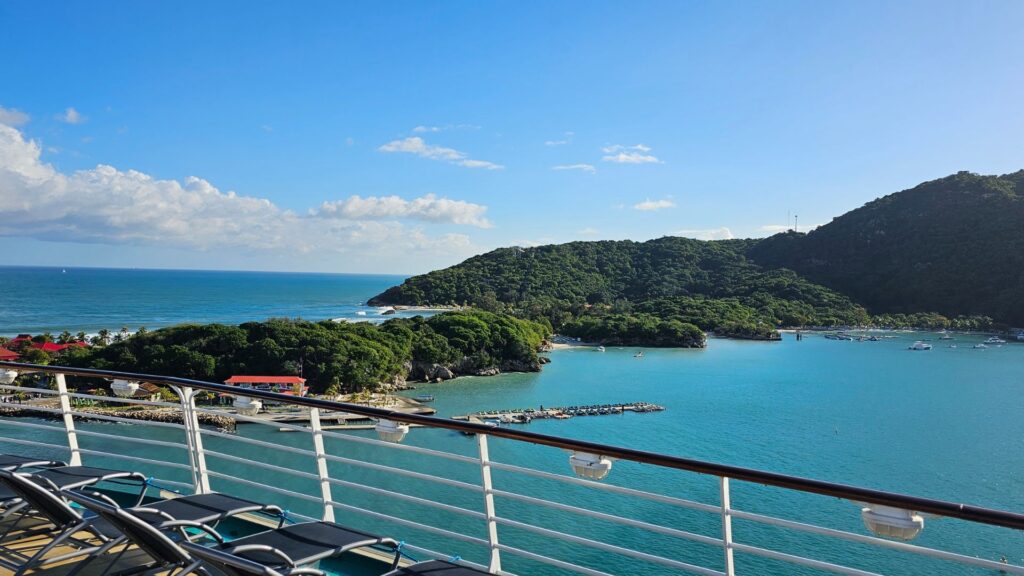
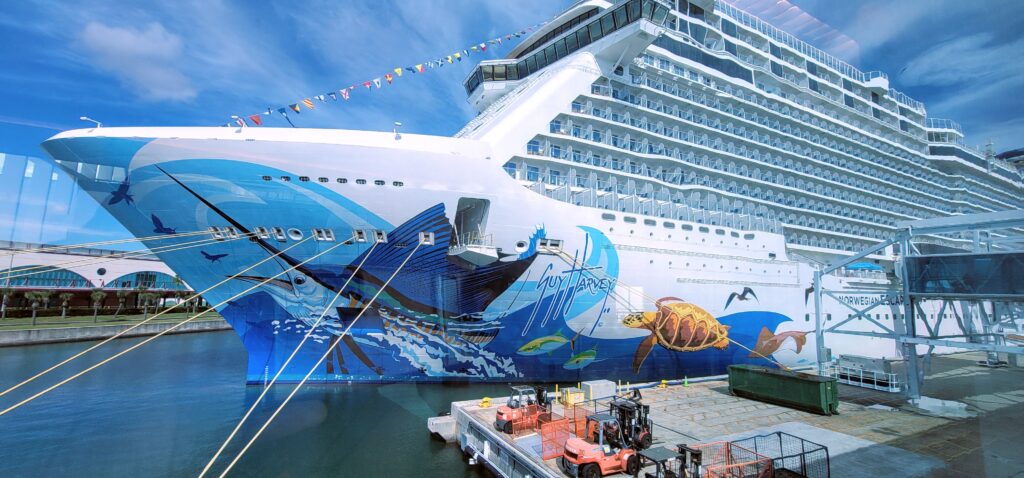
Docking is a straightforward process: the ship is guided into its designated spot, ropes are thrown overboard to secure it, and the gangways are set up for passengers to disembark.
Docking allows passengers to walk directly off the ship onto the pier, making the disembarkation process relatively quick and easy.
You’ll see crew members stationed at various points, guiding passengers and ensuring that everything runs smoothly.
This is the most convenient way for passengers to go ashore, as it usually only takes a few minutes to get from your cabin to the port.
But not all ports are created equal.
Some destinations don’t have the facilities to accommodate large cruise ships.
In these cases, the ship anchors offshore, and passengers are transported to the port using smaller boats called tenders.
Compare Tendering vs. Docking to Avoid Delays and Missed Departures
Now, you might be wondering, what’s the difference between tendering and docking?
And how does it affect your time in port?
Let’s break it down:

Grab Your Ticket to Paradise with These Deals!
Docking:
- Direct Access: When your ship docks at a pier, you have the luxury of stepping directly off the ship onto solid ground.
This is by far the quickest and easiest way to start your adventure in a new port.
- Shorter Disembarkation Time: With docking, the time it takes to get all passengers ashore is significantly reduced.
You can walk off the ship and start exploring within minutes.
- Flexibility: Docking gives you more freedom to come and go from the ship as you please throughout the day.
This is perfect for those who want to explore the port at their own pace, perhaps returning to the ship for lunch or to drop off some shopping bags.
Tendering:
- Indirect Access: Tendering is required when the ship is unable to dock directly at the port.
In this case, the ship anchors offshore, and passengers are transported to the port via tenders—small boats that shuttle back and forth between the ship and the shore.
- Longer Disembarkation Time: The process of tendering takes longer than docking.
Passengers need to wait for a tender to become available, board the tender, and then make the journey to shore.
Depending on the size of the ship and the number of passengers, this process can take quite a bit of time.
- Weather-Dependent: Tendering can be affected by weather conditions.
Rough seas or high winds can delay or even cancel tender operations, potentially shortening your time in port or, in extreme cases, keeping you on board for the day.
Understanding whether your ship will be docking or tendering is crucial for planning your day.
Tendering, in particular, requires more time management, as you’ll need to account for the extra time it takes to get back on board.
This brings us to one of the most critical aspects of your day in port: the all-aboard time.
Click for Exclusive Offers on Top Cruise Lines!
Respect All-Aboard Time to Avoid Being Left Behind at Port
Every cruiser needs to know about the all-aboard time.
This is the latest time you must be back on the ship before it departs for the next destination.
Missing this time could mean missing the ship—and trust me, that’s not something you want to experience.
The all-aboard time is typically announced multiple times by the ship’s crew.
You’ll hear it over the public address system, see it printed on your daily schedule, and possibly even find it on a reminder card handed to you as you disembark.
Cruise lines take this time very seriously because they have a tight schedule to maintain.
Every minute counts, and waiting for late passengers can throw off the entire itinerary.
Missed the Ship? Here’s What Happens and How to Catch Up
So, you’ve been having an incredible day exploring the port, and you lose track of time.
You rush back to the dock, only to see your ship disappearing over the horizon.
What now?
Here’s a step-by-step guide to what happens if you miss the ship at a port:

Experience Luxury Cruises at Unbeatable Prices Today!
The Captain’s Options
When the all-aboard time passes and not all passengers are accounted for, the captain has a few options:
- Wait a Few Extra Minutes: In rare cases, the captain might wait a few extra minutes if there’s a large group of passengers running late.
However, this is not something you can count on.
The captain has a tight schedule to maintain, and waiting too long could disrupt the ship’s entire itinerary.
If the delay is due to a shore excursion booked through the cruise line, the ship is obligated to wait for those passengers to get back on the ship.
If the delay is too long and the ship has to leave, the cruise line will make arrangements for those passengers to meet up at the next port.
- Depart on Schedule: More commonly, the ship will leave at the scheduled departure time, even if some passengers are missing.
The cruise line has no obligation to wait for late passengers, and the ship’s departure schedule is carefully planned to ensure timely arrivals at the next destination.
Know What the Cruise Line Is—and Isn’t—Required to Do If You’re Late
It’s crucial to understand that the ship is under no obligation to wait for passengers who miss the all-aboard time—unless those passengers are on a cruise line-sponsored excursion.
If you’re exploring the port on your own or on a privately booked excursion, the ship will leave without you if you’re not back on time.
The only exception is if you’re on a shore excursion booked directly through the cruise line.
In such cases, the cruise line takes responsibility for getting you back to the ship, even if the excursion is delayed.
This is one of the reasons many cruisers choose to book excursions through the cruise line, despite sometimes higher costs.
Follow These Steps to Rejoin Your Cruise After Missing the Ship
Missing your ship at a port can be a daunting experience, but knowing what to do can help you navigate the situation with as little stress as possible.
Here’s a step-by-step guide:
1. Don’t Panic
First and foremost, stay calm.
Panicking won’t help, and it’s important to think clearly about your next steps.
2. Contact the Ship
If you arrive at the dock and see your ship sailing away, try to contact the ship’s staff as quickly as possible.
You might have been given a shore-based contact number when you disembarked.
In most cases, the number will be on your room key that you’ll have on you since you’ll need it to get on and off the ship.
Use this number to reach out and inform them of your situation.
3. Get to the Next Port
If the ship has left without you, your next priority is getting to the next port of call.
This could involve booking a flight, taking a ferry, or arranging other transportation.
Remember, the cost of getting to the next port is your responsibility.
This is where having travel insurance can be a lifesaver, as it may cover some of the expenses associated with missing the ship.
4. Contact Your Travel Insurance Provider
If you have travel insurance, contact your provider immediately.
They can assist with arranging transportation to the next port and help cover the costs.
Be sure to carry your travel insurance details with you when you go ashore, just in case.
5. Stay in Communication
Once you’ve made arrangements to reach the next port, keep the ship’s staff informed of your plans.
They’ll need to know when and where you plan to rejoin the ship.
It’s also a good idea to stay in touch with the cruise line’s representatives at the port to receive any additional assistance you may need.
Plan Ahead to Avoid Cruise Disasters and Stay Onboard Stress-Free
Now that you know the potential consequences of missing the ship, let’s focus on what you can do to avoid finding yourself in that situation.
Here are some practical tips to help ensure you’re always back on board well before departure:
Return to the Ship at Least One Hour Before All-Aboard
A good rule of thumb is to plan to return to the ship at least one hour before the all-aboard time.
This buffer gives you extra time to deal with unexpected delays, such as heavy traffic, a late-running excursion, or simply getting lost in an unfamiliar place.
Set Your Watch to Ship Time
One of the most common reasons passengers miss their ship is because they’re operating on local time instead of ship time.
Cruise ships operate on “ship time,” which is determined by the captain and may differ from the local time at the port.
To avoid confusion, set your watch to ship time as soon as you board the ship and resist the urge to rely on local clocks.
Use a Mechanical Watch
Consider using a mechanical watch that you can manually set to ship time.
This eliminates the risk of your phone automatically syncing with local time, which could lead to confusion.
Mechanical watches are reliable and won’t change time unless you adjust them.
Disable Automatic Time Sync on Your Phone
If you prefer to use your phone as your primary timepiece, be sure to disable the automatic time sync feature.
This will prevent your phone from adjusting to local time and potentially causing you to be late.
Instead, manually set your phone’s clock to match ship time and double-check it regularly.
Learn From Real Cruise Time Confusion to Stay Synced and Safe
To illustrate the importance of keeping track of ship time, let me share a personal experience.
One time, I was on a cruise when daylight saving time was about to begin, and the clocks were set to go forward by one hour.
Our itinerary primarily followed a time zone one hour ahead of Eastern Time.
However, when we returned to a port in the Eastern Time Zone, the captain chose not to adjust the ship’s clocks.
This decision was made to help passengers smoothly transition to the time change without the jarring experience of losing an hour.
This example highlights how ship time is not always the same as local time and underscores the importance of paying close attention to the time announcements made on board.
The captain’s decision to maintain ship time, despite being in a different time zone, was a thoughtful approach to ensure passengers were well-prepared for the upcoming time change.
If we were operating on local time instead of ship time, we would have been late returning to the cruise port when we docked at the port in the Eastern Time zone.
Avoid Becoming a Pier Runner—Why Timing Matters More Than You Think
We’ve all seen those videos of frantic passengers sprinting down the dock, trying desperately to catch their ship as it pulls away.
These unfortunate souls are known as “pier runners.”
While it might be amusing to watch from the comfort of your balcony, being a pier runner is not a situation you want to find yourself in.
If you’re a pier runner and you reach the dock just as the ship is departing, there’s a slim chance you might still be able to board.
However, once the ship has started to leave, your only option is to follow the steps outlined earlier: get to the next port on your own.
Get Help at the Dock If You Miss the Ship—But Be Ready to Pay
If you do miss the ship, the cruise line usually has staff stationed at the dock to assist you.
These representatives can help you make arrangements to reach the next port, whether that involves booking a flight, finding a hotel for the night, or arranging ground transportation.
However, it’s important to remember that all costs associated with catching up with the ship are your responsibility.
This is where travel insurance comes into play again.
Having comprehensive travel insurance can cover a significant portion of the expenses associated with missing the ship, from last-minute flights to emergency accommodations.
It’s a small investment that can save you a lot of stress and money if the worst happens.
Use These Cruise Tips to Stay Onboard and Avoid Port Panic
Missing the ship at a port can quickly turn a dream vacation into a nightmare.
But with a little planning and vigilance, you can avoid this fate and enjoy your cruise worry-free.
Here are some key tips to keep in mind:
- Plan to Return at Least One Hour Before All-Aboard: This buffer time will help you account for any unexpected delays and ensure you’re back on the ship with time to spare.
- Set Your Watch to Ship Time: Always keep your watch set to ship time, not local time, to avoid confusion.
- Disable Automatic Time Sync on Your Phone: Prevent your phone from automatically adjusting to local time by disabling the sync feature.
- Book Shore Excursions Through the Cruise Line: Booking through the cruise line ensures the ship will wait if your excursion is delayed.
- Stay Informed: Pay close attention to announcements, printed materials, and reminders that indicate the all-aboard time and any other important information.
- Carry Travel Insurance: Ensure you have travel insurance that covers missed connections, emergencies, and other unforeseen events.
- Know the Ship’s Itinerary: Be aware of the ship’s next port of call and have a plan in case you need to catch up with the ship.
By following these tips, you can maximize your time in each port, enjoy your adventures without stress, and ensure that you’re always back on board in time for the next leg of your journey.
Cruising is meant to be a relaxing and enjoyable experience—so take these precautions to keep it that way.
And may you never find yourself chasing after a ship!
FAQ – Recover Quickly If You Miss Your Cruise Ship at Port
What should I do immediately if I miss my cruise ship at port?
Stay calm and assess your situation clearly.
Locate the port staff or cruise line representative stationed at the dock.
Use the emergency contact number printed on your room key or excursion card.
Inform the cruise line of your intent to rejoin the ship at the next port.Will the cruise ship wait for me if I’m running late?
Cruise ships rarely wait for late passengers unless they’re on a cruise-sponsored excursion.
If you booked a private tour or explored independently, the ship is not obligated to delay departure.
All-aboard time is strictly enforced to maintain the itinerary.
Only passengers on official excursions are guaranteed ship support in case of delays.Can I rejoin the cruise at the next port?
Yes, you can rejoin the cruise at the next scheduled port if you make your own travel arrangements.
You’ll need to book transportation—such as a flight, ferry, or train—at your own expense.
Notify the cruise line of your travel plans so they can prepare for your arrival.
Travel insurance may help cover costs associated with rejoining the ship.Does travel insurance cover missed cruise connections?
Many travel insurance policies include coverage for missed cruise connections.
This may include reimbursement for transportation, lodging, and meals while catching up with the ship.
Contact your insurance provider immediately to start a claim and receive assistance.
Always carry your policy details when going ashore.How can I avoid missing the ship in the first place?
Return to the ship at least one hour before the posted all-aboard time.
Set your watch to ship time—not local time—to avoid confusion.
Disable automatic time sync on your phone to prevent time zone errors.
Book excursions through the cruise line to ensure support in case of delays.
Plan Your Next Cruise!

Unlock The Viking Ocean Experience: Elegant Ships, Cultural Immersion, And Unrushed Travel
One Delay Can Cost Your Entire Cruise A quick coverage check now protects you from the problems no one sees coming….

Sail the World in Style: MSC Cruises’ Innovative Ships, Luxury Amenities, and Global Adventures
One Delay Can Cost Your Entire Cruise A quick coverage check now protects you from the problems no one sees coming….

Discover Regent Seven Seas Cruises: Opulent Suites, Gourmet Dining, and Exclusive Destinations
One Delay Can Cost Your Entire Cruise A quick coverage check now protects you from the problems no one sees coming….

Sail Smart: Discover The Real Cost of Luxury Cruises and Maximize Your Travel Value
One Delay Can Cost Your Entire Cruise A quick coverage check now protects you from the problems no one sees coming….
Explore More
Why Cruise Ships Enter Dry Dock: Essential Repairs, Refits, and Passenger Benefits

Feel the Calm: Book Cruise Ship Massages That Deliver True Relaxation at Sea

Sail Smarter: Insider Cruise Loyalty Hacks to Reach Elite Status in Record Time