One Delay Can Cost Your Entire Cruise
A quick coverage check now protects you from the problems no one sees coming.
Short Excerpt
- Pack the right clothing, footwear, rain protection, medications, and cruise essentials for hurricane-season travel.
- Learn what belongs in your suitcase, embarkation carry-on, and shore-excursion bag.
- Avoid unnecessary gadgets, prohibited electrical accessories, and bulky supplies that offer little practical benefit.
- Use an interactive packing list to adjust quantities for your cruise length and track everything you need.
Quick Take
- Pack for the weather you’re likely to encounter, not a worst-case hurricane scenario. Warm days, tropical showers, humidity, and occasional rough seas are more practical packing considerations.
- Choose lightweight clothing, quick-drying fabrics, comfortable footwear, and a compact rain jacket.
- Keep required identification, medications, medical equipment, essential electronics, and a change of clothing in your embarkation carry-on.
- Pack an appropriate medication reserve for unexpected travel delays, based on your healthcare professional’s advice.
- Check cruise-line restrictions before bringing power strips, extension cords, adapters, and other electrical accessories.
- A waterproof phone pouch and a few resealable bags are useful. A suitcase full of specialized storm gear usually isn’t.
- Separate your clothes, medical essentials, and port-day supplies so you can find what you need without unpacking everything.
What Should You Pack for a Cruise During Hurricane Season?
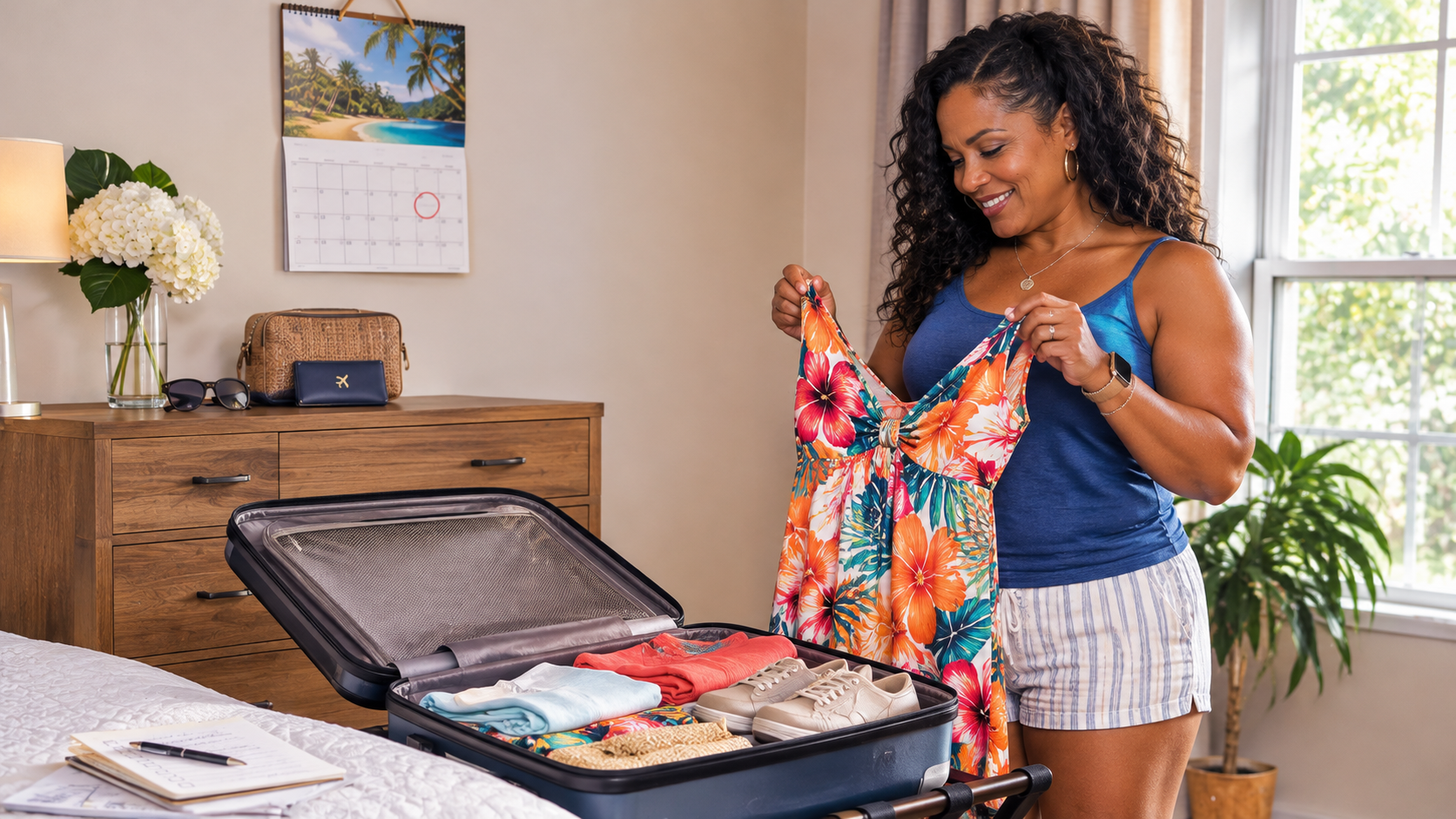
Picture yourself preparing for a seven-night Caribbean cruise in September.
You’ve chosen your favorite resort clothes, packed swimwear for the beaches, and reserved a few excursions.
Then you remember that September falls near the historical peak of the Atlantic hurricane season.
Suddenly, your packing list starts getting longer.
Should you bring waterproof shoes?
Extra clothing in case the ship returns late?
A flashlight? More medication?
An emergency radio?
Several charging devices?
It’s easy to end up packing for a disaster rather than a vacation.
Fortunately, the most useful hurricane-season cruise packing strategy is much simpler.
Pack for normal cruise activities, then add a small number of items that make rain, motion, and travel delays easier to manage.
Most of your suitcase should still contain clothing and personal belongings you’ll enjoy using throughout the voyage.
The Atlantic hurricane season officially runs from June 1 through November 30, with its historical peak around September 10.
That timing matters when planning a Caribbean cruise, but the calendar doesn’t predict the weather your particular ship will experience. (National Hurricane Center — Tropical Cyclone Climatology)
A cruise line may alter its route or schedule when tropical weather affects planned destinations.
However, that doesn’t mean passengers need specialized survival equipment.
Ships maintain their own safety equipment, medical facilities, and emergency procedures.
Your packing decisions should focus on your personal needs.
The best suitcase is one that helps you enjoy beautiful weather, adapt when plans change, and locate important belongings without unnecessary stress.
Hurricane-Season Cruise Packing List Builder
Use the interactive list below to create a packing plan based on the length of your Caribbean cruise.
The clothing quantities are suggested starting points for one adult, not mandatory amounts.
They assume a warm-weather itinerary, everyday shipboard activities, and no unusually specialized excursions.
Choose your sailing length, check off items as you pack, and copy your complete list.
Adjust quantities for laundry access, personal preferences, and the activities you’ve booked.
Hurricane-Season Cruise Packing List
Choose your cruise length and check off what you’ve packed. Quantities are suggested for one adult on a warm-weather voyage.
Estimates for a warm-weather cruise. Customize for your destinations, laundry access, medical needs, and activities. Verify cruise-line and airline rules.
This checklist is intentionally focused on packing, rather than trying to forecast weather or determine which ship is safest.
The Complete Seven-Night Caribbean Cruise Packing List
A seven-night cruise gives you enough time to enjoy beaches, restaurants, evening entertainment, and several shore excursions.
You need clothing for those experiences, not a different outfit for every possible weather condition.
The following quantities are a practical starting point for one adult traveling on a warm-weather Caribbean itinerary.
| Packing category | Suggested quantity |
|---|---|
| Lightweight daytime tops | 7–8 |
| Shorts or casual bottoms | 3 |
| Casual dresses or evening separates | 2–3 outfits |
| Swimwear | 2 sets |
| Underwear and socks | 9 sets |
| Lightweight sweater or cardigan | 1 |
| Packable rain jacket | 1 |
| Comfortable walking shoes | 1 pair |
| Sandals or water-appropriate footwear | 1 pair |
| Dressier shoes | Optional, based on dining plans |
| Sunhat and sunglasses | 1 each |
| Compact day bag | 1 |
| Waterproof phone pouch | 1 |
| Basic toiletries | Enough for the voyage |
| Medication | Trip supply plus an appropriate reserve |
| Charging cables | Essential devices plus a practical spare |
These estimates assume you can repeat or mix outfits.
They also allow a modest clothing reserve without requiring a second large suitcase.
Top Cruise Deals From Trusted Cruise Lines
Compare exclusive online offers and find the fare that fits your trip and your budget
For cruises lasting ten nights or longer, add clothing or plan to use onboard laundry services where available.
If you have specialty excursions, children, accessibility needs, or particular medical requirements, customize the list accordingly.
What Clothing Works Best During Hurricane Season?
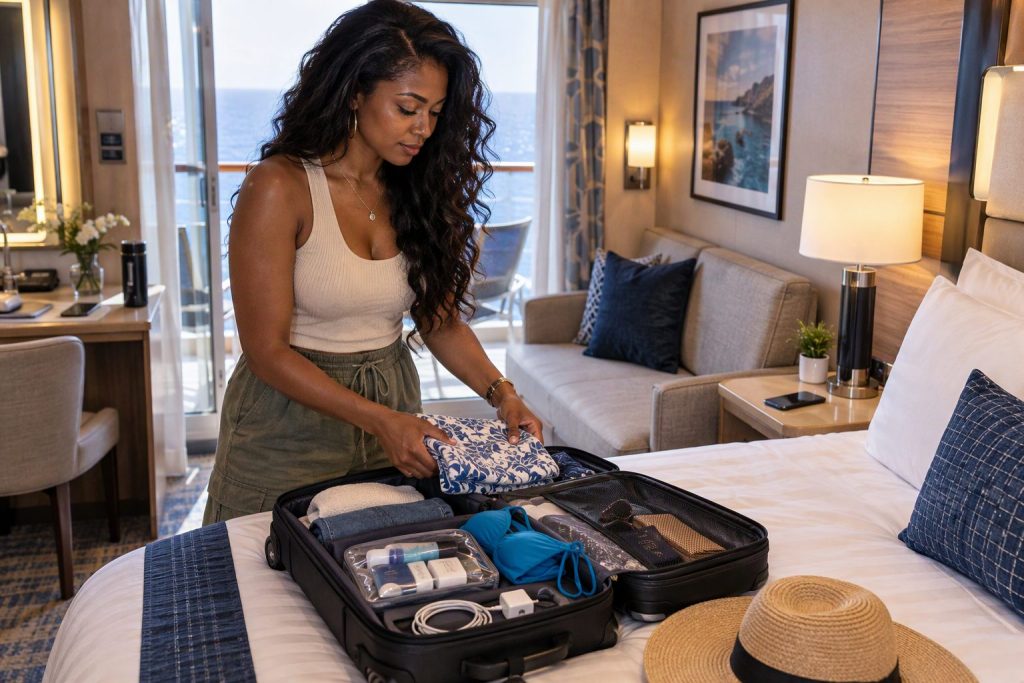
A hurricane-season cruise doesn’t require a wardrobe filled with waterproof clothing.
For most Caribbean voyages, you’ll still spend much of your vacation wearing normal warm-weather outfits.
The difference is that you’ll benefit from versatile fabrics and a few pieces that handle rain or changing temperatures.
Lightweight Tops That Dry Comfortably
Breathable cotton, linen blends, and moisture-wicking fabrics can work well in warm weather.
Cotton may feel comfortable in dry conditions but can take longer to dry when soaked.
Synthetic performance fabrics and some blends often dry more quickly.
Choose fabrics that suit your comfort and skin sensitivity.
A practical collection might include casual T-shirts, breathable short-sleeve shirts, and a few more polished tops for casual dining.
For a seven-night itinerary, approximately seven or eight daytime tops provides flexibility without requiring a completely different wardrobe for every activity.
Shorts, Casual Trousers, and Mix-and-Match Outfits
Three pairs of shorts or casual bottoms can cover many daytime activities.
You may also want lightweight trousers or another suitable layer for restaurants, cooler evenings, or excursions where additional coverage is appropriate.
Choose colors that coordinate with several tops.
That reduces the amount of clothing needed and makes repacking simpler.
For a resort-focused wardrobe, one neutral pair of trousers can work with a casual shirt during the day and a dressier shirt in the evening.
Evening Clothing Without Overpacking
Cruise dining expectations vary by cruise line, venue, and individual sailing.
Some restaurants welcome relaxed resort attire, while others have designated formal or dressier evenings.
Before departure, check the operator’s current dress guidance.
Online‑Only Cruise Offers You Won’t Find Elsewhere
Unlock special pricing and start planning the sailing that matches your perfect itinerary

A few coordinated evening outfits will often be more useful than packing several bulky suits or dresses you may wear only once.
Don’t assume every cruise requires the same number of formal nights.
One Lightweight Layer for Indoor Comfort
Even in the tropics, shipboard restaurants, theaters, and lounges may feel cool because of air-conditioning.
A cardigan, lightweight sweater, or other thin layer is often sufficient.
This piece doesn’t need to be waterproof or particularly heavy.
It simply provides an additional option when your daytime clothing feels too light indoors.
Which Rain Gear Is Actually Worth Packing?
A lightweight rain jacket may be the single most useful weather-specific addition to your suitcase.
Tropical showers can affect shore excursions and travel days even when no hurricane is nearby.
The right rain protection helps you continue ordinary activities comfortably.
Packable Rain Jacket or Poncho?
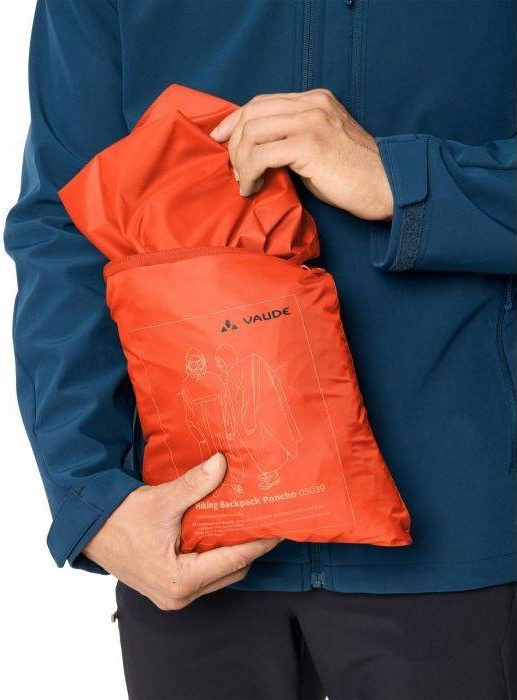
Useful for short showers or occasional use, particularly if you want something inexpensive and compact.
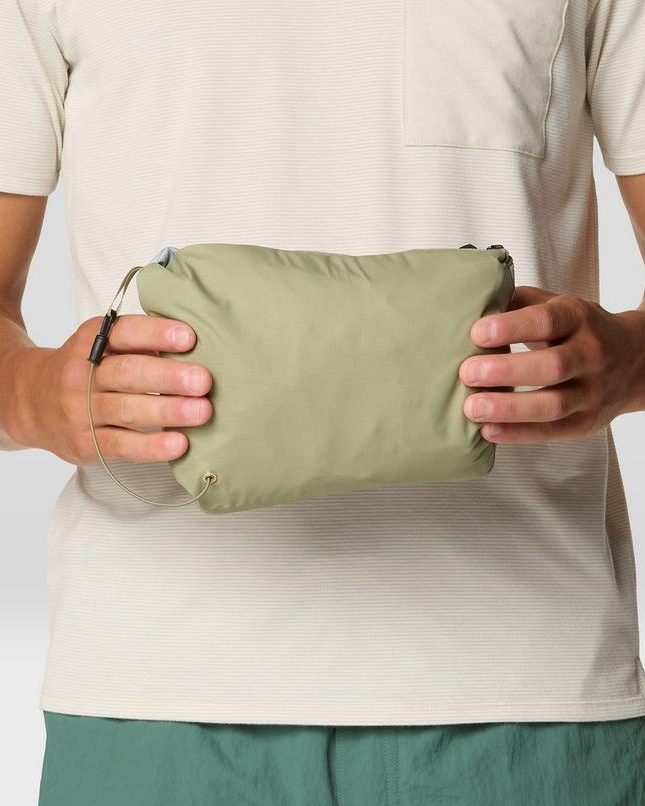
Useful for walking excursions, sightseeing, and repeated use. Choose a comfortable fit with enough ventilation for warm conditions.
A jacket generally offers better control over fit and movement, while a poncho may be easier to put on quickly.
Consider which works better for your planned activities.
Neither should be treated as suitable equipment for going onto an exposed deck during hazardous marine weather.
If the crew restricts outdoor access, follow those instructions rather than relying on your rain gear.
Do You Need a Compact Umbrella?
An umbrella can be useful for ordinary rain or sun protection during some port visits.
However, strong gusts can make umbrellas difficult to handle.
You also don’t want an oversized umbrella taking up unnecessary space in your luggage.
For active excursions or situations where you’ll have both hands occupied, a rain jacket may be more practical.
Don’t Assume Everything Needs Waterproof Packaging
Protecting sensitive belongings makes sense.
But you don’t need to seal every clothing item in a separate waterproof bag.
Use a few resealable bags or an appropriate pouch for your phone, documents, and belongings that shouldn’t get wet.
If your suitcase is made of water-resistant material, you may already have adequate protection for ordinary baggage handling.
Choosing Footwear for Wet Ports and Slippery Walkways
Footwear is one of the most important packing choices because a Caribbean cruise can involve considerable walking.
You’ll move through airports, cruise terminals, ship corridors, stairs, piers, shopping districts, and excursion facilities.
Some surfaces may be wet after rainfall.
Comfortable Walking Shoes Come First
Choose a pair of shoes you’ve already worn comfortably.
Good traction and an appropriate fit matter more than whether the manufacturer describes them as waterproof.
Shoes that are completely waterproof may also feel warmer in tropical humidity.

Luxury Cruise Experiences at Smarter Prices
See premium sailings and upgraded cabins priced for travelers who know how to book well
For many travelers, comfortable walking shoes that tolerate occasional rain will work well.
Avoid packing brand-new footwear for a long walking excursion without first confirming that it fits properly.
Sandals and Water Shoes Serve Different Purposes
Sandals can be useful for pool decks, beaches, and relaxed port visits.
Water shoes may be appropriate for particular snorkeling areas, rocky shorelines, or excursions where the operator recommends protective footwear.
However, neither automatically replaces a supportive walking shoe.
Choose the second pair based on the activities you’ve booked.
You Probably Don’t Need Heavy Waterproof Boots
Heavy boots can consume considerable luggage space and may be uncomfortable in Caribbean heat.
They’re generally unnecessary for ordinary beach and sightseeing itineraries.
Specialized excursions are an exception.
If a rainforest hike or adventure tour requires a particular type of footwear, follow the operator’s equipment instructions.
What Belongs in Your Embarkation Carry-On?
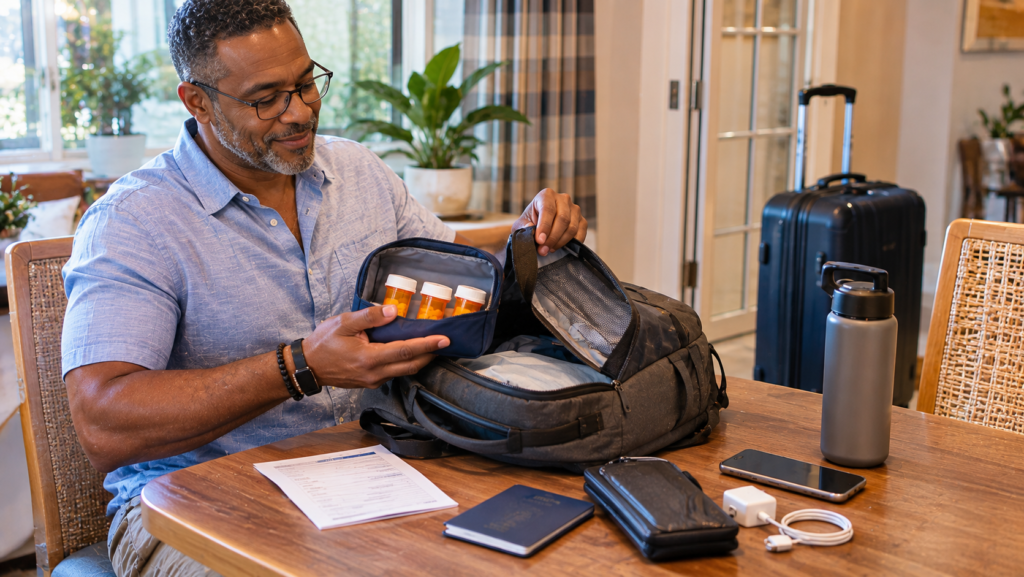
Your embarkation carry-on should contain the belongings you would need if your checked suitcase was temporarily unavailable.
That makes it especially valuable when travel delays or changing plans affect the first part of your vacation.
The bag doesn’t need to contain everything you own.
It should cover personal essentials and an ordinary change of clothing.
The Essential Carry-On Packing List
Keep these items together and accessible:
- Required original identification and cruise boarding information
- Prescription medication and essential medical equipment
- A compact toiletry kit
- One complete change of clothing, including undergarments
- Phone, charging cable, and any permitted power bank
- Insurance assistance information and important contacts
- Secure copies of relevant travel confirmations
- Prescription glasses or other essential personal items
- A small personal comfort item, such as a book or headphones
If you’re flying, remember that airport carry-on liquids restrictions may apply before you reach the cruise terminal.
Check the airline and airport security requirements rather than assuming cruise-line allowances override them.
Don’t Put Essential Medication in Checked Luggage
The CDC advises travelers to carry enough medication for their trip plus additional supplies for possible delays.
It also recommends bringing a travel health kit suited to individual needs. (CDC — Cruise Ship Travel)
The appropriate reserve depends on your medications, medical circumstances, and applicable restrictions.
A fixed recommendation of two or three extra days is not suitable for everyone.
If you rely on a particular prescription, discuss the right amount and storage conditions with your prescriber or pharmacist.
If a medication needs refrigeration or other special handling, make arrangements with the cruise line before sailing.
Keep Required Originals Where You Can Find Them
Travel documentation requirements vary by citizenship, cruise itinerary, and destination.
The U.S. Department of State strongly recommends carrying a passport book on international cruises because unexpected circumstances may require a flight home from another country. (U.S. Department of State — Cruise Ships)

Sail Away to Paradise Without Overpaying
Find cruise deals that make it easy to escape, relax, and enjoy the ocean without stretching your budget
A secure digital copy of your passport may be useful for reference if the original is lost.
It doesn’t replace the original when that document is legally required.
What Medical and Personal-Care Items Should You Pack?
A small personal health kit is useful on a cruise, but it doesn’t need to resemble an emergency medical bag.
Its contents should match your health history, destinations, and planned activities.
The CDC recommends personal first-aid supplies and appropriate medications based on individual needs rather than one universal collection. (CDC Yellow Book — Travel Health Kits)
Basic First-Aid Supplies
A small pouch might contain adhesive bandages, blister dressings, antiseptic wipes, gauze, and other simple supplies appropriate for your activities.
These are useful for minor problems, such as a small scrape or blister.
They do not replace professional medical attention.
Significant injuries, serious symptoms, or worsening medical conditions should be assessed by the ship’s medical staff or other qualified professionals.
Motion Sickness Medication
Seasickness can occur on a cruise even when no hurricane directly affects the ship.
Swells, wind, and other marine conditions can produce noticeable movement.
If you’re prone to motion sickness, speak with a healthcare professional about prevention before leaving home.
Medications such as dimenhydrinate, meclizine, or prescription scopolamine may be appropriate for some people, but they have different effects, contraindications, and possible side effects.
The CDC notes that motion sickness medications work best when chosen and timed appropriately, and that alternatives such as acupressure bands have limited evidence of benefit. (CDC Yellow Book — Motion Sickness)
Don’t assume that ginger, wristbands, or any single medication will work for everyone.
Sunscreen and Insect Repellent
Sun protection remains important during cloudy weather.
A broad-spectrum sunscreen, appropriate clothing, and a hat can help reduce sun exposure.
For destinations where mosquitoes may be present, consider an appropriate insect repellent.
The CDC’s travel health guidance includes sun protection and insect-bite prevention as part of destination-specific preparation. (CDC — Pack Smart)
Apply products according to their directions, and check requirements for environmentally sensitive excursion locations.
Hygiene Supplies
Bring the personal products you normally use and enough for your trip.
Hand sanitizer can be useful where handwashing isn’t immediately available, but it isn’t a replacement for proper handwashing with soap and water.
If you use specialized skin-care products, medical hygiene supplies, or other products that may be difficult to replace, pack an appropriate reserve.
Electronic Devices: What to Bring and What to Leave Behind
A modern cruise passenger may travel with a phone, tablet, e-reader, headphones, smartwatch, camera, and several charging accessories.
You don’t need every device you own.
Choose equipment that serves a genuine purpose during the voyage.
The Useful Electronics List
A practical setup might include your phone, the correct charging cable, a permitted portable battery pack, and headphones.
An e-reader or tablet can be enjoyable for sea days, especially when you’ve downloaded books or entertainment in advance.
Bring a spare charging cable if you rely on your phone for travel information.
The biggest issue isn’t the number of devices.
It’s whether the charging accessories are permitted.
Are Cruise Power Strips Allowed?
The rules vary substantially between cruise lines.
Royal Caribbean’s prohibited-items policy restricts extension cords, power strips, and multi-plug outlets, among other electrical equipment. (Royal Caribbean — Prohibited Items)
Carnival, by contrast, publishes rules allowing certain power strips and extension cords without surge protection, subject to safety considerations and the ship’s discretion. (Carnival — Electric Outlets and USB Ports)
That means a device described as cruise-approved is not automatically allowed on your sailing.
The safest packing practice is to verify the current policy for your exact operator before bringing additional electrical equipment.
What About Power Banks on Flights?
The FAA requires spare lithium batteries and portable power banks to travel in carry-on baggage rather than checked luggage.
Lithium-ion batteries up to 100 watt-hours are generally permitted, subject to applicable rules.
Larger batteries may require airline approval, and certain capacities are prohibited. (FAA — PackSafe Lithium Batteries)
If your carry-on is taken for gate-checking, remove spare lithium batteries and power banks and keep them with you in the aircraft cabin.
Check the battery’s watt-hour rating and the airline’s own requirements.
Don’t Depend on Offline Weather Maps for Current Storm Information
Downloading weather applications before departure can be useful.
However, an offline map may display previously saved conditions rather than current forecasts.
A weather app cannot normally receive fresh hurricane advisories when it has no network connection.
For Atlantic tropical weather, use the National Hurricane Center when connected.
For actual changes to your voyage, follow official cruise-line announcements and crew instructions.
How to Pack a Port-Day Bag That Works in Sunshine or Rain
A shore-excursion bag should be lightweight enough to carry comfortably throughout the day.
For many Caribbean outings, a small backpack, crossbody bag, or compact tote is sufficient.
The contents should match the excursion and any requirements communicated by the operator.
Practical Port-Day Essentials
A useful day bag may contain a refillable water bottle, sunscreen, sunhat, sunglasses, phone, suitable rain protection, and essential medication needed while ashore.
Keep necessary identification and your cruise card in a secure location.
If you’re visiting a beach, add swimwear and any appropriate protective footwear.
For a walking tour, prioritize comfortable shoes and access to drinking water.
Don’t carry every document or backup supply you packed for the entire cruise.
Protect Important Items Without Overloading the Bag
A waterproof phone pouch or compact resealable bag can help protect small belongings from ordinary rain.
A large dry bag may be appropriate for certain water-based excursions, but it isn’t necessary for every port visit.
If you plan to snorkel, kayak, or participate in another activity involving substantial water exposure, check the excursion provider’s guidance.
Leave Room for Unexpected Changes
A flexible day bag is useful if the planned excursion is shortened, conditions become wetter than expected, or you decide to participate in another activity.
That doesn’t mean you should pack extra clothes for every possible substituted destination.
Choose a few versatile items that meet several needs.
Pack Your Cabin Bag Differently From Your Day Bag
Keeping everything in one bag may sound simple, but it creates unnecessary clutter.
Your cabin supplies, carry-on essentials, and port-day belongings serve different purposes.
A cabin pouch can hold backup toiletries, a first-aid kit, additional permitted charging cables, and other items you won’t need to carry around the ship.
Your port-day bag should contain only what you’ll use ashore.
Your embarkation carry-on should protect the belongings you need before your main luggage is available.
This division helps you locate essential items without repeatedly sorting your entire suitcase.
Use Packing Cubes for Organization, Not Artificial Compression
Packing cubes can separate daytime clothes, evening outfits, swimwear, and undergarments.
They may make a suitcase easier to organize, particularly when sharing luggage or traveling with family.
However, compressing clothing doesn’t reduce its weight, and an overfilled suitcase remains difficult to handle.
Don’t use packing organizers as an excuse to bring more than you need.
Separate Wet Clothing From Clean Clothing
A lightweight reusable laundry bag can help keep damp swimwear or rain-soaked clothes away from clean garments temporarily.
If clothes are wet, allow them to dry appropriately rather than sealing them for extended periods.
This is particularly useful in warm, humid environments where damp fabrics may develop unpleasant odors.
What Should You Leave Out of Your Hurricane-Season Cruise Suitcase?
Packing well also means knowing what isn’t necessary.
Some equipment sounds reassuring but adds weight, introduces restrictions, or offers little benefit during an ordinary cruise vacation.
| Item | Why it may be unnecessary |
|---|---|
| Large survival kit | The ship supplies its own emergency equipment and procedures |
| Heavy rain boots | Usually excessive for ordinary warm-weather Caribbean excursions |
| Multiple bulky blankets | Bedding is provided onboard; personal needs vary |
| Large portable power station | Adds weight and may violate airline or cruise restrictions |
| Unverified electrical power strip | Rules vary significantly between cruise lines |
| Several redundant weather apps | More apps do not necessarily provide more accurate forecasts |
| Excessive bottled water | Shipboard drinking water is normally available |
| Large quantities of packaged snacks | May be unnecessary and subject to food restrictions |
| Every original travel document ashore | Carry only those required by the operator and destination |
| Extra outfits for every possible port change | Versatile clothing is usually more practical |
Special medical or accessibility needs may justify equipment that wouldn’t be appropriate for other passengers.
If you use a medical device, contact the cruise line in advance to confirm the arrangements rather than assuming ordinary passenger restrictions apply unchanged.
How to Adjust Your Packing List for an Unexpected Itinerary Change
A cruise line may change destinations or add time at sea when weather affects a scheduled port.
You don’t need to anticipate every possible substitution.
The more useful approach is to bring clothing and supplies that work for several common cruise activities.
For example, comfortable walking shoes are suitable for sightseeing in many ports.
A packable rain jacket works whether your itinerary includes a beach town or a city excursion.
Lightweight trousers can serve as daytime sun protection and evening attire.
A change from one warm Caribbean island to another may not require any different clothing.
If the revised destination involves unusual conditions or a specialized excursion, review the updated requirements before deciding what to do ashore.
If the Cruise Return Is Delayed
A delayed return is more likely to affect essential medication, flights, hotels, and personal obligations than the number of casual shirts in your suitcase.
That’s why your medication reserve, identification, contact information, and small change of clothing belong high on the packing priority list.
Keep receipts and official notices if additional expenses arise, but don’t assume that carrying insurance paperwork guarantees compensation.
Your coverage depends on the policy’s actual terms.
How to Pack for Different Cruise Lengths
A four-night Caribbean cruise generally requires less clothing than a ten-night voyage.
The weather-specific essentials, however, don’t need to multiply with the length of your trip.
You normally need one suitable rain jacket, one compact day bag, and a few protective pouches regardless of whether the voyage lasts four or seven nights.
Clothing quantities can increase with the trip’s length, while medications should cover the full journey and an appropriate delay reserve.
| Category | 4 nights | 7 nights | 10 nights |
| Daytime tops | 5 | 8 | 11 |
| Casual bottoms | 2 | 3 | 4–5 |
| Evening outfits | 1–2 | 2–3 | 3–4 |
| Underwear sets | 6 | 9 | 12 |
| Swimwear | 2 | 2 | 2 |
| Rain jacket | 1 | 1 | 1 |
| Walking shoes | 1 pair | 1 pair | 1 pair |
Suggested quantities for one adult on a warm-weather itinerary.
Adjust for laundry access, personal preferences, dress expectations, and activities.
For longer trips, the ability to wash or repeat clothing may be more useful than packing a separate outfit for every day.
If luggage capacity is limited, prioritize comfortable and versatile pieces.
Your Final Hurricane-Season Packing Check Before Departure
Before closing your suitcase, lay out your rain protection, walking shoes, swimwear, and clothing for both daytime and evening activities.
Check that essential medication and original travel documents are in the bag you’ll keep with you.
Make sure your phone and charging equipment are compatible with the rules for your flight and cruise.
Save important travel records offline and verify that you can access them without an internet connection.
Pack a small first-aid pouch, appropriate sun protection, and a few practical waterproof bags.
Then look at the items you haven’t packed yet.
If something doesn’t support your health, comfort, planned activities, or an ordinary travel contingency, consider leaving it at home.
A well-organized suitcase is more useful than one filled with unnecessary precautions.
Enjoy Your Cruise With a Suitcase That Works for the Weather
Cruising during hurricane season doesn’t mean your vacation wardrobe needs to revolve around storms.
You’ll still want comfortable outfits for sunny decks, enjoyable dinners, beautiful beaches, and excursions.
A few additions simply make those experiences easier to manage when the weather changes.
The right rain jacket can protect you during an unexpected shower.
Comfortable shoes can make a wet port visit more enjoyable.
A waterproof pouch can protect your phone, while a thoughtfully packed carry-on keeps essential belongings available during travel delays.
You won’t be able to pack away uncertainty.
But you can avoid carrying unnecessary weight, choose versatile belongings, and prepare for ordinary changes without sacrificing the enjoyment of your vacation.
That’s the purpose of a useful hurricane-season cruise packing list: less guesswork, fewer unnecessary items, and more room for the experiences you came to enjoy.
FAQ – What Should You Pack for a Cruise During Hurricane Season?
What should I pack differently for a hurricane-season cruise?
Pack your usual cruise clothing and add a few practical supplies for rain, rough seas, and possible travel delays.
A lightweight rain jacket, comfortable footwear, protective phone pouch, and appropriate medication reserve are useful considerations.
Keep important belongings in your embarkation carry-on.
You generally don’t need bulky survival equipment or an entirely different wardrobe.Do I need special hurricane gear on a cruise?
Most cruise passengers don’t need specialized hurricane equipment.
Cruise ships maintain emergency procedures and safety equipment, while passengers should follow the crew’s instructions.
Pack for ordinary weather exposure, personal comfort, and travel contingencies rather than attempting to replace shipboard safety systems.
Specialized equipment may be appropriate for certain medical needs or unusual excursions.How many outfits should I pack for a seven-night Caribbean cruise?
Approximately seven or eight lightweight daytime tops, three casual bottoms, and two or three evening outfits can provide a useful starting point.
Add two sets of swimwear, enough undergarments, and a lightweight layer for indoor areas.
You can reduce quantities if you plan to repeat outfits or use laundry services.
The exact amount depends on your activities and clothing preferences.Should I bring a rain jacket or poncho?
Either can be useful for tropical showers and wet shore excursions.
A packable rain jacket generally offers a more controlled fit and can be easier to wear during active sightseeing.
A poncho may be convenient for occasional use and packs compactly.
Neither should encourage you to enter exposed areas when the crew has issued weather-related restrictions.Are waterproof shoes necessary for Caribbean cruises?
Waterproof footwear isn’t universally necessary.
Comfortable walking shoes with suitable traction are usually more important for terminals and excursions.
Sandals or water shoes can be helpful for specific beach or water activities.
Heavy waterproof boots may be excessive for an ordinary Caribbean itinerary.Should I pack extra clothing in case my cruise is delayed?
A small clothing reserve is sensible, particularly in your carry-on.
One change of clothes and a few additional undergarments can help during ordinary baggage or travel delays.
You don’t need to pack several complete outfits for hypothetical extra days at sea.
Prioritize items that are difficult to replace, such as essential medications.How many extra days of prescription medication should I bring?
The appropriate reserve depends on your medication, medical circumstances, travel duration, and potential delays.
Ask your prescriber or pharmacist for individual guidance and check any restrictions on transporting the medication.
Keep essential prescriptions accessible in your carry-on.
Don’t assume that the ship’s medical center can replace your exact medication.What seasickness remedies should I pack?
The suitable choice depends on your health history, medications, and previous experiences with motion sickness.
Some people use over-the-counter medicines, while others may be prescribed a different treatment.
These products can have side effects and contraindications, so review them before travel.
Ginger or acupressure bands shouldn’t be treated as guaranteed remedies.Can I bring a power strip on a cruise?
The answer depends on the cruise line.
Royal Caribbean prohibits power strips and multi-plug outlets under its current general policy, while Carnival allows certain accessories without surge protection subject to safety rules.
A product advertised as cruise-approved isn’t automatically acceptable everywhere.
Check your cruise operator’s exact prohibited-items list.Can I pack a power bank in my checked suitcase?
If you’re traveling by air, spare lithium batteries and power banks must be carried in the aircraft cabin rather than checked baggage.
FAA and airline rules also place limits on battery capacity and condition.
If your carry-on is gate-checked, remove your power bank and keep it with you.
Confirm the cruise line’s onboard requirements as well.Should I bring a waterproof bag for documents?
A protective pouch can be useful for keeping papers and small belongings dry during ordinary travel.
However, you don’t need to carry every original document ashore or place sensitive records in multiple unprotected bags.
Keep required identification accessible when needed and store backup copies securely.
A small waterproof wallet is usually easier to manage than a large document binder.Do hurricane tracking apps work without cruise Wi-Fi?
Some applications can display maps or information saved earlier, but that doesn’t mean their forecasts are current.
Fresh storm advisories normally require a working connection.
Use the National Hurricane Center for official Atlantic tropical weather information when connected.
Follow the captain and crew for instructions affecting your voyage.Should I pack snacks in case a hurricane delays the ship?
Most ordinary cruise voyages don’t require passengers to bring substantial emergency food supplies because onboard dining and water services are provided.
A few permitted packaged snacks may be useful for travel days, specific dietary needs, or excursions.
Check your operator’s restrictions before packing food.
Passengers with special dietary or medical requirements should make appropriate arrangements in advance.What should I keep in my cruise embarkation carry-on?
Keep required identification, boarding documents, essential medication, medical equipment, your phone, and important personal belongings accessible.
A basic toiletry kit and change of clothes can also be helpful.
If you’re flying, follow airline rules for liquids, batteries, and restricted items.
Avoid putting necessary travel documents or medication in bags handled separately by porters.Do I need a flashlight for hurricane-season cruising?
A small flashlight can be an optional convenience, particularly if you prefer having personal lighting available.
However, it isn’t a substitute for the ship’s emergency lighting or crew instructions.
Most travelers don’t need a large headlamp, specialized lantern, or other survival-oriented lighting equipment.
Check the ship’s equipment restrictions if you’re considering anything unusual.Should I bring a separate bag for shore excursions?
A small day bag is useful for carrying essential belongings while ashore.
Include appropriate identification, necessary medication, sun protection, a phone, and other items relevant to the excursion.
A compact rain jacket may be worth adding when showers are possible.
Avoid bringing every valuable document or backup supply along on ordinary outings.Do I need warm clothing on a Caribbean cruise during hurricane season?
For many warm-weather Caribbean itineraries, one lightweight sweater or cardigan is sufficient for air-conditioned indoor spaces.
September and other hurricane-season months don’t automatically require heavy winter clothing.
However, packing needs differ for cruises in Alaska, Northern Europe, and other cooler regions.
Choose layers according to the actual destinations and planned activities.Will waterproof packing cubes protect everything in my suitcase?
Some packing organizers offer water resistance, but their protection depends on the construction and closure.
Ordinary packing cubes are primarily organizational tools, not guaranteed waterproof containers.
Use appropriate protective bags for belongings that shouldn’t get wet.
Allow damp clothing to dry instead of keeping it sealed for long periods.Is travel insurance something I should include on my packing list?
Keep the policy details and emergency assistance contact information accessible if you have purchased travel insurance.
A secure offline copy can be useful if passenger internet access becomes unreliable.
Insurance coverage depends on the specific policy and qualifying event, not on simply carrying the certificate.
There is no need to pack extensive claims paperwork before any disruption occurs.What is the biggest hurricane-season cruise packing mistake?
One of the biggest mistakes is packing excessive specialized equipment while overlooking ordinary essentials.
Comfortable clothes, required travel documents, medications, appropriate footwear, and permitted chargers generally matter more than survival gadgets.
Packing everything in one suitcase can also make embarkation and delays less convenient.
Organize belongings according to when you’ll need them and adapt the list to your actual voyage.
Plan Your Next Cruise!

Sail the World in Style: MSC Cruises’ Innovative Ships, Luxury Amenities, and Global Adventures
One Delay Can Cost Your Entire Cruise A quick coverage check now protects you from the problems no one sees coming….

Discover Silversea Cruises: Ultra‑Luxury Voyages to the World’s Most Exclusive Destinations
One Delay Can Cost Your Entire Cruise A quick coverage check now protects you from the problems no one sees coming….

From Icon to Oasis: Explore Royal Caribbean’s Groundbreaking Ships and Unforgettable Voyages
One Delay Can Cost Your Entire Cruise A quick coverage check now protects you from the problems no one sees coming….

Sail in Style: Oceania Cruises’ Culinary Excellence, Cultural Immersion, and Refined Luxury
One Delay Can Cost Your Entire Cruise A quick coverage check now protects you from the problems no one sees coming….
Explore More
Sail Further for Less: Discover the Perks of a Repositioning Cruise

Stay Safe and Confident: Everything You Need to Know About Cruise Ship Tenders
Avoid Drone Confiscation: Master Cruise Line Rules and Fly Legally at Every Port