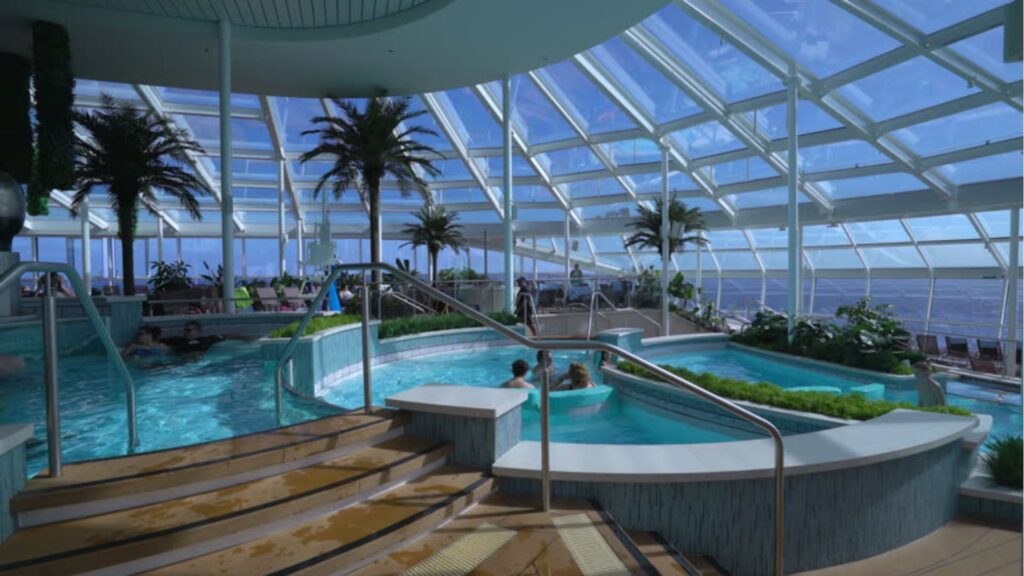
One Delay Can Cost Your Entire Cruise
A quick coverage check now protects you from the problems no one sees coming
Short Excerpt
- Choosing your first cruise can feel overwhelming when cruise lines advertise different ships, destinations, activities, and pricing packages.
- The best first cruise isn’t necessarily the biggest, newest, or cheapest. It’s the one that matches your vacation preferences, travel priorities, and budget.
- Use a practical five-step framework to compare cruise styles, itineraries, passenger capacity, ship classes, and total costs before booking.
Quick Take
- Identify your vacation style first. Decide whether you’re looking for family entertainment, a lively resort atmosphere, quieter surroundings, or a more luxurious experience.
- Choose an itinerary that fits your interests. More sea days mean more time enjoying the ship, while port-intensive sailings emphasize destinations and excursions.
- Compare passenger capacity and ship design. A huge ship offers more activities, but a smaller vessel may feel easier to navigate on your first sailing.
- Understand what your fare includes. Drinks, Wi-Fi, excursions, specialty restaurants, and gratuities can change the true cost of your vacation.
- Use the five-step comparison framework to narrow your options instead of repeatedly browsing cruises that don’t meet your priorities.
How to Choose Your First Cruise Without Regretting the Ship, Itinerary, or Price
Your first cruise should be something you’re excited to book, but comparing the available options can quickly become more complicated than you expected.
One cruise line advertises enormous ships with water parks, Broadway-style entertainment, and dozens of restaurants.
Another emphasizes excellent service, sophisticated dining, and fewer passengers.
Meanwhile, competing itineraries promise tropical beaches, fascinating cities, and destinations you’ve always wanted to visit.
Then you start comparing prices.
A cruise that initially looks affordable becomes more expensive when you add drinks, internet access, excursions, and other extras.
Another sailing costs more upfront but includes services you’d otherwise have to purchase separately.
At that point, it’s easy to wonder whether you’re comparing the right things at all.
For first-time cruisers, the biggest mistake isn’t necessarily choosing the wrong cruise line.
It’s making the decision before understanding what kind of vacation you actually want.
A cruise ship is both your transportation and your resort.
You’ll spend several days enjoying its restaurants, public spaces, entertainment, and daily routines, even when the destinations are the primary reason you booked.
That makes choosing the right ship and itinerary particularly important for your first sailing.
Decide What You Want Your First Cruise to Feel Like
Before comparing cruise lines, consider how you normally enjoy spending your vacation.
Do you prefer having a full schedule of activities, or would you rather find a comfortable place overlooking the ocean and decide what to do as the day unfolds?
Perhaps you’re traveling with children who love waterslides, games, and lively entertainment.
You may be planning a couples’ getaway where excellent dining and quieter evenings are more appealing.
Neither experience is inherently better.
However, they can lead you toward very different cruise ships.

A family seeking constant entertainment might love an enormous resort-style vessel with attractions spread across multiple decks.
Someone who enjoys a more intimate atmosphere may prefer a smaller ship with fewer public spaces to navigate.
Think about the experiences that would make you want to take another cruise.
If you can identify those priorities before opening another booking website, you’ll have a much easier time recognizing which options deserve serious consideration.
Understand Why the Cruise Line Alone Doesn’t Tell the Whole Story
It’s tempting to select a cruise line based on its reputation, especially when friends recommend a company they’ve sailed with several times.
Their experiences can be valuable, but one cruise line may operate ships that deliver noticeably different vacations.
For example, newer mega-ships may feature extensive entertainment districts, numerous dining venues, and attractions that appeal to families or activity-focused travelers.
Top Cruise Deals From Trusted Cruise Lines
Compare exclusive online offers and find the fare that fits your trip and your budget
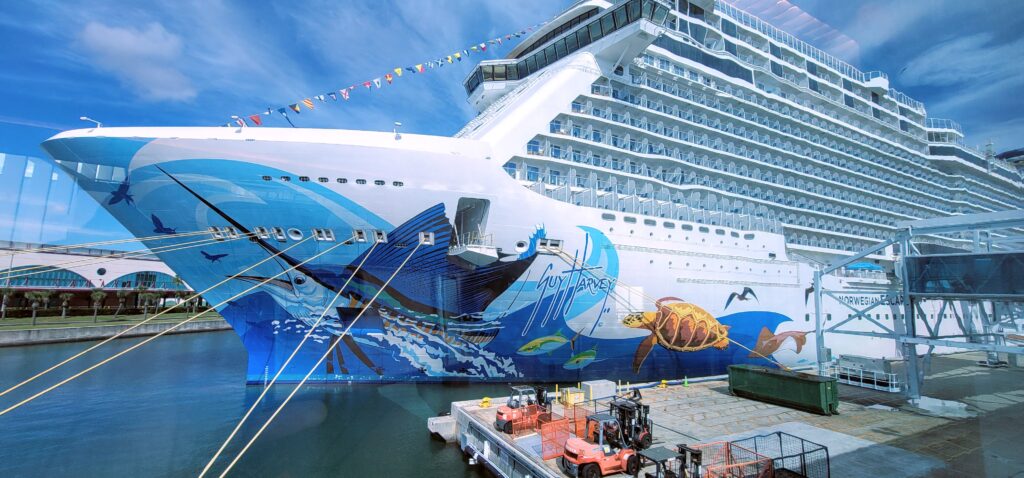
Older or smaller ships within the same fleet might offer fewer attractions but provide a more straightforward layout and a different atmosphere.
This is where understanding ship classes becomes useful.
A ship class generally refers to vessels built around a similar design, often sharing comparable layouts, facilities, and characteristics.
For your first cruise, comparing ships within a class can help you understand what the onboard experience is likely to include.
However, individual ships can still differ in restaurants, entertainment, amenities, and renovations.
Rather than assuming every vessel from a popular cruise line offers the same experience, review the specific ship you intend to book.
That additional step can prevent disappointment when an attraction you’ve seen advertised isn’t available on your particular sailing.
Choose Between a Destination-Focused Cruise and a Ship-Focused Vacation
One of the most important first-cruise decisions is determining how much time you’d like to spend exploring destinations compared with enjoying the ship itself.
A port-intensive itinerary may appeal to you if visiting unfamiliar countries, walking through historic neighborhoods, and discovering local food are your main priorities.
However, several consecutive port days can also mean early mornings, transportation arrangements, and full sightseeing schedules.
By comparison, a sailing with more sea days allows you to enjoy onboard attractions, dining venues, pools, and entertainment without leaving the ship.
That can be particularly appealing when you’ve chosen a vessel with numerous experiences included in its fare.
Neither style guarantees a better first cruise.
A traveler excited about European history may prefer a destination-focused Mediterranean itinerary, even if it involves a busier schedule.
Someone hoping to disconnect from work while enjoying a resort-style environment may appreciate a Caribbean cruise with more time at sea.
Consider what you’d feel most disappointed about missing.
If it’s the destinations, prioritize the itinerary. If it’s the ship’s attractions and atmosphere, give the vessel itself greater importance.
Look Beyond Ship Size to Understand the Passenger Experience
Large cruise ships often receive the most attention because their attractions are impressive and their passenger capacities can be extraordinary.
Yet gross tonnage, which measures a ship’s enclosed volume rather than its weight, doesn’t tell you exactly how crowded the experience will feel.
Passenger capacity provides another useful clue.
A ship carrying several thousand guests may experience busy periods around elevators, popular restaurants, and entertainment venues, particularly on sea days.
However, exceptionally large ships also have more space and may distribute passengers across multiple neighborhoods and venues.
Smaller ships can offer shorter walking distances and fewer facilities to learn, but that doesn’t automatically mean every public area will feel uncrowded.
Online‑Only Cruise Offers You Won’t Find Elsewhere
Unlock special pricing and start planning the sailing that matches your perfect itinerary
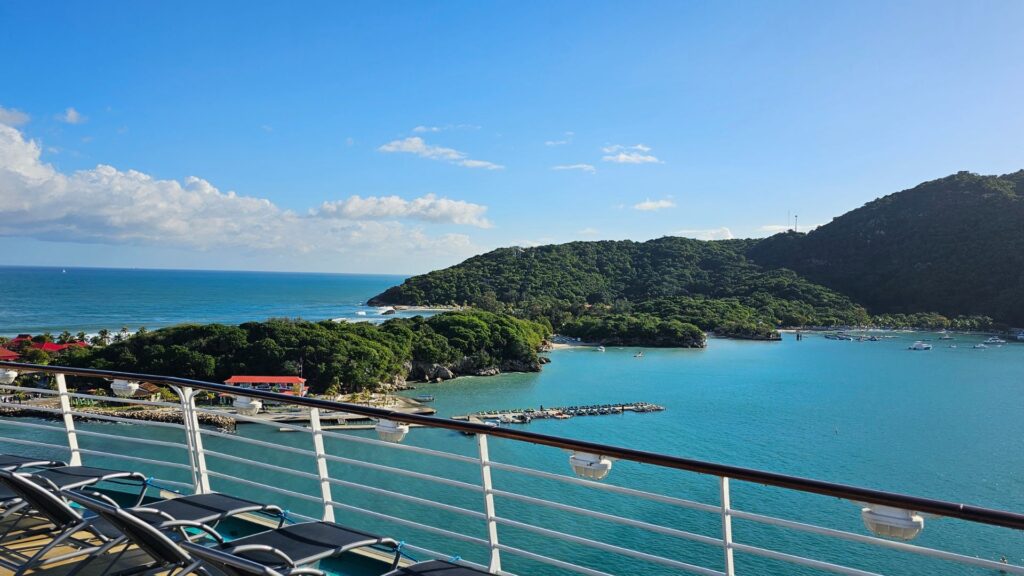
For your first cruise, compare the ship’s layout, typical passenger capacity, and onboard attractions alongside its physical size.
The important question isn’t whether a ship is objectively large.
It’s whether the combination of space, activities, and passengers suits the kind of vacation you want.
Calculate the Total Price Before Deciding Which Cruise Is Cheaper
The advertised cruise fare is an important starting point, but it may not represent your final vacation expense.
Depending on your cruise line and booking package, additional costs can include gratuities, alcoholic beverages, specialty dining, Wi-Fi, shore excursions, transportation, and other optional purchases.
Some premium and luxury cruise packages include a broader range of services, although the details vary significantly between operators.
That means a higher-priced sailing can sometimes offer better value for someone who intends to purchase many of those extras.
The opposite can also be true.
If you rarely drink alcohol, don’t need constant internet access, and prefer included restaurants, paying more for a package containing services you won’t use may not make sense.
When comparing your first-cruise options, estimate what you’ll actually spend rather than assuming that the package with the longest list of inclusions is automatically the better deal.
Don’t forget the cost of getting to the departure port.
Flights, transportation, parking, and a pre-cruise hotel can noticeably affect the total, particularly when you’re choosing between sailings departing from different cities.
Narrow Your Choices Before You Book
Once you understand your vacation preferences, you can stop comparing every available cruise.
Choose two or three sailings that match your preferred atmosphere, itinerary, and approximate budget.
Then compare them using the same criteria.
Look at what you’ll enjoy doing on sea days, which destinations you’ll visit, how the ship is organized, and what you’ll realistically spend from departure to return.
A ship with an impressive attraction might lose its appeal when you discover that its itinerary doesn’t include the ports you wanted.
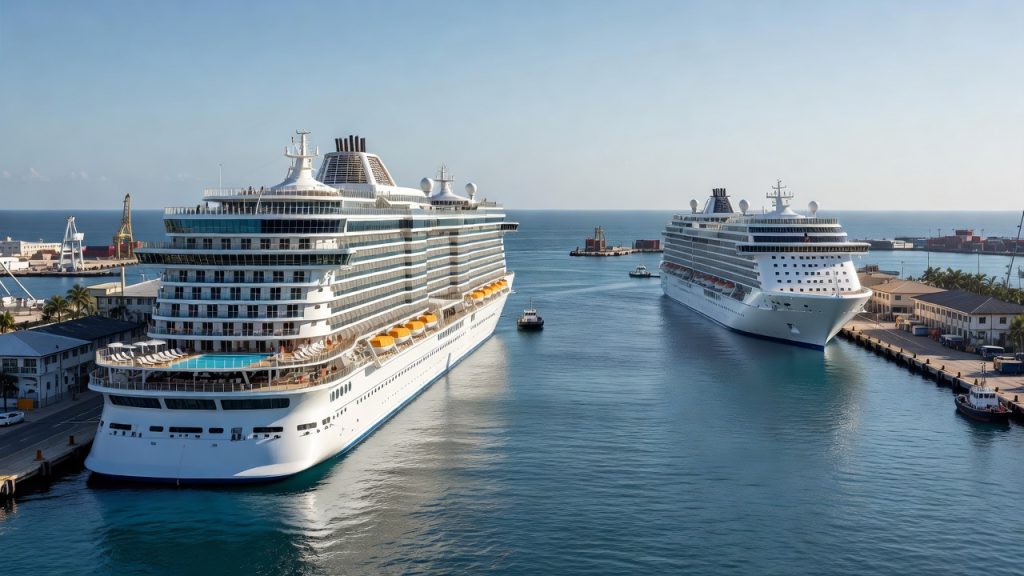
Another cruise may have fewer onboard amenities but provide the ideal combination of destinations, comfortable accommodations, and affordable travel arrangements.
Making those tradeoffs visible is how you move from endless browsing toward a decision you’re comfortable making.
Your first cruise doesn’t need to be the most impressive ship or the most ambitious itinerary.
It needs to be a vacation you’ll genuinely enjoy from embarkation to disembarkation.
Once you choose around that goal, comparing cruise lines becomes much less intimidating.
How to Compare Cruise Lines, Ship Sizes, and Itineraries Before Booking Your First Cruise
If you are planning your first cruise and feel overwhelmed by endless choices, you are not alone.
Cruise shopping can feel like you opened ten tabs and none of them agree on what matters most.
One line sells you on the newest ultra massive ship.
Another line sells you on quieter spaces and better service.

Luxury Cruise Experiences at Smarter Prices
See premium sailings and upgraded cabins priced for travelers who know how to book well
Then you see itinerary maps, ship class names, cabin categories, and price bundles that all sound urgent at once.
Cruise lines, itineraries, and ship sizes can make the decision feel like a guessing game.
That is exactly how first-time cruisers end up choosing based on one shiny feature and hoping the rest works out.
A better path exists, and you do not need expert knowledge to use it.
You need a decision framework that filters noise and keeps you focused on what will shape your actual week.
This guide gives you a simple five-step framework so you can choose confidently without stress.
Two terms will show up constantly as you compare options.
An itinerary is the route your cruise takes, including which ports you visit and how many sea days you have.
A ship class is a group of ships of a similar design, typically sharing a platform, layout patterns, and core features. (Wikipedia)
Once those ideas click, comparisons start to feel fair.
You stop comparing a mega-ship Caribbean sailing to a smaller-ship destination itinerary as if they are the same product.
That shift makes choosing faster, easier, and more personal in a good way.
You will still have options, but the options will finally make sense.
Start by Defining Your Cruise Identity Before Comparing Ships
Before the five steps, do one quick reset that stops the mental noise.
Your first cruise should match your vacation identity, not a marketing video.
Some travelers want constant activity and big energy.
Others want comfort, easier navigation, and fewer lines.
Some want family logistics to be simple.
Others want a more grown-up pace with quieter evenings.
Naming your identity turns endless browsing into a set of filters.
Once you have filters, the decision stops feeling like a guess.
Itinerary Meaning
Itinerary is not just where you go.
Itinerary is also how the days feel.
Port-heavy sailings create earlier mornings and more off-ship time.
Sea-day-heavy sailings create more onboard time and more value from ship features.
Short cruises can be great first cruises when you want a low-commitment test.
Longer cruises can be better when you want time to settle in and stop feeling new by day three.
If vacation days are tight, the best itinerary is often the one with the simplest travel day.
Ship Class Meaning
Ship class is a practical shortcut because it predicts the “shape” of the experience. (Wikipedia)
Ships in the same class usually share the same design language, venue mix, and flow.
That matters because one cruise line can feel like two different products depending on the class you pick.
A smaller, older class may be easier to learn and easier to navigate.

Sail Away to Paradise Without Overpaying
Find cruise deals that make it easy to escape, relax, and enjoy the ocean without stretching your budget
A newer mega class can feel like a floating city with multiple neighborhoods.
Neither is automatically better.
Your identity decides which one feels fun and which one feels like too much.
Identity First
When you name your vacation identity first, every later choice becomes a filter.
Itinerary Shapes Days
Ports versus sea days changes the rhythm more than most first-time cruisers expect.
Class Predicts Feel
Ship class helps you predict layout and features before you commit. (Wikipedia)
Step 1: Choose Your Cruise Category to Narrow the Options Fast
This step reduces overwhelm faster than anything else.
Cruise lines are often discussed in broad categories, and those categories usually track what you get for the money.
Think of category as the style of vacation, not a judgment of quality.
Family-focused and contemporary lines usually deliver high energy value and lots of included entertainment.
Premium and near-luxury lines often aim for a more refined onboard feel and fewer “theme park” vibes.
Luxury lines typically emphasize smaller ships, higher service ratios, and often more inclusive pricing. (Iglu Cruise Help Center)
Once you pick a category, you stop comparing everything to everything.
You start comparing within a lane that makes sense.
Family Focused
If you are cruising with kids, category matters more than brand loyalty.
Family-friendly lines tend to have stronger kids programming, more casual dining options, and more activities that keep different ages busy without constant planning.
Cruise Critic highlights Royal Caribbean as a top family cruise line and notes that the line’s largest ships are often the best fit for kids of all ages and multigenerational groups. (Cruise Critic)
Big ships can work well for families because there are more places to spread out.
More venues also means fewer moments where everyone is fighting over one option.
A family first cruise becomes easier when the ship itself carries more of the entertainment load.
If you want ports to be easy too, planning excursions ahead of time helps you avoid last-minute pier pricing and timing confusion.
Looking at options in advance through tools like Viator, GetYourGuide, and Klook helps you compare what is included before you arrive.
Near Luxury
Near luxury is the category many first-time cruisers overlook, and it is often the sweet spot.
It can feel noticeably more polished than the most budget-focused sailings, without moving into true luxury pricing.
You may still get lively entertainment, but the overall rhythm often feels more relaxed and less chaotic.
This is where passenger capacity and space per guest can matter a lot, even when ships are not “small.”
If you want better dining, quieter public spaces, and fewer kid-centered zones, this lane is worth real attention.
For some travelers, near luxury is what turns a first cruise into a repeat habit.
If your biggest fear is feeling overwhelmed by crowds, this category often reduces that pressure.
Luxury
Luxury is not just nicer furniture.
Luxury usually means smaller ships, fewer guests, and more attentive service, often paired with more destination-focused itineraries. (Iglu Cruise Help Center)
A smaller ship environment tends to reduce lines and crowd competition for space. (Iglu Cruise Help Center)
Luxury can be a strong first-cruise choice if you dislike crowds and want the most guided feeling.
It can also be the right move if you want ports that big ships cannot reach.
The tradeoff is that luxury is rarely about water slides and endless onboard attractions.
Luxury is more about service, space, dining, and shore experiences that feel curated.
If your main fear is boredom, a mega ship may actually be the safer first cruise.
If your main fear is crowds, luxury or near luxury can feel easier right away.
Category Clears Noise
Choosing a category first makes comparisons fair and prevents decision fatigue.
Families Need Variety
Large ships can be a strong fit for kids and multigenerational groups when options reduce boredom. (Cruise Critic)
Luxury Reduces Lines
Smaller ships and fewer guests often reduce crowd pressure and queuing. (Iglu Cruise Help Center)
Step 2: Look at Passenger Capacity Instead of Just Ship Size
Ship size is the headline.
Passenger count is the lived experience.
Two ships can look similar in photos and still feel completely different onboard.
Passenger capacity affects lines, elevator waits, pool deck crowding, show availability, and how hard it is to find a quiet corner.
Capacity matters most on sea days, when everyone is onboard at once.
This is why first-time cruisers should look at both gross tonnage and passenger capacity.
A ship can be huge and still manage crowds well, or it can feel intense when high capacity and popular venues collide.
Knowing your tolerance for intensity is the real key.
Size Versus Capacity
Ultra massive ships are the easiest example because the capacity numbers are genuinely large.
Icon of the Seas is listed at 5,610 passengers at double occupancy and up to 7,600 passengers at maximum capacity. (Wikipedia)
That is a different vacation environment than a ship carrying two thousand to three thousand guests.
A mega ship can spread people across many neighborhoods and venues, which can make it feel less packed than you fear.
At the same time, higher capacity increases competition for peak-time moments like prime showtimes and popular dining windows.
That tradeoff is not automatically bad.
It is simply more intense, and intensity is either energizing or draining depending on you.
Once you see it that way, you stop arguing with the marketing and start choosing fit.
When Ultra Massive Ships Are A Great First Cruise
Ultra massive ships can be perfect for first-time cruisers who fear boredom.
They can also be strong for families because there are more built-in activities across ages. (Cruise Critic)
Groups often do well because the ship provides enough variety for everyone to split up and reunite easily.
They are also a smart pick if you want the ship to feel like a resort with ports attached.
If your goal is to enjoy the ship as much as the destinations, big ships often deliver that outcome.
If you like energy and constant options, high capacity can feel like atmosphere.
For many beginners, variety is what makes the learning curve feel worth it.
The key is planning a few peak moments early so the ship works for you instead of against you.
When Ultra Massive Ships Can Feel Like Too Much
Ultra massive ships can backfire if you want a simpler week.
They can also backfire if you dislike planning and reservations.
A smaller ship can feel easier because you learn it quickly and waste less time walking between venues.
A smaller ship can also feel more personal because you see familiar faces more often.
If your vacation goal is ease, not endless options, smaller ships can be the smarter first cruise.
If your vacation goal is destination time, smaller ships can also pair well with port-focused itineraries.
The decision is not about bragging rights.
It is about what makes you feel comfortable on day two and day five.
Capacity Predicts Flow
Passenger count shapes daily friction more than most first-time cruisers expect.
Mega Ships Fit Some
High-capacity ships can be ideal for families and activity seekers when variety reduces boredom. (Cruise Critic)
Smaller Can Feel Easier
Lower-capacity ships often reduce planning pressure and make navigation simpler. (Iglu Cruise Help Center)
Step 3: Match Your Itinerary to the Cruise Line for a Better Fit
This step is where many first-time cruisers finally feel clarity.
Cruise lines do not just sell ships.
They sell patterns of itineraries.
Some lines are built around short Caribbean sailings with lots of onboard fun.
Others lean into longer sailings and more time in port.
Some specialize in certain regions because their ships and onboard programs fit those routes well.
Your itinerary choice should guide your cruise line choice, not the other way around.
When you match itinerary to the style of line, your first cruise feels cohesive instead of mismatched.
Port Time Versus Sea Time
If you want ports to be the main event, choose itineraries with longer port stays and fewer sea days.
That often pairs well with near luxury and luxury lanes that emphasize destination immersion. (Iglu Cruise Help Center)
If you want the ship to be the main event, choose itineraries with more sea days or shorter port calls.
That often pairs well with family-focused and contemporary lines where the ship is packed with attractions. (Cruise Critic)
Neither approach is better.
The point is choosing consciously, because sea days multiply the value of ship features and port days multiply the value of planning.
When you plan ports, port days become the highlight.
When you improvise, port days can become rushed and expensive.
That difference is why itinerary should be a core decision, not a side detail.
Ports Change Your Practical Needs
Itinerary affects transportation, timing pressure, and even the kind of excursions that make sense.
Some ports require tendering, which can create time bottlenecks getting ashore.
Some itineraries include private islands, which can reduce logistics stress.
Some ships dock far from city centers, which makes transportation planning more important.
This is where simple planning tools save time, money, and energy.
Browsing options ahead of time on Viator, GetYourGuide, or Klook helps you compare what is included, how long the experience takes, and where you meet.
If you are doing cities before or after the cruise, a pass like Go City can help bundle popular attractions when you want predictable pricing.
If you want an easy overview without overthinking routes, Big Bus Tours can be a simple first-day tool in major cities.
Planning does not have to be complicated.
It just needs to exist.
Embarkation Travel Days Matter Too
Your cruise line decision connects to how you get to the ship.
Some embarkation ports are easy to reach with direct flights and simple transfers.
Others require connections that add risk and stress.
If you are deciding between two similar cruises, pick the one with the simpler travel day.
That one choice can make your first cruise feel smoother from the start.
If you are traveling with bags before boarding, Radical Storage can help you drop luggage and explore without dragging suitcases.
That reduces the temptation to spend money just to make discomfort go away.
If flights disrupt your plans, services like AirHelp and Compensair may help you pursue compensation when eligible.
This does not replace good planning.
It simply helps protect you when travel gets messy.
Itinerary Drives Fit
Choose a cruise line whose itinerary style matches what you want your week to feel like.
Ports Reward Planning
When ports matter most, planning tools reduce rushed spending and time waste.
Travel Days Count
A simpler embarkation travel day can matter more than a slightly nicer ship.
Step 4: Use Three Experience Filters to Compare Cruise Lines Easily
At this point you have category, passenger count awareness, and itinerary direction.
Now you need three filters that cut through brand noise.
These filters work because they focus on what you will feel every day.
Filter one is crowd intensity and navigation ease.
Filter two is onboard vibe and who the ship is designed for.
Filter three is cost structure, meaning what is included versus what you will pay extra for.
These three filters turn brand marketing into real-life expectations.
When expectations are clear, decisions get much easier.
Filter One Crowds And Flow
Crowds are not only about how many people are on the ship.
Crowds are also about how those people distribute across venues.
On very large ships, multiple dining zones and entertainment areas can spread people out.
That can reduce the feeling of crowding even at high capacity.
Still, high passenger counts increase competition for peak moments.
Icon of the Seas, for example, can carry up to 7,600 passengers at maximum capacity, which is a real factor in how peak times can feel. (Wikipedia)
If you are crowd sensitive, prioritize ships that feel easier on sea days and have fewer bottleneck venues.
If you like energy, crowds can feel like atmosphere.
Neither reaction is wrong.
The filter is simply knowing which environment helps you relax.
Filter Two Vibe
Vibe is the invisible factor that shapes your week.
Family-focused lines build around kids clubs, casual dining, and activities that keep everyone engaged. (Cruise Critic)
Near luxury tends to build around quieter public spaces and a more refined rhythm.
Luxury tends to build around service, space, and destination immersion on smaller ships. (Iglu Cruise Help Center)
First-time cruisers who choose the wrong vibe often say the trip was fine but not for them.
First-time cruisers who choose the right vibe often say they finally understand why people cruise.
That is how powerful vibe is.
Make it a primary filter.
Your goal is not to choose what looks impressive.
Your goal is to choose what feels good on a random Tuesday at sea.
Filter Three Cost Structure
Cost structure is where beginners get surprised.
One sailing might look cheaper until you add what you will actually buy onboard.
The best comparison is not base fare.
The best comparison is total cost after the things you realistically want.
That includes drinks, Wi-Fi, specialty dining, excursions, and gratuities.
If you want predictability, consider fare types that bundle more.
If you want control, choose pay-as-you-go but plan a realistic budget.
Either way, decide before you board.
Decisions made onboard often cost more because they are made under pressure.
Filters Beat Hype
Crowds, vibe, and cost structure are the three daily drivers you will feel every day.
Vibe Is Primary
Matching vibe to your identity is often the difference between one cruise and many.
Total Cost Wins
Comparing total cost prevents the most common first-time cruiser surprises.
Step 5: Apply the 5-Step Flowchart to Make Your Final Cruise Choice
This is the quick version you use when decision fatigue hits.
Run your top two or three options through it.
You are not trying to predict every detail.
You are trying to make a confident choice that matches your identity.
Once your choice matches your identity, your first cruise becomes something you look forward to instead of something you worry about.
A good framework replaces endless comparison.
To make this easy to scan, here is the five-step summary in a quick-view table.
Five Step Quick View
| Step | What You Decide | What To Look For | Best Fit When |
|---|---|---|---|
| 1. Category | Family, near luxury, luxury | Kid programs, refinement level, inclusions | You want the overall vibe to match your identity |
| 2. Itinerary | Ports first or ship first | Port time, sea day count, tender ports | You want days to feel aligned with your priorities |
| 3. Passenger Capacity | How intense the ship feels | Double occupancy and max capacity | You want to predict lines, peak times, and space |
| 4. Ship Class | Layout and feature blueprint | Same-class venue mix and flow | You want fewer surprises about the ship design (Wikipedia) |
| 5. Total Cost | What you will actually spend | Drinks, Wi-Fi, excursions, dining, fees | You want the price to stay predictable onboard |
Flowchart View
Start with category.
If family focused, favor ships that reduce boredom with variety and strong kids programming. (Cruise Critic)
If near luxury, favor ships that feel easier and less intense at peak times.
If luxury, favor smaller ships and fewer guests when you want the most low-stress pace. (Iglu Cruise Help Center)
Pick itinerary style next.
If ports first, prioritize longer stays and plan excursions early using comparison tools like Viator and GetYourGuide.
If ship first, prioritize sea-day value and onboard features that match your identity.
Check passenger capacity.
If very high, accept higher energy and plan peak-time reservations earlier. (Wikipedia)
If moderate, expect easier navigation and fewer lines.
Validate ship class fit. (Wikipedia)
Estimate total cost and choose.
This is the moment overwhelm usually fades.
Quick Table Beats Overwhelm
A one-glance summary makes it easier to compare options without reopening ten tabs.
Capacity Prevents Regret
Passenger count helps you predict the daily feel more reliably than ship size headlines. (Wikipedia)
Itinerary Creates Memory
Your itinerary choice often decides what you remember most about the trip.
Mistakes First Time Cruisers Commonly Make
Most mistakes are not dumb.
They are predictable reactions to overwhelm.
You see a great price and assume the rest will work itself out.
You choose the newest biggest ship without checking whether you enjoy high-energy environments.
You choose a port-heavy itinerary without planning transport or timing.
You choose a vibe based on reputation without noticing who the ship is built for.
Each of these mistakes is fixable with the five steps above.
Once you see the pattern, you stop repeating it.
Chasing One Feature
A water park, a surf simulator, or a famous ship name can be fun.
Still, one feature is rarely the reason you love or dislike a cruise.
Daily flow, crowd intensity, and vibe shape the whole week.
Use features as a bonus, not as the foundation.
If you love constant options, ultra massive ships can be a strong first cruise choice.
If you love simplicity and quiet corners, that same ship can feel like too much.
Let your identity decide what the feature means.
Ignoring Passenger Count
Beginners often look only at ship size because that is what gets marketed.
Passenger capacity is what changes your daily experience.
Icon of the Seas can carry up to 7,600 guests at maximum capacity, which can change how peak times feel. (Wikipedia)
That does not mean it will feel packed all day.
It does mean you should expect more planning pressure for the most popular moments.
If that pressure stresses you, pick a ship with lower capacity.
If that pressure energizes you, plan early and enjoy the variety.
Either choice can be right.
The mistake is choosing without realizing what capacity does.
Underplanning Ports
Ports can be the best part of cruising.
Ports can also become the most expensive part when you improvise.
A simple way to reduce risk is comparing excursions in advance so you understand timing and what is included.
Tools like Viator, GetYourGuide, and Klook help you compare length, meeting points, and transport before you arrive.
If you want extra protection against trip disruption costs, travel insurance providers like World Nomads, VisitorsCoverage, EKTA, and Insubuy can help protect prepaid trip investments for covered reasons depending on the plan.
That support does not replace planning.
It reduces money anxiety, which makes decisions easier.
Planning is what keeps ports fun instead of rushed.
One Feature Is Not Fit
A single attraction rarely determines whether you enjoy the week.
Capacity Is Lived
Passenger count shapes peak-time experience more than ship size headlines. (Wikipedia)
Ports Need A Plan
Port days reward planning and often punish improvisation with extra costs.
Fears That Make Choosing Feel Hard
First-time cruisers often carry a few quiet fears.
You worry you will choose wrong.
You worry you will feel bored.
You worry you will feel overwhelmed by crowds.
You worry you will spend more than you planned.
Those fears are normal.
The fix is not predicting everything.
The fix is choosing a ship and itinerary that matches your identity, then planning the basics so surprises stay small.
When a fear has a plan, the fear gets quieter.
Fear Of Boredom
If boredom is your main fear, a large ship can be a smart first cruise.
Cruise Critic notes that the largest Royal Caribbean ships are often the best fit for kids of all ages and multigenerational groups, which also signals how much variety those ships carry. (Cruise Critic)
Sea-day-heavy itineraries amplify that value because you are onboard more.
If you want constant options, a mega ship is not automatically a trap.
It is a tool.
You simply accept that you may plan a few peak-time moments earlier.
Variety is the payoff.
Fear Of Crowds
If crowds are your main fear, passenger count matters more than hype.
Luxury and near luxury lanes often reduce crowd pressure because smaller ships carry fewer guests. (Iglu Cruise Help Center)
Choosing a ship with lower capacity can make the entire week feel smoother.
Choosing itineraries with fewer sea days can also reduce onboard intensity because you spend more time off the ship.
A small plan is enough here.
Pick lower capacity.
Then pick an itinerary that keeps you happy.
That combination is reassuring.
Fear Of Overspending
Overspending is rarely about weak willpower.
It is usually about unclear cost structure.
The fix is estimating total cost before you board so decisions are already made.
When you plan excursions in advance, you avoid last-minute pricing pressure.
When you plan travel days with a pre-cruise hotel, you avoid same-day travel chaos.
Radical Storage can also reduce friction spending by making early arrival days easier.
Overspending drops when you plan the basics.
Then you can enjoy the trip without constantly running mental math.
Boredom Has A Fix
If boredom worries you, variety-heavy ships can be the right first-cruise choice. (Cruise Critic)
Crowds Have A Fix
Lower capacity and luxury lanes reduce crowd pressure for travelers who want a smoother pace. (Iglu Cruise Help Center)
Spending Has A Fix
Total cost planning prevents the most common first-time cruiser money surprises.
Your First Cruise Choice Can Feel Clear
The goal is not finding the single best cruise line on earth.
The goal is finding the best first cruise for you.
Category choice sets the lane.
Passenger capacity predicts daily feel.
Itinerary determines what you will remember most.
Ship class helps you predict layout and features with less guessing. (Wikipedia)
When those factors align, you stop feeling overwhelmed and start feeling excited.
That is how a first cruise becomes a confident yes instead of a stressful maybe.
FAQ – How Can First-Time Cruisers Choose the Right Cruise Line, Ship, and Itinerary Without Feeling Overwhelmed?
How Do You Choose the Right Cruise for Your First Sailing?
Start by deciding what kind of vacation you want rather than selecting a cruise line solely because it’s popular.
Consider whether you prefer family entertainment, quieter surroundings, destination-focused sightseeing, or a resort-style ship with numerous activities.
Next, compare itineraries, passenger capacity, ship features, and the realistic total cost of each option.
Using those priorities to narrow your choices makes it easier to identify a first cruise that matches your expectations and budget.What Should You Compare First When Planning Your First Cruise?
Your vacation priorities should come before detailed comparisons of ship classes, cabin categories, and individual attractions.
Think about who you’re traveling with, how much activity you enjoy, which destinations interest you, and how comfortable you are with crowds.
These preferences will help you decide which cruise styles deserve attention.
Once you’ve established them, you can compare specific ships and itineraries without repeatedly considering options that aren’t a good fit.Which Type of Cruise Line Is Best for First-Time Cruisers?
There isn’t one category that’s best for every first-time cruiser because different travelers value different experiences.
Contemporary and family-focused lines may appeal to passengers seeking numerous activities and lively entertainment, while premium or luxury lines can attract those who prioritize service, dining, or destination-focused itineraries.
However, the actual experience depends on the individual ship, itinerary, and fare rather than the category name alone.
Choose a cruise line whose overall atmosphere and offerings align with the vacation you want.Should Your First Cruise Be on a Large Ship or a Smaller Ship?
Both can be excellent first-cruise choices, depending on your preferences.
Large ships typically provide more entertainment and dining options, making them appealing to families and travelers concerned about boredom.
Smaller ships may offer shorter walking distances, fewer venues to learn, and an atmosphere that appeals to passengers seeking a simpler experience.
Compare the ship’s facilities, layout, and passenger capacity rather than assuming one size is automatically easier or more enjoyable.Are Mega-Ships Too Overwhelming for Someone Taking Their First Cruise?
Mega-ships can initially feel intimidating because they contain numerous decks, entertainment venues, restaurants, and thousands of passengers.
However, many are organized into distinct areas that become easier to navigate after you’ve learned a few familiar routes.
Their large selection of attractions can also be reassuring if you’re concerned about having enough to do during sea days.
The important consideration is whether you enjoy a lively environment and are comfortable learning the layout of a substantial resort-style vessel.What Is Passenger Capacity and Why Does It Matter When Choosing Your First Cruise?
Passenger capacity describes how many guests a cruise ship can accommodate, although published figures may refer to double occupancy or maximum occupancy.
It’s worth checking which measurement you’re comparing because the two numbers can differ significantly.
Capacity helps you understand the potential scale of crowds around popular facilities, particularly during busy periods on sea days.
However, the ship’s layout and distribution of public spaces also affect how crowded it actually feels.What Is a Cruise Ship Class and Why Should First-Time Cruisers Care?
A cruise ship class is a group of vessels built around a similar design, often sharing layouts, amenities, and other important characteristics.
Understanding ship classes makes it easier to compare vessels within the same fleet rather than assuming every ship from a cruise line offers identical experiences.
For example, one class may emphasize extensive family attractions while another has fewer public entertainment areas.
Individual ships can still differ, so review the specific vessel before making your first-cruise reservation.Should You Choose Your First Cruise Based on Destinations or Ship Features?
That depends on which part of the vacation interests you most.
If you’re primarily excited about visiting new places, prioritize the itinerary, port selection, and amount of time available ashore.
When your main attraction is the ship itself, focus more heavily on entertainment, restaurants, pools, and the number of sea days.
Finding the right balance helps prevent booking a beautiful ship that doesn’t visit the destinations you want or choosing a fascinating itinerary aboard a vessel that doesn’t suit your preferences.Is a Port-Heavy Itinerary Better for Your First Cruise?
A port-heavy itinerary can be rewarding when sightseeing and discovering new destinations are your main priorities.
However, frequent port visits may involve early mornings, transportation planning, excursions, and limited opportunities to enjoy the ship’s amenities.
First-time cruisers who prefer a slower vacation may appreciate an itinerary with more sea days between stops.
Consider how much activity you’d enjoy rather than assuming that visiting the greatest number of destinations automatically creates the best cruise.Are Sea Days Important When Choosing Your First Cruise?
Sea days give you time to enjoy the ship’s entertainment, restaurants, pools, and other facilities without leaving for shore excursions.
They can be particularly valuable on large ships where you might otherwise struggle to experience everything that interests you.
However, sea days also mean most passengers remain onboard, potentially making popular public areas busier.
Choose an itinerary with a balance of sea days and port visits that fits how you prefer to spend your vacation.Is a Short Cruise a Good Choice for Your First Sailing?
A shorter cruise can be appealing when you want to experience shipboard life without committing to a longer vacation.
It may also fit your schedule or budget more easily, particularly when the departure port is convenient to reach.
However, shorter sailings provide less time to settle into the onboard routine, and the atmosphere may differ from a longer itinerary.
Compare the ship, route, passenger experience, and travel costs rather than choosing a short sailing solely because it’s your first.Are Family-Focused Cruise Lines Better for First-Time Cruisers With Children?
Family-focused cruise lines can be a strong choice because they often provide children’s programs, age-appropriate activities, casual dining, and entertainment suitable for different generations.
Larger ships may also offer enough variety for family members with different interests to enjoy their own experiences.
However, not every child enjoys the same activities, and age restrictions or reservation requirements may affect what’s available.
Review the specific ship’s programs and facilities before deciding which sailing will work best for your family.Should Couples Consider Premium or Luxury Cruises for Their First Sailing?
Premium and luxury cruise options may appeal to couples who prioritize dining, personal service, attractive public spaces, and a more intimate onboard atmosphere.
Some packages also include additional amenities that would cost extra on other cruise lines.
However, premium pricing doesn’t automatically guarantee an adult-only environment or a quieter experience throughout the ship.
Compare the actual guest experience, included services, itinerary, and accommodations to determine whether the additional cost supports the vacation you want.How Can You Choose Your First Cruise if You Dislike Crowds?
Start by reviewing passenger capacity, ship layout, and the types of entertainment offered rather than relying exclusively on a ship’s advertised size.
Smaller vessels may be worth considering when you prefer shorter walks and fewer passengers, although busy areas can exist on ships of any size.
You may also enjoy itineraries with more port visits if you like spending time exploring destinations rather than remaining onboard all day.
Choosing around your comfort with crowds can help you avoid booking a sailing whose atmosphere doesn’t suit your preferences.How Can You Choose Your First Cruise if You’re Worried About Being Bored?
Look for ships with entertainment and activities that genuinely match your interests.
Large contemporary vessels often provide multiple restaurants, shows, pools, recreation facilities, and scheduled events, which can appeal to passengers who enjoy constant variety.
However, the number of attractions matters less than whether you’ll actually want to use them.
Reviewing a typical daily activity schedule and considering the balance between sea days and port visits can help you identify a sailing with enough to enjoy.What Extra Costs Should You Include When Comparing Your First Cruise?
Your total budget should include more than the advertised fare, particularly when you’re comparing different cruise lines or booking packages.
Depending on the operator, additional costs may include gratuities, beverage packages, Wi-Fi, specialty dining, excursions, transportation, and certain onboard activities.
Flights, parking, hotels, and transfers to the departure terminal can also make a meaningful difference.
Estimate what you’ll realistically purchase so you can compare the overall cost of each cruise rather than relying on headline prices.Are More Inclusive Cruise Fares Better for First-Time Cruisers?
A fare that includes more services can be appealing when you’re concerned about managing unexpected spending during your first cruise.
Packages may include selected beverages, dining, Wi-Fi, gratuities, or excursions, depending on the cruise line and booking category.
However, paying for inclusions you won’t use can make the vacation more expensive without improving your experience.
Compare what each package actually provides against the services you expect to purchase before deciding which option represents better value.How Important Is the Departure Port When Choosing Your First Cruise?
The departure port can have a significant effect on your overall travel expenses and the experience leading up to embarkation.
A conveniently located port may reduce flight connections, transportation costs, and the amount of time needed before boarding.
If you must fly to the departure city, arriving the day before sailing whenever possible provides additional protection against travel disruptions.
When two cruises otherwise look equally appealing, simpler transportation arrangements can be a useful deciding factor.What Are the Biggest Mistakes First-Time Cruisers Make When Choosing a Cruise?
One common mistake is selecting a ship because of a famous attraction or impressive marketing campaign without evaluating the overall experience.
Others include comparing only the advertised fare, ignoring passenger capacity, and booking an itinerary that doesn’t match their preferred balance of sightseeing and relaxation.
Some travelers also assume that every ship operated by a particular cruise line provides the same facilities.
Reviewing the ship, itinerary, atmosphere, and total cost together helps you avoid making a decision based on one appealing feature.What Is the Simplest Five-Step Method for Choosing Your First Cruise?
Begin by identifying the cruise category and onboard atmosphere that best match your vacation preferences.
Next, choose an itinerary with the combination of destinations and sea days you’re most interested in experiencing.
Review passenger capacity and ship class to understand the vessel’s scale, layout, and available attractions.
Finally, estimate the complete vacation cost and compare your two or three strongest options before making the booking.
Plan Your Next Cruise!
Escape To Paradise: Inside The Exclusive World of Cruise Line Private Islands
One Delay Can Cost Your Entire Cruise A quick coverage check now protects you from the problems no one sees coming….

Unlock Seabourn’s World: Yacht‑Like Luxury, Exclusive Destinations, And Unmatched Comfort
One Delay Can Cost Your Entire Cruise A quick coverage check now protects you from the problems no one sees coming….

Experience the Perfect Blend of Disney Magic, Luxury Cruising, and Family Adventure at Sea
One Delay Can Cost Your Entire Cruise A quick coverage check now protects you from the problems no one sees coming….
Discover Regent Seven Seas Cruises: Opulent Suites, Gourmet Dining, and Exclusive Destinations
One Delay Can Cost Your Entire Cruise A quick coverage check now protects you from the problems no one sees coming….
Explore More
Discover Princess Cruise Line: Elegant Ships, Immersive Voyages, and World‑Class Experiences

Discover How Cruise Ship Recycling Protects Oceans and Builds Traveler Trust

Sail Gluten-Free: How Cruise Lines Deliver Safe, Delicious Dining for Every Guest