One Delay Can Cost Your Entire Cruise
A quick coverage check now protects you from the problems no one sees coming
Short Excerpt
- Understand how to prepare for different weather conditions across cruise destinations, sea days, and shore excursions.
- Learn how to read forecasts for temperature, wind, rain, and humidity before choosing your cruise wardrobe.
- Discover why Caribbean, Alaska, Mediterranean, and Northern European cruises may require different clothing.
- Build a practical packing plan that handles changing conditions without filling your suitcase with unnecessary outfits.
Quick Take
- Check the forecasts for your actual ports and travel dates rather than packing for a destination’s general climate.
- Look beyond temperature. Wind, humidity, precipitation, and the activities you’ve booked can change which clothing you’ll need.
- Understand that weather conditions in port don’t necessarily reflect those on an exposed ship deck at sea.
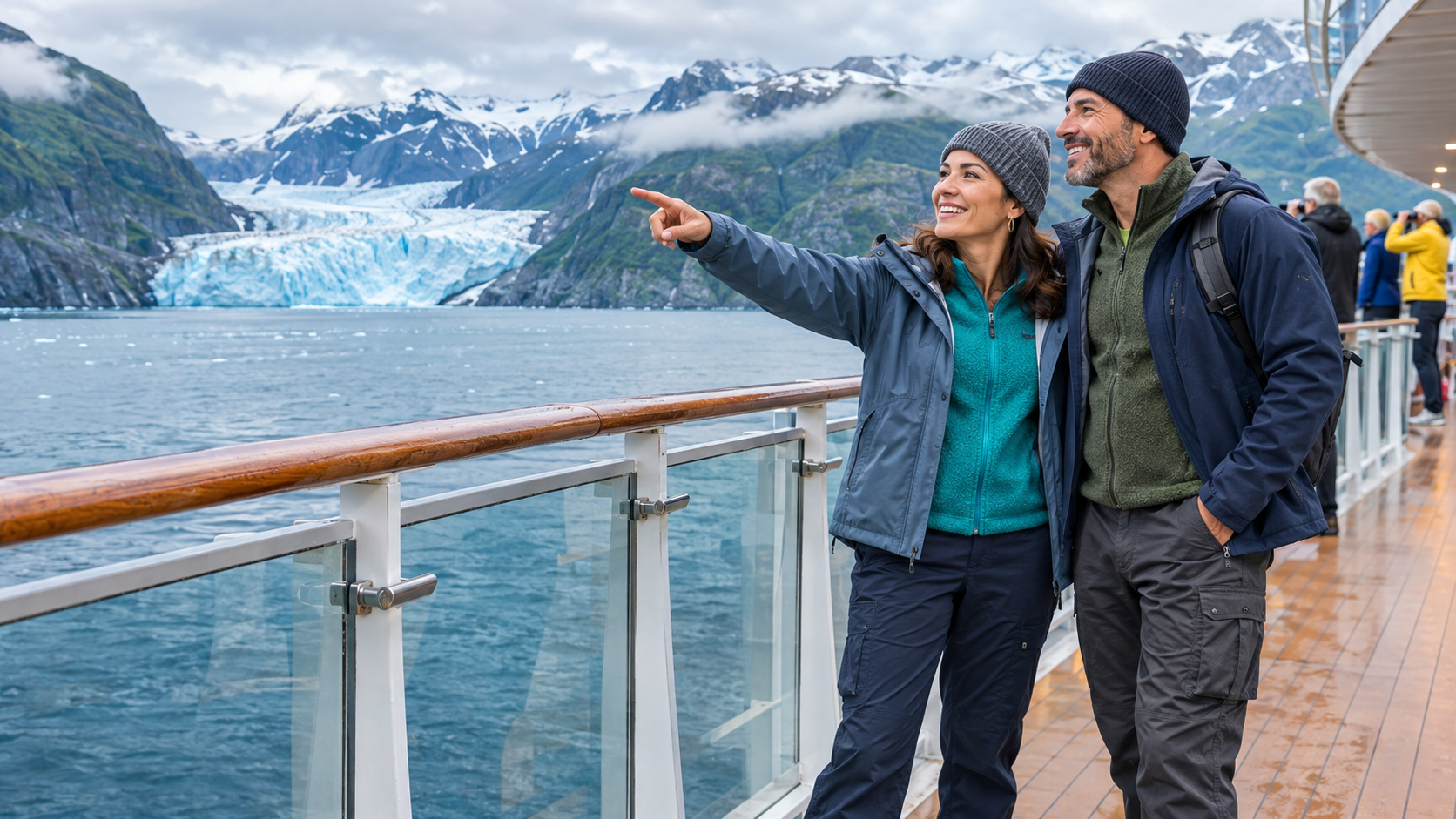
- For cooler destinations such as Alaska, pay particular attention to rain protection, outdoor activities, and the possibility of substantially colder conditions near glaciers.
- Review shore excursion descriptions for footwear, clothing, and equipment requirements before packing.
- Use the practical three-layer system and capsule wardrobe strategies below to adjust your clothing without bringing multiple complete wardrobes.
How Should You Pack for Changing Weather on Your First Cruise?
Packing for changing weather on your first cruise can be confusing because you’re not preparing for just one destination.
You may be visiting several ports, spending full days at sea, and moving between indoor and outdoor environments that feel very different from one another.
A sunny afternoon in a Caribbean port doesn’t guarantee that you’ll want the same clothing on an open deck that evening.
Similarly, an Alaska itinerary might include a comfortable afternoon walking through town followed by much colder conditions while watching glaciers from the ship.
That variety makes choosing your clothing more complicated than simply checking the forecast for your departure port.
The solution begins with understanding what your itinerary actually involves.
A cruise forecast includes more than the expected temperature.
Wind, precipitation, humidity, seasonal conditions, and the location of your activities can all affect how comfortable you’ll feel.
Before deciding what clothing to bring, consider the weather information available for each destination, the difference between port and open-water conditions, and whether any booked excursions involve special equipment or clothing requirements.
These details give your packing decisions a practical foundation.
Instead of preparing for every imaginable weather scenario, you can concentrate on conditions your particular sailing is reasonably likely to encounter.
How to Read Cruise Weather Forecasts Before You Pack
The first step is recognizing that a single temperature forecast rarely tells the whole story.
A destination showing an afternoon high of 78°F might sound comfortably warm, but the experience can change considerably depending on sunshine, wind, humidity, and rain.
The same temperature can feel very different during a sheltered city walking tour, a breezy boat excursion, or a long afternoon outdoors with little shade.
When reviewing forecasts before your cruise, pay attention to the conditions that will actually affect your activities.
Look Beyond the Daily High Temperature
A forecast’s daily high describes only one part of the day.
Early-morning excursions, evening departures, and activities in exposed locations may take place when temperatures are lower than the advertised afternoon maximum.
Wind can make cool conditions feel more uncomfortable, particularly when clothing becomes wet.
In hot destinations, humidity can make the air feel considerably warmer than the thermometer suggests.
Top Cruise Deals From Trusted Cruise Lines
Compare exclusive online offers and find the fare that fits your trip and your budget
The National Weather Service explains that the heat index combines air temperature and relative humidity to describe how hot conditions feel to the human body.
Its weather guidance also identifies other measures, including Wet Bulb Globe Temperature, that can help assess heat stress during outdoor activities. (National Weather Service — Heat Forecast Tools)
For cruise packing, this means a forecast showing 85°F with high humidity deserves different preparation from one showing 85°F in relatively dry conditions.
Likewise, cool temperatures accompanied by rain and strong wind may require more substantial protection than the temperature alone suggests.
Check Conditions for Individual Ports
Cruise itineraries often visit destinations with different local weather patterns.
Even ports that appear relatively close together on a map can experience different rainfall, temperatures, or wind conditions on the days your ship visits.
Rather than checking only the weather at your embarkation port, look at each destination separately.
Pay particular attention to the time of day your excursions are scheduled.
A morning walking tour may involve different conditions from an afternoon beach visit or an evening activity.
The forecast becomes more useful as departure approaches, so review it again in the final days before sailing instead of making every clothing decision weeks in advance.
Don’t Confuse Port Forecasts With Marine Weather
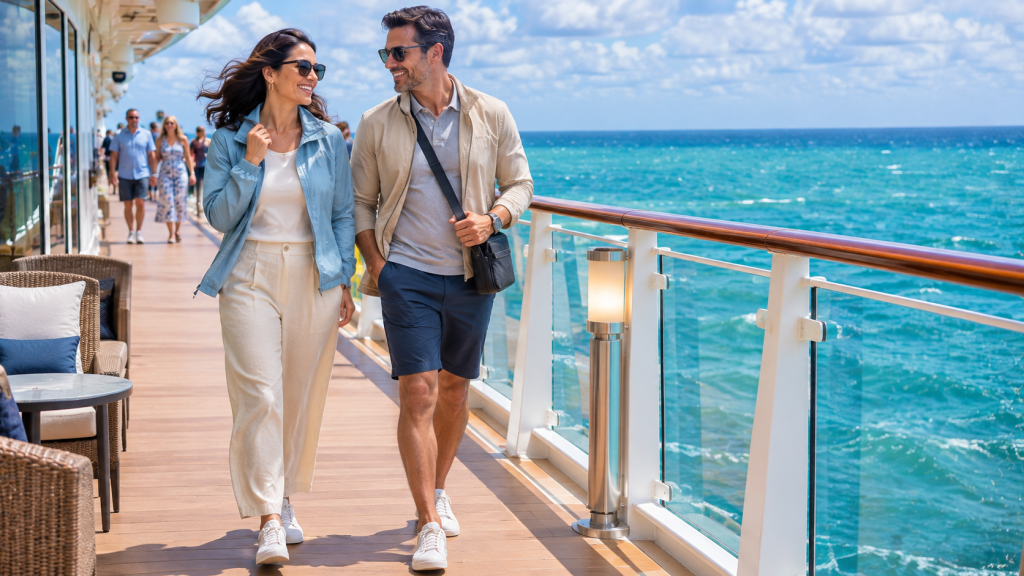
A land-based forecast describes conditions at a particular location, often in or near the town you’re visiting.
Your ship may experience different conditions offshore.
The National Weather Service publishes marine forecasts that include information about wind, wave height, wave period, and other conditions relevant to travel on the water.
Its marine point forecasts can provide location-specific hourly information within covered areas. (National Weather Service — Marine Point Forecasts)
You don’t need to become a marine weather specialist to pack for your first cruise.
However, understanding the distinction helps explain why the weather near a port building may feel different from conditions aboard a moving ship.
For actual safety decisions, follow the ship’s announcements and crew instructions rather than attempting to interpret marine forecasts as a prediction of deck access or ship movement.
Why Your Cruise Destination Changes Your Clothing Requirements

A useful cruise layering strategy should be tailored to your destination rather than applied identically to every sailing.
A tropical cruise and an itinerary visiting glaciers may both benefit from flexible clothing combinations, but the amount of insulation and weather protection needed can differ considerably.
This is where itinerary-specific preparation becomes valuable.
Caribbean Cruises: Heat, Humidity, and Passing Showers
Caribbean cruises often involve warm temperatures, strong sunshine, and periods of high humidity.
For many travelers, the biggest challenge isn’t staying warm but remaining comfortable during long periods outdoors, especially when walking through ports or participating in excursions.
Breathable clothing can be particularly useful because humid conditions make it harder for perspiration to evaporate efficiently.
The National Weather Service advises travelers to account for both temperature and humidity when assessing heat-related risks, rather than relying solely on the daily high. (National Weather Service — Heat Forecast Tools)
Rain can introduce another consideration.
A brief shower may leave your clothing damp even when the air remains warm.
Online‑Only Cruise Offers You Won’t Find Elsewhere
Unlock special pricing and start planning the sailing that matches your perfect itinerary
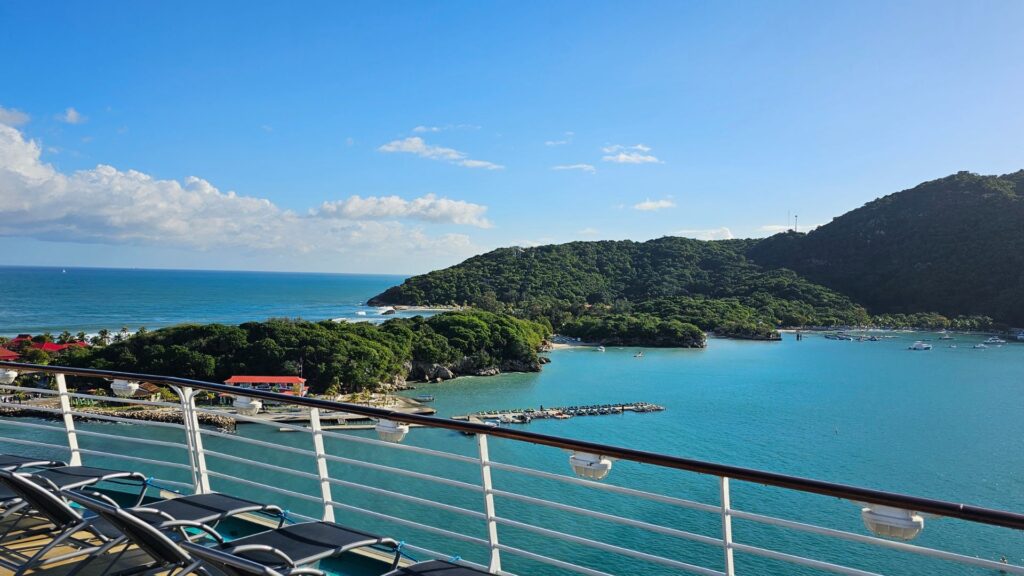
For a Caribbean cruise, prioritize clothing that suits warm, humid conditions while allowing for occasional showers, air-conditioned interiors, and breezy outdoor areas.
You generally don’t need a collection of cold-weather garments unless your departure location, season, or itinerary creates a specific reason to bring them.
Alaska Cruises: Rain, Glaciers, and Different Coastal Conditions
Alaska cruises require a different approach because weather conditions can change considerably between destinations and activities.
Coastal towns may experience relatively mild temperatures during the cruise season, but rain, wind, and cooler conditions remain important considerations.
Temperatures also vary with the month of travel.
A sailing in early May or September may call for different clothing than one in the middle of summer.
Royal Caribbean’s Alaska packing guidance recommends moisture-wicking base clothing, insulating layers, and waterproof outerwear, with the exact combination depending on the weather and planned activities. (Royal Caribbean — Alaska Cruise Packing List)
Holland America similarly emphasizes preparing for variable conditions, particularly in Southeast Alaska, where rain and changing temperatures are common considerations. (Holland America — How to Pack for Alaska)
Glacier viewing deserves special attention.
Spending an extended period outdoors near a glacier can feel considerably colder than walking around a sheltered port town, particularly when wind and damp conditions are involved.
For these itineraries, don’t automatically dismiss warmer clothing as unnecessary bulk.
Your actual activities may justify an insulated jacket, warm hat, gloves, or more protective outerwear.
Mediterranean Cruises: Seasonal Differences and Sightseeing
Mediterranean cruises can involve warm coastal weather, but conditions vary substantially with destination and season.
A midsummer itinerary through Greek islands may call for different clothing from an early-spring or late-autumn sailing that includes several European cities.
For itineraries involving extensive sightseeing, the weather isn’t the only consideration.
You may spend hours walking, entering museums, exploring historical sites, or visiting attractions with specific clothing expectations.
That makes your planned activities as important as the destination’s climate.
Check the forecast for each port and consider whether your sightseeing plans involve exposed coastal locations, shaded historic districts, or cooler indoor environments.
Avoid assuming that every Mediterranean cruise will feel like a summer beach vacation.
Northern Europe and Fjord Cruises: Don’t Underestimate Rain and Wind
Northern European cruises often involve cooler conditions, coastal rain, and exposed scenic viewing areas.
Norwegian fjord itineraries can also include excursions into mountainous or elevated locations, where conditions may differ from those at sea level.
This makes itinerary details particularly important.
A traveler spending most of the day exploring a sheltered town may have different clothing needs from someone taking a mountain excursion or spending extended periods outside photographing fjord scenery.
Check the forecast for your actual destinations and the requirements of your booked excursions.
For these sailings, the ability to stay dry and protected from wind can matter just as much as the temperature shown in a weather app.
Why Shore Excursion Requirements Should Influence What You Pack
One of the easiest ways to misjudge cruise clothing needs is to look only at the ship’s itinerary without checking the excursions you’ve reserved.
Two passengers visiting the same port may need very different clothing.
Someone spending the afternoon in local shops or restaurants may need little more than comfortable everyday clothing.
Another passenger taking a wildlife-viewing boat tour, mountain hike, or outdoor adventure may need footwear and weather protection suited to more demanding conditions.
Check the Activity Description, Not Just the Destination
Shore excursion descriptions often identify important participation requirements.
These may include closed-toe footwear, clothing suitable for the terrain, rain protection, or equipment provided by the tour operator.
For example, an excursion involving a small boat may expose passengers to spray and wind more directly than a sightseeing trip aboard a climate-controlled vehicle.

Luxury Cruise Experiences at Smarter Prices
See premium sailings and upgraded cabins priced for travelers who know how to book well
A guided nature walk may involve muddy trails or uneven surfaces even when the destination’s town center is dry.
Look for specific clothing and equipment instructions before deciding what belongs in your suitcase.
Don’t assume that all outdoor activities require specialist equipment, but don’t assume ordinary resortwear will be suitable for every excursion either.
Understand the Difference Between Water-Resistant and Waterproof
Clothing descriptions can make rain protection sound more straightforward than it actually is.
Water-resistant garments are generally designed to repel some moisture, but their performance may be limited during sustained or heavy rainfall.
Waterproof clothing is designed to provide more substantial protection against water penetration, although construction quality, seams, closures, and maintenance affect how well it performs.
This distinction matters when choosing clothing for rainy destinations or excursions involving extended exposure.
A lightweight water-resistant jacket may be sufficient for brief showers during a warm-weather cruise.
However, a genuinely waterproof outer layer may be more appropriate for prolonged outdoor activities in wet conditions.
Choose the level of protection that matches the forecast and your planned activities rather than assuming every jacket marketed for travel performs the same way.
Make Your Final Packing Decisions Closer to Departure

You don’t need to predict the weather for every hour of your cruise months in advance.
A more practical approach is to identify your destination’s seasonal conditions early, then refine your clothing choices as better information becomes available.
Start by reviewing the typical weather for your itinerary and checking any excursion-specific requirements.
As departure approaches, look at the forecasts for your ports and identify any meaningful changes that could affect what you bring.
If your itinerary includes cooler destinations, make sure you have appropriate protection without assuming every day will be equally cold.
For warm-weather sailings, prioritize comfort in the expected conditions while allowing for reasonable changes in rain, wind, or indoor temperatures.
NOAA recommends checking forecasts before outdoor activities and preparing for weather hazards through suitable clothing, hydration, and other protective measures. (NOAA — Outdoor Weather Safety)
Once you’ve established those conditions, you can concentrate on the clothing combinations that will actually work for your cruise.
The layering method below explains how to create that flexibility without building a separate wardrobe for every destination.
Why Cruise Weather Feels Unpredictable on Your First Sailing
Packing for a cruise feels easy—until the itinerary throws you from humid ports to breezy decks and cool nights.
That’s when first-time cruisers start packing emotionally, adding “just in case” outfits that create chaos.
Then you look at the itinerary.
Warm port.
Cool sea day.
Windy deck at night.
Maybe rain in a fjord.
That is the exact moment first-time cruisers start throwing “just in case” items into the suitcase.
Here’s the truth: you do not need four wardrobes.

Sail Away to Paradise Without Overpaying
Find cruise deals that make it easy to escape, relax, and enjoy the ocean without stretching your budget
You need one system that flexes.
This post gives you that system.
You will learn what “layering” actually means in cruise life, not in outdoorsy jargon.
You will build a small set of pieces that mix into dozens of comfortable outfits.
You will also get a simple day-bag strategy so you can adjust on the fly in port.
Most importantly, you will stop packing emotionally.
Because emotional packing is what creates suitcase chaos.
A calm plan creates calm packing.
And calm packing creates a calmer cruise.
The Real Reason Cruise Weather Feels Unpredictable
Cruise weather isn’t unpredictable.
It’s layered.
Ports have one set of conditions.
The ship has another.
Indoor spaces have their own “climate,” especially theaters and dining rooms.
Then wind changes everything, even when the temperature looks mild.
That’s why first-time cruisers often say, “I didn’t pack enough,” even when they did.
They packed outfits instead of options.
Deck Reality
Wind on an open deck can make 75 degrees feel chilly.
Sea spray can turn a comfortable afternoon into a cold one fast.
Shade is colder than sun in ports, and you move between both constantly.
Air-conditioning can make indoor spaces feel cool even in the tropics.
Elevators, stairwells, and promenades create little temperature pockets too.
None of this is your imagination.
It is simply how ships work.
Once you expect it, you stop being surprised by it.
Itinerary Whiplash
A single sailing can jump from humid mornings to breezy afternoons.
Early excursions often start cool, then warm up quickly.
Boat tours add wind and spray, even in warm destinations.
Bus tours add air-conditioning, even when the port is hot.
Evening dining can feel cooler than the pool deck.
That range is normal.
So you pack for range.
That shift alone reduces overwhelm.
Section Takeaways
Weather Is Layered
Cruise comfort comes from planning for changing zones, not chasing a perfect forecast.
Wind Changes Everything
A light wind layer often matters more than an extra sweater you never wear.
Range Beats Precision
Packing for a temperature range is calmer than trying to predict exact conditions.
Layering Explained Without Making It Complicated
Layering means building outfits from thin pieces that work together.
That’s it.
No special materials required.
No hiking-store wardrobe required.
The goal is simple: add or remove comfort in two minutes.
A good layer system uses three roles.
Base for comfort.
Mid for warmth.
Outer for wind and rain.
Layering Defined
“Layering” is not wearing more clothes all the time.
It is carrying the right piece so you can adjust when conditions change.
A base layer keeps you comfortable against your skin.
A mid layer adds warmth when wind or indoor air-conditioning hits.
An outer layer blocks wind and rain, which is often the real discomfort trigger.
The magic is that each item is light.
Light items get used.
Bulky items sit in drawers and make you feel like you packed wrong.
Base Layer Role
Start with breathable tops that feel good all day.
Think tees, tanks, or lightweight long sleeves, depending on your comfort level.
These pieces should mix with every bottom you pack.
Two to four base tops can cover most cruises when you rotate.
Laundry access makes rotation easier, but you do not need to rely on it.
Fit matters more than brand.
When the base feels good, everything feels easier.
Mid Layer Role
Your mid layer is your comfort anchor.
This is the piece you grab when the theater is chilly or the deck gets breezy.
A lightweight sweater, soft hoodie, or thin fleece works well.
Pick one you actually like wearing, because you will reach for it often.
A mid layer that works with every outfit keeps you from packing duplicates.
Duplicates are what create suitcase bloat.
One great mid layer is better than three “maybe” mid layers.
Outer Layer Role
Outer layers solve wind and drizzle without weighing you down.
A packable rain jacket or windbreaker is usually the smartest option for cruises.
It folds small, fits in a day bag, and blocks wind fast.
Wind blocking is the quiet comfort upgrade most first-time cruisers underestimate.
A heavy coat rarely helps because it’s awkward to carry in port.
When you cannot carry it, you wear it at the wrong time.
That leads to sweating, then feeling cold later.
Light outer layers prevent that cycle.
Section Takeaways
Three Roles Only
Base, mid, and outer layers cover most cruise conditions without overpacking.
Packable Gets Used
The best layer is the one you will actually carry, not the one that stays in the cabin.
Comfort Is The Goal
Layering is about feeling steady all day, not about looking “prepared” on paper.
The First-Time Cruiser Capsule That Handles Heat And Cold
Here is where packing stops feeling messy.
Instead of packing “outfits,” you pack a small set of mix-and-match pieces.
That is a capsule.
A capsule works because every top matches every bottom.
Every layer works over most tops.
Shoes cover roles, not vibes.
The result is more options with fewer items.
This is the packing style that makes first cruises feel easier.
Capsule Strategy
Choose two to three bottoms you trust.
Pick four to six tops that match all bottoms.
Add one mid layer that works with everything.
Add one outer layer that blocks wind and handles light rain.
Include one dinner-ready option that makes you feel confident.
Finish with one “repeatable” walking outfit you can wear more than once.
That’s enough for most itineraries.
It also keeps your cabin calmer because you are not living out of piles.
Color Calm
A simple color base reduces decision fatigue.
Neutrals do the heavy lifting.
Accent colors add variety without forcing you to pack extra pieces.
This also helps photos look cohesive, which quietly boosts confidence.
Cohesive photos make you feel put-together even in casual looks.
That matters when you are new and still finding your cruise rhythm.
Keep it simple.
Simple is what feels reassuring in a small cabin.
Luggage Structure
Organization is part of comfort.
When your bag is chaotic, your mornings feel chaotic.
A structured suitcase helps you separate layers, daywear, and dinner items.
This is where Travelpro-style compartments and garment-friendly packing can be genuinely helpful.
You are not trying to look fancy.
You are trying to stay calm and find things fast.
Fast mornings lead to relaxed days.
Relaxed days are why you booked the cruise.
Section Takeaways
Mix Beats More
Mix-and-match pieces create more outfits than extra single-purpose items ever will.
Color Reduces Stress
A simple palette makes getting dressed easier when you are adjusting to cruise life.
Organized Feels Reassuring
A structured suitcase keeps the cabin calmer and reduces the urge to overpack.
The Port Day Layer Plan That Prevents Regret
Port days are where climate surprises happen.
Sun feels strong.
Shade feels cool.
Buses feel cold.
Boats feel windy.
That swing is normal, and it’s exactly why a day bag matters.
Without a day bag, you either overdress or carry layers awkwardly.
A day bag makes layering practical, not theoretical.
Day Bag System
Start the day with your base layer.
Add your mid layer if the morning starts cool.
Bring your outer layer if wind or rain is possible, even if the forecast looks mild.
Pack sunglasses and sun protection because glare can be intense on water.
Carry a water bottle so you are not scrambling mid-excursion.
Add a light scarf if you get cold easily in air-conditioned vehicles.
This is not overpacking.
This is packing for comfort shifts you can’t control.
When Plans Change
Ports don’t always go exactly as planned.
Sometimes an excursion ends early.
Sometimes the timing shifts.
Sometimes you decide to explore longer than expected.
A small flexibility plan keeps those changes from feeling stressful.
If you ever need to store a bag for a few hours near a transit hub, Radical Storage can be useful in the real world.
The point is not the brand.
The point is having a simple option so you are not dragging extra gear everywhere.
Staying Connected Calmly
Weather changes are easier to handle when your plans are easy to check.
Port Wi-Fi can be inconsistent, and public networks can feel sketchy.
NordVPN is one practical tool travelers use to reduce risk on public Wi-Fi.
Incogni is another option some travelers use to reduce long-term data exposure.
You do not need to be paranoid.
You just want your travel day to feel clean and controlled.
Controlled is calming.
Section Takeaways
Port Comfort Swings
Port days shift fast between sun, shade, wind, and air-conditioning, so plan for quick adjustments.
Carry Layers Smartly
A day bag turns layering into a real solution instead of a suitcase idea.
Flexibility Reduces Stress
Simple tools and simple backup options keep small plan changes from feeling big.
Sea Days And Onboard Nights Need Their Own Mini Plan
First-time cruisers often pack for ports and forget the ship itself.
Then the first sea day arrives.
The deck is breezy.
The theater is cool.
Dinner runs long.
Suddenly the same traveler who packed “enough” feels slightly underprepared.
This is easy to fix with a mini onboard plan.
Sea Day Comfort
Sea days are a layer day.
Start with a breathable base that feels good in the sun.
Keep the mid layer nearby for shade and wind.
Add the outer layer if the deck breeze is persistent.
Choose shoes that handle walking the ship comfortably.
Pack a light layer even if the itinerary is “warm,” because wind is the surprise.
The ship is basically an outdoor space connected by indoor spaces.
Your comfort has to move with you.
Evening Temperature Shift
Nights can feel cooler than expected at sea.
Outdoor decks get windy.
Indoor venues often stay air-conditioned.
A simple layer you can throw on makes evenings feel easy.
This also helps with dressier dinners, because a light wrap or jacket can elevate a look.
You get warmth and polish in one move.
That’s the type of multi-use choice that makes packing calmer.
Section Takeaways
Pack For The Ship
Onboard climate matters as much as port climate, especially on sea days and evenings.
Wind Layer Wins
A wind-blocking outer layer can fix most “why am I cold” moments fast.
Multi-Use Pieces
Layers that add warmth and polish reduce what you need to pack overall.
Fix Packing Mistakes That Create Stress on Changing-Weather Cruises
Most packing stress comes from a few common traps.
The traps are understandable.
They just don’t help you onboard.
Fixing them is where you get your confidence back quickly.
Bulky Coat Trap
A heavy coat sounds reassuring in theory.
In practice, it steals space and becomes annoying to carry.
Most cruises are better served by a mid layer plus a packable outer layer.
That combination gives warmth and wind protection without the bulk.
It also fits into a day bag when you warm up.
A heavy coat usually does not.
When you cannot carry it, you wear it when you shouldn’t.
That’s how people end up uncomfortable both ways.
Duplicate Role Trap
Three hoodies do not create a smarter system.
They create redundancy.
Instead, pick one warm mid layer you love.
Then pick one outer layer that blocks wind and rain.
Use base layers to fine-tune comfort.
That creates more combinations than duplicates ever will.
More combinations is what you wanted in the first place.
You just get it without extra weight.
Indoor Cold Surprise
Many first-time cruisers pack only for the destination temperature.
Then they step into a theater.
Or they sit in a dining room near an air vent.
A light layer solves that immediately.
A scarf solves it too, and it packs small.
Planning for indoor cool is not being dramatic.
It’s being comfortable.
Comfort makes everything feel easier.
Section Takeaways
Heavy Isn’t Better
Bulky items reduce flexibility and often increase discomfort during the day.
Roles Over Duplicates
One piece per role creates a smarter wardrobe than repeating the same item type.
Indoors Counts
Indoor air-conditioning is a predictable “climate” you should plan for on every cruise.
Calm Fixes for First-Time Cruise Packing Fears
These fears are common.
They are also solvable.
A calm plan doesn’t pretend problems never happen.
It simply prevents them from ruining your mood.
Fear Of Being Cold
Cold fear on cruises is usually wind fear.
Wind makes mild temperatures feel sharp, especially on deck.
A wind-blocking outer layer fixes this faster than piling on thick sweaters.
Then the mid layer adds warmth without bulk.
Small add-ons like a hat can help too, and they weigh almost nothing.
The goal is warmth you can carry, not warmth that lives in the cabin.
When you can carry it, you actually use it.
Fear Of Being Too Hot
Heat discomfort is often a fabric issue.
Breathable base layers make a bigger difference than extra outfits.
Quick-drying pieces help after excursions and humidity.
A light outer layer can still be useful in heat because it blocks wind and spray on boats.
Hydration matters, and it is easier when you carry a bottle.
Shade planning matters too, especially on long walking tours.
Small habits protect comfort more than big packing choices.
Fear Of Luggage Delays
Luggage delays can create climate stress fast.
A carry-on mini capsule prevents that stress from taking over.
Pack one base top, one bottom, one light layer, and essentials in your carry-on.
That single set can cover a day or two comfortably.
Travel insurance isn’t required to cruise, and plenty of people sail without it.
Still, many first-time cruisers find it reassuring to know there is support if delays, interruptions, or medical issues disrupt plans.
World Nomads, VisitorsCoverage, EKTA, and Insubuy are common options travelers compare for that peace of mind.
Section Takeaways
Wind Is The Trick
Wind drives many “unexpected cold” moments onboard, so plan for wind protection.
Fabric Solves Heat
Breathable, quick-dry bases reduce overheating more than changing outfits repeatedly.
Backup Creates Calm
A simple carry-on capsule and optional coverage can reduce the emotional weight of travel disruptions.
Step Onboard With A System That Makes Weather Boring
Weather feels stressful when you think you must predict it.
That pressure disappears when you pack for range with layers.
Base, mid, and outer layers cover most conditions without bulky baggage.
A small capsule wardrobe keeps the cabin calm and mornings easy.
A day-bag plan makes port comfort changes simple.
Avoiding bulky duplicates keeps your suitcase lighter and your mood steadier.
Travelpro-style organization can help you keep that system tidy and fast to use.
Once you pack this way, climate changes stop feeling like a problem and start feeling normal.
FAQ – What Should First-Time Cruisers Know About Packing for Changing Weather?
How should you pack for changing weather on your first cruise?
Start by reviewing the seasonal weather patterns for your destinations and the forecasts available before departure.
Consider temperature, wind, rain, humidity, and the types of activities you’ve booked rather than relying on a single forecast.
Choose clothing combinations that can accommodate reasonably expected changes without requiring a separate outfit for every situation.
Your final packing decisions should reflect your itinerary, personal comfort needs, and the amount of time you’ll spend outdoors.What is the best way to dress in layers on a cruise?
A practical layering approach combines comfortable clothing worn against your skin, an insulating piece when warmth is needed, and suitable outer protection for wind or rain.
The exact garments depend on your destination, season, and planned activities.
For a warm Caribbean itinerary, you may need little additional insulation, while cooler Alaska conditions can justify more substantial clothing.
Choose pieces that work together so you can adjust your outfit without carrying unnecessary duplicates.How many layers should you pack for a seven-night cruise?
There isn’t one correct number because a seven-night Caribbean cruise may require different clothing from a seven-night Alaska sailing.
For many warm-weather itineraries, a versatile sweater or lightweight jacket and appropriate rain protection may be sufficient alongside everyday clothing.
Cooler destinations may require additional insulation, weather-resistant clothing, or more substantial protection for outdoor activities.
Check your itinerary and expected conditions before deciding how many separate layers you genuinely need.Do you need a jacket for a Caribbean cruise?
A lightweight jacket, cardigan, or similar layer can be useful even when your Caribbean destinations are expected to be warm.
Air-conditioned dining rooms and theaters may feel cooler than outdoor areas, while wind or rain can make certain activities less comfortable.
However, a heavy coat is generally unnecessary for a typical warm-weather Caribbean itinerary unless your travel arrangements create another need.
Choose a versatile piece that suits your sailing and can be carried without taking up excessive space.Why can cruise ship decks feel colder than the forecast?
Weather forecasts for ports don’t necessarily describe conditions aboard a ship traveling through open water.
Wind, damp clothing, sea spray, and exposure on an open deck can affect how comfortable you feel.
The surrounding temperature may also differ from conditions measured in a sheltered location ashore.
Check the ship’s weather information and bring suitable protection when you expect to spend extended periods outdoors.Are cruise ship dining rooms and theaters cold?
Indoor temperatures vary between ships, venues, and seating locations, but some passengers find air-conditioned dining rooms and theaters cooler than expected.
This can be particularly noticeable after spending the afternoon in a warm or humid destination.
A lightweight sweater, shawl, or jacket may make longer dinners and performances more comfortable.
You don’t need a separate outfit for every indoor venue, but an adaptable layer can be useful.What should you pack for an Alaska cruise in summer?
Summer Alaska cruises can involve rain, wind, cool temperatures, and considerable differences between ports and outdoor activities.
Comfortable walking shoes, appropriate rain protection, insulating clothing, and practical layers are useful starting points.
Glacier viewing, hiking, and other outdoor excursions may justify warmer accessories or additional weather protection.
Review the conditions expected during your particular sailing month rather than assuming all Alaska summer cruises have identical weather.Do you need a heavy coat for an Alaska cruise?
A heavy coat isn’t automatically necessary for every Alaska cruise, but it shouldn’t be dismissed without considering your itinerary and activities.
Many travelers can use suitable insulating layers beneath a weather-protective jacket, particularly during milder conditions.
However, extended glacier viewing, colder sailing periods, or specialized excursions may justify a warmer insulated coat.
Choose protection based on expected exposure rather than assuming either a lightweight windbreaker or a heavy winter coat will always be appropriate.What should you wear when viewing glaciers from a cruise ship?
Glacier viewing can involve extended periods outdoors in cool, windy, or damp conditions.
Clothing that provides appropriate insulation and protection from wind and precipitation is important, especially when you expect to remain on an exposed deck.
Depending on the forecast, a warm hat, gloves, and insulated clothing may also be useful.
Check the ship’s conditions before heading outside and adjust your clothing if you begin feeling uncomfortable.What should you pack for a Norwegian fjord cruise?
Norwegian fjord cruises can involve cool coastal weather, rain, wind, and changing conditions between sea-level ports and higher-elevation excursions.
Suitable waterproof outerwear, comfortable footwear, and insulating clothing may be important depending on your sailing season.
If you’ve booked mountain excursions or extended outdoor sightseeing, review the operator’s clothing and equipment recommendations.
Don’t assume the weather in a sheltered town accurately represents conditions at every location you’ll visit.What fabrics work best for humid cruise destinations?
Lightweight, breathable fabrics can help you remain comfortable during warm, humid weather.
Some moisture-wicking or quick-drying materials are particularly useful when clothing becomes damp from perspiration or passing showers.
However, fabric comfort depends on construction, fit, and individual preference, so synthetic clothing isn’t automatically better than every natural-fiber alternative.
Choose garments you’ve worn comfortably in similar conditions rather than buying an unfamiliar wardrobe immediately before sailing.What is the difference between waterproof and water-resistant cruise clothing?
Water-resistant clothing is intended to repel some moisture, but it may allow water through during prolonged or heavy rainfall.
Waterproof garments are designed to offer more substantial protection, although performance depends on the fabric, seams, closures, and condition of the garment.
A water-resistant jacket may be adequate for brief showers on a warm-weather itinerary.
Extended outdoor activities in rainy destinations may justify a waterproof jacket with appropriate coverage and breathable construction.Can you wear the same clothing on sea days and port days?
Yes, many clothing pieces can serve both purposes, particularly on itineraries with similar weather conditions throughout the voyage.
Comfortable trousers, casual tops, and versatile outerwear can often work during onboard activities and ordinary sightseeing.
However, some excursions require specialized footwear, weather protection, or clothing that wouldn’t be necessary aboard the ship.
Plan around your activities rather than creating entirely separate wardrobes unless the circumstances justify them.Should you pack rain pants for a cruise?
Rain pants may be useful when your itinerary includes prolonged outdoor activities in wet conditions, particularly hiking or certain Alaska excursions.
They generally aren’t essential for a typical warm-weather cruise where you expect to spend most of your time indoors or in sheltered areas during rain.
The decision depends on the likelihood of sustained exposure and whether your existing clothing provides sufficient protection.
Check your excursion details before packing additional waterproof garments that may never be needed.What shoes should you bring for changing cruise weather?
Comfortable walking shoes suitable for your planned activities should be the starting point.
Rainy destinations or outdoor excursions may justify water-resistant footwear with appropriate traction, while pool and beach activities can require different shoes.
If your itinerary includes formal or dressier dining, consider whether a separate pair is appropriate.
Avoid packing numerous pairs that serve the same purpose, but don’t sacrifice necessary footwear simply to reduce luggage.How can you check the weather for different cruise ports?
Look up forecasts for each scheduled destination rather than relying exclusively on the weather at your departure port.
Check daytime temperatures, expected rainfall, wind, humidity, and any weather advisories relevant to your activities.
Review forecasts again shortly before the cruise because conditions and predictions can change.
Once onboard, use the ship’s weather information and follow announcements about itinerary changes or unsafe outdoor conditions.What should you wear for a windy shore excursion?
The appropriate clothing depends on the excursion’s location, duration, and expected weather.
A wind-resistant outer layer can be useful during coastal sightseeing, exposed boat trips, or activities where you may remain outdoors for extended periods.
Cooler conditions may require insulating clothing underneath, while warm-weather excursions may call for lighter protection.
Check the tour operator’s recommendations and avoid loose accessories that could become troublesome in strong wind.Do you need different outfits for hot ports and cool cruise evenings?
You don’t necessarily need separate wardrobes for warm afternoons and cooler evenings.
Some daytime clothing can work with an additional layer or suitable accessory when temperatures change.
Dining dress codes may influence your evening clothing independently of the weather, so check your cruise line’s requirements as well.
Choose combinations that serve multiple purposes while remaining comfortable and appropriate for each setting.How should you pack if your cruise visits several different climates?
Start by identifying the warmest, coldest, and wettest conditions reasonably expected during the itinerary.
Determine which clothing can work across several destinations and which specialized items are necessary for particular activities.
Avoid packing a completely separate wardrobe for every port unless the conditions genuinely require it.
A coordinated selection of versatile clothing and suitable weather protection usually provides more flexibility than numerous unrelated outfits.What are the biggest weather-related packing mistakes first-time cruisers make?
Common mistakes include checking only the departure port’s forecast, overlooking wind and rain, and packing clothing that doesn’t match planned excursions.
Some travelers bring excessive duplicate layers while forgetting the weather protection they actually need.
Others assume every warm-weather cruise will remain hot throughout the day or that every Alaska itinerary requires the same winter clothing.
Reviewing the full itinerary and choosing clothing for actual conditions can prevent these problems without unnecessary overpacking.
Plan Your Next Cruise!

Sail the World in Style: MSC Cruises’ Innovative Ships, Luxury Amenities, and Global Adventures
One Delay Can Cost Your Entire Cruise A quick coverage check now protects you from the problems no one sees coming….

Unlock The Viking Ocean Experience: Elegant Ships, Cultural Immersion, And Unrushed Travel
One Delay Can Cost Your Entire Cruise A quick coverage check now protects you from the problems no one sees coming….

Unlock Seabourn’s World: Yacht‑Like Luxury, Exclusive Destinations, And Unmatched Comfort
One Delay Can Cost Your Entire Cruise A quick coverage check now protects you from the problems no one sees coming….

Sail Into Modern Luxury: Celebrity Cruises for Design, Culinary Excellence, and Destination‑Rich Voyages
One Delay Can Cost Your Entire Cruise A quick coverage check now protects you from the problems no one sees coming….
Explore More
Mega vs. Small Cruise Ships: Choosing the Right Experience for Your Voyage
Wildlife Cruises That Deliver Galápagos, Antarctica, Alaska, Amazon, and Arctic Encounters

From Priority Boarding to Private Lounges: Inside Cruise Concierge Perks