
Cruise vacations promise ocean views and total relaxation, but staying connected is now a necessity for many travelers.
Whether you’re streaming Netflix, checking in with work, or sharing your adventures in real time, cruise Wi‑Fi quality can make or break your experience.
Not all internet packages are created equal, and knowing the differences can save you frustration and money.
This guide breaks down cruise Wi‑Fi plans, alternative connection options, and expert tips to help you stay online at sea without surprises.
Understand Cruise Ship Connectivity and What to Expect at Sea
Gone are the days when going on a cruise meant being completely cut off from the outside world.
Today, cruise ships offer a range of internet services that allow passengers to stay connected while enjoying their time at sea.
However, the nature of connectivity on a cruise is still unique, and it helps to know what you’re getting into.
Click for Exclusive Offers on Top Cruise Lines!
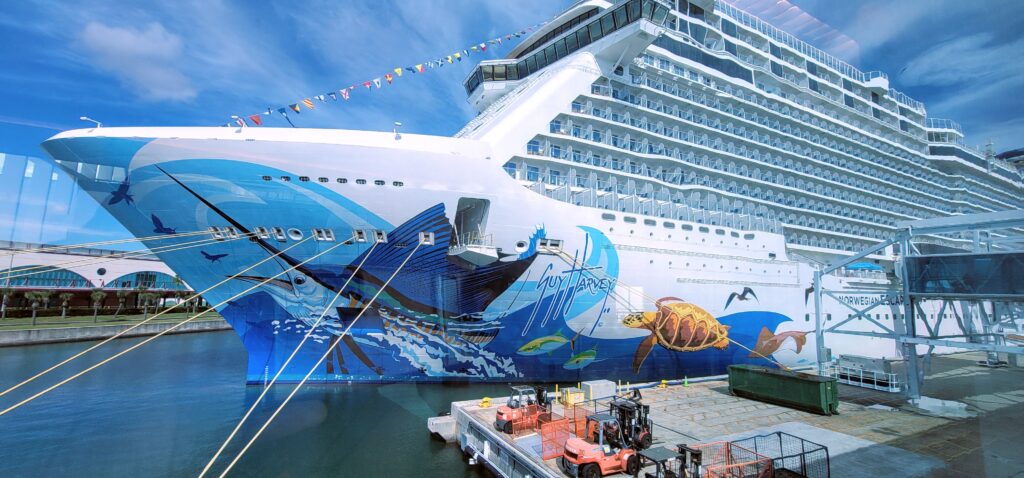
Compare Cruise Ship Wi‑Fi Packages and Find Your Best Fit
Wi-Fi on a cruise isn’t just a one-size-fits-all service.
Cruise lines offer a variety of internet packages tailored to different levels of usage.
Here’s a breakdown of the common Wi-Fi packages you’ll find:
- Social Media Packages: If you’re mainly interested in sharing photos, updating statuses, and keeping up with friends on social platforms, a social media package is the perfect option.
Typically, these plans are more affordable and cover access to popular apps like Facebook, Instagram, WhatsApp, and Twitter.
However, these packages often have restrictions on browsing the web or using data-heavy apps like YouTube.
- Basic Surfing Packages: Need a bit more than just social media?
A basic surfing package usually covers emailing, light browsing, and messaging apps.
It’s ideal if you want to check your email, look up information, or do some light reading online.
While these packages may be sufficient for most travelers, they often lack the speed necessary for streaming or video calling.
- Premium Streaming Packages: If you can’t live without Netflix or need to make video calls, consider investing in a premium streaming package.
This top-tier option is designed for those who require faster speeds and less restrictive usage.
While it’s usually the most expensive, it’s your best bet for uninterrupted streaming, large file downloads, and smooth video conferencing.
Each cruise line structures its packages differently, so it’s essential to do some research and choose the option that aligns with your needs.
Learn How Cruise Ship Wi‑Fi Works and Why Speeds Vary
Cruise ship Wi-Fi is quite different from the land-based connections you’re used to.
Instead of relying on cell towers or ground cables, ships use satellite technology to provide internet access.
But here’s where things get interesting.
When you’re out in the middle of the ocean, your ship connects to satellites orbiting the Earth.
The ship’s antennas receive the data signal from these satellites and distribute it among passengers.
This reliance on satellite communication is why cruise ship Wi-Fi can feel slower or less stable, especially when the ship is far from land or in remote locations.
While technology is improving, there are still some quirks.
The connection speed and quality can vary based on several factors, such as weather conditions, the ship’s location, and how many passengers are online at the same time.
Peak hours, like evenings when everyone is catching up on social media, can lead to slower speeds.

Experience Luxury Cruises at Unbeatable Prices Today!
Compare Cruise Line Wi‑Fi Speeds, Coverage, and Streaming Support
Not all cruise lines offer the same level of connectivity.
If staying online is a priority for you, it’s worth knowing what each line offers.
Here’s a quick comparison of some of the major cruise lines:
- Royal Caribbean: Royal Caribbean has set a high bar with its VOOM internet service, which it proudly markets as the fastest at sea.
With both Surf and Stream options, Royal Caribbean’s Wi-Fi is suitable for everything from basic browsing to high-definition video streaming.
If you’re sailing on one of their newer ships, you’re likely to enjoy a better experience than on older vessels.
- Norwegian Cruise Line (NCL): NCL provides a range of internet packages to suit different needs.
Their Unlimited Wi-Fi package covers basic internet usage, while the Unlimited Premium Wi-Fi option caters to those who want faster speeds for streaming and video calls.
- Carnival Cruise Line: Carnival offers three levels of connectivity: Social, Value, and Premium.
The Social plan is for light users who only need access to social media apps, while the Value and Premium plans provide broader access to the internet, with Premium being the best choice for streaming and video conferencing.
- Celebrity Cruises: Celebrity’s Xcelerate Wi-Fi is another solid option.
It’s divided into different tiers, with Xcelerate Stream offering the highest speeds for those who want to watch videos or use data-intensive applications.
The quality of service, however, can vary depending on the ship’s age and technological upgrades.
- Princess Cruises: Princess Cruises is ahead of the curve with its MedallionNet Wi-Fi, which is available on many of their ships.
Known for its speed and reliability, MedallionNet offers a good balance of performance and price, making it a popular choice among frequent cruisers.
Unlock Your Dream Cruise with Exclusive Online Deals!

Explore Alternatives to Cruise Wi‑Fi for Staying Connected
While purchasing a Wi-Fi package is often the easiest and most convenient option, it’s not the only way to stay connected on a cruise.
Depending on your needs and budget, you might want to consider these alternatives:
Avoid Roaming Fees by Using Cellular Data Wisely at Sea
If you’re not keen on paying for cruise ship Wi-Fi, your mobile carrier might offer international roaming services that work while you’re at sea.
Major carriers like Verizon, AT&T, and T-Mobile often have specific cruise plans that allow you to use your phone’s cellular data onboard.
However, be cautious—international roaming charges can add up quickly if you don’t have a plan tailored for cruising.
Also, keep in mind that cellular coverage is typically only available near ports or along coastlines.
Once your ship ventures into open waters, your connection may drop, leaving you dependent on Wi-Fi or offline options.
Connect in Ports and Use Free Wi‑Fi Without Risk
If you’re only planning to check in occasionally, why not wait until you’re in port?
Many popular cruise destinations have cafes, restaurants, and shops offering free or low-cost Wi-Fi.
This can be a great way to get online without paying cruise ship rates.
Just be sure to research in advance and find reliable hotspots near the ports you’ll be visiting.
While this approach can save money, it’s less convenient if you need constant connectivity or want to stay online during sea days.

Grab Your Ticket to Paradise with These Deals!
Share Smarter with Portable Hotspots Near Cruise Ports
Another option is to bring a portable Wi-Fi hotspot, especially if you’re traveling with a group and want to share the connection.
These devices connect to local cellular networks and create a private Wi-Fi network that you can use on multiple devices.
Several companies offer international plans for travelers, which can be more affordable than cruise ship Wi-Fi packages.
However, just like with international roaming, these hotspots typically work best near land.
Once you’re out in the middle of the ocean, their usefulness is limited.
Smart Tips to Stay Connected on a Cruise Without Overpaying
Even with the best Wi-Fi package or alternative setup, there are some strategies you can use to maximize your connectivity and avoid frustration.
Here are a few tips to keep you smoothly sailing the online seas:
Guarantee Entertainment by Downloading Content Before You Cruise
One of the best ways to ensure you’re entertained without relying on Wi-Fi is to download content ahead of time.
Whether it’s movies, music playlists, eBooks, or podcasts, most streaming platforms like Netflix, Spotify, and Amazon Kindle offer options for offline viewing and listening.
By loading up your devices before setting sail, you can avoid the need for constant internet access.
Optimize Wi‑Fi Usage During Off‑Peak Hours for Better Speeds
Cruise ship Wi-Fi is shared among hundreds (sometimes thousands) of passengers, which can lead to slow speeds during peak times.
To avoid the digital traffic jam, try to use the internet during less busy times—early morning, late at night, or while others are enjoying activities around the ship.
By planning your online activities strategically, you can enjoy a smoother experience.
Prevent Costly Mistakes by Using Airplane Mode at Sea
This tip cannot be stressed enough—before your cruise sets sail, put your phone in airplane mode and disable data roaming.
Many cruise ships offer cellular service at sea through a maritime network, which can be incredibly costly if your phone connects to it without you realizing.
Even if you’re not actively using your phone, background apps and updates can rack up charges.
By sticking to airplane mode and using Wi-Fi only, you’ll avoid unwanted surprises on your bill.
Use Messaging Apps to Stay in Touch Without Full Wi‑Fi Plans
If your primary concern is staying in touch with loved ones, many cruise lines offer basic messaging services that don’t require a full internet package.
Apps like WhatsApp, Facebook Messenger, and iMessage are often accessible even with lower-tier Wi-Fi plans.
Setting these up before you board can be a low-cost way to stay connected without splurging on more comprehensive packages.
Set Realistic Expectations: Cruise Wi‑Fi Limitations Explained
While cruise ship Wi-Fi has made leaps and bounds in recent years, it’s important to set realistic expectations.
Even with premium packages, you may still experience slower speeds, dropped connections, and limitations on data-heavy activities.
Streaming, video calls, and gaming are possible on some ships, but the experience might not be as seamless as what you’re used to on land.
The key is to strike a balance.
If your goal is to check emails, browse the web, or post updates on social media, today’s cruise ship Wi-Fi can handle it.
But if you’re looking for a flawless experience akin to fiber-optic connections at home, you might be a little disappointed.
Fortunately, many cruise lines are continuously investing in technology upgrades, meaning things are likely to improve even more in the near future.
The Future of Cruise Ship Connectivity and Streaming Potential
With the rise of low-Earth orbit (LEO) satellites, such as those used by SpaceX’s Starlink, the future of cruise ship connectivity looks promising.
Unlike traditional geostationary satellites, LEO satellites orbit much closer to the Earth, resulting in lower latency and faster speeds.
Some cruise lines have already begun testing or implementing these systems, and the results are encouraging.
In the coming years, we can expect to see more cruise ships adopting LEO satellite technology, which could significantly enhance the onboard internet experience.
Faster speeds, broader coverage, and more reliable connections mean that staying connected at sea might soon feel just like being at home.
Balance Staying Connected and Unplugging on Your Cruise
Staying connected on a cruise has become more than just a luxury—it’s a necessity for many travelers.
Whether you need to check in with work, share your adventures in real-time, or simply keep up with your favorite shows, there are plenty of ways to stay online while cruising.
From cruise ship Wi-Fi packages to alternative options like portable hotspots and local connections, you have multiple choices depending on your needs and budget.
The key is to plan ahead.
Evaluate your connectivity needs, research the options available on your cruise line, and take advantage of smart strategies like downloading content in advance and using Wi-Fi during off-peak hours.
With the right approach, you can enjoy the best of both worlds—staying connected when you need to and unplugging when you want to.
So, as you prepare for your next cruise, rest easy knowing that staying connected doesn’t have to be a hassle.
With a bit of planning and the right tools, you can enjoy smooth sailing both online and off.
FAQ – Cruise Wi‑Fi Plans, Streaming Speeds, and Connection Tips
Which Cruise Wi‑Fi Package Is Best for Streaming Netflix or Video Calls?
Choose the highest-tier package labeled for streaming or premium use.
These plans typically offer faster speeds and fewer restrictions on video services.
Royal Caribbean’s Voom Surf + Stream and Princess Cruises’ MedallionNet are strong performers.
Lower-tier packages often block or throttle streaming, making them unsuitable for Netflix or calls.How Can I Avoid High Roaming Charges While at Sea?
Put your phone in airplane mode before departure and keep it on for the duration of your cruise.
Use the ship’s Wi‑Fi for internet access instead of connecting to maritime cellular networks.
Maritime roaming rates can be extremely expensive, even for minimal data use.
Confirm your settings are correct to prevent background apps from consuming data.Is It Worth Waiting to Connect in Port Instead of Buying a Wi‑Fi Package?
If you only need occasional access, connecting in port can save money.
Many cafes, restaurants, and public areas near cruise terminals offer free Wi‑Fi.
This option is less convenient for those who need constant connectivity.
Research port hotspots in advance to ensure reliable and secure connections.Can Portable Hotspots Work on a Cruise?
Portable hotspots can be useful near ports where cellular coverage is available.
They connect to local networks and create a private Wi‑Fi signal for your devices.
Once the ship is in open water, most hotspots lose connectivity.
They are best used as a supplement to, not a replacement for, cruise Wi‑Fi.What Factors Affect Cruise Wi‑Fi Speed and Reliability?
Satellite technology, ship location, and weather conditions all impact performance.
Speeds often slow during peak usage times when many passengers are online.
Newer ships and upgraded systems generally offer better connectivity.
Low-Earth orbit satellite adoption is improving speed and reducing latency.How Can I Maximize My Cruise Wi‑Fi Performance?
Use the internet during off-peak hours such as early morning or late at night.
Close unused apps and browser tabs to free up bandwidth.
Download large files or updates before boarding.
Position yourself in areas of the ship with stronger signal coverage.
Plan Your Next Cruise!

Sail in Style: Oceania Cruises’ Culinary Excellence, Cultural Immersion, and Refined Luxury
Oceania Cruises offers a refined, all‑inclusive cruise experience that blends world‑class dining, immersive cultural exploration, and elegant ship design. With intimate…

Sail Boldly: Experience Virgin Voyages’ Adults‑Only Cruises With Style, Freedom, And Fun
Virgin Voyages is rewriting the rules of cruising with ships designed exclusively for adults who crave style, freedom, and unforgettable experiences….

Discover Princess Cruise Line: Elegant Ships, Immersive Voyages, and World‑Class Experiences
Princess Cruise Line blends timeless elegance with modern innovation, offering voyages that inspire both adventure and relaxation. From the grandeur of…

Sail Into Italian Elegance: Costa Cruises for Culture, Cuisine, and Unforgettable Voyages
Costa Cruises delivers an authentic Italian experience at sea, blending culture, cuisine, and world-class hospitality. Each ship is a floating tribute…
Explore More

Enjoy Cruise Room Service with Menus, Fees, and Perks Explained

Inside Cruise Ship Backup Power: Blackouts, Safety Systems, and What Passengers Should Expect

Cook, Compete, and Connect: Cruise Line Culinary Contests Worth Joining