Cruise ship pools are a highlight of life at sea, but safety is always a concern for families.
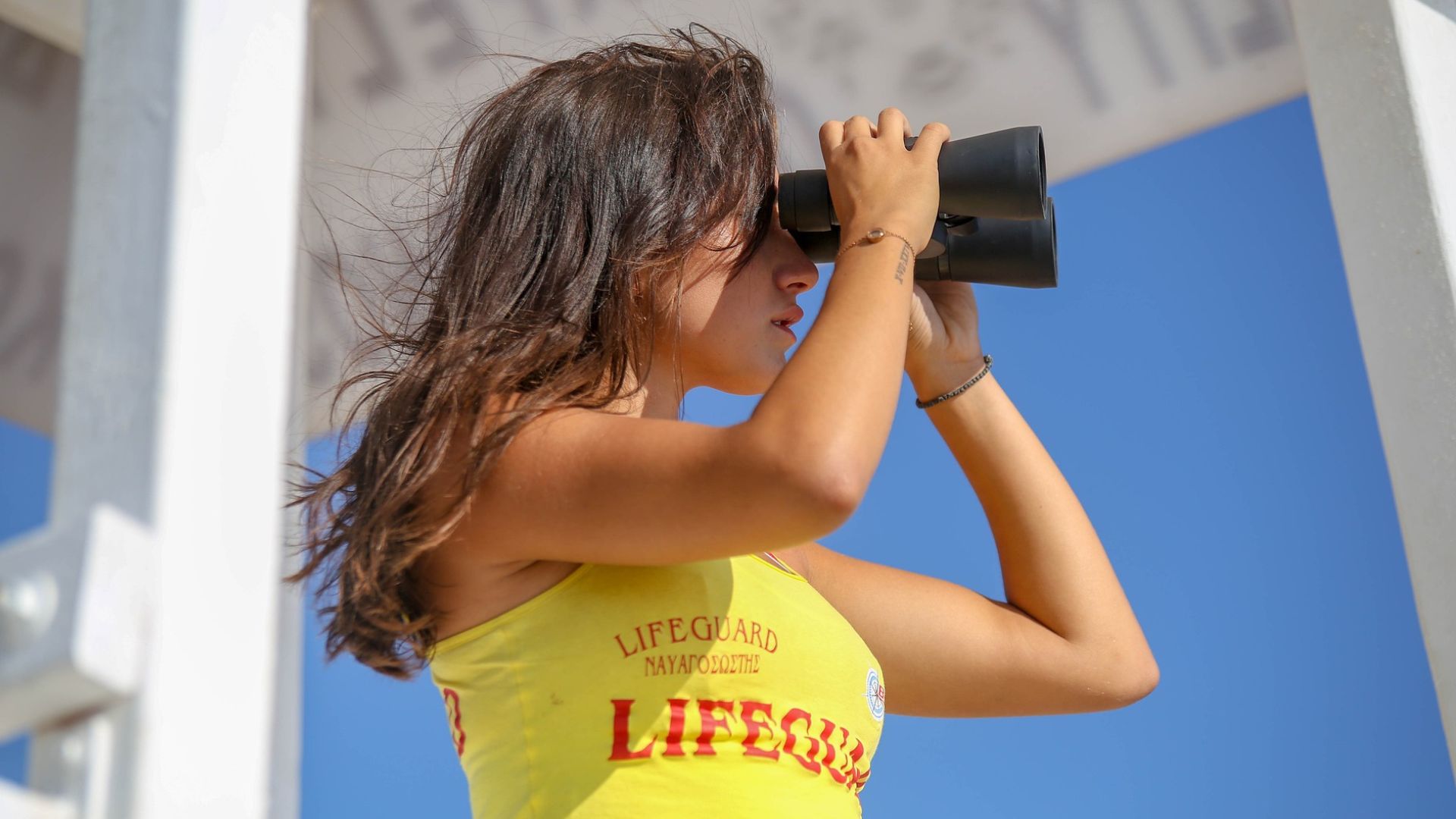
Some cruise lines provide certified lifeguards, while others rely on passengers to take responsibility.
Knowing which lines have lifeguards and what safety measures are in place helps travelers make informed choices.
By understanding pool rules and safety equipment, you can relax and enjoy your cruise with confidence.
It’s important to check with the specific cruise line before booking if lifeguard availability is a concern for you.
Cruise Lines That Provide Lifeguards for Passenger Safety
Several major cruise lines have taken steps to improve pool safety by hiring lifeguards.
Below are the most popular ones:
- Disney Cruise Line: Disney was the first major cruise line to implement lifeguards at their pools.
The move came in response to several incidents that occurred in the past.
Lifeguards are on duty at all family pools, and they ensure that children are supervised and safe while swimming.
- Royal Caribbean: Royal Caribbean followed Disney’s lead.
Lifeguards are available at all pools during operating hours.
They also enforce pool rules, ensuring the safety of all guests.
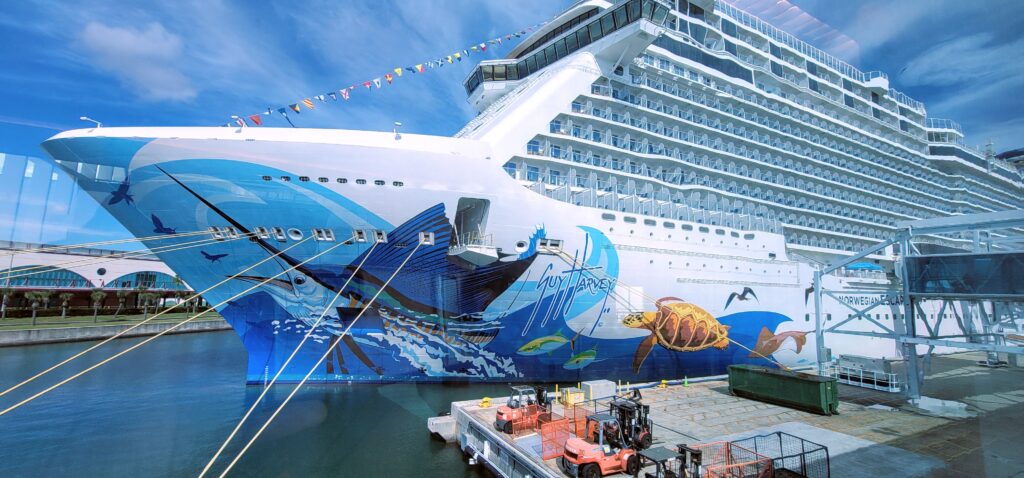
- Norwegian Cruise Line: Norwegian Cruise Line has lifeguards at their family pools on all ships.
They oversee the safety of swimmers, particularly children.
Other cruise lines may not have full-time lifeguards but might offer some supervision during busier times.
Unlock Your Dream Cruise with Exclusive Online Deals!
Cruise Lines That Do Not Provide Lifeguards at Pools
Some cruise lines do not have lifeguards at their pools.
Instead, they post clear warnings advising guests to swim at their own risk.
They might provide safety equipment such as life rings or signage to remind passengers of pool rules.
- Carnival Cruise Line: Carnival does not typically have lifeguards stationed at their pools.
They rely on guests to follow safety protocols and take personal responsibility while swimming.
- Princess Cruises: Similar to Carnival, Princess Cruises does not provide lifeguards.
They emphasize that guests should watch their children closely and use caution around the pools.
- Celebrity Cruises: While Celebrity Cruises offers excellent amenities and safety features, they do not station lifeguards at their pools.
Why Pool Safety Matters on Every Cruise Ship
Whether or not a cruise has lifeguards, pool safety remains crucial.
Cruise ships have several pools, and they often attract families with young children.
It’s essential for parents and guardians to watch their children while at the pool, even if there are lifeguards present.
Many pools on cruise ships are shallow, but some have deeper areas or wave pools, which can pose risks.

Grab Your Ticket to Paradise with These Deals!
Tips That Help Passengers Stay Safe at Cruise Ship Pools
Even if your cruise has lifeguards, practicing safe behavior around the pool is important.
Here are some key tips for keeping yourself and others safe:
- Supervise Children: Never leave children unattended at the pool, even if lifeguards are present.
Keep an eye on them at all times.
- Follow Pool Rules: Most pools have rules posted nearby.
These rules include no diving, no running, and using swim diapers for young children.
Follow these guidelines to reduce the risk of accidents.
- Use Life Jackets: If you or your children are not strong swimmers, use a life jacket or other floatation devices.
Many cruise ships provide these for free at the pool.
- Watch for Crowds: Pools on cruise ships can get crowded, especially on sea days.
Be extra cautious during these busy times.
- Know Where Safety Equipment Is: Familiarize yourself with the location of life rings or other safety devices around the pool.
In case of an emergency, knowing where to find help can make all the difference.
Are Cruise Ship Lifeguards Certified and Trained?
For cruise lines that offer lifeguards, they usually ensure that the lifeguards are trained and certified.
Most lifeguards on cruise ships are certified through recognized programs like the American Red Cross or other international safety organizations.
They receive training in CPR, first aid, and water rescue techniques.
Disney, Royal Caribbean, and Norwegian are known for hiring certified lifeguards.
These professionals undergo rigorous training to ensure they are prepared for emergencies.
It’s reassuring for passengers to know that qualified staff are overseeing pool areas.
Click for Exclusive Offers on Top Cruise Lines!
Lifeguards Versus Passenger Responsibility at Cruise Pools
Even with lifeguards present, passengers should not assume they are completely safe.
Lifeguards are an additional layer of protection but do not replace personal responsibility.
Passengers should always remain vigilant, especially when it comes to supervising children.
Cruise lines that do not have lifeguards often emphasize this responsibility by posting clear signs that remind passengers to be cautious.
Many pools on ships are designed with safety in mind, but accidents can still happen, especially if guests do not follow the rules.
Pool Safety Equipment Available on Cruise Ships
Cruise ships take safety seriously, whether or not they have lifeguards.
You will find safety equipment at nearly every pool area, including:
- Life Rings: These floatation devices are often placed near the pool for easy access in case someone needs help.
- Safety Signs: Warnings about deep water, slippery surfaces, and pool hours are usually posted clearly.
- Emergency Phones: Some ships provide direct access to emergency services via poolside phones.
- Handrails: For guests who may need extra support, handrails are installed at the pool’s edge.
These measures help ensure a safe environment for passengers, but they should still exercise caution.

Can Passengers Bring Their Own Floatation Devices on Cruises?
Many passengers, particularly parents, want to know if they can bring their own floatation devices for their children.
Most cruise lines allow guests to bring small floatation devices like water wings or life vests.
However, larger floatation devices, like inflatable rafts, are typically not permitted because they can obstruct the pool area and pose a safety hazard.
Always check with the cruise line before bringing any pool toys or floatation devices to avoid disappointment at the pool.
Do Cruise Ship Pools Display Depth Markers Clearly?
Yes, cruise ship pools typically have depth markers displayed clearly around the pool’s perimeter.
This information helps passengers know which areas are deeper or more suitable for children.
Knowing the depth of the water is especially important for parents of younger kids or anyone who may not be a confident swimmer.
Water Safety Rules That Support Non‑Swimmers on Cruises
If you or your travel companions are non-swimmers, you might wonder if the pools are safe for everyone.
Many cruise ship pools are relatively shallow, making them accessible to all.
However, non-swimmers should exercise extra caution.
Most cruise lines offer shallow wading pools or splash areas for children and non-swimmers.
These areas are often located near the larger pools, allowing everyone to enjoy the water without the risks associated with deeper pools.
Special Pool Safety Rules for Children on Cruise Ships
Some cruise lines enforce specific rules for children using the pools.
For example, children who are not potty-trained must wear swim diapers, and certain pools may be off-limits to very young children.
Disney and Royal Caribbean are particularly strict about these rules to ensure the health and safety of all passengers.
Cruise staff will often enforce these rules, and parents are expected to comply.
Failure to do so can result in the family being asked to leave the pool area.
Why Lifeguards Alone Are Not Enough for Cruise Pool Safety
While having lifeguards on duty adds a layer of security, passengers should still take personal responsibility for their safety and that of their children.
Some cruise lines offer lifeguards, but not all do, so it’s crucial to check in advance and practice safe habits at the pool.
Even with lifeguards, accidents can happen if guests do not follow rules or take safety precautions.
Staying vigilant, especially around children, ensures a safer and more enjoyable pool experience on your cruise.
In short, pool safety on cruises depends on a combination of lifeguards, personal responsibility, and adherence to the ship’s safety guidelines.
By taking a proactive approach to safety, you can make sure everyone enjoys their time at the pool.
FAQ – Cruise Ship Lifeguards and Pool Safety Rules That Families Need to Know
Which cruise lines provide lifeguards at their pools?
Disney Cruise Line stations certified lifeguards at all family pools.
Royal Caribbean provides lifeguards at every pool during operating hours.
Norwegian Cruise Line employs lifeguards at family pools across its fleet.
These measures reassure families that trained staff are actively monitoring swimmers.Which cruise lines do not provide lifeguards at pools?
Carnival Cruise Line does not typically station lifeguards at pools.
Princess Cruises relies on passengers to supervise children and follow safety rules.
Celebrity Cruises provides safety equipment but does not employ lifeguards.
These lines emphasize personal responsibility and clear safety signage.Are cruise ship lifeguards certified and trained?
Yes, cruise ship lifeguards are usually certified through recognized programs.
They receive training in CPR, first aid, and water rescue techniques.
Disney, Royal Caribbean, and Norwegian are known for hiring certified lifeguards.
This training ensures lifeguards can respond quickly to emergencies.Why does pool safety matter even if lifeguards are present?
Lifeguards provide an extra layer of protection but cannot prevent every accident.
Parents and guardians must still supervise children closely.
Crowded pools and deep areas increase risks even with lifeguards on duty.
Personal responsibility remains essential for a safe pool experience.What pool safety equipment is available on cruise ships?
Life rings are placed near pools for quick access in emergencies.
Safety signs warn about depth, slippery surfaces, and pool rules.
Emergency phones connect passengers directly to ship staff.
Handrails support guests entering and exiting the pool safely.Can passengers bring their own floatation devices on cruises?
Most cruise lines allow small floatation devices like water wings or vests.
Large inflatables such as rafts are usually prohibited for safety reasons.
Parents should confirm policies with the cruise line before boarding.
Approved devices help children and non‑swimmers feel more secure.Do cruise ship pools display depth markers clearly?
Yes, depth markers are displayed around the perimeter of cruise ship pools.
These markers help passengers choose safe areas for swimming.
Parents can use them to guide children toward shallow sections.
Clear markers reduce the risk of accidents in deeper water.What safety rules support non‑swimmers on cruises?
Many ships provide shallow wading pools or splash areas for non‑swimmers.
Non‑swimmers should use life jackets or floatation devices for added safety.
Parents should supervise closely and avoid deeper pools.
These measures allow everyone to enjoy the water safely.What special pool safety rules apply to children?
Children who are not potty‑trained must wear swim diapers.
Some pools may restrict access for very young children.
Disney and Royal Caribbean enforce strict child safety rules.
Parents are expected to comply with staff instructions at all times.Why are lifeguards alone not enough for cruise pool safety?
Lifeguards cannot replace parental supervision.
Accidents can still occur if passengers ignore posted rules.
Safe habits and vigilance are essential even with lifeguards present.
A combination of staff oversight and personal responsibility ensures the safest environment.Do hurricanes or severe weather affect pool safety rules?
Yes, storms and hurricanes can close pools or restrict access.
Cruise lines may enforce stricter safety rules during rough seas.
Outdoor pools may be drained or secured to prevent accidents.
Passengers are notified of changes through announcements and daily schedules.
Plan Your Next Cruise!

Sail Into Freestyle Freedom: Norwegian Cruise Line for Adventure Thrills, Gourmet Dining, and Destination‑Rich Voyages
Norwegian Cruise Line delivers freestyle cruising with innovative attractions, panoramic lounges, and destination‑rich itineraries. Signature experiences like go‑kart tracks, laser tag,…

Sail Into Timeless Luxury: Cunard Cruises for Transatlantic Elegance and Destination‑Rich Voyages
Cunard Cruises blends the romance of classic ocean liners with the sophistication of modern luxury travel. Each voyage offers a seamless…

Sail in Style: Oceania Cruises’ Culinary Excellence, Cultural Immersion, and Refined Luxury
Oceania Cruises offers a refined, all‑inclusive cruise experience that blends world‑class dining, immersive cultural exploration, and elegant ship design. With intimate…

Sail Into Modern Luxury: Celebrity Cruises for Design, Culinary Excellence, and Destination‑Rich Voyages
Celebrity Cruises redefines modern luxury at sea with ships that blend cutting‑edge design, world‑class dining, and immersive entertainment. Each vessel is…
Explore More
Sail Into Modern Luxury: Celebrity Cruises for Design, Culinary Excellence, and Destination‑Rich Voyages
Who Really Runs Your Cruise? The Vital Roles of Crew Members at Sea

Escape the Noise — Choosing the Right Cruise Ship Deck for Restful Nights