
One Delay Can Cost Your Entire Cruise
A quick coverage check now protects you from the problems no one sees coming
Short Excerpt
- Discover what to pack for children on their first cruise, from familiar comfort items to practical clothing and kids’ club essentials.
- Understand how youth club registration, age restrictions, and toilet-training requirements differ between cruise lines.
- Learn what parents should verify about allergies, medications, supervision, and drop-off procedures before sailing.
- Prepare for a smoother family embarkation day without packing unnecessary supplies or overlooking important requirements.
Quick Take
- Check your ship’s youth program before packing. Kids’ club ages, registration procedures, and participation requirements vary by cruise line.
- Don’t assume every child can attend supervised activities. Toilet-training requirements, age restrictions, and special-care arrangements can affect eligibility.
- Register children for youth programs according to your cruise line’s instructions, and confirm who is authorized to collect them.
- Tell youth staff about allergies, medical conditions, accessibility needs, or other important considerations using the cruise line’s official procedures.
- Verify which personal belongings are permitted inside the kids’ club. A backpack, snack, medication, or comfort toy may need to stay with a parent.
- Keep essential children’s supplies in your embarkation-day carry-on so your family can manage comfortably before checked luggage arrives.
What Should Parents Know Before Packing for Kids on Their First Cruise?
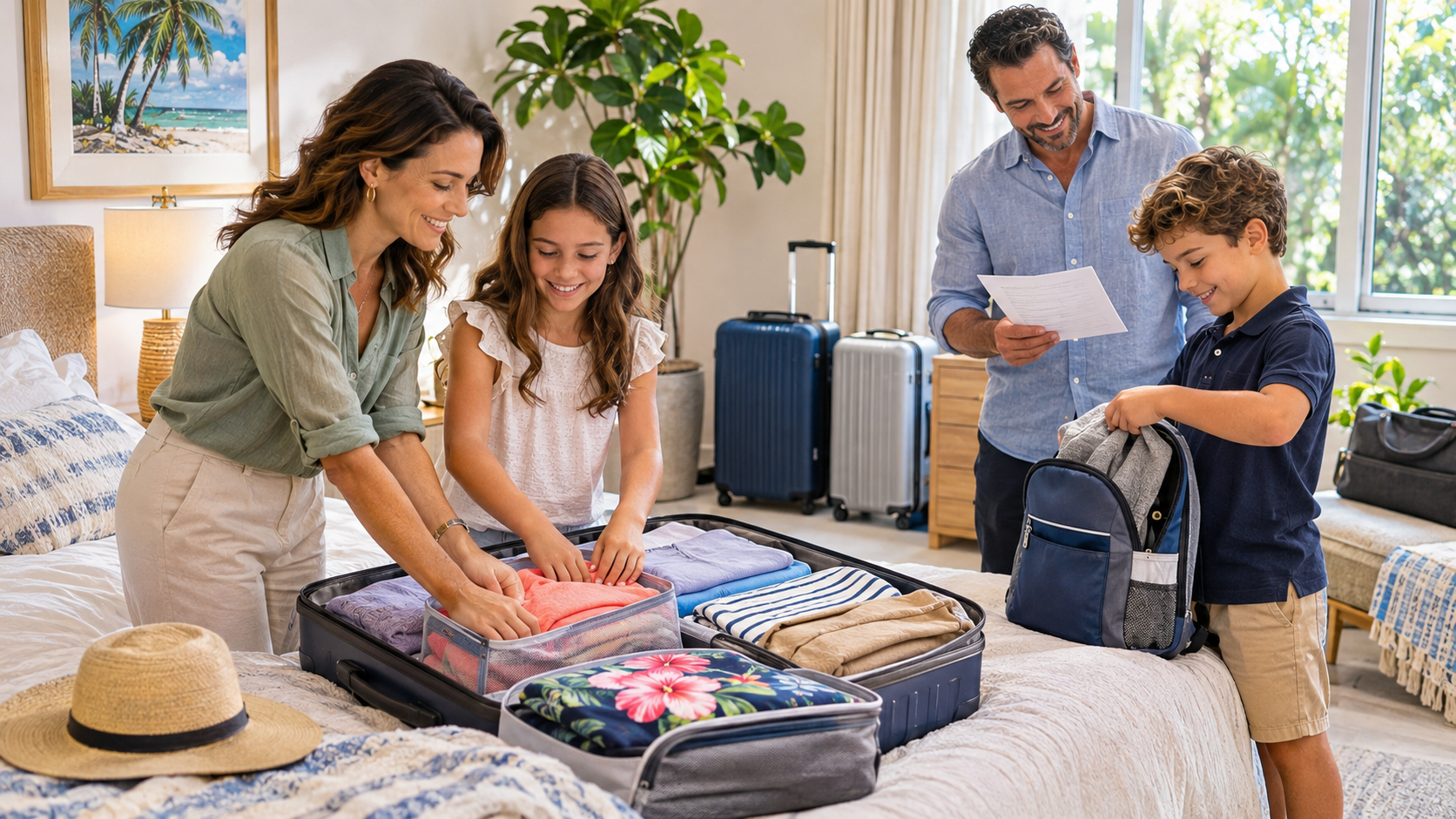
Packing for children on your first family cruise involves more than deciding how many outfits, swimsuits, and pairs of shoes to bring.
You’re also preparing for a vacation where your children may spend time in supervised youth programs, explore unfamiliar surroundings, and follow routines that differ from those at home.
That creates a few questions you might not encounter during an ordinary hotel vacation.
Can your toddler attend the kids’ club if they aren’t fully toilet-trained? Will you need to register your children before boarding?
Can a grandparent pick them up from supervised activities?
And what happens if your child has a food allergy, needs medication, or becomes uncomfortable in a new environment?
These questions are worth answering before you start packing because the policies differ between cruise lines.
Some youth programs offer supervised drop-off activities for children as young as three, while others provide separate arrangements for infants and toddlers.
Even when a ship advertises a kids’ club, that doesn’t automatically mean every child can participate in every activity.
Understanding these differences helps you make decisions about supervision, daily schedules, and what your child may actually need during the cruise.
How Kids’ Club Rules Differ Between Popular Family Cruise Lines
Most major family-friendly cruise lines offer activities for children and teenagers, but their programs don’t all operate under identical rules.
Age eligibility, registration procedures, parental authorization, toilet-training requirements, and the availability of supervised care can vary considerably.
The original packing checklist covers clothing and supplies for popular youth programs.
Before using it, however, parents should understand the participation rules that determine whether their children can attend.
Disney Cruise Line: Oceaneer Club and Oceaneer Lab
Disney Cruise Line offers supervised youth spaces, including Oceaneer Club and Oceaneer Lab, designed for children ages 3 through 10 who meet the participation requirements.
Children must be fully toilet-trained to attend the regular secured programming.
Disney also offers Youth Activities Open House periods when guests of different ages can explore youth spaces, including children who don’t qualify for regular drop-off participation. (Disney Cruise Line — Oceaneer Club and Lab Requirements)
Disney’s check-in and checkout procedures are another detail worth reviewing before sailing.
Top Cruise Deals From Trusted Cruise Lines
Compare exclusive online offers and find the fare that fits your trip and your budget

Children ages eight and older may receive permission to leave Oceaneer Club or Oceaneer Lab independently when an authorized adult grants self-checkout privileges during registration.
Parents who don’t want their children leaving without an adult should review those settings carefully. (Disney Cruise Line — Youth Club Check-In Procedures)
This means that preparing for Disney’s youth clubs isn’t simply a matter of packing comfortable play clothes.
Parents also need to understand age eligibility, registration, and the level of independence they want to allow.
Royal Caribbean: Adventure Ocean
Royal Caribbean’s Adventure Ocean program offers supervised activities for children in different age groups, with dedicated spaces and programming depending on the ship.
Its Aquanauts program generally serves children ages three through five and requires participants to be fully toilet-trained, without diapers or pull-ups. (Royal Caribbean — Adventure Ocean Aquanauts)
Royal Caribbean also offers other youth experiences, but the facilities and age-specific arrangements can differ between ships.
For families with younger children, this distinction is especially important.
A child who doesn’t qualify for regular Adventure Ocean participation may need a different childcare arrangement or a parent-supervised activity.
Check your specific ship’s youth facilities before assuming a particular program will be available throughout your vacation.
Carnival Cruise Line: Camp Ocean and Youth Programs
Carnival offers several age-based youth programs, including Camp Ocean for younger children and separate experiences for tweens and teenagers.
Its youth programming includes age-appropriate activities, with arrangements for very young children differing from the regular supervised programs for older participants.
Carnival requires parents or guardians to register children for youth programming and encourages completing registration before the cruise.
Its youth program also provides opportunities for families to become familiar with the facilities and procedures. (Carnival — Youth Program Information)
For first-time families, registration is an important part of preparation because it helps establish the information staff need before children participate.
If you’re traveling with a baby or toddler, review Carnival’s specific rules for your child’s age rather than assuming that all Camp Ocean activities follow the same drop-off arrangements.
Norwegian Cruise Line: Splash Academy and Entourage
Norwegian Cruise Line offers Splash Academy for children ages 3 through 12 and Entourage for teenagers ages 13 through 17.
Splash Academy is a supervised drop-off program with registration requirements, while Entourage provides a separate social environment for teenagers.
Norwegian also offers parent-supervised Guppies Open Play opportunities for younger children, with availability varying by ship and itinerary. (Norwegian Cruise Line — Youth Programs)
Norwegian’s policies include particularly important details about authorized pickups.
Parents or guardians must identify approved adults for Splash Academy drop-off and pickup.
Online‑Only Cruise Offers You Won’t Find Elsewhere
Unlock special pricing and start planning the sailing that matches your perfect itinerary

Norwegian specifies that authorized adults must be at least 18 years old and listed on the child’s registration profile. (Norwegian Cruise Line — Youth Program FAQ)
This makes it important to decide beforehand whether both parents, a grandparent, or another accompanying adult should be authorized to collect your child.
MSC Cruises and Other Family-Friendly Lines
MSC Cruises offers children’s programs divided into age groups, with activities and facilities that can vary by ship.
Other cruise lines, including Princess and Holland America, provide youth experiences on many sailings, although the available programs may differ from those on larger family-focused ships.
Before choosing what to pack for these programs, confirm that your particular sailing offers suitable activities for your children’s ages.
Also review registration requirements, operating hours, supervision arrangements, and any limitations affecting participation.
The presence of a kids’ club on a cruise line’s website doesn’t guarantee that every activity or childcare arrangement will be available on every itinerary.
Why Age and Toilet-Training Requirements Matter Before You Pack
One of the biggest misunderstandings parents can have about cruise youth programs is assuming that advertised children’s facilities automatically include supervised childcare for every age.
A ship may offer a children’s play area without allowing unsupervised drop-off for infants or toddlers.
Similarly, children who are old enough for a particular program may still need to meet toilet-training requirements before attending.
Disney’s Oceaneer Club and Lab require participants in their regular supervised programming to be fully toilet-trained.
Royal Caribbean also specifies toilet-training requirements for Adventure Ocean’s Aquanauts group.
These rules matter when planning family dinners, excursions, or other activities during which you expect your child to attend a youth program.
If your child doesn’t qualify, you may need to arrange a different schedule or investigate whether your ship offers separate nursery services.
The key is to establish eligibility before building your vacation plans around childcare availability.
Register for Kids’ Clubs and Understand Pickup Procedures
Registration is another step that can be overlooked when parents focus primarily on packing.
Some cruise lines allow or encourage youth program registration before sailing.
Others require additional steps once you arrive aboard the ship.
Registration may involve providing your child’s age, parent or guardian information, emergency contact details, and authorization for specific adults to collect them.
These procedures aren’t simply administrative formalities.
They establish who can leave a child in supervised care and who can take that child out of the program.
For example, Norwegian’s Splash Academy requires authorized pickup adults to be listed on the child’s profile and identifies specific credentials needed during drop-off and collection. (Norwegian Cruise Line — Youth Program FAQ)
Before your first kids’ club visit, make sure you understand the check-in process, any required identification, and how staff will contact you if your child needs assistance.
Also ask whether older children are permitted to sign themselves out. Permission rules may differ by age and cruise line.
Tell Kids’ Club Staff About Allergies and Medical Needs

Children with allergies, medical conditions, disabilities, or additional support needs may require arrangements that should be discussed before sailing.
A note tucked into a backpack isn’t necessarily an adequate substitute for the cruise line’s registration or accessibility procedures.
Norwegian Cruise Line, for example, asks parents to disclose food allergies and medical conditions during youth program registration.
Its published guidance also states that youth staff cannot administer medication to children. (Norwegian Cruise Line — Youth Program FAQ)
If your child requires emergency medication, medical monitoring, or specific assistance, contact your cruise line before departure to understand what arrangements are available.

Luxury Cruise Experiences at Smarter Prices
See premium sailings and upgraded cabins priced for travelers who know how to book well
Ask how necessary medication should be stored, who is responsible for administering it, and what procedures staff follow if your child needs help.
Don’t assume that supervised youth programming automatically includes medical care or one-on-one support.
Knowing the actual arrangements beforehand helps you decide what to keep with you, what to disclose during registration, and whether additional planning is necessary.
Check What Children Can Bring Inside the Kids’ Club
A common packing assumption is that children should bring a small backpack containing snacks, toys, medicine, water bottles, and spare clothing whenever they visit the kids’ club.
That may sound practical, but individual youth programs can restrict personal belongings or have their own procedures for storing essential items.
Food can be especially sensitive because of allergies, sanitation considerations, and program rules.
Medication may require arrangements involving parents or authorized personnel rather than simply being placed inside a child’s bag.
Similarly, a favorite stuffed animal or other comfort item might not be appropriate for every supervised activity.
Before packing a dedicated kids’ club bag, check which items the program actually permits children to bring inside.
You may discover that the most useful arrangement is to keep a small supply bag with a parent and provide only approved belongings during supervised sessions.
That approach prevents unnecessary packing while respecting the program’s procedures.
Plan Around Kids’ Club Hours and Your Family’s Schedule
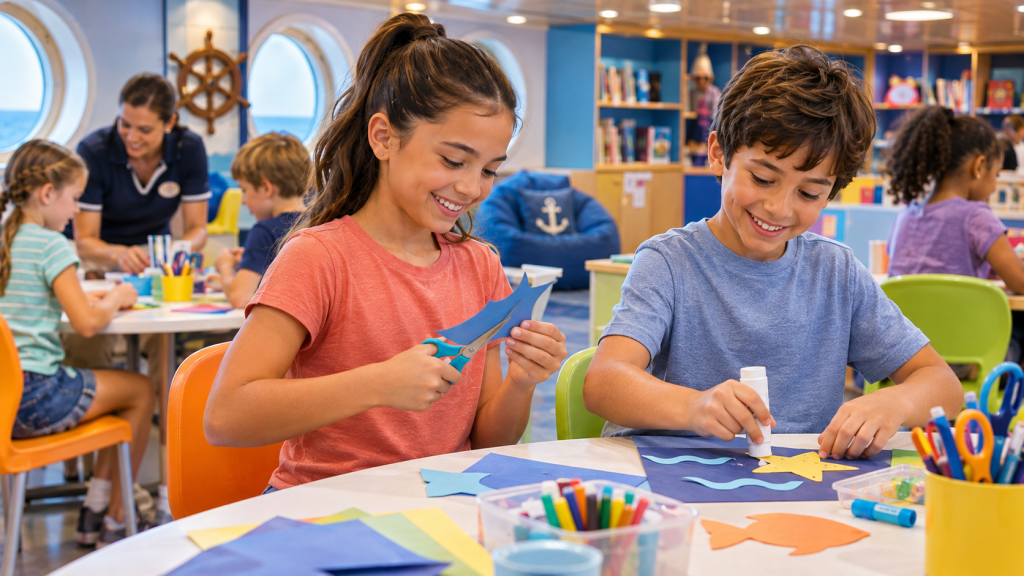
Supervised youth programs aren’t necessarily available continuously throughout the day or during every port visit.
Operating hours may change between sea days and port days, and some programs require additional arrangements or fees for late-night care.
Norwegian, for example, distinguishes between its regular youth programming and the fee-based Late Night Fun Zone. Its published schedule also identifies differences between ordinary programming and port-day availability. (Norwegian Cruise Line — Youth Program FAQ)
For families, this means kids’ club hours should be checked before relying on them for specialty dinners, adult activities, or shore excursions.
Review your ship’s activity schedule after boarding and identify when supervised sessions are available for your child’s age group.
You can then coordinate meals, activities, and family time without assuming childcare will always be available when you want it.
Give Your Child a Chance to Explore Before the First Drop-Off
The first visit to a cruise kids’ club can feel exciting for one child and intimidating for another.
Some children immediately enjoy meeting new friends and exploring unfamiliar play areas.
Others prefer to observe before joining an activity.
If your cruise line offers an open house or an introductory visit, consider using that opportunity to explore the space together.
Let your child see where activities happen, meet available staff, and understand how the check-in and pickup process works.
Explain where you’ll be while they’re participating and what will happen when it’s time to leave.
You don’t need to promise that your child will love the kids’ club immediately.
Giving them an opportunity to become familiar with the setting can make the experience more predictable.
With those practical arrangements understood, it’s easier to decide which clothing, comfort items, and daily supplies deserve a place in your luggage.
Why Packing for Kids on a Cruise Feels So Different
Packing for kids on a cruise can feel like a lot of pressure, especially when it is your first family sailing.
At home, you can grab what you forgot.
On a ship, everything you need has to be in the luggage you bring through the terminal.
That reality makes many parents want to pack “one of everything,” just in case.
The problem is that overstuffed bags, missing essentials, and cluttered cabins can actually make the cruise feel more stressful.

Sail Away to Paradise Without Overpaying
Find cruise deals that make it easy to escape, relax, and enjoy the ocean without stretching your budget
The good news is that packing for kids gets much simpler when you think in roles, not random items.
This guide walks you through a calm, clear packing checklist, common mistakes, real fears, and how to use kids’ clubs on popular cruise lines without feeling like you missed something important.
By the end, you will know what your children truly need, what can stay home, and how to step onboard feeling prepared instead of frazzled.
Understand Why Packing for Kids on a Cruise Feels So Different
Packing for adults is mostly about comfort and convenience.
Packing for children is about comfort, convenience, and emotional backup.
You are not just thinking about outfits and shoes.
You are thinking about nap time, boredom, picky eaters, bedtime routines, and what happens if someone spills an entire drink right before dinner.
A cruise adds extra layers because cabins are smaller, laundry access is limited, and days often swing between pool, kids’ club, and formal photos.
When a child melts down in that mix, everyone feels it.
Sea days can be long, even with activities.
Ports involve walking, waiting, and sometimes hotter or windier weather than home.
Restaurants have new foods and new rules, and even the most confident child can suddenly feel shy or overstimulated.
Packing with those realities in mind, instead of trying to predict every scenario, takes a lot of pressure off.
You are not trying to create a perfect suitcase.
You are building a support system your future self will be grateful for.
What “Kids Club Essentials” Really Means
Many cruise lines offer supervised spaces where children can play, create, and meet new friends.
On most family-friendly ships, these are called kids’ clubs, youth programs, or similar names.
“Kids club essentials” are the small things that make it easier for your child to enjoy those spaces comfortably and safely.
That usually includes a labeled day bag, comfortable shoes they can run and climb in, a spare outfit, any necessary medications or allergy information, and a comfort item if your child gets nervous in new environments.
Once those basics are covered, the kids’ club staff can focus on fun instead of fixing preventable problems.
Quick Reassurances
You Do Not Need Everything
A focused list that covers comfort, routines, and kids’ clubs is more powerful than a mountain of “just in case” extras.
The Ship Helps Too
Youth staff, kids’ menus, and onboard shops fill some gaps, so your bag does not have to carry every possible solution.
Your Child Can Adapt
Children often surprise parents with how quickly they adjust once routines feel familiar and basics are handled.
Create a Kid-Friendly Cruise Packing Checklist That Works
A good kids’ packing list should feel manageable, not overwhelming.
You want enough clothing and gear to handle spills, weather changes, and kids’ clubs without stuffing every drawer.
The list below assumes school-age children, with notes where toddler or baby adjustments matter.
Treat this as a starting point and adjust for your child’s age, sensory needs, and personality.
Clothing and Shoes
Plan for how your child really lives, not how you wish they would live on vacation.
Active kids will get dirty.
Messy eaters will wear part of dinner.
Beach days can soak clothes faster than expected.
A realistic packing plan stops that from turning into nightly laundry panic.
For a seven-night cruise, many families find this rhythm works well.
Four to six everyday outfits that can handle meals, kids’ clubs, and casual time around the ship.
Two nicer outfits for family photos, main dining room dinners, or special evenings.
Two swimsuits so there is always a dry one available.
One hoodie or light jacket for breezy decks and cool theaters.
One sleepwear set that feels familiar and helps bedtime feel normal away from home.
Comfortable sneakers suitable for running, stairs, and shore days.
Sandals or water shoes for pool decks and beach stops.
Toiletries and Health Items
Children function better when the basics are covered.
That includes clean teeth, calm skin, and comfort helpers for headaches or minor tummy issues.
Cruise ships have shops and medical centers, but having familiar items on hand keeps everyone more relaxed.
Travel-sized toothpaste and a child-friendly toothbrush help keep routines on track.
Any daily medications should travel in original containers, and backups are wise for delays.
Pain and fever medicine in child-appropriate form can save an evening.
Motion-sickness remedies, if recommended by your pediatric provider, can help on wavier days.
Basic first-aid supplies like bandages and itch relief for bug bites reduce small complaints.
Sunscreen that your child already tolerates avoids battles on sunny days.
Comfort, Sleep, and Entertainment
Sleep is often the difference between a fun day and a rough one.
A ship adds new noises, new beds, and new routines, which can feel exciting or unsettling.
Small comfort items help children settle more easily.
A favorite small stuffed animal or blanket can turn a new bed into “their” space.
A compact white noise app or machine can smooth over hallway sounds and ship noises at night.
A simple bedtime book or familiar short story provides a predictable end-of-day signal.
Lightweight pajamas that feel like home reduce bedtime resistance.
Screens can be useful in moderation, especially for airport waits and quiet cabin time, so chargers and headphones belong in the packing plan too.
Kids’ Club Essentials Checklist
Kids’ clubs are usually highlights for children once they are comfortable.
Packing for those spaces in a thoughtful way makes it easier for your child to participate without anxiety.
A small labeled backpack or crossbody bag that your child can manage on their own.
Comfortable, closed-toe shoes for games, climbing, and active play.
A spare outfit sealed in a zip-top bag in case of spills or art projects.
Any required documentation for allergies, medical needs, or special instructions, written clearly and shared with staff.
Reusable lanyard or wristband holder if the ship uses kids’ club bands or keycards.
A small comfort item like a fidget toy or tiny plush if your child tends to feel shy in new groups.
Kids Packing Checklist (Visual Aid Table)
Use this as a quick reference when you are laying items out on the bed or floor before you start loading suitcases.
| Category | Item | Why It Helps | Pro Tip For Parents |
|---|---|---|---|
| Clothing | 4–6 everyday outfits | Covers meals, kids’ clubs, and ship time without constant laundry | Choose mix-and-match pieces in similar colors to simplify outfits |
| Clothing | 2 nicer outfits | Works for photos, main dining room, and special events | Pack wrinkle-resistant fabrics so you are not fighting the iron ban |
| Clothing | 2 swimsuits | Keeps one suit drying while the other is in use | Rash guard tops add sun protection and reduce sunscreen battles |
| Clothing | Hoodie or light jacket | Handles cool theaters and breezy decks | Let your child pick the design so they are more likely to wear it |
| Shoes | Sneakers | Supports safe running, stairs, and ports | Test-fit before the trip to avoid blisters at sea |
| Shoes | Sandals or water shoes | Protects feet on hot decks and rocky beaches | Quick-dry styles make pool-to-cabin transitions easier |
| Toiletries | Toothbrush, toothpaste, hair items | Maintains familiar routines at night and in the morning | Pack in a small pouch so bathroom counters stay clear |
| Health | Medications, pain relief, motion aids | Eases common discomforts before they become big problems | Keep these in a parent’s carry-on, not checked luggage |
| Sun & Skin | Sunscreen, chapstick, after-sun lotion | Prevents burns and chapped lips that can ruin days | Choose products your child has already used at home |
| Sleep | Pajamas, small comfort object | Makes bedtime feel familiar in a new room | Place comfort items on the bed before bedtime starts |
| Entertainment | Books, small toys, tablet, headphones | Fills airport time and cabin downtime calmly | Pre-download shows and games on Wi-Fi before sailing |
| Kids’ Club | Labeled day bag, spare outfit | Lets staff handle spills and activities without calling you | Use a bright bag color so it is easy to identify |
| Kids’ Club | Closed-toe shoes, small comfort item | Keeps play safe and nerves steady in new groups | Talk about the club ahead of time as “your special place” |
Checklist Reassurances
You Can Adjust
The list is a framework, not a pressure test, so adjust for age and personality.
Multipurpose Wins
Items that serve more than one purpose, like a hoodie for decks and theaters, are your space-saving friends.
Familiar Beats Fancy
Children usually care more about comfort and familiarity than about new or trendy gear.
Kids’ Clubs on Popular Cruise Lines and What to Pack for Them
Many mainstream cruise lines have invested heavily in kids’ clubs because families sail with them again and again.
Knowing a bit about these spaces ahead of time can make packing feel more targeted and less vague.
You do not need to memorize age group names or every activity.
You only need a sense of the environment and how your child might use it.
Disney Cruise Line
Disney ships are designed with families in mind.
Oceaneer Club and Oceaneer Lab cater to younger children, while Edge and Vibe serve tweens and teens.
These spaces often offer themed play areas, creative crafts, and character interactions.
Children may move between active play, quiet corners, and screens.
For Disney sailings, comfortable play clothes are important, because crafts and themed activities can get messy in a good way.
A spare outfit in your child’s day bag helps staff handle spills without calling you back immediately.
Non-slip closed-toe shoes keep children safer in active zones.
If your child loves a particular character, a small item or T-shirt featuring that favorite can give extra comfort walking into the club on day one.
Royal Caribbean
Adventure Ocean is Royal Caribbean’s main kids’ program, with spaces for younger children, tweens, and teens.
Many ships also offer climbing walls, splash areas, and sports courts that families can enjoy together.
Kids’ clubs often run science activities, games, and themed events.
For Royal Caribbean, breathable clothes that handle movement and potential outdoor time near kids’ areas work well.
Labeling water bottles and hats makes it easier for items to find their way back after active sessions.
Comfortable sneakers are especially useful on ships with more active play spaces.
A lightweight sweater or hoodie can live in the day bag for cooler indoor areas.
Carnival Cruise Line
Camp Ocean serves younger children, Circle “C” and Club O2 serve tweens and teens.
Carnival leans into fun themes, group games, and lively activities.
Smaller children may also have access to spray parks and shallow pools nearby.
For Carnival, pack one or two extra casual tops your child can rotate through for club time.
A swimsuit with a quick-dry cover-up near the top of the suitcase helps when club time and water play sit close together on the schedule.
Sturdy sandals or sneakers are better than flip-flops for active play.
If noise or energy levels worry your child, a simple pair of soft over-ear headphones or a fidget toy can help them reset.
Norwegian Cruise Line
Norwegian’s Splash Academy and Entourage programs serve younger and older kids.
Freestyle cruising means schedules can feel relaxed, but there is still plenty of structure inside the kids’ spaces.
Activities range from crafts to themed parties, depending on age.
Loose, comfortable outfits your child can wear to both dinner and kids’ club on the same evening can simplify wardrobe needs.
Name labels on hoodies and small items are helpful when children share racks and cubbies.
A labeled tote or small Travelpro-style backpack that your child recognizes makes transitions in and out of the club feel calmer.
MSC Cruises and Other Family-Friendly Lines
MSC offers kids’ clubs often designed in partnership with brands like LEGO, along with baby and toddler programs on some ships.
Other lines, such as Princess and some Holland America itineraries, also provide youth spaces, though the tone may be quieter than the biggest family brands.
For these ships, focus on a “comfort uniform” approach.
Soft clothing, easy-on shoes, and one small familiar toy give children something steady in a very new environment.
A written card that lists allergies or special needs is helpful to tuck into the day bag on any line so staff always have quick access to the right information.
Kids’ Club Reassurances
Staff Expect First-Timers
Youth teams are used to helping children and parents who have never cruised before.
Essentials Stay Simple
Safe shoes, a spare outfit, and clear allergy notes are more important than elaborate gear.
One Calm Conversation Helps
Talking about kids’ clubs as “fun spaces just for you” before sailing can ease a lot of first-day nerves.
Common Packing Mistakes Parents Make (And How to Fix Them Gently)
The most common mistakes come from wanting everything to go perfectly.
Perfection is not the goal here.
Steady comfort is.
One frequent mistake is packing far too many outfits “just in case,” especially for toddlers and younger children.
Another is forgetting to keep the first-day essentials in a carry-on where they can actually be used before checked bags arrive.
A third common slip is packing new shoes or clothing that has never been tested at home.
New items can rub, pinch, or feel “wrong,” which quickly becomes a problem when you are already adjusting to a ship.
How to Adjust Without Stress
Focus clothing volume on the two areas that matter most for kids.
Daywear that can handle play and meals, and sleepwear that makes bedtime feel normal.
Move some “just in case” energy into a better spare outfit strategy in your day bag and kids’ club bag.
Test any new shoes or outfits at home for a few hours before they win a spot in the suitcase.
Check your packing plan against your embarkation day schedule and pull anything truly needed in those first hours into a family carry-on.
Mistakes Reassurances
Overpacking Is Common
Many experienced cruise parents will tell you they brought too much the first time.
Small Tweaks Help
Tiny changes like a better day bag or tested shoes make a big difference in how the week feels.
You Can Course-Correct
If something is not working by day two, ships often have small shops or laundry options to help you adjust.
Real Fears Parents Have About Packing for Kids—and Better Ways to Handle Them
Behind most packing questions sits a fear.
Parents worry about a child getting sick, melting down in a crowded space, refusing kids’ club, or struggling to sleep in a new room.
Those worries are normal.
They are also easier to carry when you have a basic plan.
Many parents fear forgetting something important.
A written checklist, printed or saved on a phone, goes a long way toward quieting that worry.
Others worry about delays, missed flights, or bags lagging behind.
A well-packed carry-on with a change of clothes, medications, and comfort items covers that scenario without stuffing every bag to the limit.
Travel insurance is not required to cruise, and plenty of families sail without it.
Even so, some parents feel calmer knowing there is support if illness, delays, or emergencies affect the trip.
Providers like VisitorsCoverage, World Nomads, EKTA, and Insubuy are examples of companies families often compare when they want that extra layer of reassurance around prepaid travel costs and medical care away from home.
Fear about kids’ clubs is also common.
Parents sometimes imagine their child being scared, overlooked, or unhappy there.
Youth staff are trained to help children ease in gradually, and you can always start with a short visit, stay nearby, and build up as your child gains confidence.
Packing the right small essentials makes this process feel smoother, not forced.
Fear Reassurances
You Are Not Alone
Many families on your sailing are doing this for the first time too, with the same questions.
Essentials Beat Perfection
Having the right few items matters much more than having every possible item.
Support Systems Exist
Youth staff, medical teams, and planning tools like travel insurance and organized luggage all add quiet layers of backup.
Step Onto the Ship Feeling Ready as a Family
Packing for kids on a cruise does not have to feel like an exam.
When you focus on comfort, routines, kids’ club essentials, and a realistic number of outfits, the suitcases start to look manageable.
A small “first six hours” kit in your carry-on protects embarkation day.
A clear kids’ packing checklist keeps you from second-guessing yourself every five minutes.
Kids’ clubs on major cruise lines are built to welcome first-time families, and a labeled bag, safe shoes, and a spare outfit are usually all they truly need from you.
Family-friendly luggage with smooth-rolling wheels and simple interior organization, such as a well-designed Travelpro carry-on plus a medium checked case, makes moving through airports and terminals easier on everyone.
When the bags roll smoothly and open into order instead of chaos, your energy stays available for the fun parts.
With these hacks, checklists, and mindset shifts in place, packing becomes one more part of the adventure instead of the part that keeps you up at night.
FAQ – What Should Parents Know About Packing for Kids and Cruise Youth Clubs?
What should you pack for kids on their first cruise?
Start with comfortable clothing, suitable shoes, swimwear, personal-care products, medications, and familiar bedtime essentials.
Add supplies for your child’s age, such as diapers, feeding equipment, or age-appropriate entertainment, when applicable.
Keep important belongings accessible rather than placing everything in checked luggage.
Your itinerary, cruise length, and planned activities should determine the final quantities.How many outfits should you pack for a child on a seven-night cruise?
The number depends on your child’s age, typical clothing changes, access to laundry, and the activities planned during your sailing.
Four to six everyday outfit combinations may work for some school-age children when clothing can be reused, but younger children or frequent spills may justify more.
Include appropriate swimwear, sleepwear, layers, and any clothing required for dining or excursions.
Consider your actual child’s habits rather than following a fixed number that may leave you with too little or too much.What should parents keep in their embarkation-day carry-on?
Keep children’s medications, necessary feeding or diapering supplies, travel documents, valuables, and essential comfort items with you.
A change of clothes, wipes, sunscreen, and age-appropriate entertainment can also be useful while waiting for your cabin or checked luggage.
If your child needs a particular item immediately, don’t assume you’ll be able to retrieve it from a suitcase handed to the porters.
Pack the carry-on so you can find necessities quickly without unpacking the entire bag.Do cruise kids’ clubs have minimum age requirements?
Yes, supervised youth programs commonly divide children into age groups, and eligibility varies by cruise line.
Disney’s regular Oceaneer Club and Lab programming generally serves eligible children ages 3 through 10, while Norwegian’s Splash Academy serves children ages 3 through 12.
Programs for infants, toddlers, and teenagers may operate under different rules or schedules.
Check the age requirements for your specific ship and sailing before relying on a youth program for childcare.Can children who aren’t toilet-trained attend cruise kids’ clubs?
Some cruise lines require children to be fully toilet-trained before participating in particular supervised youth programs.
Disney’s regular Oceaneer Club and Lab programming and Royal Caribbean’s Adventure Ocean Aquanauts program have toilet-training requirements.
Separate nursery services, supervised activities, or parent-attended play opportunities may be available depending on the ship.
Confirm the exact policy before departure rather than assuming that wearing a diaper or pull-up will be permitted.Do you need to register children for cruise youth programs before boarding?
Registration requirements differ between cruise lines, with some encouraging families to complete the process before sailing and others requiring additional steps onboard.
You may need to provide parental information, authorized pickup details, and relevant medical or allergy information.
Completing available registration steps early can reduce uncertainty when your family first visits the club.
Check your cruise line’s instructions and verify whether any additional check-in procedures are required after boarding.Can grandparents or other adults pick children up from cruise kids’ clubs?
Many youth programs allow authorized adults other than parents to collect children, but permission must follow the cruise line’s procedures.
Norwegian’s Splash Academy, for example, requires approved pickup adults to be identified during registration and meet its age and identification requirements.
Some programs also use passwords, keycards, or other verification methods to protect children.
Decide who should have pickup permission before sailing and confirm that each approved adult understands the procedure.Can older children leave cruise kids’ clubs without a parent?
Some cruise lines allow older children to sign themselves out of particular youth programs when a parent or guardian grants permission.
Disney permits eligible children ages eight and older to receive self-checkout privileges in Oceaneer Club and Lab, while Norwegian has separate authorization arrangements for certain older Splash Academy participants.
These permissions don’t necessarily apply to every program, age group, or time of day.
Review the policy carefully and establish clear family rules before allowing your child to leave independently.What should children bring to a cruise kids’ club?
The items allowed inside supervised youth spaces depend on the cruise line’s policies and the activities being offered.
Comfortable clothing and appropriate footwear are useful, but personal bags, snacks, toys, and medications may be restricted or handled separately.
Ask staff whether your child needs identification, a wristband, or any other approved belongings for check-in.
Keep additional supplies with a parent unless the program specifically permits or requests them.Can children bring snacks or water bottles into cruise kids’ clubs?
Some youth programs restrict outside food or personal belongings, particularly when allergies and sanitation procedures are involved.
You shouldn’t assume that snacks or drinks are permitted simply because your child normally carries them to school or daycare.
If your child has dietary restrictions or needs access to food or fluids for a medical reason, discuss those requirements with the cruise line before sailing.
Follow the program’s approved arrangements rather than placing food in your child’s backpack without authorization.What should parents do if their child has allergies or medical needs?
Contact the cruise line before departure to discuss the child’s condition and learn what support the youth program can provide.
Disclose relevant allergies, medical requirements, and other important details through the official registration or accessibility process.
Ask who is responsible for storing and administering medication, because youth counselors may not be permitted to provide that service.
Keep necessary medical supplies accessible and establish a clear plan with staff before leaving your child in supervised care.Can children with sensory sensitivities enjoy cruise kids’ clubs?
Children with sensory sensitivities may enjoy youth activities, but their experience depends on the environment, available accommodations, and individual preferences.
Contact the cruise line before sailing to ask about noise levels, activity formats, accessibility arrangements, and whether suitable adjustments can be made.
A quieter introductory visit or open-house opportunity may help your child become familiar with the space before participating independently.
Don’t assume that every youth program offers a dedicated quiet room or individualized supervision unless the cruise line confirms it.What if your child refuses to attend the kids’ club?
Not every child enjoys supervised youth activities immediately, and participation doesn’t need to become a requirement for having a successful family cruise.
If an introductory visit is available, consider exploring the facility together before suggesting a short supervised session.
Listen to your child’s concerns and ask staff what options exist for easing into the experience.
You can also plan enjoyable family activities elsewhere on the ship if the kids’ club simply isn’t a good fit.Are cruise kids’ clubs free?
Many mainstream cruise lines include regular supervised youth programming for eligible age groups in the cruise fare.
However, some nursery services, late-night childcare sessions, or special activities may carry additional charges.
Availability and pricing can also depend on the ship, sailing, and children’s ages.
Check your cruise line’s current program details before assuming that every childcare option is complimentary.Are kids’ clubs open while a cruise ship is in port?
Youth program availability during port visits varies by cruise line, ship, and the type of activity.
Some supervised programs may operate during certain port hours, while others limit services or follow different schedules from sea days.
Parents shouldn’t assume they can leave children onboard while taking a shore excursion without first confirming the rules and available arrangements.
Review the daily program schedule and the cruise line’s supervision policies before making plans that would separate your family.What should you pack for a baby or toddler on a cruise?
Babies and toddlers may need diapers, wipes, feeding supplies, familiar sleep items, extra clothing, and other age-specific essentials.
Check whether your ship provides suitable cribs, high chairs, or other equipment so you don’t pack bulky items unnecessarily.
Review the cruise line’s rules for infant ages, nursery care, swim diapers, and childcare participation before sailing.
Bring enough specialized supplies for your itinerary and reasonable delays, particularly if you use products that may be difficult to obtain in port.How many swimsuits should you pack for children on a cruise?
Two swimsuits per child can be practical because one can dry while the other is available for another pool or beach visit.
Families expecting frequent swimming may prefer additional options, particularly if their children dislike putting on damp clothing.
Consider rash guards, sun-protective clothing, and footwear appropriate for your planned activities.
Also check the ship’s rules about swim diapers and water facilities, since children who aren’t toilet-trained may be restricted from certain pools.What should children wear for cruise formal night or family photographs?
The appropriate clothing depends on your cruise line’s dress code and whether you’re planning a special dinner or professional photographs.
Children may wear neat dresses, collared shirts, tailored trousers, or other age-appropriate outfits that meet the venue’s requirements.
Comfort matters because unfamiliar shoes, tight collars, or restrictive fabrics can make a long evening difficult for younger passengers.
Choose clothing your child can comfortably wear rather than assuming an elaborate formal outfit is necessary.Can you do laundry for children’s clothes during a cruise?
Laundry services vary by cruise line and ship, so you shouldn’t assume that self-service machines are available.
Some ships offer paid laundry services, while others provide different arrangements for washing or pressing clothing.
Knowing what’s available can help you decide how many everyday outfits and spare garments to pack for children.
Check the actual facilities and service costs before relying on onboard laundry to manage spills or repeated clothing changes.How can you avoid overpacking for your first family cruise?
Begin with your children’s actual needs, the number of sailing days, the climate, and the activities you’ve planned.
Choose clothing that can be mixed and matched, and focus extra supplies on situations that genuinely require backups, such as spills or delayed luggage.
Verify which amenities, childcare arrangements, and equipment your ship provides before bringing duplicates from home.
A practical family packing list should help you recognize what can stay behind, not encourage you to fill every available suitcase.
Plan Your Next Cruise!

Sail Into Timeless Luxury: Cunard Cruises for Transatlantic Elegance and Destination‑Rich Voyages
One Delay Can Cost Your Entire Cruise A quick coverage check now protects you from the problems no one sees coming….

Unlock The Viking Ocean Experience: Elegant Ships, Cultural Immersion, And Unrushed Travel
One Delay Can Cost Your Entire Cruise A quick coverage check now protects you from the problems no one sees coming….
Discover Princess Cruise Line: Elegant Ships, Immersive Voyages, and World‑Class Experiences
One Delay Can Cost Your Entire Cruise A quick coverage check now protects you from the problems no one sees coming….

Sail Into Italian Elegance: Costa Cruises for Culture, Cuisine, and Unforgettable Voyages
One Delay Can Cost Your Entire Cruise A quick coverage check now protects you from the problems no one sees coming….
Explore More
Get Approved to Cruise with Your Pet: Kennels, Paperwork, and Service Animal Policies Explained
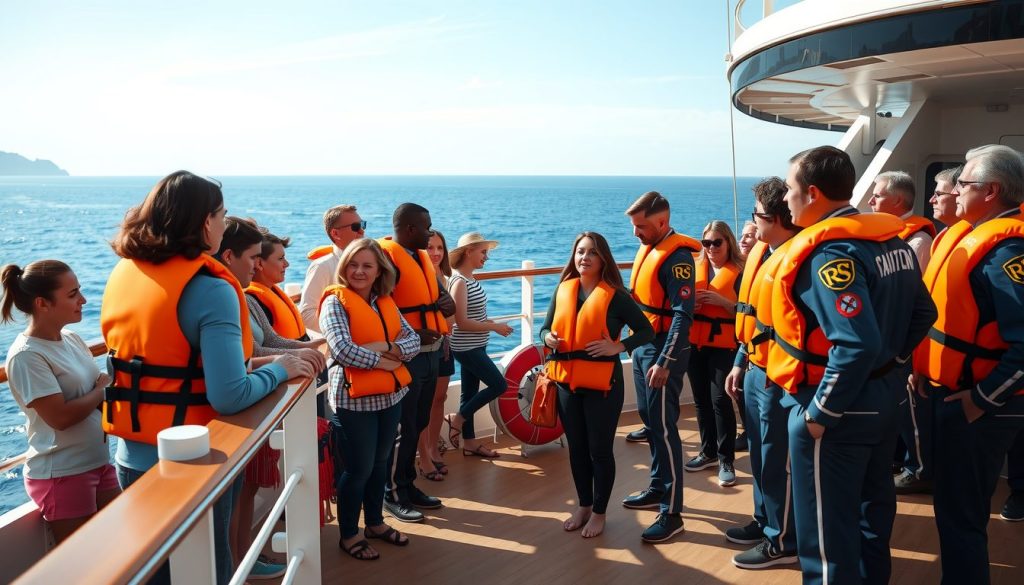
Stay Safe at Sea — Emergency Procedures Every Cruise Passenger Should Know

Sail Smarter: Insider Cruise Loyalty Hacks to Reach Elite Status in Record Time