One Delay Can Cost Your Entire Cruise
A quick coverage check now protects you from the problems no one sees coming
Short Excerpt
- Seeing other passengers enjoy suites, private lounges, priority boarding, and specialty restaurants can make first-time cruisers question whether they booked the right vacation.
- Cabin categories, deck locations, and cruise perks offer different benefits, but spending more doesn’t automatically mean having a better experience.
- Learn how to avoid cruise comparison, make confident spending decisions, and enjoy the experiences that originally made you excited to sail.
Quick Take
- Compare cruise options based on your needs, not what other passengers have booked or purchased.
- Understand what upgrades actually provide before assuming a suite, higher deck, or priority boarding would improve your vacation.
- Choose a few experiences worth spending extra on and enjoy the included amenities without feeling that you’re settling.
- Recognize common comparison triggers, including embarkation lines, specialty restaurants, cabin categories, and social media.
- Measure your vacation by the experiences you enjoy, not the perks available to someone else.
Why Other Passengers’ Cruise Upgrades Don’t Have to Change How You Feel About Your Vacation
You can spend months looking forward to your first cruise, carefully choosing a cabin, comparing itineraries, and finding a fare that feels right for your budget.
Then, shortly after arriving at the terminal, you notice another passenger entering a priority boarding lane while you’re waiting with everyone else.
Suddenly, a perfectly reasonable booking decision starts feeling like a missed opportunity.
That reaction can become even stronger once you’re onboard.
You might walk past a private suite lounge, hear someone discussing their specialty dining package, or discover that another passenger has access to a part of the ship you didn’t realize existed.
Before long, you’re wondering whether the vacation you’ve already paid for is somehow less complete than theirs.
The problem isn’t that you’ve made a bad choice.
It’s that cruise ships make differences between accommodation categories and paid benefits unusually visible, even when those differences have little connection to what you personally enjoy.
Understanding what upgrades actually provide, and whether those benefits fit your vacation priorities, can help you avoid unnecessary spending and enjoy the experience you came aboard to have.
Understand What You’re Really Comparing When You See a Suite
A suite can look appealing when you discover that it includes additional space, an upgraded bathroom, or access to facilities unavailable to passengers in standard staterooms.
Some cruise lines also attach services such as priority embarkation, dedicated dining arrangements, concierge assistance, or reserved outdoor areas to particular suite categories.
Those benefits can be genuinely valuable, especially for passengers who spend considerable time in their cabins or want a more private experience.
However, their value depends on how you intend to use the ship.
If you booked an interior cabin because you plan to spend your days exploring ports, attending shows, and enjoying outdoor decks, a much larger room might not improve the activities you’re most excited about.
On the other hand, someone celebrating an anniversary who wants private breakfasts overlooking the ocean could reasonably consider a balcony or suite an important part of the vacation.
Both choices can make sense because they support different travel styles.
Top Cruise Deals From Trusted Cruise Lines
Compare exclusive online offers and find the fare that fits your trip and your budget
Instead of wondering whether the other passenger has a better cabin, ask whether the features you’re noticing would improve your own experience enough to justify the additional cost.
That question turns an emotional comparison into a practical decision.
Stop Treating Higher Decks as Better Accommodations
Cabin location can become another source of unnecessary doubt, particularly when you hear other passengers discussing their deck numbers.
It’s easy to assume that a cabin on a higher deck must be more desirable than one located closer to the waterline.
Yet deck placement involves a series of practical tradeoffs rather than a simple ranking of good and bad rooms.
For example, higher decks may provide convenient access to pools and outdoor attractions, but some cabins can also be closer to busy public areas.
Lower decks can offer convenient access to certain venues and, depending on the ship, may be more comfortable for travelers concerned about motion.
Location along the ship matters as well.
A midship cabin is often appealing to passengers who are sensitive to movement, while a room near a particular elevator bank might save substantial walking for someone with limited mobility.
The best location is the one that fits your priorities for noise, convenience, accessibility, and comfort.
A cabin doesn’t become a poor choice simply because another passenger is staying several decks above you.
Know What Priority Boarding Does—and What It Doesn’t
Embarkation day can make cruise benefits feel especially significant because differences between passengers are visible before anyone has even boarded.
Some guests may qualify for priority processing or boarding through suite reservations, loyalty programs, purchased packages, or other eligibility arrangements.
The exact benefits vary by cruise line, and priority access doesn’t necessarily mean passengers can ignore their assigned arrival times or board whenever they choose.
For travelers who value minimizing waits, particular priority services may be worthwhile.

However, they don’t guarantee a better cabin experience, more enjoyable entertainment, or a more memorable itinerary.
Nor does entering the ship a little later mean you’ve missed the experience you paid for.
Your time onboard will be shaped much more by how you spend the voyage than by which terminal line you used to enter it.
Enjoy Included Dining Without Feeling That You’re Missing the Best Food
Specialty restaurants can create a particularly strong sense of missing out because they’re often promoted as premium experiences.
You may see attractive menus, exclusive dining venues, and enthusiastic reviews that make included restaurants seem like the less desirable choice.
Online‑Only Cruise Offers You Won’t Find Elsewhere
Unlock special pricing and start planning the sailing that matches your perfect itinerary

However, cruise fares commonly include access to main dining rooms, casual restaurants, and other venues where passengers can enjoy a wide variety of meals without purchasing a separate specialty dining package.
Premium restaurants may offer different menus, service styles, or atmospheres, but those distinctions don’t mean the included food is automatically inferior.
If you’re interested in a specialty restaurant, look at its menu and decide whether the experience appeals to you.
Booking one memorable dinner may provide exactly the variety you want without requiring a package for the entire sailing.
Alternatively, you may discover that the restaurants included in your fare offer everything you need.
What matters is enjoying the food and atmosphere, not choosing the venue with the highest additional price.
Decide What Deserves Your Vacation Budget Before You Feel Pressured to Spend
Cruise ships offer plenty of opportunities to upgrade your experience, from drink packages and Wi-Fi plans to spa treatments, excursions, private cabanas, and specialty restaurants.
Individually, these purchases can sound appealing. Collectively, they can push your vacation spending far beyond what you originally intended.
The temptation often becomes stronger when you hear other passengers discussing what they’ve purchased.
Instead of deciding in the moment, choose your spending priorities before sailing.
Perhaps you’d rather reserve your budget for an exceptional shore excursion because experiencing new destinations is your main reason for cruising.
Another traveler might value a specialty dinner or spa treatment more than additional activities in port.
Neither approach is more sophisticated or more rewarding.
When you know what you want your money to accomplish, another passenger’s purchases become interesting possibilities rather than reminders of something you’re missing.
Remember That Your Favorite Cruise Moments May Not Require an Upgrade
Some of the experiences that make cruising memorable have little connection to cabin category or premium access.
Watching the ocean from an open deck, enjoying live entertainment, discovering a new destination, or having an unexpectedly wonderful conversation can become a highlight regardless of how much you’ve spent.
You may even find that a simple morning routine becomes one of your favorite parts of the voyage.
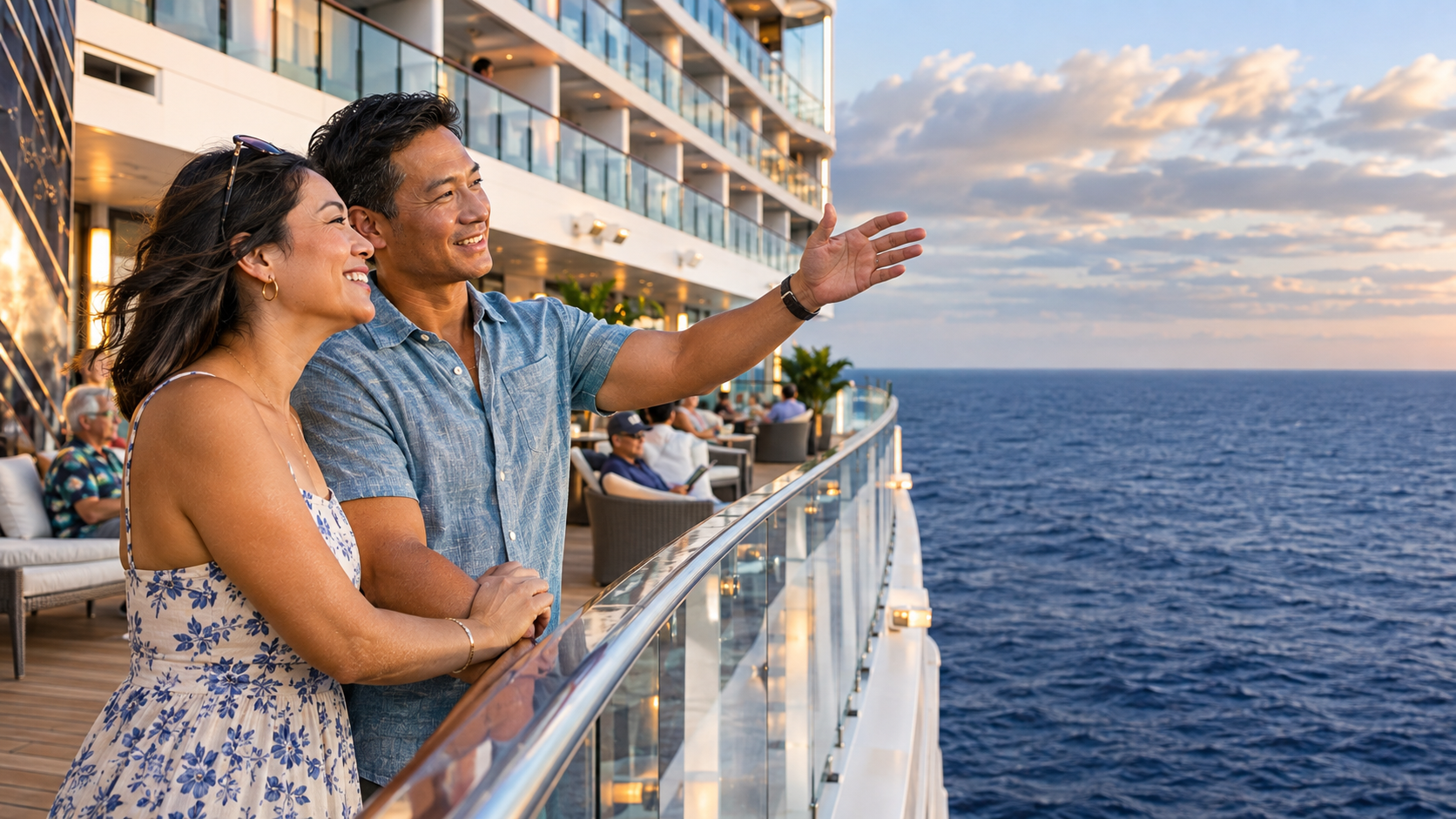
Perhaps it’s having coffee while the ship approaches a new port, walking along the promenade after dinner, or finding a comfortable outdoor chair where you can read without interruption.
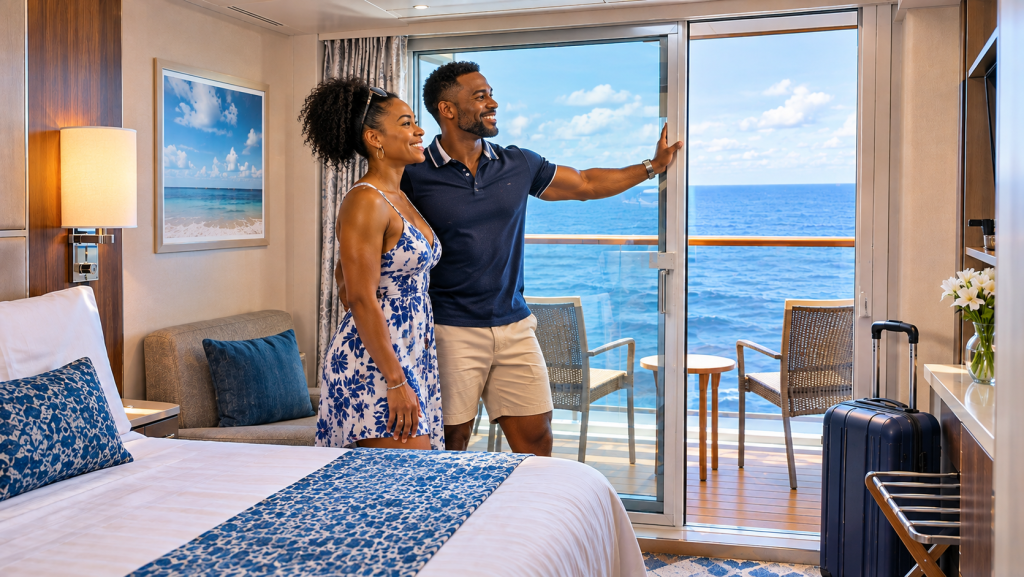
Those experiences have value because they suit you, not because they’re exclusive.
The purpose of booking a cruise isn’t to purchase every available upgrade.
It’s to create a vacation that feels worthwhile, enjoyable, and comfortable within the budget you’ve chosen.
Once you define success that way, you can appreciate the benefits other passengers enjoy without allowing their choices to diminish your own.
How to Stop Comparing Cabins, Decks, Dining, and Boarding Perks on Your First Cruise
Cabin envy and perk comparison can sneak up on first-time cruisers fast.
Comparison on a cruise rarely starts because you are insecure.
It usually starts because the ship makes differences visible.

Luxury Cruise Experiences at Smarter Prices
See premium sailings and upgraded cabins priced for travelers who know how to book well
Seeing priority lines, suite lounges, or specialty dining can make you wonder if you picked wrong.
One corridor is lined with standard cabins, while another leads to suites with private spaces.
One guest steps into a priority lane, and another waits with the main boarding group.
One table talks about an “exclusive restaurant,” while you are still learning what’s included.
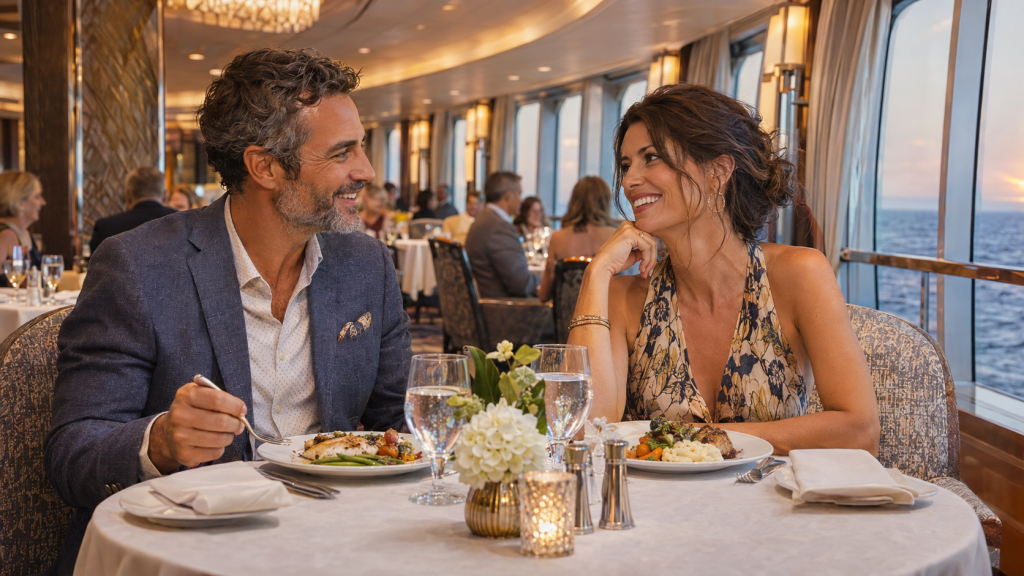
Even something as simple as the deck your cabin is on can feel like a ranking system when you are new.
That pressure hits first-time cruisers harder because you do not yet know what truly shapes your experience onboard.
The truth?
Most upgrades are optional layers, not the definition of a great cruise.
This guide gives you a practical way to enjoy your trip without letting cabin type, deck location, dining access, or embarkation perks decide your mood.
Cruising is supposed to feel like relief.
Relief fades when your brain keeps checking where you stand compared to strangers.
A first cruise can trigger that loop because everything feels unfamiliar and highly social.
Visibility makes your mind assume everyone is noticing, even when most people are absorbed in their own vacation.
What you need is a framework that keeps your attention on your experience instead of their upgrades.
That framework includes mindset shifts and in-the-moment tactics you can use the same day you feel triggered.
By the end, you will have a plan that protects your confidence without needing to change your personality.
You will also have a clear “success metric” that makes perk comparison feel irrelevant.
Why Cruise Ships Trigger Comparison So Fast
A cruise ship is like a small city with very obvious status cues.
Different key card colors, different lines, different venues, and different access points can sit one elevator ride apart.
On land, those differences are spread across neighborhoods and budgets you rarely see up close.
At sea, the differences are stacked and labeled, which makes them feel louder.
That closeness can trick your brain into treating upgrades as personal evaluations.
Then your mind starts telling stories like “I picked wrong” or “I’m missing the real experience.”
Those stories feel convincing because you are still learning the environment.
Learning plus visibility is the perfect recipe for comparison.
Visibility Effect
Cruising puts you in shared spaces with thousands of people.
Shared space increases awareness of what others are doing.
Awareness becomes comparison when you interpret differences as meaning “better.”
A suite is not automatically better for every traveler.

Sail Away to Paradise Without Overpaying
Find cruise deals that make it easy to escape, relax, and enjoy the ocean without stretching your budget
Priority boarding is not automatically worth the cost for every budget.
Specialty dining is not automatically the most enjoyable meal on the ship.
Still, when you are new, your brain may assume the most expensive option is the “correct” option.
That assumption is what you are here to replace.
Newness Doubt
First-time cruisers do not yet have internal proof of what they like.
Without that proof, it is easy to borrow other people’s preferences.
Borrowed preferences create regret because they do not match your values.
One traveler values quiet and privacy.
Another traveler values nonstop entertainment and social energy.
A third traveler values time in port over time onboard.
When you compare yourself to someone with different values, you are comparing the wrong things.
Wrong comparisons make you feel behind even when you made smart choices for your trip.
Scoreboard Trap
A ship can tempt you to create a vacation scoreboard.
Bigger cabin equals winning, in that fake scoring system.
Higher deck equals winning, in that fake scoring system.
More exclusive access equals winning, in that fake scoring system.
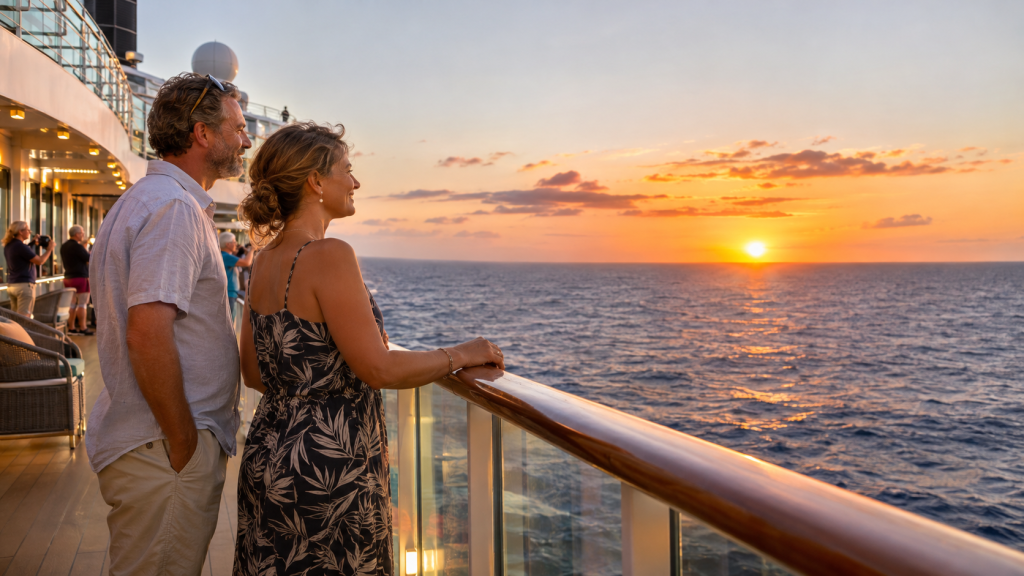
That scoreboard is not reality, but it can still feel real when you are tired or uncertain.
The antidote is replacing the fake scoreboard with a personal one that fits your priorities.
Personal scoreboards create confidence because they are designed for you.
A personal scoreboard also turns your choices into intention, which reduces regret.
Visibility Is Loud
Cruises display other people’s choices, which can trigger unnecessary comparison.
Newness Invites Borrowing
When you are still learning, other people’s upgrades can look like “the answer.”
Scoreboards Can Change
A personal success metric protects your mood better than any perk ever will.
The Most Common Comparison Triggers On A First Cruise
Comparison does not come from nowhere.
It comes from specific triggers you keep seeing and overhearing.
Once you can name those triggers, the feeling stops being mysterious.
Naming turns it into a solvable problem.
Solvable problems feel lighter, even when you are disappointed.
This section breaks down the biggest triggers first-time cruisers face.
You will likely recognize more than one right away.
That recognition is progress, because progress creates control.
Cabin Envy
Cabin comparison is common because your cabin feels like “home base.”
Interior cabins can look basic compared to balcony cabins.
Balcony cabins can look basic compared to suites.
Suites can include access to private lounges, reserved areas, or concierge-style service.
A first-time cruiser can interpret that as “I’m doing cruise life wrong.”
A better interpretation is that cabins are tools.
Some tools prioritize budget and flexibility.
Other tools prioritize space, privacy, or special access.
Your job is choosing the tool that supported your priorities, not someone else’s.
Deck Status Anxiety
Deck numbers can feel like a hierarchy when you are new.
Higher decks can seem like they must be better.
Midship can seem like the “correct” location.
Near elevators can seem like a mistake.
Forward or aft can seem like a risk.
In reality, deck location is a tradeoff system, not a ranking system.
Higher decks can mean more foot traffic near pool zones.
Lower decks can mean quicker access to embarkation and disembarkation points.
A location is only “wrong” when it clashes with what you personally need.
Exclusive Dining Pressure
Specialty dining can trigger comparison because it looks like an inner circle.
A host stand can feel like a velvet rope, even when it is just a reservation desk.
A menu price can feel like a judgment, even when it is simply an option.
A dining package conversation can make you feel behind if you did not buy one.
The reality is that many cruisers use specialty dining as a targeted splurge, not a default lifestyle.
Included dining can be excellent, especially when you choose it thoughtfully.
The best meal onboard is often the one you enjoy without stress.
Stress is what ruins flavor, not the dining room.
Priority Boarding Envy
Embarkation day is a comparison machine.
Different boarding times, different lines, and different access points are highly visible.
Seeing a priority lane can make you feel like you made a bad choice before you even board.
That reaction is common because embarkation day already carries travel-day intensity.
Intensity makes comparisons feel urgent.
Priority boarding is sometimes a paid perk, sometimes tied to loyalty status, and sometimes tied to suite categories.
It is not a moral ranking.
It is a logistics feature some people buy because they value speed.
Speed is not the only valuable thing on a vacation.
Access Tokens Everywhere
Ships often use small signals that can trigger comparison.
Wristbands for certain areas are one example.
Reserved seating signs are another example.
Private lounge entrances can also feel like a “members only” message.
Different colored key cards can make the ship feel tiered.
Cabana tags, Wi-Fi tier chatter, and drink package talk can add to the noise.
These signals can make it feel like the cruise is divided into levels.
The truth is that the cruise is one experience with optional add-ons layered on top.
Optional layers should never decide your self-worth, even when they are visible.
Triggers Are Predictable
Cabins, decks, dining access, and boarding perks are common comparison magnets.
Location Is A Tradeoff
Deck placement is not a status ladder, even when it looks like one.
Add-Ons Are Optional
Visible perks may feel loud, but they are not the definition of a great cruise.
Replace The Fake Scoreboard With A Personal One
If you want to stop comparing yourself to others, you need a new metric.
Otherwise your brain will keep reaching for the easiest metric, which is money and access.
Money and access are measurable, which is why your mind likes them.
Unfortunately, they are terrible measures of enjoyment.
Enjoyment comes from energy, ease, connection, rest, and the feeling that you used your time well.
Those things are harder to measure unless you decide what they mean for you.
This is where you build your personal cruise scoreboard.
Once it exists, comparison loses oxygen.
Pick Three Wins
Choose three “wins” that matter for your first cruise.
One win might be learning the ship layout by day two.
Another win might be sleeping well and waking up feeling rested.
A different win might be trying two new foods and genuinely enjoying them.
You could also count it as a win when you return from ports on time without rushing.
Staying on budget while still having fun is another win many first-timers value.
Wins should be outcomes you can influence, not access someone else bought.
Influence creates confidence.
Confidence is what you were hoping upgrades would give you.
Redefine What “More” Means
Extra space is not automatically extra comfort.
A packed activity schedule is not automatically more fun.
Exclusive access is not automatically more relaxing.
Higher spending is not automatically deeper satisfaction.
A first-time cruiser may believe “more” equals “better” because you are still learning what you like.
Replace “more” with “right for me.”
Right for you might mean a smaller cabin because you plan to be out all day.
Right for you might mean included dining because you value simplicity.
Right for you might mean skipping priority perks because you would rather spend on a port experience.
When “right for me” becomes your default, comparison drops fast.
One Confidence Question
Use one question when comparison rises.
Ask, “What did I come here to feel?”
Did you come here to feel rested and taken care of?
Did you come here to feel playful, social, and light?
Did you come here to feel adventurous in ports?
Did you come here to feel steady after a hard season of life?
That answer becomes your compass.
A compass keeps you from chasing other people’s experiences.
Chasing is exhausting.
A compass is grounding.
Personal Wins Beat Perks
Three personal wins create a success metric that upgrades cannot steal.
Right For You Wins
Replacing “more” with “right for me” changes how you interpret the ship around you.
Feelings Are The Point
A single confidence question pulls your attention back to why you booked the cruise.
Practical Moves That Protect Your Confidence Onboard
Mindset is important, but first-time cruisers also need tactics.
Tactics help in the moment when you are tired, hungry, or overstimulated.
Those are the moments when comparison hits hardest.
A practical move is like a handrail.
It keeps you steady when the ship feels loud.
This section gives you moves that work quickly without requiring perfect emotions.
Use one at a time.
Even one move can change your day.
Shift The Scene
Comparison grows in high-visibility areas.
Embarkation lines, atriums, busy promenades, and crowded pool decks are common triggers.
When you feel comparison spike, change your environment.
Walk to a quieter deck area with an ocean view.
Sit for five minutes and let your nervous system settle.
Settled systems think better.
Better thinking reduces the urge to measure yourself against strangers.
A simple environment shift can restore your mood faster than arguing with your thoughts.
Budget Boundary Script
Money comparison often hides behind casual conversations.
Someone mentions a dining package, a cabana, a suite, or a private tour.
Your brain starts calculating what you did not buy.
Use a simple boundary script in your head.
Try, “That sounds fun for them, and my plan is fun for me.”
Then name your plan in one sentence.
For example, “My plan is one special meal, one great excursion, and plenty of downtime.”
Naming your plan turns your choices into intention.
Intention feels confident.
Unspoken choices feel like accidents, and accidents fuel comparison.
Pre-Choose One Splurge
Comparison often spikes because you fear missing out.
A smart fix is choosing one splurge in advance.
Pick something you will genuinely enjoy, not something you think you “should” want.
That splurge could be one specialty dinner, one spa treatment, or one upgraded excursion.
It could also be a simple daily treat like a premium coffee habit.
When you pre-choose a splurge, you stop scanning the ship for what to buy next.
Scanning creates pressure.
A planned splurge creates satisfaction.
Satisfaction reduces comparison naturally.
Reduce Friction Early
Confidence rises when logistics feel handled.
A pre-cruise hotel night can reduce embarkation-day intensity and lower the urge to compare yourself in the terminal.
Booking.com, Agoda, Tripadvisor, and Trip.com can help you choose a convenient location near the port.
Radical Storage can help when you arrive early and want freedom from dragging bags.
Travelpro luggage can reduce travel friction, which keeps your mood steadier overall.
If you use public networks to access accounts or travel details, NordVPN can add a layer of privacy support.
These tools do not create confidence by themselves.
They remove small stressors that make comparison easier to trigger.
Less stress means more enjoyment.
More enjoyment means less attention to other people’s perks.
Environment Changes Help
Changing where you are can interrupt comparison loops quickly.
Name Your Plan
A short internal script protects your budget and your mood at the same time.
Friction Matters
Reducing travel friction makes it easier to enjoy your cruise without scanning for upgrades.
Embarkation Day And Priority Perks Without The Emotional Spiral
Embarkation day is the most emotionally charged day for many first-time cruisers.
Travel fatigue, crowds, lines, and the feeling that everyone else knows what to do can stack quickly.
That is also the day when priority boarding differences are the most visible.
You might see separate entrances, early boarding groups, suite lanes, or loyalty perks.
Those signals can trigger a specific thought.
“I’m starting behind.”
That thought is understandable, and it is also misleading.
Your cruise starts when you step onboard, not when you step into a specific line.
Once you accept that, priority perks lose power over your mood.
The Cost Of Watching Lines
Watching other people board faster can create two problems.
It can make you irritated, and it can make you rush your own process.
Rushing creates mistakes like forgetting documents, misplacing items, or starting your trip with tension.
Starting with tension can make the ship feel harsher than it is.
A better strategy is choosing a steady rhythm.
Hydrate, snack if needed, and wear comfortable shoes.
Treat the terminal like a transition zone, not a judgment zone.
When your body is cared for, your mind becomes less reactive.
Reactivity is what makes comparison feel intense.
Make Arrival The Win
Most first-time cruisers miss the biggest victory on embarkation day.
You made it.
You arrived.
Your job is done until you board.
Make arrival your win on purpose.
Tell yourself, “I’m here, and that is success.”
Then shift your attention to what you can control next.
Choose your first onboard loop, find your cabin area, and learn where food is.
These actions build confidence faster than watching other people’s perks.
Confidence is the real perk you want.
Protect Day-One Energy
Energy is a major factor in whether you compare yourself.
Low energy makes you sensitive.
High energy helps you interpret perk differences as neutral instead of personal.
One of the simplest ways to protect energy is avoiding an early-morning travel sprint.
Arriving the day before helps many first-timers, especially when the port city is unfamiliar.
A nearby hotel booked through Trip.com, Booking.com, Agoda, or Tripadvisor can make the morning smoother.
Smooth mornings reduce terminal stress.
Reduced stress reduces comparison.
That chain often matters more than the upgrade you think you wanted.
Priority Is Logistics
Priority boarding is a convenience feature, not a measure of your value as a guest.
Arrival Counts
Making “I arrived” your day-one victory prevents comparison from hijacking your mood.
Energy Shapes Meaning
More energy helps you see perk differences as neutral rather than personal.
Dining, Drink Culture, And The Quiet Pressure To “Keep Up”
Cruise dining can be one of the best parts of the trip.
It can also become a comparison trigger when you overhear what others are doing.
Specialty dining reservations, premium drinks, tastings, and packages can sound like the “real cruise life” when you are new.
A first-time cruiser can worry they missed a secret menu.
That feeling is common because you are still learning what is included and what is extra.
Once you decide your approach, food stops being a scoreboard and starts being pleasure.
The key is having a plan that fits your values and budget.
Then you can enjoy the ship’s options without feeling behind.
Choose A Dining Identity
Dining identity is not a personality label.
It is simply your default plan.
Some people want simplicity and love included dining.
Other people want one curated splurge and then keep it easy.
Some travelers want specialty dining as a central experience.
None of these are the correct choice for everyone.
A first cruise often goes best with “simple plus one.”
Simple keeps stress down.
One planned splurge keeps excitement up.
That balance protects confidence because you stop scanning every door for what you are missing.
Joy Or Pressure Test
Exclusive dining can look impressive.
It can also be quieter, longer, and more formal than you want on a given night.
A first-time cruiser sometimes assumes formal equals better.
Sometimes formal equals tiring.
Ask one question before you decide.
“Would this add joy tonight, or would it add pressure?”
If it adds joy, great.
If it adds pressure, skip it without guilt.
Skipping without guilt is a skill, and skills protect vacations.
Stop Comparing Meals
Comparing your meal to someone else’s meal ruins both meals.
Food tastes better when you are present.
Presence is hard when you are mentally counting someone else’s upgrades.
A simple fix is choosing one “signature thing” you enjoy each day.
It could be a favorite dessert, a specialty coffee, or a late-night snack routine.
Signature habits create a feeling of abundance without spending more.
Abundance is what you think upgrades are buying.
Sometimes abundance is simply attention to what you already have.
Plans Prevent Scanning
A dining plan stops you from treating every venue like a test you might fail.
One Question Helps
“Joy or pressure” keeps your spending aligned with your comfort level.
Presence Beats Comparison
Signature habits create abundance without turning your cruise into a spending contest.
Social Media, Photos, And Outfit Pressure Without Losing Yourself
Even if you do not post much, cruises can trigger photo comparison.
Someone’s perfect sunset shot can make your moment feel smaller.
Someone’s balcony video can make your interior cabin feel like a mistake.
Someone’s themed-night outfit can make you feel underdressed.
Social media is designed to show highlight reels, not normal moments.
A first-time cruiser can forget that and treat other people’s posts as the whole truth.
That is how a great vacation turns into a self-judgment spiral.
Your job is keeping photos as memories, not measurements.
Personal Photo Goal
Pick one photo goal that is personal and fun.
Choose something you want to remember, not something you want to prove.
A sunrise works well for some travelers, and a family shot in port works well for others.
A picture of your favorite meal can be another simple goal.
A quiet deck-chair ocean view moment can be enough.
Personal goals reduce comparison because your goal is not “look like them.”
Your goal becomes “capture my week.”
Capturing your week is the point.
Outfit Pressure Reframe
Cruises can create outfit pressure because people dress up for photos and theme nights.
A first-time cruiser can interpret that as a requirement.
It is not a requirement.
Dressing up is optional, and comfort is allowed.
A practical approach is choosing one outfit moment you enjoy and keeping the rest easy.
One dressy night can feel fun when it is chosen freely.
Dressy every night can feel like a performance.
Performances create comparison.
Choice creates confidence.
Quick Reset
When you notice yourself comparing, do one tiny reset.
Put your phone down for five minutes.
Look at the ocean.
Take one slow breath.
Name one thing that already feels good about the trip.
Then return to what you were doing.
This reset is not about becoming a different person.
It is about interrupting the loop before it builds momentum.
Momentum is what turns a small thought into a bad mood.
Photos Are Memories
Personal photo goals keep you from turning other people’s posts into a scoreboard.
Style Is Optional
One chosen dressy moment keeps it fun without turning it into pressure.
Interrupt Early
Small resets prevent comparison thoughts from becoming full-day mood shifts.
Avoid These Common Habits That Make Cruise Comparison Worse
Comparison can become a habit if you unknowingly feed it.
Feeding it is usually accidental.
It often looks like “trying to get the most out of the cruise.”
Maximizing can become a trap when it turns every moment into evaluation.
Evaluation creates disappointment.
Disappointment looks for a reason.
Comparison provides an easy reason.
This section shows the mistakes that make comparison worse.
Perfection Trap
Perfect cruise thinking creates constant scoring.
Scoring creates pressure.
Pressure makes you scan for proof that someone else is doing it better.
Scanning is the enemy of enjoyment.
A better goal is “a good cruise with good moments.”
Good moments are achievable.
Perfect cruises are not.
When you stop chasing perfect, you stop chasing other people’s upgrades.
That shift protects your mood immediately.
Add-On Regret
Add-ons can be fun.
Add-ons can also trigger regret when you treat them as necessary.
A dining package can be great for one traveler and unnecessary for another.
A balcony can be essential for someone who loves quiet mornings and irrelevant for someone who only sleeps there.
Priority perks can matter to someone with mobility needs and not matter to someone who boards with patience.
Regret often comes from the belief that you needed every add-on to enjoy the cruise.
You do not.
You need the add-ons that match your values.
Without a values filter, every add-on becomes temptation, and temptation becomes comparison.
Loud Opinions
Ships contain a mix of personalities.
Some people talk loudly about what they bought, what they upgraded, and what they recommend.
That does not mean their approach fits your trip.
It means they are enthusiastic about their choices.
Enthusiasm can be contagious.
Contagious enthusiasm can make you spend money or feel behind without realizing it.
Build one habit that protects you.
Pause, then ask, “Does that fit my trip?”
If it fits, great.
If it does not, let it pass.
Letting it pass is maturity, not missing out.
Scoring Creates Pressure
When you stop scoring the cruise, you stop feeding comparison.
Values Prevent Regret
A values filter turns add-ons into choice instead of temptation.
Loud Is Not Correct
The most vocal cruisers are not automatically the best match for your needs.
Defuse the Hidden Fears That Drive Cruise Comparison
Comparison is often a surface behavior.
Underneath, there is usually a fear asking for reassurance.
Fear of choosing wrong is one common driver.
Fear of missing out is another common driver.
Fear of not belonging can also sit underneath the whole experience.
Fear of being judged shows up for many first-time cruisers too.
You can address the surface behavior, but it helps to address the fear directly.
Fears soften when you name them and respond with one practical truth.
This section gives you those truths in a way you can use onboard.
Fear Of Choosing Wrong
First-time cruisers worry they chose the wrong ship, wrong cabin, wrong dining plan, or wrong deck.
That fear is normal because you do not have past reference points yet.
The truth is that many “wrong choices” still create great cruises.
The ship is designed to entertain you, feed you, and carry you safely.
For most travelers, the cabin is mainly for sleep and showers.
Deck location matters less once you learn your two favorite routes.
Dining becomes enjoyable when you stop treating it as status.
A first cruise is not your final cruise.
It is your learning cruise.
Learning cruises are allowed to be imperfect, because imperfection teaches you preferences.
Fear Of Missing The Real Experience
A first-time cruiser can feel like there is a secret club onboard.
The truth is that the “real” experience is the one you are living.
A suite guest and an interior guest can both have an amazing week.
Their weeks will look different, but different is not worse.
Many of the biggest moments onboard are included.
Sunsets, shows, ocean air, laughter, and the rhythm of the ship are available to everyone.
When you focus on those, you feel like you got the real thing.
When you focus on perks, you feel like you missed something even when you did not.
Perks are endless.
Joy is a choice you can practice.
Fear Of Being Judged
Many beginners imagine other guests are evaluating them.
Most guests are not.
They are thinking about their plans, their photos, their families, and their dinner reservations.
Crew members are focused on helping you have a smooth experience.
Judgment fear often rises when you feel lost or uncertain.
That is why simple routines help.
A morning plan, a dining plan, and a “return to center” location reduce uncertainty.
Routines create steadiness.
Steadiness reduces self-consciousness.
Self-consciousness is the fuel of comparison.
When steadiness improves, comparison loses its grip.
Learning Is Allowed
A first cruise is a learning trip, not a final exam, and learning requires experimentation.
Real Experience Is Yours
Your best moments are not behind a door, and they are not limited to upgrades.
Routines Reduce Self-Doubt
Simple routines create steadiness, and steadiness makes you care less about status cues.
A Self-Care Map That Keeps Confidence High
Self-care on a cruise is not spa-only luxury.
It is the small maintenance that keeps your mood steady.
Steady moods compare less.
Unsteady moods compare more.
A first-time cruiser can forget this because you are trying to do everything.
Doing everything can deplete you.
Depletion makes you sensitive to small triggers like key cards, lines, and perk talk.
The fix is a simple self-care map you can follow without overthinking.
Self-Care Map Guide
Use this quick guide when comparison rises.
Pick the row that matches your moment, do the action, and move on.
No perfect mindset is required.
You are simply maintaining yourself.
Maintenance is what makes the vacation feel good.
| Comparison shows up as | What is usually happening | The five-minute fix | The longer fix |
|---|---|---|---|
| Cabin envy | You are tired or overstimulated | Step outside for an ocean-view pause | Plan one signature daily treat that feels abundant |
| Priority line irritation | You feel rushed or behind | Hydrate and sit for five minutes | Protect travel-day buffers with a nearby hotel night |
| Dining FOMO | You fear missing the best meal | Pick one meal you fully enjoy today | Pre-choose one specialty splurge and stop scanning doors |
| Outfit pressure | You feel observed | Choose comfort plus one outfit moment | Take photos for memories, not for proof |
| Social media comparison | You are scrolling too much | Put phone down and name one good moment | Set a posting boundary and focus on personal wins |
Protect Sleep
Sleep is a confidence multiplier.
When sleep is good, your mind is less reactive.
When sleep is short, your mind becomes edgy.
Edgy minds compare because they look for threats and rankings.
Protecting sleep can be as simple as choosing one quieter hour at night.
It can also be as simple as not turning the cabin into a scrolling station at midnight.
Skipping one late event without guilt can be another useful move.
Guilt steals rest.
Rest is what makes the next day feel enjoyable.
Daily Anchor
A daily anchor is one small routine that feels like “your thing.”
Morning coffee on the same deck is one example.
A five-minute ocean view pause after lunch is another example.
A short walk after dinner can also work well.
A quiet corner reading habit is another strong anchor.
Anchors create identity that is not tied to spending.
Identity tied to spending is fragile, because someone will always spend more.
Identity tied to routine is strong, because it belongs to you.
Strong identities compare less.
That is how you protect confidence without constant effort.
Maintenance Is Strategy
Small self-care routines reduce sensitivity to visible perk signals and status cues.
Sleep Protects Mood
Better sleep reduces reactivity, which makes comparison thoughts less sticky.
Anchors Create Confidence
A daily anchor gives you a stable sense of “my cruise” that upgrades cannot replace.
Step Off The Ship Proud Of Your Choices
A first cruise is not meant to be a competition.
It is meant to be an experience that teaches you what you enjoy.
Cabin type, deck, dining access, and priority perks can look like a hierarchy when you are new.
In reality, they are just options layered on top of the same ocean and the same rhythm of the ship.
Your job is deciding what mattered to you, then living that decision with confidence.
When you use a personal scoreboard and a few practical resets, comparison stops running the trip.
That is when cruising becomes what it should be.
A vacation that feels like relief, not evaluation.
FAQ – How Can You Stop Comparing Cruise Cabins, Deck Locations, Dining Packages, and VIP Perks While Enjoying Your First Sailing?
Why Do First-Time Cruisers Compare Their Cabins and Perks With Other Passengers?
Cruise ships make differences between accommodation categories and passenger benefits unusually visible, which can lead first-time cruisers to question their booking decisions.
When you see private lounges, specialty restaurants, or separate boarding lines, it’s natural to wonder whether those experiences would have made your vacation better.
That reaction can become stronger when you’re still unfamiliar with what the ship offers and haven’t developed your own preferences for cruising.
Understanding that these features serve different travel styles and budgets makes it easier to evaluate them without treating every difference as evidence that you made the wrong choice.Is an Interior Cruise Cabin Really Worse Than a Balcony Cabin or Suite?
An interior cabin provides fewer features than many balcony cabins or suites, but that doesn’t automatically make it the wrong choice for your vacation.
If you expect to spend most of your time enjoying entertainment, exploring destinations, or relaxing in public areas, you may have little reason to pay significantly more for private outdoor space.
Travelers who value ocean views, natural light, or spending extended periods in their stateroom might feel differently.
The better comparison is whether the additional features would improve your personal experience enough to justify their cost, rather than assuming a more expensive room is always the best option.Are Higher Decks on Cruise Ships Better Than Lower Decks?
Higher decks aren’t automatically better because cabin location involves tradeoffs involving noise, convenience, motion, and proximity to public venues.
A room near an upper-deck pool may be convenient for someone who spends most afternoons outdoors, but it could be less appealing to a passenger who prioritizes quiet surroundings.
Lower or more centrally positioned cabins may suit travelers concerned about motion, depending on the vessel’s layout.
Instead of treating deck numbers as a status ranking, review the actual deck plan and choose a location that supports your needs.Is It Worth Paying Extra for Priority Boarding on Your First Cruise?
Priority boarding may be valuable if you particularly appreciate expedited processing or qualify for benefits through your cruise line’s available programs.
However, the advantage depends on what the package includes, how busy the terminal is, and the operator’s arrival and boarding procedures.
It doesn’t necessarily provide additional time to enjoy every onboard facility or guarantee a better overall experience.
If you’re comfortable following the standard boarding process, you can still begin your vacation feeling satisfied without purchasing priority access.Do Suite Passengers Get a Completely Different Cruise Experience?
Some cruise lines offer suite guests additional amenities that may include private lounges, dedicated restaurants, upgraded service, or reserved outdoor spaces.
Those benefits can create a noticeably different experience, particularly for travelers who value privacy and additional personal attention.
However, suite guests and standard cabin passengers may still share many of the ship’s destinations, public attractions, entertainment options, and included dining venues.
The important question isn’t whether suites provide something different, but whether those differences align with the kind of vacation you want to enjoy.Can You Have an Excellent First Cruise Without Buying Any Upgrades?
Yes, many travelers have enjoyable cruises while relying primarily on accommodations, meals, entertainment, and activities included in their fares.
The exact inclusions vary by cruise line, so it’s important to understand what your booking covers and which services cost extra.
Once you’ve identified the experiences already available to you, there’s no reason to purchase optional packages simply because they’re prominently advertised.
Spending less on onboard upgrades may also leave more of your budget available for another vacation or a destination experience you value more.Is Specialty Dining Better Than the Main Dining Room on a Cruise?
Specialty restaurants often provide a different menu, atmosphere, or style of service, but whether that creates a better meal depends on your preferences.
Some passengers particularly enjoy premium steakhouses or chef-led dining experiences, while others prefer the variety and convenience of the included main dining room.
A more expensive restaurant can also feel unnecessarily formal or time-consuming if you’re hoping for a relaxed evening.
Reviewing the actual menus and choosing based on what you’d enjoy eating can be more satisfying than treating specialty dining as something every passenger must experience.Should You Buy a Cruise Dining Package to Avoid Missing Out?
A dining package can make financial sense when you intend to visit several participating specialty restaurants and the package provides meaningful savings compared with individual reservations.
However, the value depends on your ship’s restaurants, reservation availability, package restrictions, and how many premium meals you actually want.
If you’re unsure, you may prefer booking one specialty dinner and using the included dining venues for the rest of the voyage.
That approach allows you to enjoy something different without committing money to restaurants you might not otherwise choose.Why Does Seeing Other Passengers Receive VIP Perks Make You Feel Like You Booked the Wrong Cruise?
Visible perks can make unfamiliar differences feel more important than they actually are.
When someone enters a private lounge or uses a dedicated boarding line, you see the convenience or exclusivity but not necessarily what they paid, why they chose it, or whether those benefits would be valuable to you.
Without that context, it’s easy to interpret their purchase as a better decision rather than a different preference.
Returning to your original reasons for booking helps you evaluate your vacation using standards that are actually relevant to your experience.How Can You Stop Feeling Jealous of Cruise Passengers Staying in Suites?
Begin by separating the features you genuinely want from the impression created by seeing something more expensive.
A larger cabin may look attractive, but that doesn’t mean you would use the additional space or appreciate its associated benefits enough to justify the cost.
Remind yourself what influenced your booking, whether that was affordability, itinerary, location, or the freedom to spend more on activities.
When your cabin supports the experience you wanted, someone else’s suite doesn’t need to change how satisfied you feel with it.What Is a Personal Cruise Scoreboard and How Can It Reduce Comparison?
A personal cruise scoreboard is a simple way to define what would make your vacation successful without using other passengers’ purchases as a reference point.
You might choose three goals, such as exploring a new destination, enjoying time with your family, and staying within your planned spending limit.
These priorities give you something meaningful to focus on when you’re tempted to compare cabin categories or premium benefits.
Because success is based on experiences you genuinely value, another passenger’s upgrade doesn’t take anything away from what you’ve achieved.How Can You Avoid Feeling Pressured to Buy Cruise Drink Packages and Other Extras?
Before sailing, review the optional purchases available on your ship and decide which ones fit your actual habits.
For example, a drink package may make sense for certain passengers, but someone who rarely purchases premium beverages might spend less by paying individually.
The same principle applies to Wi-Fi upgrades, spa treatments, private cabanas, and photo packages.
When you establish your spending priorities in advance, conversations about other passengers’ purchases become less likely to influence decisions you hadn’t intended to make.What Should You Do When Cruise Comparison Starts Affecting Your Mood?
When you notice yourself becoming frustrated about another passenger’s cabin or benefits, identify what you’re actually disappointed about.
You may genuinely want a particular experience, or you may simply be tired, overstimulated, or reacting to something you hadn’t considered before.
If the feeling is distracting, step away from the busy area, find somewhere comfortable, and think about one part of the vacation you’ve already enjoyed.
This gives you an opportunity to decide whether the upgrade deserves future consideration without allowing an impulsive comparison to control the rest of your day.Can Social Media Make Cruise Cabin Envy and Upgrade Regret Worse?
Social media can intensify comparison because travelers often share the most attractive parts of their trips, including balcony views, suite amenities, premium meals, and beautifully staged photographs.
Those images rarely provide a complete picture of what someone paid or how they spent the rest of their vacation.
If you compare those highlights with the ordinary moments of your own cruise, it’s easy to feel that something is missing.
Taking photographs for your personal memories and limiting how often you compare them with other people’s posts can help you appreciate the experiences you’re actually having.Do You Need Expensive Outfits to Fit In on Your First Cruise?
You don’t need an expensive wardrobe to enjoy a cruise, although you should check your cruise line’s dress guidelines for dining venues and special events.
Some ships encourage more formal clothing on particular evenings, while others have a noticeably relaxed atmosphere throughout the voyage.
Dressing up can be enjoyable when it’s something you personally look forward to, but it doesn’t need to become a competition with other passengers.
Choose clothing that suits the ship’s requirements, feels comfortable, and allows you to enjoy the occasions that interest you.How Can You Enjoy Included Cruise Activities Without Feeling You’re Missing Premium Experiences?
Start by exploring the entertainment, dining, and relaxation options already covered by your fare, since many ships include a substantial variety of experiences.
You may discover that live music, theater performances, trivia, outdoor decks, and casual dining provide more than enough opportunities to enjoy the voyage.
When a paid activity interests you, consider whether it offers something meaningfully different rather than assuming it must be better because it costs extra.
This approach allows you to appreciate included experiences while remaining open to occasional upgrades that genuinely suit your interests.Is Choosing One Special Cruise Upgrade Better Than Buying Several Packages?
Choosing one meaningful upgrade can be a useful strategy when you want an occasional premium experience without increasing your overall vacation spending too much.
You might prioritize a shore excursion you’ve always wanted to take, a particular specialty restaurant, or a spa treatment that appeals to you.
However, there’s no requirement to purchase even one extra, especially when the included amenities already satisfy your expectations.
The important thing is choosing based on enjoyment and affordability rather than reacting to what other passengers appear to have.How Can You Handle Passengers Who Constantly Talk About Their Cruise Upgrades?
Other passengers may enjoy discussing their suites, drink packages, loyalty benefits, or specialty dining reservations, particularly when they’re enthusiastic about cruising.
You can participate in those conversations without treating their experiences as recommendations you must follow.
If something sounds interesting, ask what they enjoyed about it and consider whether it fits your preferences or future travel plans.
Otherwise, there’s nothing wrong with appreciating their excitement while remaining satisfied with the choices you’ve already made.What Are the Biggest Mistakes First-Time Cruisers Make When Comparing Themselves to Others?
A common mistake is assuming that the most expensive cabin, highest deck, or largest collection of perks automatically creates the best vacation.
Travelers may also make unplanned purchases because they feel they’ve missed something important, only to discover that the upgrade doesn’t match their interests.
Another problem is spending too much time observing other passengers’ choices rather than enjoying the activities and destinations they originally booked.
Defining your priorities, understanding what is included, and making deliberate spending decisions can prevent these habits from diminishing your experience.How Can You Finish Your First Cruise Feeling Happy With What You Chose?
Focus on the experiences that made the voyage meaningful to you rather than evaluating how your accommodations or benefits compared with those of other passengers.
Perhaps you enjoyed an unforgettable port visit, discovered a favorite restaurant, or spent several evenings relaxing with ocean views.
Those moments provide a much more personal measure of success than the number of upgrades you purchased.
You can also use what you’ve learned to make more informed choices on a future cruise, without treating your first sailing as anything less than a worthwhile experience.
Plan Your Next Cruise!

Sail Into Italian Elegance: Costa Cruises for Culture, Cuisine, and Unforgettable Voyages
One Delay Can Cost Your Entire Cruise A quick coverage check now protects you from the problems no one sees coming….

Sail Into Modern Luxury: Celebrity Cruises for Design, Culinary Excellence, and Destination‑Rich Voyages
One Delay Can Cost Your Entire Cruise A quick coverage check now protects you from the problems no one sees coming….

Unlock Seabourn’s World: Yacht‑Like Luxury, Exclusive Destinations, And Unmatched Comfort
One Delay Can Cost Your Entire Cruise A quick coverage check now protects you from the problems no one sees coming….

Sail Into Sophistication: Holland America Cruises for Luxury, Culture, and Unforgettable Journeys
One Delay Can Cost Your Entire Cruise A quick coverage check now protects you from the problems no one sees coming….
Explore More
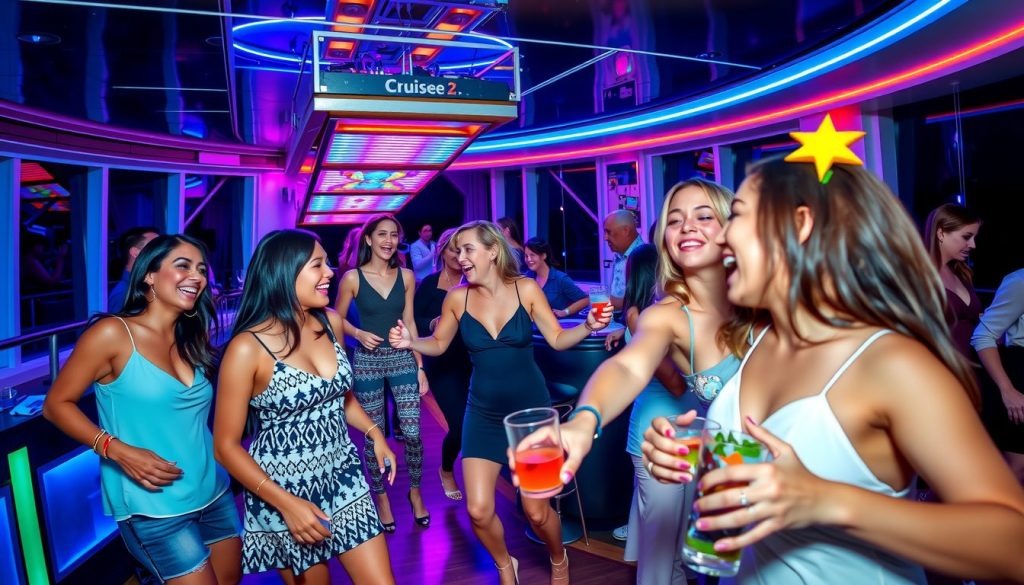
Navigate Any Cruise Ship with Confidence: Find Dining, Entertainment, and Secret Shortcuts
From Icon to Oasis: Explore Royal Caribbean’s Groundbreaking Ships and Unforgettable Voyages

Unlock Intimate Escapes at Sea with Romantic Cruises That Deepen Your Connection
