A modern cruise ship is more than a floating resort.
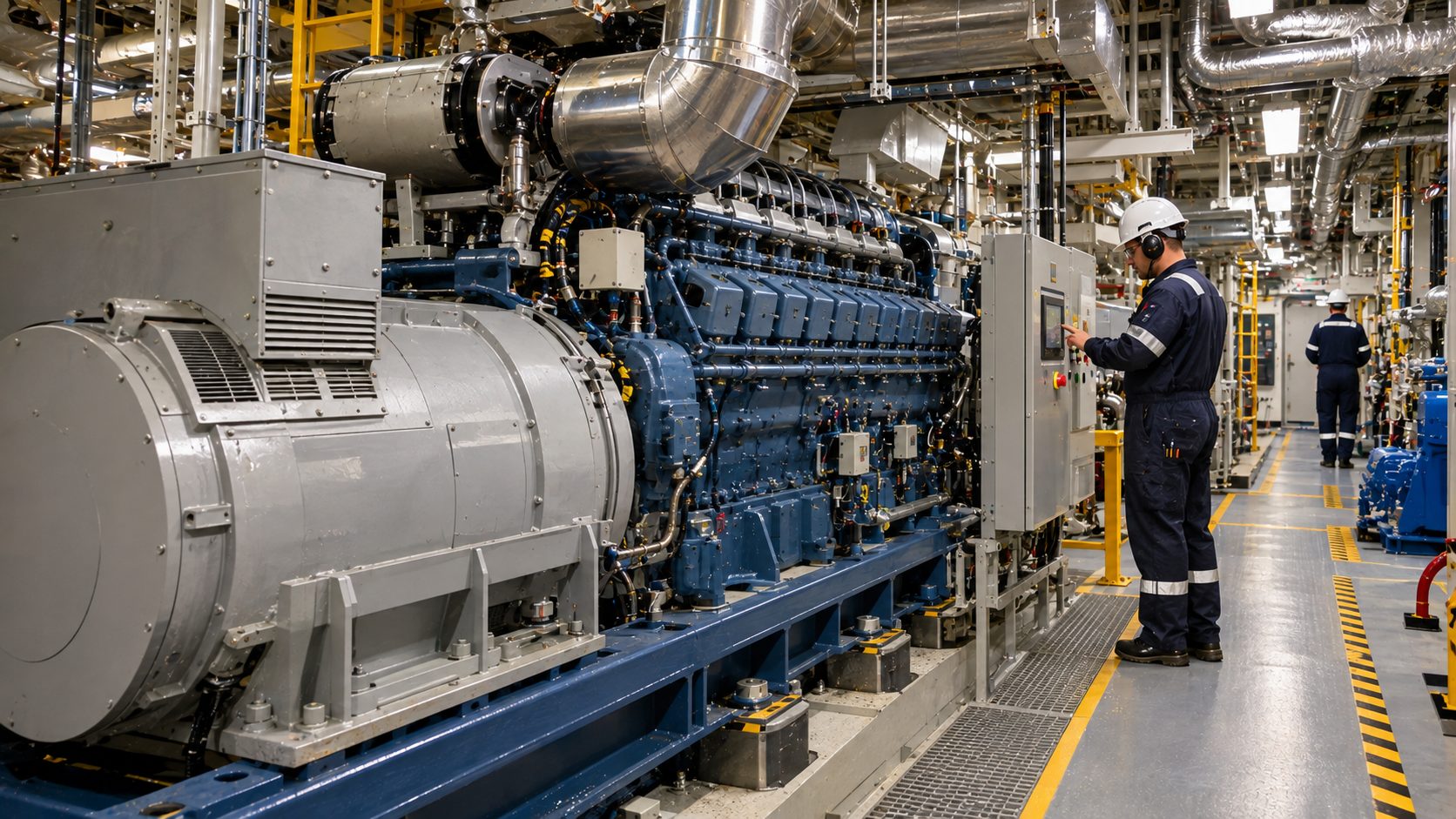
Behind its restaurants, cabins, pools, and entertainment venues is a complex network of electrical systems, engineering equipment, environmental controls, and safety technology that keeps thousands of passengers and crew members supported at sea.
Understanding how cruise ships work reveals what happens behind the scenes, from generating emergency electricity to treating wastewater and managing recycling.
This cruise ship engineering guide brings together practical explanations of marine technology, hurricane tracking systems, power infrastructure, waste management, elevators, and cabin electrical outlets.
How Cruise Ships Use Advanced Technology to Navigate Safely
Modern cruise ships combine sophisticated navigation equipment, satellite communications, weather forecasting, and shore-based operational support to help crews make informed decisions.
These systems become especially important when tropical storms threaten an itinerary.
Captains use current forecasts and navigational information to evaluate potential route changes, although no technology can eliminate every weather-related risk.
– How Cutting-Edge Technology Helps Cruise Ships Avoid Hurricanes — Explore storm-monitoring systems, ship stability technology, crew coordination, and the engineering measures that support hurricane preparedness.
– How Cruise Lines Use Technology to Track Dangerous Weather — Discover how satellite information, predictive forecasts, and shoreside operations teams help cruise ships identify and avoid developing storms.
How Cruise Ships Generate Emergency Power
Cruise ships depend on electricity for navigation equipment, lighting, communications, food preparation, water systems, and passenger services.
Their power infrastructure must support an enormous range of operations, often while traveling far from shore.
If normal power generation fails, emergency generators provide electricity to designated essential systems.
However, backup power isn’t intended to operate every passenger amenity, so some services may remain unavailable until normal operations resume.
– Cruise Ship Backup Generators: What Happens During a Power Failure — Understand emergency power systems, generator redundancy, blackout procedures, and which critical services receive priority when electricity is disrupted.
What Happens to Sewage and Wastewater on Cruise Ships?
Cruise ships produce wastewater from toilets, showers, sinks, laundry facilities, and kitchens.
Managing these waste streams requires specialized plumbing, holding tanks, treatment equipment, and procedures that account for environmental regulations.
Modern treatment systems can process wastewater before permitted discharge, while some waste must be retained for later disposal.
The requirements depend on the type of wastewater, treatment method, and applicable local or international restrictions.
– What Happens to Sewage on Cruise Ships? — Learn how ships collect and treat sewage, manage greywater, handle wastewater residues, and comply with environmental discharge requirements.
How Cruise Ship Recycling and Waste Management Work
With thousands of people eating, shopping, and living onboard, cruise ships generate substantial amounts of packaging, glass, metal, paper, and food waste.
Processing these materials requires equipment, trained crew members, storage space, and coordination with waste facilities ashore.
Recycling begins with collection and sorting, but it doesn’t end when passengers place items in labeled bins.
Materials may be crushed, compacted, stored separately, and transferred to appropriate facilities when the vessel reaches port.
– How Cruise Ship Recycling Works Behind the Scenes — Follow waste materials from passenger bins through crew sorting, onboard processing, storage, and eventual transfer to recycling facilities.
– Cruise Ship Recycling Programs and Environmental Practices — Compare cruise line recycling approaches, waste-reduction initiatives, environmental challenges, and ways passengers can support responsible waste management.
How Cruise Ship Elevators and Electrical Systems Support Passengers
Some of the most useful engineering systems onboard are also the easiest to overlook.
Elevators move passengers between multiple decks, while cabin electrical outlets support phones, medical devices, personal electronics, and everyday conveniences.
These systems have practical limitations.
Elevator demand increases around embarkation, meals, and major events, while outlet configurations and permitted charging accessories vary between ships.
– Cruise Ship Elevators: How to Avoid Long Waits — Explore elevator operations, passenger traffic patterns, peak waiting periods, and practical ways to move between decks more efficiently.
– Cruise Ship Electrical Outlets and Charging Options — Compare cabin outlet types, voltage considerations, USB charging availability, and electrical safety rules before packing your devices.
Where Should You Start Exploring Cruise Ship Technology?
If you’re curious about the engineering that keeps a cruise ship operating, begin with the backup power and wastewater guides.
Together, they explain two essential systems passengers rarely see but rely on throughout their voyage.
Travelers interested in environmental practices should explore the sewage treatment and recycling resources, while those preparing for an upcoming cruise may find the elevator and electrical outlet guides especially useful.
For a closer look at how technology protects passengers during challenging weather, the hurricane-tracking articles explain the relationship between advanced equipment and the experienced crews operating it.
Understanding these systems offers a new perspective on cruising, revealing how much engineering goes into keeping a floating vacation destination functional, comfortable, and prepared for changing conditions.