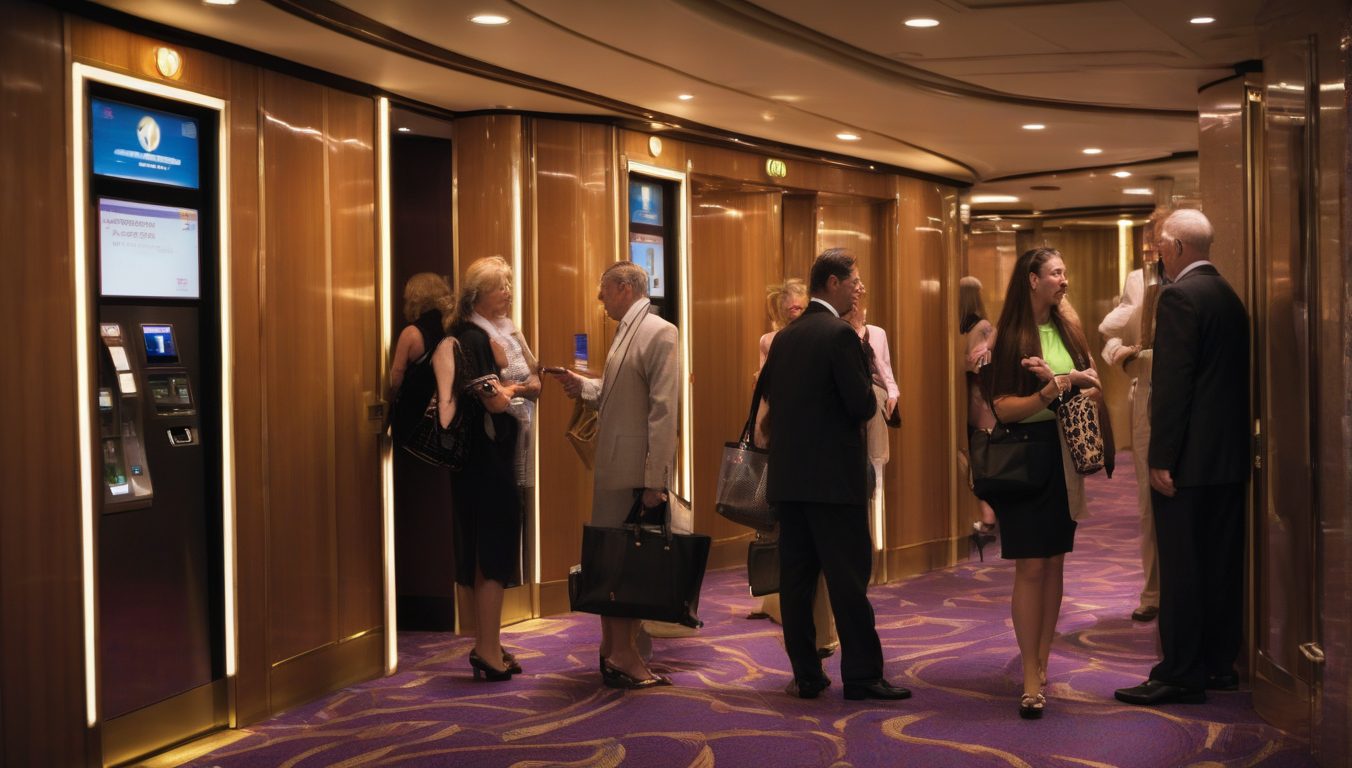
Cruise elevators can quickly become a source of frustration when long waits and crowded cabins slow your day.
Mega-ships with thousands of passengers often face peak-time bottlenecks that derail plans and waste valuable vacation time.
Understanding when elevator traffic spikes—and how to avoid it—can help you move around the ship with ease.
This guide reveals usage patterns, ship-specific challenges, and proven strategies to keep you moving without the wait.
Spot Peak Elevator Usage Times on Your Cruise and Plan Ahead
Elevator usage on a cruise ship follows certain patterns.
While elevators are available throughout the day, demand surges at specific times when large numbers of passengers move between decks.
Knowing when these high-traffic periods occur can help you avoid long waits or find alternative solutions.
Click for Exclusive Offers on Top Cruise Lines!
1. Avoid Elevator Chaos on Embarkation and Debarkation Days
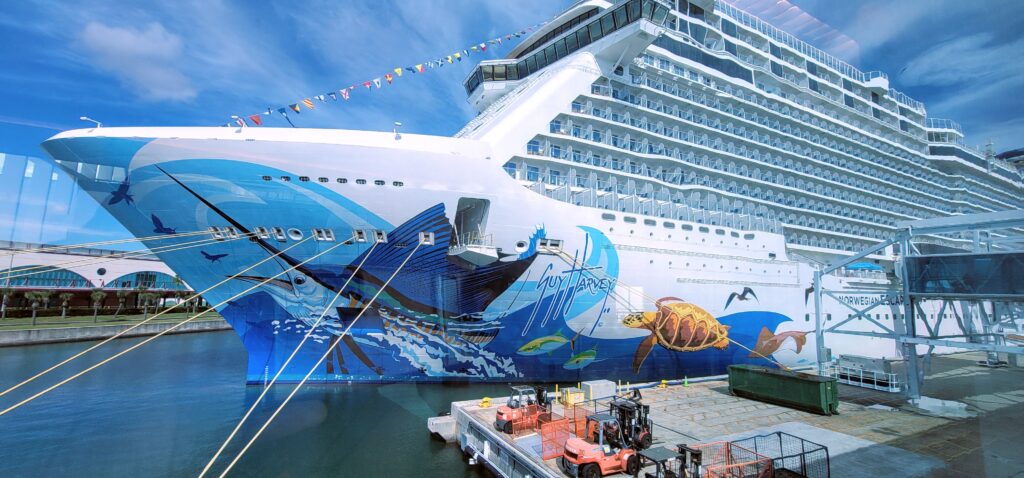
Elevator congestion peaks on embarkation and debarkation days.
On embarkation day, thousands of passengers board the ship around the same time, often carrying their luggage.
After boarding, passengers typically head to their staterooms or explore the ship, creating significant demand for elevators, particularly in the early afternoon when cabins become available.
On debarkation day, elevator demand spikes again as passengers prepare to disembark.
Many passengers use elevators to transport their luggage to the designated exit decks.
Since most passengers are trying to leave the ship at the same time, elevators can become overwhelmed, especially when the ship is large and has many decks to traverse.
Ships with frequent elevator congestion on embarkation/debarkation days:
- Symphony of the Seas (Royal Caribbean): This is the world’s largest cruise ship, carrying over 6,000 passengers.
With such a high volume of passengers boarding and disembarking, elevator wait times can be significant.
- MSC Seaside (MSC Cruises): A popular ship with a high passenger capacity, MSC Seaside often experiences elevator bottlenecks on embarkation and debarkation days.
- Norwegian Bliss (Norwegian Cruise Line): Known for its impressive size, Norwegian Bliss frequently faces elevator congestion when large groups of passengers are moving between decks on embarkation and debarkation days.
- Carnival Vista (Carnival Cruise Line): This large ship accommodates thousands of passengers, leading to elevator delays during embarkation and debarkation.
2. Beat Elevator Crowds During Cruise Meal Times
Elevators see high demand during breakfast, lunch, and dinner times as passengers head to the ship’s dining venues.
Many dining rooms, buffets, and specialty restaurants are located on specific decks, and elevators become a critical means of transportation during these meal periods.
Breakfast, in particular, tends to be busy since passengers are often trying to eat before heading to shore excursions or enjoying their activities on the ship.
Dinner service, especially on formal nights or in specialty restaurants, creates another surge in elevator traffic.
Passengers may be dressed in formal wear or heels, making the use of stairs less practical, which further increases elevator demand.
Unlock Your Dream Cruise with Exclusive Online Deals!
Ships with elevator congestion during meal times:
- Harmony of the Seas (Royal Caribbean): As another mega-ship in the Royal Caribbean fleet, Harmony of the Seas has thousands of passengers, many of whom use the elevators to reach the ship’s expansive dining venues during meal times.
- Norwegian Epic (Norwegian Cruise Line): With multiple dining venues located on different decks, Norwegian Epic experiences heavy elevator traffic as passengers head to and from meals.
- Carnival Horizon (Carnival Cruise Line): Mealtime elevator congestion is a common complaint on Carnival Horizon, especially in the main dining room and buffet areas.
- MSC Meraviglia (MSC Cruises): This ship carries over 4,000 passengers and often experiences long elevator waits during peak dining periods.
3. Skip the Wait After Cruise Shows and Events
Evening shows, performances, and special events often draw large crowds, which means that once these events conclude, hundreds of passengers are moving at the same time.
Many passengers are heading back to their staterooms, located on higher decks, and all at once, leading to long elevator lines.
For example, after a big production show in the ship’s theater or after a deck party, you can expect packed elevators.
Passengers exiting these events tend to cluster near the nearest elevators, leading to congestion in those areas.
Ships with elevator issues after shows and events:
- Anthem of the Seas (Royal Caribbean): With large-scale evening productions and events held throughout the ship, elevator congestion is a frequent issue after shows on this ship.
- Carnival Mardi Gras (Carnival Cruise Line): This ship offers big entertainment events and evening shows, causing passengers to flock to the elevators afterward, resulting in long waits.
- Norwegian Breakaway (Norwegian Cruise Line): Featuring Broadway-style shows and big onboard events, Norwegian Breakaway experiences congestion as passengers leave these events all at once.
- Disney Fantasy (Disney Cruise Line): Known for its family-friendly shows and evening events, Disney Fantasy often sees long elevator wait times after shows.

4. Navigate Elevator Bottlenecks on Busy Port Days
When the ship docks at a port, most passengers are eager to disembark and explore the destination.
As a result, elevators become packed as guests head down to the lower decks to leave the ship.
This is particularly true when the ship docks at a popular port, and everyone is trying to disembark at once.
When returning to the ship after a day in port, the situation repeats.
Guests returning from shore excursions flood the elevators, trying to get back to their cabins, grab a quick snack, or freshen up before dinner or the evening’s events.
Ships with port day elevator congestion:
- Oasis of the Seas (Royal Caribbean): On port days, passengers crowd the elevators to head down to the disembarkation decks, leading to long waits.
- Norwegian Joy (Norwegian Cruise Line): As a large ship with high passenger numbers, Norwegian Joy frequently experiences elevator congestion on port days.
- Celebrity Edge (Celebrity Cruises): Port days on Celebrity Edge can lead to elevator delays as guests disembark for excursions.
- Carnival Magic (Carnival Cruise Line): This ship’s layout and high passenger volume often lead to crowded elevators on port days.
Expect Delays on Ships with Frequent Elevator Congestion
While all cruise ships face elevator congestion at certain times, some ships are more notorious for frequent elevator issues due to their size, design, or number of passengers.
Here are a few ships known for having elevator problems:

Grab Your Ticket to Paradise with These Deals!
1. Symphony of the Seas (Royal Caribbean)
As the world’s largest cruise ship, Symphony of the Seas can carry over 6,000 passengers and has 18 decks.
The sheer size of the ship and the number of passengers means that elevator congestion is almost inevitable, particularly during embarkation, mealtimes, and after big events.
Passengers frequently report long waits for elevators, especially in the central areas of the ship where most activities and dining venues are located.
2. Norwegian Epic (Norwegian Cruise Line)
Norwegian Epic is one of the largest ships in the Norwegian fleet, accommodating up to 4,100 passengers.
However, the design of the ship includes fewer elevators compared to other ships of similar size.
This leads to frequent elevator bottlenecks, particularly during port days and after large evening events.
3. Carnival Horizon (Carnival Cruise Line)
Although Carnival Horizon is a newer ship, it has received feedback from passengers about its limited elevator availability.
With over 3,900 passengers on board, the ship’s elevators are often overwhelmed during busy periods.
Elevator congestion is especially noticeable during meal times and when the ship is in port, leading to long wait times.
4. MSC Meraviglia (MSC Cruises)
With a capacity of over 4,000 passengers, MSC Meraviglia is one of the largest ships in the MSC fleet.
Passengers frequently mention long waits for elevators, especially during meal times and port days.
The ship’s design, with multiple decks and a spread-out layout, exacerbates the problem, as passengers must travel between various areas of the ship for activities, dining, and events.
5. Oasis of the Seas (Royal Caribbean)
Like its sister ship Symphony of the Seas, Oasis of the Seas faces frequent elevator issues due to its massive size and high passenger capacity.
With over 5,400 passengers, the elevators often become crowded during peak times.
Passengers report long waits during embarkation, after shows, and on port days when many guests are moving at once.
Understand Why Cruise Elevators Face Heavy Demand
There are several reasons why elevators on cruise ships are often overused and can become congested:
1. Large Ship Sizes and Passenger Capacity
Modern cruise ships are essentially floating cities, with many carrying thousands of passengers.
Mega-ships like Symphony of the Seas and Norwegian Bliss can carry more than 5,000 passengers at full capacity.
These ships also have anywhere from 10 to 20 decks, and with so many passengers moving between decks throughout the day, the demand for elevators is enormous.
2. Multiple Decks and Spread-Out Facilities
Cruise ships are designed with different activities and facilities spread across multiple decks.
Dining rooms are often located on lower decks, while pools and sun decks are on the upper levels.
This layout encourages frequent elevator use, as passengers need
to move between these decks multiple times a day.
For example, going from the cabin to the pool deck and then to the dining room for lunch could require multiple elevator trips.
3. Passenger Demographics
Cruise ships cater to a wide range of passengers, including seniors, families with young children, and people with mobility issues.
These passengers often rely on elevators to move between decks, as using stairs may be difficult or impractical.
Additionally, families with strollers or those carrying luggage tend to use the elevators more frequently, adding to the congestion.
Use Smart Elevator Strategies to Skip the Wait on Busy Cruises
While elevator congestion on cruise ships can be frustrating, there are several strategies you can use to minimize wait times and improve your experience:
1. Plan Ahead and Avoid Peak Times
The best way to avoid long elevator waits is to plan ahead and travel during off-peak times.
For example, if you know a big show is ending, consider leaving a few minutes early to beat the rush.
On port days, try disembarking a little earlier or waiting until the initial crowd has cleared.
On embarkation day, boarding the ship either early or later in the day can help you avoid the bulk of the elevator traffic.
2. Take the Stairs for Short Distances
For short trips between decks, using the stairs can save time and reduce the need to wait for an elevator.
If you’re only going up or down a few decks, the stairs are often quicker, and you’ll avoid the elevator bottlenecks.
This also provides a convenient way to get in a little extra exercise while exploring the ship.
3. Press Both Up and Down Buttons
When waiting for an elevator, pressing both the “up” and “down” buttons can increase your chances of getting an elevator quickly.
Even if the first elevator that arrives is going in the opposite direction, you can ride it and stay on until it turns around and heads toward your destination.
This strategy can help you avoid long waits when elevators are in high demand.
4. Use Elevators in Less Busy Areas
Most cruise ships have multiple sets of elevators, some of which are located in more central, high-traffic areas, while others are positioned in quieter parts of the ship.
Elevators near the ship’s atrium or main public areas tend to be more crowded, while those farther from these areas are often less busy.
Seeking out elevators in less popular areas can help reduce your wait times.
5. Wait for an Empty Elevator
During peak times, elevators may arrive already packed with passengers, making it difficult to board.
Rather than trying to squeeze in with a crowded group, it’s often better to wait for the next elevator.
Elevators on larger ships tend to cycle quickly, and the next one that arrives may have more space, allowing you to get on comfortably.
Access Priority Elevators for Mobility-Impaired Cruise Guests
Cruise ships are designed to be accessible for passengers with disabilities, and most ships provide designated elevators that prioritize passengers with mobility impairments.
These elevators are often located near staterooms and public areas designed for passengers with disabilities.
While cruise lines encourage able-bodied passengers to use the stairs when possible, they also ask that guests with mobility needs be given priority when using the elevators.
Crew members are typically available to assist passengers with disabilities and can help ensure they have access to elevators when needed.
Passengers with mobility issues are also often given priority during embarkation and debarkation to avoid long waits and crowded elevators.
Know the Limits: What Makes Cruise Elevators Slower and Busier
Elevators on cruise ships have unique characteristics compared to those on land.
Here are some factors to consider when using cruise ship elevators:
1. Slower Speed
Due to the ship’s movement and the need for stability, cruise ship elevators tend to move more slowly than land-based elevators.
This slower speed can make elevator wait times feel longer, especially when the ship is large, and there are many decks to travel between.
2. Weight Limits
Cruise ship elevators have strict weight limits to ensure they operate safely.
If an elevator is nearing capacity, it may refuse to close its doors or stop functioning temporarily until some passengers disembark.
This can cause additional delays, particularly when elevators are already crowded.
3. Freight Elevators for Luggage
On embarkation and debarkation days, crew members use freight elevators to transport luggage between decks.
While these elevators are separate from guest elevators, the increased demand for vertical transportation during these times can slow down the overall elevator system.
Navigate Cruise Elevators Effectively to Save Time
While cruise elevators are available most of the time, they are not always easy to access during peak periods.
Ships with large passenger capacities, like Symphony of the Seas or Norwegian Epic, frequently experience elevator congestion.
Planning your movements around high-traffic times, using alternative elevators, and being patient can make your experience more enjoyable.
By understanding when and where elevator bottlenecks are likely to occur and following some practical tips, you can minimize wait times and enjoy a smoother experience aboard your cruise.
Whether you’re traveling with family, seniors, or those with mobility issues, there are ways to navigate elevator congestion and make the most of your cruise.
FAQ – Avoid Cruise Elevator Delays with Smart Planning and Timing
When Are Cruise Elevators the Busiest and How Can I Avoid the Wait?
Cruise elevators are busiest during embarkation, debarkation, meal times, after shows, and on port days.
Plan your movements to avoid these peak periods whenever possible.
Leave events a few minutes early or wait until crowds disperse before heading to your destination.
Using stairs for short distances can also save time and reduce frustration.Which Cruise Ships Are Known for Frequent Elevator Congestion?
Mega-ships like Symphony of the Seas, Norwegian Epic, and Carnival Horizon often face elevator bottlenecks.
High passenger capacity and multi-deck layouts increase demand for elevators.
Ships with fewer elevator banks relative to size experience more frequent delays.
Research ship design before booking if elevator access is a priority for you.What Strategies Can Help Me Navigate Cruise Elevators More Efficiently?
Use elevators in less busy areas of the ship to avoid central congestion points.
Press both up and down buttons to increase your chances of catching the next available car.
Travel during off-peak hours, such as early morning or late evening, for faster service.
Be patient and allow mobility-impaired passengers priority access when needed.Are There Priority Elevators for Mobility-Impaired Passengers?
Yes, most cruise ships have designated elevators for passengers with mobility needs.
These elevators are often located near accessible staterooms and public areas.
Crew members can assist in ensuring priority access during busy times.
Passengers with disabilities may also receive priority during embarkation and debarkation.Why Are Cruise Elevators Slower Than Land-Based Elevators?
Cruise elevators move more slowly to ensure stability and safety at sea.
Weight limits are strictly enforced, and overloaded cars may not operate until passengers exit.
The ship’s motion and multi-stop routes can extend travel times between decks.
Freight elevator use for luggage on embarkation and debarkation days can also impact system efficiency.BONUS: How Can I Identify Low-Traffic Times for Faster Elevator Access?
Observe passenger flow patterns during your first day onboard to spot quieter periods.
Early mornings, mid-afternoons, and late evenings often have lighter elevator traffic.
On port days, elevators are less busy when most passengers are ashore.
Use these windows to move between decks quickly and without delays.BONUS: Should I Choose Central or Aft Elevators for Shorter Waits?
Aft elevators are often less crowded than central ones located near main public areas.
Central elevators tend to be busier due to proximity to dining rooms, theaters, and atriums.
If your cabin is near the aft or forward sections, using those elevators can save time.
Choosing the right bank based on your location reduces walking and waiting.
Plan Your Next Cruise!
Unlock The Viking Ocean Experience: Elegant Ships, Cultural Immersion, And Unrushed Travel
Viking Ocean Cruises blends Scandinavian elegance with immersive travel, creating voyages that are as enriching as they are relaxing. With small,…
Escape To Paradise: Inside The Exclusive World of Cruise Line Private Islands
A cruise line’s private island isn’t just another stop on your itinerary—it’s a curated slice of paradise designed exclusively for guests….

Sail Into Modern Luxury: Celebrity Cruises for Design, Culinary Excellence, and Destination‑Rich Voyages
Celebrity Cruises redefines modern luxury at sea with ships that blend cutting‑edge design, world‑class dining, and immersive entertainment. Each vessel is…
Discover Regent Seven Seas Cruises: Opulent Suites, Gourmet Dining, and Exclusive Destinations
Regent Seven Seas Cruises delivers the pinnacle of all‑inclusive luxury travel, where every voyage blends elegance, comfort, and immersive exploration. From…
Explore More

Dance Into Adventure: Learn Salsa at Sea with Cruise Lessons for Every Skill Level

Sail Without Limits: Wheelchair‑Accessible Cruise Ships That Deliver Comfort and Independence

Live Music On Cruises: Where to Find Jazz, Rock, And Broadway‑Style Shows