
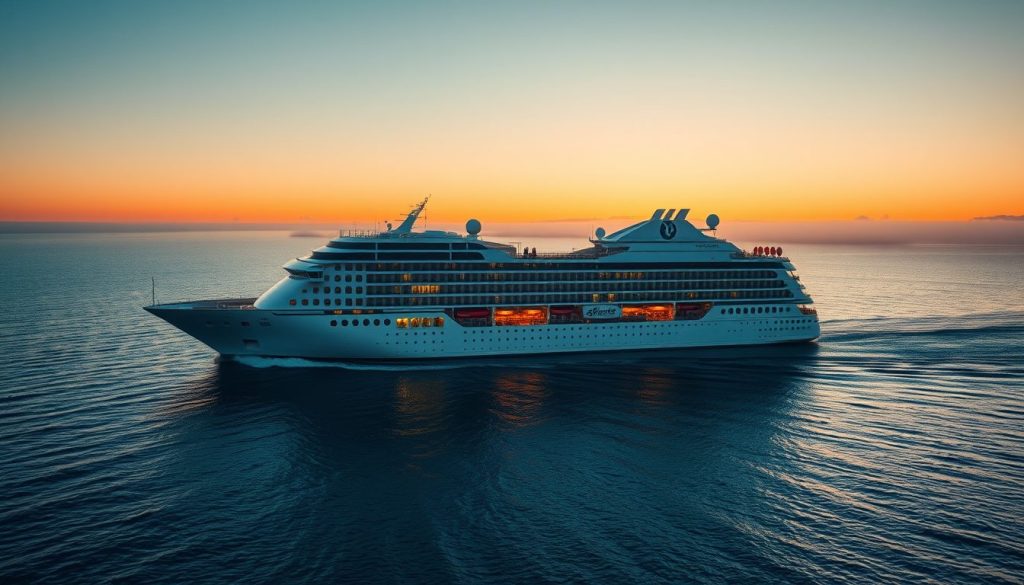
One Delay Can Cost Your Entire Cruise
A quick coverage check now protects you from the problems no one sees coming.
Short Excerpt
- Cruise ships operate like self-contained cities, with passenger rules, safety systems, medical care, entertainment, and behind-the-scenes engineering shaping the experience.
- Knowing details such as alcohol restrictions, cabin location, drink-package value, tender operations, and emergency procedures can prevent common first-cruise surprises.
- Many of the most useful cruise questions have practical answers that can influence what you pack, where you book, and how much you spend onboard.
Quick Take
- Passenger rules can affect alcohol, teen curfews, dress codes, heating pads, and other items you may assume work the same way they do on land.
- Midship cabins on lower decks and locations away from elevators or nightlife generally provide a quieter experience.
- Drink packages make the most sense when your normal consumption is high enough to justify the fixed daily cost.
- Muster drills, onboard medical care, lifeboats, and trained crews form the visible side of a much larger shipboard safety system.
- Tender boats, desalination, recycling, sewage treatment, and private islands reveal how much infrastructure operates beyond what passengers normally see.
What First-Time Cruise Passengers Should Know Before Stepping Onboard
Cruise ships are more than floating resorts — they’re carefully engineered worlds with their own rules, comforts, and hidden systems.
Whether you’re curious about passenger restrictions, searching for the quietest cabins, wondering how safety drills really work, or fascinated by the technology that keeps a ship running, this guide brings it all together.
Here you’ll find the answers passengers ask most, explained with clarity and insight so you can step onboard with confidence.
Passenger Rules & Restrictions
Life onboard comes with its own set of rules — some obvious, others surprising.
From curfews for teens to alcohol policies and dress codes, cruise lines enforce guidelines that shape the passenger experience.
These posts break down the rules so you know exactly what to expect before you sail.
- Teen Curfews on Cruises: What Parents Should Expect
- Quiet Zones at Sea: Where to Find Peace Onboard
- Cruise Ship Dress Codes Explained
- Alcohol Rules: What You Can and Can’t Bring on a Cruise

Avoid Alcohol Confiscation: Cruise BYOB Rules That Save You Money and Stress
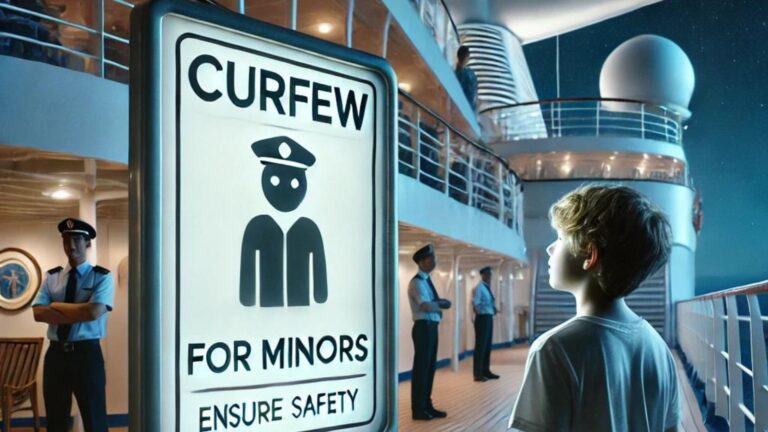
Cruise Curfews for Minors — What Families Need to Know Before Sailing
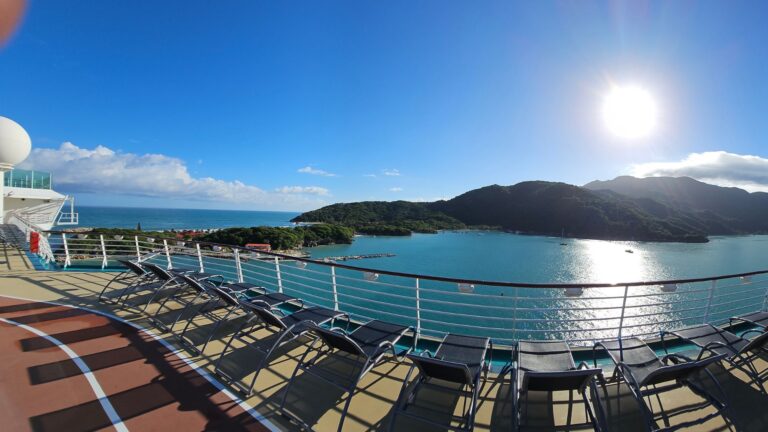
Cruise Quiet Zones: Find Peaceful Retreats and Relaxation Spaces at Sea

Dress To Impress at Sea: Cruise Formal Night Outfits for Every Cruise Line
Comfort & Lifestyle Onboard
Your cabin location, dining choices, and onboard perks can make or break your trip.
Whether you’re weighing drink packages, searching for the quietest cabins, or wondering what’s included at the spa, these guides help you maximize comfort and value at sea.
- Quietest Cabins on a Cruise Ship
- Best Decks for Avoiding Noise
- Cruise Drink Packages: Are They Worth It?
- Cruise Ship Spas: What’s Included vs. Extra

Escape the Noise: Find Your Perfect Quiet Cabin on Any Cruise Ship

Recharge at Sea: Luxury Cruise Spa Packages for Deep Relaxation and Lasting Wellness

Escape the Noise — Choosing the Right Cruise Ship Deck for Restful Nights

Avoid Onboard Bar Bills: Find the Cruise Drink Package That Fits Your Style
Safety & Emergencies at Sea
Cruise lines take safety seriously, with detailed plans for every possible scenario.
From muster drills to onboard doctors, these posts explain the systems in place to keep passengers safe and prepared — and what you should know before you board.
- Emergency Procedures Every Passenger Should Know
- Muster Drills Demystified: What Happens and Why It Matters
- Doctors at Sea: Understanding Cruise Medical Care
- Heating Pads and Cruise Safety Rules Explained
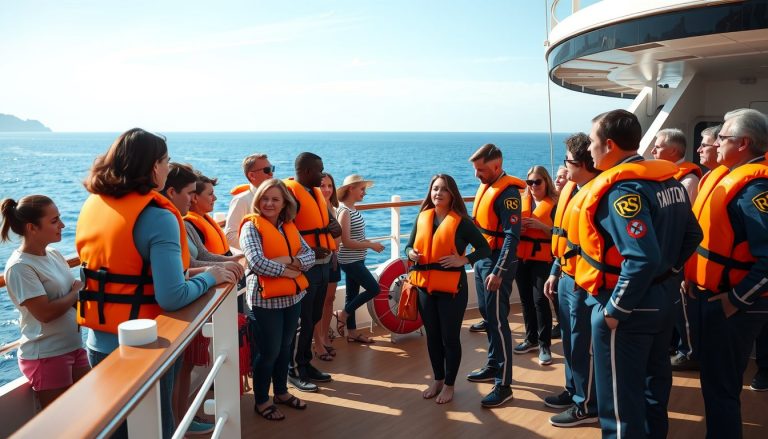
Stay Safe at Sea — Emergency Procedures Every Cruise Passenger Should Know
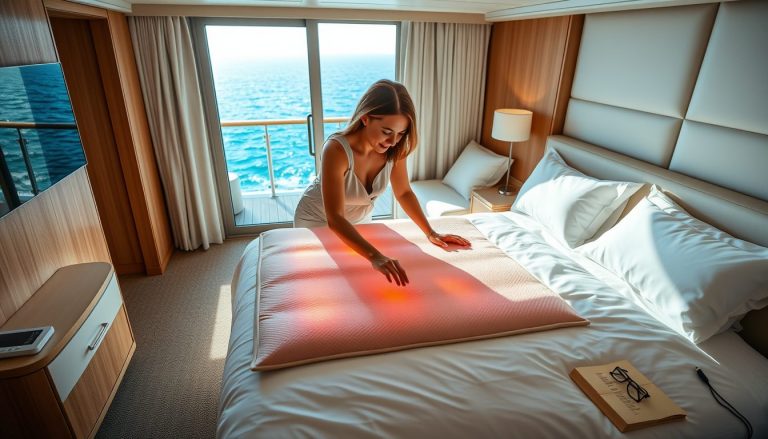
Stay Warm Safely: Cruise Heating Pad Rules, Safety Checks, and Packing Tips
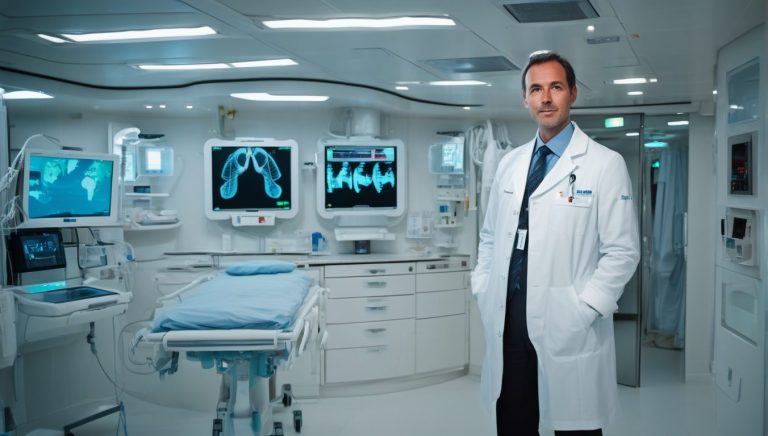
Discover What Cruise Ship Doctors Can Treat and Why Travel Insurance Matters
Ensuring Cruise Safety: What the Muster Drill Teaches Every Passenger
Hidden Systems & Ship Secrets
Behind the scenes, cruise ships are engineering marvels.
From tender boats that ferry passengers ashore to waste management and water desalination systems, these posts reveal the hidden technology and logistics that keep a floating city running smoothly.
- Cruise Ship Tender: How Passengers Reach Shore
- Cruise Lines and Their Private Islands
- Cruise Ship Recycling & Waste Systems
- Bottled Water and Fresh Water on Cruises

Escape To Paradise: Inside The Exclusive World of Cruise Line Private Islands

Cruise Ship Recycling Programs — How Waste Is Managed and What Passengers Can Do

Stay Hydrated at Sea: Cruise Bottled Water Policies, Costs, and Smart Savings
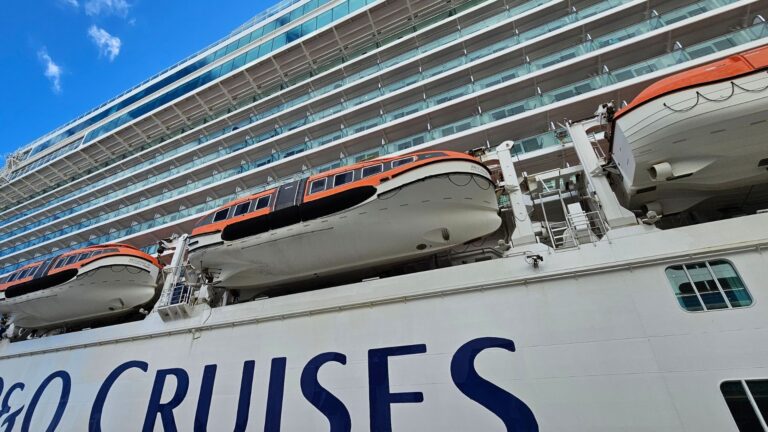
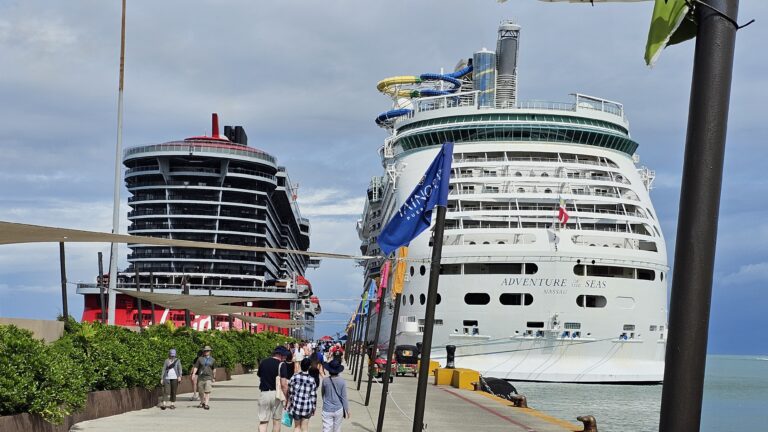
Stay Safe and Confident: Everything You Need to Know About Cruise Ship Tenders
FAQ – What Do Cruise Passengers Really Need To Know Before Sailing?
Can You Bring Your Own Alcohol on a Cruise Ship?
Cruise lines commonly restrict how much alcohol passengers can bring aboard, and the rules can vary by line and beverage type.
Wine may be permitted within specified limits while beer, liquor, or excess quantities can be confiscated or held until the end of the sailing.
Policies also determine whether corkage fees apply when personal wine is consumed in restaurants or other public areas.
Check the exact rules for your cruise before packing because assumptions based on another cruise line can leave bottles sitting at the terminal instead of in your cabin.Do Cruise Ships Have Curfews for Teenagers and Younger Passengers?
Many cruise lines impose nighttime curfews or supervision rules for minors, especially in public areas later in the evening.
Those policies help reduce noise, improve safety, and prevent groups of unsupervised teens from disrupting other passengers.
Parents should also check age restrictions for clubs, lounges, pools, and other venues because access can change throughout the day.
Understanding the rules before sailing makes it easier to give teenagers independence without accidentally putting them in conflict with ship policies.Where Should You Book a Cruise Cabin If You Want a Quiet Night?
Midship cabins on lower decks and rooms located away from elevators, nightclubs, theaters, and other high-traffic spaces are generally better choices for reducing noise.
Location matters because sound can travel vertically as well as horizontally, so a cabin directly below an entertainment venue can be disruptive even when the hallway itself seems quiet.
Reviewing the deck above and below your cabin before booking can reveal potential problems that the cabin description will not mention.
A few minutes with the deck plan can make a noticeable difference in how well you sleep throughout the cruise.Are Cruise Drink Packages Really Worth the Price?
A drink package can provide good value when your normal daily consumption is high enough to exceed what you would otherwise spend à la carte.
The existing guidance uses roughly five to seven drinks per day as a practical point where the math may become more favorable, although actual value depends on beverage prices and package rules.
Light drinkers can spend considerably less by paying individually instead of purchasing unlimited access they will never fully use.
Estimate what you realistically drink on vacation before buying rather than treating the package as an automatic upgrade.What Is Usually Included in a Cruise Ship Spa and What Costs Extra?
Access to basic wellness facilities and specific spa amenities depends heavily on the ship and cruise line, while massages, facials, premium treatments, and specialty packages generally cost extra.
Thermal suites, saunas, steam rooms, and relaxation areas may be included with certain cabins or sold through day passes and spa packages.
Booking packages before sailing can sometimes provide different pricing or availability than waiting until the ship is underway.
Compare what your fare already includes before purchasing an upgrade so you do not pay twice for amenities attached to your cabin category.What Does the Muster Drill Actually Teach Cruise Passengers?
The muster drill shows passengers where their emergency assembly station is located and explains the procedures they would follow if the crew issued an emergency instruction.
Cruise ships also maintain lifeboat capacity, trained crews, and additional emergency systems beyond what passengers see during the briefing.
Some lines now use electronic or individually completed muster procedures rather than assembling everyone at one time.
Treating the drill seriously means you already know where to go instead of trying to understand the ship’s emergency layout during a stressful event.What Can Cruise Ship Doctors Treat While You Are at Sea?
Cruise ships carry onboard medical personnel who can evaluate and treat many routine illnesses, injuries, seasickness problems, and urgent medical situations.
The medical center is intended to stabilize and manage conditions at sea, but serious cases may still require treatment at a shore-based hospital or medical evacuation.
Care onboard is generally not comparable to visiting a free ship amenity, so passengers should be prepared for medical charges.
Travel insurance can become particularly valuable when an illness creates both treatment expenses and costly changes to the rest of the trip.Why Do Some Cruise Ports Use Tender Boats Instead of Letting the Ship Dock?
Tender boats are used when a port cannot safely accommodate the cruise ship at a pier or when available docking space is limited.
Passengers transfer from the ship to smaller boats, sometimes using vessels that also serve as shipboard lifeboats, and are carried directly ashore.
Tendering can take longer than walking off at a dock, so excursion timing and mobility considerations deserve extra attention on those port days.
Knowing that a destination is a tender port beforehand can help you avoid scheduling an independent excursion too close to the ship’s arrival time.What Really Happens to Trash and Sewage on a Cruise Ship?
Cruise ships use extensive onboard systems to sort, compact, process, incinerate, recycle, or store different types of waste before appropriate disposal or offloading.
Wastewater also passes through treatment systems designed to meet applicable maritime requirements before permitted discharge.
These operations are largely invisible to passengers even though they are essential to supporting thousands of people living aboard what functions like a small floating city.
The complexity of those systems helps explain why waste management and fresh-water production are major engineering functions rather than simple housekeeping tasks.Do Cruise Lines Really Own Private Islands Like CocoCay And Castaway Cay?
Some cruise lines own, lease, or control private-island destinations that function as extensions of the onboard experience.
CocoCay and Castaway Cay are examples of destinations designed around cruise passengers, with beaches, activities, food, transportation, and other services integrated into the visit.
That controlled environment can make the port day easier to navigate because much of the experience is coordinated around the arriving ship.
Travelers should still check what is included in the cruise fare because premium attractions, rentals, cabanas, and specialty experiences can carry additional charges.
Ready to Explore More
Curious to dive deeper into the world of cruise ships?
These guides expand on the rules, comforts, safety systems, and hidden engineering that make every voyage possible.
- Teen Curfews on Cruises: What Parents Should Expect
- Quiet Zones at Sea: Where to Find Peace Onboard
- Cruise Ship Dress Codes Explained
- Alcohol Rules: What You Can and Can’t Bring on a Cruise
- Casino Age Limits on Cruise Ships
- Quietest Cabins on a Cruise Ship (and the Noisiest to Avoid)
- Best Decks for Avoiding Noise on a Cruise
- Cruise Drink Packages: Are They Worth It?
- Cruise Ship Spas: What’s Included vs. Extra
- Laundry on Cruise Ships: What’s Free and What Costs Extra
- Emergency Procedures Every Passenger Should Know
- Muster Drills Demystified: What Happens and Why It Matters
- Doctors at Sea: Understanding Cruise Medical Care
- Heating Pads and Cruise Safety Rules Explained
- Storm Protocols: What Happens When a Cruise Ship Faces a Hurricane
- Cruise Ship Tender: How Passengers Reach Shore
- Cruise Lines and Their Private Islands: What Really Awaits You
- Cruise Ship Recycling & Waste Systems: Where It All Goes
- Sewage on Cruise Ships: What Really Happens
- Bottled Water and Fresh Water on Cruises
- Cruise Ship Stabilizers Explained: How They Keep You Steady