One Delay Can Cost Your Entire Cruise
A quick coverage check now protects you from the problems no one sees coming.
Cruising while pregnant can be a dream getaway, offering relaxation, dining, and ocean views before your baby arrives.
But every cruise line enforces strict pregnancy rules, and knowing them is the difference between boarding smoothly or being denied at the port.
This guide breaks down cruise line pregnancy policies, explains the 24-week cutoff, and shares essential tips to keep your babymoon safe and stress-free.
**Note that none of the recommendations listed are medical advice. Please consult your physician regarding any of these recommendations.**
Understanding Cruise Line Pregnancy Policies
Cruise lines have established pregnancy policies to protect both passengers and crew.
Before you make any travel plans, it’s essential to be fully informed about these rules to avoid any complications or disappointments.
Cruise Line Rules: The Pregnancy Cutoff Every Traveler Must Know
Most major cruise lines have policies that impose restrictions on pregnant travelers.
These policies typically include the following guidelines:
- Pregnancy Cutoff: You cannot sail if you will enter or exceed the 24th week of pregnancy at any time during the cruise.
- Medical Documentation: Expectant mothers are usually required to provide a letter from their healthcare provider confirming the expected due date and stating that they are fit to travel.
This letter is often required to be dated within a certain time frame before the cruise (usually within 30 days of departure).
These policies are in place to ensure the health and safety of the mother and baby, as well as the cruise ship’s medical staff and resources, which may be limited in handling pregnancy-related emergencies.

Why the 24-Week Rule Protects Mothers, Babies, and Voyages
The 24-week cutoff is grounded in medical guidelines. After 24 weeks, the risk of complications, such as preterm labor, increases.
Cruise ships generally lack the advanced medical facilities needed to care for premature babies or manage childbirth, which is why this strict limit is enforced across the industry.
Medical evacuations at sea are complicated and can be costly, making it safer for everyone involved to adhere to this cutoff.
Cruise Line-Specific Pregnancy Policies
Below are the specific policies of some of the most popular cruise lines for pregnant travelers.
While the overall guidelines are similar, there are slight variations you should be aware of.
1. Carnival Cruise Line
Carnival has a clear policy that prohibits sailing if you will be beyond 24 weeks pregnant at any time during the cruise.
They require a medical certificate from your healthcare provider confirming your due date and stating that you’re fit to travel.
If you do not have the necessary documentation, you may be denied boarding.
2. Royal Caribbean
Royal Caribbean follows the same 24-week pregnancy rule.
They also require a doctor’s note and may ask for additional details about your pregnancy history to assess any potential risks.
Click for Exclusive Offers on Top Cruise Lines!
3. Norwegian Cruise Line (NCL)
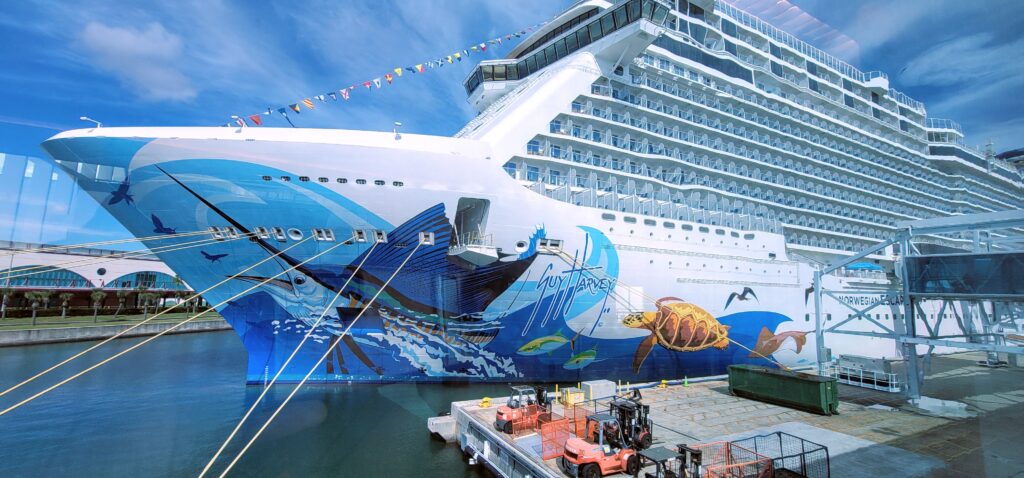
NCL’s policy aligns with those of Carnival and Royal Caribbean, prohibiting travel beyond the 24th week of pregnancy.
A doctor’s note confirming your due date and fitness to travel is mandatory for boarding.
4. Princess Cruises
Princess Cruises follows the same policy, barring travel for those who will be 24 weeks pregnant or more during the cruise.
Documentation from a healthcare provider is required.
5. Disney Cruise Line
Disney Cruise Line is family-oriented, but they also enforce the 24-week rule.
While they offer many family-friendly services and amenities, they still prioritize the safety of all guests, including expectant mothers.
These policies are in place for all cruise lines operating out of the United States, and it’s unlikely you’ll find significant differences in their guidelines.
Understanding these policies ahead of time is key to ensuring you won’t encounter issues when boarding.
Pregnancy Cruise Tips: How to Stay Comfortable and Safe at Sea
If you’re within the allowed pregnancy window and have received clearance from your healthcare provider, cruising can be a delightful and stress-free experience.
Here are some crucial tips to help you prepare for your journey:
1. Consult Your Healthcare Provider
Before booking any cruise, it’s vital to discuss your travel plans with your doctor or midwife.
They can evaluate your pregnancy and assess whether it’s safe for you to travel.
This conversation should cover any health conditions or concerns that could make cruising risky, such as a history of preterm labor, high blood pressure, or complications with previous pregnancies.

Grab Your Ticket to Paradise with These Deals!
2. Choose the Right Itinerary
Selecting the right itinerary is crucial when cruising while pregnant.
It’s best to opt for shorter cruises that have fewer sea days and more frequent stops in ports.
This ensures that you are always within reach of a hospital should any emergencies arise.
Additionally, consider avoiding itineraries that involve rougher seas, as these can exacerbate motion sickness and discomfort.
Destinations with mild climates are ideal, as extreme heat can add to fatigue and dehydration risks.
Popular short cruises to consider include those that sail to the Caribbean, the Bahamas, or coastal destinations within your country.
3. Plan for Motion Sickness
Pregnancy can make you more susceptible to motion sickness, even if you’ve never experienced it before.
It’s wise to bring anti-nausea remedies that are safe for pregnancy.
Ginger candies, acupressure wristbands, and doctor-approved medications like Dramamine (in non-drowsy formulas) can help alleviate symptoms.
If you’re prone to motion sickness, choosing a mid-ship cabin on a lower deck can reduce the sensation of movement, as these areas experience less swaying.
Unlock Your Dream Cruise with Exclusive Online Deals!
4. Stay Hydrated and Rested
Proper hydration and rest are essential during pregnancy, and this becomes even more critical on a cruise.
Be sure to drink plenty of water throughout the day, especially if you’re cruising in warmer climates.
Keeping snacks like granola bars or fruit within reach can also help maintain your energy levels.
Take breaks frequently, and don’t feel obligated to join every activity onboard.
Allow yourself time to relax in your cabin or at quiet spots around the ship.
5. Pack Essential Items
Packing the right items can make a world of difference in your comfort level during the cruise.
In addition to your usual travel essentials, be sure to bring:
- Prenatal vitamins
- Medications prescribed by your doctor
- Comfortable and loose-fitting clothing
- Maternity swimwear (if you plan to use the pool)
- Compression socks (to help prevent swelling during long periods of sitting)
It’s also a good idea to bring a copy of your medical records, including any details about your pregnancy, in case you need to visit the onboard medical center or a hospital at one of your ports.
6. Book the Right Cabin
Where your cabin is located can have a significant impact on your experience.
If you’re pregnant, consider booking a cabin close to elevators and key amenities, such as dining rooms and lounges.
A balcony cabin is a fantastic option as it provides quick access to fresh air and a private space to relax without needing to navigate busy areas of the ship.
7. Know the Onboard Medical Facilities
Cruise ships are equipped with medical centers, but these facilities are limited compared to land-based hospitals.
Familiarize yourself with where the medical center is located on your ship and the services it provides.
While they can handle minor medical issues, they may not be equipped to manage more severe pregnancy-related emergencies.
In such cases, evacuation to a hospital might be necessary, which can be logistically challenging and costly.
Activities and Dining for Pregnant Travelers
Just because you’re pregnant doesn’t mean you have to miss out on the many exciting activities and dining experiences available on a cruise.
In fact, cruising while pregnant can be particularly relaxing and enjoyable if you plan accordingly.
1. Relaxation and Wellness
Cruise ships are renowned for their spa services, and many offer specialized prenatal treatments.
These treatments, including massages and facials, are designed to help relieve pregnancy-related discomfort.
Be sure to check that your chosen spa has services tailored specifically for pregnant women and that their staff are trained in prenatal care.
Beyond the spa, take advantage of the quieter areas of the ship, such as adult-only sun decks, lounges, and libraries, where you can enjoy some peaceful downtime.
2. Pools and Hot Tubs
Taking a dip in the pool is usually safe, but pregnant women should be cautious when it comes to hot tubs.
High temperatures can be harmful during pregnancy, leading to dehydration or even triggering contractions.
If you’re keen to soak, look for pools or hot tubs that maintain a moderate temperature.
Some ships also have splash pools or whirlpools with lower heat settings.
3. Dining Options
One of the perks of cruising is the abundance of dining options.
Whether you’re craving something sweet or seeking a healthy, balanced meal, cruise ships typically offer a wide variety of choices.
Most ships cater well to special dietary needs, including pregnancy-related dietary restrictions.
Fresh fruits, vegetables, lean proteins, and whole grains are readily available across buffets, main dining rooms, and specialty restaurants.
If you have specific dietary needs or preferences, it’s a good idea to inform the cruise line ahead of time so they can accommodate your requests.
Additionally, be cautious with foods like soft cheeses, sushi, or anything that may be undercooked, as these can pose risks during pregnancy.
4. Entertainment and Excursions
Pregnant travelers can still enjoy most of the entertainment options onboard, such as shows, movies, live music, and educational seminars.
When it comes to shore excursions, opt for those that involve minimal physical exertion.
City tours, scenic drives, and visits to cultural landmarks are often suitable.
However, it’s best to avoid activities that involve strenuous movement or potential falls, such as zip-lining, horseback riding, or hiking.
5. Gentle Exercise Options
Staying active is beneficial during pregnancy, and cruise ships offer plenty of opportunities to maintain light exercise routines.
Walking tracks, low-impact fitness classes like yoga or stretching, and even swimming can help keep you active without overexertion.
Be sure to listen to your body and only participate in activities that feel comfortable.
Pregnancy Cruise Challenges: What to Expect and How to Prepare
While cruising during pregnancy can be an enjoyable experience, it’s important to be aware of potential challenges that might arise:
1. Medical Care Limitations
As mentioned earlier, the medical facilities onboard cruise ships are limited.
While they can handle minor issues like dehydration or nausea, more complex pregnancy-related emergencies may be beyond their capabilities.
In cases of serious medical issues, evacuation to a hospital could be necessary.
This process can be complicated and expensive, especially if you’re far from a port.
2. Travel Insurance
Given the unique risks associated with pregnancy, it’s wise to purchase comprehensive travel insurance that covers pregnancy-related issues.
Standard travel insurance policies may exclude pregnancy-related complications, so make sure to find a policy that explicitly includes coverage for medical care, cancellations, and potential evacuations.
Confirm the details of the coverage, such as any limitations regarding gestation periods.
3. Motion Sickness and Fatigue
Pregnancy can heighten sensitivity to motion sickness, which is common on cruise ships.
Even if you haven’t experienced motion sickness before, pregnancy might increase your susceptibility.
Fatigue is also a common issue, particularly during the later stages of pregnancy.
Be sure to plan your days to include ample rest time and don’t overexert yourself with too many activities.
4. Avoiding Overexertion
While it’s tempting to pack your schedule with activities and excursions, it’s crucial to avoid overexertion.
Pregnancy naturally limits your energy levels, and participating in too many events can lead to exhaustion.
Pace yourself, take frequent breaks, and prioritize activities that you genuinely enjoy and can comfortably handle.
What Happens if You Book Without Knowing the Policy?
It’s possible that you may book a cruise without being fully aware of the pregnancy policy or without knowing you’re pregnant at the time of booking.
Here’s what can happen if you find yourself in this situation:
- Refund Policies: Some cruise lines offer refunds, future cruise credits, or the option to reschedule if you find out you’ll be beyond the 24-week cutoff by the time of the cruise.
It’s important to check the cancellation and refund policies of your cruise line, as these can vary.
- Denied Boarding: If you arrive at the port and it’s determined that you are beyond the 24-week cutoff or lack proper documentation from your doctor, you could be denied boarding without a refund.
This is why it’s critical to understand and comply with the cruise line’s policy well in advance.
- Insurance Considerations: Travel insurance may cover pregnancy-related cancellations if certain conditions are met.
Be sure to check whether your policy includes coverage for cancellation due to pregnancy and whether you need to provide documentation.
Alternatives to Cruising While Pregnant
If cruising isn’t feasible due to your stage of pregnancy or other health concerns, there are plenty of alternative vacation options that can still provide the relaxation you’re seeking:
- Babymoons at Resorts: Many resorts offer special babymoon packages designed specifically for expectant parents.
These packages often include prenatal massages, healthy dining options, and pregnancy-friendly activities like yoga classes and mocktail bars.
- Local Staycations: If long-distance travel feels daunting, consider planning a staycation close to home.
A local resort or boutique hotel can offer a relaxing escape without the need for extensive travel, allowing you to unwind without added stress.
- Scenic Road Trips: Road trips offer flexibility, allowing you to travel at your own pace and stop whenever needed.
Choose destinations within a few hours’ drive that provide beautiful scenery, cozy accommodations, and gentle activities.
Should You Cruise While Pregnant? Making the Right Choice for Your Babymoon
Cruising while pregnant can be a fantastic way to relax and enjoy some time away before your baby arrives, as long as you’re well-prepared and follow the cruise line’s pregnancy policies.
As long as you’re within the allowed timeframe and have received your doctor’s approval, there’s no reason you can’t embark on a wonderful cruise vacation.
The key is to prioritize your comfort and well-being, stay informed about the cruise pregnancy policy, and plan your trip carefully.
With the right preparations, cruising while pregnant can be a memorable and rejuvenating experience that you’ll cherish for years to come.
Whether you’re enjoying a tropical beach, indulging in spa treatments, or savoring delicious meals onboard, this can be the perfect last getaway before the exciting adventure of parenthood begins.
So, if you’re considering a cruise while pregnant, take the time to do your research, consult with your healthcare provider, and prepare for a relaxing and enjoyable journey.
FAQ – Cruise Pregnancy Rules, Safety, and Babymoon Planning
Can you take a cruise while pregnant?
Yes, you can cruise while pregnant if you are under the 24-week cutoff.
Most cruise lines allow travel during the first and second trimesters with a doctor’s note confirming your due date and fitness to sail.
This policy safeguards both mother and baby, ensuring medical support is available if needed.Why do cruise lines enforce the 24-week pregnancy rule?
The 24-week rule exists because risks of preterm labor rise sharply after this stage.
Cruise ships lack neonatal facilities to care for premature infants.
By enforcing this cutoff, cruise lines protect mothers, babies, and onboard medical teams from emergencies they cannot manage at sea.What documents do pregnant travelers need to board a cruise?
Expectant mothers must provide a doctor’s letter confirming their due date and stating they are fit to travel.
This letter is usually required within 30 days of departure.
Without proper documentation, boarding can be denied even if you are under the 24-week limit.What are the best tips for cruising while pregnant?
Choose shorter itineraries with frequent port stops to stay close to hospitals.
Book a mid-ship cabin on a lower deck to reduce motion sickness.
Stay hydrated, rest often, and pack essentials like prenatal vitamins, compression socks, and medical records.What activities and dining options are safe for pregnant travelers?
Prenatal spa treatments, gentle exercise, and cultural excursions are safe and enjoyable.
Pools are fine, but avoid hot tubs with high temperatures.
Cruise dining offers fresh fruits, vegetables, and lean proteins, but avoid raw seafood, soft cheeses, or undercooked meats.What challenges should pregnant travelers prepare for on a cruise?
Onboard medical facilities are limited and may not handle complex pregnancy emergencies.
Travel insurance with pregnancy coverage is essential to protect against cancellations or evacuations.
Pregnancy can heighten motion sickness and fatigue, so pacing your activities is critical.What happens if you book a cruise without knowing the pregnancy policy?
If you exceed the 24-week cutoff, you may be denied boarding without a refund.
Some cruise lines offer credits or rescheduling, but policies vary.
Travel insurance may cover cancellations if pregnancy is disclosed and documented.What alternatives exist if cruising isn’t possible during pregnancy?
Resorts often offer babymoon packages with prenatal spa treatments and pregnancy-friendly dining.
Staycations at local hotels provide relaxation without long travel.
Scenic road trips allow flexibility, frequent stops, and gentle activities.
Plan Your Next Cruise!
From Icon to Oasis: Explore Royal Caribbean’s Groundbreaking Ships and Unforgettable Voyages
One Delay Can Cost Your Entire Cruise A quick coverage check now protects you from the problems no one sees coming….
Discover Regent Seven Seas Cruises: Opulent Suites, Gourmet Dining, and Exclusive Destinations
One Delay Can Cost Your Entire Cruise A quick coverage check now protects you from the problems no one sees coming….

Escape To Paradise: Inside The Exclusive World of Cruise Line Private Islands
One Delay Can Cost Your Entire Cruise A quick coverage check now protects you from the problems no one sees coming….

Sail Smart: Discover The Real Cost of Luxury Cruises and Maximize Your Travel Value
One Delay Can Cost Your Entire Cruise A quick coverage check now protects you from the problems no one sees coming….